




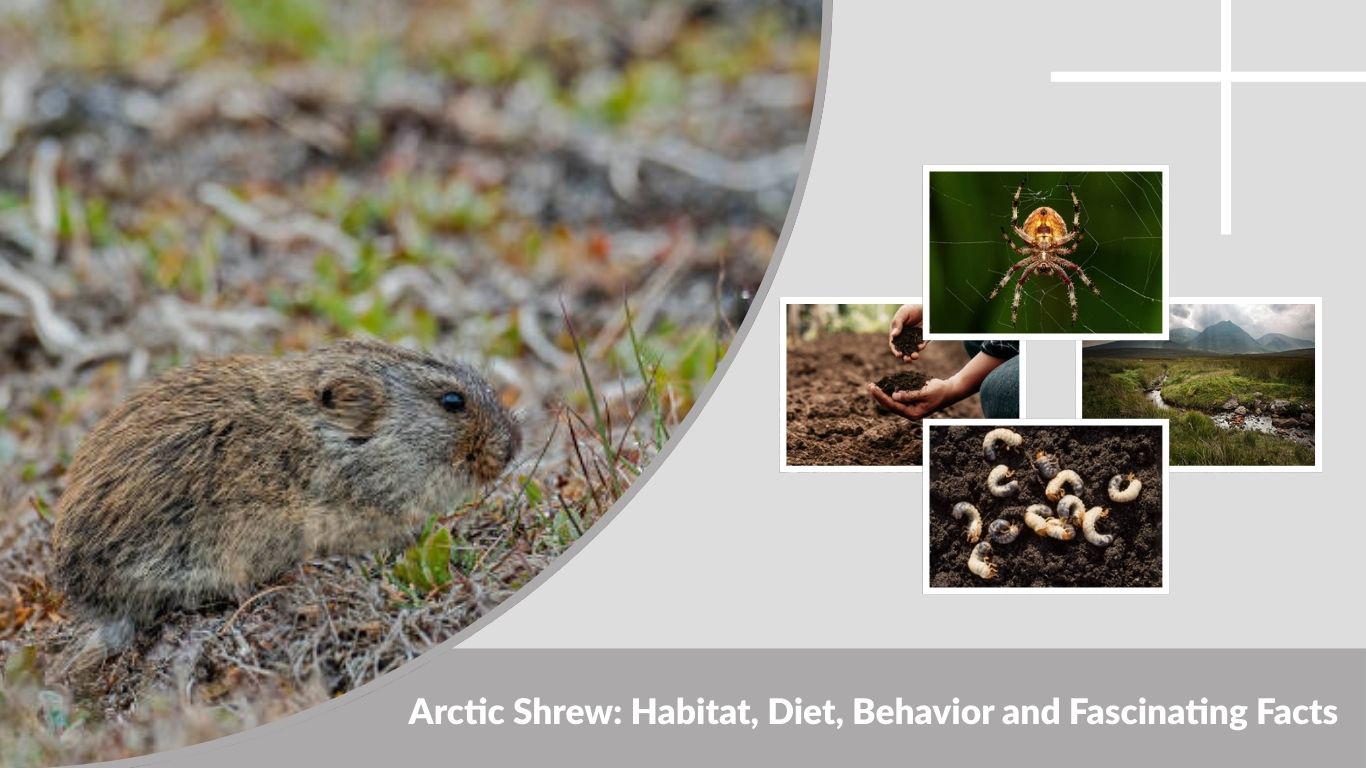
The Arctic shrew (Sorex arcticus) is a small insect-eating mammal found across the northern regions of North America. Despite its tiny size, this shrew is an active predator that plays an important role in controlling insect populations in its environment. It is well adapted to cool and moist habitats such as wetlands, meadows, and forest edges. With its pointed snout, dense fur, and quick movements, the Arctic shrew is perfectly suited for life close to the ground where it constantly searches for food.
Scientific Classification
Taxonomy
The Arctic shrew belongs to the Soricidae family, which includes hundreds of species of shrews found around the world. These animals are not rodents but belong to a different group of insect-eating mammals. The scientific classification of the Arctic shrew is:
- Kingdom: Animalia
- Phylum: Chordata
- Class: Mammalia
- Order: Eulipotyphla
- Family: Soricidae
- Genus: Sorex
- Species: Sorex arcticus
Members of the genus Sorex are often referred to as long-tailed shrews, and they are known for their high metabolism and constant need for food.
General Overview of the Species
The Arctic shrew is considered one of the larger shrew species in northern North America. Like other shrews, it has a slender body, a long pointed snout, and a very fast metabolism that requires frequent feeding. These animals are rarely seen because they spend much of their time hidden beneath vegetation, soil, or dense ground cover.
Physical Characteristics
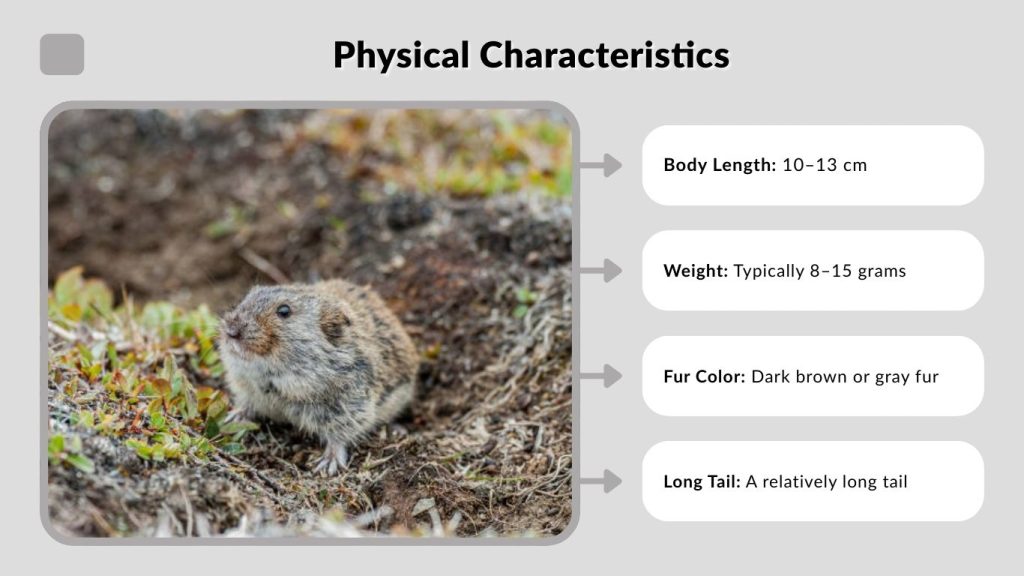
The Arctic shrew has several physical adaptations that help it survive in its environment. Its small body allows it to move easily through thick vegetation and underground tunnels while searching for prey.
Some key physical traits include:
- Body Length: Usually about 10–13 cm (4–5 inches) including the tail.
- Weight: Typically 8–15 grams, making it a very lightweight mammal.
- Fur Color: Dark brown or gray fur with a slightly lighter underside.
- Long Tail: A relatively long tail compared with some other shrew species.
- Pointed Snout: A narrow snout used for detecting prey in soil and leaf litter.
- Small Eyes: Very small eyes that indicate poor eyesight.
- Sensitive Whiskers: Whiskers help the shrew sense movement and locate food.
These features allow the Arctic shrew to move quickly and hunt efficiently even in dark or hidden environments.
Habitat and Geographic Distribution
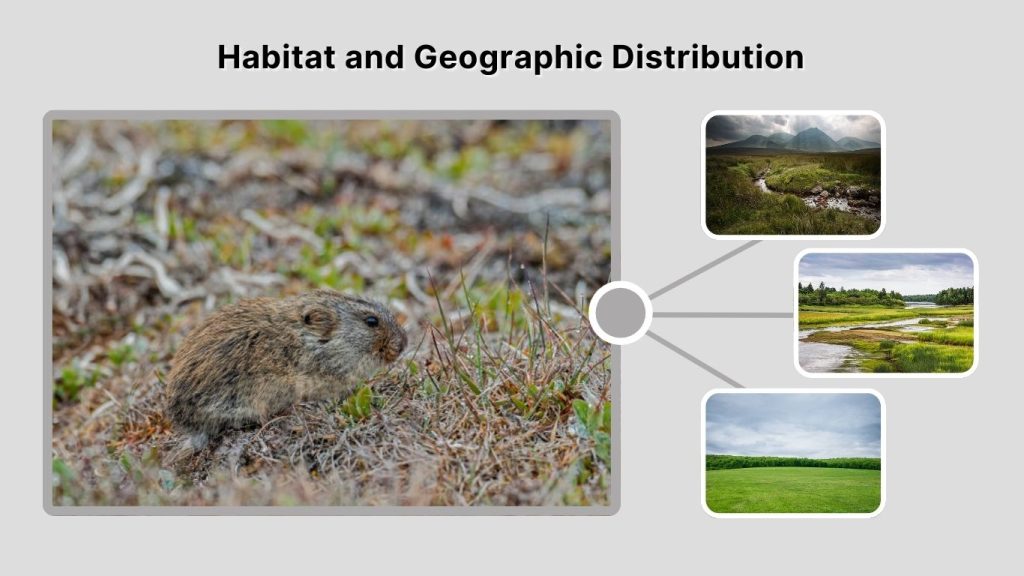
Geographic Range
The Arctic shrew is found across northern regions of North America. Its range includes large parts of Canada, Alaska, and the northern United States. This species is particularly common in areas with cool climates and moist ground conditions.
Although its name suggests a strictly Arctic habitat, the Arctic shrew actually lives in a variety of northern ecosystems, especially in the boreal forest region.
Preferred Habitats
Arctic shrews prefer habitats where moisture and vegetation provide both food and protection. Common habitats include:
- Wet meadows
- Marshes and wetlands
- Grasslands and forest edges
- Areas with thick vegetation or leaf litter
These environments provide plenty of insects and other small invertebrates that the shrew feeds on.
Underground Tunnels and Shelter
Like many other shrew species, the Arctic shrew often travels through shallow tunnels and runways beneath vegetation or snow. It may use tunnels created by other small animals or create its own pathways through soft soil and plant cover.
Within these tunnels, the shrew builds small nests made from grass, moss, and leaves. These nests provide shelter and protection from predators as well as a safe place for resting.
Diet and Feeding Behavior
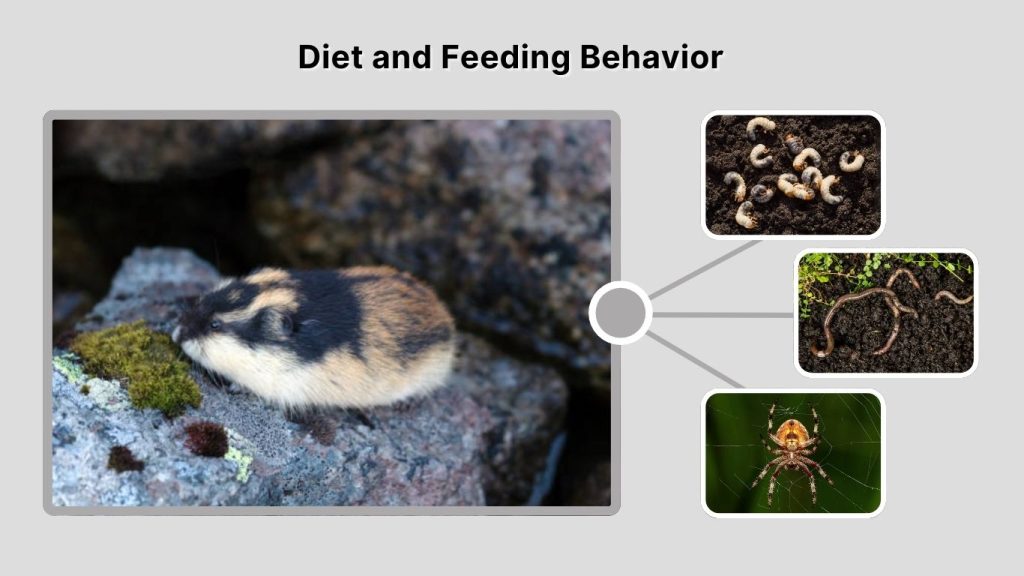
Main Food Sources
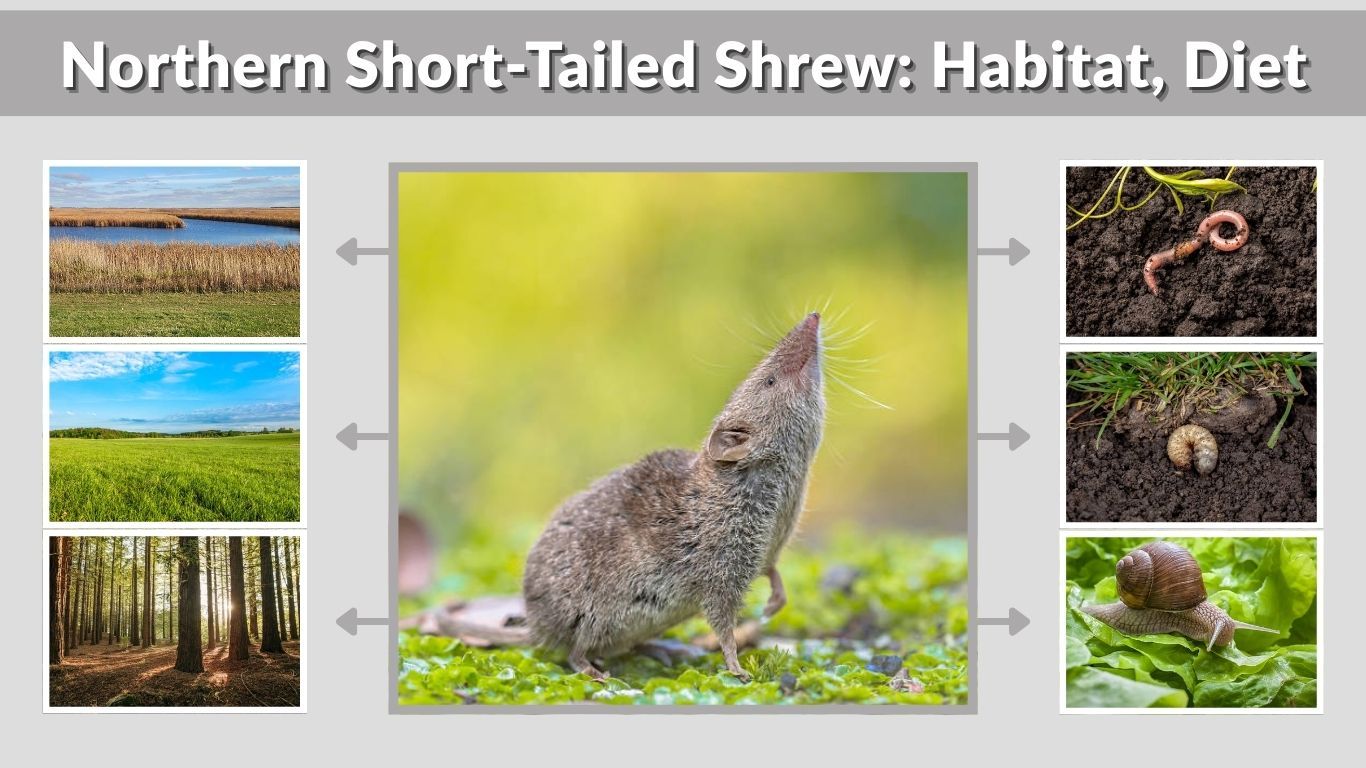
The Arctic shrew is primarily an insectivore, meaning its diet mainly consists of insects and other small invertebrates. Some of its most common food sources include:
- Beetles and insect larvae
- Earthworms
- Spiders
- Slugs and snails
- Small arthropods
Occasionally, Arctic shrews may also eat small vertebrates or plant material, but insects make up the majority of their diet.
Hunting Strategy
Arctic shrews are active hunters that rely heavily on their senses of smell and touch. Their long snout and sensitive whiskers help them detect prey hidden beneath soil, moss, or leaf litter.
They move quickly through vegetation and underground tunnels while constantly searching for food. Once prey is detected, the shrew captures it with its sharp teeth and consumes it immediately.
High Metabolism
Like other shrews, the Arctic shrew has an extremely high metabolic rate. Because of this, it must eat frequently throughout the day and night. In some cases, a shrew may consume close to its own body weight in food each day.
If the animal goes too long without eating, it can quickly lose energy and become weak. This constant need for food explains why shrews spend much of their time actively searching for prey.
Behavior and Lifestyle
Activity Patterns
The Arctic shrew is active both day and night, although it is often more active during the darker hours. Like many shrew species, it does not hibernate during winter. Instead, it continues to hunt and move through tunnels under vegetation or snow while searching for food.
Because of its high metabolism, the Arctic shrew must remain active most of the time. It spends much of its day traveling through small pathways in grass, moss, and soil in search of insects and other prey.
Territorial Behavior
Arctic shrews usually live solitary lives and maintain small territories where they hunt and nest. They can be aggressive toward other shrews that enter their space. When two individuals encounter each other, they may display threatening behaviors such as squeaking, chasing, or biting.
To avoid frequent conflicts, shrews often mark their territories using scent glands that produce strong odors. These scent marks help other shrews recognize occupied areas.
Sensory Adaptations
Although Arctic shrews have very poor eyesight, they possess excellent senses of smell and touch. Their long snout and sensitive whiskers allow them to detect prey hidden beneath soil or vegetation.
Some studies suggest that shrews also produce high-frequency sounds that may help them navigate in dark or crowded environments. This ability allows them to move quickly through tunnels and dense plant cover.
Reproduction and Life Cycle
Breeding Season
The breeding season for Arctic shrews typically occurs from spring through late summer. During this time, males actively search for females, and breeding activity increases as temperatures become warmer and food becomes more abundant.
Gestation and Birth
After mating, the female Arctic shrew has a short gestation period of about three weeks. She then gives birth to a litter that usually contains 4 to 7 young.
The babies are born blind, hairless, and completely dependent on their mother. The female cares for them in a carefully constructed nest made from grass, moss, and other plant materials.
Growth and Lifespan
Young Arctic shrews grow quickly and begin exploring their surroundings within a few weeks. They typically become independent within about a month.
Despite their rapid growth, Arctic shrews have short lifespans, usually living only one to two years in the wild. Their intense activity levels and high metabolic demands contribute to their relatively brief lives.
Predators and Threats
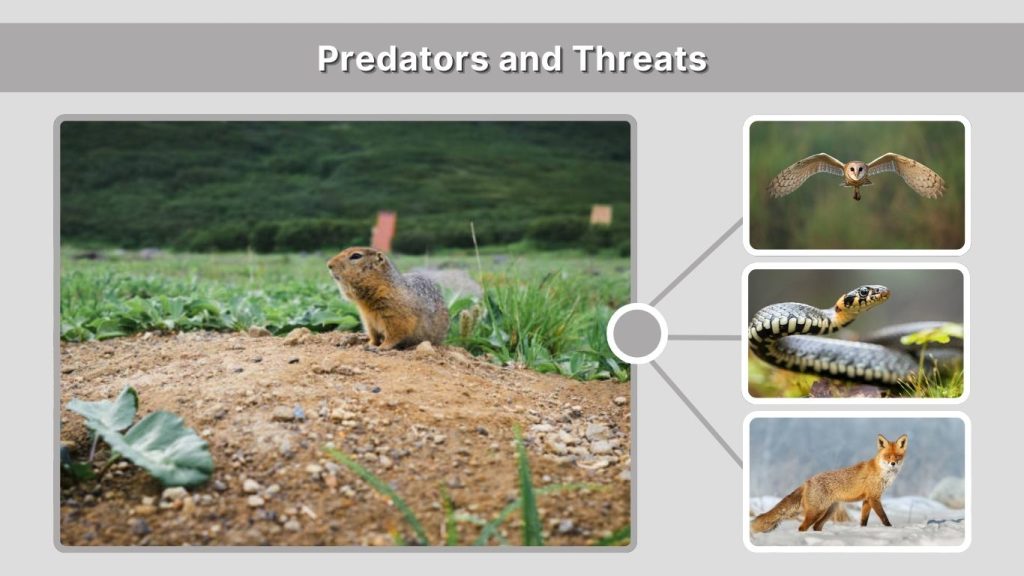
Natural Predators
Although Arctic shrews are effective hunters, they are also prey for many larger animals. Some common predators include:
- Owls and other birds of prey
- Snakes
- Foxes and coyotes
- Weasels and other small carnivorous mammals
These predators often hunt shrews when they are traveling above ground or moving through open areas.
Survival Strategies
The Arctic shrew has several adaptations that help it avoid predators. Its small size and dark fur allow it to blend into the ground and vegetation. It also spends much of its time hidden within tunnels or dense plant cover.
When threatened, the shrew may move quickly through underground pathways or thick vegetation to escape danger.
Environmental Threats
Like many small mammals, Arctic shrews can be affected by habitat loss and environmental changes. The destruction of wetlands, forests, and grasslands may reduce the availability of suitable habitats for this species.
Climate change may also influence northern ecosystems, potentially affecting the distribution of Arctic shrews and their prey.
Ecological Role

Insect Population Control
Arctic shrews play an important role in their ecosystems by consuming large numbers of insects and other invertebrates. By feeding on pests, they help regulate insect populations and maintain ecological balance.
Role in the Food Chain
Despite being predators themselves, Arctic shrews are also an important food source for many larger animals. Birds of prey, snakes, and carnivorous mammals rely on small mammals like shrews as part of their diet.
Because they act as both predator and prey, Arctic shrews occupy an important position within the food web.
Contribution to Soil Health
As Arctic shrews dig and move through soil and vegetation, they help aerate the ground and mix organic material. This activity can improve soil structure and support plant growth.
Interesting Facts About the Arctic Shrew
The Arctic shrew has several unique traits that make it an interesting species among small mammals.
- It has a very fast metabolism, requiring frequent feeding.
- It remains active year-round, even in cold northern climates.
- It spends much of its life hidden beneath vegetation or underground tunnels.
- Its sensitive whiskers help it detect prey in dark environments.
- Despite its small size, it is an efficient predator of insects and other invertebrates.
Conclusion
The Arctic shrew is a remarkable small mammal that plays an important role in northern ecosystems. Adapted to cool climates and moist habitats, it survives through constant activity and efficient hunting. By controlling insect populations and serving as prey for larger animals, the Arctic shrew contributes significantly to the balance of its environment. Although rarely seen, this tiny predator demonstrates how even the smallest animals can have a major impact on the natural world.