


Dorset sheep are one of the most well-known and productive sheep breeds in the world. They are especially valued for their excellent meat quality, strong reproductive ability, and adaptability to different farming systems. Originally developed in England, Dorset sheep are unique because they can breed throughout the year, unlike many other sheep breeds that have seasonal breeding cycles. Due to their fast growth, good mothering ability, and reliable lamb production, Dorset sheep are widely raised by farmers for commercial meat production and crossbreeding programs.
What is Dorset Sheep?
Dorset sheep are a popular meat sheep breed that originated in England. Farmers value this breed because of its strong reproductive performance and ability to produce lambs outside the normal breeding season. This feature makes Dorset sheep extremely useful for farmers who want consistent lamb production throughout the year.
Origin and History
The Dorset sheep breed originated in Dorset County, England, and has been raised for centuries. The traditional breed known as the Dorset Horn was famous for its ability to breed at almost any time of the year.
Later, breeders developed a hornless variety called the Poll Dorset. Both Dorset Horn and Poll Dorset sheep share similar characteristics, including strong meat production and good fertility.
Over time, Dorset sheep spread to many parts of the world, including the United States, Australia, New Zealand, and other countries, where they became an important breed in commercial sheep farming.
Why Dorset Sheep is Popular
Dorset sheep are widely popular among livestock farmers because they offer several advantages compared to many other breeds.
Some key reasons for their popularity include:
- Ability to breed throughout the year
- High-quality lamb meat production
- Strong maternal instincts
- Good adaptability to various climates
- Fast lamb growth and early maturity
Because of these qualities, Dorset sheep are commonly used in crossbreeding programs to improve meat production in other sheep breeds.
Dorset Sheep Characteristics
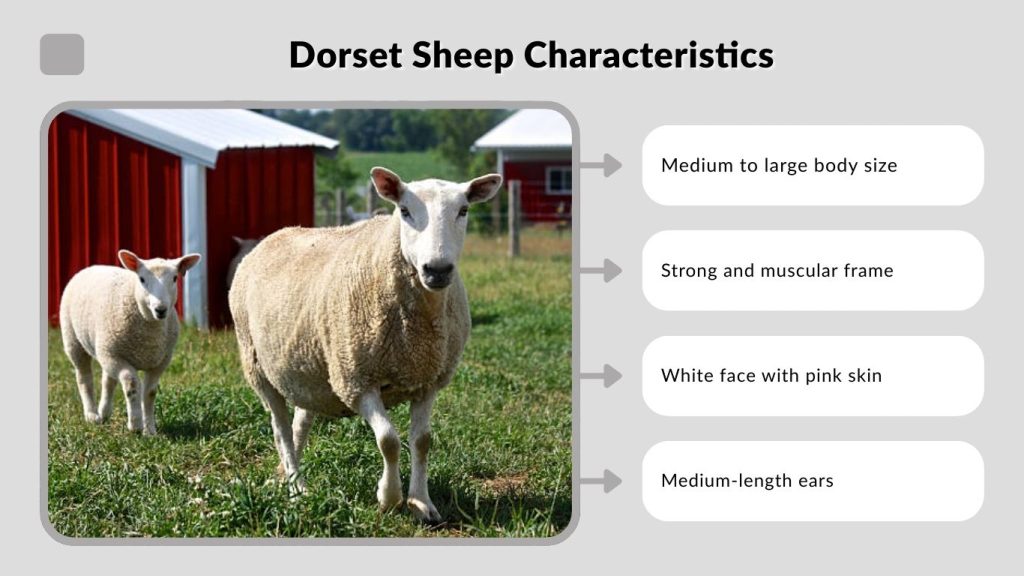
Dorset sheep have several distinctive characteristics that make them easy to recognize and valuable for meat production.
Physical Appearance
Dorset sheep have a clean and attractive appearance. Most Dorset sheep have a white face and white body, which makes them easy to identify among other sheep breeds.
Some of the main physical characteristics include:
- Medium to large body size
- Strong and muscular frame
- White face with pink skin
- Medium-length ears
- Thick wool covering most of the body
The traditional Dorset Horn sheep have large curved horns, while the Poll Dorset variety is naturally hornless.
Wool and Coat
Although Dorset sheep are primarily raised for meat production, they also produce a moderate amount of wool. Their fleece is generally medium grade wool that can be used for various textile purposes.
Important fleece characteristics include:
- Dense and white wool
- Medium fiber diameter
- Annual wool production of around 2–4 kg per sheep
However, compared to specialized wool breeds such as Merino sheep, Dorset sheep are mainly valued for their meat rather than wool production.
Temperament
Dorset sheep are known for their calm and manageable temperament, which makes them suitable for both beginners and experienced farmers.
Their behavior offers several advantages:
- Easy to handle and manage
- Adapt well to different farming systems
- Suitable for small farms and commercial operations
Because of their gentle nature, Dorset sheep are often raised in family farms as well as large livestock operations.
Dorset Sheep Size
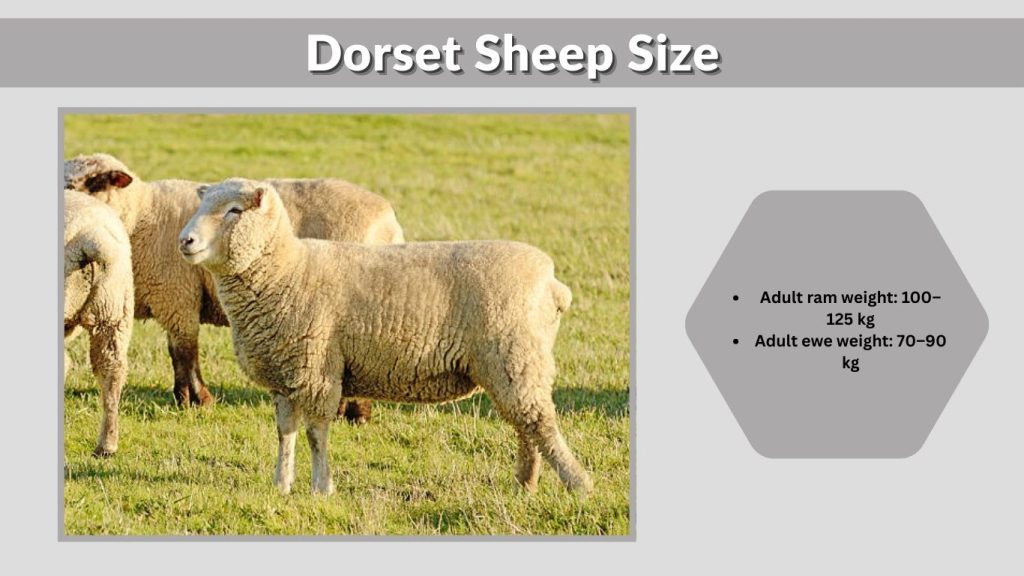
The body size of Dorset sheep is considered medium to large compared with many other sheep breeds. Their strong body structure and muscular build make them ideal for meat production.
Adult Body Weight
The average body weight of Dorset sheep varies depending on gender, feeding conditions, and farm management.
Typical body weights include:
- Adult ram weight: 100–125 kg
- Adult ewe weight: 70–90 kg
These weights can increase with proper feeding and good pasture conditions.
Body Structure
Dorset sheep are known for their strong and well-balanced body structure, which contributes to their excellent meat production.
Common structural features include:
- Broad and deep chest
- Strong and straight legs
- Long body with well-developed muscles
- Good carcass shape
This body conformation allows Dorset sheep to produce a high-quality meat carcass that is highly valued in the livestock market.
Growth Rate
Another important advantage of Dorset sheep is their fast growth rate. Lambs grow quickly and reach market weight relatively early compared to many traditional breeds.
Some key growth benefits include:
- Efficient feed conversion
- Rapid lamb development
- Early market readiness
Because of these growth characteristics, Dorset sheep are widely used in commercial lamb production systems.
Dorset Sheep Lifespan
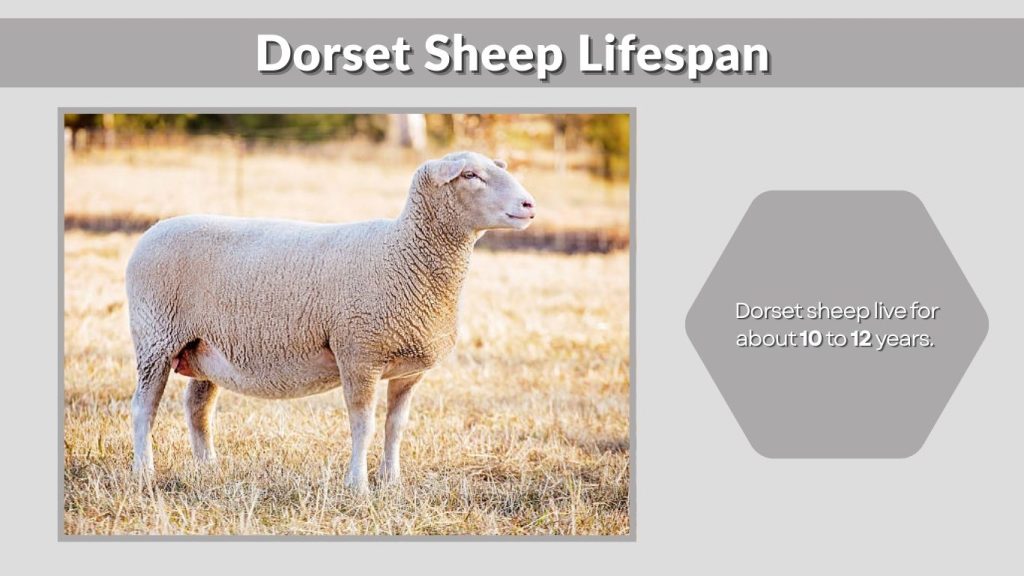
The lifespan of Dorset sheep is generally longer than many other livestock animals when they are properly cared for. Good nutrition, proper health management, and suitable living conditions can help Dorset sheep live healthy and productive lives.
Average Lifespan
On average, Dorset sheep live for about 10 to 12 years. However, their most productive years for breeding and meat production usually occur during the first 6 to 8 years of their life.
During these productive years, ewes can produce several lambs, making them highly valuable for sheep farmers.
Productive Years
The productive life of Dorset sheep mainly depends on their health and management. Ewes typically begin breeding at around 7 to 10 months of age, although many farmers wait until they reach an appropriate body weight.
During their productive years, Dorset ewes can produce lambs regularly because they have the ability to breed outside the normal breeding season. This ability allows farmers to plan lamb production more efficiently throughout the year.
Factors Affecting Lifespan
Several factors influence how long Dorset sheep live and remain productive. Proper farm management plays an important role in maintaining the health of the flock.
Important factors include:
- Balanced and nutritious feeding
- Clean housing and good ventilation
- Regular veterinary care and vaccinations
- Effective parasite control
- Protection from extreme weather conditions
Farmers who maintain good management practices can significantly extend the productive lifespan of their Dorset sheep.
Dorset Sheep Facts
Dorset sheep have several interesting features that make them unique among sheep breeds. These facts help explain why they are widely used in commercial sheep farming.
Unique Year-Round Breeding Ability
One of the most remarkable facts about Dorset sheep is their ability to breed throughout the year. Most sheep breeds have a seasonal breeding cycle, but Dorset sheep can produce lambs even outside the normal breeding season.
This unique trait allows farmers to produce lambs at different times of the year, which can help maintain a steady supply of meat to the market.
Strong Maternal Instincts
Dorset ewes are known for their excellent maternal instincts. They take good care of their lambs and usually produce enough milk to support healthy lamb growth.
Benefits of their maternal ability include:
- High lamb survival rates
- Good milk production
- Strong bonding between ewe and lamb
These qualities make Dorset sheep reliable for lamb production.
Popular Meat Sheep Breed
Dorset sheep are widely recognized as a high-quality meat breed. Their carcasses are well-muscled and produce tender lamb meat that is popular in many markets.
Important meat qualities include:
- Good carcass yield
- Lean and tender meat
- Consistent meat quality
Because of these characteristics, Dorset sheep are often used in commercial meat production programs.
Widely Used for Crossbreeding
Another important fact about Dorset sheep is their use in crossbreeding programs. Farmers often cross Dorset sheep with other breeds to improve lamb production and growth rates.
Crossbreeding with Dorset sheep can help:
- Increase lamb growth performance
- Improve reproductive efficiency
- Enhance meat quality
For this reason, Dorset genetics are widely used in sheep breeding programs around the world.
Dorset Sheep Farming Guide
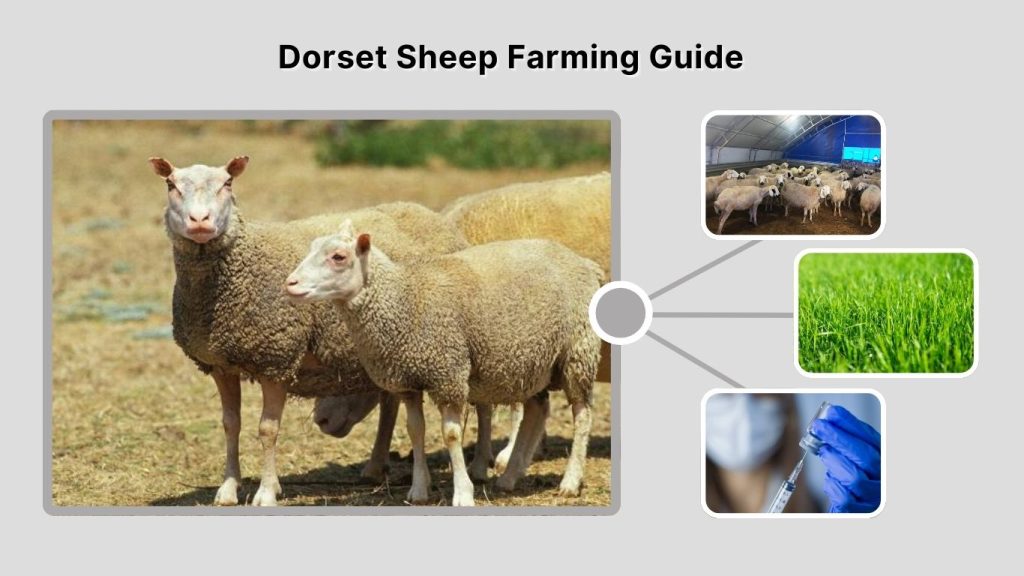
Raising Dorset sheep can be a profitable farming activity when proper management practices are followed. Farmers must provide suitable housing, balanced nutrition, and regular health care to maintain a healthy flock.
Housing Requirements
Dorset sheep are adaptable animals, but they still need proper shelter to stay healthy and productive.
Important housing features include:
- Clean and dry shelter
- Proper ventilation
- Protection from rain and strong winds
- Adequate space for movement
A well-designed sheep house helps reduce disease and improves overall productivity.
Feeding Management
Dorset sheep are efficient grazers and can obtain much of their nutrition from natural pasture. However, additional feed may be necessary to support growth and reproduction.
Common feed sources include:
- Fresh pasture and grasses
- Hay and silage
- Grain supplements
- Mineral and vitamin mixtures
Providing clean drinking water is also essential for maintaining healthy sheep.
Health Management
Proper health care is important for preventing disease and improving productivity.
Basic health management practices include:
- Regular vaccinations
- Deworming to control internal parasites
- Maintaining clean housing conditions
- Observing sheep regularly for signs of illness
Early treatment of health problems can prevent serious losses in sheep farming.
Dorset Sheep Advantages
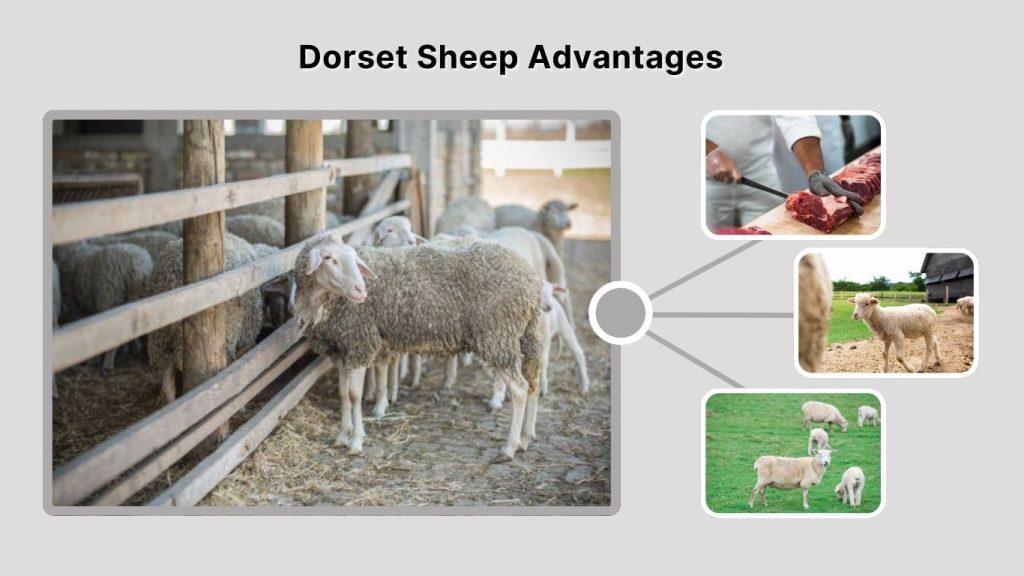
Dorset sheep offer several advantages that make them attractive to livestock farmers.
Excellent Meat Production
Dorset sheep produce high-quality lamb meat with good carcass characteristics. Their muscular body structure allows them to produce a desirable meat yield.
Good Fertility and Reproduction
Their ability to breed throughout the year makes Dorset sheep one of the most productive sheep breeds for lamb production.
Adaptability to Different Climates
Dorset sheep can adapt well to a variety of climates and farming systems, making them suitable for many regions around the world.
Strong Mothering Ability
Dorset ewes have excellent maternal instincts and provide good care for their lambs, which improves lamb survival rates.
Conclusion
Dorset sheep are one of the most valuable sheep breeds for meat production. Their ability to breed year-round, fast growth rate, and excellent maternal qualities make them highly beneficial for farmers. With proper feeding, housing, and health management, Dorset sheep farming can provide consistent lamb production and reliable profits. Whether raised on small farms or large commercial operations, Dorset sheep remain an important breed in the global sheep industry.