




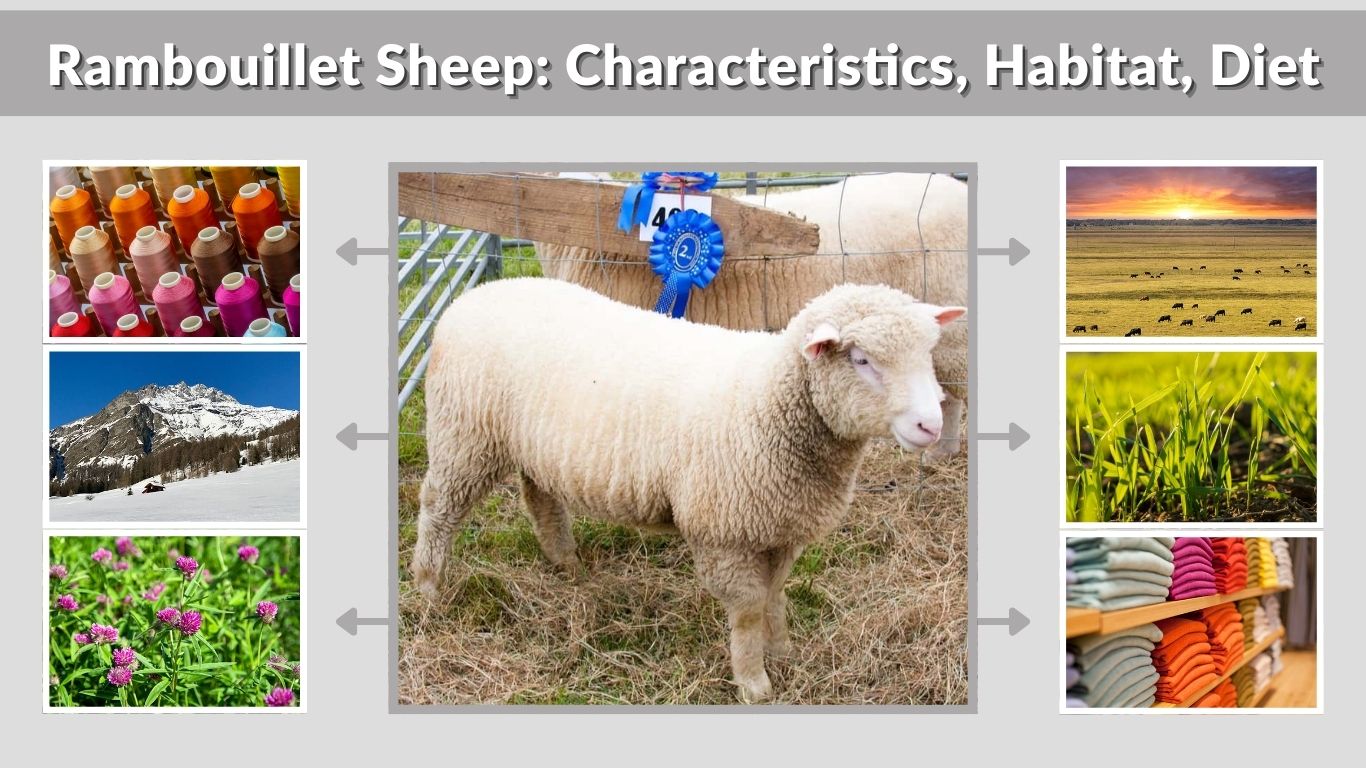
Rambouillet sheep are one of the most important fine-wool sheep breeds in the world. Known for their high-quality wool, strong adaptability, and excellent productivity, this breed is widely raised in many countries. Rambouillet sheep originated in France and are closely related to the famous Spanish Merino sheep. Farmers value them for their large body size, heavy fleece production, and ability to thrive in different climates. In this guide, we will explore Rambouillet sheep characteristics, habitat, diet, and some interesting facts about this remarkable breed.
What is Rambouillet Sheep?
Rambouillet sheep are a fine-wool sheep breed developed in France from Spanish Merino sheep. Because of their close relationship with Merino sheep, they are often called French Merinos. Over time, the breed became famous for producing high-quality wool while also offering good meat production.
Origin and History
The Rambouillet sheep breed was developed in the late 18th century in Rambouillet, France, where a royal flock was established using imported Spanish Merino sheep. French breeders carefully improved the breed to increase body size, wool production, and adaptability.
Later, Rambouillet sheep were introduced to many countries, including the United States, where they became one of the most important wool-producing sheep breeds. Today, Rambouillet sheep are widely raised in North America, Europe, and several other sheep-producing regions.
Why Rambouillet Sheep is Popular
Rambouillet sheep are popular among farmers for several important reasons. They are known for their strong performance in both wool and meat production.
Key reasons for their popularity include:
- Excellent fine-wool production
- Large body size compared to many wool breeds
- Strong adaptability to different climates
- Good maternal instincts
- Ability to survive in harsh environments
Because of these advantages, Rambouillet sheep are often used in breeding programs to improve wool production in other sheep breeds.
Rambouillet Sheep Characteristics

Rambouillet sheep have several distinctive features that make them easy to recognize. Their strong body structure and dense fleece make them one of the most productive wool breeds in the sheep industry.
Physical Appearance
Rambouillet sheep have a large and well-proportioned body covered with thick wool. Their fleece covers most parts of their body, including the neck and legs.
Common physical characteristics include:
- White face and body
- Dense wool covering the entire body
- Medium-length ears
- Strong and muscular build
- Curved horns in rams (ewes are usually hornless)
Their thick fleece protects them from cold weather and harsh environmental conditions.
Body Size and Weight
Rambouillet sheep are generally larger than many other fine-wool breeds. Their large body frame makes them suitable for both wool and meat production.
Typical body weights include:
- Adult ram weight: 100–135 kg
- Adult ewe weight: 70–90 kg
With proper feeding and good pasture conditions, some animals may reach even higher weights.
Wool Quality
The main reason Rambouillet sheep are highly valued is their high-quality wool. Their fleece is fine, dense, and suitable for producing high-quality textile products.
Important wool characteristics include:
- Fine fiber diameter
- Dense fleece structure
- Good elasticity and strength
- High fleece weight
A Rambouillet sheep can produce approximately 4 to 8 kilograms of wool per year, depending on management and environmental conditions.
Temperament
Rambouillet sheep are generally known for their calm and manageable temperament. They adapt well to both small farms and large commercial sheep operations.
Some temperament advantages include:
- Easy to handle
- Adaptable to different farming systems
- Suitable for large grazing systems
Because of their manageable behavior, Rambouillet sheep are often preferred by farmers raising large flocks.
Rambouillet Sheep Habitat
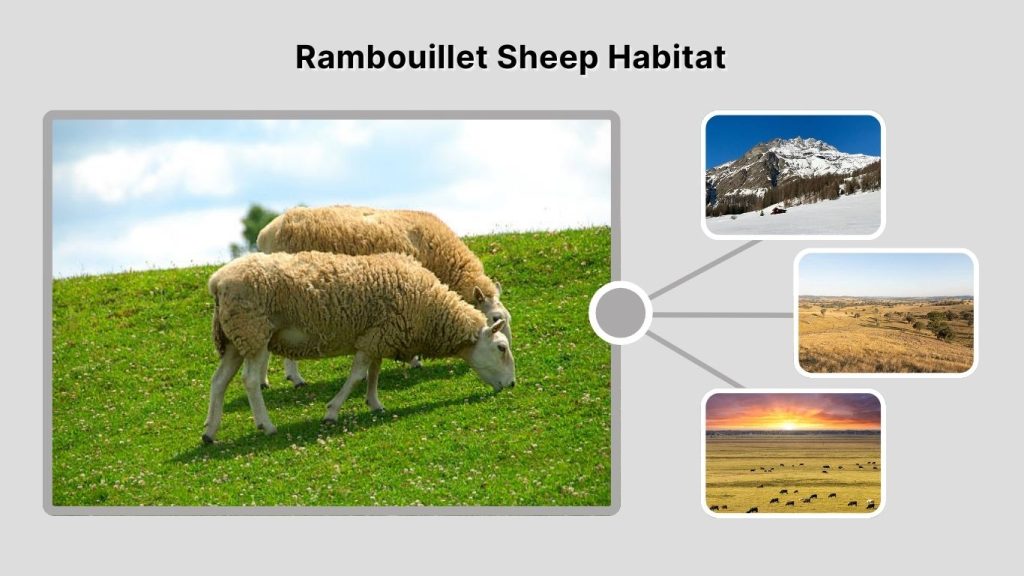
Rambouillet sheep are highly adaptable animals that can live in a wide range of environments. Their strong body structure and dense wool help them survive in both cold and dry climates.
Natural Environment
Originally, Rambouillet sheep were raised in European temperate climates, where they adapted to moderate temperatures and seasonal weather changes.
Their thick wool helped protect them from cold winters while still allowing them to thrive during warmer seasons.
Adaptability
One of the most important advantages of Rambouillet sheep is their ability to adapt to harsh conditions. They can survive in regions where other sheep breeds may struggle.
Their adaptability allows them to thrive in:
- Cold mountainous regions
- Dry grasslands
- Semi-arid environments
- Large grazing pastures
Because of this adaptability, Rambouillet sheep became very successful in large sheep-grazing regions such as the western United States.
Farming Regions
Today, Rambouillet sheep are raised in many parts of the world. Some of the major farming regions include:
- United States
- France and other European countries
- Australia
- South America
Their ability to produce quality wool while surviving in different climates makes them an important breed in the global sheep industry.
Rambouillet Sheep Diet
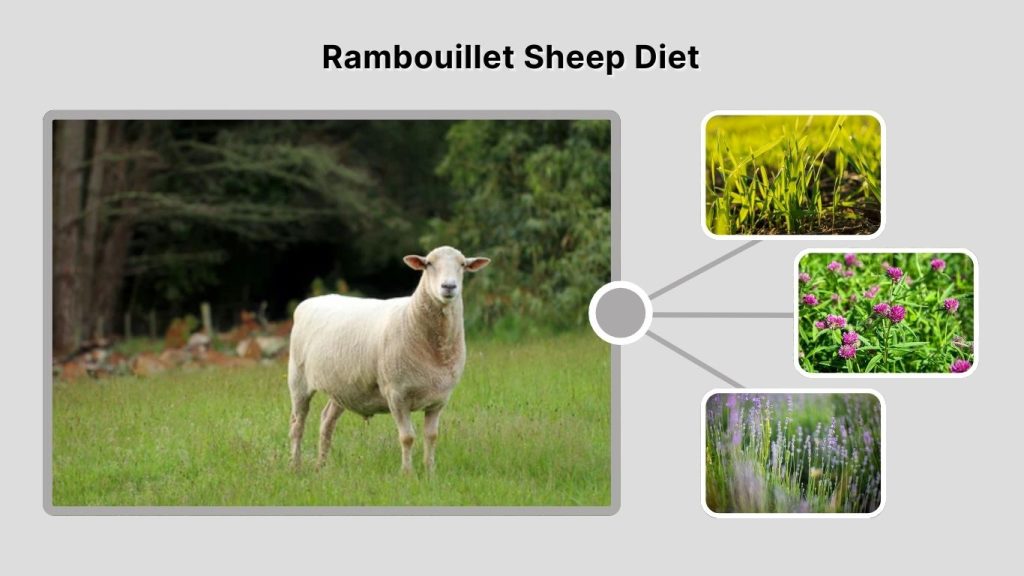
Proper nutrition is essential for maintaining the health and productivity of Rambouillet sheep. Since this breed is widely raised for wool production, a balanced diet helps improve fleece quality, growth, and reproduction.
Grazing and Pasture
Rambouillet sheep are excellent grazers and obtain most of their nutrition from natural pasture. Grazing allows them to consume a variety of grasses and plants that provide essential nutrients.
Common pasture foods include:
- Natural grasses
- Clover and legume plants
- Wild herbs and shrubs
- Fresh green forage
Access to good pasture helps maintain healthy body weight and supports strong wool growth.
Supplementary Feeding
In addition to pasture grazing, farmers often provide supplementary feed to ensure proper nutrition, especially during winter or dry seasons when pasture quality is poor.
Common supplementary feeds include:
- Hay and silage
- Grain mixtures such as corn, barley, or oats
- Protein-rich feeds like soybean meal
- Commercial sheep feed concentrates
Providing additional feed helps improve growth rates and supports healthy wool production.
Water and Mineral Needs
Like all livestock animals, Rambouillet sheep require access to clean drinking water at all times. Water is important for digestion, metabolism, and overall health.
Mineral supplements are also important for maintaining proper health. Farmers often provide mineral blocks or loose mineral mixes that contain:
- Calcium
- Phosphorus
- Salt
- Trace minerals such as zinc and selenium
These minerals help maintain strong bones, healthy wool growth, and good reproductive performance.
Rambouillet Sheep Facts
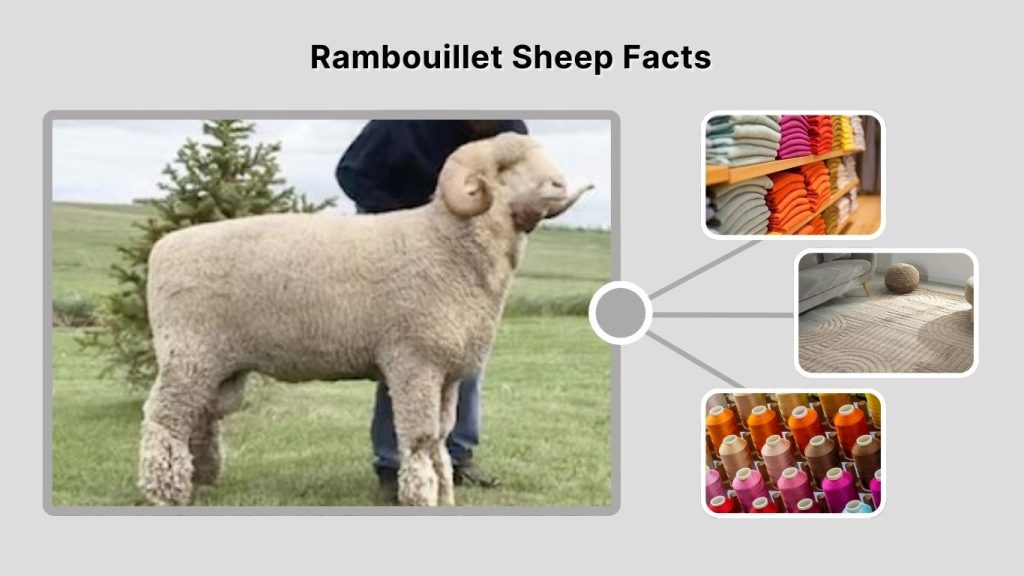
Rambouillet sheep have several interesting characteristics that make them unique among wool-producing sheep breeds.
One of the Most Important Fine-Wool Breeds
Rambouillet sheep are considered one of the most important fine-wool breeds in the world. Their fleece is widely used in the textile industry to produce high-quality wool products.
Because of their fine fiber and strong fleece structure, Rambouillet wool is used in:
- Clothing fabrics
- Blankets and carpets
- Wool yarn and textiles
Large Fleece Production
Another interesting fact about Rambouillet sheep is their high wool yield. Compared to many other breeds, they produce large amounts of fleece each year.
A well-managed Rambouillet sheep can produce 4 to 8 kilograms of wool annually, making them very valuable for wool production.
Strong Maternal Instincts
Rambouillet ewes are known for their good maternal instincts. They take good care of their lambs and usually produce enough milk for proper lamb growth.
Benefits of their maternal ability include:
- High lamb survival rates
- Good milk production
- Strong mother-lamb bonding
These qualities make Rambouillet sheep reliable for flock expansion.
Widely Used for Crossbreeding
Rambouillet sheep are often used in crossbreeding programs to improve wool quality and productivity in other sheep breeds.
Crossbreeding with Rambouillet sheep can help:
- Improve fleece quality
- Increase wool production
- Enhance adaptability in other breeds
Because of these benefits, Rambouillet genetics are widely used in sheep breeding programs around the world.
Rambouillet Sheep vs Merino
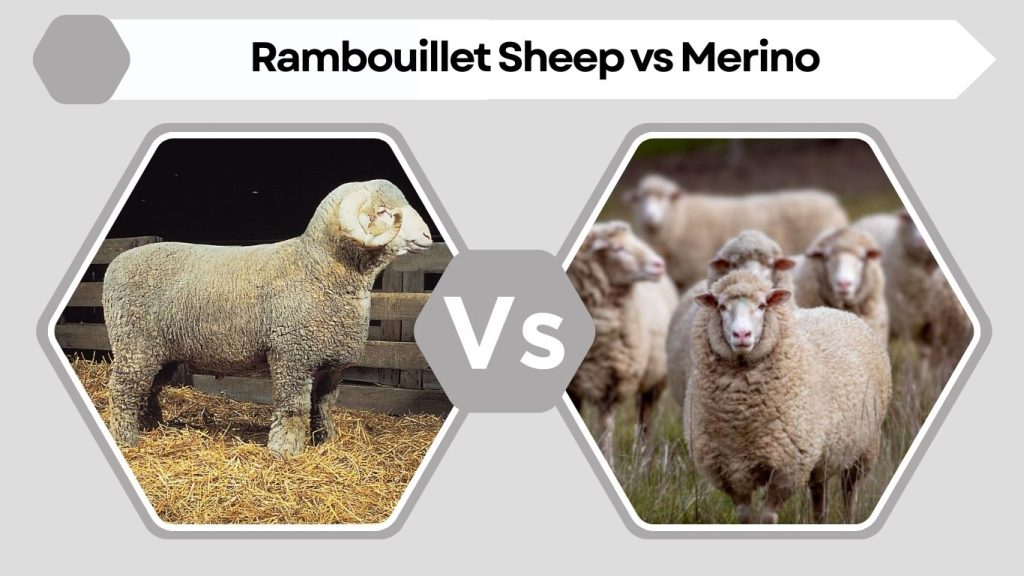
Rambouillet sheep and Merino sheep are closely related, but there are several differences between the two breeds.
Differences in Origin
Merino sheep originally came from Spain, while Rambouillet sheep were developed later in France using Spanish Merino sheep.
Although they share similar wool qualities, Rambouillet sheep were selectively bred to improve body size and adaptability.
Wool Production Comparison
Both Rambouillet and Merino sheep produce fine wool, but there are slight differences in their fleece characteristics.
- Merino sheep: Known for extremely fine wool fibers
- Rambouillet sheep: Produce slightly coarser but heavier fleece
Rambouillet sheep often produce a larger fleece weight, while Merino sheep are famous for producing the finest wool fibers.
Body Size Comparison
Rambouillet sheep are generally larger and heavier than Merino sheep. Their larger body frame makes them suitable for both wool and meat production.
Typical differences include:
- Rambouillet sheep have a larger body frame
- Merino sheep are usually smaller but produce finer wool
Farming Suitability
Both breeds are excellent choices for wool production, but they may be used differently depending on farming goals.
- Rambouillet sheep are often raised for both wool and meat production.
- Merino sheep are mainly raised for premium fine wool production.
Conclusion
Rambouillet sheep are one of the most valuable fine-wool sheep breeds in the world. Their excellent wool production, large body size, and strong adaptability make them highly beneficial for sheep farmers. In addition to producing high-quality fleece, Rambouillet sheep also offer good meat production and strong reproductive performance. With proper feeding, housing, and health management, Rambouillet sheep farming can be both productive and profitable for livestock farmers around the world.