



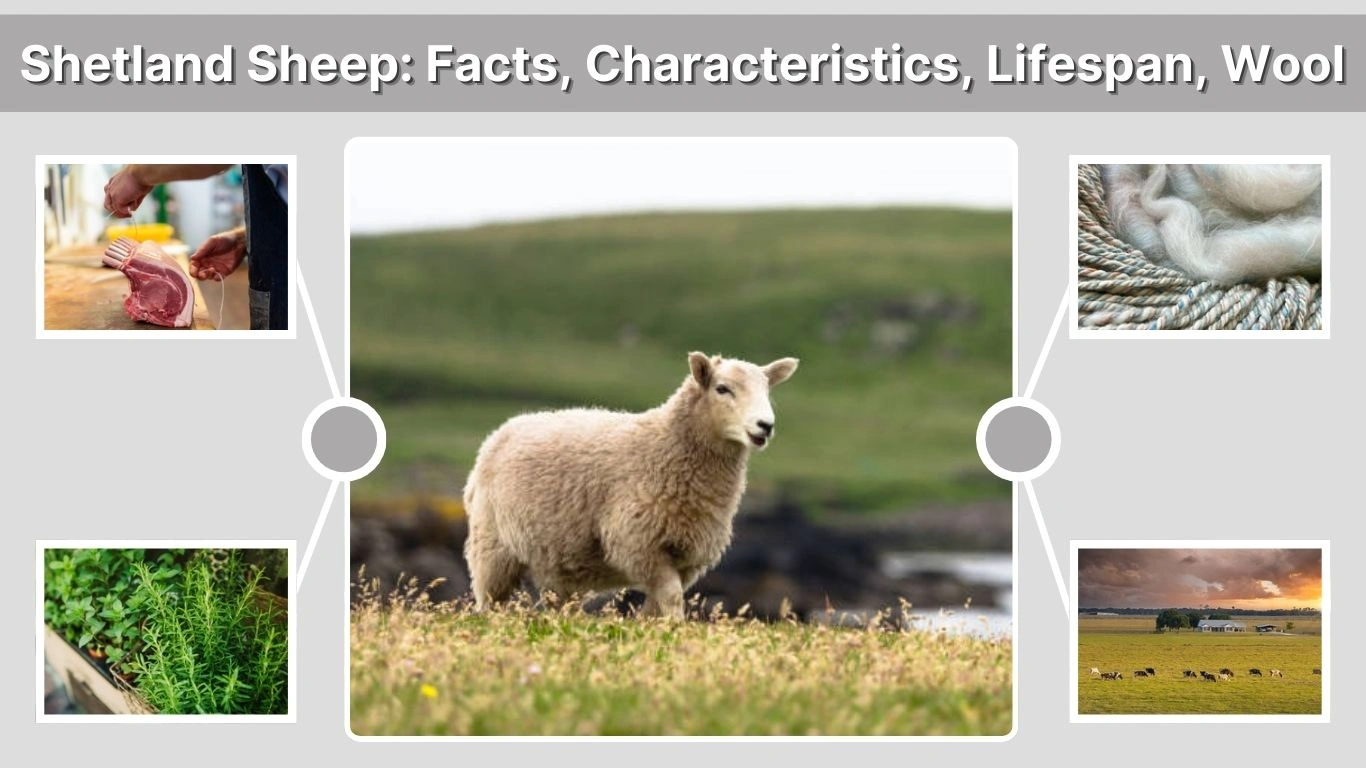
Shetland sheep are a small, hardy breed that originated in the Shetland Islands of Scotland. Known for their fine wool, adaptability, and wide range of natural fleece colors, these sheep have been raised for centuries in harsh northern climates. Despite their small size, Shetland sheep are valued for their strong survival instincts and high-quality fiber. In this guide, we explore important Shetland sheep facts, their characteristics, lifespan, diet, and why they remain popular among farmers and wool producers.
What Are Shetland Sheep?
Shetland sheep are a heritage breed belonging to the Northern short-tailed sheep family, a group of sheep known for their hardiness and adaptability to cold environments. These sheep developed naturally over centuries on the Shetland Islands, where the climate is windy, cold, and often challenging for livestock.
Unlike many modern commercial sheep breeds, Shetland sheep have remained relatively unchanged. Their ability to thrive in harsh environments has made them one of the most resilient and sustainable sheep breeds in the world.
Origin and History of Shetland Sheep
The history of Shetland sheep dates back more than 1,000 years. Vikings are believed to have introduced sheep to the Shetland Islands when they settled in the region. Over time, the sheep adapted to the islands’ rugged landscapes and limited food supply.
Because the islands were geographically isolated, the breed developed unique characteristics that distinguish it from other sheep breeds today. Farmers traditionally raised these sheep for wool and meat, both of which played an important role in the local economy.
Role of Shetland Sheep in Traditional Farming
Historically, Shetland sheep were an essential part of life in the Shetland Islands. Their wool was used to produce clothing and textiles that helped islanders survive the cold northern climate.
Even today, Shetland sheep remain important to small farms and traditional agricultural practices. Their ability to graze efficiently and survive on relatively poor pasture makes them a practical choice for sustainable farming.
Shetland Sheep Characteristics
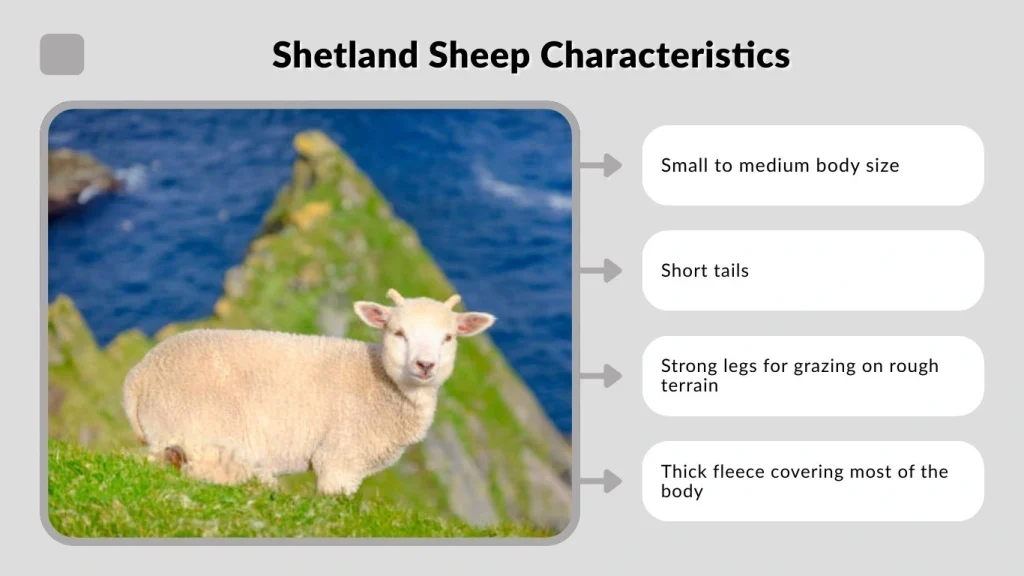
Shetland sheep have several physical and behavioral characteristics that help them thrive in harsh environments.
Physical Characteristics
Shetland sheep are generally small but sturdy animals. Their compact bodies and thick wool coats allow them to withstand cold weather and strong winds.
Common physical features include:
- Small to medium body size
- Short tails
- Strong legs for grazing on rough terrain
- Thick fleece covering most of the body
Rams usually have large spiral horns, while ewes are typically hornless or have much smaller horns.
Coat Colors and Patterns
One of the most distinctive features of Shetland sheep is the wide range of fleece colors and patterns. The breed is known for having more natural wool colors than most other sheep breeds.
In addition to solid colors, Shetland sheep can also display unique patterns such as:
- Katmoget
- Gulmoget
- Halsinet
- Yuglet
These distinctive patterns add to the breed’s popularity among wool producers and fiber artists.
Wool Characteristics
Shetland wool is widely known for its fine texture and versatility. It is softer than the wool produced by many other heritage sheep breeds.
The wool is lightweight but warm, making it ideal for clothing items such as:
- Sweaters
- Scarves
- Shawls
- Traditional lace knitting
Because of its softness and durability, Shetland wool is particularly popular among hand spinners and knitters.
Temperament and Behavior
Shetland sheep are known for being alert, intelligent, and independent animals. They are excellent grazers and can feed on a wide variety of plants found in natural pastures.
Although they are independent, they generally adapt well to farm environments and can be managed easily by farmers with proper care and handling.
Their strong survival instincts allow them to thrive in environments where other sheep breeds might struggle.
Shetland Sheep Lifespan

The typical Shetland sheep lifespan ranges from 10 to 12 years, although some sheep can live longer under good care and proper management.
Several factors can influence how long these sheep live, including diet, environment, and health care.
Factors Affecting Lifespan
Healthy Shetland sheep often live longer when they receive balanced nutrition and proper veterinary care.
Important factors that influence lifespan include:
- Quality of diet
- Access to fresh water
- Safe shelter from extreme weather
- Protection from predators
- Regular health monitoring
Because they evolved in tough island conditions, Shetland sheep are naturally hardy and disease-resistant, which often contributes to their relatively long lifespan compared to some commercial breeds.
What Do Shetland Sheep Eat?
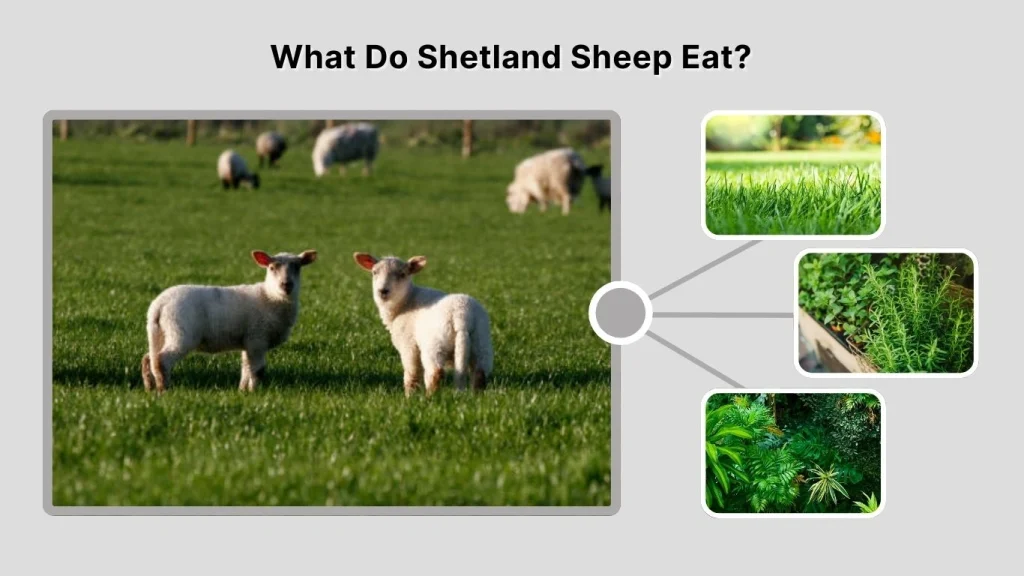
Shetland sheep are natural grazers and can survive on a wide variety of plants. Because they developed in the Shetland Islands where food resources were sometimes limited, they are very efficient at finding and using available vegetation.
Natural Diet of Shetland Sheep
In natural pasture environments, Shetland sheep mainly eat:
- Grass
- Weeds and herbs
- Leaves from shrubs
- Moss and small plants
Their strong grazing ability allows them to obtain nutrients from vegetation that other livestock animals might avoid. This makes them particularly useful for pasture management and conservation grazing.
Seasonal Feeding Habits
Like most sheep breeds, the diet of Shetland sheep often changes depending on the season.
Summer Grazing
During spring and summer, Shetland sheep typically graze freely on pasture. Fresh grass and herbs provide most of the nutrients they need for growth, wool production, and reproduction.
Because these sheep are small and efficient grazers, they can maintain good health even on relatively modest pasture.
Winter Feeding
In winter, when grass is limited, farmers usually provide additional feed. This may include:
- Hay
- Silage (fermented grass)
- Mineral supplements
Some farmers may also provide small amounts of grain to supply extra energy during colder months.
Water and Nutritional Needs
Shetland sheep require regular access to clean drinking water. Proper hydration supports digestion, wool growth, and overall health.
Farmers also often provide salt licks or mineral blocks to ensure the sheep receive essential nutrients that may not be present in pasture plants.
Shetland Sheep Wool
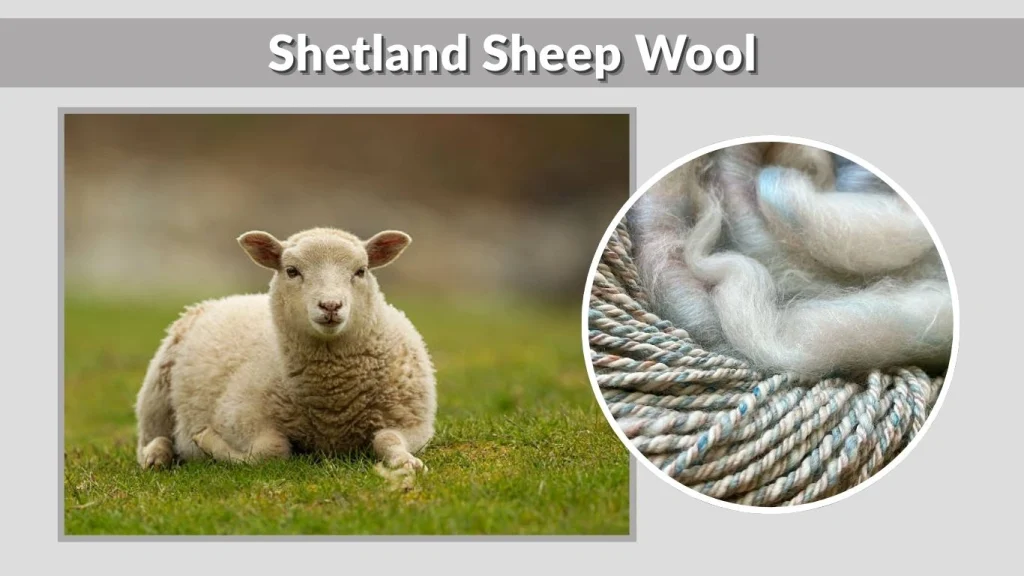
One of the most valuable features of Shetland sheep is their high-quality wool. For centuries, Shetland wool has been used to produce traditional textiles known for their softness and warmth.
Why Shetland Wool Is Highly Valued
Shetland fleece is generally fine, soft, and lightweight, making it ideal for spinning and knitting. Despite its light weight, the wool provides excellent insulation.
This combination of warmth and softness has made Shetland wool particularly popular among hand spinners and fiber artists.
Natural Wool Colors
Unlike many commercial sheep breeds that primarily produce white wool, Shetland sheep produce fleece in a wide variety of natural shades.
Common natural colors include:
- White
- Moorit (reddish brown)
- Black
- Grey
- Fawn
Because of these natural shades, many wool products made from Shetland fleece do not require artificial dyeing.
Uses of Shetland Wool
Shetland wool has long been used to create traditional clothing and textiles. Some common uses include:
- Sweaters
- Lace shawls
- Scarves
- Blankets
Shetland lace knitting, in particular, is famous for its extremely delicate patterns and lightweight warmth.
Shetland Sheep Size and Weight
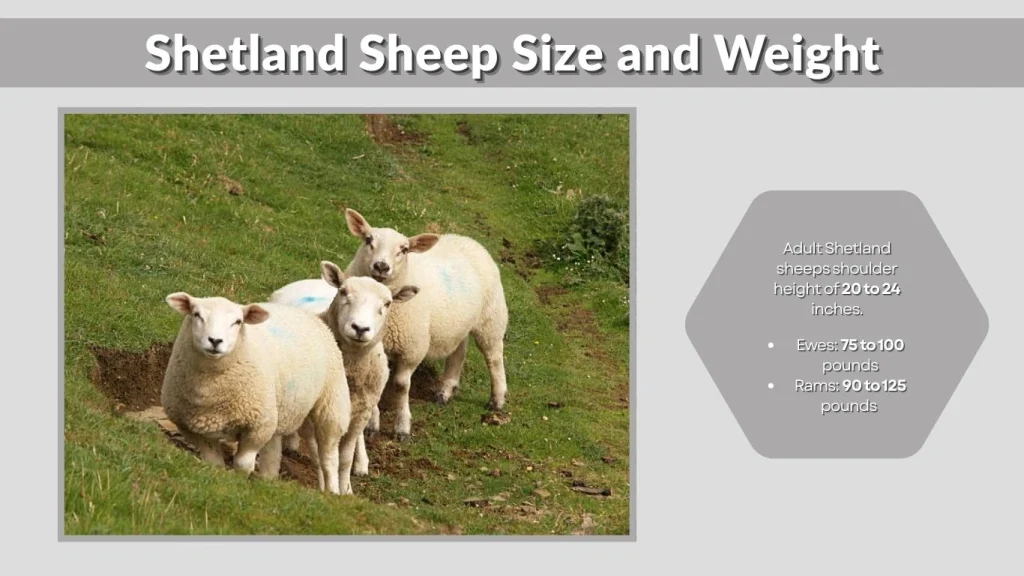
Shetland sheep are considered a small sheep breed, which makes them especially suitable for small farms and homesteads.
Average Height of Shetland Sheep
Adult Shetland sheep usually have a shoulder height of about 20 to 24 inches (50–60 cm).
Their smaller size allows them to move easily through rough terrain and graze efficiently.
Average Weight of Rams and Ewes
The weight of Shetland sheep can vary depending on age, sex, and diet.
Typical weights include:
- Ewes: 75 to 100 pounds (34–45 kg)
- Rams: 90 to 125 pounds (40–57 kg)
Because they are smaller than many commercial sheep breeds, they require less feed and space, which makes them attractive to small-scale farmers.
Shetland Sheep Farming
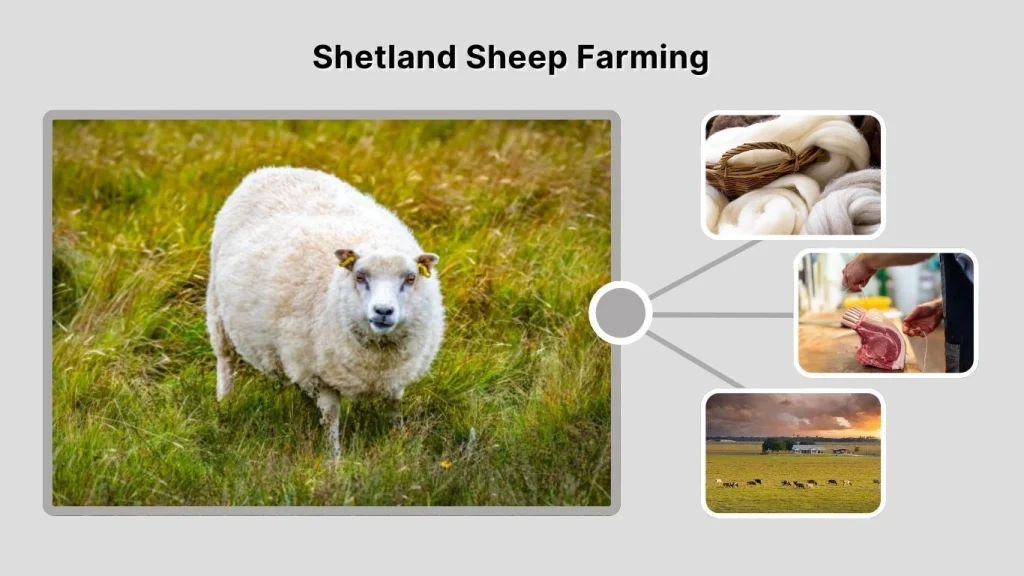
Shetland sheep are often raised on small farms because they are relatively easy to manage and require fewer resources than larger sheep breeds.
Why Farmers Raise Shetland Sheep
Farmers raise Shetland sheep for several reasons, including:
- Wool production
- Meat production
- Conservation grazing
Their wool is highly valued by fiber artists, while their meat is also considered flavorful and lean.
Benefits for Small Farms
Shetland sheep are especially popular among homesteaders and small farm owners because they:
- Require less feed than larger breeds
- Adapt well to different climates
- Are relatively easy to handle due to their smaller size
These characteristics make them a practical choice for farmers with limited land.
Basic Care and Management
Proper care for Shetland sheep includes providing adequate pasture, shelter, and veterinary care.
Farmers typically ensure that sheep have:
- Clean water
- Balanced nutrition
- Protection from predators
- Regular health checks
Good management practices help maintain healthy flocks and high-quality wool production.
Advantages of Raising Shetland Sheep
There are several reasons why Shetland sheep continue to attract farmers and livestock enthusiasts.
Hardy and Adaptable Breed
Because they evolved in a challenging environment, Shetland sheep are naturally resilient and able to withstand harsh weather conditions.
Excellent Wool Quality
Their wool is considered one of the finest among heritage sheep breeds and is widely appreciated by textile artisans.
Low Feed Requirements
Due to their small size and efficient grazing ability, Shetland sheep require less feed than many larger sheep breeds.
Ideal for Small-Scale Farming
Their manageable size and hardy nature make them ideal for small farms and sustainable agriculture.
Shetland Sheep Facts
Shetland sheep are known for several interesting traits that make them unique among sheep breeds.
Quick Facts About Shetland Sheep
Here are some key facts about this remarkable breed:
- Origin: Shetland Islands, Scotland
- Breed group: Northern short-tailed sheep
- Primary use: Wool and meat
- Average size: Small to medium
- Fleece colors: Wide range of natural colors
- Climate adaptability: Very hardy and cold-resistant
These qualities have helped Shetland sheep remain popular among farmers, especially those raising heritage livestock breeds.
Interesting Facts About Shetland Sheep
One of the most fascinating things about Shetland sheep is the large variety of natural wool colors they produce. Unlike many commercial sheep breeds that primarily produce white fleece, Shetland sheep can have wool in many shades.
Some common natural colors include:
- White
- Moorit (reddish brown)
- Black
- Grey
- Fawn
These natural colors make Shetland wool highly valued by hand spinners and textile artists because the wool often requires little or no dyeing.
Another interesting fact is that Shetland sheep are one of the smallest domesticated sheep breeds. Their compact size allows them to survive on less feed compared to larger commercial sheep.
FAQs
Are Shetland sheep good for wool production?
Yes, Shetland sheep are highly valued for their fine and naturally colored wool. Their fleece is popular among hand spinners and knitters.
How long do Shetland sheep live?
Most Shetland sheep live between 10 and 12 years, although some may live longer with proper care.
Are Shetland sheep good for small farms?
Yes, their small size, low feed requirements, and hardy nature make them well suited to small farms and homesteads.
What do Shetland sheep eat?
Shetland sheep mainly eat grass, herbs, weeds, and other natural vegetation. During winter, farmers typically provide hay and mineral supplements.
Conclusion
Shetland sheep are a remarkable heritage breed with a long history rooted in the Shetland Islands of Scotland. Their small size, resilience, and high-quality wool make them a valuable breed for farmers and fiber enthusiasts alike. With their ability to thrive in harsh conditions and produce fine fleece in many natural colors, Shetland sheep remain one of the most unique and sustainable sheep breeds in the world.