




Fish is one of the best foods to include in a weight-loss diet due to its high protein content, essential nutrients, and healthy fats. It helps keep you full, supports metabolism, and promotes overall health without adding excessive calories. Whether you prefer lean or fatty fish, each type offers unique benefits that can aid in fat loss and improve energy levels. In this guide, you will discover 15 of the healthiest fish options that can help you achieve your weight-loss goals effectively and sustainably.
1. Salmon

Salmon is one of the most nutrient-dense fish for weight loss, widely recommended for its balance of protein and healthy fats. It supports fat burning, helps control appetite, and provides essential nutrients that improve overall health. Including salmon in a calorie-controlled diet can make weight management easier and more sustainable.
Identification
- Rich pink to orange-colored flesh
- Medium to large-sized fish
- Found in both freshwater and saltwater
- Commonly available as fillets, steaks, or whole fish
Nutritional Benefits
Salmon is an excellent source of high-quality protein, which helps maintain muscle mass during weight loss. It is also rich in omega-3 fatty acids, known to reduce inflammation and support heart health. Additionally, it contains vitamin D, B-complex vitamins, and selenium, which aid metabolism and energy production. These nutrients work together to support overall body function while promoting fat loss.
Why It Helps with Weight Loss
The high protein content in salmon increases satiety, helping you feel full for longer and reducing unnecessary snacking. Omega-3 fatty acids may also improve fat metabolism and regulate hormones that control hunger. This combination makes salmon a powerful food for reducing calorie intake without feeling deprived, which is key for sustainable weight loss.
Best Ways to Eat
Grilling, baking, or steaming salmon are the healthiest preparation methods, as they preserve nutrients without adding extra calories. Pairing salmon with fiber-rich vegetables like broccoli or spinach can further enhance fullness. Avoid heavy sauces or frying, as these can significantly increase calorie intake and reduce its weight-loss benefits.
Related Tips
Opt for wild-caught salmon when possible, as it often contains fewer additives and a better nutrient profile. Portion control is also important—consuming moderate servings ensures you get the benefits without excess calories. Including salmon two to three times a week can be an effective strategy for supporting healthy weight loss.
2. Sardines

Sardines are small, oily fish that are incredibly nutrient-rich and ideal for weight loss. They are low in calories but high in protein and healthy fats, making them a great option for those looking to stay full while maintaining a balanced diet.
Identification
- Small, slender fish with silvery skin
- Typically found in saltwater
- Commonly sold canned or fresh
- Soft bones that are edible when cooked or canned
Nutritional Benefits
Sardines are packed with protein, omega-3 fatty acids, and essential nutrients like calcium, vitamin D, and B12. These nutrients support bone health, improve metabolism, and enhance energy levels. Despite their small size, sardines deliver a powerful nutritional punch that supports overall wellness and weight control.
Why It Helps with Weight Loss
The high protein content in sardines helps control hunger by promoting a feeling of fullness. Omega-3 fatty acids may also help reduce fat storage and improve metabolic function. Because they are nutrient-dense and satisfying, sardines can help reduce overall calorie intake without compromising nutrition.
Best Ways to Eat
Sardines can be eaten straight from the can, added to salads, or served on whole-grain toast. Choosing sardines packed in water or olive oil is a healthier option. Avoid versions with heavy sauces, as they can add unnecessary calories and sodium.
Related Tips
Incorporating sardines into your meals a few times a week can improve nutrient intake without increasing calories significantly. They are also budget-friendly and easy to store, making them a convenient option for maintaining a healthy, weight-loss-focused diet.
3. Mackerel

Mackerel is a fatty fish known for its rich flavor and high nutritional value. It is an excellent choice for weight loss due to its combination of protein and healthy fats, which help control hunger and support overall health.
Identification
- Oily fish with a striped pattern on its back
- Medium-sized with soft, flaky flesh
- Found in both tropical and temperate seas
- Commonly available fresh, smoked, or canned
Nutritional Benefits
Mackerel is rich in high-quality protein and omega-3 fatty acids, which are essential for heart health and reducing inflammation. It also contains important nutrients like vitamin D, vitamin B12, and selenium. These nutrients support metabolism, improve energy levels, and help maintain muscle mass during weight loss.
Why It Helps with Weight Loss
The protein in mackerel helps increase satiety, reducing the urge to overeat. Omega-3 fatty acids may also support fat metabolism and help regulate hormones that control appetite. This makes mackerel a satisfying and effective food choice for reducing overall calorie intake.
Best Ways to Eat
Grilling, baking, or pan-searing mackerel with minimal oil helps retain its nutrients while keeping calories low. Pairing it with vegetables or whole grains can create a balanced and filling meal. Avoid deep-fried or heavily processed versions to maintain its health benefits.
Related Tips
Fresh mackerel is often more nutritious than heavily processed options. Including it in your diet once or twice a week can support weight loss goals. Be mindful of portion sizes, as its healthy fat content still contributes to total calorie intake.
4. Tuna

Tuna is a popular lean fish widely used in weight-loss diets due to its high protein content and low fat levels. It is versatile, easy to prepare, and helps support muscle maintenance while reducing overall calorie intake.
Identification
- Firm, light pink to deep red flesh
- Medium to large-sized fish
- Found in saltwater oceans worldwide
- Commonly available fresh, frozen, or canned
Nutritional Benefits
Tuna is an excellent source of lean protein, which is essential for preserving muscle mass during weight loss. It also provides important nutrients like vitamin B12, selenium, and niacin. These nutrients help boost metabolism, support energy production, and improve overall body function without adding excessive calories.
Why It Helps with Weight Loss
The high protein content in tuna promotes a feeling of fullness, helping reduce hunger and unnecessary snacking. Since it is low in fat and calories, it allows you to consume a satisfying portion without exceeding your daily calorie limit. This makes it ideal for creating a calorie deficit needed for weight loss.
Best Ways to Eat
Grilled, baked, or lightly seared tuna is a healthy option for maintaining its nutritional value. Canned tuna in water is also a convenient choice for quick meals like salads or sandwiches. Avoid mayonnaise-heavy preparations, as they can add extra calories and reduce its effectiveness for weight loss.
Related Tips
Choose tuna varieties like skipjack or light tuna more often, as they generally contain lower mercury levels. Moderation is key—consuming tuna two to three times per week is a balanced approach for gaining its benefits while maintaining dietary safety.
5. Cod

Cod is a lean white fish that is highly valued for its mild flavor and low calorie content. It is an excellent option for weight loss because it provides high-quality protein without excess fat. Its light texture and versatility make it easy to include in a wide range of healthy meals, especially for those aiming to reduce calorie intake while staying full and satisfied.
Identification
- White, flaky flesh with a mild taste
- Medium to large-sized fish
- Found in cold saltwater regions
- Commonly sold as fillets, fresh or frozen
Nutritional Benefits
Cod is rich in lean protein, which supports muscle maintenance and helps the body burn more calories during digestion. It also contains important nutrients like vitamin B12, iodine, phosphorus, and selenium. These nutrients support thyroid function, metabolism, and energy production. Since cod is low in fat, it allows for a nutrient-dense meal without significantly increasing calorie intake.
Why It Helps with Weight Loss
Cod’s high protein and low fat combination makes it ideal for creating a calorie deficit while still feeling full. Protein increases satiety and reduces hunger cravings, which can help prevent overeating. Its low energy density means you can eat a satisfying portion without consuming too many calories, making it easier to manage weight effectively.
Best Ways to Eat
Baking, steaming, or grilling cod are the best cooking methods to preserve its low-calorie profile. It pairs well with vegetables, herbs, and light seasonings. Avoid deep frying or using heavy sauces, as these can add unnecessary calories and reduce its effectiveness for weight loss.
Related Tips
Including cod in your diet a few times a week can help diversify your protein sources while keeping meals light. Because of its mild flavor, it is a great choice for those who do not enjoy strong-tasting fish but still want the health benefits.
6. Tilapia

Tilapia is a widely available and affordable lean fish that is popular in weight-loss diets. It is low in calories and fat while providing a good amount of protein, making it a practical option for those looking to manage their weight without sacrificing nutrition.
Identification
- White, mild-flavored flesh
- Small to medium-sized fish
- Typically found in freshwater
- Commonly sold as skinless fillets
Nutritional Benefits
Tilapia is a great source of lean protein, which helps maintain muscle mass and supports metabolism during weight loss. It also contains essential nutrients like vitamin B12, selenium, and phosphorus. Although it has lower omega-3 levels compared to fatty fish, it still contributes to overall nutrient intake while keeping calories low.
Why It Helps with Weight Loss
The high protein and low fat content of tilapia make it ideal for controlling hunger and reducing overall calorie intake. Protein promotes fullness and helps prevent overeating, which is crucial for weight loss. Its low calorie density allows you to enjoy larger portions without exceeding your daily calorie goals.
Best Ways to Eat
Grilling, baking, or steaming tilapia helps maintain its low-calorie benefits. It pairs well with vegetables, whole grains, and light spices. Avoid breading or frying, as these methods add extra calories and unhealthy fats that can hinder weight loss.
Related Tips
Choose fresh or minimally processed tilapia for the best nutritional value. Including it in your meal plan regularly can provide a consistent source of lean protein. Balancing it with other nutrient-rich foods will help create a more effective and sustainable weight-loss diet.
7. Halibut

Halibut is a firm, white fish known for its mild flavor and impressive nutritional profile. It is an excellent choice for weight loss due to its high protein content and relatively low fat levels. Its dense texture makes it satisfying to eat, helping you stay full longer while maintaining a calorie-controlled diet.
Identification
- Thick, white, firm flesh
- Large flatfish with a broad body
- Found in cold saltwater regions
- Commonly sold as steaks or fillets
Nutritional Benefits
Halibut is rich in high-quality protein, which supports muscle maintenance and boosts metabolism. It also contains essential nutrients such as vitamin B12, magnesium, selenium, and potassium. These nutrients help support energy production, nerve function, and overall metabolic health, making halibut a nutrient-dense option for those aiming to lose weight.
Why It Helps with Weight Loss
The high protein content in halibut promotes satiety, reducing hunger and helping control calorie intake. Its low fat and moderate calorie content allow for filling meals without excess energy intake. This balance makes it easier to maintain a calorie deficit, which is essential for effective weight loss.
Best Ways to Eat
Grilling, baking, or broiling halibut are ideal methods to preserve its nutrients while keeping calories low. It pairs well with vegetables, herbs, and light seasoning. Avoid frying or using creamy sauces, as they can significantly increase calorie content.
Related Tips
Because halibut has a firm texture, it works well as a meat substitute in many dishes. Including it in your weekly meal plan can add variety while supporting your weight-loss goals. Portion control is still important to avoid excess calorie intake.
8. Trout

Trout is a freshwater fish that is both nutritious and flavorful, making it an excellent addition to a weight-loss diet. It offers a balanced combination of protein and healthy fats, which helps support metabolism while keeping you satisfied for longer periods.
Identification
- Light pink to white flesh with a delicate texture
- Medium-sized freshwater fish
- Often found in rivers, lakes, and streams
- Commonly available whole or as fillets
Nutritional Benefits
Trout is rich in high-quality protein and omega-3 fatty acids, which support heart health and reduce inflammation. It also contains important nutrients such as vitamin D, vitamin B12, and potassium. These nutrients help boost energy levels, improve metabolism, and support overall body function during weight loss.
Why It Helps with Weight Loss
The protein in trout helps increase satiety, reducing hunger and preventing overeating. Its healthy fats contribute to better hormone regulation, including those that control appetite. This combination allows you to feel full and energized while maintaining a calorie deficit, which is essential for losing weight.
Best Ways to Eat
Grilling, baking, or steaming trout are the best cooking methods to retain its nutrients and keep calories low. Pair it with vegetables or whole grains for a balanced meal. Avoid frying or adding heavy sauces, as they can increase calorie content significantly.
Related Tips
Fresh trout often provides better taste and nutritional value compared to processed options. Including trout in your meals once or twice a week can help diversify your diet while supporting steady and healthy weight loss.
9. Anchovies
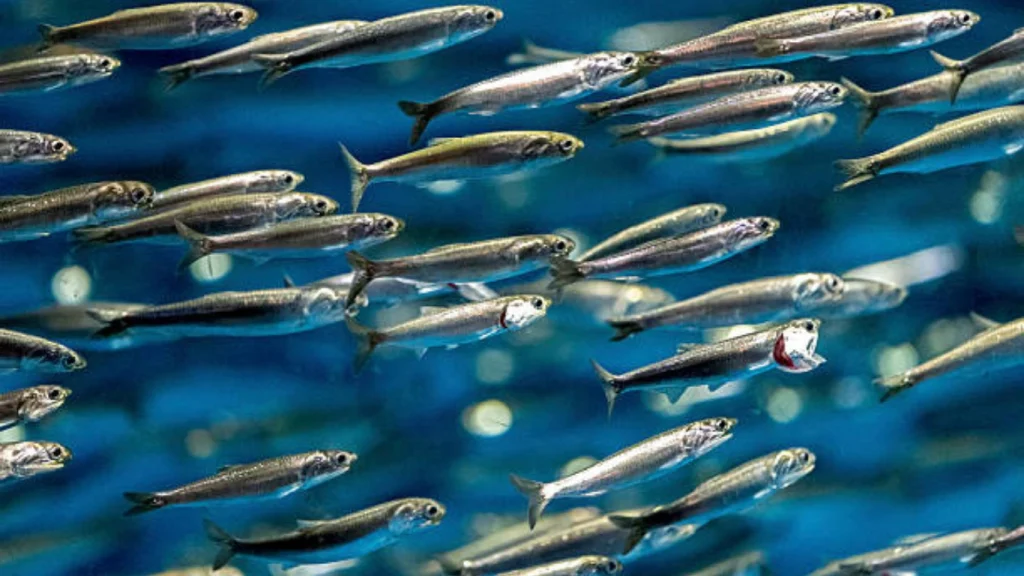
Anchovies are small, oily fish that are highly nutritious and beneficial for weight loss. Despite their size, they are packed with protein, healthy fats, and essential nutrients. Their strong flavor means a small amount goes a long way, helping control portion sizes and calorie intake.
Identification
- Small, slender fish with silvery skin
- Typically found in saltwater
- Strong, salty flavor
- Commonly sold canned, jarred, or salted
Nutritional Benefits
Anchovies are rich in protein and omega-3 fatty acids, which support heart health and reduce inflammation. They also provide important nutrients like calcium, iron, selenium, and vitamin B12. These nutrients help improve metabolism, support bone health, and maintain energy levels during weight loss.
Why It Helps with Weight Loss
The high protein content in anchovies promotes satiety, helping reduce hunger and overall calorie consumption. Their omega-3 fatty acids may also support fat metabolism and hormone regulation. Since they are typically consumed in small portions, they naturally help control calorie intake while still delivering essential nutrients.
Best Ways to Eat
Anchovies can be added to salads, whole-grain toast, or pasta dishes for a flavorful boost. Using them in moderation enhances taste without adding too many calories. Avoid pairing them with heavy sauces or excessive oil to keep meals weight-loss friendly.
Related Tips
Because anchovies are often high in sodium, it is best to consume them in moderation. Rinsing them lightly before use can help reduce salt content. Including them occasionally in your diet can add variety and strong flavor without increasing calorie intake significantly.
10. Herring

Herring is a small, oily fish that is highly nutritious and beneficial for weight loss. It is rich in healthy fats and protein, making it a satisfying food that supports metabolism and helps control hunger. Its strong nutritional profile makes it a great addition to a balanced, calorie-conscious diet.
Identification
- Small to medium-sized fish with silvery skin
- Oily, soft flesh with a rich flavor
- Found in cold saltwater regions
- Commonly sold fresh, smoked, or pickled
Nutritional Benefits
Herring is an excellent source of omega-3 fatty acids and high-quality protein, both of which are essential for heart health and fat metabolism. It also contains important nutrients like vitamin D, vitamin B12, and selenium. These nutrients support energy production, immune function, and overall metabolic health.
Why It Helps with Weight Loss
The combination of protein and healthy fats in herring helps increase satiety, reducing hunger and preventing overeating. Omega-3 fatty acids may also support fat burning and improve hormone balance related to appetite. This makes herring a filling and effective choice for maintaining a calorie deficit.
Best Ways to Eat
Grilling, baking, or lightly smoking herring are healthy preparation methods that preserve its nutrients. Pair it with vegetables or whole grains for a balanced meal. Avoid heavily processed or sugary pickled versions, as they can add extra calories.
Related Tips
Choose fresh or minimally processed herring whenever possible for better nutritional value. Including it in your diet once or twice a week can help support weight loss while adding variety to your meals.
11. Flounder

Flounder is a lean, mild-flavored fish that is excellent for weight loss. It is low in calories and fat while providing a good amount of protein, making it ideal for those who want to reduce calorie intake without sacrificing nutrition. Its light texture also makes it easy to digest and incorporate into various meals.
Identification
- Thin, flat fish with white flesh
- Mild, delicate flavor
- Found in coastal saltwater areas
- Commonly sold as fillets
Nutritional Benefits
Flounder is rich in lean protein, which supports muscle maintenance and boosts metabolism. It also contains essential nutrients such as vitamin B12, selenium, and magnesium. These nutrients help improve energy production, support the nervous system, and enhance overall metabolic function, which is important during weight loss.
Why It Helps with Weight Loss
The high protein and low calorie content of flounder make it an excellent food for promoting satiety. It helps reduce hunger and prevents overeating while allowing you to stay within your daily calorie goals. Its low fat content makes it especially suitable for calorie-restricted diets.
Best Ways to Eat
Baking, steaming, or grilling flounder are the best methods to keep it healthy and low in calories. It pairs well with vegetables and light seasonings. Avoid frying or using creamy sauces, as they can increase calorie content significantly.
Related Tips
Flounder is a great option for those who prefer mild-tasting fish. Including it regularly in your meal plan can help maintain a balanced diet while supporting steady and effective weight loss.
12. Pollock

Pollock is a lean white fish that is widely used in healthy diets due to its low calorie content and high protein value. It is a great choice for weight loss, offering a filling and nutritious option without adding excess fat. Its mild taste makes it easy to include in a variety of meals.
Identification
- White, flaky flesh with a soft texture
- Medium-sized fish
- Found in cold saltwater regions
- Commonly sold as fillets or used in processed fish products
Nutritional Benefits
Pollock is rich in lean protein, which helps maintain muscle and supports metabolism. It also contains essential nutrients such as vitamin B12, selenium, and phosphorus. These nutrients play a key role in energy production, immune support, and overall metabolic function, making pollock a healthy addition to a weight-loss diet.
Why It Helps with Weight Loss
The high protein and low fat content of pollock help promote fullness, reducing hunger and preventing overeating. Its low calorie density allows you to eat satisfying portions while maintaining a calorie deficit, which is essential for effective weight loss.
Best Ways to Eat
Baking, steaming, or grilling pollock helps retain its nutrients while keeping calories low. It pairs well with vegetables and simple seasonings. Avoid heavily processed forms like breaded or fried fish products, as they can add unnecessary calories.
Related Tips
Fresh or frozen pollock is a better option than processed varieties for weight loss. Including it in your weekly meal plan can provide a consistent source of lean protein while helping you stay within your calorie goals.
13. Sea Bass

Sea bass is a flavorful and moderately lean fish that can be a great addition to a weight-loss diet. It offers a good balance of protein and healthy fats, helping to keep you satisfied while supporting overall nutrition. Its tender texture and rich taste make it a popular choice for healthy meals.
Identification
- White, tender flesh with a mild flavor
- Medium-sized fish
- Found in both freshwater and saltwater
- Commonly sold as fillets or whole fish
Nutritional Benefits
Sea bass provides high-quality protein, which supports muscle maintenance and metabolism. It also contains essential nutrients like vitamin B6, vitamin B12, selenium, and omega-3 fatty acids. These nutrients help improve energy levels, support brain function, and enhance overall metabolic health during weight loss.
Why It Helps with Weight Loss
The protein in sea bass helps promote fullness, reducing hunger and limiting calorie intake. Its moderate fat content, including healthy omega-3s, supports hormone balance and fat metabolism. This combination helps create a satisfying meal that aligns well with weight-loss goals.
Best Ways to Eat
Grilling, baking, or steaming sea bass are the healthiest cooking methods to preserve its nutrients. Pair it with vegetables or salads for a balanced meal. Avoid frying or using rich sauces, as they can increase calorie content significantly.
Related Tips
Fresh sea bass often provides better taste and nutrition than heavily processed options. Including it occasionally in your diet can add variety while supporting a healthy and sustainable weight-loss plan.
14. Snapper

Snapper is a lean, white fish known for its mild, slightly sweet flavor and firm texture. It is a great choice for weight loss because it provides high-quality protein with relatively low fat, making it ideal for calorie-controlled diets while still being satisfying and nutritious.
Identification
- White to slightly pink flesh
- Firm texture with a mild, sweet flavor
- Medium-sized fish
- Found in warm saltwater regions
- Commonly sold whole or as fillets
Nutritional Benefits
Snapper is rich in lean protein, which supports muscle maintenance and boosts metabolism. It also contains essential nutrients such as vitamin B12, selenium, potassium, and magnesium. These nutrients help improve energy production, support heart health, and maintain proper body function during weight loss.
Why It Helps with Weight Loss
The high protein content in snapper helps you feel full longer, reducing hunger and preventing overeating. Its low fat and moderate calorie content make it easier to stay within daily calorie limits. This makes snapper an effective option for maintaining a calorie deficit while still enjoying flavorful meals.
Best Ways to Eat
Grilling, baking, or steaming snapper are ideal methods to keep it healthy and low in calories. It pairs well with vegetables, herbs, and light spices. Avoid frying or using heavy sauces, as they can significantly increase calorie intake.
Related Tips
Fresh snapper is often the best choice for both taste and nutrition. Including it in your meal plan once or twice a week can help maintain dietary variety while supporting steady and healthy weight loss.
15. Catfish

Catfish is a widely consumed freshwater fish that can be part of a weight-loss diet when prepared properly. It provides a good amount of protein and essential nutrients, helping you stay full while supporting overall health. Its mild flavor and affordability make it a practical choice for many people.
Identification
- Smooth, scaleless skin
- White to slightly pink flesh
- Medium-sized freshwater fish
- Recognizable by whisker-like barbels
- Commonly sold as fillets or whole fish
Nutritional Benefits
Catfish is a good source of protein, which helps maintain muscle mass and supports metabolism during weight loss. It also contains nutrients like vitamin B12, selenium, and omega-3 fatty acids in smaller amounts. These nutrients contribute to energy production, immune support, and overall metabolic function.
Why It Helps with Weight Loss
The protein in catfish helps increase satiety, reducing hunger and unnecessary snacking. When cooked in a healthy way, it remains relatively low in calories, making it easier to stay within your daily calorie goals. This supports a consistent calorie deficit, which is essential for weight loss.
Best Ways to Eat
Grilling, baking, or steaming catfish are the healthiest options to keep calorie intake low. Pairing it with vegetables or whole grains creates a balanced meal. Avoid deep-frying, as it significantly increases calorie and fat content.
Related Tips
Choose fresh or properly cleaned catfish for better taste and nutrition. Moderation is important, as preparation methods can greatly affect calorie content. Including it occasionally in your diet can help maintain variety while supporting your weight-loss journey.
FAQs
Is fish good for weight loss?
Yes, fish is excellent for weight loss because it is high in protein and often low in calories. Protein helps you feel full longer, reducing overall calorie intake. Many fish also contain healthy fats that support metabolism and improve overall health, making them ideal for a balanced weight-loss diet.
Which fish is best for fast weight loss?
Lean fish like cod, tilapia, and pollock are best for faster weight loss because they are low in calories and high in protein. Fatty fish like salmon and mackerel are also beneficial due to their omega-3 content, which supports fat metabolism and helps control hunger.
How often should I eat fish for weight loss?
Eating fish 2 to 3 times per week is generally recommended for weight loss. This frequency provides enough protein and nutrients without overconsumption. It also helps maintain a balanced diet by combining fish with other healthy food sources like vegetables, whole grains, and lean proteins.
What is the healthiest way to cook fish?
The healthiest ways to cook fish are grilling, baking, steaming, or broiling. These methods preserve nutrients while keeping calorie levels low. Avoid deep frying or using heavy sauces, as they add extra calories and unhealthy fats that can reduce the effectiveness of your weight-loss efforts.
Can eating fish daily help lose weight faster?
Eating fish daily can support weight loss if portion sizes are controlled and preparation methods are healthy. However, variety is important for balanced nutrition. Rotating different protein sources ensures you get a wider range of nutrients while avoiding potential issues like excessive exposure to certain contaminants.