





The Flemish Giant Rabbit is not your average backyard bunny. Known as the “gentle giant” of the rabbit world, this impressive breed can grow as large as a medium-sized dog, with some tipping the scales at over 20 pounds. Originally bred for meat and fur, the Flemish Giant has since captured the hearts of pet lovers for its docile personality, majestic size, and striking appearance.
Whether you’re looking to adopt one, raise it for meat, or simply curious about this remarkable breed, this comprehensive guide covers everything you need to know—size, lifespan, care, colors, breeders, and even where to find them near you. Let’s dive into the world of these lovable giants.
Flemish Giant Rabbit Size and Weight
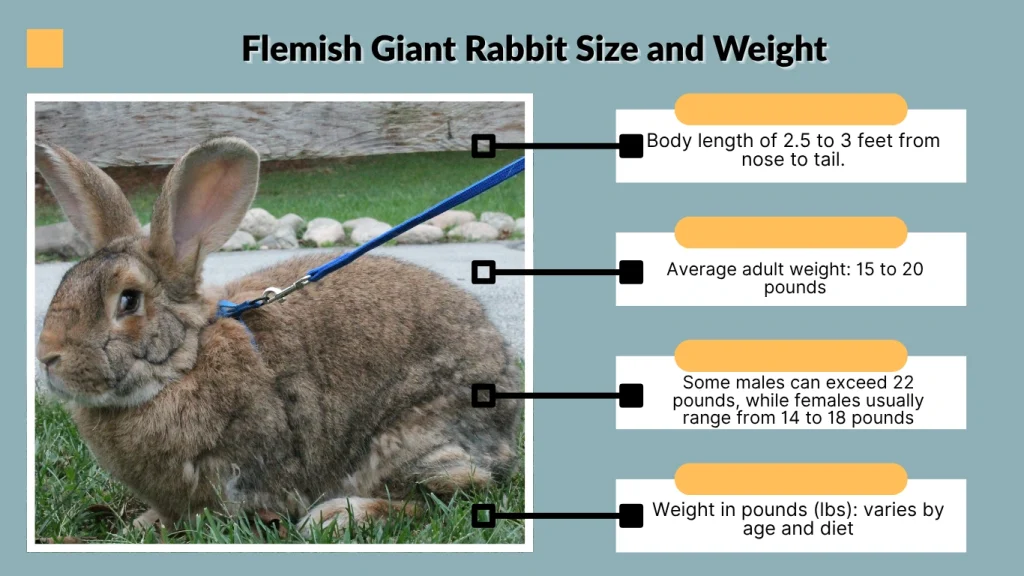
The Flemish Giant Rabbit is famous for its massive size, making it one of the largest rabbit breeds in the world. These rabbits can grow to the length of a small dog and weigh more than many cats. Understanding their size and weight is important for proper housing, feeding, and overall care.
How Big Is a Flemish Giant Rabbit?
Flemish Giants are significantly larger than regular pet rabbits. A full-grown adult can reach a body length of 2.5 to 3 feet from nose to tail. Their ears alone can be up to 8 inches long. These rabbits have a powerful, muscular build with a broad back and well-developed hindquarters.
Flemish Giant Rabbit Weight Range
- Average adult weight: 15 to 20 pounds
- Some males can exceed 22 pounds, while females usually range from 14 to 18 pounds
- Weight in pounds (lbs): varies by age and diet
Flemish Giant Rabbit Average Size
The average size of a Flemish Giant includes both their body length and weight. A mature rabbit typically measures around 30 inches in length and has a stocky, solid frame. Their size also depends on genetics, diet, and environment.
Flemish Giant Rabbit Height
Though rabbits don’t usually stand on two legs, if a Flemish Giant were to stand upright, they could measure up to 3 feet tall. When relaxed on all fours, their shoulder height can be around 18 to 20 inches.
Growth Timeline: How Big Do Flemish Giant Rabbits Get?
Flemish Giants grow quickly during their first year:
- 3 months: 5–7 lbs
- 6 months: 9–12 lbs
- 1 year: 14–20+ lbs (full size)
Proper nutrition and spacious housing are crucial during this growth period.
Comparison to Other Rabbits
A standard domestic rabbit weighs about 4–6 lbs, making the Flemish Giant three to four times larger. This massive size affects how they are housed, handled, and cared for.
Record-Breaking Flemish Giants

Flemish Giant Rabbits are already known for their large size, but some individuals have grown so massive that they’ve earned world records and global fame. This section explores the biggest Flemish Giants ever recorded and what makes them stand out.
Biggest Flemish Giant Rabbit
The title of the biggest Flemish Giant Rabbit is often associated with truly exceptional individuals that defy the breed’s already impressive standards. These rabbits usually weigh more than 20 pounds and can stretch over 4 feet in length when laid out.
Largest Flemish Giant Rabbit
While average Flemish Giants are large, the largest Flemish Giant rabbit on record far exceeds expectations. One of the most famous was “Darius,” who weighed around 49 pounds and measured over 4 feet 3 inches long. His size captured media attention worldwide and made headlines for years.
World Record Flemish Giant Rabbit
Darius is often referred to when discussing the world record Flemish Giant Rabbit. He was recognized as the longest rabbit in the world by Guinness World Records. These record-breaking bunnies come from careful breeding, excellent care, and often a bit of luck in genetics.
Biggest Flemish Giant Rabbit in the World
Currently, the biggest Flemish Giant rabbit in the world might be Darius or one of his offspring. Rabbits from similar bloodlines continue to grow exceptionally large, keeping the legacy of giant rabbits alive.
Largest Flemish Giant Rabbit on Record
The largest on record was not only massive in weight but also impressive in overall body proportions. These rabbits have thick bones, strong hind legs, and unusually long ears, adding to their gigantic appearance.
Flemish Giant Rabbit Colors

Flemish Giant Rabbits come in a variety of colors officially recognized by rabbit breed standards. These coat variations not only affect their appearance but may also influence their popularity among breeders and pet owners. Knowing the available colors helps in choosing the right one and identifying purebred lines.
Recognized Flemish Giant Rabbit Colors
There are seven officially recognized colors for the breed:
- Black
- Blue
- Fawn
- Light Gray
- Steel Gray
- Sandy
- White
Each color is solid and smooth throughout the body, with consistent eye color to match (e.g., blue rabbits often have gray-blue eyes).
Black Flemish Giant Rabbit
This color is bold and sleek. The fur is a deep jet black, including the undercoat. These rabbits often appear glossy in the sunlight and are known for their striking look.
Blue Flemish Giant Rabbit
Blue Flemish Giants are slate gray, but the color has a bluish hue that gives them a cool-toned, smoky appearance. This is one of the most sought-after and rare colors.
White Flemish Giant Rabbit
White variants have pure snow-white fur and usually red or blue eyes, depending on genetics. These are particularly common in show lines.
Steel Grey and Light Grey
- Steel Grey: A darker gray with black-tipped guard hairs, giving a “salt and pepper” look.
- Light Grey: More subtle and uniform across the body, often used in show breeding.
Color Chart and Guide
Breeders often refer to a Flemish Giant rabbit color chart to maintain breed standards. This chart outlines fur color, eye color, and acceptable markings. It’s especially important for competitive showing and breeding.
Flemish Giant Rabbit Lifespan and Life Expectancy
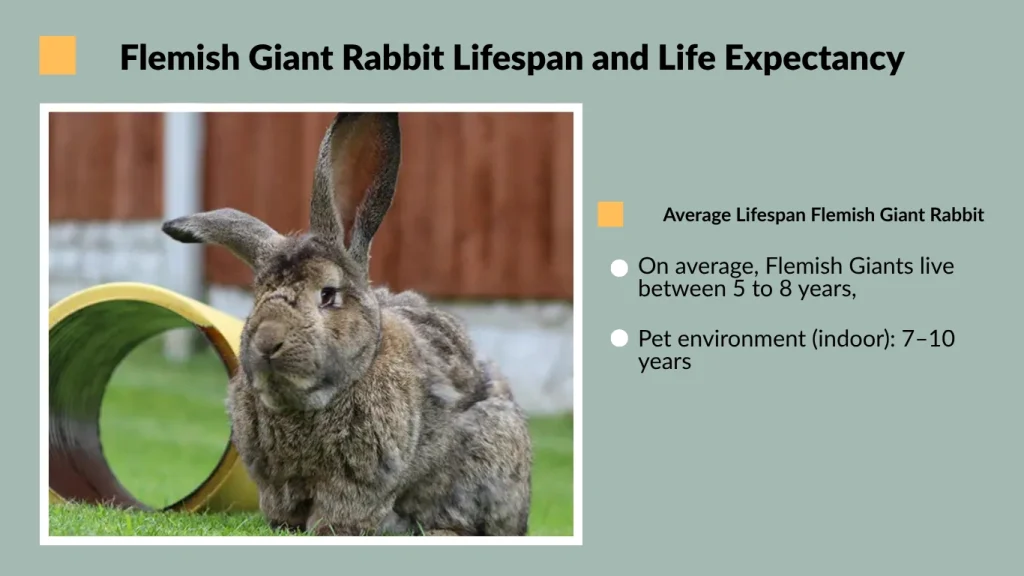
Despite their size, Flemish Giant Rabbits can live fairly long lives if well cared for. Understanding their typical lifespan helps prepare for long-term care and companionship.
How Long Do Flemish Giant Rabbits Live?
On average, Flemish Giants live between 5 to 8 years, though some have reached 10 years or more with excellent care. Factors like diet, exercise, genetics, and veterinary attention play big roles.
Flemish Giant Rabbit Life Expectancy
While 5–8 years is typical, those kept indoors and treated like pets tend to live longer than those raised outdoors or for meat. Neutering or spaying can also positively impact life expectancy.
Flemish Giant Rabbit Average Lifespan
- Pet environment (indoor): 7–10 years
- Breeding/meat stock (outdoor): 4–6 years
- Regular vet visits and a proper diet can significantly improve longevity.
Lifespan Compared to Other Rabbits
Standard rabbits live around 8–12 years, so Flemish Giants have a slightly shorter lifespan due to their larger body size and genetic strain. However, with care, they can still provide many years of companionship.
Flemish Giant Rabbit Personality and Temperament
Flemish Giant Rabbits are not just known for their size—they’re also recognized for their calm and gentle nature. Their personality makes them ideal for families, especially those with space to accommodate their needs.
Temperament of Flemish Giant Rabbits
Often called “gentle giants,” these rabbits are docile, patient, and friendly. They rarely bite or scratch and are known to enjoy being petted and handled when properly socialized. Their laid-back attitude also makes them easier to train than smaller, more nervous rabbit breeds.
Flemish Giant Rabbit Personality Traits
Flemish Giants are:
- Affectionate: They form bonds with their owners and may follow them around like a cat or dog.
- Quiet: Rarely vocal and not prone to aggressive behavior.
- Curious: Enjoy exploring, especially in large open indoor or outdoor spaces.
- Tolerant: They generally get along with children and other pets, including dogs and cats (with supervision).
Behavior You Can Expect
Expect your Flemish Giant to spend a lot of time lounging, grooming, and casually hopping around. They are not hyperactive and appreciate routine. Boredom can lead to chewing, so enrichment is important.
Flemish Giant Rabbit as Pets

Due to their large size and calm nature, Flemish Giant Rabbits make wonderful companions—but only for owners ready to commit to their special needs. This section explores what it’s like to keep them as pets.
Can You Own a Flemish Giant Rabbit?
Yes, they are legal to own in most countries and states. However, check local laws and housing restrictions, especially in urban areas or apartment complexes.
Flemish Giant Rabbit as Indoor Pet
They can live indoors, but you’ll need:
- A large enclosure or a rabbit-safe room
- Soft flooring to avoid hock sores
- Litter box training (which is possible and often successful)
They often behave like a cross between a cat and a small dog in indoor environments—loving but independent.
Keeping Flemish Giants with Other Pets
When raised around dogs or cats, they usually coexist peacefully. Due to their size, they’re less likely to be seen as prey. However, always supervise interactions, especially at first.
Flemish Giant Rabbit Next to Dog
There are many heartwarming photos and videos online of Flemish Giants cuddling with dogs. Their size helps them stand their ground, but you should still monitor for safety and body language cues.
Flemish Giant Rabbit Price and Cost
Owning a Flemish Giant Rabbit isn’t just a commitment in time and space—it can also be a significant financial investment. This section explains the pricing, including purchase cost and ongoing expenses.
Flemish Giant Rabbit Price Range
- Pet quality: $50–$150
- Show or breeding quality: $200–$500+
- Rare colors like blue or white may cost more
Prices may vary based on location, breeder reputation, and pedigree.
How Much Is a Flemish Giant Rabbit?
The cost also depends on whether the rabbit is a baby (kit), an adult, or already trained/spayed. Older rabbits may be less expensive from rescues or shelters.
Ongoing Costs to Consider
- Food: High-quality hay, pellets, and vegetables (~$40/month)
- Housing: Hutch or enclosure ($150–$400 one-time)
- Vet care: Annual check-ups and possible spaying/neutering ($100–$300+)
- Accessories: Litter box, toys, harness, water bottles, etc.
Price of Flemish Giant Rabbit vs Other Breeds
They are generally more expensive than smaller breeds because they eat more, require more space, and have specific health needs.
Baby Flemish Giant Rabbits
Baby Flemish Giants, often called kits, are irresistibly cute and grow rapidly during their first year. Raising them requires careful attention to their diet, environment, and socialization to ensure they develop into healthy, gentle adults.
Baby Flemish Giant Rabbit Growth Stages
- 0–2 weeks: Kits are blind, deaf, and completely reliant on their mother’s milk.
- 3–4 weeks: Eyes open, and they begin exploring the nest.
- 4–6 weeks: Start nibbling on hay and pellets; begin weaning.
- 6–8 weeks: Ready for adoption and fully transitioned to solid food.
- 3–6 months: Rapid growth—can weigh 6–12 lbs by this stage.
- 12 months: Most reach full size.
Flemish Giant Baby Bunnies as Pets
Baby Flemish Giants are calm, curious, and easy to socialize with gentle handling. If raised indoors from a young age, they can become highly affectionate and even litter trained.
Buying a Flemish Giant Rabbit Baby
When looking to buy a baby Flemish Giant:
- Choose breeders who allow pickup after 8 weeks (for proper weaning).
- Ask about parent size and lineage.
- Check for bright eyes, clean ears, and a full, even coat.
Baby Flemish Giants are often in high demand, especially in spring and early summer, so contact breeders early if you’re looking to adopt.
Flemish Giant Rabbit Housing and Hutch Plans
Due to their enormous size, Flemish Giant Rabbits require much more space than typical rabbit breeds. A cramped cage can lead to stress, obesity, and sore hocks. Proper housing is key to a happy, healthy bunny.
Flemish Giant Rabbit Hutch Requirements
- Minimum dimensions: 4 ft wide × 2.5 ft deep × 2 ft tall (for short-term rest)
- For full-time living, 8 ft × 4 ft or a free-roaming indoor room is better.
- Flooring should be solid (no wire), with soft mats or hay to prevent foot injuries.
Flemish Giant Rabbit Hutch Plans
If you’re building a custom hutch:
- Include a covered sleeping area and open play space
- Use chew-proof materials like untreated wood and galvanized mesh
- Ensure ventilation and shade, especially in hot climates
- Consider a ramp for two-level hutches to give more vertical space
DIY hutch plans for Flemish Giants can be found online or customized based on your space. Always prioritize comfort and hygiene.
Indoor Housing and Cage Size
If keeping indoors:
- Use a large dog crate, x-pen, or dedicate a room corner
- Add a litter box, chew toys, water bottle, and food bowl
- Clean weekly to avoid odor and health risks
Proper housing promotes mobility and prevents behavioral issues like biting or cage chewing.