




Turtles are fascinating creatures known for their slow metabolism, long lifespans, and ability to adapt to changing environments. One of the most common questions pet owners and nature enthusiasts ask is: How long can turtles go without eating? Whether you have a pet turtle or are observing a wild one, understanding their feeding patterns and survival ability is essential for responsible care and knowledge.
In this article, we’ll explore how long turtles can survive without food based on species, age, environment, and overall health. We’ll also cover the risks of starvation, signs of hunger or malnutrition, and how to handle feeding schedules for pet turtles.
How Long Can Turtles Survive Without Food?
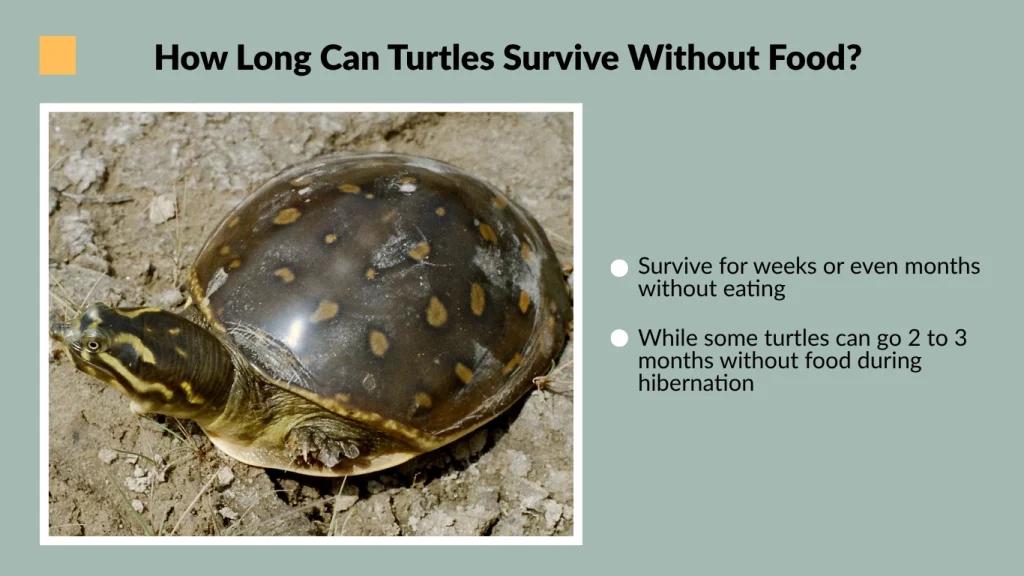
Turtles, unlike many other animals, have the ability to survive for weeks or even months without eating under certain conditions. Their slow metabolism and ability to conserve energy help them withstand long periods without food. However, how long a turtle can go without eating depends on several factors, including:
- Species (aquatic vs. land turtles)
- Age (hatchlings vs. adults)
- Habitat (wild vs. captive)
- Temperature and environmental conditions
- Health and nutritional reserves
While some turtles can go 2 to 3 months without food during hibernation or brumation, others may only survive a few weeks without eating if the conditions are not favorable.
Aquatic vs. Land Turtles: Different Capabilities
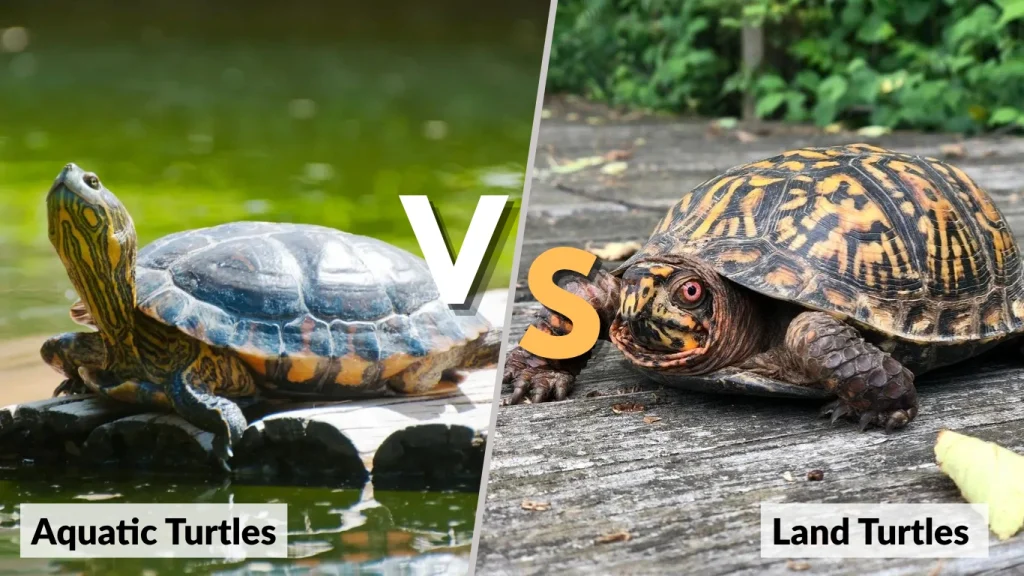
Aquatic Turtles
Aquatic turtles, like red-eared sliders, painted turtles, and map turtles, rely on both food and water for survival. While they can go up to 2–4 weeks without food if necessary, they should never go without water. In captivity, lack of food and clean water can quickly lead to dehydration, organ damage, and death.
During brumation (a turtle’s version of hibernation), aquatic turtles may go without food for up to 3 months in the wild. However, they remain in a dormant state and use very little energy.
Land Turtles (Box Turtles and Tortoises)
Box turtles and tortoises tend to have a slightly higher tolerance for food scarcity. Healthy adult land turtles may survive 4–6 weeks without eating, provided they have access to water and a suitable temperature range. In colder climates, wild box turtles often enter hibernation and can go several months without food.
Still, prolonged fasting in non-hibernating turtles is never ideal and should be addressed promptly.
How Long Can Baby Turtles Go Without Eating?
Baby turtles (hatchlings and juveniles) are much more vulnerable to starvation. Their small bodies and fast-growing shells require consistent access to food rich in calcium and protein. Most baby turtles can only go a few days to a week without eating before their health starts to decline.
If a baby turtle refuses to eat for more than 3–5 days, it may be a sign of stress, improper lighting, or illness, and immediate action is needed.
What Happens When Turtles Don’t Eat?
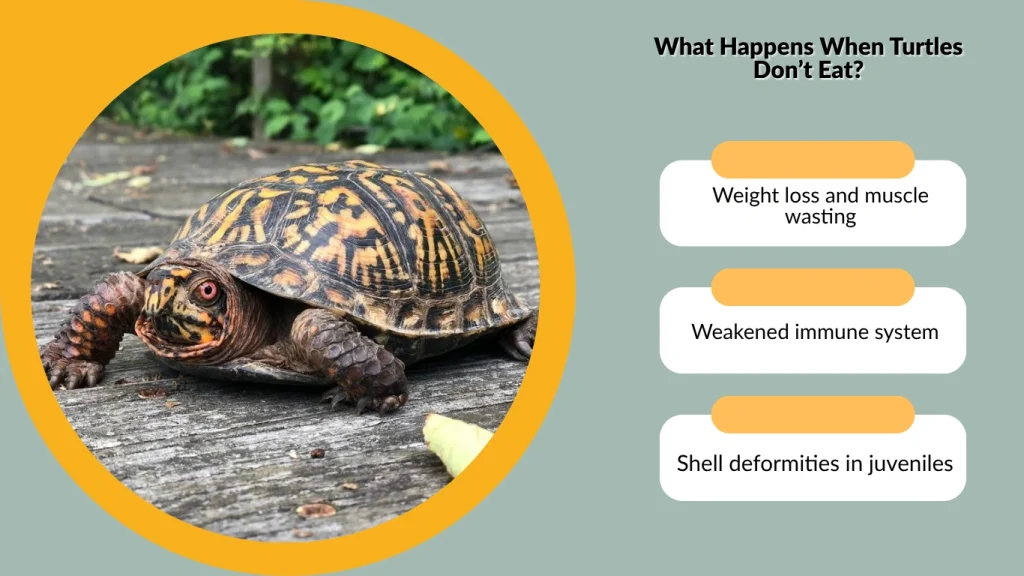
Turtles have evolved to tolerate temporary food shortages, but prolonged fasting can lead to serious consequences:
- Weight loss and muscle wasting
- Weakened immune system
- Shell deformities in juveniles
- Lethargy and inactivity
- Organ failure and eventual death
If a turtle appears lethargic, stops basking, or shows visible signs of weight loss, it may not be getting enough food or nutrients.
Brumation: A Natural Period Without Eating
Many turtle species enter a state of dormancy called brumation during colder months. This is similar to hibernation in mammals. During brumation, turtles slow their metabolism, reduce activity, and may go without food for weeks or months.
Brumation usually occurs between late fall and early spring, depending on the species and climate. Wild turtles naturally brumate, while pet turtles may do so if environmental cues (like light and temperature) mimic outdoor conditions.
If you keep a turtle indoors, brumation is not always necessary. Consult a reptile vet before inducing or allowing brumation in captivity, especially if your turtle is young or underweight.
Why Do Pet Turtles Stop Eating?
There are several reasons a pet turtle may refuse food:
- Incorrect temperature: Turtles need proper basking and water temperatures to digest food. Too cold, and they won’t eat.
- Lack of UVB light: UVB lighting helps turtles metabolize calcium and maintain appetite.
- Poor water quality: Dirty water can cause infections and stress, leading to appetite loss.
- Boredom or diet issues: A turtle may ignore food it’s tired of or not used to.
- Illness: Respiratory infections, parasites, and internal issues can cause anorexia.
- Stress: Moving to a new enclosure, loud noises, or sudden changes in routine can lead to temporary fasting.
If your turtle refuses food for more than 5–7 days and is not brumating, consult a vet to rule out health issues.
How Often Should You Feed Your Turtle?
Turtle feeding frequency depends on their age and species:
- Hatchlings: Once daily with high protein foods
- Juveniles: Every 1–2 days with a mix of protein and veggies
- Adults: 3–4 times per week with more vegetables and fewer proteins
Overfeeding can lead to obesity and shell deformities, so portion control and a balanced diet are essential.
Can Turtles Survive Without Food and Water?
No. While turtles can survive without food for weeks, they cannot go without water. Dehydration will cause far more damage in a shorter period than starvation. Water supports digestion, hydration, and temperature regulation.
Even land turtles and tortoises need access to shallow water for drinking and occasional soaking.
Tips to Encourage a Turtle to Eat
If your turtle is not eating, try the following:
- Check basking and water temperature
- Improve UVB lighting
- Offer favorite foods like worms, live fish, or fruit
- Try feeding at different times of day
- Reduce environmental stress
- Use a shallow feeding tray outside the tank (common for box turtles)
Monitoring your turtle’s behavior and feeding response regularly is key to long-term health.
Conclusion
So, how long can turtles go without eating? The answer depends on the species, age, and conditions. Healthy adult turtles can often survive several weeks or even months without food during brumation. However, this is not normal in warm, active conditions—especially for baby turtles or pets.