



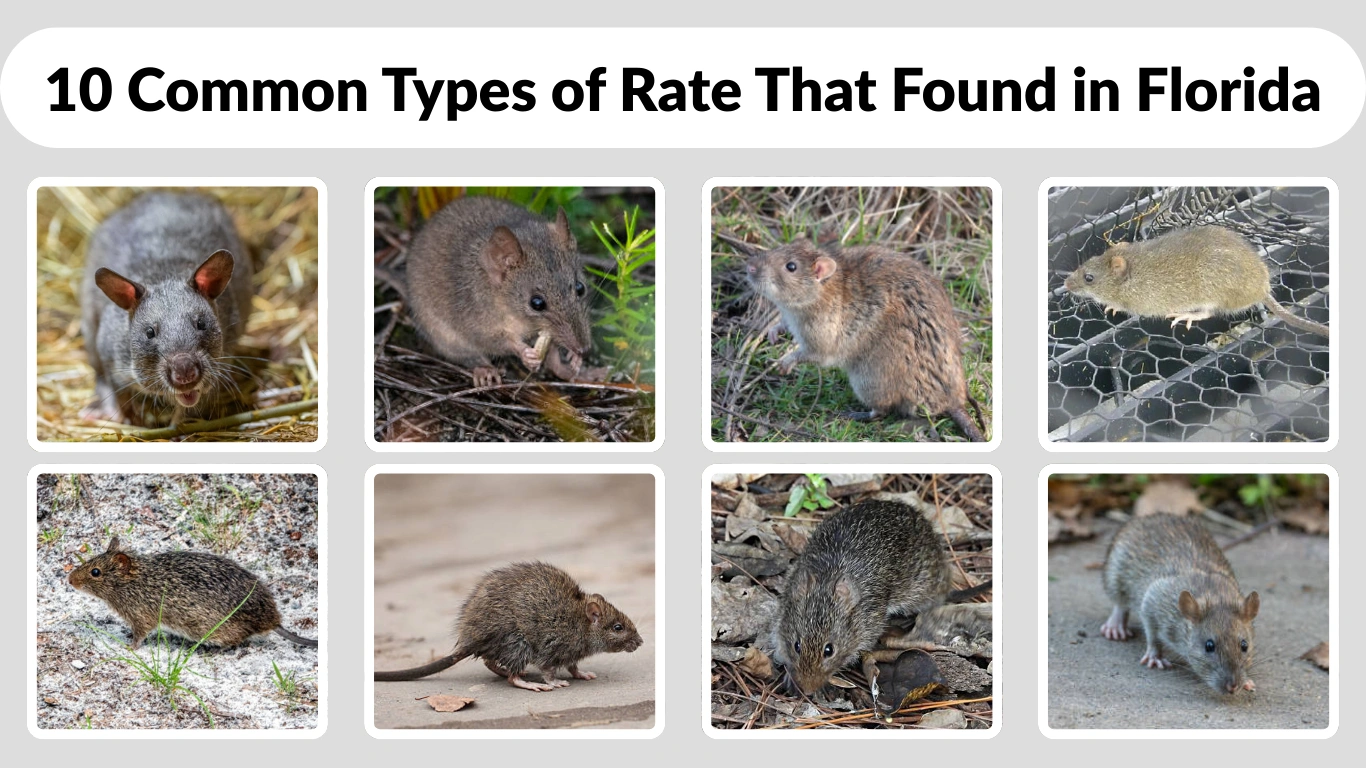
Florida’s warm climate and diverse ecosystems support a wide range of rat species, from urban dwellers to native rodents living in forests, fields, and wetlands. Some rats thrive near human settlements, while others prefer natural habitats and rarely interact with people. Understanding the most common types of rats found in Florida helps homeowners, pest control professionals, and wildlife enthusiasts identify species accurately and respond appropriately while respecting local ecosystems and regulations.
1. Norway Rat

The Norway Rat is the most widespread and commonly encountered rat species in Florida, especially in urban and suburban areas. Known for its strong build and adaptability, this rat thrives near human settlements where food, water, and shelter are readily available. It is often associated with ground-level activity and burrowing behavior.
Identification
- Stocky body with coarse brown or gray fur
- Shorter tail than body length
- Small ears and eyes relative to head size
- Blunt nose and heavy build
Habitat
Norway Rats prefer ground-level environments and are commonly found in sewers, basements, crawl spaces, garbage areas, and near water sources. In Florida, they thrive around buildings, farms, docks, and drainage systems where moisture and food are abundant.
Behaviors
This species is mostly nocturnal and is an excellent burrower. Norway Rats are strong swimmers and climbers but usually stay close to the ground. They are cautious by nature and tend to follow the same paths repeatedly once established.
Diet and Lifecycle
Norway Rats are omnivorous and will eat almost anything, including grains, fruits, meats, and food waste. They reproduce rapidly, with females capable of producing several litters per year. In the wild, their lifespan is usually less than one year, though it can be longer in protected environments.
2. Roof Rat
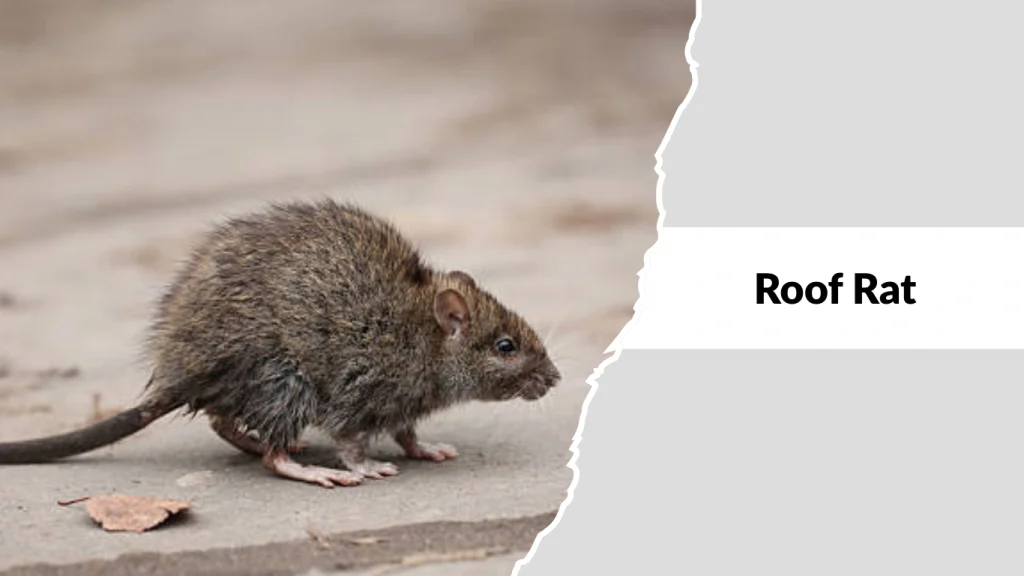
The Roof Rat is another very common rat species found throughout Florida, especially in warmer coastal and urban areas. It is well adapted to living above ground and is frequently associated with attics, roofs, trees, and dense vegetation around homes.
Identification
- Slender body with smooth brown or black fur
- Tail longer than the body
- Large ears and eyes
- Pointed nose and lighter build than Norway Rats
Habitat
Roof Rats prefer elevated locations such as attics, rafters, palm trees, and rooflines. In Florida, they are often found in citrus groves, wooded neighborhoods, and areas with overhanging branches that provide easy access to buildings.
Behaviors
This species is an excellent climber and jumper. Roof Rats are nocturnal and highly agile, often traveling along power lines, fences, and tree branches. They tend to be more cautious and less aggressive than Norway Rats.
Diet and Lifecycle
Roof Rats favor fruits, seeds, nuts, and plant material but will also eat human food when available. They breed year-round in Florida’s warm climate, producing multiple litters annually, with an average lifespan of less than one year in the wild.
3. Black Rat
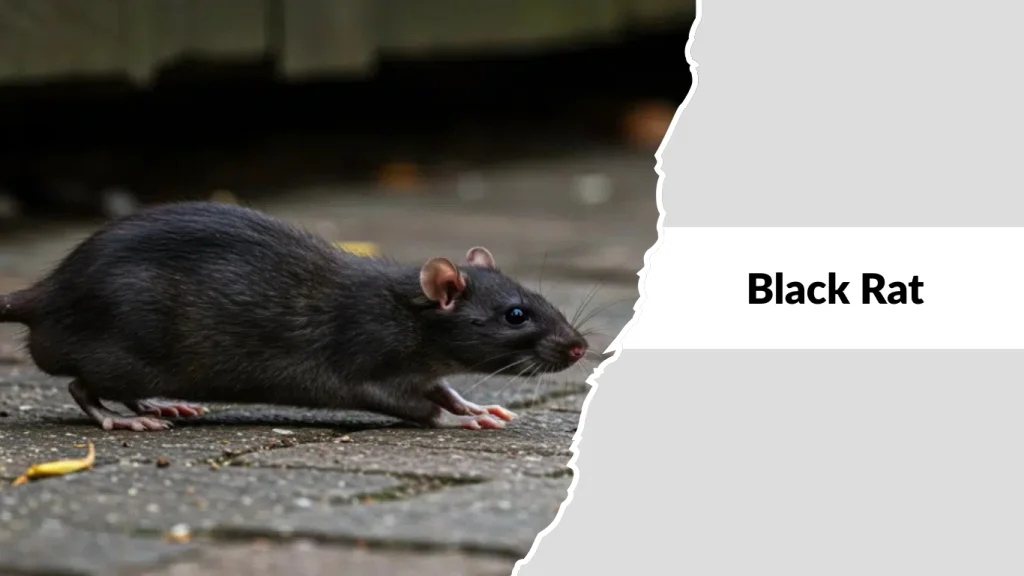
The Black Rat is a less common but still notable rat species found in parts of Florida, particularly in older urban areas and ports. It is closely related to the Roof Rat and is known for its slimmer body and preference for elevated spaces.
Identification
- Slender body with dark brown to black fur
- Tail longer than the head and body combined
- Large ears and prominent eyes
- Pointed snout and lightweight build
Habitat
Black Rats prefer warm, dry, and elevated environments. In Florida, they are most often found in attics, warehouses, docks, barns, and tree canopies. They commonly nest above ground rather than burrowing.
Behaviors
This species is agile, alert, and primarily nocturnal. Black Rats are excellent climbers and often move along beams, cables, and branches. They are cautious around new objects and avoid unfamiliar environments when possible.
Diet and Lifecycle
Black Rats mainly feed on fruits, grains, seeds, and vegetation but will consume stored foods when accessible. They reproduce quickly, with multiple litters per year, and typically live less than one year in the wild due to predators and environmental pressures.
4. Cotton Rat
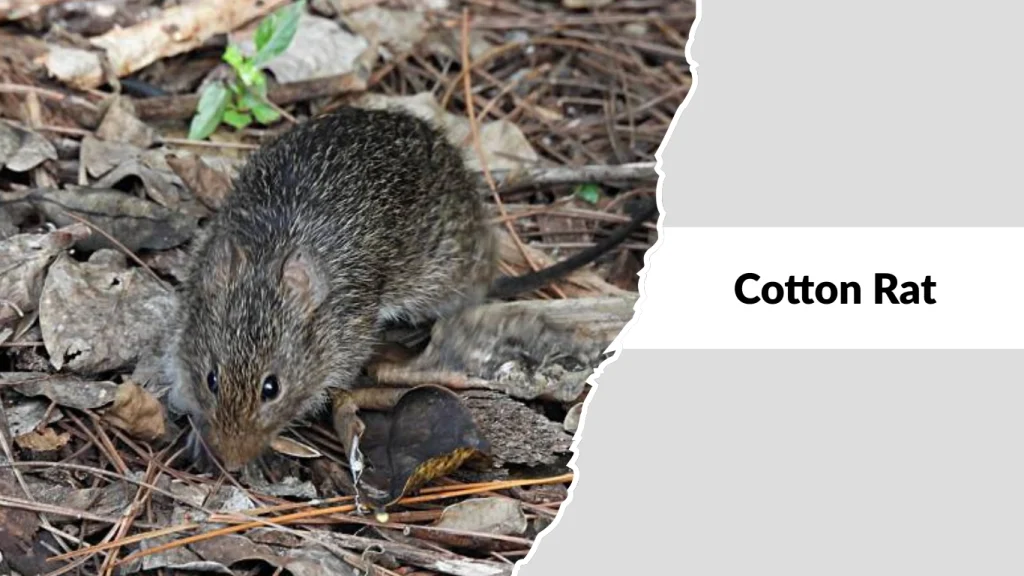
The Cotton Rat is a native rodent commonly found in Florida’s grassy and overgrown areas. Unlike urban rats, this species is more associated with natural and semi-rural environments. It is known for its sturdy body and preference for dense ground cover.
Identification
- Medium-sized, heavy-bodied rat
- Coarse brown or gray fur
- Short tail compared to body length
- Small ears and eyes
Habitat
Cotton Rats inhabit fields, marsh edges, roadsides, agricultural areas, and overgrown lawns. In Florida, they are especially common in tall grasses and areas with thick vegetation that provide protection from predators.
Behaviors
This species is mostly active at night and is an excellent runner. Cotton Rats create runways through grass and vegetation and rely on ground cover rather than climbing to stay safe.
Diet and Lifecycle
Cotton Rats feed mainly on grasses, seeds, roots, and occasionally insects. They reproduce rapidly, with several litters per year, and usually live less than one year in the wild due to predation and environmental factors.
5. Hispid Cotton Rat
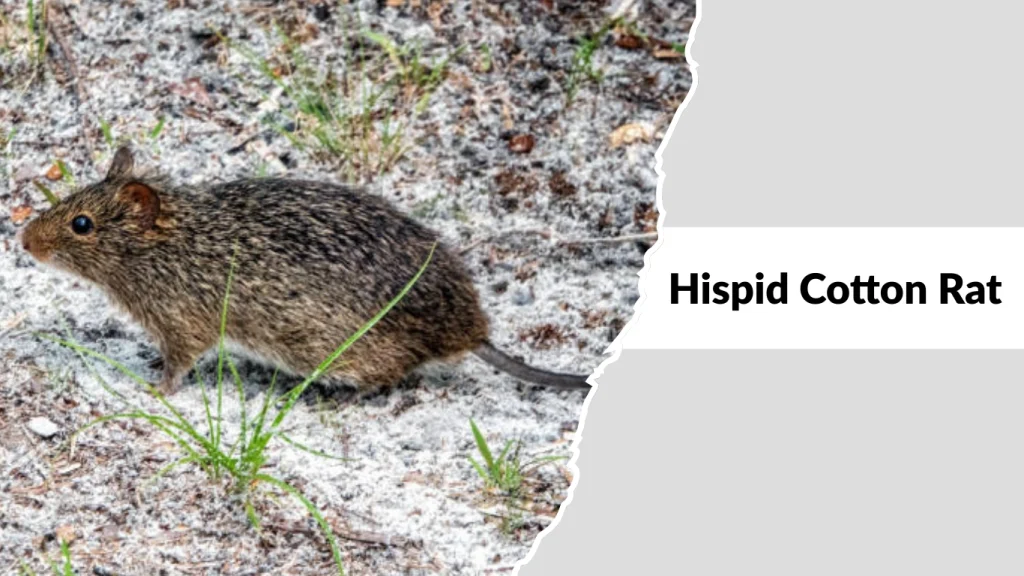
The Hispid Cotton Rat is a common native rodent in Florida and is closely related to the Cotton Rat. It is named for its rough, bristly fur and is frequently found in open fields and grassy habitats. This species plays an important role in the local ecosystem.
Identification
- Coarse, bristly fur with a gray-brown color
- Stocky body with a short tail
- Small ears partially hidden by fur
- Blunt snout and sturdy build
Habitat
Hispid Cotton Rats live in tall grasses, agricultural fields, roadside vegetation, and marsh edges. In Florida, they are well adapted to warm climates and areas with dense ground cover.
Behaviors
These rats are mostly nocturnal and prefer to stay hidden within vegetation. They create complex runway systems and are strong swimmers when necessary.
Diet and Lifecycle
Their diet consists mainly of grasses, seeds, roots, and crops. Hispid Cotton Rats reproduce quickly, often producing multiple litters each year, with a typical wild lifespan of less than one year.
6. Rice Rat
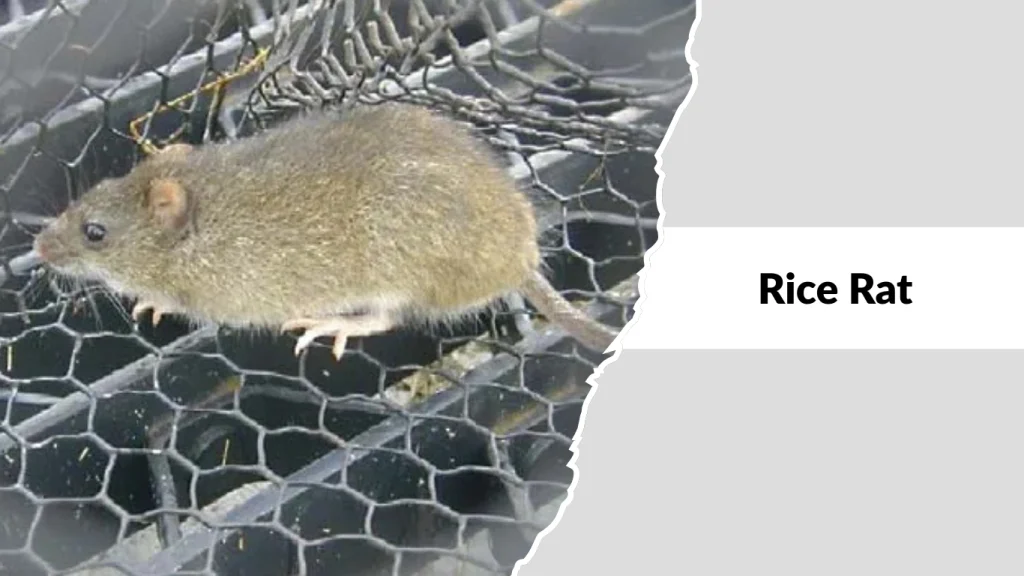
The Rice Rat is a semi-aquatic rodent commonly found in Florida, especially near wetlands and coastal regions. It is well adapted to living around water and is often associated with marshes and flooded fields. This species is less likely to enter homes compared to urban rats.
Identification
- Medium-sized body with soft gray-brown fur
- Long tail, often slightly scaly
- Small ears and eyes
- Slender build compared to cotton rats
Habitat
Rice Rats prefer wetlands such as marshes, swamps, mangroves, rice fields, and areas near streams or ponds. In Florida, they are especially common in coastal marshes and freshwater wetlands.
Behaviors
This species is mostly nocturnal and is an excellent swimmer. Rice Rats are comfortable in flooded environments and often build nests near or above water. They are shy and avoid human activity when possible.
Diet and Lifecycle
Rice Rats feed on seeds, grasses, aquatic plants, insects, and small aquatic animals. They reproduce several times a year, and their lifespan in the wild is typically less than one year due to predators and environmental conditions.
7. Marsh Rice Rat
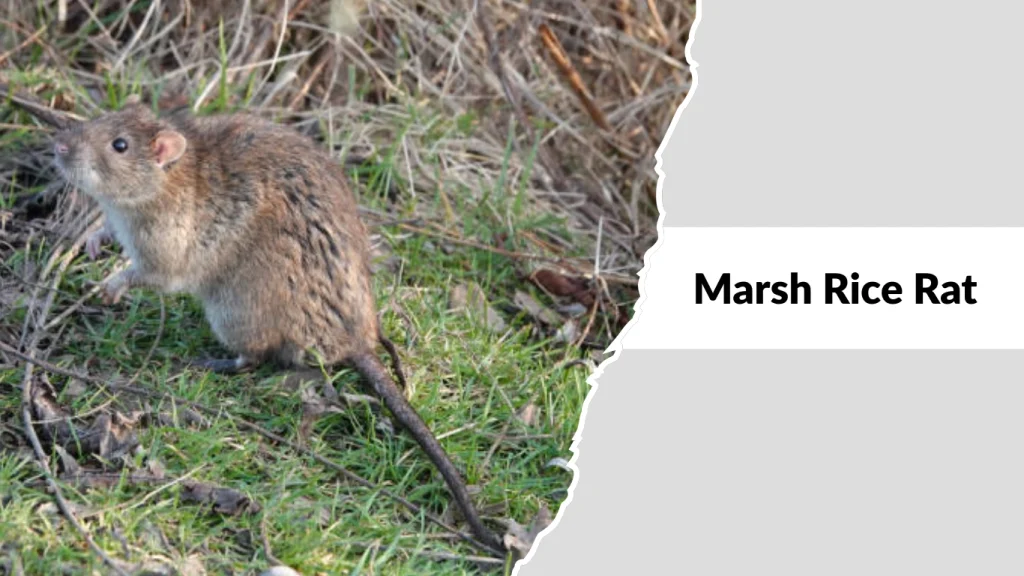
The Marsh Rice Rat is closely associated with Florida’s coastal and freshwater marshes. It is a semi-aquatic species that thrives in wet environments and plays an important role in marsh ecosystems. This rat is rarely seen in urban homes.
Identification
- Slender body with gray to brown fur
- Long tail adapted for balance and swimming
- Small ears and eyes
- Fine, smooth coat texture
Habitat
Marsh Rice Rats live in salt marshes, freshwater marshes, mangroves, and wet grasslands. In Florida, they are especially common along coastal wetlands and low-lying marshy areas.
Behaviors
These rats are mostly nocturnal and highly adapted to swimming. Marsh Rice Rats build nests in dense vegetation and may climb marsh plants to avoid flooding during high water levels.
Diet and Lifecycle
Their diet includes grasses, seeds, aquatic plants, insects, and small invertebrates. They reproduce multiple times a year, and their average lifespan in the wild is under one year due to harsh environmental conditions.
8. Eastern Woodrat
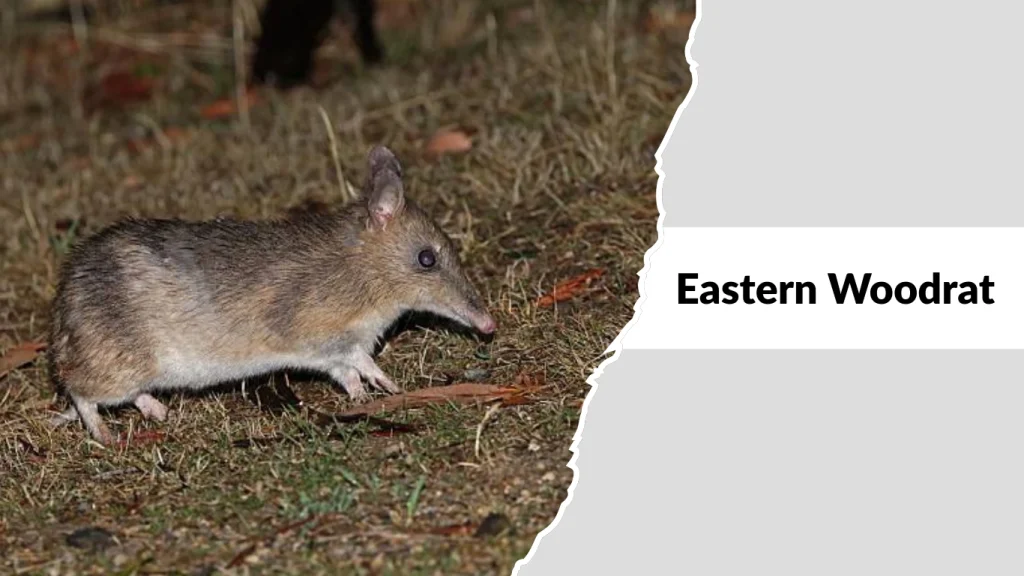
The Eastern Woodrat, often called a pack rat, is a native species found in parts of Florida, mainly in wooded and semi-natural areas. It is known for collecting and storing various objects in its nest and plays an important role in forest ecosystems.
Identification
- Medium-sized body with soft brown or gray fur
- White or light-colored underside
- Moderately long, furry tail
- Large eyes and ears
Habitat
Eastern Woodrats prefer forests, woodlands, scrub areas, and brush piles. In Florida, they are commonly found near fallen logs, dense shrubs, and abandoned structures that provide shelter and nesting sites.
Behaviors
This species is mostly nocturnal and is known for its habit of gathering sticks, leaves, and human-made objects. Eastern Woodrats are shy, solitary animals and avoid frequent contact with humans.
Diet and Lifecycle
Eastern Woodrats feed on fruits, seeds, leaves, nuts, and bark. They reproduce at a moderate rate compared to other rats, and their lifespan in the wild is typically one to two years under favorable conditions.
9. Florida Woodrat
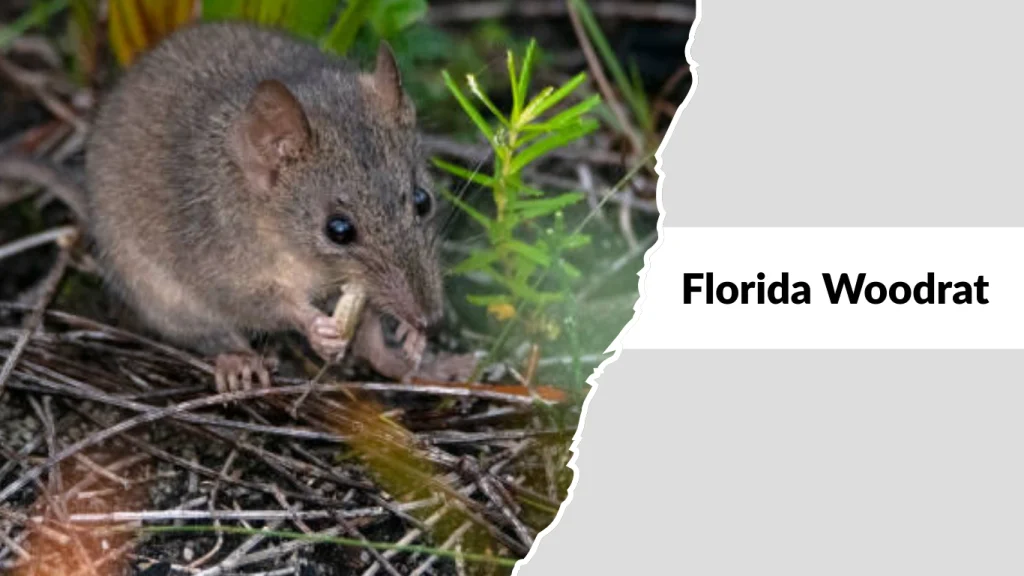
The Florida Woodrat is a native rodent species found only in Florida and is considered an important part of the state’s natural ecosystems. It is more sensitive to environmental changes than urban rats and is often associated with protected or undisturbed habitats.
Identification
- Medium-sized body with brown to gray fur
- White or pale underside
- Furry tail with lighter coloration underneath
- Large eyes and rounded ears
Habitat
Florida Woodrats inhabit scrublands, pine forests, sandhills, and coastal hammock areas. They build large stick nests near shrubs, fallen logs, or dense vegetation, relying on natural cover for protection.
Behaviors
These rats are nocturnal and generally solitary. Florida Woodrats are cautious and avoid human disturbance. They are known for collecting plant material to build and maintain their nests.
Diet and Lifecycle
Their diet consists mainly of fruits, seeds, leaves, flowers, and bark. Florida Woodrats reproduce slowly compared to other rats, and their lifespan in the wild usually ranges from one to three years, depending on habitat quality.
10. Gambian Pouched Rat
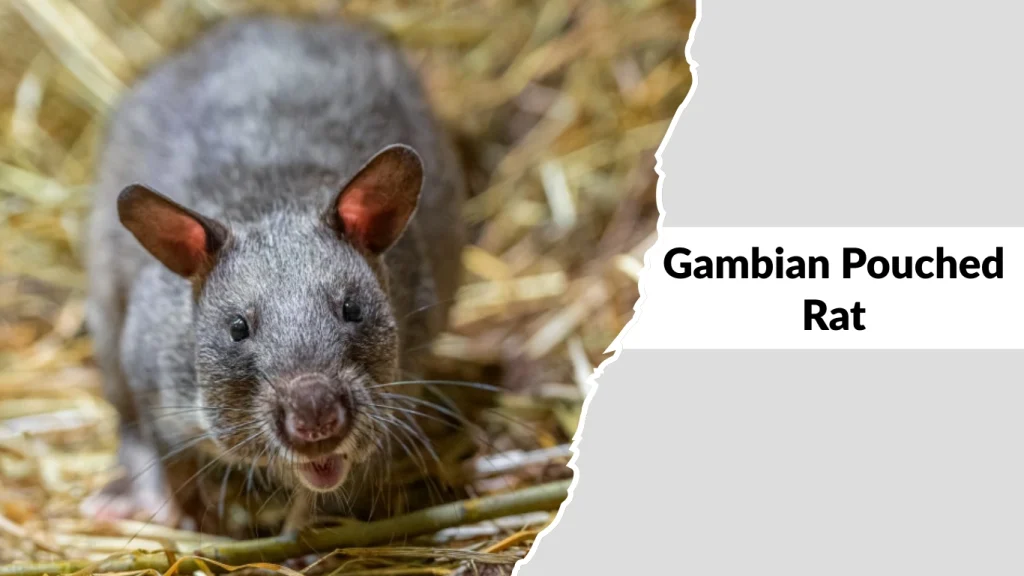
The Gambian Pouched Rat is a large rodent species occasionally found in Florida, primarily due to escape or release from the exotic pet trade. Although not native, it has drawn attention because of its size and adaptability. This species is closely monitored due to its potential environmental impact.
Identification
- Very large body, much bigger than common rats
- Brown or gray fur with a lighter underside
- Long tail, often nearly equal to body length
- Distinct cheek pouches for storing food
Habitat
In Florida, Gambian Pouched Rats have been found in rural areas, wooded regions, and near agricultural land. They prefer warm climates and areas with access to food and shelter, such as burrows or dense vegetation.
Behaviors
These rats are mostly nocturnal and are strong diggers. Gambian Pouched Rats are intelligent and cautious, using their cheek pouches to carry food back to their nests. They can travel long distances while foraging.
Diet and Lifecycle
Their diet includes fruits, seeds, grains, insects, and small animals. They reproduce more slowly than smaller rat species but have longer lifespans, often living up to five years in the wild or captivity.
FAQs
What is the most common rat found in Florida?
The Norway Rat is the most common rat species in Florida, especially in cities, residential areas, and near water sources.
Do all rats in Florida live in homes?
No, many rat species in Florida live in natural habitats such as marshes, fields, forests, and wetlands, and rarely enter homes.
Are Florida rats dangerous to humans?
Rats can carry diseases and contaminate food, but they generally avoid humans. Proper sanitation and pest control reduce risks.
Why are roof rats common in Florida?
Florida’s warm climate, abundant trees, and easy roof access make it an ideal environment for roof rats.
Are Gambian pouched rats native to Florida?
No, Gambian pouched rats are not native to Florida. They were introduced through the exotic pet trade and are closely monitored.