




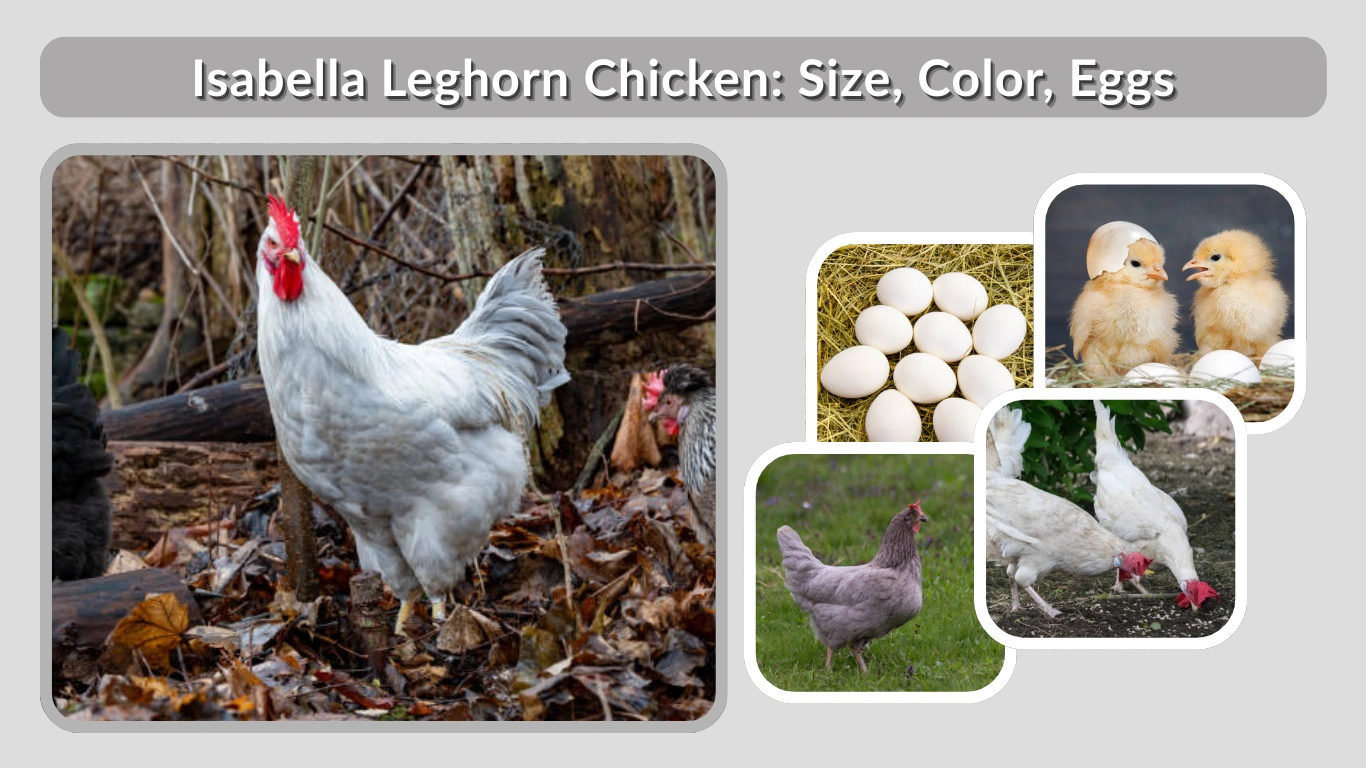
The Isabella Leghorn is a rare and visually striking color variety of the famous Leghorn breed. Known for its soft lavender-fawn plumage and slim Mediterranean body type, this chicken combines ornamental beauty with strong egg-laying ability. While not as widespread as the White Leghorn, the Isabella variety is gaining attention among breeders and backyard keepers who want both productivity and unique appearance. This guide explores its origin, identification, size, color traits, and egg production.
Origin and Background of Isabella Leghorns
Isabella Leghorns are not a separate breed but a special color form developed from standard Leghorn lines through selective breeding. The term “Isabella” in poultry usually refers to a diluted fawn, lavender, or pale buff shade created by specific color-dilution genes. Breeders introduced these genes into Leghorns to produce a softer, pastel-toned bird while preserving the classic Leghorn shape and laying performance.
Because this color requires careful genetic pairing to maintain consistency, Isabella Leghorns remain far less common than white or brown varieties. Most are produced by specialty breeders rather than commercial hatcheries. In recent years, interest in rare and designer poultry colors has increased, bringing renewed attention to the Isabella Leghorn as both an ornamental and productive chicken.
Identification of Isabella Leghorn Chickens

Although their color is unique, Isabella Leghorns still carry the unmistakable structure of a Leghorn. Their overall build is light, upright, and athletic, reflecting their Mediterranean heritage.
- Soft isabella, lavender-fawn, or pale creamy plumage
- Slightly lighter or silvery shading on neck hackles and tail
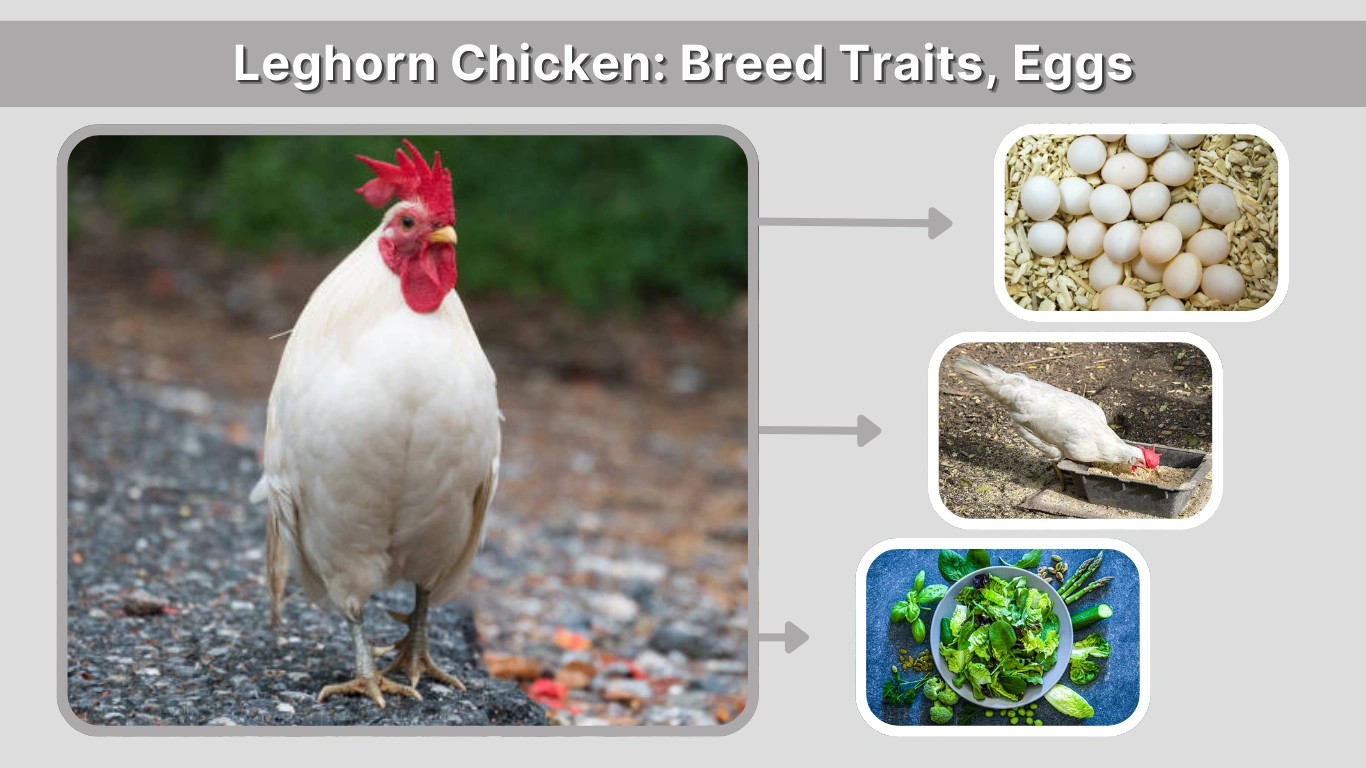
- Slender, wedge-shaped Mediterranean body type
- Large, single red comb (especially prominent in roosters)
- Smooth white earlobes
- Yellow legs and yellow beak
- Tight, close-fitting feathers
- Alert, upright posture and quick movements
These traits make them easy to recognize even among other rare color chickens.
Size, Weight, and Body Structure

Isabella Leghorns are lightweight birds, just like other Leghorn varieties. Adult hens typically weigh around 1.8–2.3 kg (4–5 pounds), while roosters average about 2.7–3.4 kg (6–7.5 pounds). Their bodies are narrow and refined, built for efficiency rather than meat production.
They have long, straight legs, a deep but slim chest, and a high tail carriage that gives them a proud, upright look. This body structure supports high activity levels and efficient feed conversion, allowing them to turn nutrients into eggs rather than excess body mass.
Rooster vs Hen Physical Differences
Roosters are taller, heavier, and more dramatic in appearance. They develop much larger combs and wattles, long flowing tail feathers, and more intense color contrast. Hens are more compact and streamlined, with smaller combs that often tilt to one side once they reach maturity.
Color, Genetics, and Plumage Features
The defining feature of the Isabella Leghorn is its delicate coloration. “Isabella” describes a diluted tone, often appearing as a blend of pale lavender, soft beige, and light fawn. This color comes from dilution genes that soften black, red, or buff pigments into pastel shades.
Unlike solid white or black birds, Isabella Leghorns may show subtle variations in tone across the body. Hackle feathers and tails are often slightly lighter or cooler in shade, while the body carries a warm, creamy-lavender glow. Maintaining this color requires careful breeding, as incorrect pairings can result in washed-out or uneven plumage.
Chicks and Juvenile Color Development
Isabella Leghorn chicks are usually very light in color, often appearing creamy yellow, pale gray, or soft beige. As they grow, the true Isabella tone gradually develops through the juvenile molt. Full color depth and clarity are normally visible only after the first adult feathering.
Egg Production and Egg Characteristics
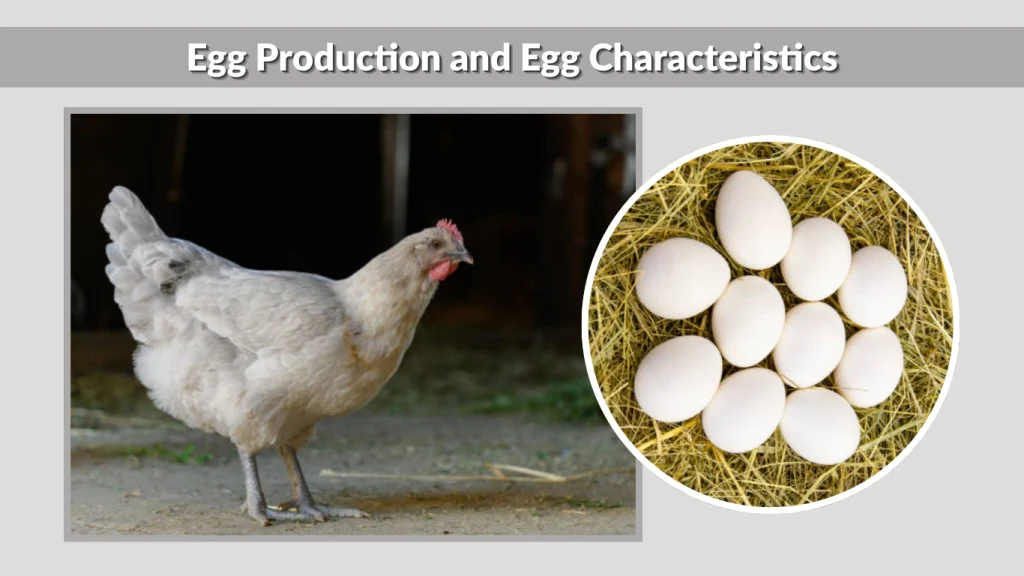
Despite their ornamental appeal, Isabella Leghorns remain true Leghorns in performance. They are active layers and valued by breeders who want beauty without sacrificing productivity.
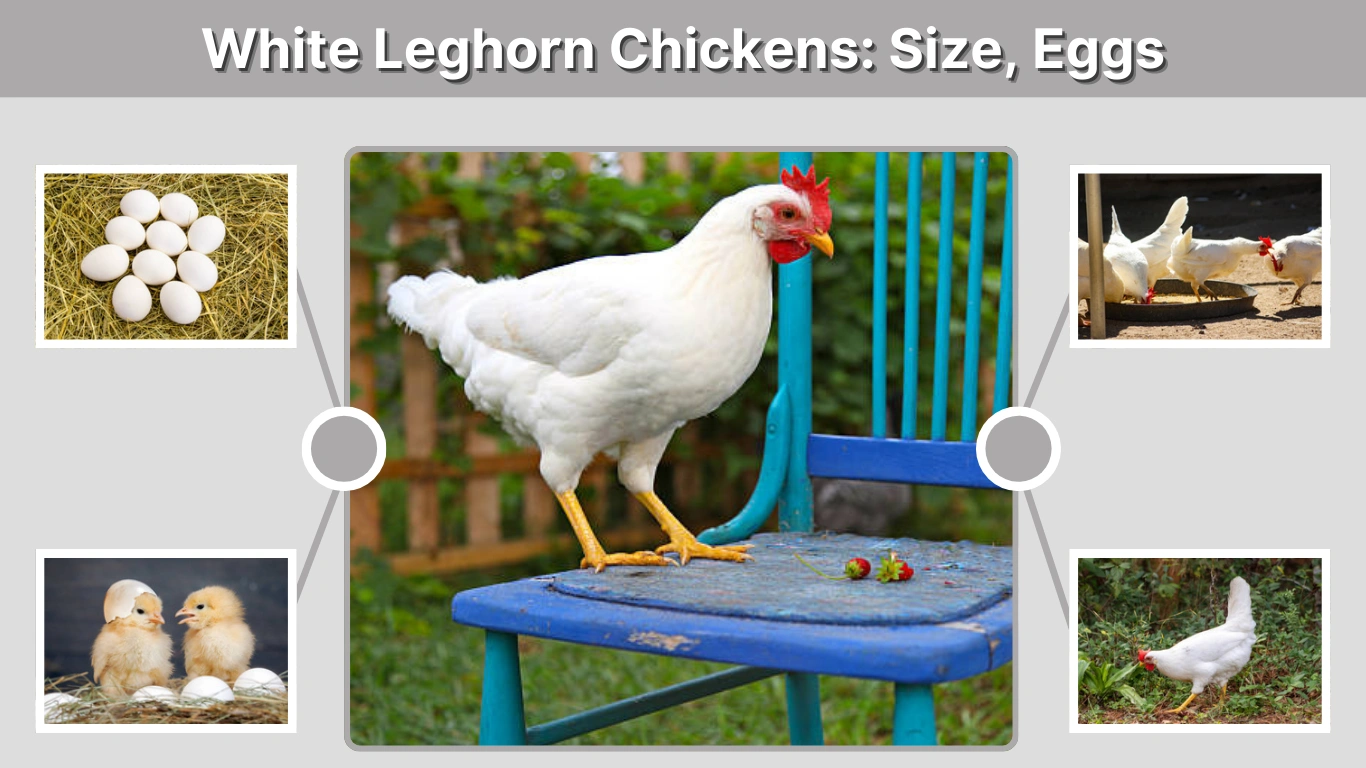
- Eggs are bright white in shell color
- Average production ranges from 220–280 eggs per year
- Eggs are typically medium to large in size
- Pullets often begin laying around 16–18 weeks
- Strong laying consistency in warm and moderate climates
- More common in specialty flocks than commercial farms
Their laying ability makes them suitable not only for exhibition and breeding projects but also for small farms focused on white egg production.
Temperament and Behavior
Isabella Leghorns share the same personality traits as most Leghorn varieties. They are highly active, alert, and intelligent birds that prefer movement over confinement. When given space, they spend much of the day foraging, scratching, and exploring their surroundings. They are excellent at spotting danger and are quick to run or fly to safety.
Compared with heavier backyard breeds, Isabella Leghorns are more independent and less inclined to seek human attention. They are not aggressive, but they can be nervous if handled roughly or kept in overcrowded conditions. With calm, early handling, some individuals become manageable and tolerant of people, though most remain energetic rather than cuddly.
Are Isabella Leghorns Good for Backyards?
Isabella Leghorns can work well in backyard settings where space and secure fencing are available. They reward keepers with steady egg production and striking appearance. However, their strong flying ability and alert nature mean they need covered runs or higher fences, and they may not suit keepers looking for very docile pets.
Lifespan and Growth Cycle

Isabella Leghorns grow quickly and mature early. Chicks feather out fast and develop the classic Leghorn body shape within a few months. Most pullets begin laying between 16 and 18 weeks of age, sometimes earlier under optimal nutrition and lighting.
With proper care, these chickens commonly live 6 to 8 years. Peak egg production usually occurs during the first two to three years, after which output gradually declines. Even as they age, many hens continue to lay eggs at a moderate but reliable rate.
Climate Tolerance and Housing Needs
Like other Leghorns, Isabella Leghorns are especially well adapted to warm and hot climates. Their light bodies, tight feathering, and large combs allow efficient heat release, making them comfortable in tropical and subtropical regions.
In colder climates, extra protection is necessary. Their large combs and wattles are prone to frostbite, so dry, draft-free housing and good ventilation are essential. They enjoy high roosts and open space, reflecting their natural tendency to perch and move frequently.
Diet and Feeding Requirements

Because Isabella Leghorns are high-energy, productive layers, balanced nutrition is crucial. Chicks benefit from high-protein starter feed to support rapid early development. Growers should receive rations that encourage strong frames without excess fat.
Once laying begins, a quality layer feed with sufficient calcium is vital for eggshell strength and sustained production. Constant access to clean water, grit for digestion, and occasional greens or insects helps maintain health and activity.
Health, Common Issues, and Care Tips
Isabella Leghorns are generally hardy, but their productivity and comb size mean routine care is important.
- Risk of comb frostbite in cold, damp weather
- Susceptibility to mites, lice, and internal parasites without good hygiene
- Need for steady calcium intake to prevent thin-shelled eggs
- Sensitivity to stress and overcrowding
- Importance of clean, well-ventilated coops
- Careful breeding management to maintain stable color
- Strong requirement for predator-proof housing
Good management, space, and nutrition help keep them vigorous and long-lived.
Isabella Leghorn vs White Leghorn
The main difference between Isabella and White Leghorns lies in appearance and availability. Both share similar body type, temperament, and laying ability. White Leghorns are widespread and form the base of commercial egg production, while Isabella Leghorns are rare, usually found in specialty or ornamental breeding programs.
Isabella Leghorns are chosen mainly for their unique pastel coloring and breeding value, whereas White Leghorns are favored when maximum large-scale egg output is the primary goal.
Uses and Breeding Value
Isabella Leghorns are prized in ornamental flocks for their unusual coloration combined with true Leghorn form. Breeders value them for developing rare color lines and for exhibition interest. They are also practical birds, capable of supplying households and small farms with a steady flow of white eggs while adding visual diversity to the flock.
FAQs
What is an Isabella Leghorn chicken?
An Isabella Leghorn is a rare color variety of the Leghorn breed known for its soft lavender-fawn plumage. It is not a separate breed but a selectively developed color form that keeps the lightweight body, white earlobes, and strong egg-laying ability typical of Leghorns.
Do Isabella Leghorns lay as many eggs as White Leghorns?
Isabella Leghorns usually lay slightly fewer eggs than commercial White Leghorn strains, but they are still excellent layers. Under good care, many hens produce well over 200 white eggs per year, making them productive birds as well as ornamental.
What color eggs do Isabella Leghorns lay?
Isabella Leghorns lay white-shelled eggs, just like other Leghorn varieties. The shell color is linked to their white earlobes, a classic trait of Mediterranean chicken breeds that are known for producing white eggs.
Are Isabella Leghorns rare?
Yes, Isabella Leghorns are considered rare. They are mostly bred by specialty poultry breeders rather than commercial hatcheries. Their unusual color requires careful genetic selection, which limits large-scale production and makes them uncommon in ordinary flocks.
Are Isabella Leghorns good for beginners?
Isabella Leghorns can suit beginners who want good egg production and are comfortable managing active birds. They are hardy and efficient, but their alert, flighty nature and need for secure housing mean they are better for keepers who can provide space and proper fencing.