




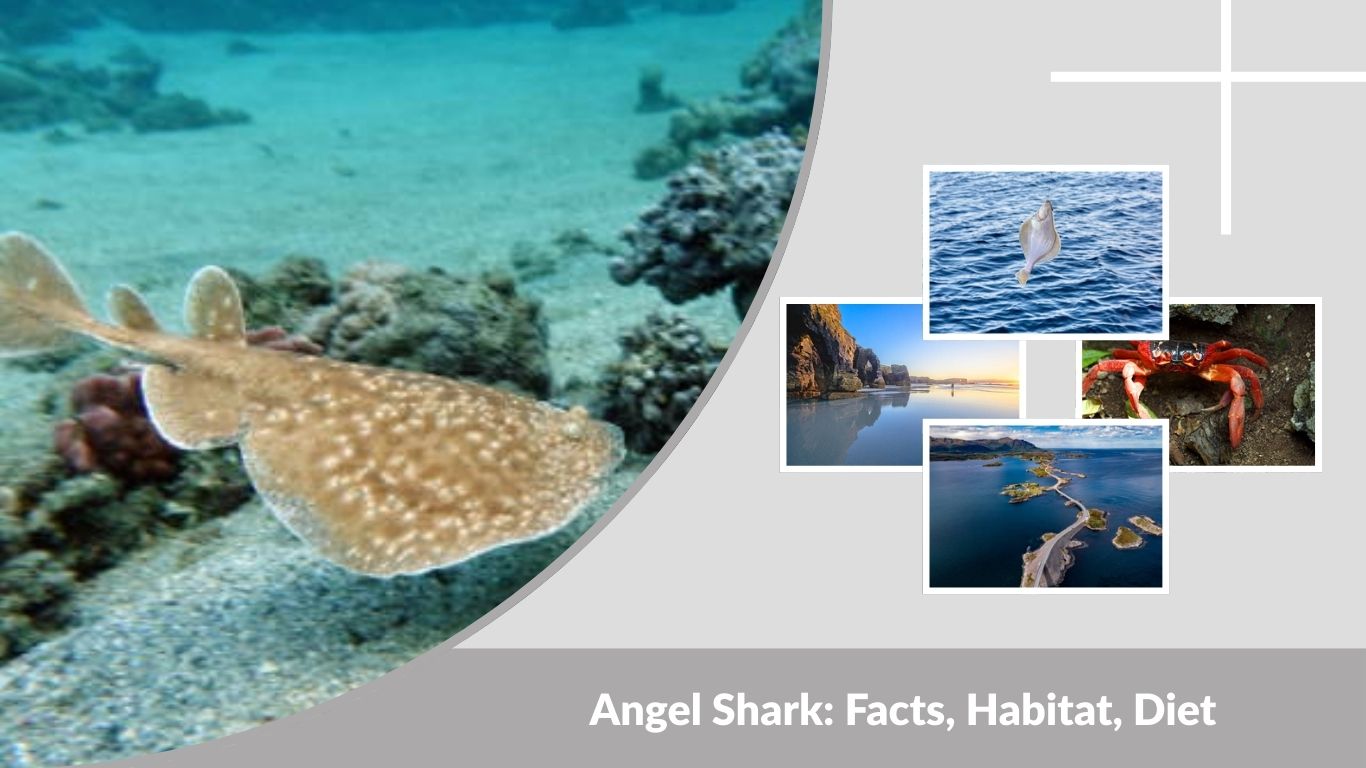
The angel shark is one of the ocean’s most unusual-looking predators. With its flattened body and wide fins, it resembles a ray more than a typical shark. However, this bottom-dwelling species belongs to a unique family of sharks known for their ambush hunting skills. Found mainly in coastal waters, angel sharks are both fascinating and highly threatened. In this guide, you’ll discover essential angel shark facts, their habitat, diet, and why many species are now endangered.
What Is an Angel Shark?
An angel shark is a member of the family Squatinidae, a group of sharks that have existed for millions of years. Unlike fast-swimming sharks such as great whites or makos, angel sharks spend most of their time resting on the ocean floor.
There are more than 20 species of angel sharks worldwide. They are named for their broad, wing-like pectoral fins that give them an “angelic” appearance when viewed from above. Despite their ray-like look, angel sharks are true sharks. One key difference is that their gill slits are located on the sides of their heads, while rays have gill openings underneath their bodies.
Angel sharks are ambush predators, meaning they rely on stealth rather than speed. They bury themselves in sand and wait patiently for prey to pass by before striking with incredible speed.
Angel Shark Habitat
Where Do Angel Sharks Live?
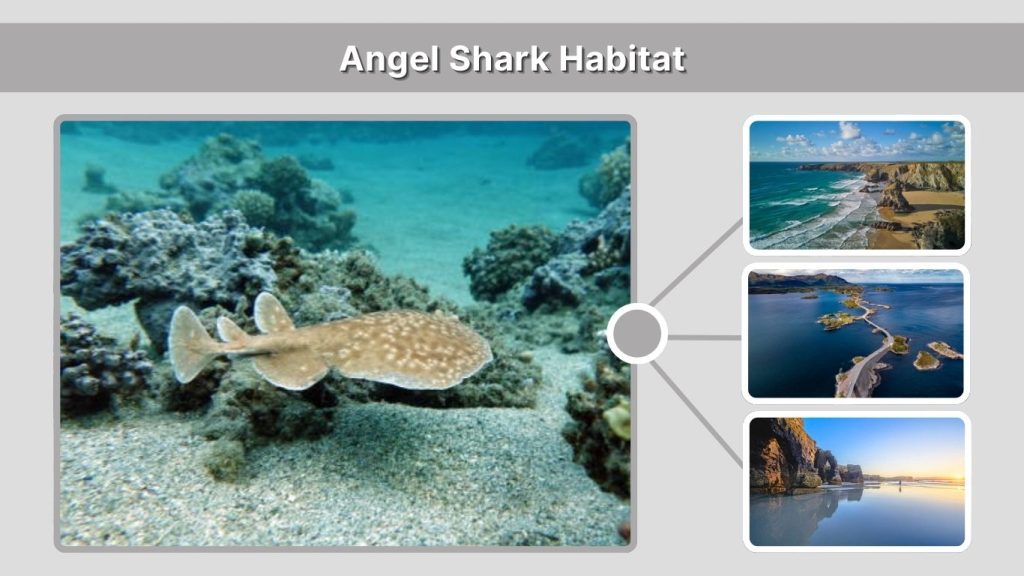
Angel shark habitat typically includes coastal and continental shelf waters. They prefer sandy or muddy seabeds where they can easily bury themselves. Most species are found at depths ranging from shallow waters down to about 500 feet (150 meters).
These sharks are commonly associated with temperate and warm regions. Because they rely on camouflage and ambush tactics, environments with soft sediment are ideal for their survival.
Geographic Distribution
Angel sharks are found in various parts of the world, including the Atlantic Ocean, Mediterranean Sea, and parts of the Pacific. Historically, some species were widespread across European coastal waters. However, in many areas, their numbers have declined dramatically.
The Mediterranean angel shark, for example, was once common but is now rarely seen in many parts of its former range. Habitat loss and fishing pressure have significantly reduced their populations.
Why They Prefer Shallow Waters
Shallow coastal waters provide several advantages for angel sharks. These areas often contain abundant bottom-dwelling fish and crustaceans, making them ideal hunting grounds. The sandy seabed also offers perfect conditions for ambush behavior.
Additionally, coastal regions tend to have warmer temperatures, which support diverse marine life. Unfortunately, these same areas are heavily impacted by human activities, increasing the risks angel sharks face.
Angel Shark Diet
What Do Angel Sharks Eat?
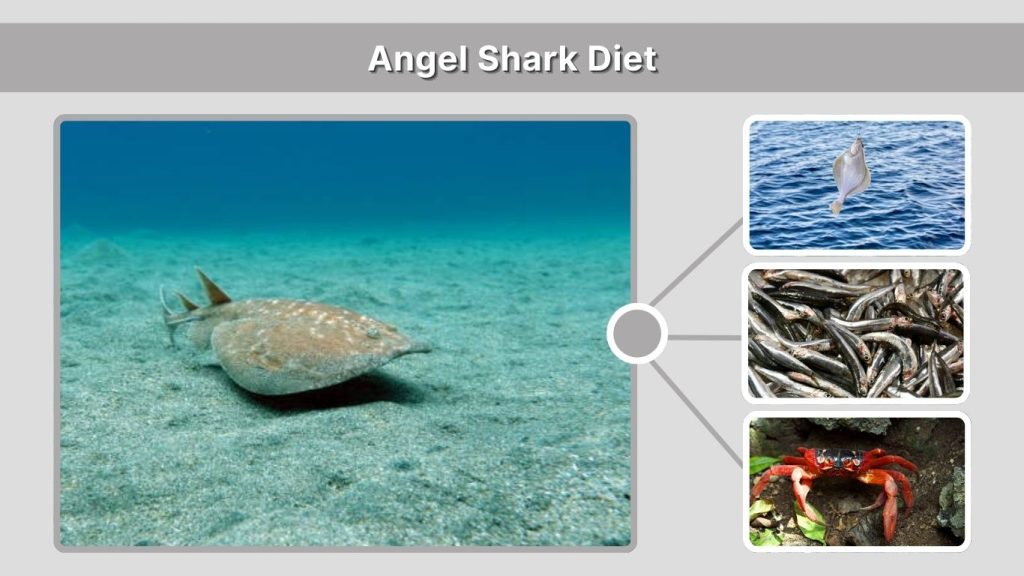
If you’re wondering what do angel sharks eat, the answer lies in their role as bottom predators. The angel shark diet mainly consists of small fish such as flatfish, sardines, and other bottom-dwelling species. They also feed on crustaceans like crabs and shrimp, as well as mollusks.
Juvenile angel sharks often consume smaller prey, including tiny fish and invertebrates. As they grow larger, their diet expands to include bigger fish species.
Because they are ambush hunters, angel sharks rely on prey that swims close to the seabed. Their feeding habits make them important regulators of bottom-dwelling marine populations.
Hunting and Feeding Behavior
Angel sharks use a sit-and-wait strategy rather than actively chasing prey. They bury themselves in sand, leaving only their eyes visible. When an unsuspecting fish swims overhead, the shark lunges upward in a fraction of a second.
Their jaws extend rapidly forward, creating a suction effect that pulls prey into their mouths. This lightning-fast strike gives prey little chance to escape. Despite their calm appearance, angel sharks are powerful and efficient hunters.
Are Angel Sharks Endangered?
Yes, many species of angel sharks are now considered critically endangered. In fact, several angel shark species rank among the most threatened sharks in the world. Populations have declined sharply over the past few decades, especially in European waters and parts of the Mediterranean Sea.
The dramatic drop in numbers is largely due to human activities. Because angel sharks live in shallow coastal areas, they frequently encounter fishing operations. Their slow reproduction rate also makes it difficult for populations to recover once they decline. As a result, conservation organizations now classify multiple species under high-risk categories.
Why Are Angel Sharks Endangered?
Overfishing and Bycatch
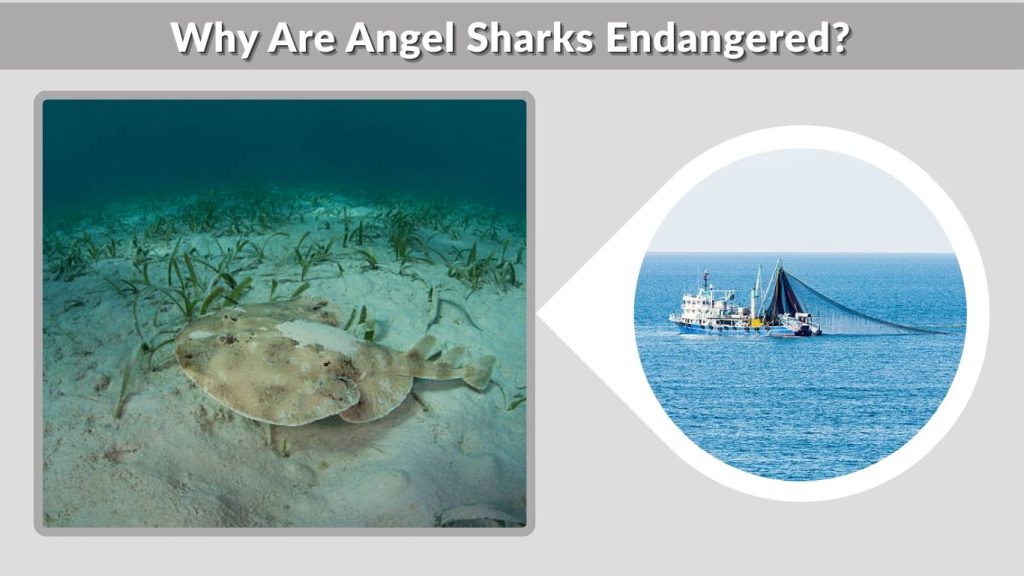
One of the primary reasons the angel shark is endangered is overfishing. Although they are not always directly targeted, they are often caught accidentally as bycatch in trawl and gillnet fisheries.
Bottom trawling is especially harmful. Since angel sharks rest on the seabed, they are easily swept up in large fishing nets dragged across the ocean floor. Many do not survive after capture, even if they are released.
In the past, some species were also commercially fished for meat. Combined with accidental capture, this pressure significantly reduced their numbers.
Habitat Destruction
Angel shark habitat has also been heavily damaged by human activity. Bottom trawling not only captures sharks but also destroys the sandy and muddy seabeds they depend on.
Coastal development further threatens their environment. Construction, pollution, and increased boat traffic disrupt breeding grounds and feeding areas. Because angel sharks rely on specific seabed conditions for camouflage and hunting, habitat degradation directly impacts their survival.
Slow Reproduction Rate
Another important factor is their biology. Angel sharks mature relatively late and produce small litters compared to many other fish species. Females give birth to live young, but the number of pups per litter is limited.
This slow reproductive cycle means that even small increases in mortality can cause long-term population decline. Recovery can take many years, making conservation efforts essential.
Conservation Efforts and Protection Measures
Marine Protected Areas
To protect remaining populations, several countries have established marine protected areas (MPAs). These zones restrict certain types of fishing, particularly bottom trawling, in key angel shark habitats.
By preserving important coastal areas, MPAs provide safer breeding and feeding grounds. Over time, these protections may help stabilize and rebuild local populations.
Legal Protection
In some regions, angel sharks are now legally protected. Fishing bans and catch restrictions have been introduced to reduce bycatch and prevent targeted harvesting.
International conservation organizations have also listed certain species under agreements designed to protect threatened marine wildlife. These legal measures are critical steps toward preventing extinction.
How People Can Help
Individuals can also support angel shark conservation. Choosing sustainably sourced seafood helps reduce pressure from destructive fishing practices. Supporting marine conservation groups and spreading awareness about endangered shark species can also make a difference.
Public education is especially important. Many people are unaware that angel sharks are among the most endangered shark groups in the world. Increased awareness can lead to stronger protection policies.
Importance of Angel Sharks in Marine Ecosystems
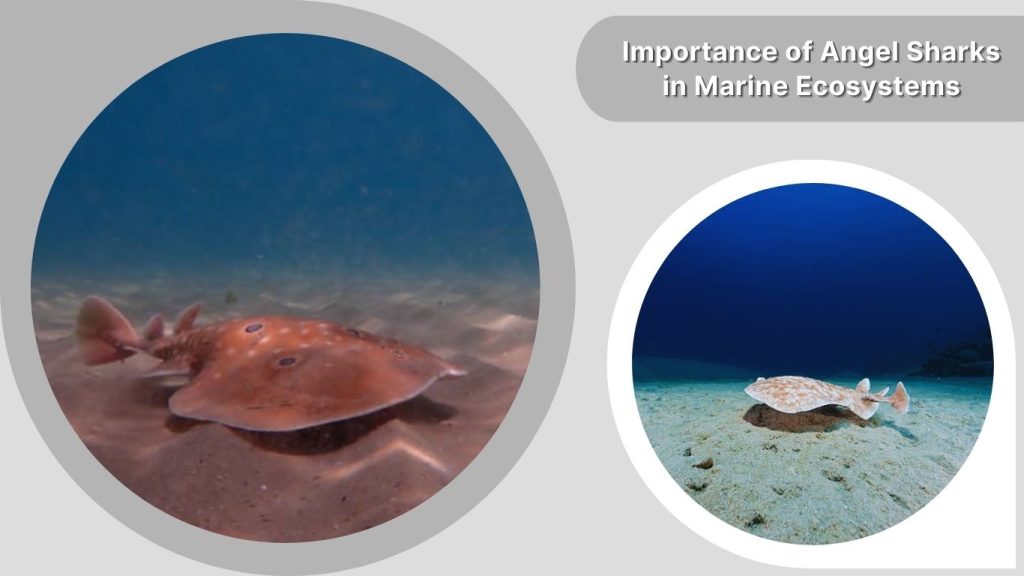
Angel sharks play a vital role in maintaining balance within marine ecosystems. As bottom predators, they help regulate populations of small fish and invertebrates. This prevents certain species from becoming overly abundant and disrupting the food chain.
Because they rely on healthy seabed habitats, their presence can also indicate the overall condition of coastal ecosystems. A decline in angel shark populations may signal broader environmental problems affecting marine life.
Protecting angel sharks not only preserves a unique species but also supports the stability of the ecosystems they inhabit.
Angel Shark Facts
Physical Characteristics
One of the most interesting angel shark facts is their distinct body shape. They have a flattened body that allows them to lie close to the seabed. Their large pectoral fins spread outward like wings, helping them blend into sandy or muddy environments.
Most angel sharks grow between 3 to 5 feet (about 1 to 1.5 meters) in length, depending on the species. Their coloring typically ranges from sandy brown to gray, often with dark spots or patterns that provide excellent camouflage.
Unlike many other sharks, angel sharks have small dorsal fins located toward the back of their bodies. Their eyes sit on top of their heads, giving them a clear upward view while remaining hidden beneath the sand.
Unique Adaptations
Angel sharks have several remarkable adaptations that make them efficient hunters. One key feature is their spiracles—small openings behind their eyes. These allow them to breathe while buried in sand without taking in debris.
Their ability to camouflage is another major advantage. By covering themselves with sand, they become nearly invisible to both prey and predators. When a fish swims close enough, the angel shark launches a rapid upward strike, using powerful jaws and suction to capture its target.
Their sensory system is also highly developed. Like other sharks, they possess electroreceptors that detect the tiny electrical signals produced by nearby animals. This helps them locate prey even when it’s partially hidden.
FAQs
What do angel sharks eat?
Angel sharks primarily eat small fish, crustaceans, and mollusks that live near the seabed. They rely on ambush hunting, burying themselves in sand and striking quickly when prey swims nearby. Their diet expands as they grow, with adults consuming larger bottom-dwelling fish.
Where do angel sharks live?
Angel sharks live mainly in coastal and continental shelf waters with sandy or muddy bottoms. They are found in parts of the Atlantic Ocean, Mediterranean Sea, and Pacific regions. These shallow habitats provide ideal conditions for camouflage and ambush hunting.
How big do angel sharks grow?
Most angel sharks grow between 3 and 5 feet long, depending on the species. Some larger species may exceed this range. Their flattened bodies and wide pectoral fins make them appear broader than many other sharks of similar length.
Why are angel sharks endangered?
Angel sharks are endangered due to overfishing, bycatch, habitat destruction, and slow reproduction rates. Bottom trawling has had a particularly severe impact because it both captures sharks and damages the seabed habitats they depend on.
Conclusion
The angel shark is one of the ocean’s most fascinating yet vulnerable predators. With its flattened body, ambush hunting style, and unique adaptations, it stands apart from most other shark species. However, habitat destruction, overfishing, and slow reproduction have pushed many species toward extinction.
Understanding angel shark facts, habitat needs, and diet highlights why conservation is so important. Protecting coastal ecosystems and supporting sustainable fishing practices are key steps in ensuring these remarkable sharks continue to survive for generations to come.