
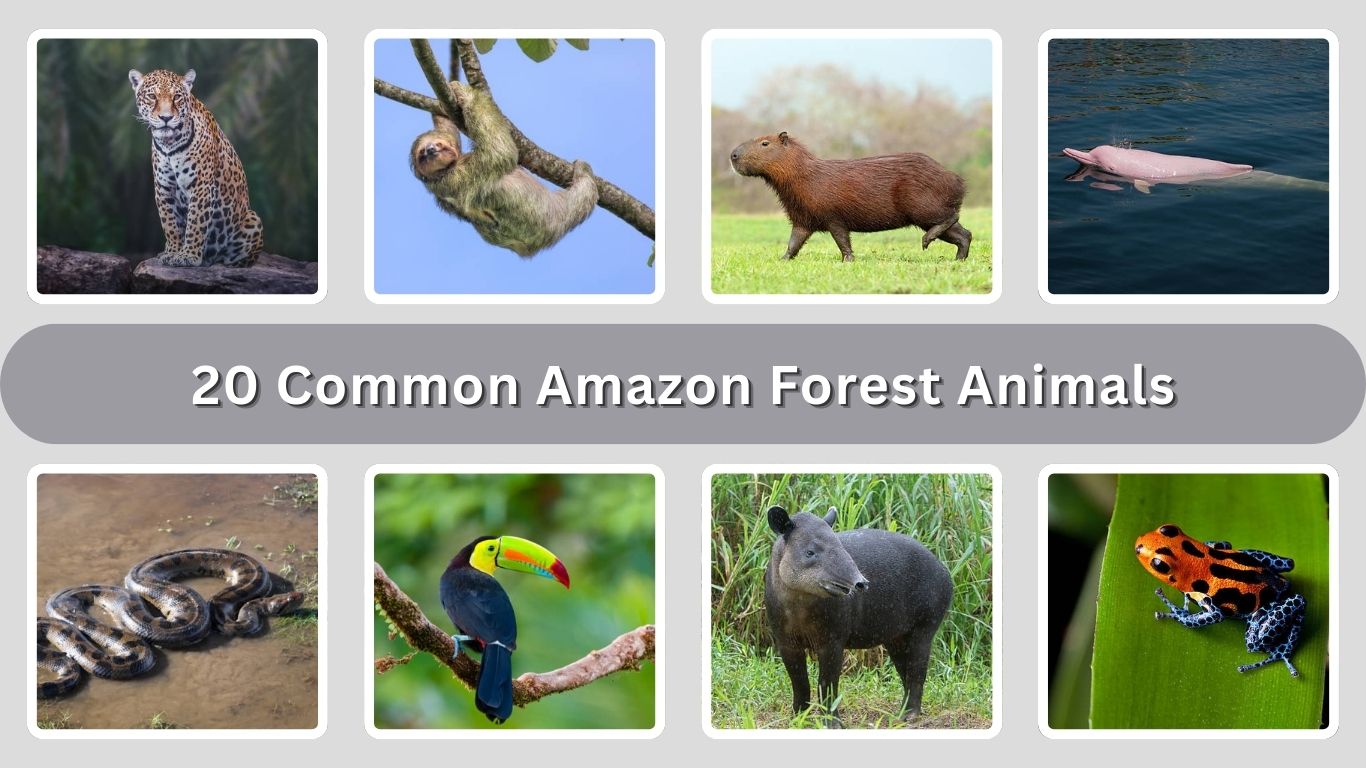
The Amazon rainforest is home to some of the most diverse and fascinating animals on Earth. From powerful predators like jaguars to colorful birds, reptiles, and insects, each species plays a vital role in maintaining the balance of this complex ecosystem. These animals have developed unique adaptations to survive in dense forests, rivers, and wetlands. Exploring Amazon wildlife helps us understand biodiversity, ecological interdependence, and the importance of conservation.
1. Jaguar
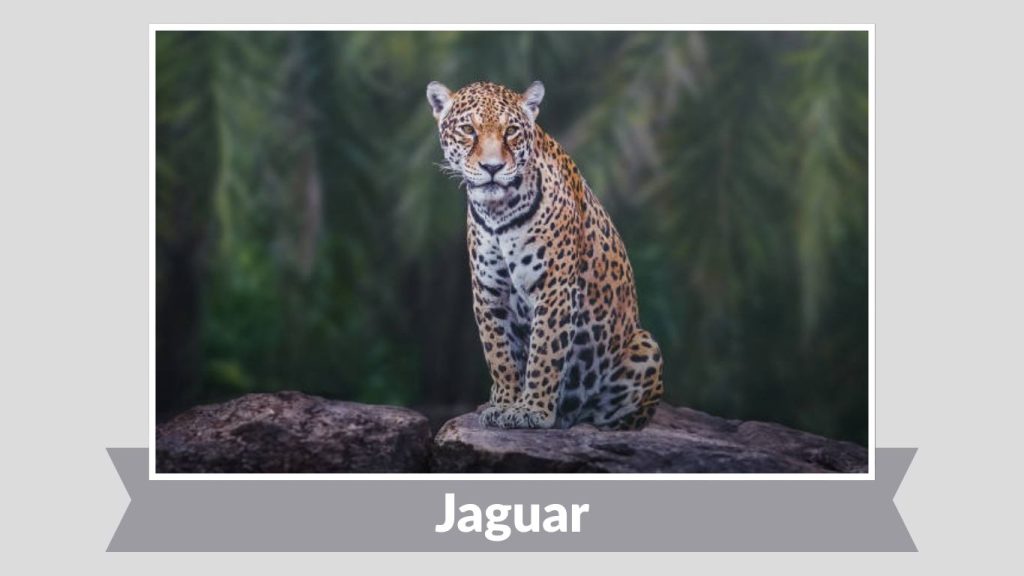
The jaguar is the largest big cat native to the Americas and one of the most powerful predators of the Amazon rainforest. Known for its strength, stealth, and striking appearance, the jaguar holds an important place in both the ecosystem and the cultures of Indigenous Amazonian communities. As an apex predator, it helps regulate prey populations and maintain ecological balance. Jaguars are highly adaptable and can survive in a range of environments, but the Amazon rainforest remains one of their most important strongholds.
Identification
- Large, muscular body with a broad chest and head
- Golden-yellow coat marked with black rosettes, often with a central spot
- Short, strong legs and a thick, powerful tail
- Extremely strong jaws and bite force compared to other big cats
Habitat
In the Amazon rainforest, jaguars are most commonly found in dense forests near rivers, lakes, wetlands, and floodplains. They prefer areas with thick vegetation that provides cover for stalking prey and access to water. Jaguars are excellent swimmers and often use riverbanks as travel routes. Although they can adapt to grasslands and dry forests, tropical rainforests offer the ideal combination of prey abundance and shelter.
Behaviors
Jaguars are solitary animals and are highly territorial, marking their range with scent and scratch marks. They are mostly active during dawn and dusk but may hunt at night, especially in areas with little human disturbance. Unlike many big cats, jaguars frequently hunt in water and are capable of ambushing prey from riverbanks or swimming after fish and reptiles.
Diet and Lifespan
Jaguars have a very diverse diet that includes deer, capybaras, peccaries, monkeys, caimans, turtles, and fish. They are known for their unique killing technique, delivering a powerful bite directly to the skull of their prey. In the wild, jaguars typically live between 12 and 15 years, while individuals in captivity may live up to 20 years.
2. Sloth
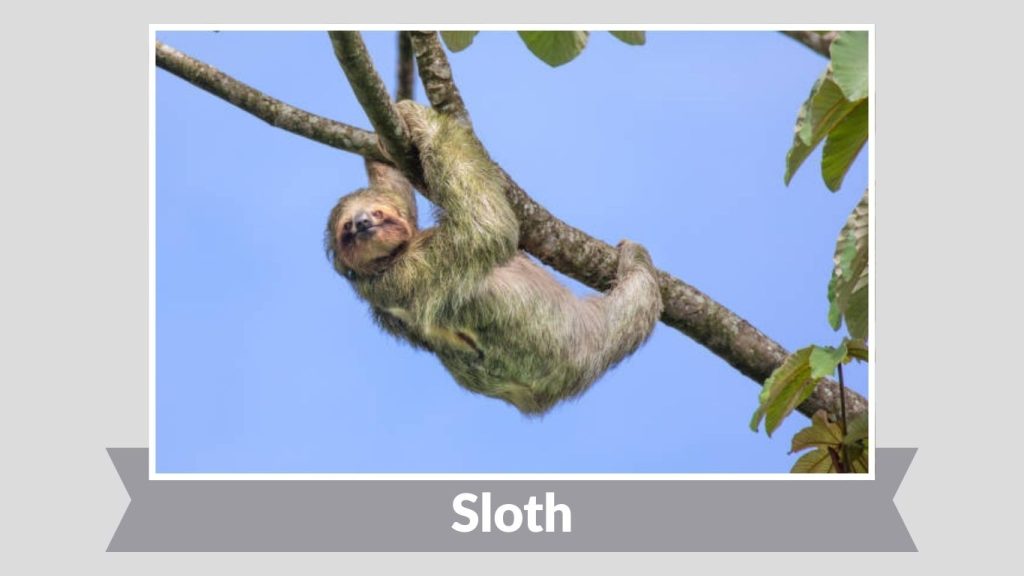
Sloths are slow-moving mammals best known for their relaxed lifestyle and gentle nature. Native to the Amazon rainforest, they spend most of their lives hanging upside down in trees. Their slow movements help them conserve energy and avoid detection by predators. Sloths play an important ecological role by supporting algae, insects, and fungi that live in their fur, contributing to rainforest biodiversity.
Identification
- Medium-sized body with long limbs
- Curved claws adapted for hanging from branches
- Small head with a flat face and dark eye patches
- Coarse fur that often appears green due to algae growth
Habitat
Sloths live almost exclusively in tropical rainforests, especially in the upper canopy of the Amazon. They prefer areas with tall trees and dense foliage, which provide food and protection. Sloths rarely come down to the forest floor, except to defecate or move to a new tree. The warm, humid climate of the Amazon is ideal for their slow metabolism and fur ecosystem.
Behaviors
Sloths are solitary and extremely slow, moving mainly at night or during quiet hours. They can sleep up to 15 hours a day. Despite their sluggish appearance, sloths are surprisingly strong swimmers. Their slow movement helps them remain unnoticed by predators such as jaguars and harpy eagles.
Diet and Lifespan
Sloths mainly eat leaves, buds, fruits, and occasionally flowers. Their digestion is very slow and can take weeks to process food. In the wild, sloths typically live 20 to 30 years, with some individuals living even longer in protected environments.
3. Capybara
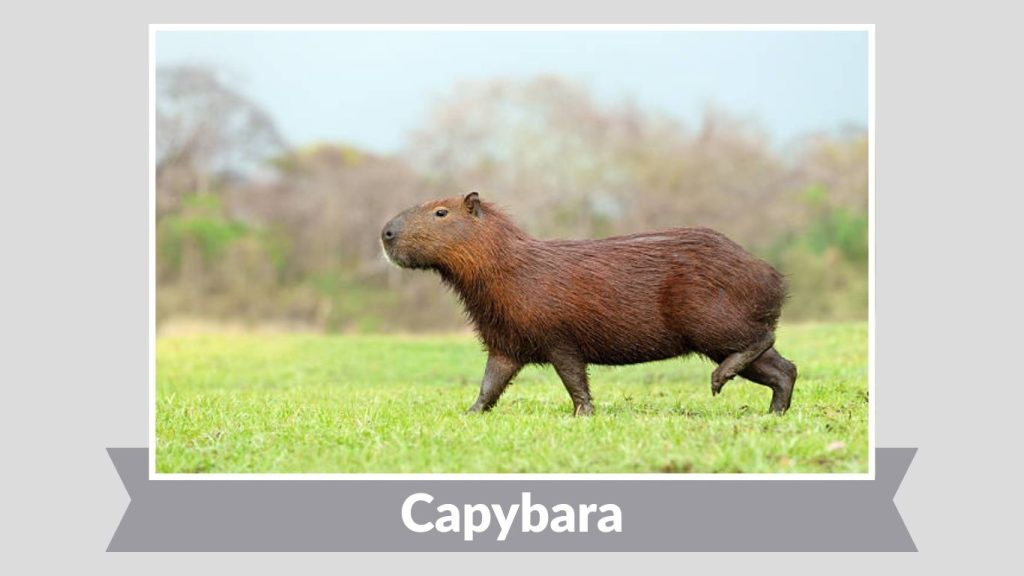
The capybara is the largest rodent in the world and a familiar sight along rivers and wetlands of the Amazon rainforest. Calm, social, and highly adaptable, capybaras are semi-aquatic animals that thrive near water. They play an important role in the ecosystem as prey for large predators and as grazers that influence plant growth along riverbanks.
Identification
- Large, barrel-shaped body with short legs
- Brown to reddish-brown coarse fur
- Blunt head with small eyes, ears, and nostrils positioned high
- Slightly webbed feet adapted for swimming
Habitat
Capybaras live in areas close to rivers, lakes, marshes, and flooded forests throughout the Amazon basin. Water is essential to their survival, as it provides protection from predators and helps regulate body temperature. They rest in shaded areas during the day and stay close to water sources, which they use for feeding, mating, and escape.
Behaviors
Capybaras are highly social animals and usually live in groups ranging from 10 to 30 individuals, though larger groups can form during the dry season. They are most active during early morning and late afternoon. Excellent swimmers, capybaras can remain underwater for several minutes to avoid danger and often sleep partially submerged.
Diet and Lifespan
Their diet consists mainly of grasses, aquatic plants, fruits, and tree bark. Capybaras are herbivores and practice coprophagy, eating some of their own droppings to aid digestion. In the wild, they typically live 8 to 10 years, while those in captivity may live slightly longer.
4. Amazon River Dolphin
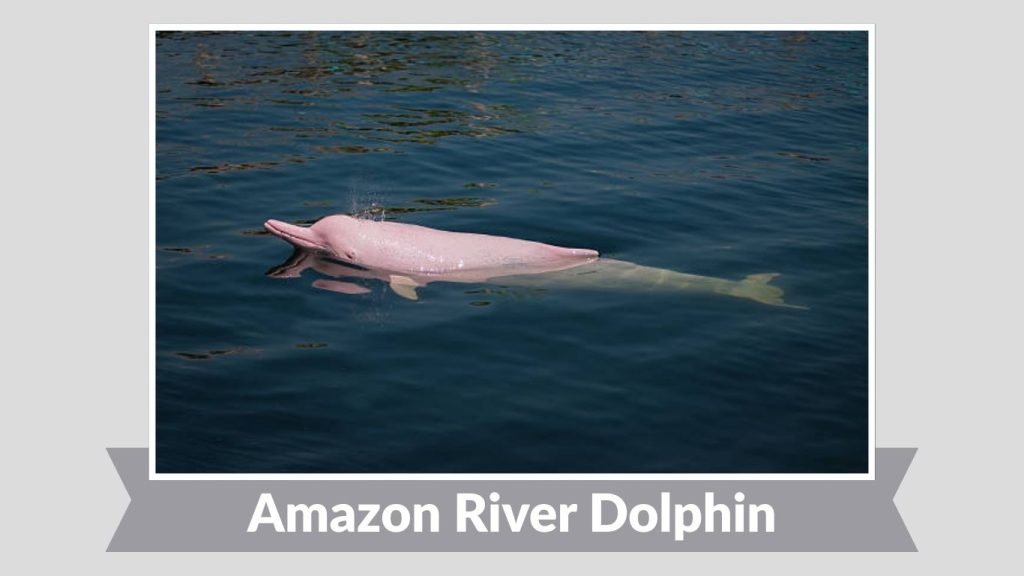
The Amazon river dolphin, also known as the pink river dolphin or boto, is one of the most unique and intelligent mammals found in the Amazon Basin. Famous for its pink coloration and friendly appearance, this freshwater dolphin is deeply rooted in Amazonian folklore. It plays an important role in the river ecosystem by helping regulate fish populations.
Identification
- Medium-sized dolphin with a long, narrow snout
- Flexible neck due to unfused vertebrae
- Color ranges from gray to bright pink
- Broad paddle-shaped flippers and a low dorsal ridge
Habitat
Amazon river dolphins live in freshwater rivers, lakes, flooded forests, and tributaries throughout the Amazon and Orinoco river systems. They are especially common in seasonally flooded areas, where rising waters allow them to swim among submerged trees in search of food. Their flexible bodies help them navigate complex underwater environments.
Behaviors
These dolphins are generally solitary or found in small groups. They are highly intelligent and use echolocation to navigate murky waters and locate prey. Amazon river dolphins are curious animals and are often seen approaching boats. During the flood season, they travel deep into flooded forests, demonstrating remarkable adaptability.
Diet and Lifespan
Their diet includes a wide variety of fish, as well as crustaceans and small turtles. Amazon river dolphins use their long snouts to probe riverbeds and vegetation for prey. In the wild, they typically live around 30 years, although exact lifespans are difficult to determine due to their elusive nature.
5. Anaconda
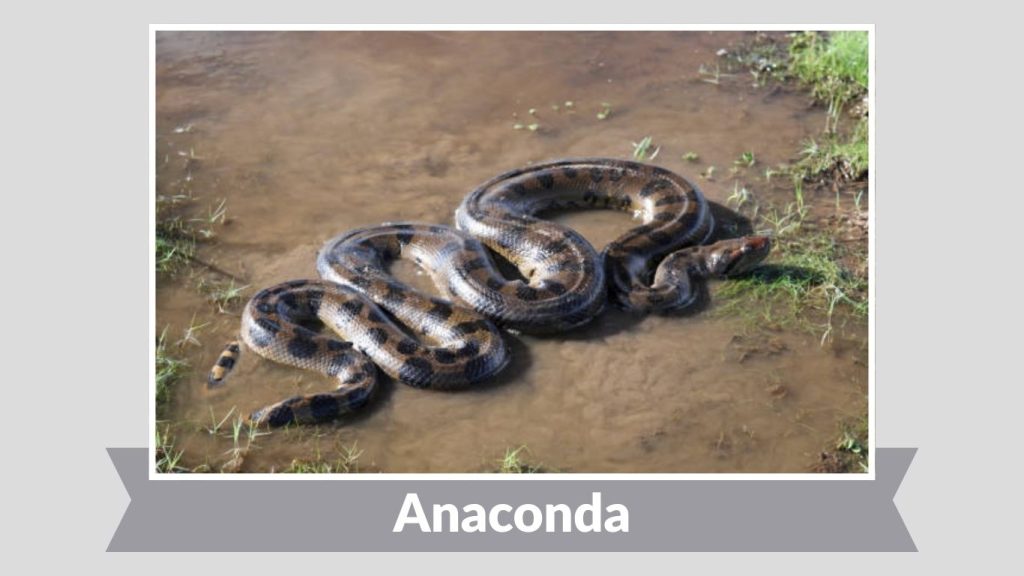
The anaconda is one of the largest and heaviest snakes in the world and a legendary resident of the Amazon rainforest. Known for its immense size and strength, the green anaconda is the most famous species found in the Amazon Basin. As an apex predator, it plays a vital role in controlling populations of mammals, birds, and reptiles in aquatic environments.
Identification
- Massive, thick-bodied snake with powerful muscles
- Olive-green skin with dark circular blotches
- Broad head with eyes and nostrils positioned on top
- Smooth scales adapted for life in water
Habitat
Anacondas are primarily found in slow-moving rivers, swamps, marshes, and flooded forests throughout the Amazon. They prefer warm, shallow waters where they can remain partially submerged while waiting for prey. Dense vegetation provides cover, making it easier for them to ambush animals that come to drink or swim.
Behaviors
Anacondas are mostly solitary and spend much of their time in water. They are ambush predators, remaining motionless for long periods before striking. Despite their size, they are strong swimmers and can move silently through water. Anacondas are non-venomous and kill their prey by constriction, squeezing until the animal can no longer breathe.
Diet and Lifespan
Their diet includes fish, birds, caimans, capybaras, deer, and other large mammals. Anacondas can go weeks or even months without eating after consuming a large meal. In the wild, they typically live around 10 to 12 years, with some individuals living longer in protected conditions.
6. Howler Monkey
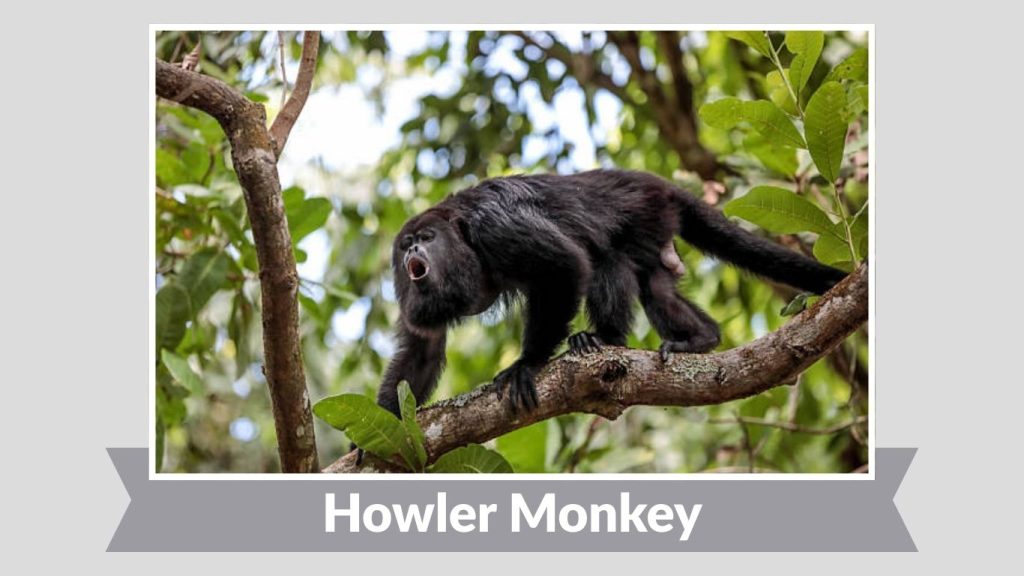
The howler monkey is one of the most recognizable primates of the Amazon rainforest, famous for its deep, roaring calls that can be heard several kilometers away. These loud vocalizations help groups communicate and defend territory. Howler monkeys are important seed dispersers and contribute to maintaining the health and diversity of the rainforest.
Identification
- Medium to large-sized monkey with a stocky build
- Thick fur that varies in color from black to reddish-brown
- Long, strong prehensile tail used for gripping branches
- Enlarged throat and hyoid bone that produce loud calls
Habitat
Howler monkeys live mainly in the upper canopy of tropical rainforests, including the Amazon. They prefer tall, mature forests with abundant leaves and fruit. These monkeys rarely descend to the ground, spending most of their lives moving, feeding, and resting in trees close to reliable food sources.
Behaviors
They live in social groups typically made up of 10 to 15 individuals. Howler monkeys are most active during early morning and late afternoon. Their powerful calls are used to establish territory and avoid physical conflict with neighboring groups. Compared to other monkeys, they move slowly and rest frequently to conserve energy.
Diet and Lifespan
Howler monkeys primarily eat leaves, fruits, and flowers. Their specialized digestive systems allow them to break down tough leaves. In the wild, they generally live 15 to 20 years, though some may live longer in protected habitats.
7. Toucan
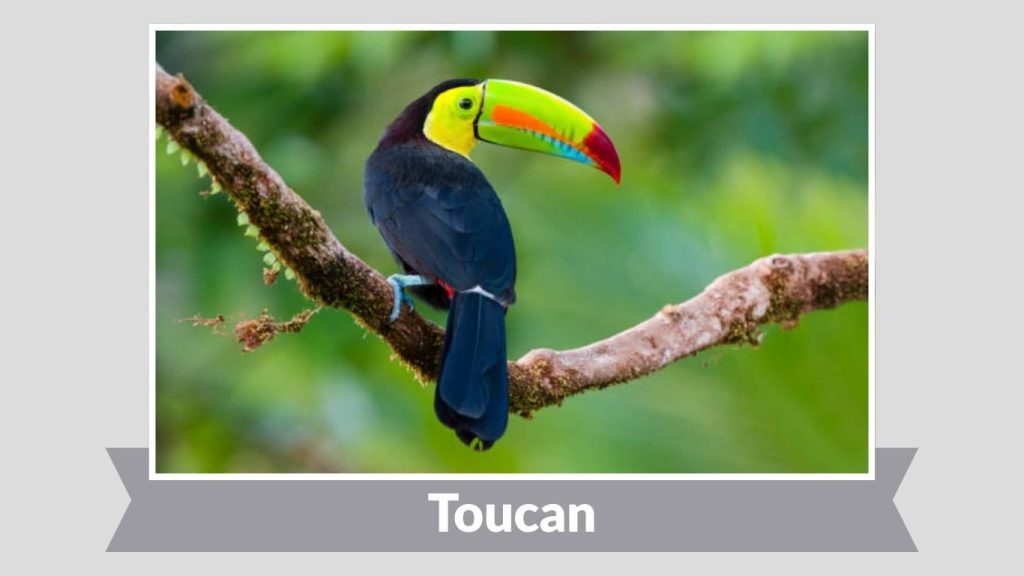
The toucan is one of the most visually striking birds of the Amazon rainforest, instantly recognized by its large, colorful bill. Despite its oversized appearance, the bill is lightweight and highly functional. Toucans play an essential role in seed dispersal, helping maintain the diversity and regeneration of rainforest plant life.
Identification
- Medium-sized bird with a large, lightweight bill
- Brightly colored beak, often orange, yellow, or green
- Black body with contrasting white or yellow throat
- Short wings and a long tail
Habitat
Toucans inhabit tropical and subtropical rainforests throughout the Amazon basin. They are commonly found in forest canopies and along forest edges where fruit is abundant. These birds prefer areas with large trees that provide nesting cavities and access to food sources.
Behaviors
Toucans are social birds and are often seen in small flocks. They are active during the day and move by hopping between branches rather than flying long distances. Their bills are used for feeding, courtship displays, and regulating body temperature. Toucans communicate through loud croaking and clicking sounds.
Diet and Lifespan
Their diet mainly consists of fruits, but they also eat insects, small reptiles, eggs, and nestlings. Toucans use their long bills to reach fruit on thin branches. In the wild, they typically live 15 to 20 years, with some individuals living longer in captivity.
8. Poison Dart Frog
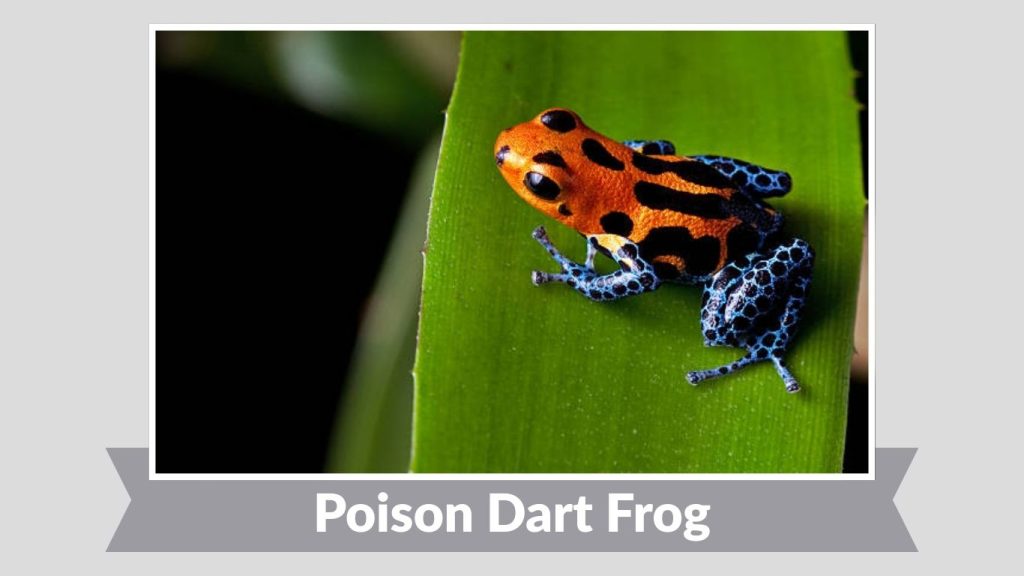
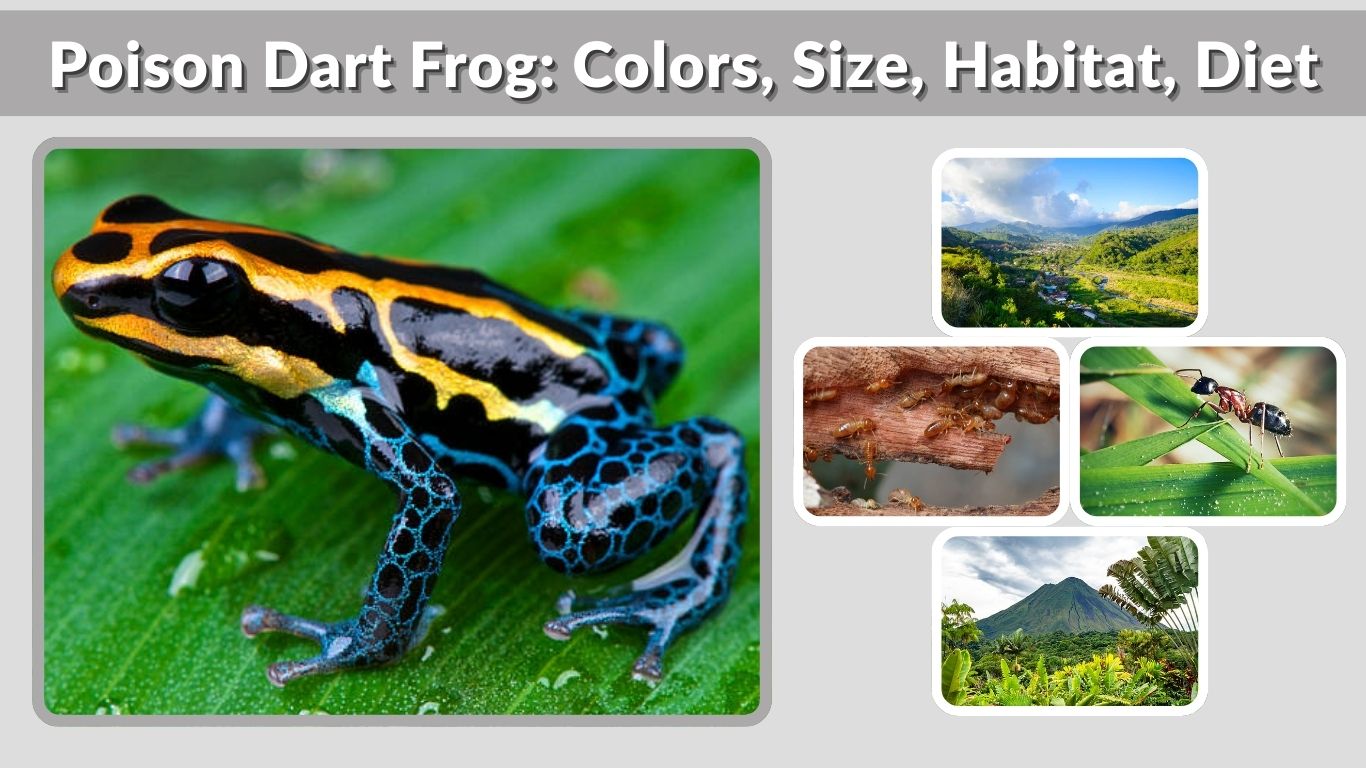
The poison dart frog is a small but highly distinctive amphibian known for its bright colors and toxic skin. Native to the Amazon rainforest, these vivid colors serve as a warning to predators. Indigenous communities historically used the frog’s toxins to poison the tips of hunting darts, giving the species its common name.
Identification
- Very small body, usually 2–6 cm in length
- Brightly colored skin in shades of blue, yellow, red, or green
- Smooth, shiny skin texture
- Long hind legs adapted for jumping
Habitat
Poison dart frogs live on the forest floor of the Amazon rainforest, especially in humid areas near streams, ponds, and leaf litter. They thrive in warm, moist environments and often shelter under leaves, fallen logs, or rocks. Some species also use plants like bromeliads to lay their eggs.
Behaviors
These frogs are mostly active during the day. They are territorial and use soft calls to communicate. Poison dart frogs are attentive parents; in some species, adults carry tadpoles on their backs to water-filled plants. Their toxins are a defense mechanism and are not harmful unless touched or ingested.
Diet and Lifespan
Their diet consists mainly of ants, termites, mites, and other small insects. The toxins in their skin come from the insects they eat. In the wild, poison dart frogs usually live 5 to 10 years, while captive frogs may live longer with proper care.
9. Macaw
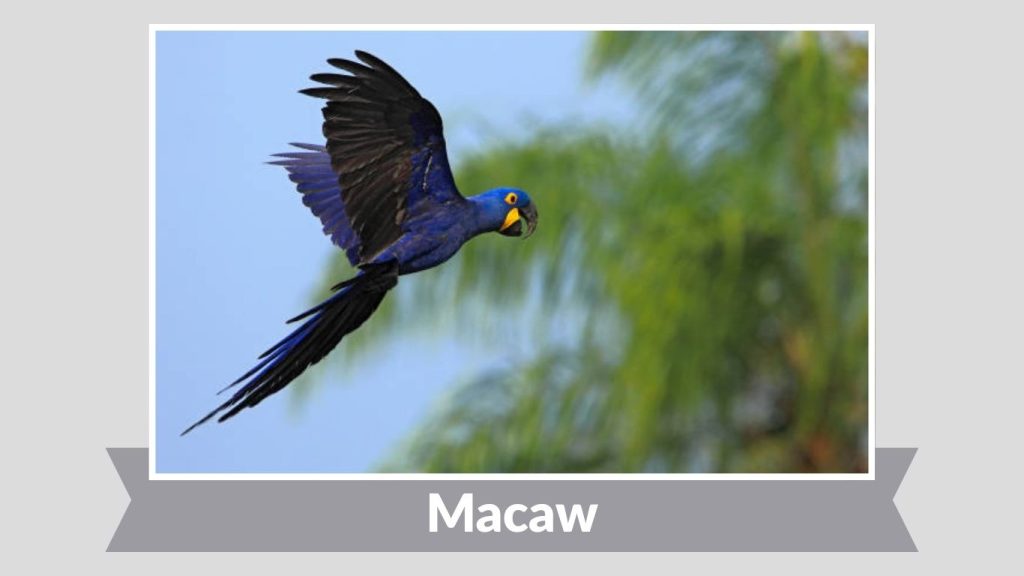
Macaws are large, brilliantly colored parrots and some of the most iconic birds of the Amazon rainforest. Known for their intelligence, loud calls, and strong social bonds, macaws are highly visible in the forest canopy. They play a crucial role in seed dispersal and are often considered symbols of the Amazon’s vibrant wildlife.
Identification
- Large parrot with a long tail and broad wings
- Bright plumage in red, blue, yellow, or green combinations
- Strong, curved beak adapted for cracking nuts
- Bare facial skin with fine feather lines
Habitat
Macaws live in tropical rainforests, especially in areas with tall trees and river edges. They rely on large, old trees for nesting cavities and prefer regions with abundant fruiting trees. Along rivers, they are often seen gathering at clay licks, which help neutralize toxins in their diet.
Behaviors
These birds are highly social and usually seen in pairs or flocks. Macaws mate for life and maintain strong pair bonds. They are intelligent and capable of problem-solving and mimicry. Their loud calls help them communicate over long distances and keep flocks together while flying.
Diet and Lifespan
Macaws mainly eat fruits, seeds, nuts, and berries. Their powerful beaks allow them to crack hard shells that many other animals cannot. In the wild, macaws can live 30 to 50 years, with some individuals living even longer in captivity.
10. Tapir
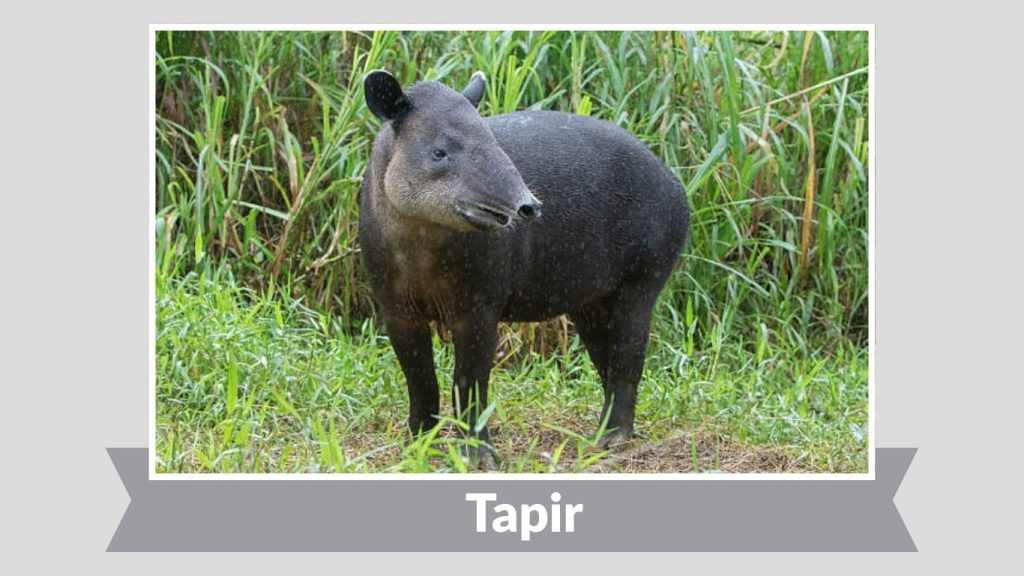
The tapir is a large, gentle herbivore and one of the most important seed dispersers in the Amazon rainforest. Often referred to as a “living fossil” due to its ancient lineage, the tapir has changed little over millions of years. Despite its bulky appearance, it is a strong swimmer and plays a key role in maintaining healthy forest ecosystems.
Identification
- Large, heavy-bodied mammal with short legs
- Dark brown to black skin with sparse hair
- Short, flexible snout used like a small trunk
- Rounded ears with white-edged tips
Habitat
Tapirs inhabit dense tropical rainforests, especially near rivers, streams, and swamps. In the Amazon, they prefer areas with thick vegetation and access to water, which they use for cooling and protection from predators. Forest edges and flooded areas are also common parts of their range.
Behaviors
Tapirs are mostly solitary and are active during the night or early morning. They are shy and avoid human contact. When threatened, tapirs can run surprisingly fast or escape into water, where they swim and dive with ease. They use well-worn forest paths to move between feeding areas.
Diet and Lifespan
Their diet consists of leaves, fruits, twigs, and aquatic plants. Tapirs consume a wide variety of plant species and help spread seeds over long distances through their droppings. In the wild, they typically live 25 to 30 years, with similar lifespans in protected environments.
11. Ocelot
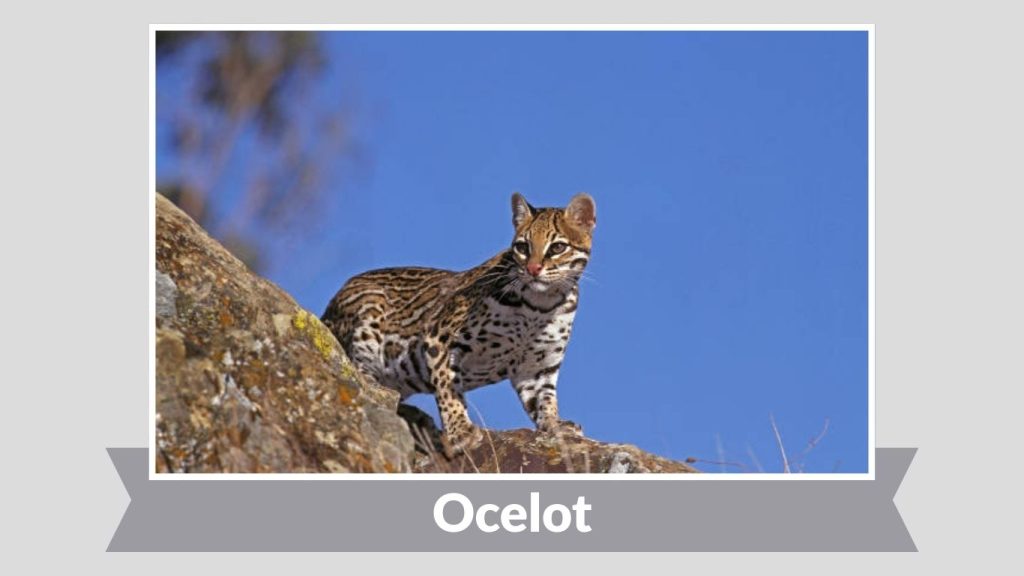
The ocelot is a small, agile wild cat known for its striking coat pattern and secretive nature. Found throughout the Amazon rainforest, it is an efficient nocturnal hunter and an important mid-level predator. Its beauty has made it well known, but it remains elusive in the wild.
Identification
- Medium-sized wild cat with a slim, muscular body
- Golden to grayish coat with dark spots and stripes
- Long tail with dark bands
- Large eyes adapted for night vision
Habitat
Ocelots live in dense tropical rainforests, including the Amazon, and prefer areas with thick undergrowth. They are often found near rivers and wetlands, which support abundant prey. Dense vegetation provides cover for hunting and resting during the day.
Behaviors
These cats are solitary and territorial. Ocelots are primarily nocturnal and spend daylight hours resting in trees or hidden on the forest floor. They are excellent climbers and swimmers. Territorial boundaries are marked using scent and scratch marks.
Diet and Lifespan
Ocelots feed on small to medium-sized prey such as rodents, birds, reptiles, frogs, and fish. Their hunting style relies on stealth and quick attacks. In the wild, ocelots typically live 12 to 15 years, while in captivity they may live longer.
12. Harpy Eagle
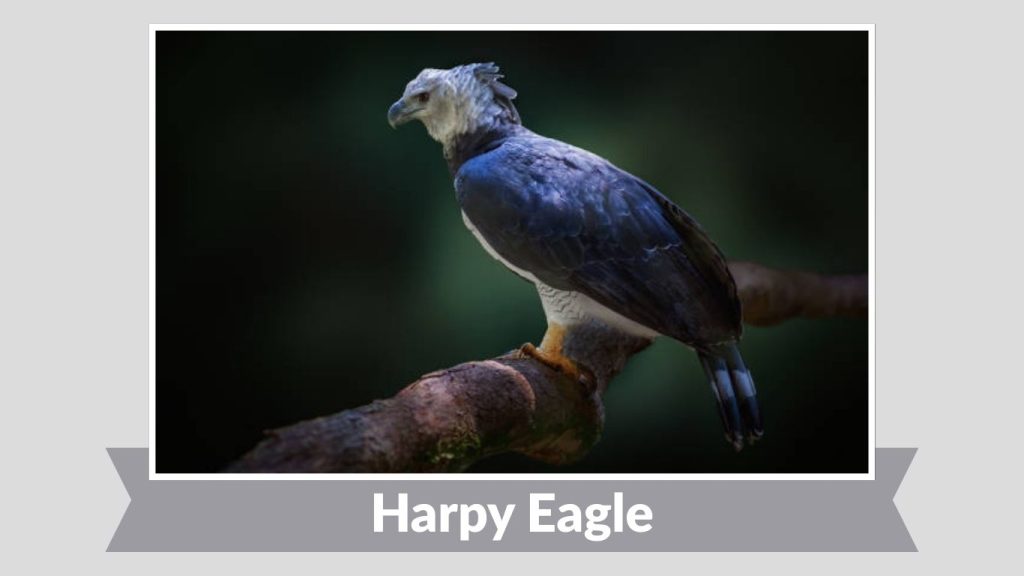
The harpy eagle is one of the largest and most powerful eagles in the world and a top predator of the Amazon rainforest canopy. With its massive size and formidable talons, it is capable of hunting large arboreal animals. The harpy eagle is a symbol of strength and is vital for controlling populations of tree-dwelling mammals.
Identification
- Very large eagle with a wingspan up to 2 meters
- Dark gray upper body with a lighter underside
- Distinctive crown of raised feathers on the head
- Extremely strong legs with long, curved talons
Habitat
Harpy eagles inhabit dense, mature tropical rainforests across the Amazon basin. They rely on tall, old-growth trees for nesting, often building large nests high in the canopy. These forests provide both suitable nesting sites and access to prey that lives in the treetops.
Behaviors
Harpy eagles are mostly solitary and highly territorial. They are active during the day and spend long periods perched quietly, scanning for prey. Once a target is spotted, they attack with incredible speed and precision. Breeding pairs may use the same nest for many years.
Diet and Lifespan
Their diet mainly includes sloths, monkeys, and other medium-sized mammals, as well as birds and reptiles. Harpy eagles reproduce slowly, raising one chick every few years. In the wild, they can live around 25 to 35 years, especially in undisturbed forest habitats.
13. Piranha
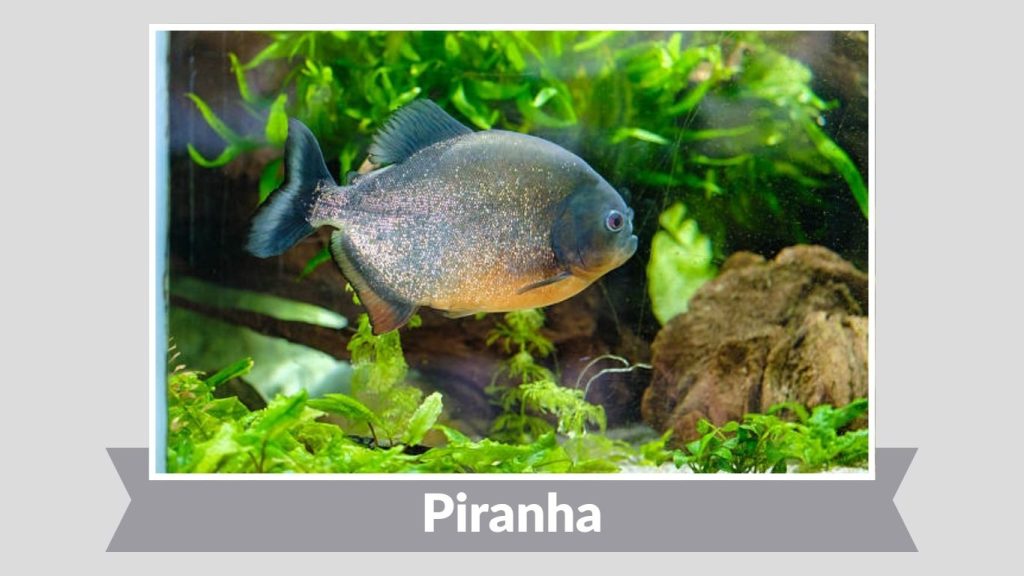
Piranhas are well-known freshwater fish of the Amazon Basin, often surrounded by myths and exaggerations. While famous for their sharp teeth, most piranha species are cautious rather than aggressive. They play an important role in keeping river ecosystems healthy by feeding on weak, sick, or dead animals.
Identification
- Small to medium-sized fish with a deep, compressed body
- Silver, gray, or dark-colored scales, often with a reddish belly
- Large head with a powerful jaw
- Sharp, triangular teeth that interlock tightly
Habitat
Piranhas live in rivers, lakes, floodplains, and slow-moving waters throughout the Amazon rainforest. They are especially common in warm, shallow waters and seasonally flooded forests. During the rainy season, they spread into flooded areas, while in the dry season they concentrate in deeper channels.
Behaviors
These fish usually live in groups called shoals, which helps protect them from predators. Piranhas are most active during the day and rely heavily on their sense of smell. Despite their reputation, attacks on large animals or humans are rare and usually linked to food scarcity or defensive behavior.
Diet and Lifespan
Piranhas have an omnivorous diet that includes fish, insects, crustaceans, fruits, seeds, and carrion. Some species feed mainly on plants. In the wild, piranhas typically live 10 to 15 years, depending on the species and environmental conditions.
14. Giant Otter
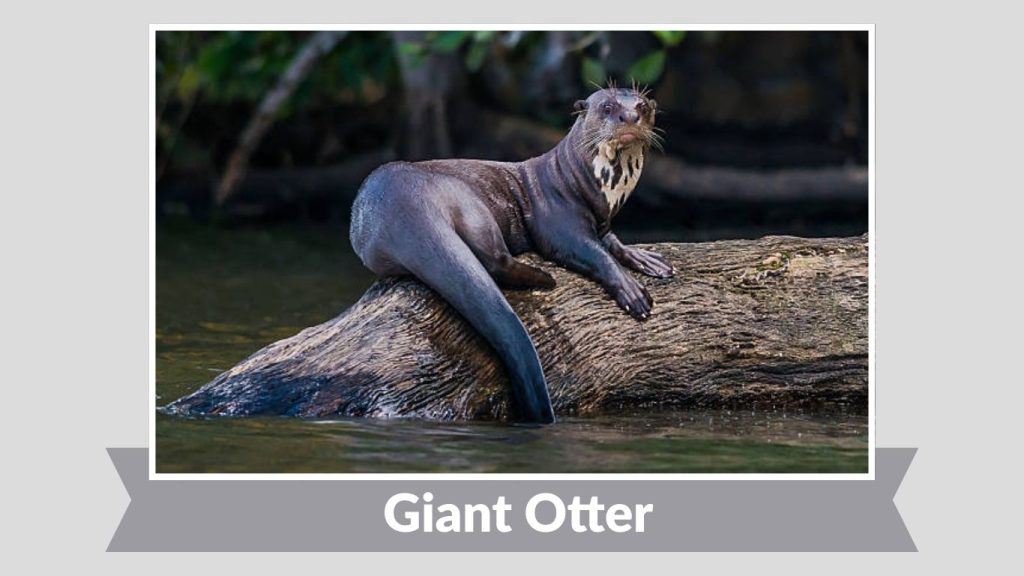
The giant otter is the largest member of the otter family and one of the most charismatic mammals of the Amazon rainforest. Highly social and vocal, it is known for its playful behavior and strong family bonds. Giant otters are important indicators of healthy river ecosystems.
Identification
- Large, elongated body reaching up to 1.8 meters in length
- Thick, velvety brown fur with lighter throat markings
- Broad head with small ears and whiskers
- Strong tail and fully webbed feet
Habitat
Giant otters live in freshwater rivers, lakes, and oxbow lagoons throughout the Amazon Basin. They prefer clear, slow-moving waters with abundant fish and nearby forested riverbanks. Dense vegetation along the banks provides shelter and safe sites for resting and breeding.
Behaviors
These otters are highly social and live in family groups of 5 to 10 individuals. They are active during the day and communicate using a wide range of vocalizations, body postures, and scents. Giant otters are territorial and work together to defend their home range from intruders.
Diet and Lifespan
Their diet consists mainly of fish, especially cichlids and catfish, along with crustaceans and small aquatic animals. Giant otters are skilled hunters and often cooperate while fishing. In the wild, they typically live 10 to 15 years, with similar lifespans in protected environments.
15. Armadillo
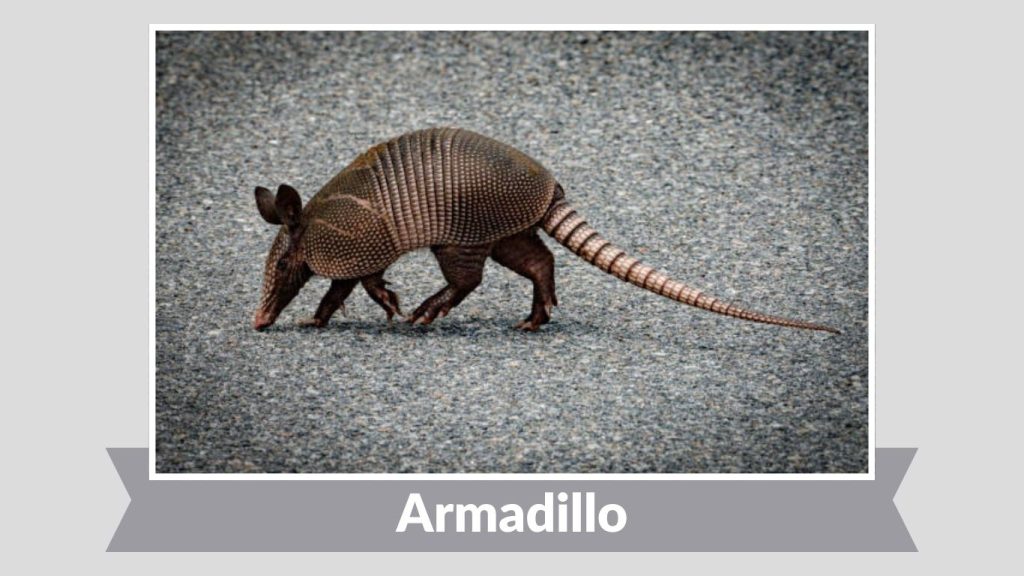
The armadillo is a small to medium-sized mammal easily recognized by its armored shell. Several armadillo species live in the Amazon rainforest, where they play an important role in soil health through their digging activities. Their unique appearance and behavior make them one of the most fascinating animals of the region.
Identification
- Small to medium-sized body covered with bony armor plates
- Brown or grayish coloring
- Long snout and small eyes
- Strong claws adapted for digging
Habitat
Armadillos inhabit a wide range of environments within the Amazon, including rainforests, grasslands, and forest edges. They prefer areas with loose soil where they can dig burrows for shelter. These burrows also provide refuge for other animals, increasing local biodiversity.
Behaviors
Most armadillos are solitary and nocturnal. They spend much of their time foraging on the ground and digging for food. When threatened, some species roll into a tight ball, while others rely on burrows for protection. Armadillos have a strong sense of smell but poor eyesight.
Diet and Lifespan
Their diet mainly consists of insects such as ants and termites, along with worms, larvae, and some plant matter. Armadillos help control insect populations. In the wild, they usually live 7 to 12 years, depending on the species.
16. Spider Monkey
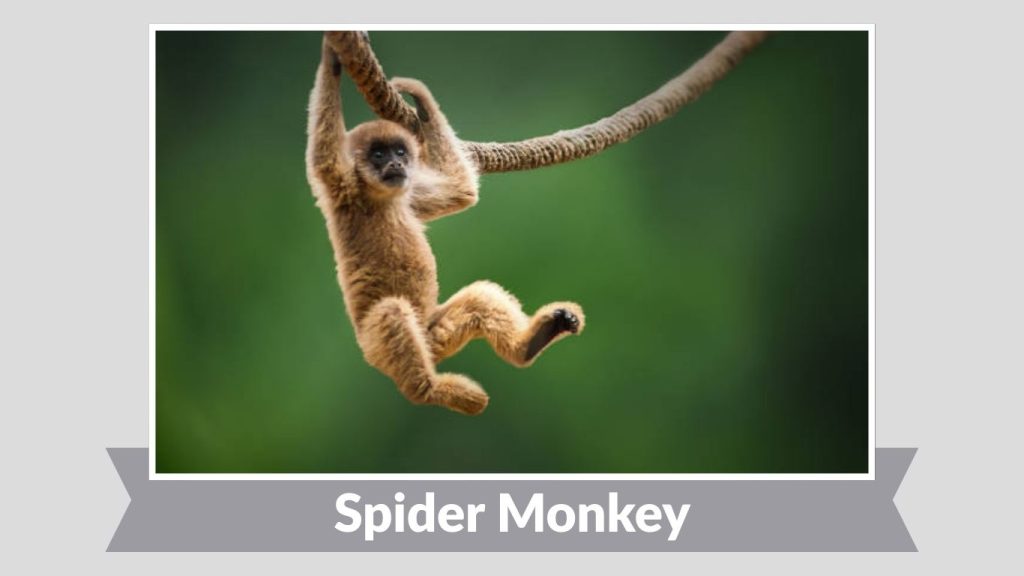
The spider monkey is a highly agile primate known for its long limbs and exceptional ability to move through the Amazon rainforest canopy. Named for its spider-like appearance when hanging from branches, it is one of the most acrobatic mammals in the forest. Spider monkeys are important seed dispersers and play a key role in forest regeneration.
Identification
- Slim body with very long arms and legs
- Extremely long, prehensile tail used as a fifth limb
- Small head with a flat face
- Dark fur, usually black, brown, or reddish
Habitat
Spider monkeys live in the upper canopy of tropical rainforests across the Amazon. They prefer large, undisturbed forests with tall trees and abundant fruit. Because they rely heavily on forest canopy connections, they are especially vulnerable to deforestation and habitat fragmentation.
Behaviors
These monkeys are highly social and live in large groups that split into smaller subgroups during the day. They are active during daylight hours and spend most of their time traveling, feeding, and resting in trees. Spider monkeys are excellent climbers and swing effortlessly between branches using their arms and tails.
Diet and Lifespan
Their diet consists mainly of fruits, supplemented by leaves, flowers, and seeds. By traveling long distances and spreading seeds, spider monkeys help maintain plant diversity. In the wild, they typically live 20 to 25 years, with similar lifespans in protected environments.
17. Caiman
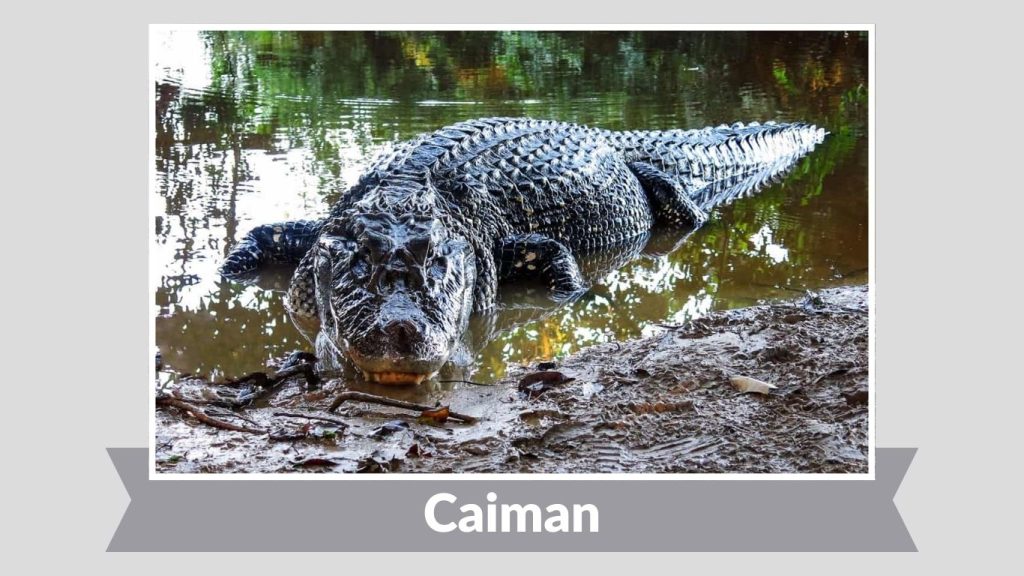
Caimans are medium to large reptiles closely related to crocodiles and are common predators in the Amazon’s rivers and wetlands. They play a vital role in maintaining balance within aquatic ecosystems by controlling fish and animal populations. Several caiman species inhabit the Amazon Basin.
Identification
- Stout, reptilian body with tough, scaly skin
- Broad snout and powerful jaws
- Dark green to brown coloration
- Long, muscular tail used for swimming
Habitat
Caimans live in rivers, lakes, swamps, and flooded forests throughout the Amazon rainforest. They prefer slow-moving or still waters where prey is abundant. During the dry season, they may gather in shrinking water bodies, while in the rainy season they spread into flooded areas.
Behaviors
Caimans are mostly nocturnal and spend daylight hours basking along riverbanks or resting in shallow water. They are territorial and can be aggressive when threatened or during breeding season. Despite their fearsome appearance, young caimans are vulnerable to many predators.
Diet and Lifespan
Their diet includes fish, birds, amphibians, reptiles, and small mammals. Larger individuals may prey on bigger animals. In the wild, caimans typically live 30 to 40 years, depending on the species and environmental conditions.
18. Anteater
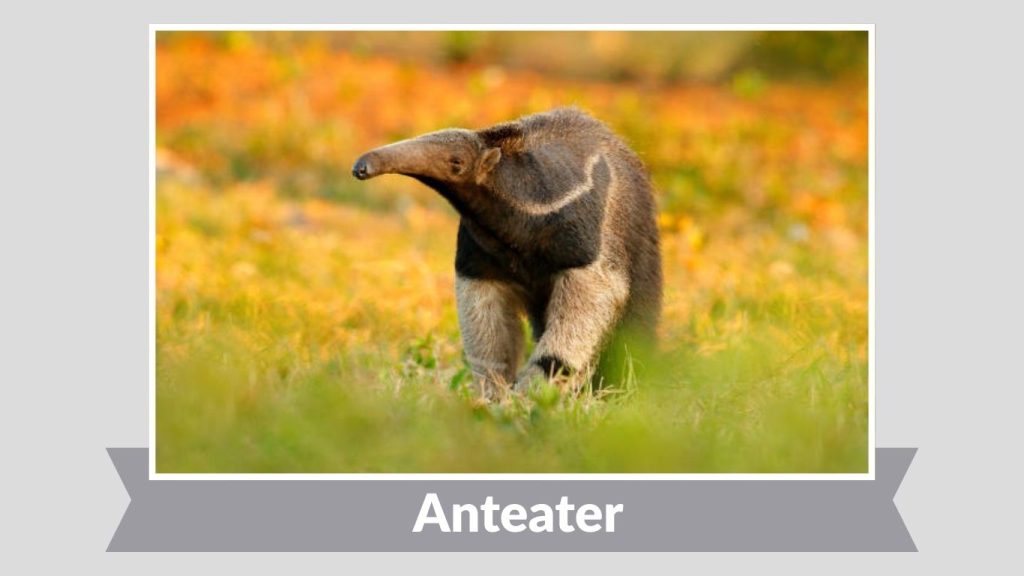
The anteater is a distinctive mammal known for its long snout and specialized diet of ants and termites. Several anteater species live in the Amazon rainforest, including the giant anteater and the tamandua. They play an important ecological role by controlling insect populations.
Identification
- Long, narrow snout with no teeth
- Elongated tongue used to capture insects
- Strong forelimbs with large curved claws
- Thick fur, usually gray or brown with markings
Habitat
Anteaters inhabit a variety of environments in the Amazon, including dense rainforests, grasslands, and forest edges. They are often found near termite mounds or ant nests. Trees are important for some species, such as the tamandua, which spends time climbing and resting above ground.
Behaviors
Anteaters are mostly solitary and can be active during the day or night. They rely on their strong sense of smell to locate food. When threatened, they may rear up on their hind legs and use their claws to defend themselves. Despite poor eyesight, they are well adapted to their environment.
Diet and Lifespan
Their diet consists almost entirely of ants and termites, which they consume using their sticky tongues. Anteaters can eat thousands of insects each day. In the wild, they typically live 14 to 20 years, depending on the species.
19. Leafcutter Ant
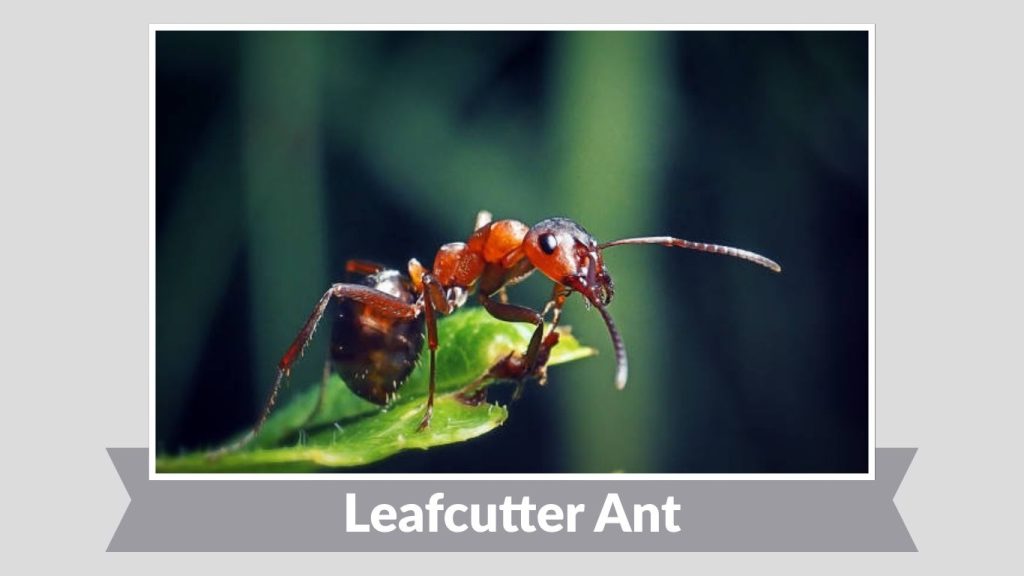
Leafcutter ants are among the most fascinating and industrious insects in the Amazon rainforest. Famous for carrying pieces of leaves many times their own size, they are not actually leaf eaters but skilled farmers. These ants play a major role in shaping rainforest ecosystems through their large colonies and constant interaction with plant life.
Identification
- Small to medium-sized ants with reddish-brown bodies
- Strong mandibles used for cutting leaves
- Spiny bodies in some worker castes
- Clear division into worker sizes (minor, media, major)
Habitat
Leafcutter ants live throughout the Amazon rainforest, building massive underground nests that can extend several meters below the surface. These nests are often located near trees and vegetation that provide a steady supply of leaves. The colonies create visible trails on the forest floor and even into the canopy.
Behaviors
These ants are highly social and live in colonies that can contain millions of individuals. Workers cut leaves and carry them back to the nest, where the plant material is used to grow a special fungus. This fungus is the colony’s primary food source. Each ant has a specific role, making their society extremely organized and efficient.
Diet and Lifespan
Leafcutter ants feed exclusively on the fungus they cultivate, not the leaves themselves. The leaves serve as fertilizer for the fungus gardens. Individual worker ants may live for several months, while queens can live over 10 years, continuously producing new generations.
20. Scarlet Ibis
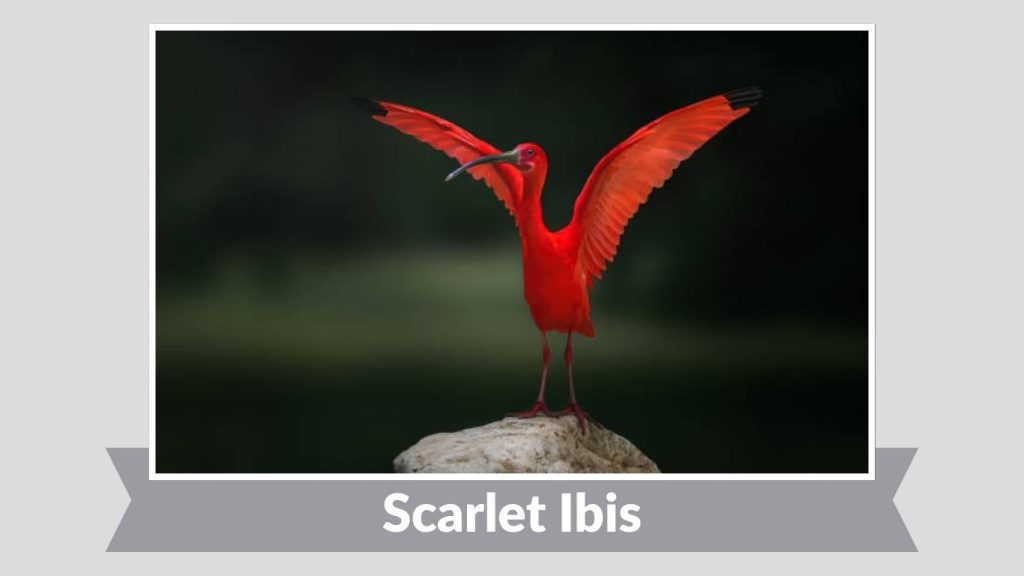
The scarlet ibis is a striking wading bird famous for its brilliant red plumage, making it one of the most visually stunning birds of the Amazon region. Its vibrant color comes from pigments found in its diet and fades if those foods are unavailable. The scarlet ibis is often seen in large flocks, adding flashes of red to wetlands and riverbanks.
Identification
- Medium-sized wading bird with vivid scarlet-red feathers
- Long, slender, downward-curved bill
- Long legs adapted for shallow water
- Black-tipped wings visible in flight
Habitat
Scarlet ibises inhabit wetlands, riverbanks, mangroves, and flooded forests in and around the Amazon Basin. They prefer shallow waters where they can easily forage for food. These birds often roost and nest in trees near water, forming large communal colonies for protection.
Behaviors
They are highly social birds and usually feed, fly, and nest in groups. Scarlet ibises are most active during the day and use their curved bills to probe mud and shallow water. Their synchronized flight patterns help confuse predators and strengthen group cohesion.
Diet and Lifespan
Their diet consists mainly of crustaceans, insects, small fish, and mollusks. The carotenoid pigments in crustaceans give the birds their red color. In the wild, scarlet ibises typically live 15 to 20 years.
FAQs
What makes the Amazon rainforest unique for wildlife?
The Amazon rainforest provides an ideal environment for wildlife due to its warm climate, high rainfall, dense vegetation, and vast river systems. These conditions support an incredible variety of habitats, allowing millions of animal species to thrive, many of which are found nowhere else on Earth.
Why are many Amazon animals brightly colored?
Bright colors often serve as warning signals to predators, especially in poisonous or venomous species like poison dart frogs. In birds, vivid colors can help attract mates or aid in species recognition within dense forest environments.
Are Amazon rainforest animals dangerous to humans?
Most Amazon animals avoid humans and are not dangerous unless threatened or provoked. While some species are predators or venomous, attacks on humans are rare. Respecting wildlife and maintaining distance greatly reduces risk.
How do Amazon animals adapt to dense forests?
Many animals have developed specialized adaptations such as strong climbing limbs, prehensile tails, camouflage coloring, or enhanced senses. These traits help them move through thick vegetation, find food, and avoid predators.
Why is protecting Amazon animals important?
Amazon animals play essential roles in maintaining ecosystem balance, such as seed dispersal, pest control, and population regulation. Protecting them also preserves biodiversity, supports global climate stability, and safeguards the livelihoods and cultures of Indigenous communities.