


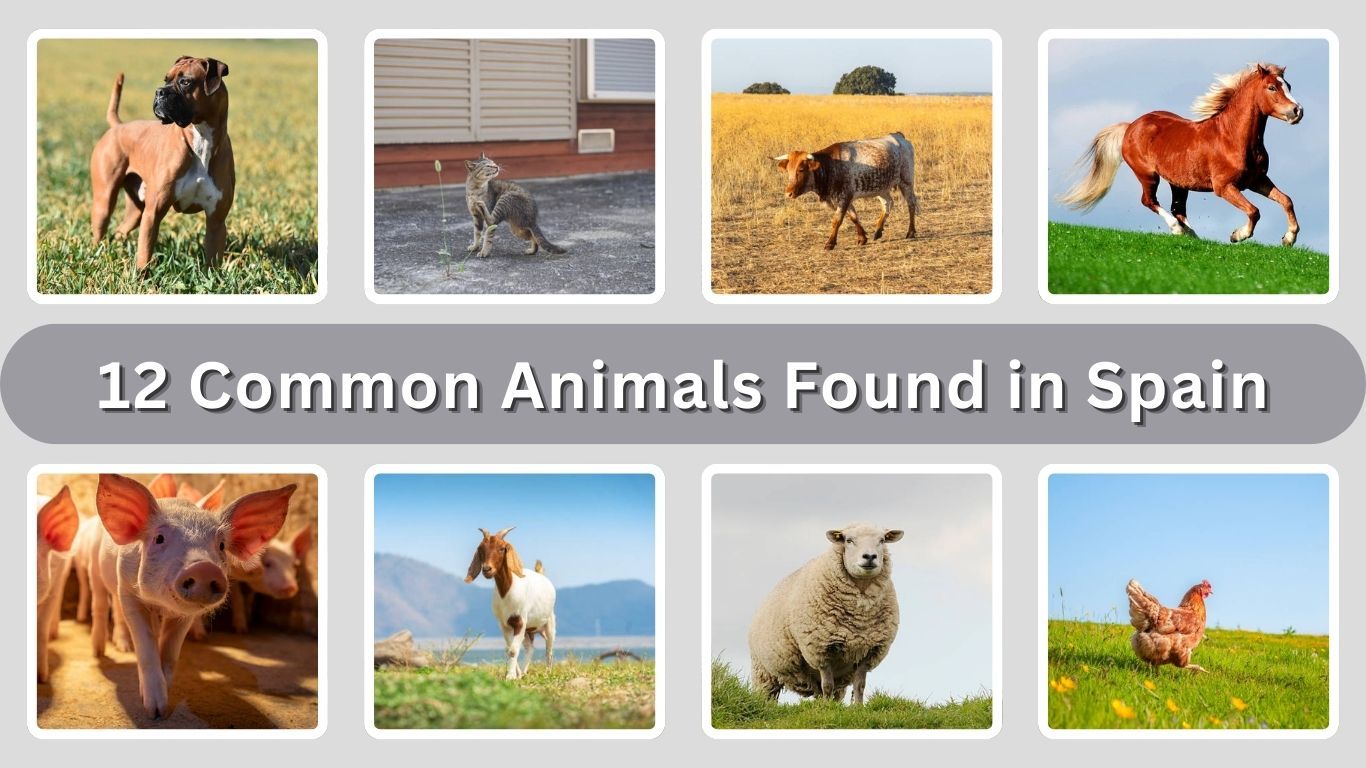
Spain is home to a wide variety of animals that play an important role in daily life, agriculture, culture, and the natural environment. From farm animals raised in rural villages to domesticated species commonly seen in towns and cities, these animals have shaped Spanish traditions for centuries. Many of them contribute to food production, while others support ecosystems or reflect cultural heritage. This article explores twelve common animals found in Spain, highlighting their characteristics, habitats, and significance in Spanish society.
1. Dog (Perro)
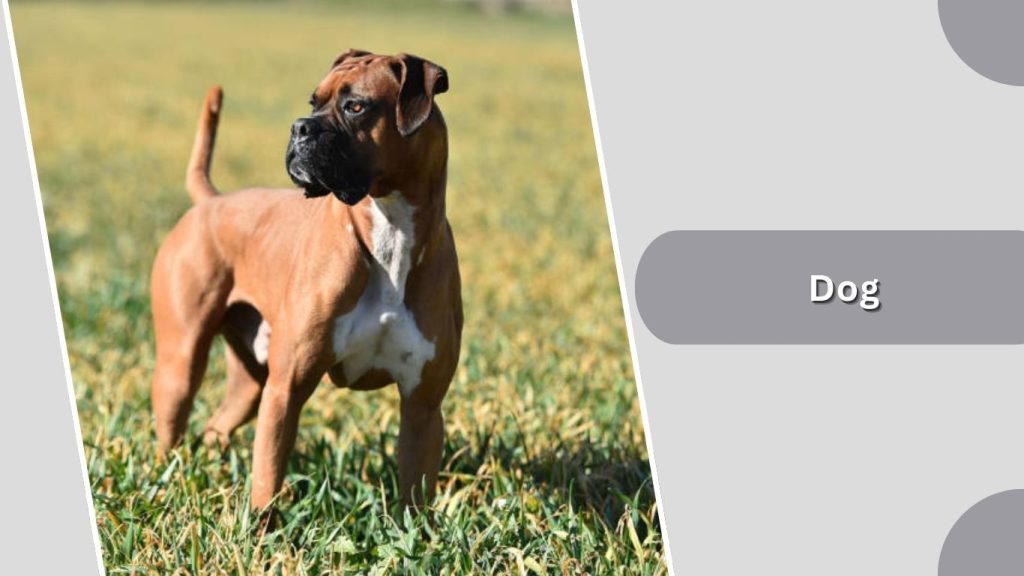
Dogs are one of the most common and beloved animals found across Spain. From busy cities like Madrid and Barcelona to rural villages and coastal towns, dogs are a familiar part of everyday life. They are kept as companions, working animals, and family pets. Spanish culture places strong value on dogs, and it’s common to see them accompanying owners on walks, in cafés, and even during local festivals.
Identification
- Scientific name: Canis lupus familiaris
- Average lifespan: 10–15 years
- Size: Varies widely by breed
- Coat: Short, medium, or long
- Common colors: Black, brown, white, golden, mixed
Habitat and Distribution
In Spain, dogs live wherever humans live. They are found in apartments, countryside farms, mountain villages, and coastal regions. Urban areas tend to have smaller companion breeds, while rural regions often keep larger dogs for guarding livestock or property. Spain also has shelters and rescue centers that care for abandoned dogs, which are present throughout the country.
Behavior and Diet
Dogs are social, intelligent, and highly adaptable animals. They form strong bonds with humans and can be trained for many roles, including guarding, hunting, herding, and assistance work. Their diet usually consists of commercial dog food, though some owners supplement it with meat, rice, and vegetables under veterinary guidance.
Importance in Spanish Culture
Dogs play an important role in Spanish society. Breeds like the Spanish Mastiff and Podenco Ibicenco are part of the country’s heritage. Dogs are also used in police work, search and rescue, and farming. Overall, they are valued not just as animals, but as loyal companions and working partners.
2. Cat (Gato)
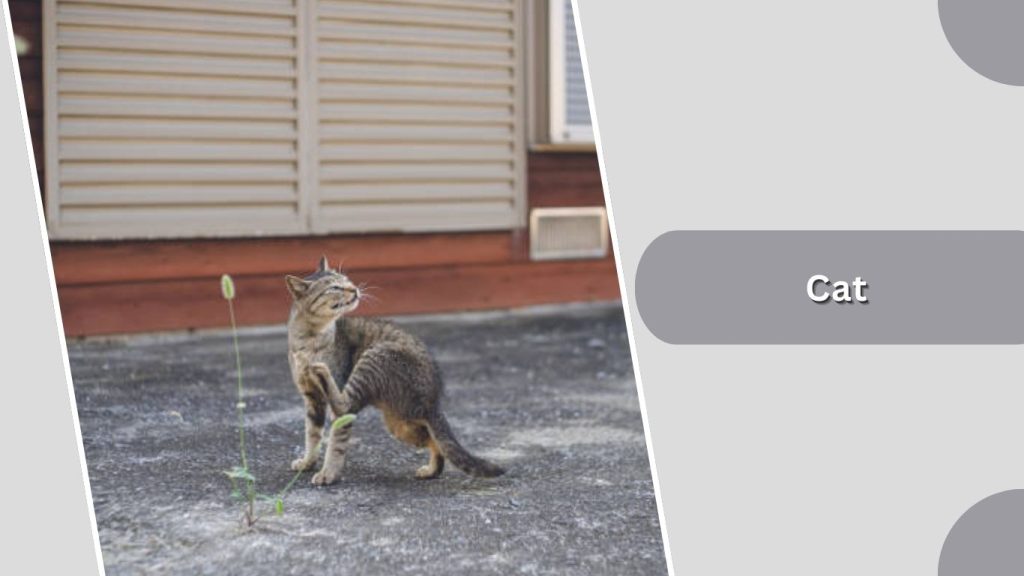
Cats are very common animals throughout Spain and are especially popular in urban and suburban areas. They are valued for their independence, cleanliness, and calm nature. In many Spanish cities, cats live both as household pets and as part of managed street cat colonies. These colonies are often cared for by local communities and animal welfare groups.
Identification
- Scientific name: Felis catus
- Average lifespan: 12–18 years
- Size: Small to medium
- Coat: Short or long
- Common colors: Black, white, gray, orange, mixed
Habitat and Distribution
Cats are found all over Spain, from large cities like Valencia and Seville to small villages and islands. Pet cats usually live indoors or have controlled outdoor access, while feral cats often live near parks, old buildings, ports, and residential areas. Warmer coastal regions tend to have larger street cat populations due to favorable weather conditions.
Behavior and Diet
Cats are known for being curious, agile, and independent. They are mostly active during dawn and dusk and enjoy resting for long hours during the day. In Spain, domestic cats are typically fed commercial cat food, while feral cats may rely on small prey and food provided by volunteers. Cats are natural hunters and help control rodent populations.
Role in Spanish Society
Cats hold a quiet but important place in Spanish life. Many households keep cats as low-maintenance pets, especially in apartments. Street cat protection programs, such as trap-neuter-return initiatives, are common in Spanish cities. Overall, cats are appreciated for their companionship, grace, and contribution to urban ecological balance.
3. Cow (Vaca)
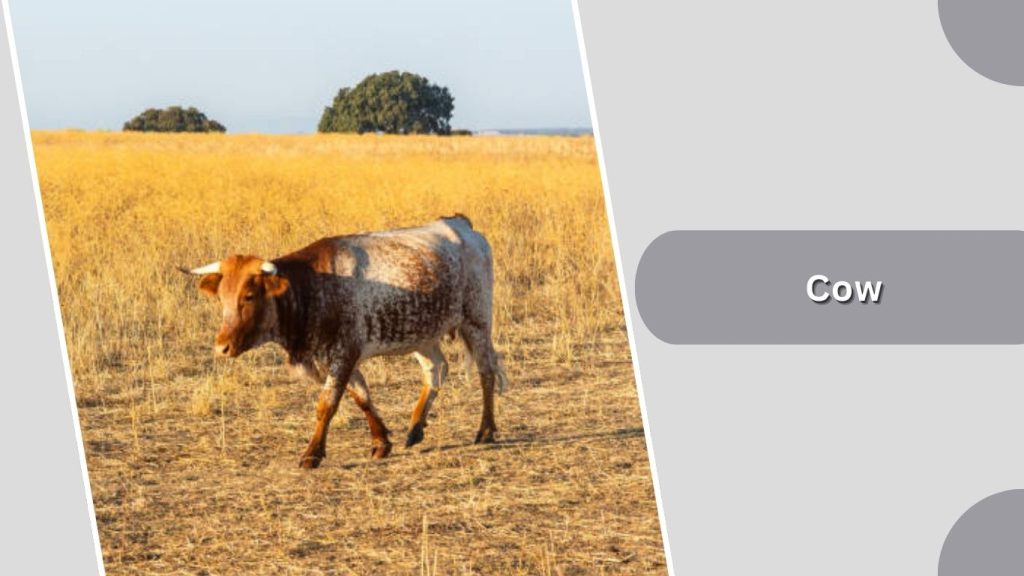
Cows are one of the most important and commonly found animals in Spain, especially in rural and agricultural regions. They play a major role in Spanish farming, providing milk, meat, and other dairy products. From the green pastures of northern Spain to central farmlands, cows are a familiar sight and an essential part of the countryside economy.
Identification
- Scientific name: Bos taurus
- Average lifespan: 15–20 years
- Size: Large
- Weight: 400–800 kg
- Common colors: Brown, black, white, mixed
Habitat and Distribution
Cows are mainly found in rural areas of Spain, particularly in regions like Galicia, Asturias, Cantabria, and Castile and León. These areas offer open grasslands and suitable climates for cattle farming. In northern Spain, cows often graze freely in pastures, while in other regions they may be kept on farms with controlled feeding systems.
Behavior and Diet
Cows are calm, social animals that usually live in herds. They are herbivores and spend much of their day grazing or chewing cud. Their diet mainly consists of grass, hay, silage, and grains. Spanish farmers carefully manage feeding routines to ensure healthy livestock and high-quality dairy and meat production.
Importance in Spanish Life
Cows are deeply connected to Spanish food culture and rural traditions. They provide milk for famous Spanish cheeses, butter, and yogurt, as well as beef used in traditional dishes. In some regions, cattle farming is passed down through generations. Beyond agriculture, cows also represent rural heritage and play a key role in sustaining local economies across Spain.
4. Horse (Caballo)
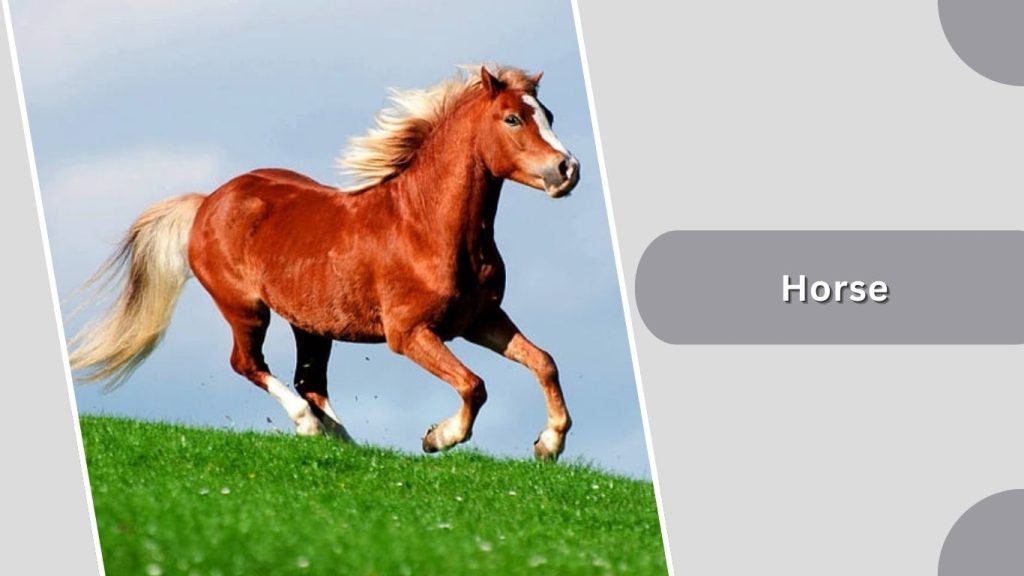
Horses are well-known and respected animals in Spain, admired for their strength, beauty, and historical importance. They have played a vital role in transportation, farming, and warfare throughout Spanish history. Today, horses are commonly seen in rural areas, riding schools, festivals, and traditional events across the country.
Identification
- Scientific name: Equus ferus caballus
- Average lifespan: 25–30 years
- Size: Large
- Height: 1.4–1.8 meters
- Common colors: Brown, black, white, gray
Habitat and Distribution
Horses are found throughout Spain, especially in regions such as Andalusia, Extremadura, and Castile-La Mancha. They live on farms, ranches, breeding centers, and open pastures. Andalusia is particularly famous for the Andalusian horse, a breed known worldwide for its elegance and intelligence. Horses are also kept in stables near cities for sport and leisure activities.
Behavior and Diet
Horses are social, intelligent animals that form strong bonds within their groups and with humans. They are herbivores and spend most of their time grazing. Their diet mainly includes grass, hay, oats, and grains. Regular exercise and care are important to maintain their physical and mental health.
Cultural and Economic Importance
Horses hold a special place in Spanish culture. They are central to traditional festivals, parades, and equestrian shows. Spanish horses are also valued internationally for breeding and sport. Beyond culture, horses contribute to tourism, agriculture, and sporting industries, making them an important animal in modern Spain.
5. Pig (Cerdo)
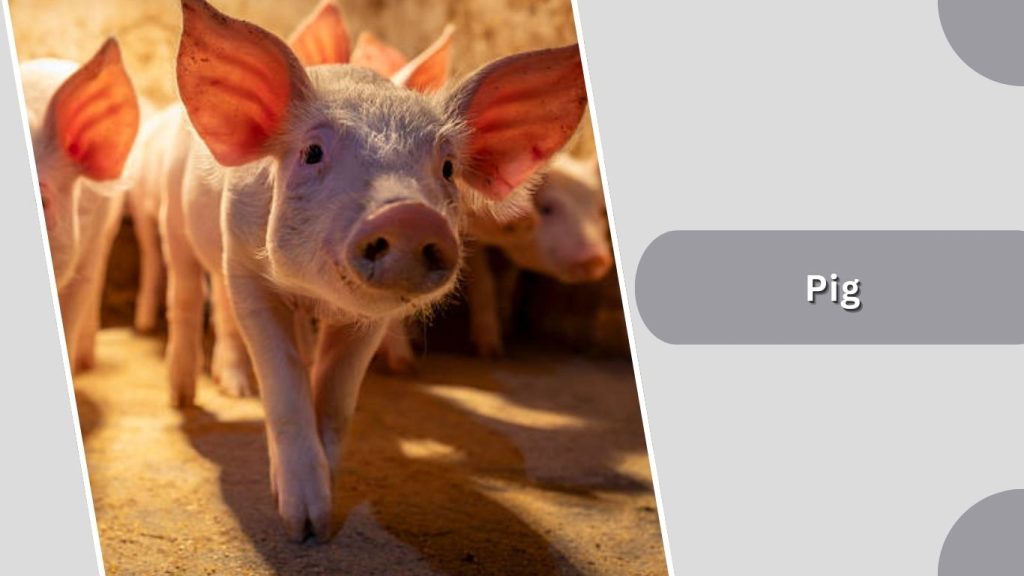
Pigs are very common animals in Spain and are especially important in agriculture and food production. Spain is one of the world’s leading producers of pork, and pigs are closely linked to traditional Spanish cuisine. They are mainly raised on farms, particularly in rural regions with open land and oak forests.
Identification
- Scientific name: Sus scrofa domesticus
- Average lifespan: 10–15 years
- Size: Medium to large
- Weight: 100–300 kg
- Common colors: Pink, black, brown
Habitat and Distribution
Pigs are found across many regions of Spain, with large populations in Extremadura, Andalusia, Castile and León, and Aragón. In some areas, especially the southwest, pigs are raised in open landscapes called dehesas, where they roam freely among oak trees. These environments are ideal for the famous Iberian pig.
Behavior and Diet
Pigs are intelligent and social animals that often live in groups. They are omnivores and eat a wide variety of foods, including grains, roots, fruits, and vegetables. Iberian pigs are well known for feeding on acorns, which gives their meat a distinctive flavor. Farmers closely manage their diet to ensure animal health and product quality.
Importance in Spanish Culture
Pigs play a major role in Spanish gastronomy and economy. Products like jamón ibérico, chorizo, and other cured meats are famous worldwide. Pig farming supports thousands of rural families and preserves traditional farming methods. Culturally, pigs symbolize abundance and tradition, making them one of the most significant animals in Spain.
6. Goat (Cabra)
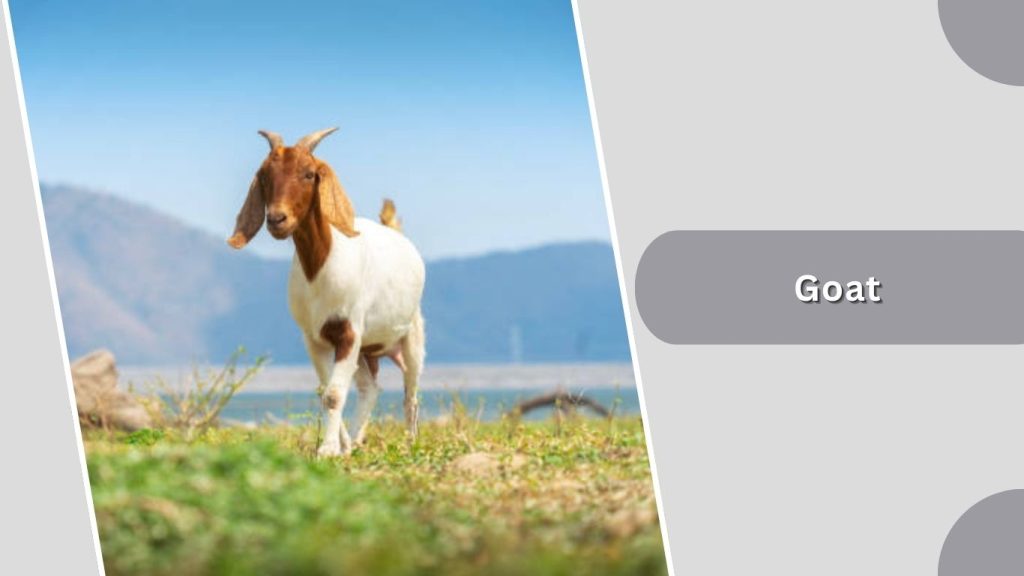
Goats are common animals in Spain, especially in mountainous, dry, and rural regions. They are well adapted to harsh environments and have been raised for centuries for milk, meat, and cheese. Goats play an important role in traditional farming systems and are valued for their resilience and low maintenance.
Identification
- Scientific name: Capra aegagrus hircus
- Average lifespan: 12–18 years
- Size: Medium
- Weight: 45–90 kg
- Common colors: White, brown, black, mixed
Habitat and Distribution
Goats are widely found across Spain, particularly in Andalusia, Murcia, Canary Islands, and parts of Catalonia. They thrive in rocky hills, mountains, and semi-arid landscapes where other livestock may struggle. Many Spanish goats are kept in small family farms or allowed to graze freely in open areas.
Behavior and Diet
Goats are active, curious, and social animals. They are excellent climbers and can feed on a wide range of plants. Their diet includes grass, shrubs, leaves, and agricultural leftovers. Because of their grazing habits, goats are sometimes used to help control weeds and reduce the risk of wildfires in rural areas.
Importance in Spanish Rural Life
Goats are especially important in Spain’s dairy tradition. Their milk is used to produce famous cheeses such as Murcia al Vino and Majorero cheese. Goat farming supports small rural communities and preserves traditional lifestyles. Beyond agriculture, goats also contribute to environmental management, making them a valuable and practical animal in Spain.
7. Sheep (Oveja)
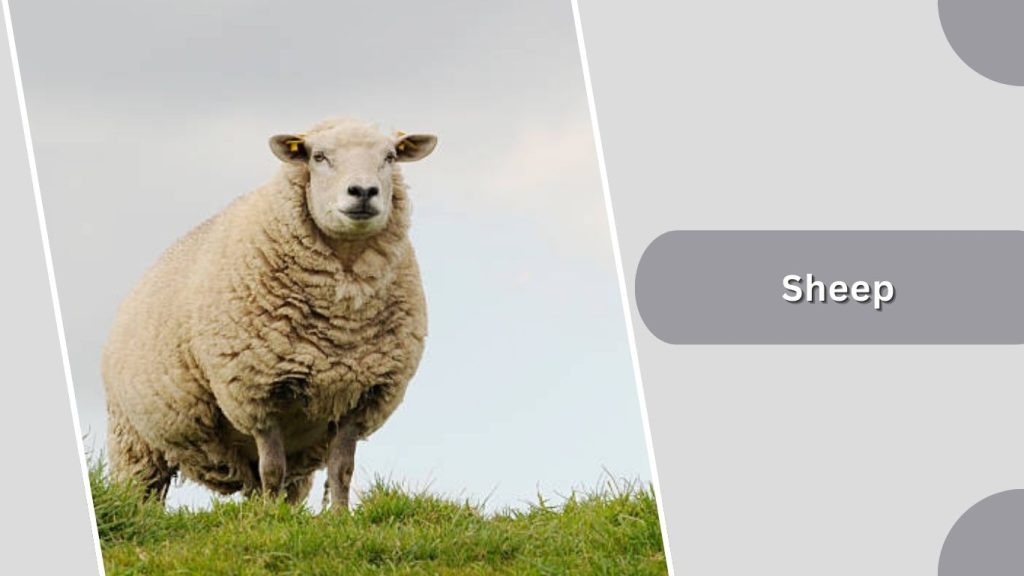
Sheep are one of the most traditional and widely raised animals in Spain, closely linked to rural life and agriculture. For centuries, sheep have been valued for their wool, meat, and milk. They are especially important in Spain’s historical farming practices and continue to play a key role in the countryside today.
Identification
- Scientific name: Ovis aries
- Average lifespan: 10–14 years
- Size: Medium
- Weight: 45–100 kg
- Common colors: White, brown, black
Habitat and Distribution
Sheep are found throughout Spain, particularly in Castile and León, Castilla-La Mancha, Aragón, and Extremadura. They are often raised in open pastures and plains, but also graze in mountainous regions. Traditional seasonal migration of sheep, known as transhumance, is still practiced in some parts of Spain.
Behavior and Diet
Sheep are gentle, social animals that live in flocks. They are herbivores and spend most of their day grazing on grass and low plants. Their diet may also include hay and grains, especially during winter. Shepherds play an important role in guiding and protecting flocks from predators.
Importance in Spanish Tradition
Sheep are central to Spanish cuisine and culture. Their milk is used to make famous cheeses such as Manchego, one of Spain’s most well-known products. Lamb is a popular dish during festivals and family celebrations. Historically, sheep farming shaped trade routes and rural economies, making sheep a lasting symbol of Spain’s agricultural heritage.
8. Chicken (Gallina)
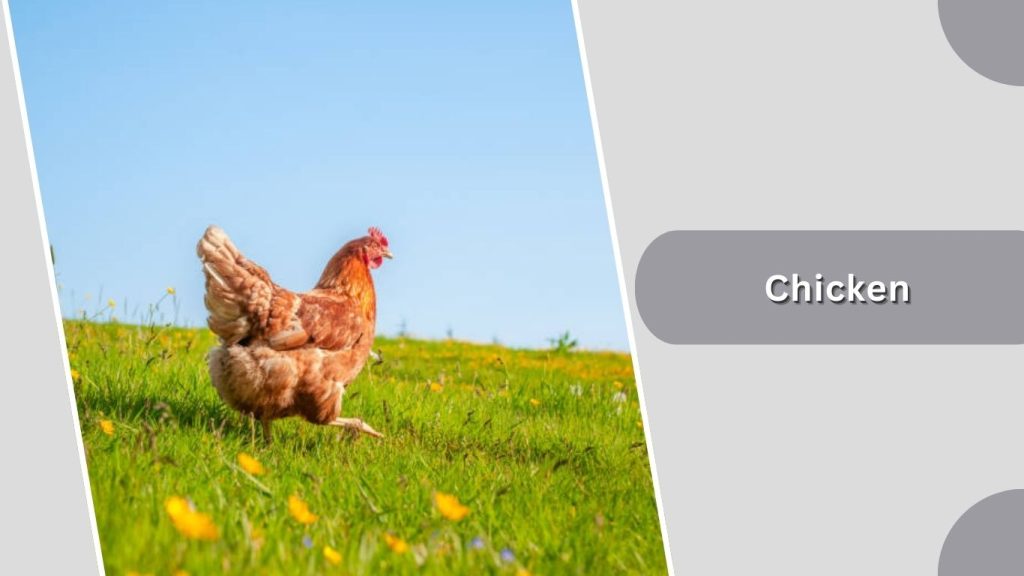
Chickens are among the most common domestic animals in Spain and are found in both rural and urban settings. They are mainly raised for eggs and meat and are a key part of everyday Spanish food culture. Many households in villages keep small groups of chickens in backyards or farms.
Identification
- Scientific name: Gallus gallus domesticus
- Average lifespan: 5–10 years
- Size: Small to medium
- Weight: 1.5–3 kg
- Common colors: White, brown, black, red
Habitat and Distribution
Chickens are widespread across Spain, from countryside farms to suburban homes. In rural areas, they often live in open yards or coops, while commercial poultry farms are located throughout regions such as Catalonia, Andalusia, and Castile-La Mancha. Their adaptability allows them to thrive in different climates.
Behavior and Diet
Chickens are active, social birds that live in flocks. They spend much of their day scratching the ground in search of food. Their diet includes grains, seeds, insects, and kitchen scraps, along with commercial feed. They are most active during daylight hours and rest at night in secure shelters.
Role in Spanish Daily Life
Chickens play an essential role in Spanish households and agriculture. Eggs are a basic ingredient in many traditional dishes, including tortillas and pastries. Chicken meat is widely consumed due to its affordability and versatility. Overall, chickens contribute greatly to food security and traditional farming practices across Spain.
9. Donkey (Burro)
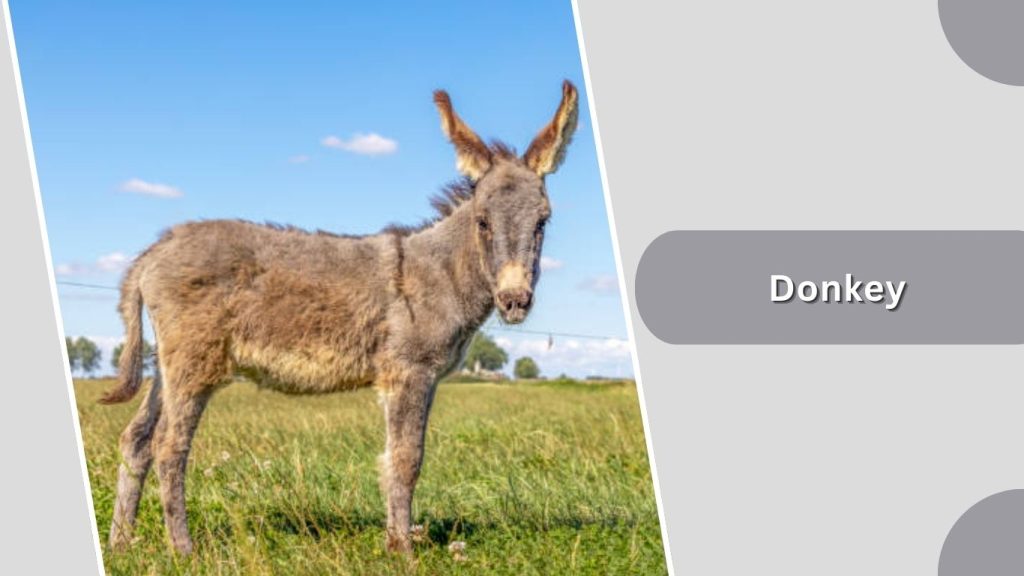
Donkeys are traditional working animals in Spain and have been part of rural life for centuries. Known for their strength and endurance, donkeys were once essential for transportation, farming, and carrying goods, especially in mountainous and dry regions. Although their numbers have decreased, they remain an important symbol of Spanish rural heritage.
Identification
- Scientific name: Equus africanus asinus
- Average lifespan: 25–35 years
- Size: Medium
- Height: 1–1.5 meters
- Common colors: Gray, brown, black
Habitat and Distribution
Donkeys are mainly found in rural areas of Spain, particularly in Andalusia, Castile-La Mancha, Aragón, and Extremadura. They live on small farms, sanctuaries, and in open countryside. In the past, donkeys were common in almost every village, but today many are protected through conservation programs.
Behavior and Diet
Donkeys are calm, intelligent, and cautious animals. They are often misunderstood as stubborn, but their behavior is linked to strong survival instincts. Donkeys are herbivores and eat grass, hay, straw, and shrubs. They require less food than horses and are well adapted to poor grazing conditions.
Cultural Significance in Spain
Donkeys hold a special place in Spanish history and culture. They appear in folklore, sayings, and traditional stories. In modern times, donkeys are used in eco-tourism, therapy programs, and educational farms. Preserving donkey breeds has become important for maintaining Spain’s agricultural traditions and biodiversity.
10. Rabbit (Conejo)
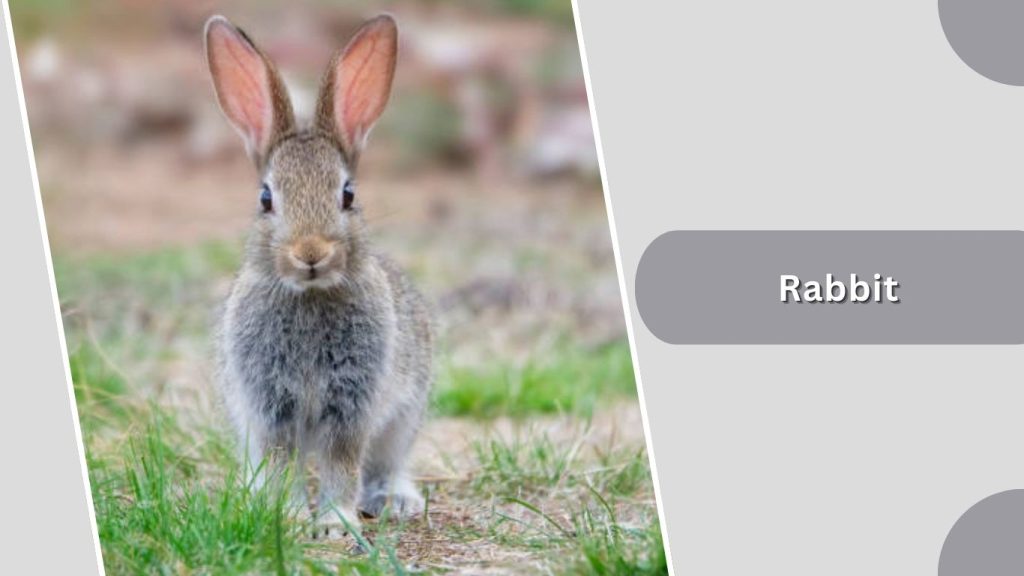
Rabbits are common animals in Spain and are found both as domestic animals and in the wild. They are especially important in Spanish ecosystems and traditional cuisine. Wild rabbits are a key species in the countryside, while domestic rabbits are kept on farms and sometimes as pets.
Identification
- Scientific name: Oryctolagus cuniculus
- Average lifespan: 8–12 years
- Size: Small to medium
- Weight: 1–2.5 kg
- Common colors: Brown, gray, white, mixed
Habitat and Distribution
Rabbits are widely distributed across Spain, particularly in grasslands, forests, farmlands, and Mediterranean scrub areas. Wild rabbits dig burrows in dry, sandy soil and are commonly seen in central and southern regions. Domestic rabbits are raised on small farms and in rural households throughout the country.
Behavior and Diet
Rabbits are social, fast, and alert animals. They are most active during early morning and evening hours. Rabbits are herbivores and feed on grass, herbs, leaves, and vegetables. Their constant chewing helps keep their teeth healthy. In the wild, they play an important role as prey for many predators.
Importance in Spanish Nature and Cuisine
Rabbits are essential to Spain’s natural balance, supporting species such as eagles and lynxes. They are also widely used in traditional dishes like paella and stews. Rabbit farming supports rural livelihoods, and the animal remains deeply connected to Spain’s culture, environment, and gastronomy.
11. Duck (Pato)

Ducks are common birds in Spain and are found in both natural wetlands and domestic farming environments. They are valued for their meat, eggs, and feathers, and they also play an important role in local ecosystems. Ducks are often seen in rivers, lakes, ponds, and rice fields across the country.
Identification
- Scientific name: Anas platyrhynchos domesticus
- Average lifespan: 8–12 years
- Size: Medium
- Weight: 1–4 kg
- Common colors: White, brown, black, mixed
Habitat and Distribution
Ducks are widely distributed throughout Spain, especially in wetland areas such as the Ebro Delta, Albufera of Valencia, and Doñana National Park. Domestic ducks are raised on farms and near water sources in rural areas. Their ability to adapt allows them to live in both warm and cooler regions.
Behavior and Diet
Ducks are social and active birds that often live in groups. They spend much of their time swimming, feeding, and preening. Ducks are omnivores and eat aquatic plants, insects, small fish, grains, and seeds. They are usually active during the day and rest near water at night.
Importance in Spanish Life
Ducks contribute to Spanish agriculture, cuisine, and biodiversity. Duck meat and eggs are used in regional dishes, while wetlands with duck populations attract eco-tourism. Ducks also help control insects and maintain healthy aquatic environments. Overall, they are an important part of both Spain’s natural landscapes and traditional farming systems.
12. Goose (Ganso)
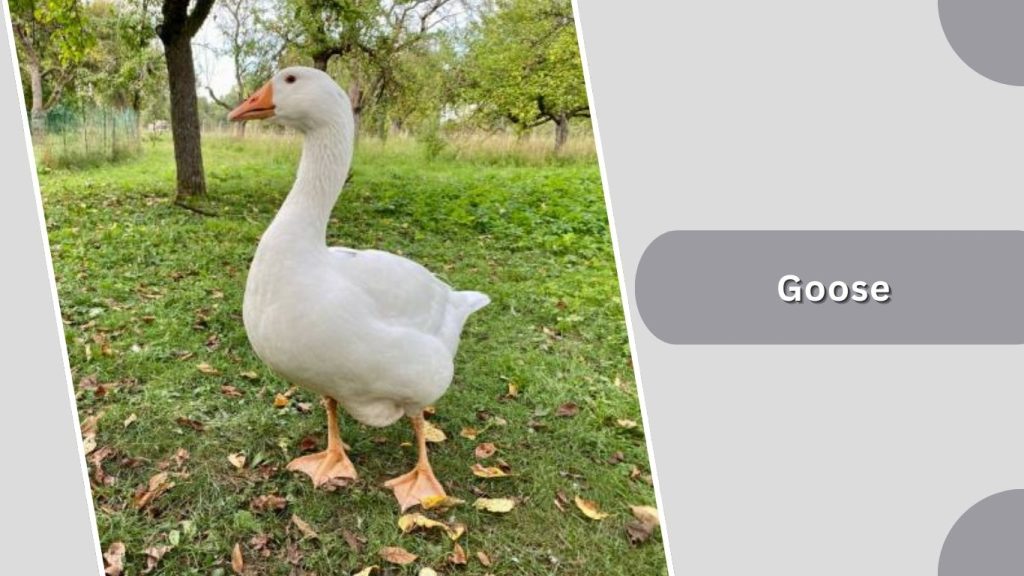
Geese are common domestic birds in Spain, mainly found in rural areas, farms, and near rivers or ponds. They are traditionally raised for meat, eggs, and feathers, and are also valued as natural guards because of their loud calls and alert behavior. In many villages, geese are part of mixed farm animal systems.
Identification
- Scientific name: Anser anser domesticus
- Average lifespan: 10–20 years
- Size: Large
- Weight: 4–9 kg
- Common colors: White, gray, mixed
Habitat and Distribution
Geese are mostly found in countryside regions of Spain, especially where water sources such as ponds, lakes, or slow-moving rivers are available. They are common in northern and central Spain and are often kept on small farms. Some geese are also seen in parks and rural wetlands.
Behavior and Diet
Geese are social and territorial birds that usually live in groups. They are known for being protective and can become aggressive when guarding their area. Geese are herbivores and mainly eat grass, grains, aquatic plants, and farm leftovers. They spend much of their day grazing and resting near water.
Role in Rural Spanish Life
Geese have practical and cultural importance in Spain. They help control weeds by grazing and are sometimes used as natural “watch animals” on farms. Goose meat and fat are used in traditional recipes in certain regions. Overall, geese contribute to rural sustainability and reflect Spain’s long-standing agricultural traditions.