
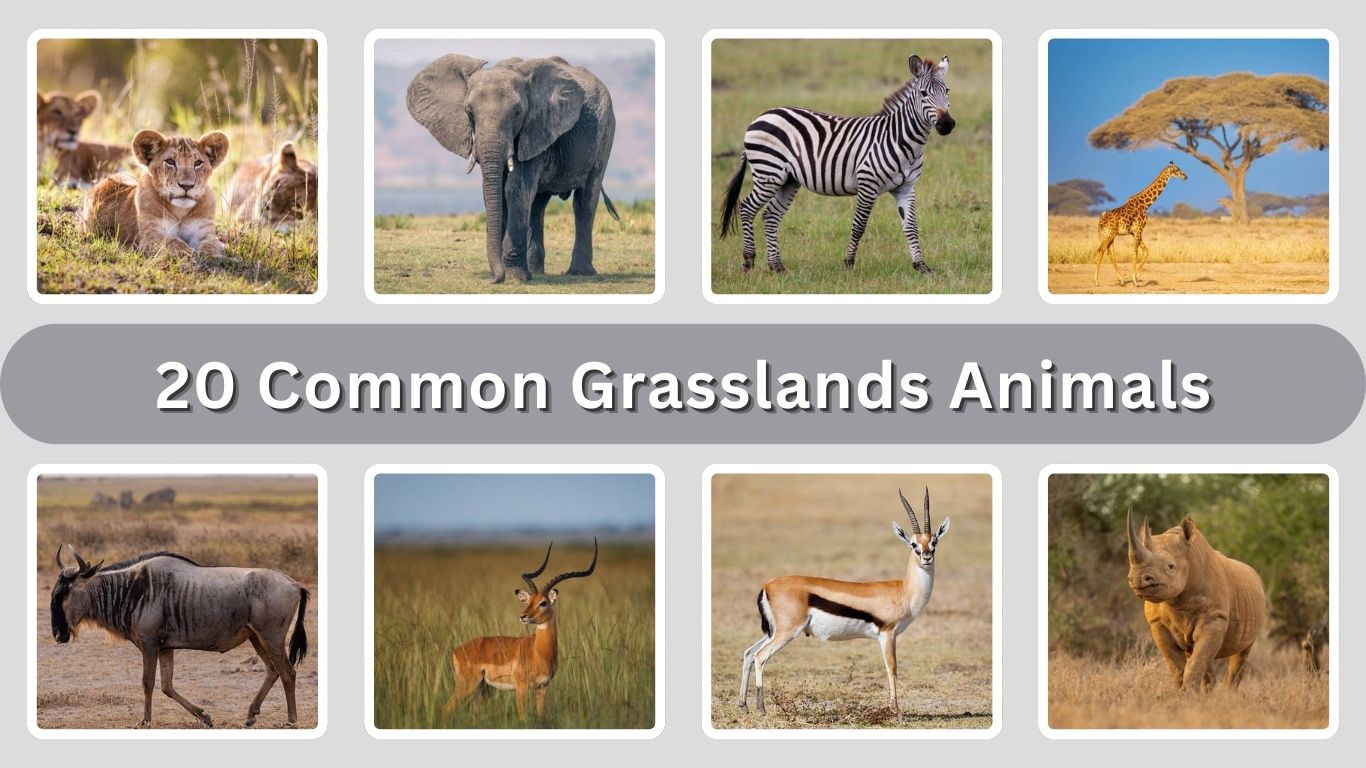
Grasslands are vast open ecosystems covered mainly with grasses and very few trees. They support a wide variety of animals that are specially adapted to life in open spaces, changing seasons, and limited shelter. From powerful predators like lions and cheetahs to gentle grazers such as zebras, bison, and elephants, grassland animals play an important role in maintaining ecological balance. These animals depend on grasslands for food, movement, and survival.
1. Lion
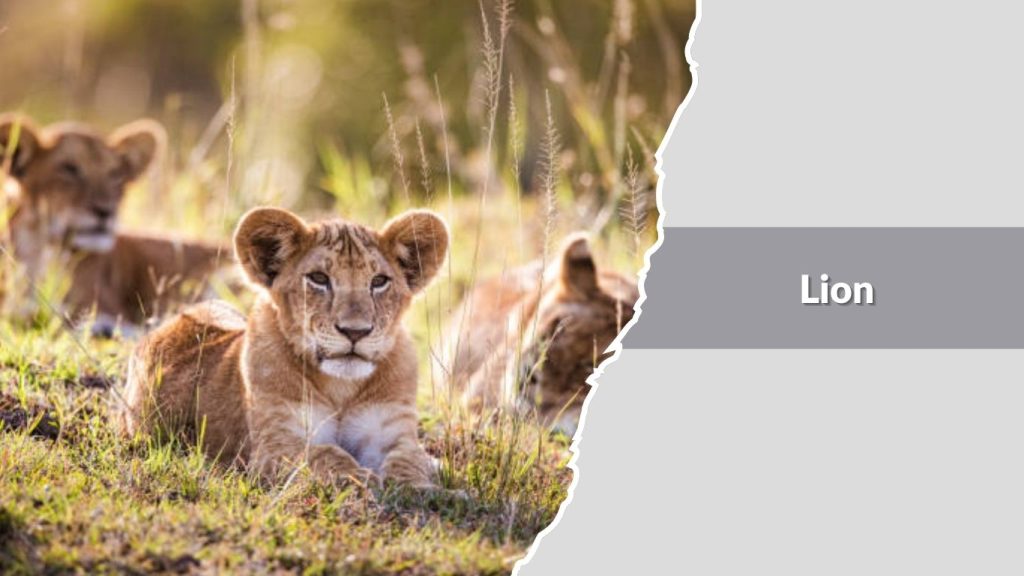
The lion is one of the most well-known grassland animals, mainly found in the vast savannas of Africa. Often called the “king of the jungle,” lions are actually grassland specialists. Their strength, social lifestyle, and loud roar make them one of the most dominant predators in their ecosystem. Lions play a vital role in maintaining balance in grassland food chains by controlling herbivore populations. Unlike most big cats, they live in organized social groups, which helps them hunt large prey and defend their territory effectively.
Identification
- Large, muscular body with strong legs
- Short, smooth fur, usually golden or light brown
- Adult males have a thick mane ranging from blond to black
- Broad head with powerful jaws and sharp teeth
- Long tail ending with a dark tuft of hair
Habitat
Lions primarily inhabit open grasslands, savannas, and lightly wooded areas. These regions offer wide open spaces that make it easier to spot prey and work together during hunts. Grasslands also provide access to water sources and shaded areas, which are essential for resting during hot daytime hours. Although once widespread across Africa, Asia, and Europe, lions are now mostly limited to sub-Saharan Africa, with a small population in India’s Gir Forest.
Behaviors
Lions are highly social animals that live in groups called prides. A pride usually consists of several related females, their cubs, and one or more adult males. Females do most of the hunting, while males protect the pride’s territory. Lions are mostly nocturnal and crepuscular, meaning they are most active at night and during early morning or evening. They spend much of their day resting to conserve energy.
Diet and Lifespan
Lions are carnivores and hunt large herbivores such as zebras, wildebeests, buffalo, and antelopes. They rely on teamwork to bring down prey. In the wild, lions typically live between 10 and 14 years. In captivity, where food and medical care are available, they can live over 20 years.
2. Elephant
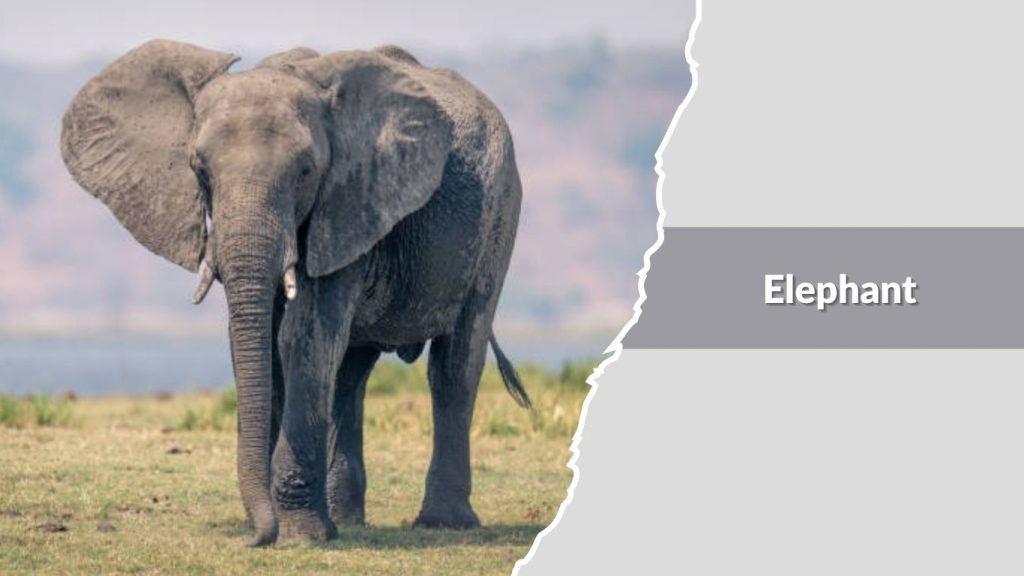
The elephant is the largest land animal on Earth and a key species in grassland ecosystems. Found mainly in African savannas, elephants are known for their intelligence, strong social bonds, and enormous size. They shape grassland landscapes by uprooting trees, creating water holes, and dispersing seeds through their dung. These actions help maintain open grasslands and support many other animals. Elephants are gentle giants but can be extremely powerful when threatened.
Identification
- Massive body with thick, gray skin
- Long trunk used for breathing, smelling, drinking, and grasping objects
- Large ears that help regulate body temperature
- Long, curved tusks made of ivory
- Pillar-like legs supporting great weight
Habitat
Elephants live in grasslands, savannas, and open woodlands where food and water are available. Grasslands provide plenty of grasses, shrubs, and scattered trees that elephants depend on for feeding. They usually stay close to rivers, lakes, or seasonal water sources. African elephants are widely distributed across sub-Saharan Africa, moving over large distances depending on rainfall and food availability.
Behaviors
Elephants are highly social animals that live in family groups led by an older female called a matriarch. These groups include females and their young, while adult males often live alone or in small bachelor groups. Elephants communicate using sounds, body language, and even low-frequency vibrations that travel through the ground. They are known for their strong memory and emotional intelligence.
Diet and Lifespan
Elephants are herbivores and eat grasses, leaves, bark, fruits, and roots. An adult elephant can consume hundreds of pounds of food in a single day. In the wild, elephants typically live 60–70 years, making them one of the longest-living land mammals.
3. Zebra
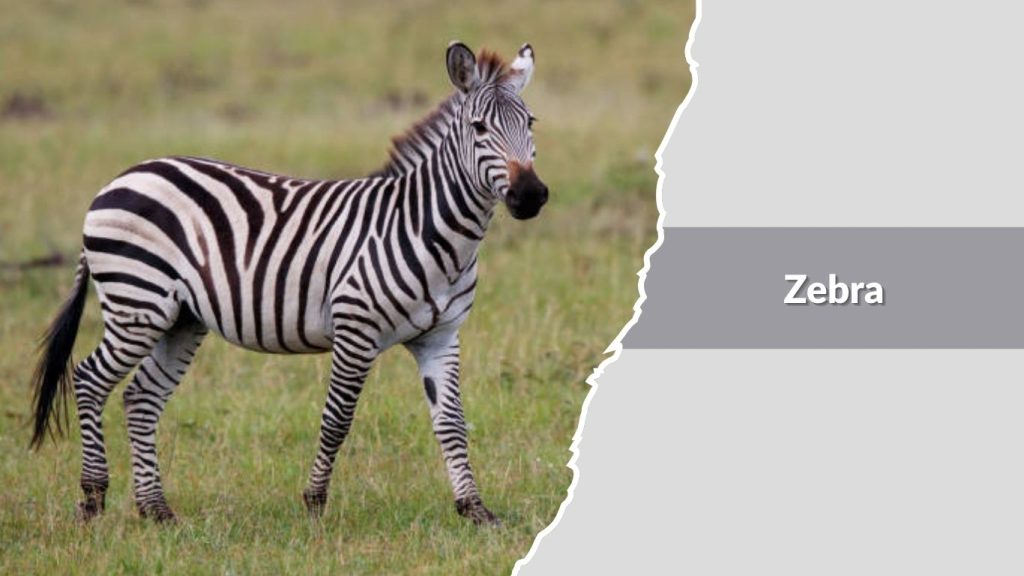
The zebra is a striking grassland animal best known for its black-and-white striped coat. Native to the African savannas, zebras are social herbivores that play an important role in grassland ecosystems. Their grazing helps keep grasses short and healthy, which benefits other herbivores. Each zebra’s stripe pattern is unique, much like a human fingerprint, and also helps confuse predators and reduce insect bites.
Identification
- Medium-sized, horse-like body
- Black-and-white striped coat unique to each individual
- Upright mane with short, stiff hair
- Strong legs built for long-distance running
- Long face with large, alert eyes
Habitat
Zebras mainly live in open grasslands and savannas, where there is an abundance of grasses. These environments allow them to spot predators from a distance and rely on speed to escape danger. Zebras often migrate seasonally in search of fresh grazing areas and water. They are widely found across eastern and southern Africa, often sharing habitats with wildebeests and antelopes.
Behaviors
Zebras are social animals that live in small family groups or larger herds. A typical group consists of one male, several females, and their young. They communicate using sounds, facial expressions, and body movements. Zebras are constantly alert and rely on cooperation within the herd to detect predators such as lions and hyenas.
Diet and Lifespan
Zebras are herbivores that primarily eat grasses, though they may also consume leaves and shrubs when grass is scarce. Their digestive system allows them to survive on lower-quality vegetation. In the wild, zebras usually live about 20–25 years.
4. Giraffe
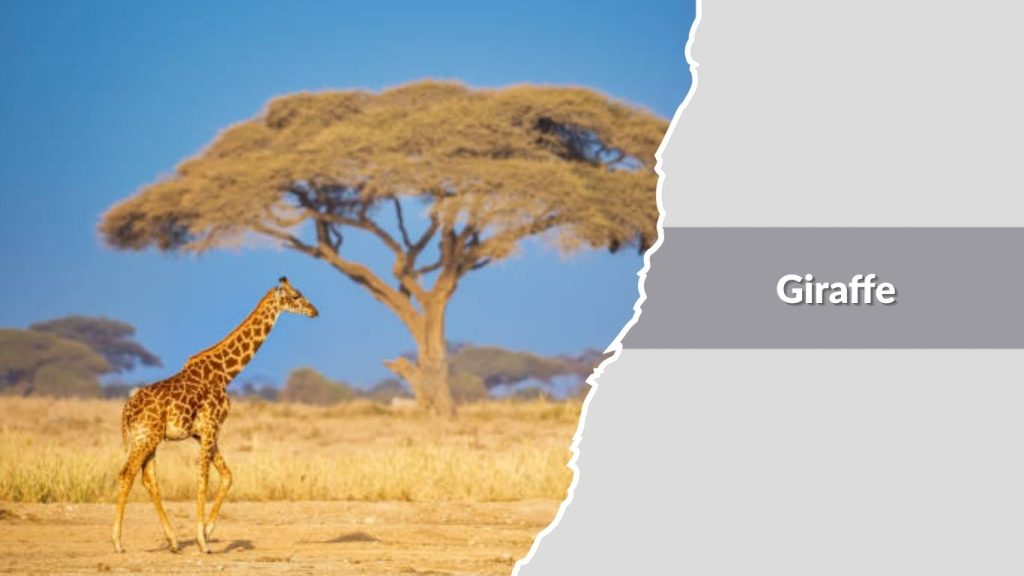
The giraffe is the tallest land animal in the world and a distinctive resident of grassland ecosystems. Easily recognized by its long neck and legs, the giraffe is perfectly adapted to feeding on leaves high in trees that other animals cannot reach. This unique feeding style reduces competition for food and helps shape the growth of trees in grassland and savanna environments.
Identification
- Extremely long neck and legs
- Light-colored coat with dark, irregular patches
- Small horn-like structures called ossicones on the head
- Large eyes and long eyelashes
- Long, dark tongue used to grasp leaves
Habitat
Giraffes mainly live in savannas and open grasslands with scattered trees, especially acacia trees. These habitats provide the tall vegetation they rely on for food. Open landscapes also allow giraffes to spot predators from a distance. They are found across eastern and southern Africa, although their range has decreased due to habitat loss.
Behaviors
Giraffes are generally calm and social animals, often seen in loose groups rather than fixed herds. They spend most of their day feeding and walking slowly between trees. Male giraffes may engage in “necking,” a behavior where they swing their necks to compete for mates. Despite their size, giraffes can run fast when threatened.
Diet and Lifespan
Giraffes are herbivores that mainly feed on leaves, flowers, and buds from tall trees. Their long tongues and tough lips protect them from thorns. In the wild, giraffes typically live about 20–25 years.
5. Wildebeest
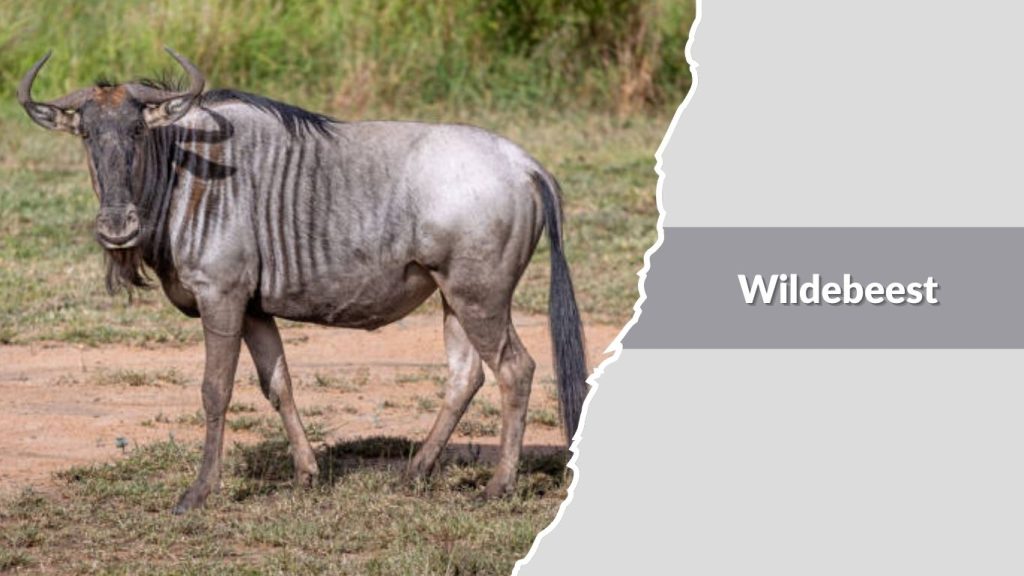
The wildebeest, also known as the gnu, is one of the most abundant and important grassland animals in Africa. Famous for its massive seasonal migrations, the wildebeest plays a crucial role in maintaining healthy grassland ecosystems. Large herds move together across the savannas in search of fresh grass and water, supporting predators and recycling nutrients back into the soil.
Identification
- Large, heavy-bodied antelope with a sloping back
- Grayish-brown coat with darker markings
- Curved horns present in both males and females
- Broad head with a beard and mane
- Strong legs built for long-distance travel
Habitat
Wildebeests inhabit open grasslands and savannas where short grasses are available for grazing. These areas provide the wide spaces needed for their large herds and migrations. They are most commonly found in eastern and southern Africa, especially in ecosystems like the Serengeti, where seasonal rainfall patterns guide their movement.
Behaviors
Wildebeests are highly social animals and live in massive herds that can number in the hundreds of thousands. They migrate seasonally in response to rainfall, often traveling long distances. This movement helps prevent overgrazing in one area. Wildebeests rely on herd behavior for protection, using strength in numbers to reduce the risk of predation.
Diet and Lifespan
Wildebeests are herbivores that mainly eat short grasses. They must drink water regularly, which influences their migration routes. In the wild, wildebeests usually live about 20 years.
6. Antelope
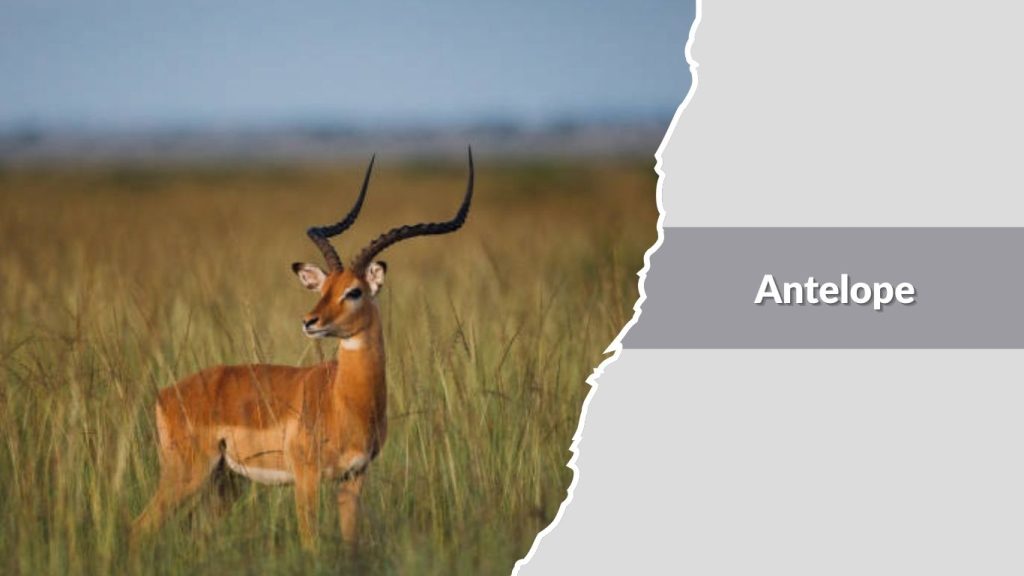
Antelopes are a diverse group of graceful grassland animals found mainly in Africa and parts of Asia. They are well adapted to life in open plains, known for their speed, agility, and sharp senses. Antelopes play a major role in grassland ecosystems by grazing on grasses and plants, which helps maintain vegetation balance. There are many species of antelope, ranging from small, delicate types to large, powerful ones.
Identification
- Slender body with long, thin legs
- Smooth coat, usually brown, tan, or reddish
- Curved or spiral horns in most species
- Large eyes and ears for detecting danger
- Lightweight build designed for speed
Habitat
Antelopes mainly live in grasslands, savannas, and open plains where grasses and low shrubs are abundant. These habitats provide open visibility, allowing antelopes to spot predators early and escape quickly. Different species prefer slightly different environments, from dry plains to wetter grasslands near rivers. Antelopes are widely distributed across Africa, with some species also found in Asia.
Behaviors
Antelopes are generally social animals that live in herds, though group size varies by species. Some form large herds, while others live in small family groups or pairs. They rely on speed, alertness, and quick directional changes to escape predators. Many antelopes are most active during early morning and late afternoon.
Diet and Lifespan
Antelopes are herbivores that feed on grasses, leaves, shoots, and herbs. Some species are grazers, while others are browsers. In the wild, antelopes typically live between 10 and 20 years, depending on the species.
7. Gazelle
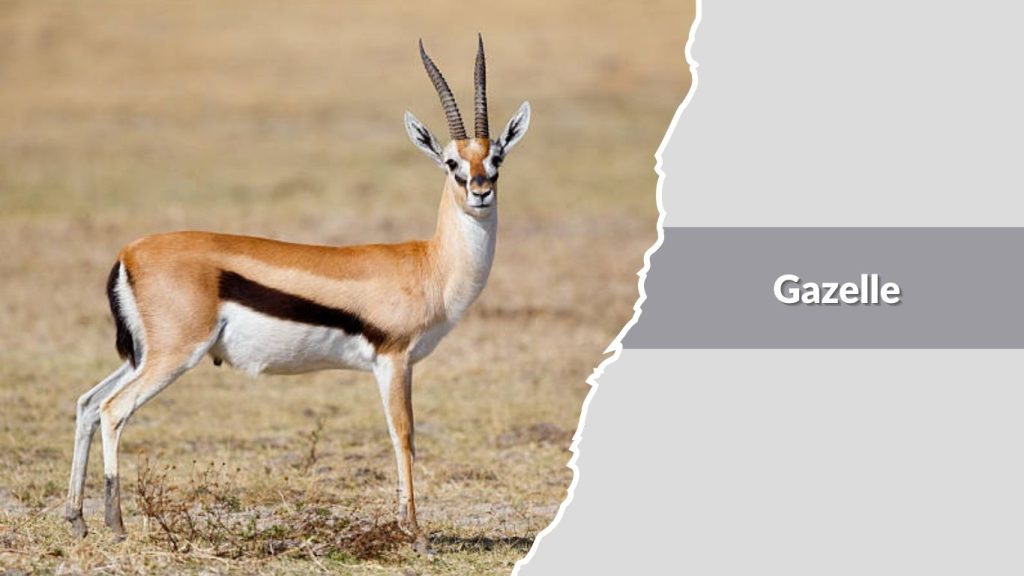
Gazelles are small to medium-sized antelopes known for their elegance, speed, and alert nature. They are common residents of grasslands and savannas, where they are well adapted to open environments. Gazelles are famous for their ability to perform high, stiff-legged jumps called “stotting,” which may signal strength to predators. Their presence helps maintain grassland balance through selective grazing.
Identification
- Slim, lightweight body built for speed
- Smooth tan or light-brown coat with white underparts
- Long, slender legs
- Curved, ringed horns in both males and females (varies by species)
- Large eyes and narrow face
Habitat
Gazelles inhabit open grasslands, savannas, and semi-arid plains. These areas allow them to rely on keen eyesight and speed to detect and escape predators. They often prefer regions with short grasses and scattered shrubs. Gazelles are widely distributed across Africa and parts of Asia, especially in dry and open landscapes.
Behaviors
Gazelles are social animals that usually live in herds, though group size can vary. They are highly alert and quick to react to danger. When threatened, gazelles may leap high into the air before running away, a behavior that can confuse predators or show fitness. They are most active during cooler parts of the day.
Diet and Lifespan
Gazelles are herbivores that feed on grasses, leaves, shoots, and herbs. They can survive with limited water, often getting moisture from their food. In the wild, gazelles generally live about 10–15 years.
8. Buffalo
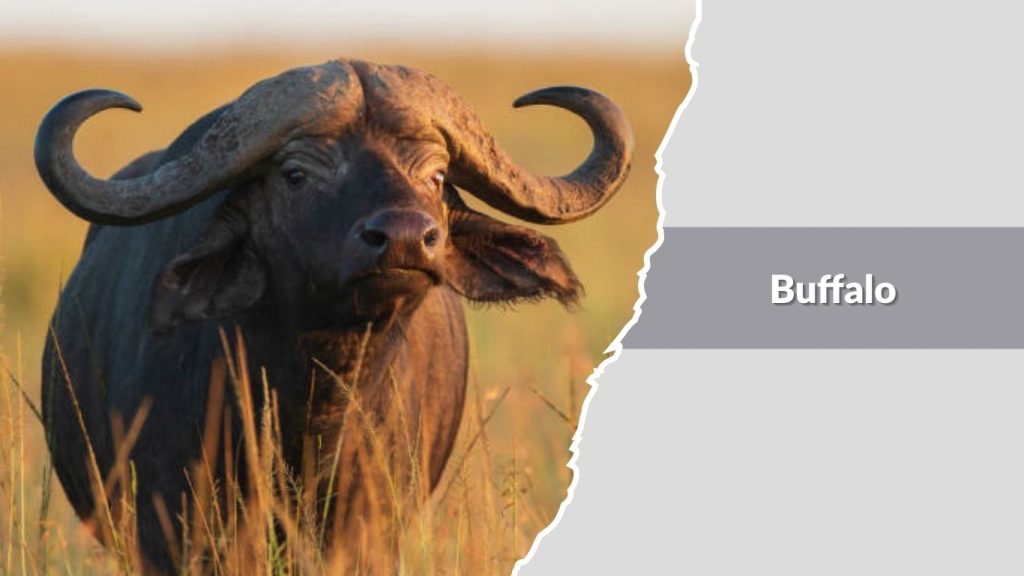
The buffalo is a large and powerful grassland animal, best known in Africa as the African buffalo. It is one of the most dangerous animals on the savanna due to its strength, unpredictable nature, and strong herd defense. Buffaloes play an important role in grassland ecosystems by grazing on large amounts of grass, which helps shape plant growth and supports the food chain.
Identification
- Large, heavy body with a thick build
- Dark brown or black coarse hair
- Broad head with strong, curved horns that form a solid base
- Short, sturdy legs
- Wide muzzle adapted for grazing
Habitat
Buffaloes live in grasslands, savannas, and open woodlands, usually close to water sources such as rivers, lakes, or swamps. These habitats provide the grasses they need for food and the water they depend on daily. African buffaloes are found across sub-Saharan Africa, especially in protected grassland areas.
Behaviors
Buffaloes are highly social animals that live in large herds, sometimes numbering in the hundreds or even thousands. Herds offer protection against predators, as buffaloes will aggressively defend injured members. They communicate through sounds and body movements and are known for their strong group cooperation.
Diet and Lifespan
Buffaloes are herbivores that mainly feed on grasses. They spend many hours grazing each day. In the wild, buffaloes typically live about 15–25 years, depending on environmental conditions and predation.
9. Rhinoceros
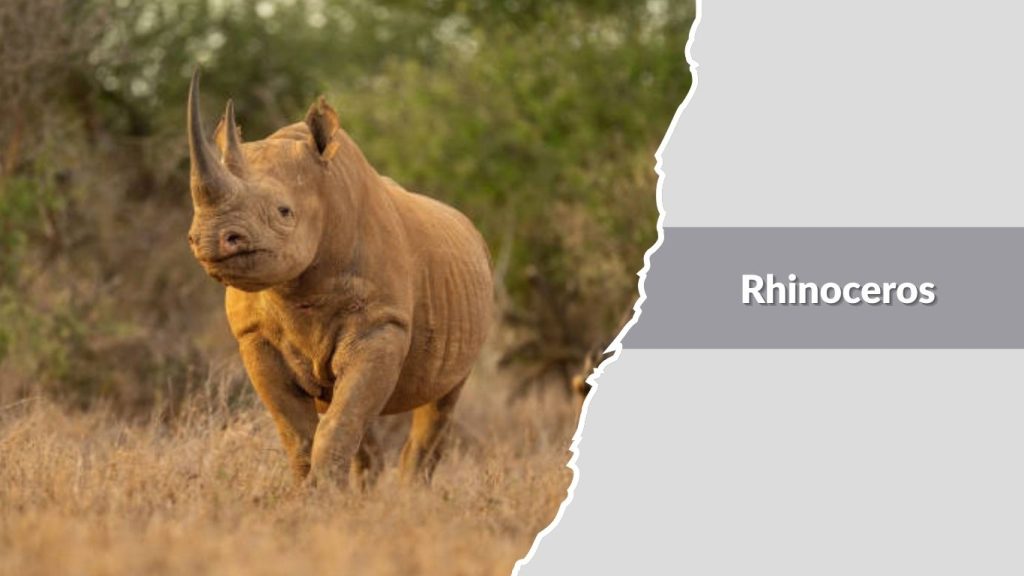
The rhinoceros is one of the largest and most powerful grassland animals, recognized by its thick skin and prominent horn. Rhinos are ancient mammals that have existed for millions of years and are important to grassland ecosystems because their grazing and browsing help shape vegetation. Despite their size and strength, many rhino species are endangered due to poaching and habitat loss.
Identification
- Massive, heavy body with thick, tough skin
- One or two horns made of keratin on the nose
- Short legs with a wide stance
- Poor eyesight but strong sense of smell and hearing
- Gray or brown skin often appearing folded or armored
Habitat
Rhinoceroses live in grasslands, savannas, and open plains, often near water sources such as rivers and marshes. These habitats provide ample grasses or shrubs, depending on the species. Some rhinos prefer open grazing lands, while others favor areas with more bushes. Today, most rhinos are found in protected areas of Africa and parts of Asia.
Behaviors
Rhinos are generally solitary animals, except for mothers with calves. They are territorial and may mark their areas using dung piles. Although they may appear slow, rhinos can charge quickly when threatened. They often wallow in mud to cool down and protect their skin from insects.
Diet and Lifespan
Rhinoceroses are herbivores that eat grasses, leaves, shoots, and branches. Their diet depends on whether they are grazers or browsers. In the wild, rhinos usually live 35–50 years.
10. Cheetah
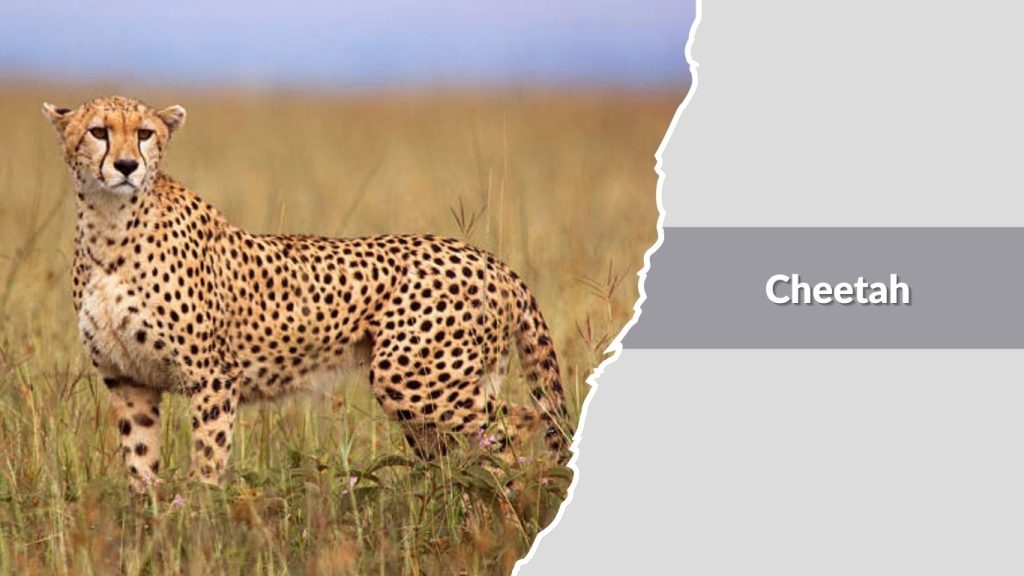
The cheetah is the fastest land animal and a remarkable predator of grassland ecosystems. Built for speed rather than strength, cheetahs can reach incredible speeds in short bursts to catch agile prey. They are easily recognized by their slim bodies and distinctive black tear marks on their faces. Cheetahs play an important role in controlling populations of smaller herbivores in grasslands.
Identification
- Slim, lightweight body with long legs
- Yellowish coat covered in small black spots
- Black “tear marks” running from eyes to mouth
- Small head with powerful jaws
- Long tail used for balance while running
Habitat
Cheetahs primarily live in open grasslands and savannas where wide, open spaces allow them to use their speed effectively. These environments provide clear visibility for spotting prey from a distance. Cheetahs are mainly found in eastern and southern Africa, with a small population in Iran.
Behaviors
Cheetahs are mostly solitary, though males may form small groups called coalitions. They hunt during the day, relying on speed and eyesight rather than stealth in darkness. After a sprint, cheetahs need time to rest because their bodies overheat quickly. They avoid conflict with larger predators whenever possible.
Diet and Lifespan
Cheetahs are carnivores that hunt small to medium-sized animals such as gazelles and young antelopes. In the wild, cheetahs typically live about 10–12 years, while those in captivity may live longer.
11. Hyena
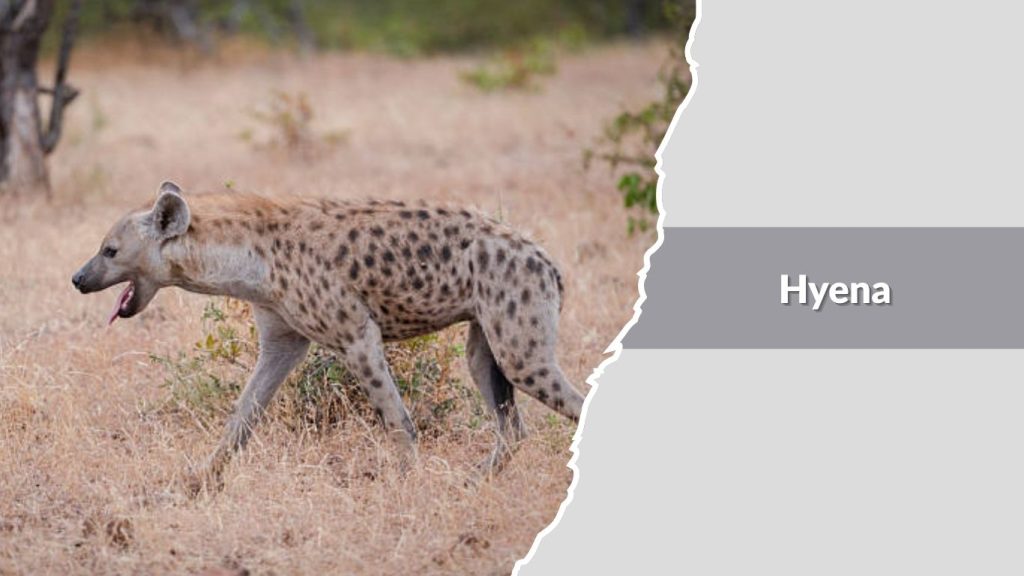
The hyena is a highly intelligent and adaptable grassland animal, often misunderstood due to myths and misconceptions. Found mainly in African savannas, hyenas are skilled hunters as well as scavengers. They play a crucial role in grassland ecosystems by cleaning up carcasses and preventing the spread of disease. Spotted hyenas, the most common species, live in complex social groups.
Identification
- Sloping back with longer front legs than hind legs
- Coarse, sandy or grayish fur with dark spots or stripes
- Strong jaws capable of crushing bones
- Rounded ears and broad head
- Short tail with a bushy tip
Habitat
Hyenas live in grasslands, savannas, and open plains where prey is abundant. These habitats allow them to hunt cooperatively and travel long distances in search of food. Hyenas are widely distributed across sub-Saharan Africa and can adapt to a variety of open environments.
Behaviors
Hyenas are social animals that live in groups called clans, which can include dozens of individuals. Clans have a complex social hierarchy led by dominant females. Hyenas communicate using vocal sounds, body language, and scent marking. They are mostly active at night and can hunt alone or in groups.
Diet and Lifespan
Hyenas are carnivores that eat antelopes, zebras, small animals, and carrion. Their powerful jaws allow them to consume bones and other tough parts. In the wild, hyenas generally live 20–25 years.
12. Ostrich
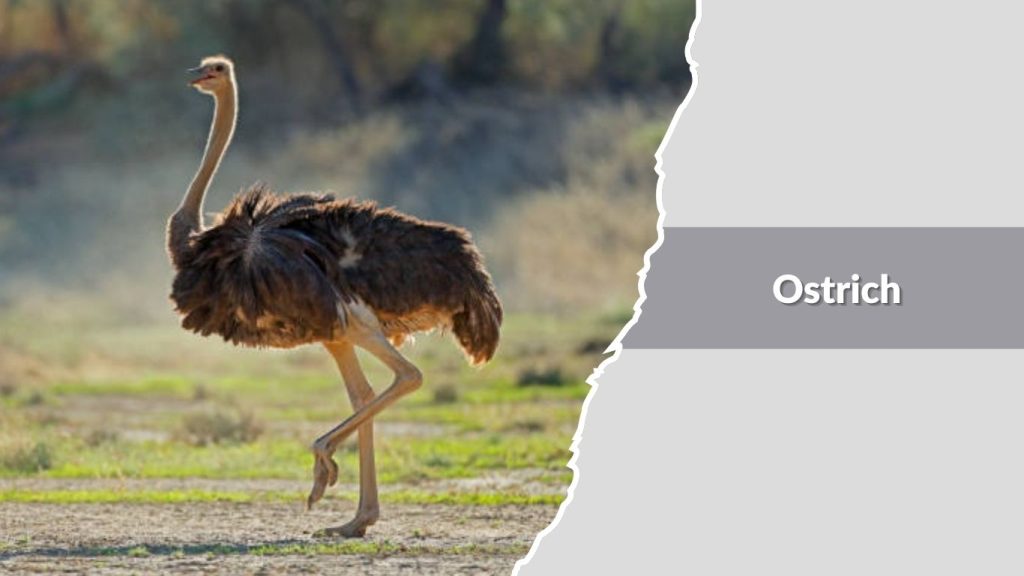
The ostrich is the largest and heaviest bird in the world and a unique resident of grassland ecosystems. Unable to fly, ostriches rely on their powerful legs and speed to survive in open plains. They are well adapted to life in grasslands and savannas, where their height and sharp eyesight help them detect predators from far away.
Identification
- Very large body with long neck and legs
- Black-and-white feathers in males; brownish-gray in females
- Small head with large eyes
- Strong, long legs with two-toed feet
- Long wings used for balance while running
Habitat
Ostriches inhabit open grasslands, savannas, and semi-desert plains. These environments provide wide visibility and space for running at high speeds. Ostriches are mainly found in Africa, where they roam open landscapes and avoid dense vegetation.
Behaviors
Ostriches are social birds that often live in small groups or mixed herds with grazing animals. They can run at speeds up to 70 km/h, making them very difficult for predators to catch. When threatened, ostriches may run away or use powerful kicks for defense. They are active during the day.
Diet and Lifespan
Ostriches are omnivores that eat grasses, seeds, leaves, insects, and small animals. They can survive without water for long periods by getting moisture from food. In the wild, ostriches usually live 30–40 years.
13. Meerkat

The meerkat is a small but highly social mammal commonly found in grassland and semi-arid environments. Known for their upright posture and cooperative lifestyle, meerkats are famous for standing on their hind legs to watch for danger. They play an important role in grassland ecosystems by controlling insect populations and serving as prey for larger animals.
Identification
- Small, slender body with short fur
- Sandy or light-brown coat with darker markings
- Dark patches around the eyes
- Long, thin tail used for balance
- Sharp claws adapted for digging
Habitat
Meerkats live in grasslands, savannas, and dry plains, often in areas with sandy soil. These habitats allow them to dig complex burrow systems that provide shelter from predators and extreme temperatures. Meerkats are mainly found in southern Africa, especially in open and dry grassland regions.
Behaviors
Meerkats are highly social animals that live in groups called mobs or clans. They cooperate in activities such as foraging, babysitting, and guarding. One or more individuals act as sentinels, watching for predators while others feed. Meerkats communicate using a variety of vocal calls.
Diet and Lifespan
Meerkats are omnivores that eat insects, spiders, small reptiles, eggs, and plant matter. They are resistant to some snake venoms, which allows them to hunt dangerous prey. In the wild, meerkats typically live about 10–14 years.
14. Prairie Dog
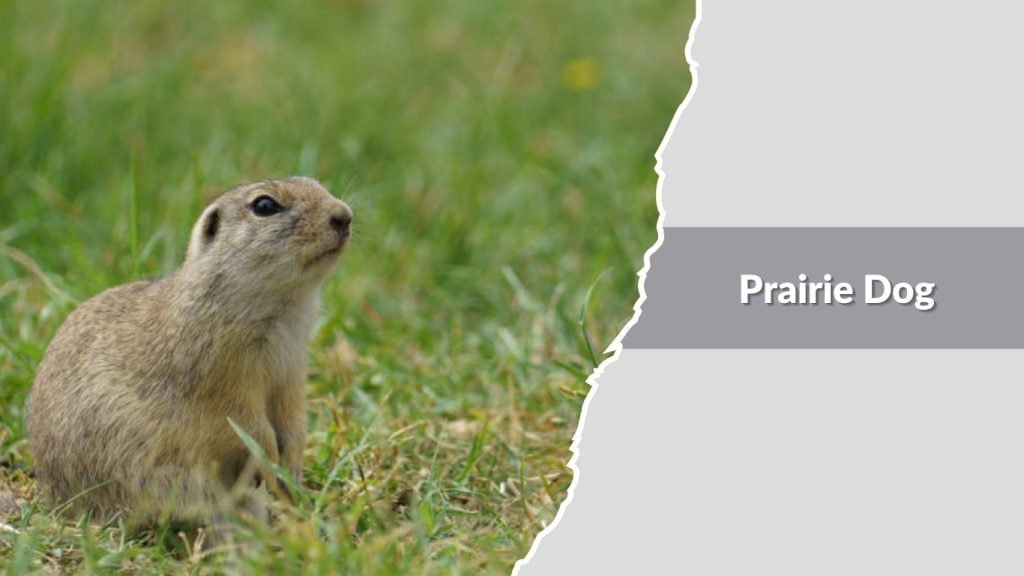
The prairie dog is a small, burrowing rodent native to grassland ecosystems of North America. Despite its name, it is not a dog but belongs to the squirrel family. Prairie dogs are important to grasslands because their digging aerates the soil and creates habitats for other animals. Their colonies, known as “towns,” can cover large areas of land.
Identification
- Small, stocky body with short legs
- Light brown or tan fur
- Short tail with darker tip
- Rounded head with small ears
- Sharp front teeth for gnawing
Habitat
Prairie dogs live in open grasslands and prairies with low vegetation. These environments allow them to spot predators easily and maintain their burrow systems. They prefer flat or gently rolling terrain with firm soil for digging. Prairie dogs are found mainly in the central and western regions of North America.
Behaviors
Prairie dogs are highly social animals that live in large colonies made up of family groups. They communicate using a complex system of vocal calls to warn others of predators. Prairie dogs spend much of their time foraging, grooming, and maintaining their burrows. They are active during the day.
Diet and Lifespan
Prairie dogs are herbivores that feed on grasses, roots, seeds, and leaves. In the wild, they usually live about 3–5 years, though some may live longer in protected conditions.
15. Bison
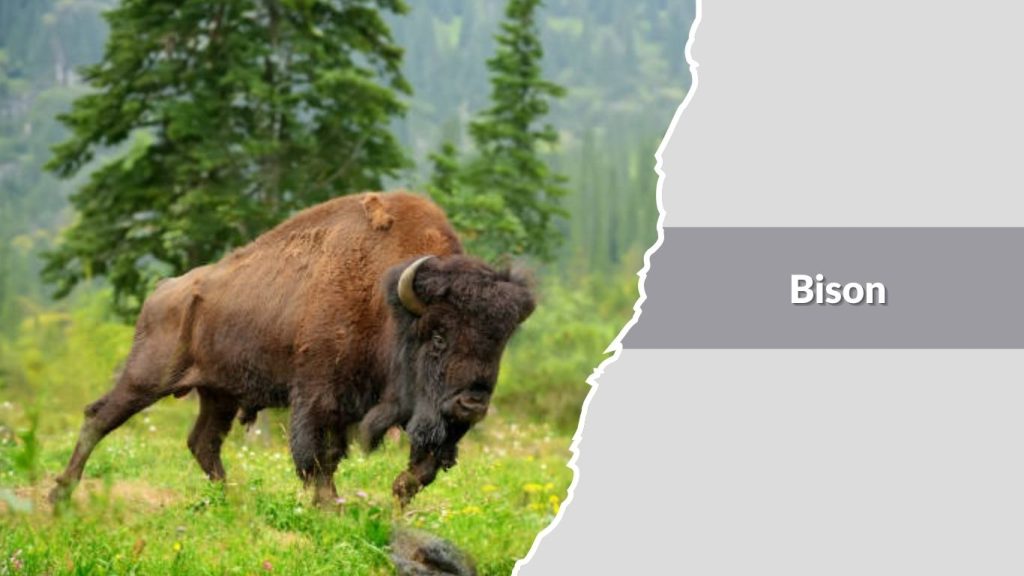
The bison is the largest land mammal in North America and a powerful symbol of grassland ecosystems. Once roaming the plains in massive herds, bison played a key role in shaping prairie landscapes through grazing and movement. Their activities helped maintain healthy grass growth and soil quality. Today, bison are protected in many areas and remain an important species in grassland conservation.
Identification
- Large, heavy body with a massive shoulder hump
- Thick, shaggy brown fur, especially on head and shoulders
- Short, curved horns in both males and females
- Broad head with strong neck
- Short legs supporting great weight
Habitat
Bison live in open grasslands, prairies, and plains where grasses are abundant. These wide-open habitats allow them to move freely in herds and graze over large areas. Historically, bison ranged across much of North America, but today they are mainly found in protected grassland reserves and national parks.
Behaviors
Bison are social animals that live in herds, with group size changing by season. They communicate through grunts and body movements. During the breeding season, males may compete aggressively. Bison can be unpredictable and surprisingly fast despite their size.
Diet and Lifespan
Bison are herbivores that primarily eat grasses and sedges. They graze for many hours each day. In the wild, bison typically live 15–20 years.
16. Kangaroo
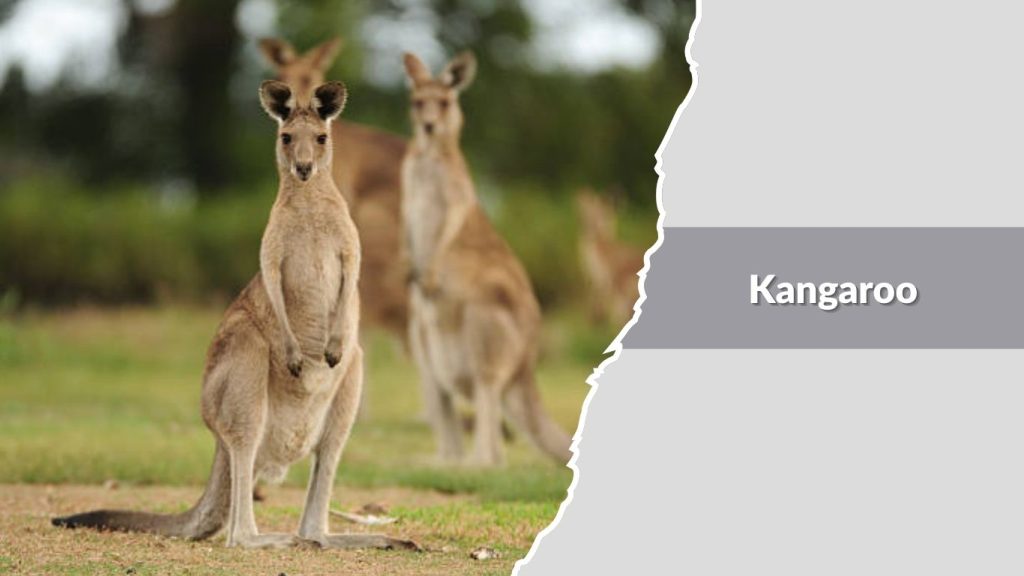
The kangaroo is a well-known grassland animal native to Australia, famous for its powerful hind legs and hopping movement. Kangaroos are well adapted to open grasslands and plains, where they can travel long distances efficiently in search of food and water. They play an important role in grassland ecosystems by grazing on vegetation and helping maintain plant balance.
Identification
- Large body with strong hind legs
- Long, muscular tail used for balance
- Short front limbs with clawed paws
- Soft fur, usually gray or brown
- Upright posture when resting or alert
Habitat
Kangaroos live in grasslands, open plains, and savannas across Australia. These habitats provide wide spaces for movement and abundant grasses for feeding. Kangaroos prefer areas with access to water but can survive in dry conditions. They often gather in open grasslands during cooler times of the day.
Behaviors
Kangaroos are social animals that live in groups called mobs. They are mostly active during early morning and evening to avoid heat. Kangaroos move by hopping, which conserves energy over long distances. Males may box with each other during mating competitions.
Diet and Lifespan
Kangaroos are herbivores that mainly eat grasses and leaves. Their digestive system allows them to survive on tough, dry vegetation. In the wild, kangaroos typically live about 8–12 years.
17. Jackal
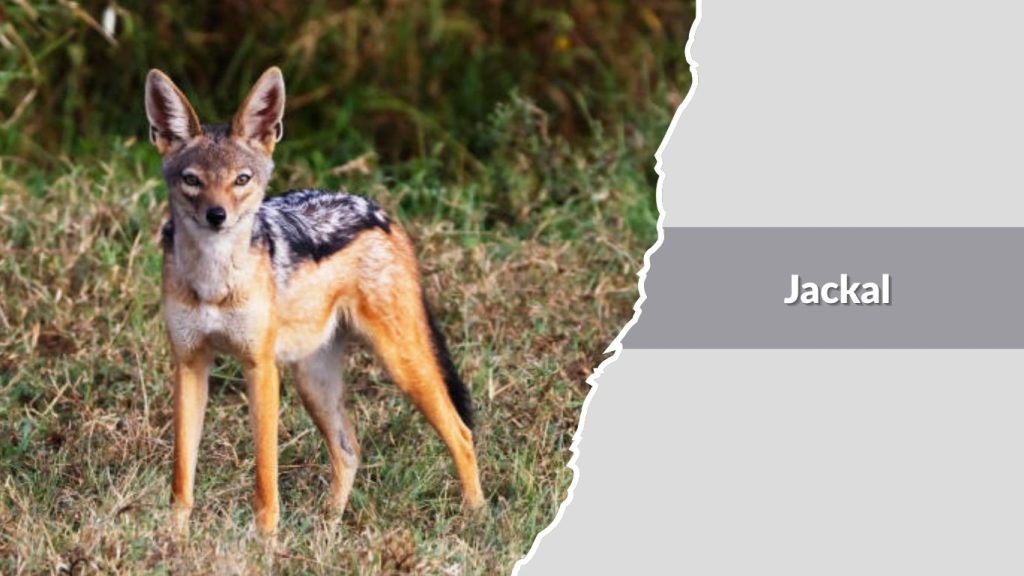
The jackal is a clever and adaptable grassland predator found across Africa and parts of Asia. Known for its sharp senses and opportunistic feeding habits, the jackal can survive in a wide range of open environments. Jackals play an important role in grassland ecosystems by controlling small animal populations and cleaning up carrion left by larger predators.
Identification
- Medium-sized, dog-like body
- Slender legs and pointed snout
- Coarse fur, usually golden, brown, or gray
- Bushy tail with dark tip
- Large, alert ears
Habitat
Jackals inhabit grasslands, savannas, and open plains, often near shrublands or lightly wooded areas. These habitats provide both open hunting grounds and cover for resting. Jackals are highly adaptable and can live close to human settlements as well as in wild grassland regions.
Behaviors
Jackals are usually seen alone or in pairs, though they may form small family groups. They are intelligent and cautious animals, often active during dawn, dusk, or night. Jackals communicate using yips, howls, and body language. They are known for their strong territorial behavior.
Diet and Lifespan
Jackals are omnivores that eat small mammals, birds, insects, fruits, and carrion. Their flexible diet helps them survive in changing environments. In the wild, jackals typically live 8–12 years.
18. Wild Horse
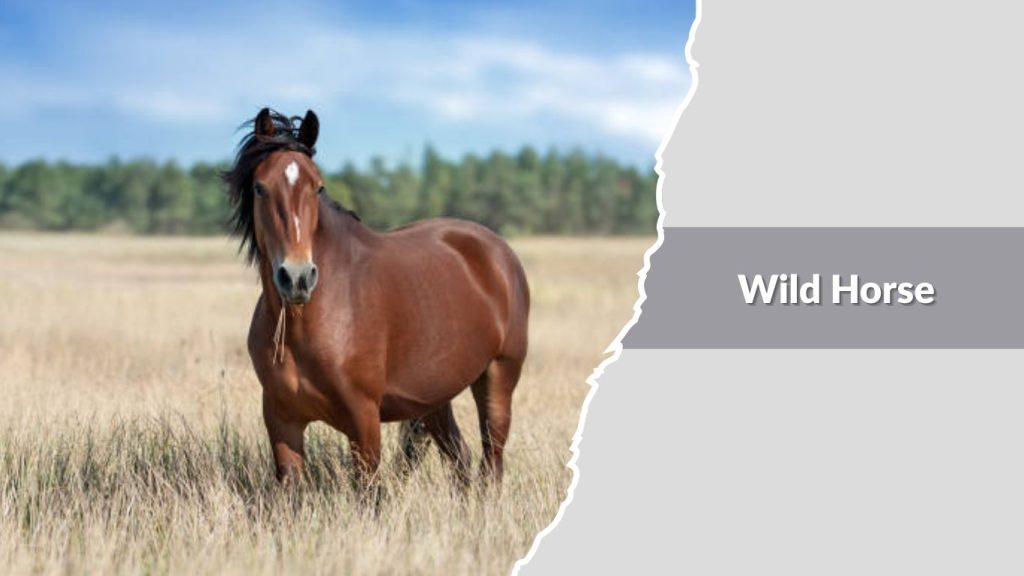
The wild horse is a strong and fast grassland animal that has adapted well to open plains and prairies. Known for their endurance and social behavior, wild horses have played an important role in grassland ecosystems by grazing and spreading seeds. True wild horse populations are rare today, with most free-roaming horses being feral descendants of domesticated animals.
Identification
- Medium to large muscular body
- Long legs built for running
- Mane and long flowing tail
- Coat color varies widely
- Strong hooves adapted for hard ground
Habitat
Wild horses live in open grasslands, plains, and steppe regions where grasses are plentiful. These environments provide space for movement and grazing. They are found in parts of Central Asia, North America, and other regions where feral populations exist. Access to water is important, so herds usually stay within traveling distance of water sources.
Behaviors
Wild horses are highly social and live in herds led by a dominant stallion and a lead mare. They communicate through body language, vocal sounds, and physical contact. Horses spend much of their day grazing and resting. They rely on speed and group awareness to escape predators.
Diet and Lifespan
Wild horses are herbivores that feed mainly on grasses, along with herbs and shrubs. They are efficient grazers and can survive on tough vegetation. In the wild, horses typically live 20–25 years.
19. Grasshopper
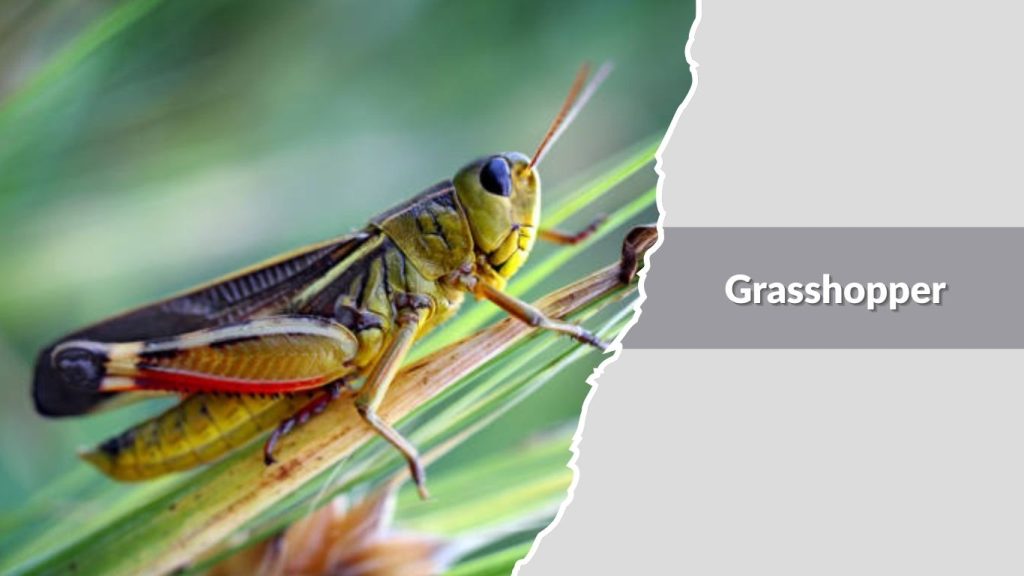
The grasshopper is a common and important grassland insect found in open fields and prairies around the world. Though small, grasshoppers play a significant role in grassland food chains, serving as prey for birds, reptiles, and mammals. They also influence plant growth through feeding and can sometimes become agricultural pests when populations increase rapidly.
Identification
- Small to medium-sized insect body
- Strong hind legs adapted for jumping
- Usually green, brown, or tan in color
- Long antennae
- Two pairs of wings, with front wings leathery
Habitat
Grasshoppers live in grasslands, meadows, and open plains with abundant grasses and plants. These habitats provide both food and shelter. They are widely distributed across the world and can adapt to many climates, as long as vegetation is present.
Behaviors
Grasshoppers are active during the day and are often seen jumping or flying short distances. They produce sounds by rubbing their wings or legs together, mainly to attract mates. Grasshoppers are solitary but may form large groups during population outbreaks.
Diet and Lifespan
Grasshoppers are herbivores that feed on grasses, leaves, and crops. Their lifespan is usually about one year, including egg, nymph, and adult stages.
20. Vulture
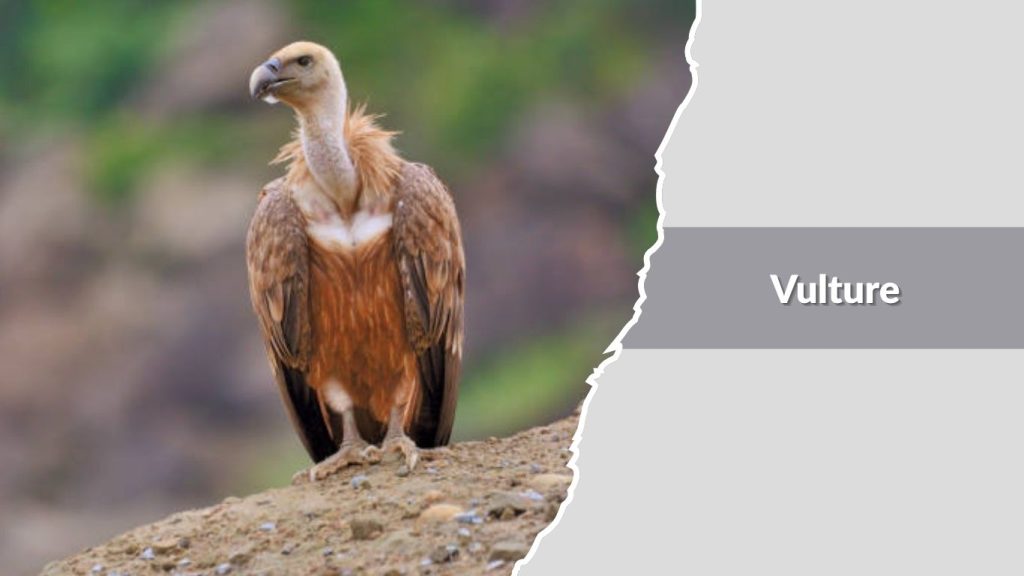
The vulture is a large scavenging bird that plays a crucial role in grassland ecosystems. By feeding on dead animals, vultures help prevent the spread of disease and keep the environment clean. Often seen soaring high above open plains, vultures are specially adapted to locate carcasses from great distances. Their presence is essential for maintaining ecological balance in grasslands.
Identification
- Large body with broad wings
- Mostly dark-colored feathers
- Bald or sparsely feathered head and neck
- Sharp, hooked beak
- Strong talons for gripping
Habitat
Vultures inhabit open grasslands, savannas, and plains where they can easily spot carcasses. These open environments allow them to soar using warm air currents. Vultures are found on every continent except Antarctica, often near areas with large populations of grazing animals.
Behaviors
Vultures are social birds that often gather in groups when feeding. They spend much of the day soaring and searching for food. Vultures have excellent eyesight and may follow other scavengers to locate carcasses. They rarely hunt live prey.
Diet and Lifespan
Vultures are carnivores that feed almost entirely on carrion. Their strong stomach acids allow them to safely digest decaying meat. In the wild, vultures can live 20–30 years, depending on the species.
FAQs
What are grassland animals?
Grassland animals are species that live mainly in open areas dominated by grasses, such as savannas, prairies, and plains. These animals are adapted to wide spaces, seasonal rainfall, and limited tree cover.
Why are grasslands important for animals?
Grasslands provide food, shelter, and space for grazing and hunting. They support large herbivores like zebras and bison, as well as predators such as lions and cheetahs, creating balanced ecosystems.
What types of animals live in grasslands?
Grasslands are home to mammals, birds, reptiles, and insects. Common examples include elephants, antelopes, ostriches, hyenas, grasshoppers, and vultures.
How do grassland animals survive predators?
Many grassland animals rely on speed, group living, camouflage, or sharp senses to avoid predators. Herd behavior and open visibility help them detect danger early.
Are grassland animals endangered?
Some grassland animals, such as rhinoceroses, cheetahs, and certain vultures, are endangered due to habitat loss, poaching, and human activities. Conservation efforts are important to protect them.
Where are grasslands found in the world?
Grasslands are found on every continent except Antarctica. Major grassland regions include African savannas, North American prairies, South American pampas, and Asian steppes.