
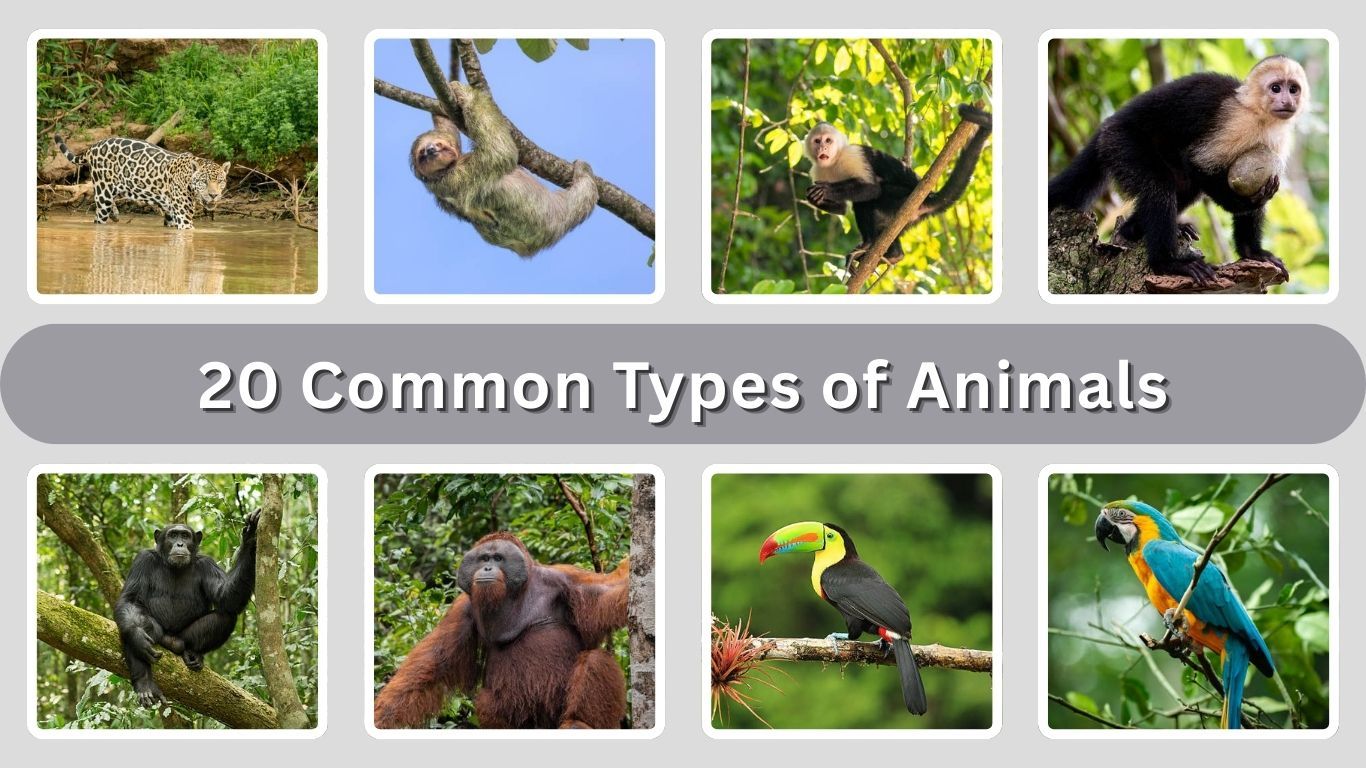
Rainforests are rich, vibrant ecosystems filled with dense vegetation and an incredible variety of animal life. Warm temperatures, heavy rainfall, and abundant food make rainforests one of the most biologically diverse habitats on Earth. From powerful predators like jaguars and leopards to colorful birds, insects, and amphibians, rainforest animals are specially adapted to life in trees, on the forest floor, and near water. Each species plays an important role in maintaining the balance of the rainforest ecosystem.
1. Jaguar
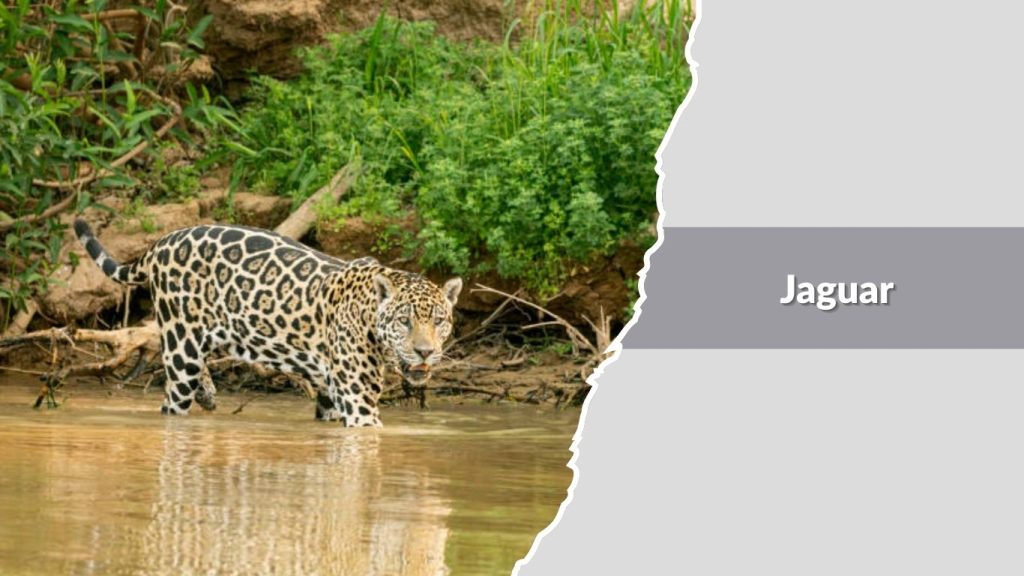
The jaguar is the largest big cat in the Americas and one of the most powerful predators in the rainforest. Known for its strength and stealth, the jaguar plays a key role in maintaining balance within rainforest ecosystems. It is an excellent hunter, capable of taking down large prey, and is well adapted to life in dense forests and near water.
Identification
- Large, muscular body
- Golden-yellow coat with black rosette patterns
- Stocky build with broad head
- Strong jaws with an extremely powerful bite
- Short, thick tail
Habitat
Jaguars live mainly in tropical rainforests, especially in the Amazon Basin. They prefer dense vegetation near rivers, swamps, and wetlands. Rainforests provide the cover and prey diversity that jaguars need to survive, making these ecosystems ideal for them.
Behaviors
Jaguars are solitary and territorial animals. They are mostly active at night and rely on stealth rather than speed when hunting. Unlike many other cats, jaguars are strong swimmers and often hunt near or in water. They mark territory using scent and scratch marks.
Diet and Lifespan
Jaguars are carnivores that feed on deer, capybaras, monkeys, reptiles, and even caimans. They are known for killing prey with a powerful bite to the skull. In the wild, jaguars typically live about 12–15 years.
2. Sloth

The sloth is a slow-moving mammal perfectly adapted to life in the rainforest canopy. Known for its relaxed lifestyle, the sloth spends most of its time hanging upside down from tree branches. Its slow movements help it conserve energy and avoid detection by predators. Sloths are an important part of the rainforest ecosystem, contributing to nutrient cycles and supporting other small organisms in their fur.
Identification
- Medium-sized body with long limbs
- Curved claws adapted for hanging from branches
- Thick, coarse fur that often appears greenish
- Small head with a short snout
- Weak neck muscles but strong grip
Habitat
Sloths live in tropical rainforests of Central and South America. They spend nearly their entire lives in the forest canopy, rarely coming down to the ground. Dense trees provide food, shelter, and protection from predators, making rainforests ideal habitats for sloths.
Behaviors
Sloths are mostly solitary animals and are active mainly at night. They move very slowly, which helps them avoid predators such as eagles and jaguars. Sloths sleep for many hours each day and descend from trees only occasionally, usually to defecate.
Diet and Lifespan
Sloths are herbivores that mainly eat leaves, buds, and twigs. Their slow metabolism allows them to survive on a low-energy diet. In the wild, sloths can live 20–30 years.
3. Monkey
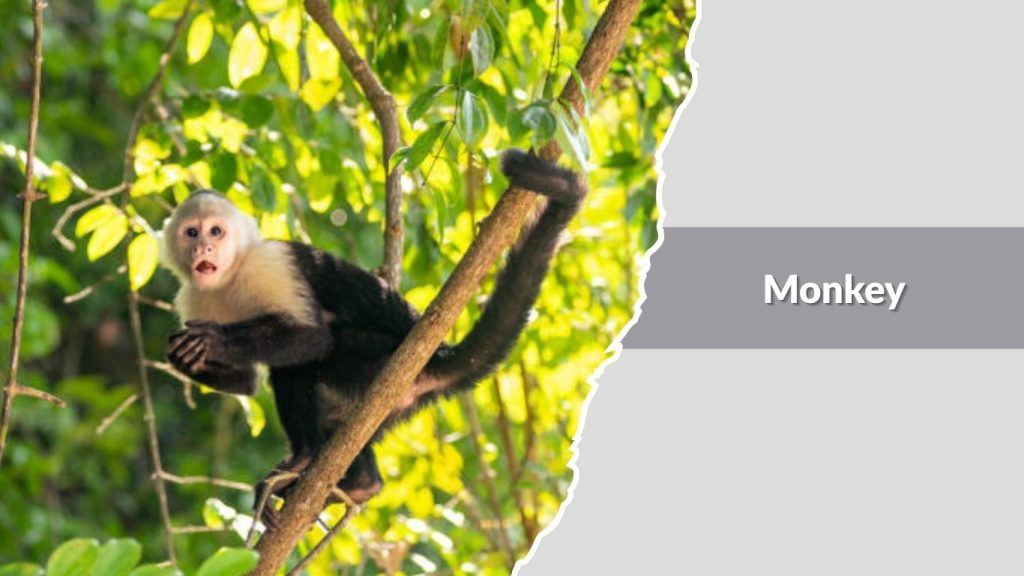
Monkeys are intelligent and agile mammals commonly found in rainforest ecosystems. They are known for their social behavior, curiosity, and ability to move easily through trees. Rainforests provide monkeys with abundant food, shelter, and vertical space, making these environments ideal for their active lifestyles. Monkeys play an important role in seed dispersal, helping forests regenerate.
Identification
- Medium-sized body with flexible limbs
- Long arms and legs adapted for climbing
- Grasping hands and feet with opposable thumbs (in many species)
- Tail present in most species, sometimes prehensile
- Forward-facing eyes for good depth perception
Habitat
Monkeys live mainly in tropical rainforests across South America, Africa, and Asia. They spend most of their time in the forest canopy, where trees offer protection and food. Different species may occupy different forest levels, from the ground to the highest branches.
Behaviors
Monkeys are highly social animals that live in groups called troops. They communicate using vocal sounds, facial expressions, and body language. Monkeys are active during the day and are constantly moving in search of food. Play behavior is common, especially among young monkeys.
Diet and Lifespan
Monkeys are omnivores that eat fruits, leaves, insects, seeds, and small animals. Their flexible diet helps them survive in diverse rainforest conditions. Depending on the species, monkeys usually live 15–30 years in the wild.
4. Gorilla
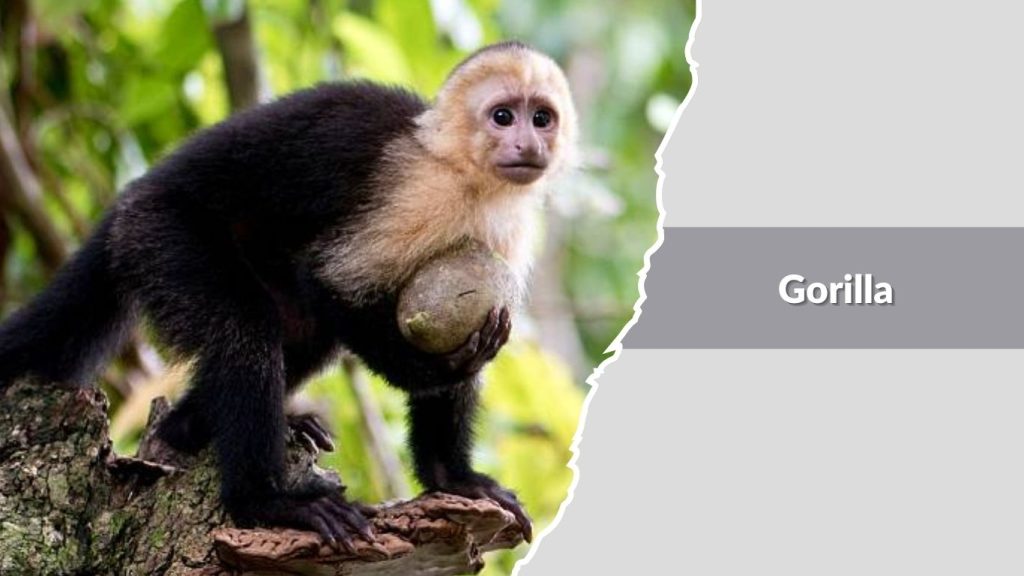
The gorilla is the largest living primate and one of the most impressive animals of the rainforest. Despite their great size and strength, gorillas are generally gentle and social creatures. They play a vital role in rainforest ecosystems by dispersing seeds and shaping vegetation through their feeding habits.
Identification
- Very large, muscular body
- Dark black or brownish fur
- Broad chest and shoulders
- Large head with strong jaw muscles
- Long arms and shorter legs
Habitat
Gorillas live in dense tropical rainforests and mountainous forest regions of central Africa. These forests provide abundant plant food and thick cover for protection. Gorillas usually remain on the ground but also use trees for feeding.
Behaviors
Gorillas live in family groups led by a dominant male called a silverback. They are mostly calm and spend much of their day feeding and resting. Gorillas communicate through vocal sounds, gestures, and facial expressions. Aggression is rare and usually limited to displays.
Diet and Lifespan
Gorillas are primarily herbivores, feeding on leaves, stems, fruits, and shoots. In the wild, gorillas typically live about 35–40 years.
5. Chimpanzee
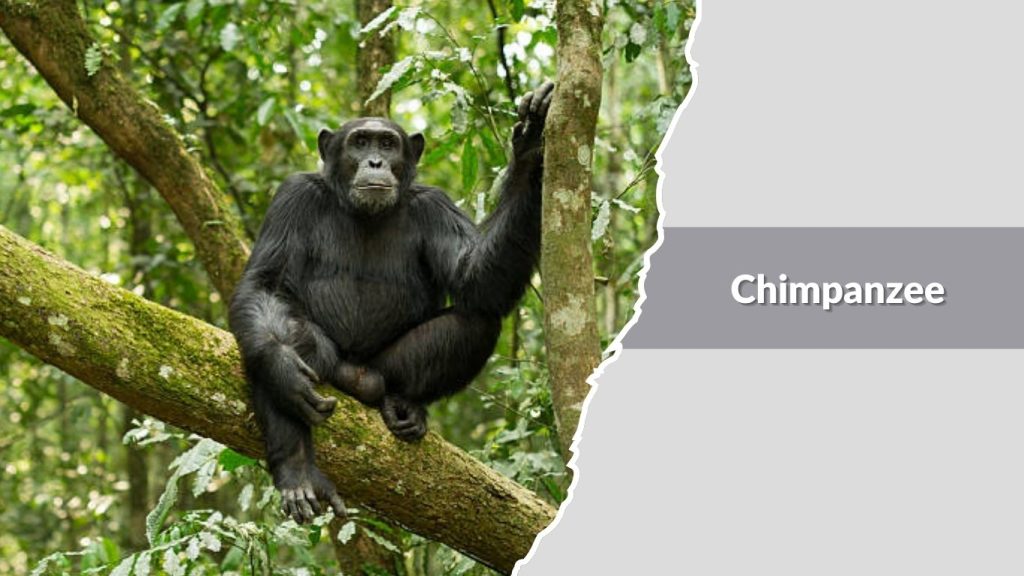
The chimpanzee is one of the most intelligent rainforest animals and shares a close genetic relationship with humans. Known for their problem-solving skills and complex social behavior, chimpanzees play an important role in rainforest ecosystems. They help with seed dispersal and influence the balance of animal populations through hunting.
Identification
- Medium to large body with long arms
- Dark brown or black hair
- Bare face with expressive features
- Strong hands and feet for climbing and grasping
- No tail
Habitat
Chimpanzees live in tropical rainforests, woodlands, and forest edges across central and western Africa. Dense forests provide them with fruits, shelter, and nesting sites in trees.
Behaviors
Chimpanzees live in social groups called communities that can include dozens of individuals. They are highly intelligent and use tools, such as sticks to extract insects. Chimpanzees communicate through sounds, facial expressions, and gestures and are active during the day.
Diet and Lifespan
Chimpanzees are omnivores that eat fruits, leaves, insects, eggs, and occasionally small mammals. In the wild, chimpanzees usually live 35–45 years.
6. Orangutan
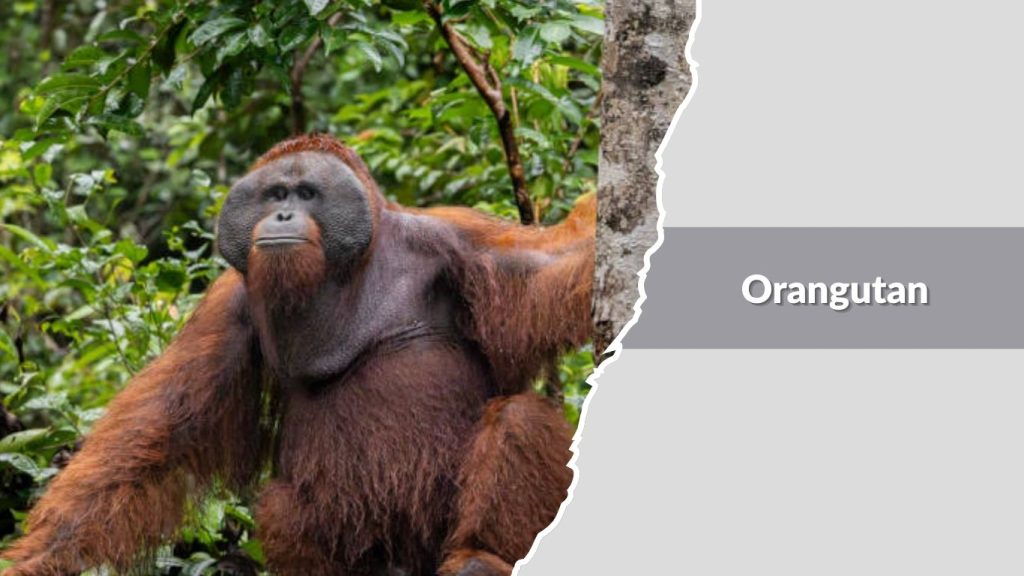
The orangutan is a large, tree-dwelling primate known for its intelligence and reddish-brown hair. Found only in the rainforests of Southeast Asia, orangutans spend most of their lives in the forest canopy. They are important to rainforest ecosystems because they help spread seeds over large areas.
Identification
- Large body with long, powerful arms
- Shaggy reddish-brown fur
- Broad face; adult males may have cheek pads
- Long, curved fingers adapted for climbing
- No tail
Habitat
Orangutans live in tropical rainforests of Borneo and Sumatra. These forests provide tall trees for nesting and a wide variety of fruits. Orangutans rarely come down to the ground, relying on the canopy for food and safety.
Behaviors
Orangutans are mostly solitary, unlike other great apes. They are highly intelligent and use tools to gather food. Orangutans build new sleeping nests in trees each night and move slowly and carefully through the canopy.
Diet and Lifespan
Orangutans are mainly herbivores, eating fruits, leaves, bark, and seeds, along with insects. In the wild, they typically live 35–45 years.
7. Toucan
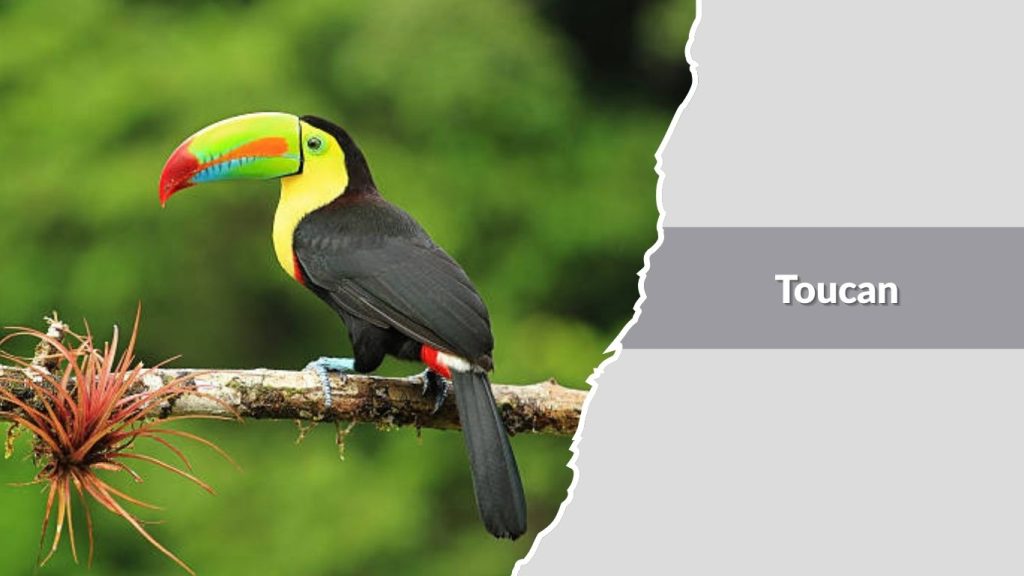
The toucan is a colorful and eye-catching bird commonly found in tropical rainforests. Famous for its large, bright bill, the toucan is an important seed disperser that helps maintain forest diversity. Despite its oversized appearance, the bill is lightweight and perfectly adapted for reaching and handling fruit high in the trees.
Identification
- Medium-sized bird with a very large, colorful bill
- Black body with bright yellow, white, or red markings
- Short wings and long tail
- Strong feet with two toes facing forward and two backward
- Sharp eyesight
Habitat
Toucans live in tropical rainforests of Central and South America. They prefer dense forests with tall trees that provide fruit and nesting sites. Toucans are usually found in the upper canopy and rarely descend to the forest floor.
Behaviors
Toucans are social birds often seen in small groups. They are active during the day and move by hopping between branches rather than flying long distances. Toucans communicate using loud croaking or clicking sounds and are known for playful behavior.
Diet and Lifespan
Toucans are omnivores that mainly eat fruits but also consume insects, eggs, and small reptiles. Their diet helps spread seeds across the rainforest. In the wild, toucans typically live 15–20 years.
8. Macaw
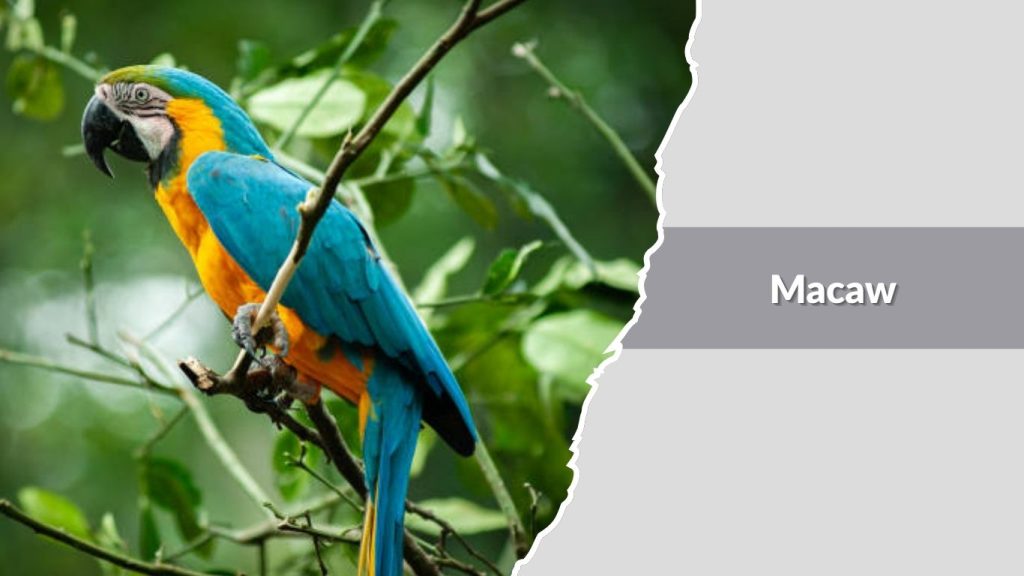
The macaw is a large, brightly colored parrot and one of the most striking birds of the rainforest. Known for their intelligence and loud calls, macaws are highly social and play an important role in rainforest ecosystems by dispersing seeds. Their vibrant feathers make them one of the most recognizable rainforest animals.
Identification
- Large body with long tail feathers
- Brightly colored plumage in red, blue, yellow, or green
- Strong, curved beak
- Bare facial skin with feather lines
- Sharp claws for gripping branches
Habitat
Macaws live in tropical rainforests of Central and South America. They prefer areas near rivers and tall trees, which provide nesting cavities and food sources. Dense forests offer protection and abundant fruit for macaws.
Behaviors
Macaws are social birds that live in pairs or flocks. They are intelligent and capable of learning sounds and behaviors. Macaws communicate with loud calls and use body language. They are active during the day and often travel long distances to find food.
Diet and Lifespan
Macaws are omnivores that eat fruits, nuts, seeds, and occasionally insects. Their strong beaks allow them to crack hard shells. In the wild, macaws usually live 30–50 years.
9. Poison Dart Frog
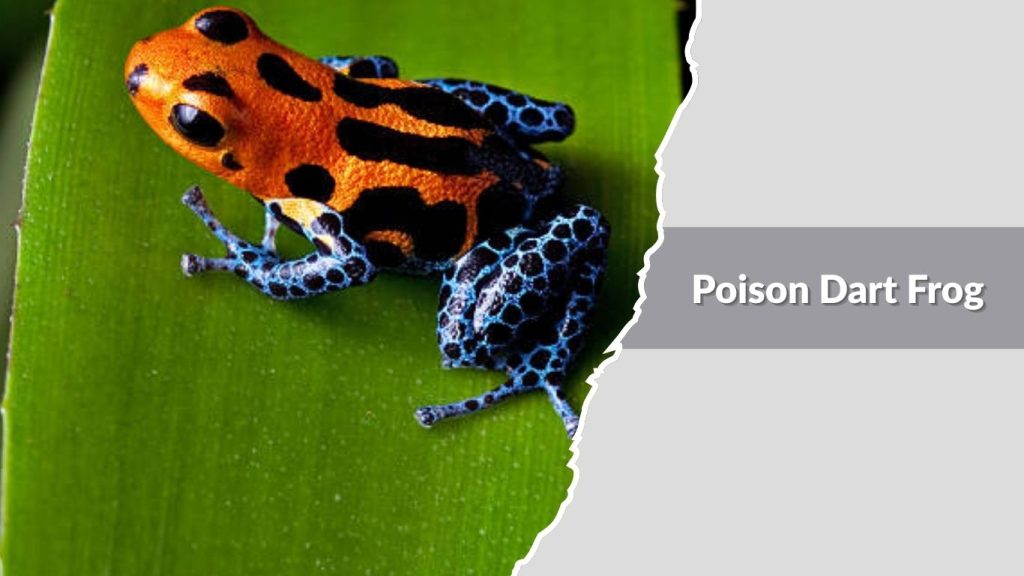
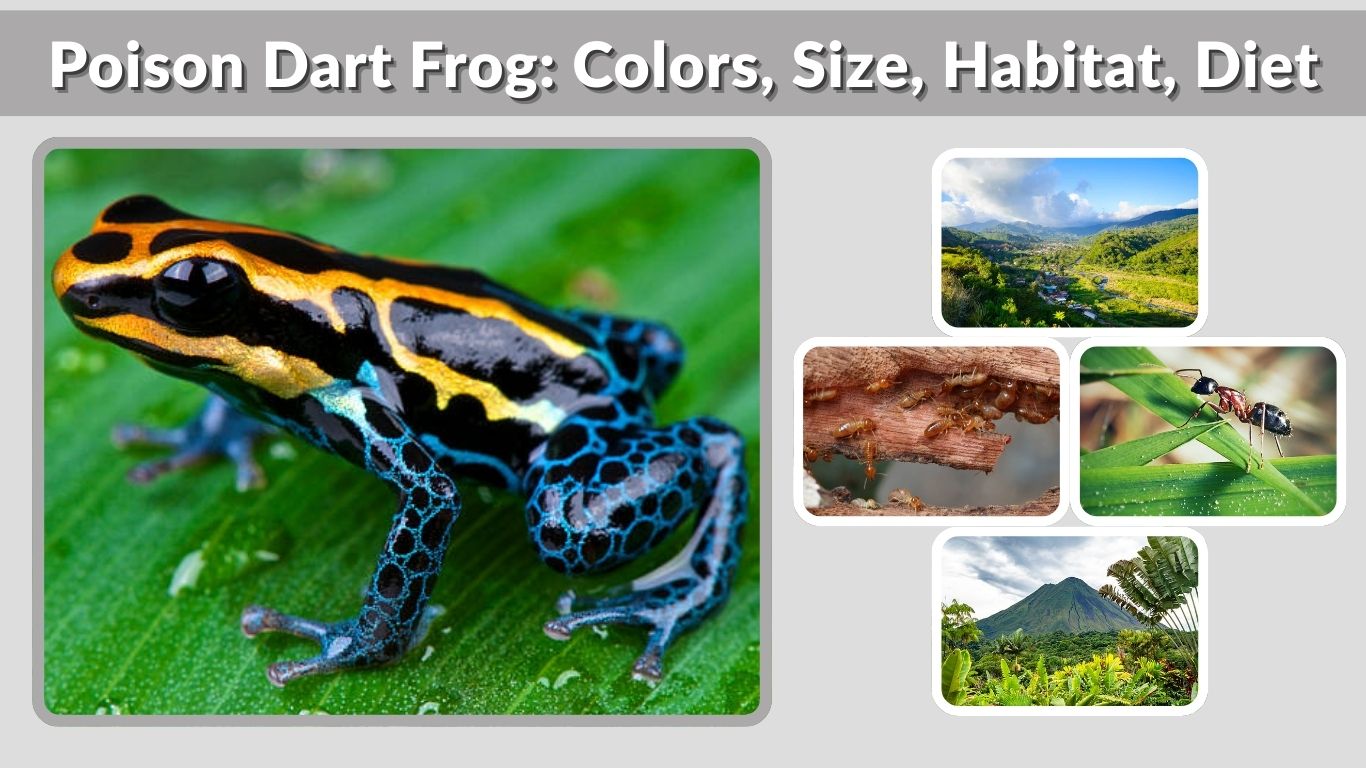
The poison dart frog is a small but brightly colored amphibian found in tropical rainforests. Despite its tiny size, it is one of the most toxic animals in the world. Its vivid colors serve as a warning to predators about its poisonous nature. Poison dart frogs are an important part of rainforest ecosystems, especially in controlling insect populations.
Identification
- Very small body, usually less than 2 inches long
- Bright colors such as blue, yellow, red, or green
- Smooth, shiny skin
- Short legs with sticky toe pads
- Slim body shape
Habitat
Poison dart frogs live on the forest floor of tropical rainforests in Central and South America. They prefer warm, humid environments with plenty of leaf litter, plants, and small pools of water. Rainforests provide the moisture and insects they need to survive.
Behaviors
Poison dart frogs are mostly active during the day. They are territorial and often defend small areas. Some species show parental care, with adults transporting tadpoles to water-filled plants. Their toxins come from their natural diet rather than being produced by their bodies.
Diet and Lifespan
Poison dart frogs are carnivores that feed on ants, termites, mites, and other small insects. In the wild, they typically live 3–10 years, depending on the species.
10. Anaconda
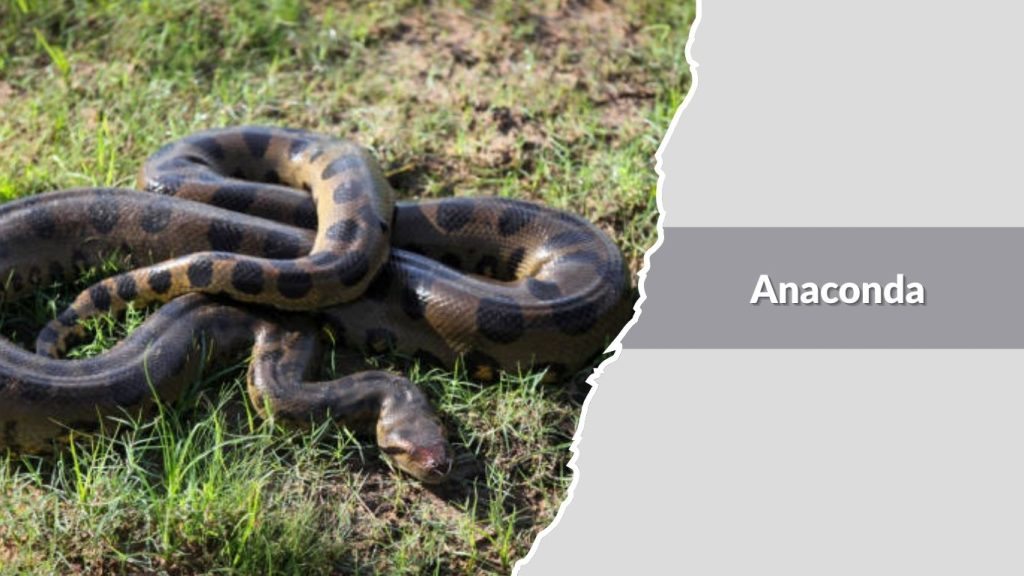
The anaconda is one of the largest and heaviest snakes in the world and a powerful predator of rainforest ecosystems. Famous for its immense size and strength, the anaconda spends much of its life in or near water. It plays an important role in controlling animal populations within the rainforest, especially in wetland and river environments.
Identification
- Extremely long and thick body
- Olive-green skin with dark oval markings
- Large head with eyes and nostrils positioned on top
- Powerful muscles for constricting prey
- Forked tongue used for sensing surroundings
Habitat
Anacondas live in tropical rainforests, swamps, rivers, and floodplains of South America, especially in the Amazon Basin. They prefer slow-moving water and dense vegetation, which provide both camouflage and access to prey. Rainforest wetlands offer ideal conditions for hunting and hiding.
Behaviors
Anacondas are mostly solitary and are more active at night. They are excellent swimmers and often lie in wait for prey near water edges. Anacondas kill by constriction, wrapping their bodies around prey and squeezing until it can no longer breathe. They are generally non-aggressive unless threatened.
Diet and Lifespan
Anacondas are carnivores that eat fish, birds, mammals, and reptiles, including capybaras and caimans. Due to their slow metabolism, they can go long periods without eating. In the wild, anacondas usually live about 10–30 years.
11. Boa Constrictor
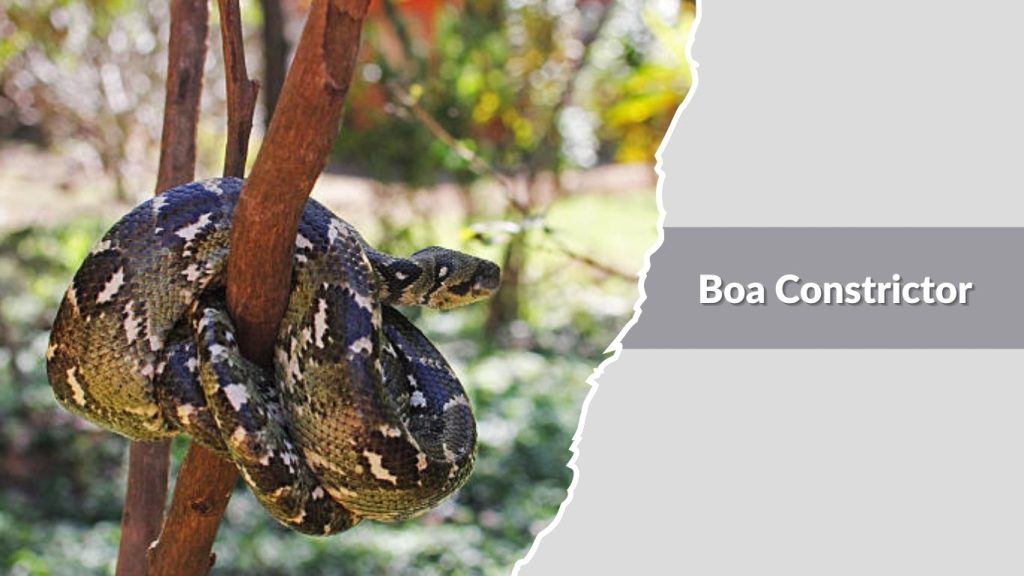
The boa constrictor is a large, non-venomous snake commonly found in rainforest ecosystems. Known for its powerful body and slow, deliberate movements, the boa constrictor is an efficient ambush predator. It plays an important role in controlling populations of small and medium-sized animals within the rainforest.
Identification
- Long, thick, muscular body
- Brown, tan, or gray coloring with dark saddle-shaped patterns
- Large head with small eyes
- Forked tongue for sensing prey
- Flexible jaws for swallowing large prey
Habitat
Boa constrictors live in tropical rainforests, woodlands, and semi-humid environments of Central and South America. They are often found near rivers, trees, and dense vegetation. Rainforests provide plenty of hiding spots and prey, making them ideal habitats for boas.
Behaviors
Boa constrictors are solitary and mostly nocturnal. They rely on ambush hunting, remaining still until prey comes close. Boas kill by constriction, wrapping around prey and squeezing until it suffocates. They are skilled climbers but also hunt on the ground.
Diet and Lifespan
Boa constrictors are carnivores that eat birds, rodents, monkeys, and other small mammals. They have a slow metabolism and can survive long periods without food. In the wild, boa constrictors typically live 20–30 years.
12. Tapir
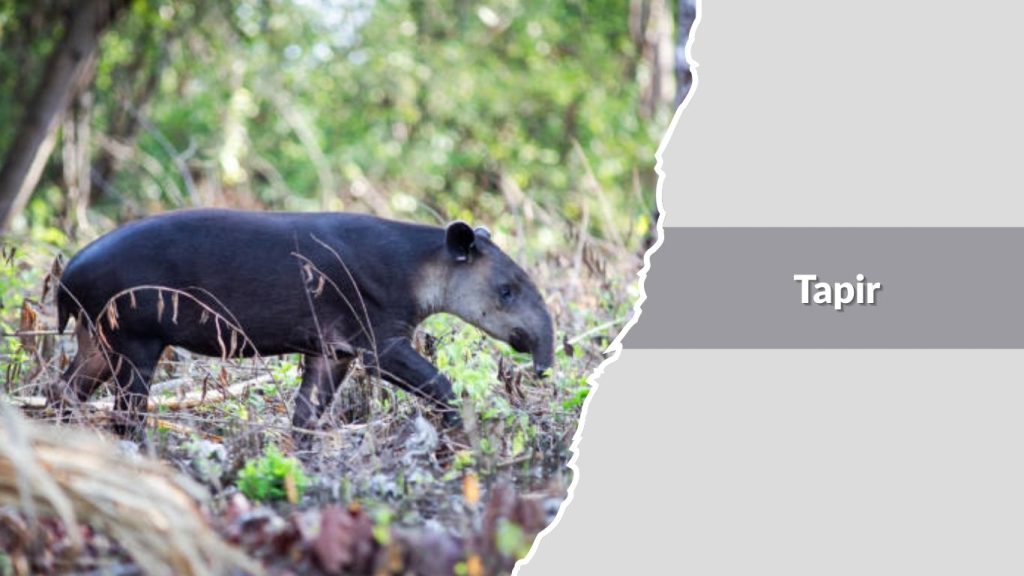
The tapir is a large, shy rainforest mammal known for its unique appearance and important ecological role. Often described as a living fossil, tapirs have existed for millions of years. They help maintain rainforest health by dispersing seeds over wide areas, earning them the nickname “gardeners of the forest.”
Identification
- Large, rounded body with short legs
- Thick skin and short, bristly hair
- Short, flexible trunk-like snout
- Small eyes and rounded ears
- Dark brown or black coat (varies by species)
Habitat
Tapirs live in tropical rainforests and swampy forest areas of Central and South America and Southeast Asia. They prefer dense vegetation near rivers and lakes, which provide both food and protection. Rainforests offer the moisture and plant diversity tapirs need to survive.
Behaviors
Tapirs are mostly solitary and active during night or twilight hours. They are excellent swimmers and often enter water to cool off or escape predators. Tapirs use scent marking to communicate and maintain territory.
Diet and Lifespan
Tapirs are herbivores that eat leaves, fruits, bark, and aquatic plants. Their feeding habits help spread seeds throughout the forest. In the wild, tapirs usually live 25–30 years.
13. Okapi
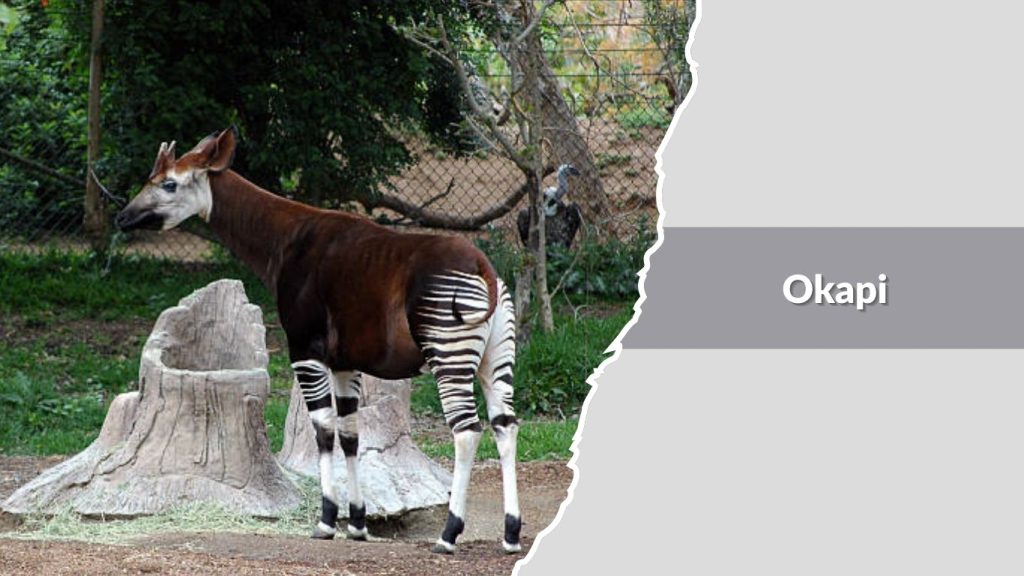
The okapi is a rare and secretive mammal found only in the rainforests of Central Africa. Often called the “forest giraffe,” it is closely related to the giraffe but is much smaller and adapted to dense forest life. The okapi plays an important role in rainforest ecosystems by browsing on plants and helping maintain vegetation balance.
Identification
- Medium-sized body with a giraffe-like shape
- Reddish-brown coat
- Distinctive black-and-white striped legs
- Long neck compared to body size
- Large ears and long, dark tongue
Habitat
Okapis live in dense tropical rainforests, especially in the Ituri Forest of the Democratic Republic of the Congo. These forests provide thick cover, which helps okapis stay hidden from predators. They prefer areas with abundant understory plants and access to water.
Behaviors
Okapis are solitary and shy animals. They are mostly active during the day and rely on their keen hearing to detect danger. Okapis communicate through scent marking and low-frequency sounds that are difficult for humans to hear. They are rarely seen in the wild.
Diet and Lifespan
Okapis are herbivores that feed on leaves, buds, fruits, ferns, and fungi. Their long tongues help them reach vegetation and clean their ears. In the wild, okapis typically live about 20–30 years.
14. Leafcutter Ant
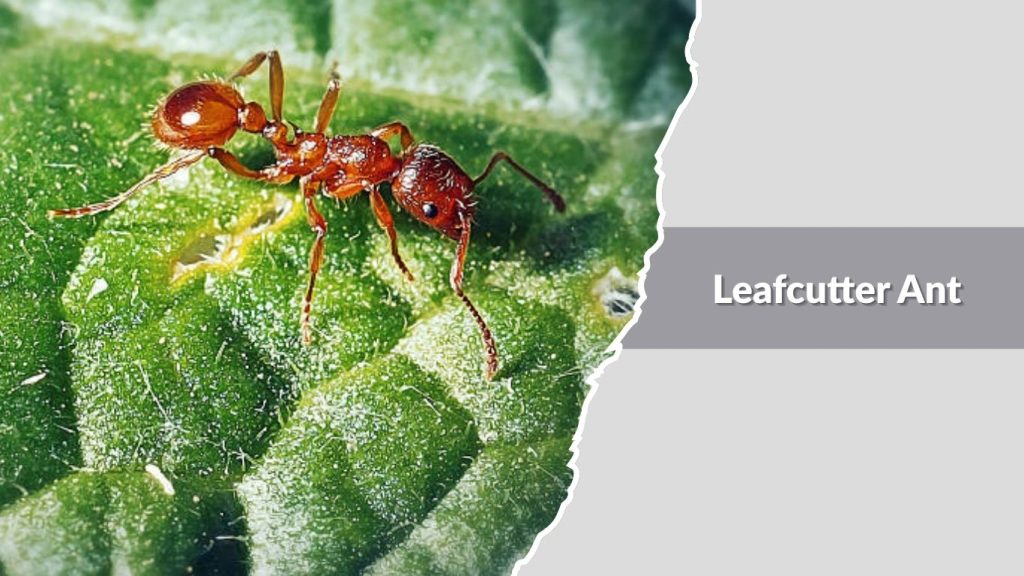
The leafcutter ant is a small but highly influential insect found in tropical rainforests. Famous for carrying large pieces of leaves, these ants do not eat the leaves directly but use them to grow fungus, which is their main food source. Leafcutter ants play a major role in shaping rainforest vegetation and soil structure.
Identification
- Small body, usually red or brown in color
- Strong jaws adapted for cutting leaves
- Segmented body with six legs
- Antennae used for communication
- Workers vary in size within the same colony
Habitat
Leafcutter ants live in tropical rainforests of Central and South America. They build large underground nests that can extend deep into the soil and cover wide areas. Rainforests provide abundant plant material needed to sustain their fungus farms.
Behaviors
Leafcutter ants are highly social and live in large colonies that can contain millions of individuals. They work cooperatively, with different ants assigned specific tasks such as cutting leaves, carrying material, or caring for the fungus. They communicate using chemical signals called pheromones.
Diet and Lifespan
Leafcutter ants feed on fungus grown from the leaves they collect. Individual ants may live from a few months to several years, while queens can live over a decade.
15. Pangolin
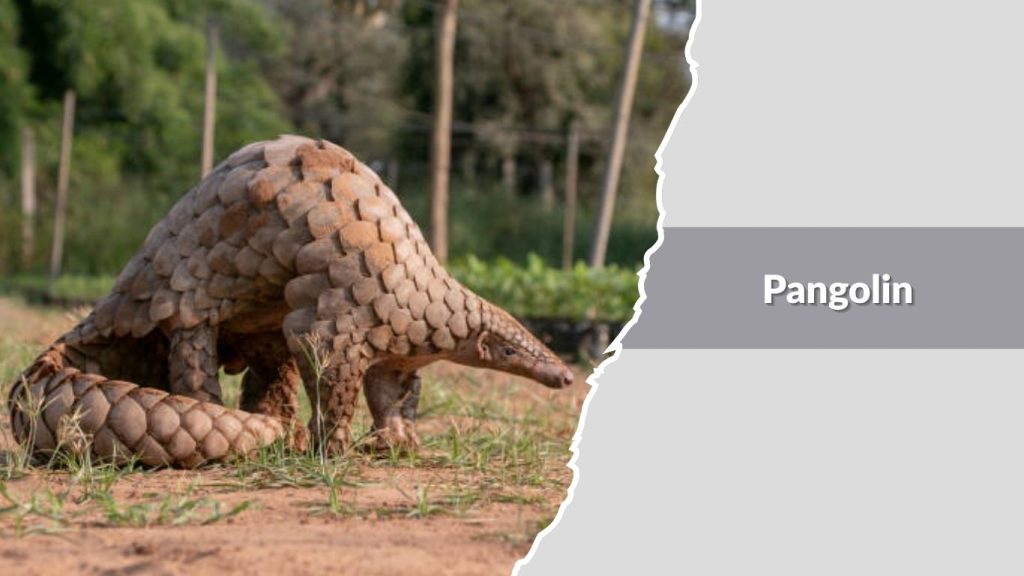
The pangolin is a unique, scale-covered mammal found in tropical rainforests and surrounding habitats. Often called a “scaly anteater,” the pangolin is known for its strong protective armor and shy nature. Pangolins play an important role in rainforest ecosystems by controlling insect populations, especially ants and termites.
Identification
- Medium-sized body covered in hard, overlapping scales
- Long tail used for balance and climbing
- Small head with narrow snout
- Long, sticky tongue for catching insects
- No teeth
Habitat
Pangolins live in tropical rainforests, woodlands, and forest edges across Africa and Asia. They prefer areas with plenty of ants and termites and often shelter in burrows or hollow trees. Dense rainforest vegetation provides protection from predators.
Behaviors
Pangolins are solitary and mostly nocturnal animals. When threatened, they curl into a tight ball, using their scales as armor. They are quiet and secretive, making them difficult to observe in the wild. Pangolins rely heavily on their sense of smell to find food.
Diet and Lifespan
Pangolins are insectivores that feed mainly on ants and termites. Their long tongues allow them to reach deep into nests. In the wild, pangolins typically live about 15–20 years.
16. Crocodile
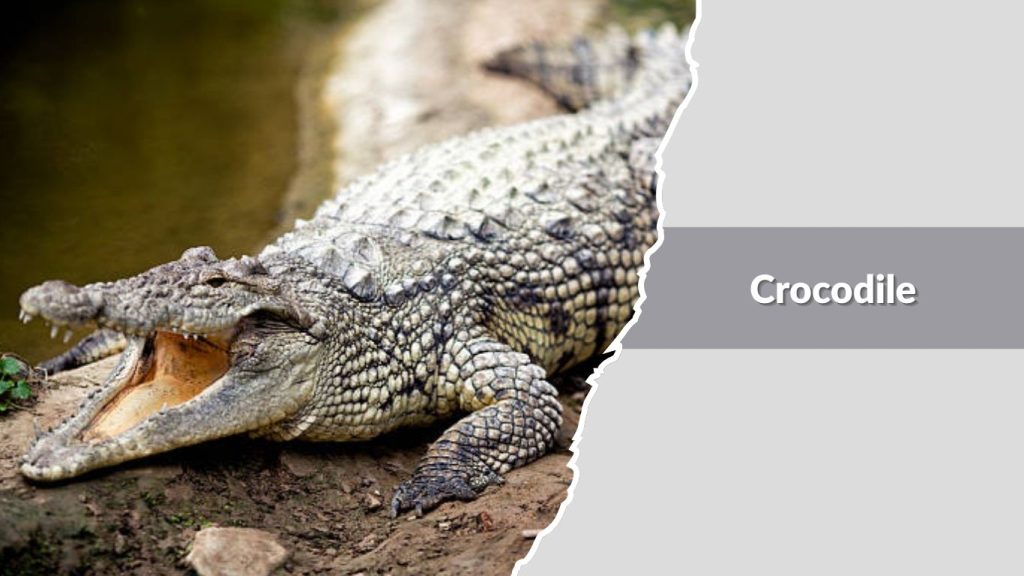
The crocodile is a powerful and ancient reptile commonly found in rainforest rivers and wetlands. Known for its strong jaws and stealthy hunting style, the crocodile is one of the top predators in rainforest ecosystems. It has existed for millions of years and plays a vital role in maintaining balance by controlling animal populations near water bodies.
Identification
- Large, long body covered with tough, scaly skin
- Long snout filled with sharp teeth
- Strong tail used for swimming
- Short legs with webbed feet
- Eyes and nostrils positioned on top of the head
Habitat
Crocodiles live in tropical rainforests near rivers, lakes, swamps, and mangroves. These water-rich environments provide ideal conditions for hunting and basking. Rainforest waterways offer abundant prey and dense cover, helping crocodiles remain hidden.
Behaviors
Crocodiles are mostly solitary and spend much of their time resting near or in water. They are ambush predators, waiting patiently before attacking prey with sudden speed. Crocodiles are cold-blooded and regulate their body temperature by basking in the sun or cooling off in water.
Diet and Lifespan
Crocodiles are carnivores that eat fish, birds, mammals, and sometimes other reptiles. They can survive long periods without food. In the wild, crocodiles often live 60–70 years.
17. Leopard
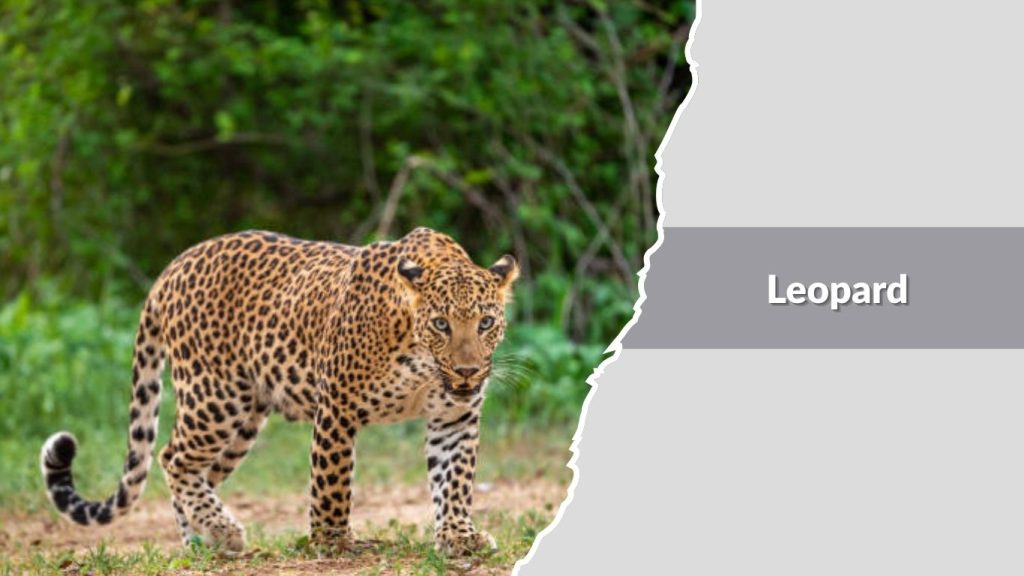
The leopard is a stealthy and adaptable big cat commonly found in rainforest environments. Known for its spotted coat and climbing ability, the leopard is an excellent hunter and one of the most versatile predators. It can survive in a wide range of habitats, but rainforests provide ideal cover and abundant prey.
Identification
- Medium to large muscular body
- Golden-yellow coat with black rosette patterns
- Long tail for balance
- Strong legs and sharp retractable claws
- Rounded ears and powerful jaws
Habitat
Leopards live in tropical rainforests, dense forests, and forest edges across Africa and parts of Asia. Thick vegetation provides camouflage and protection. Rainforests allow leopards to hunt both on the ground and in trees, where they often store prey.
Behaviors
Leopards are solitary and territorial animals. They are mostly nocturnal and rely on stealth and surprise rather than speed. Leopards are excellent climbers and often drag their prey into trees to keep it safe from other predators.
Diet and Lifespan
Leopards are carnivores that eat deer, monkeys, birds, rodents, and reptiles. Their adaptability in diet helps them survive in different environments. In the wild, leopards typically live 12–17 years.
18. Armadillo
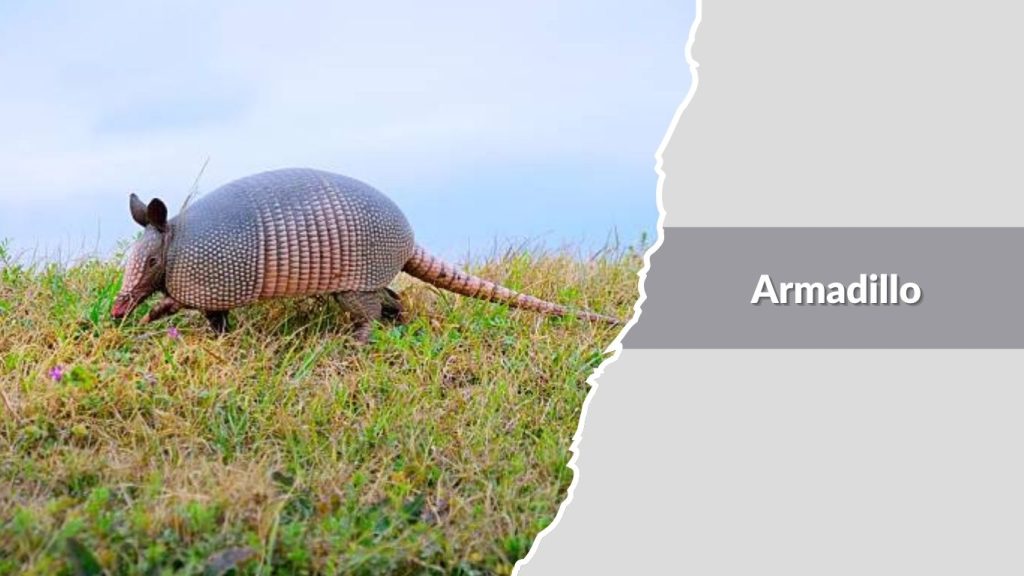
The armadillo is a small to medium-sized mammal known for its armored body and digging ability. Found in rainforest regions as well as nearby habitats, armadillos are well adapted to life on the forest floor. Their burrowing behavior helps improve soil quality and creates shelter used by other animals.
Identification
- Body covered with hard, bony plates
- Small head with pointed snout
- Short legs with strong claws for digging
- Long tail protected by armor
- Generally gray or brown in color
Habitat
Armadillos live in tropical rainforests, forest edges, and moist lowland areas of Central and South America. They prefer environments with soft soil where they can easily dig burrows. Rainforests provide abundant insects and shelter for armadillos.
Behaviors
Armadillos are mostly solitary and active at night. They spend much of their time digging for food or creating burrows. When threatened, some species roll into a tight ball for protection, while others rely on digging or running away.
Diet and Lifespan
Armadillos are omnivores that mainly eat insects, larvae, worms, fruits, and roots. In the wild, they usually live about 7–15 years.
19. Agouti
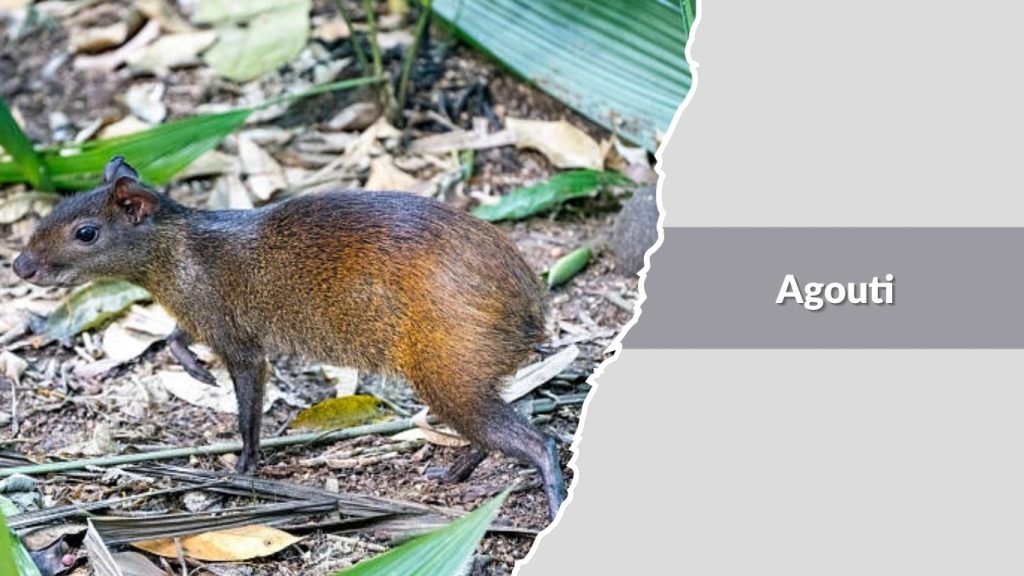
The agouti is a small, fast-moving rodent commonly found on the rainforest floor. It is best known for its role in seed dispersal, especially for large seeds that few other animals can handle. By burying seeds and forgetting some of them, agoutis help new rainforest trees grow, making them an important species for forest regeneration.
Identification
- Small to medium-sized body
- Short, smooth fur, usually brown or reddish
- Slender legs adapted for running
- Small rounded ears
- Short or nearly invisible tail
Habitat
Agoutis live in tropical rainforests, forest edges, and dense woodland areas of Central and South America. They prefer areas with thick vegetation and plenty of fallen fruits and nuts. Rainforests provide both food and cover from predators.
Behaviors
Agoutis are usually solitary or live in pairs. They are very alert and rely on speed to escape predators. Agoutis often store food by burying seeds in the ground, a behavior known as caching. They are mostly active during the day.
Diet and Lifespan
Agoutis are herbivores that feed mainly on fruits, nuts, seeds, and roots. They have strong teeth that allow them to crack hard shells. In the wild, agoutis typically live about 10–15 years.
20. Tree Frog
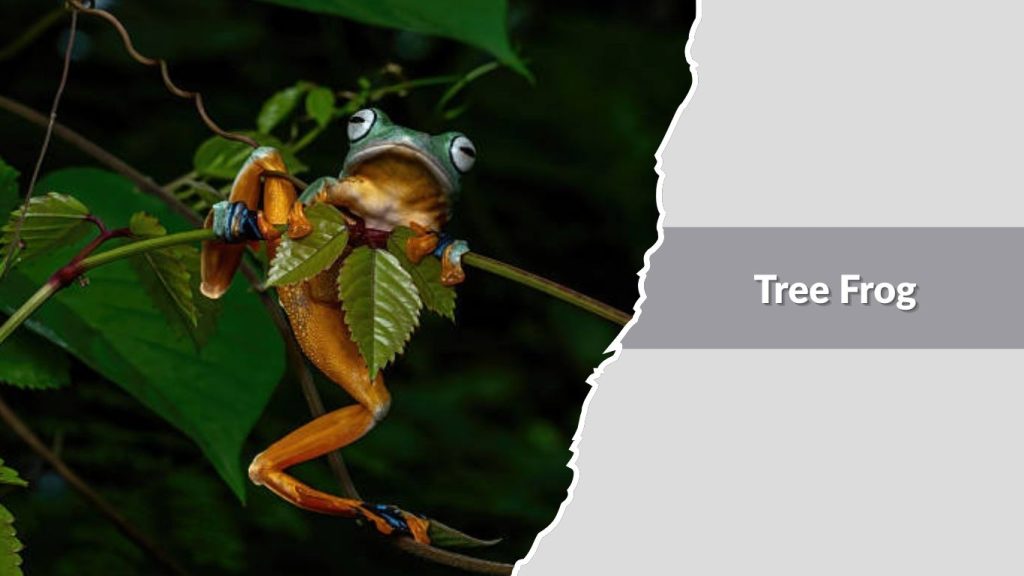
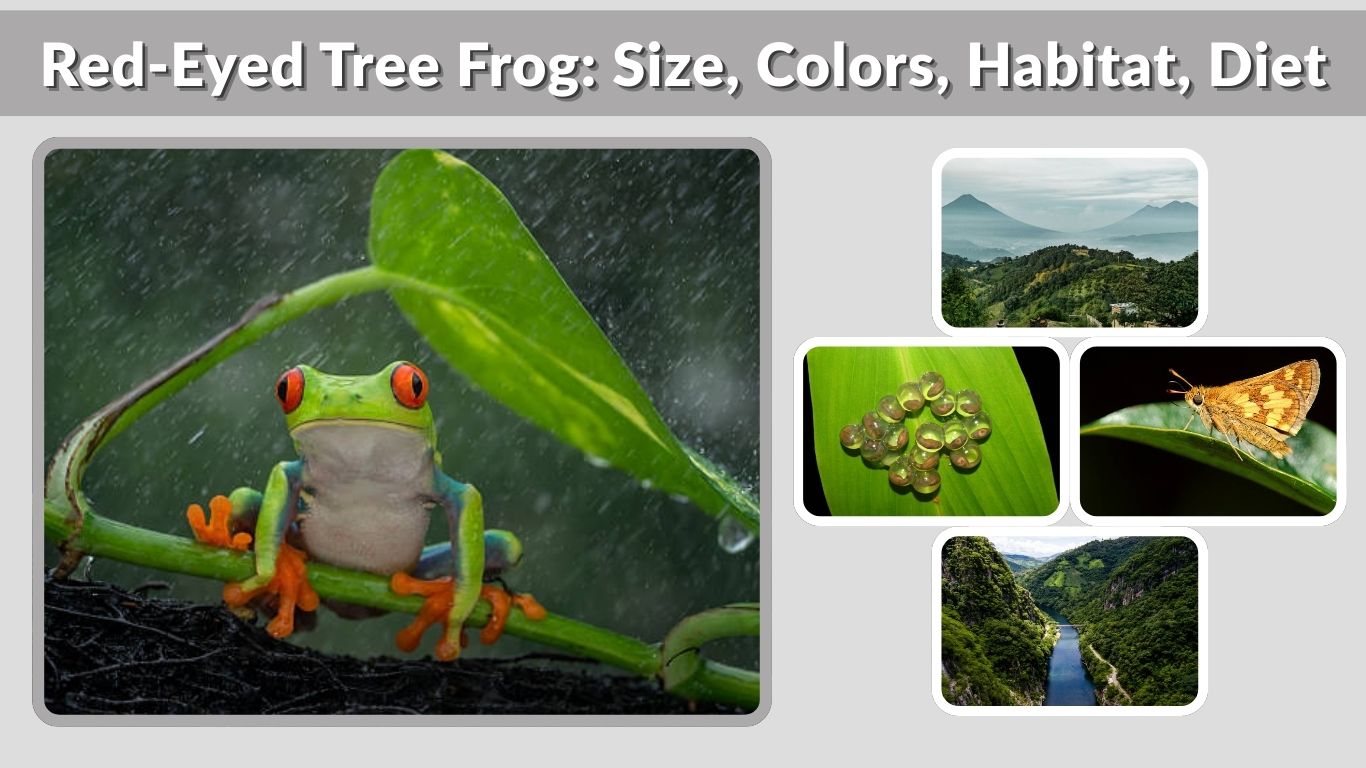
The tree frog is a small, agile amphibian commonly found in tropical rainforest environments. Known for its ability to climb and live in trees, the tree frog is well adapted to humid conditions. It plays an important role in rainforest ecosystems by controlling insect populations and serving as prey for larger animals.
Identification
- Small body with smooth or slightly textured skin
- Bright or camouflaged colors depending on species
- Large eyes adapted for night vision
- Long legs for jumping
- Sticky toe pads for climbing
Habitat
Tree frogs live in tropical rainforests, especially in areas with high humidity. They are commonly found on leaves, branches, and near water sources such as ponds and streams. Rainforests provide the moisture and shelter tree frogs need to survive and reproduce.
Behaviors
Tree frogs are mostly nocturnal and become active at night. They are excellent climbers and jumpers, moving easily between plants. Many tree frogs communicate using loud croaks, especially during the breeding season. They rely on camouflage to avoid predators.
Diet and Lifespan
Tree frogs are carnivores that feed on insects, spiders, and other small invertebrates. Their sticky tongues help them catch prey quickly. In the wild, tree frogs typically live about 5–10 years.
FAQs
What animals are commonly found in the rainforest?
Rainforests are home to a wide variety of animals, including mammals, birds, reptiles, amphibians, and insects. Common examples include jaguars, sloths, monkeys, gorillas, toucans, snakes, frogs, and insects like ants and beetles.
Why do rainforests have so many different animals?
Rainforests provide abundant food, warm temperatures, high humidity, and dense vegetation. These conditions create many different habitats, allowing a wide range of species to survive and thrive.
Are rainforest animals adapted to trees?
Yes, many rainforest animals are specially adapted for life in trees. Features such as strong limbs, long tails, sharp claws, and sticky toe pads help animals climb, swing, or live in the forest canopy.
What do rainforest animals eat?
Rainforest animals have diverse diets. Some are herbivores that eat fruits and leaves, others are carnivores that hunt animals, and many are omnivores that eat both plants and animals. This variety helps maintain balance in the ecosystem.
Are rainforest animals endangered?
Many rainforest animals are endangered due to deforestation, climate change, illegal hunting, and habitat loss. Species like orangutans, jaguars, and pangolins are especially threatened.
Why are rainforest animals important?
Rainforest animals help maintain ecosystem balance by controlling populations, spreading seeds, pollinating plants, and recycling nutrients. Without them, rainforest ecosystems would struggle to survive.