





Cattle play a vital role in global agriculture, providing milk, meat, leather, and draft power across diverse farming systems. Over time, selective breeding has led to the development of specialized cattle breeds adapted to different climates, production goals, and management styles. Some breeds are renowned for high milk yield, others for superior beef quality, while a few serve dual purposes. Understanding common cattle breeds helps farmers, students, and enthusiasts choose the right breed for productivity, sustainability, and profitability.
1. Holstein Cattle

Holstein cattle are the world’s most recognized and widely used dairy breed, especially valued for their exceptional milk production. They dominate commercial dairy farms across many countries due to their high yield, predictable performance, and strong adaptability to modern farming systems.
Identification
- Large body size with a strong, angular frame
- Distinctive black-and-white coat (sometimes red-and-white)
- Prominent udder with well-defined milk veins
- Long legs and a broad muzzle
Origin and History
Holstein cattle originated in the northern regions of the Netherlands and Germany, particularly Friesland and Holstein. They were selectively bred over centuries for milk production. In the 19th century, the breed was introduced to North America, where systematic breeding and record-keeping further enhanced its productivity, making it the global standard for dairy cattle.
Production Traits
Holsteins are best known for producing large volumes of milk, often more than any other cattle breed. While their milk has slightly lower butterfat compared to some dairy breeds, the sheer quantity makes them highly efficient for fluid milk production and large-scale dairy operations.
Management and Adaptability
This breed adapts well to different climates when provided proper nutrition, housing, and health care. Holsteins respond strongly to high-quality feed and structured management, making them ideal for intensive dairy systems but less suited to low-input farming environments.
2. Jersey Cattle
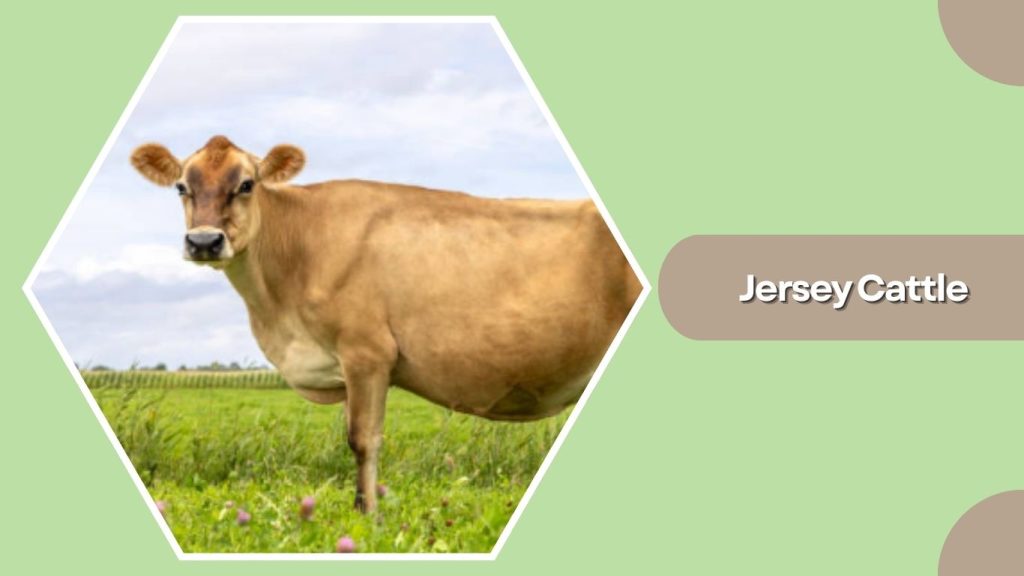
Jersey cattle are a highly valued dairy breed, best known for producing rich, high-butterfat milk. Smaller in size than many dairy breeds, they are efficient, economical to maintain, and popular with both commercial dairies and small farmers.
Identification
- Small to medium body size with a refined frame
- Light brown to dark fawn coat, sometimes with white markings
- Black muzzle with a light-colored ring around it
- Large, expressive eyes and a dished face
Origin and History
Jersey cattle originated on the Island of Jersey, located between England and France. The breed developed in isolation for centuries, which helped preserve its purity. Strict export controls historically maintained strong genetic consistency. Jerseys were later exported worldwide and quickly gained recognition for milk quality rather than sheer volume.
Production Traits
Although Jerseys produce less milk by volume compared to larger dairy breeds, their milk is exceptionally rich in butterfat, protein, and calcium. This makes it especially valuable for producing butter, cheese, cream, and other high-quality dairy products.
Management and Adaptability
Jersey cattle are known for their hardiness and adaptability to a wide range of climates. They perform well in both pasture-based and intensive systems and require less feed relative to milk output, making them cost-effective and environmentally efficient dairy animals.
3. Angus Cattle
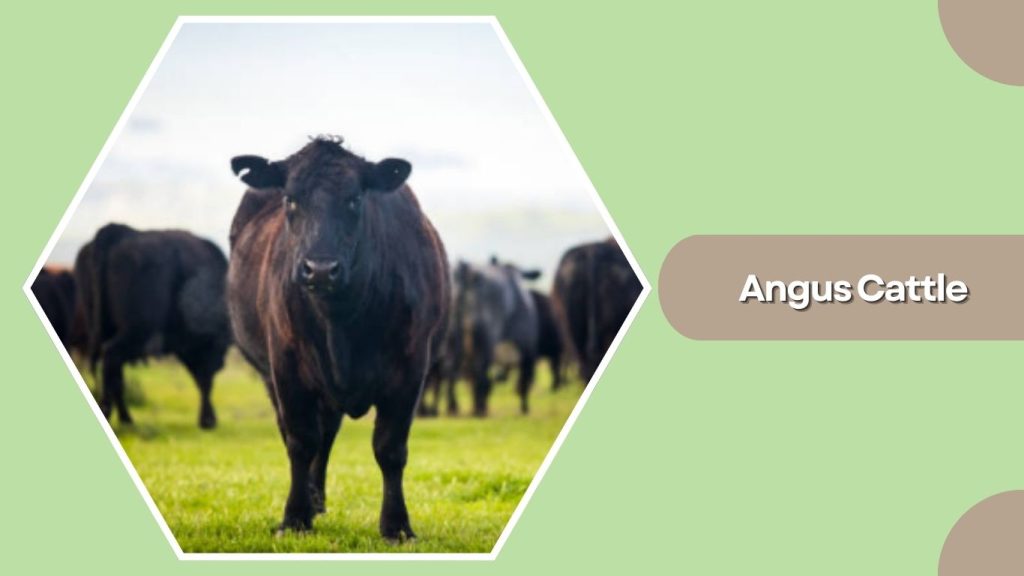
Angus cattle are one of the most popular beef breeds in the world, widely admired for their high-quality meat and efficient growth. They are especially known for producing tender, well-marbled beef that performs consistently in commercial markets.
Identification
- Solid black coat (also red in Red Angus strains)
- Naturally polled (hornless)
- Medium to large, compact body with deep muscling
- Smooth coat and strong legs
Origin and History
Angus cattle originated in Scotland, specifically in the counties of Aberdeen and Angus. They were developed in the early 19th century and later exported to North America, where they quickly gained dominance in the beef industry due to their adaptability and carcass quality.
Production Traits
Angus cattle are prized for superior marbling, which enhances flavor and tenderness. They mature early, have efficient feed conversion, and produce high-yield carcasses, making them a top choice for beef producers and premium meat programs.
Management and Adaptability
This breed adapts well to a wide range of climates and management systems. Angus cattle are hardy, easy to handle, and perform well in both pasture-based and feedlot operations.
4. Hereford Cattle
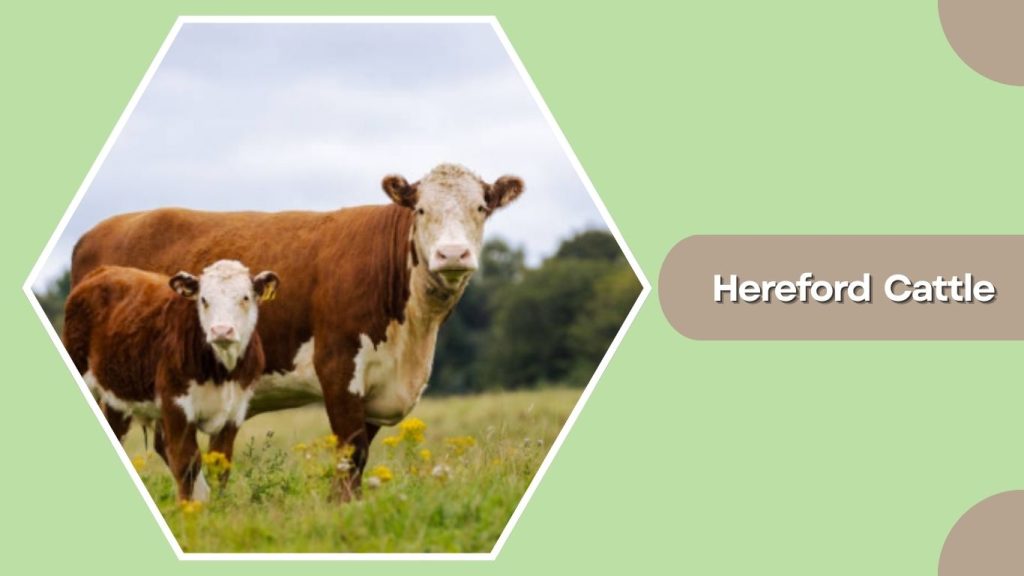
Hereford cattle are a well-established beef breed known for their calm temperament, strong grazing ability, and reliable meat production. They are widely used in both purebred and crossbreeding systems.
Identification
- Red body with a white face
- White markings on chest, legs, and tail switch
- Medium to large body with deep chest
- Horned or polled varieties
Origin and History
Herefords originated in Herefordshire, England, during the 18th century. They were bred for strength and beef quality and later spread globally, becoming especially influential in North and South America.
Production Traits
Hereford cattle produce lean, flavorful beef and are efficient converters of grass into meat. They are known for longevity, fertility, and consistent performance under varied conditions.
Management and Adaptability
Highly adaptable, Herefords thrive in diverse environments, including harsh grazing conditions. Their docile nature and low maintenance needs make them suitable for both large ranches and smaller farms.
5. Brahman Cattle

Brahman cattle are a distinctive beef breed known for their exceptional heat tolerance and resistance to parasites. They are widely used in tropical and subtropical regions and play a major role in crossbreeding programs worldwide.
Identification
- Prominent hump over the shoulders
- Loose skin with a large dewlap
- Short, sleek coat usually gray, white, or red
- Long, drooping ears
Origin and History
Brahman cattle were developed in the United States from several Indian zebu breeds. Breeding programs in the late 19th and early 20th centuries focused on combining heat tolerance with beef productivity, resulting in a hardy and adaptable animal.
Production Traits
Brahmans are primarily raised for beef and are valued for their durability rather than marbling. They have good growth rates, strong maternal traits, and contribute longevity and disease resistance when crossbred with other beef breeds.
Management and Adaptability
This breed thrives in hot, humid climates where many others struggle. Brahmans require minimal management under harsh conditions and are highly resistant to insects, making them ideal for low-input systems.
6. Simmental Cattle
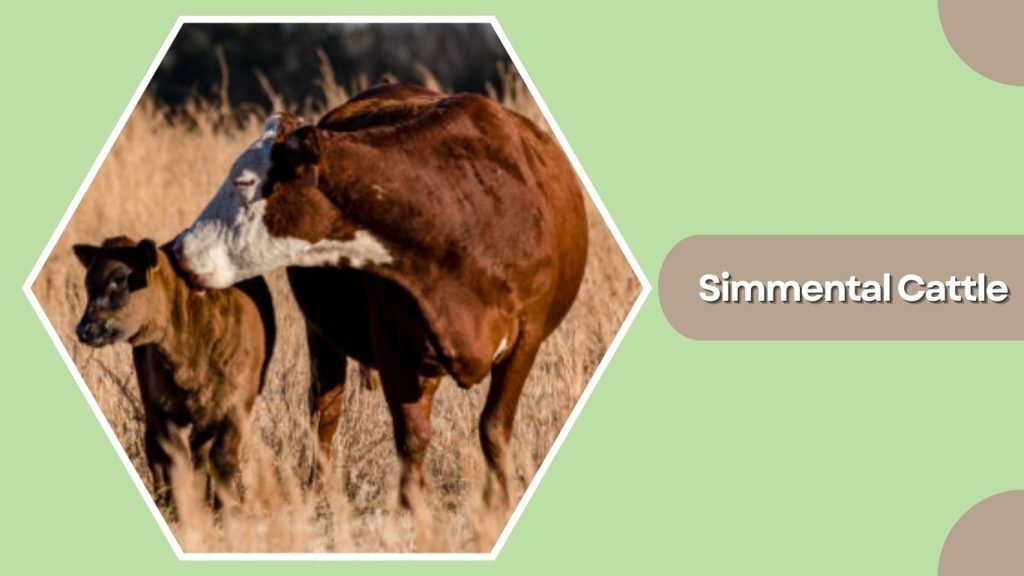
Simmental cattle are a versatile dual-purpose breed valued for both milk and beef production. They are known for rapid growth, strong muscling, and excellent overall productivity.
Identification
- Red-and-white or yellow-and-white coat
- Large, muscular body with strong bone structure
- Broad head with a wide muzzle
- Horned or polled types
Origin and History
Simmental cattle originated in the Simme Valley of Switzerland and are among the oldest known cattle breeds. They spread throughout Europe and later to other continents due to their adaptability and productivity.
Production Traits
Simmentals grow quickly and produce high-yield carcasses with good meat quality. Cows also produce substantial milk, making the breed useful in both beef and mixed farming systems.
Management and Adaptability
They adapt well to a range of climates and farming styles. Simmental cattle perform best under good nutrition and management, rewarding farmers with efficient growth and reliable performance.
7. Limousin Cattle
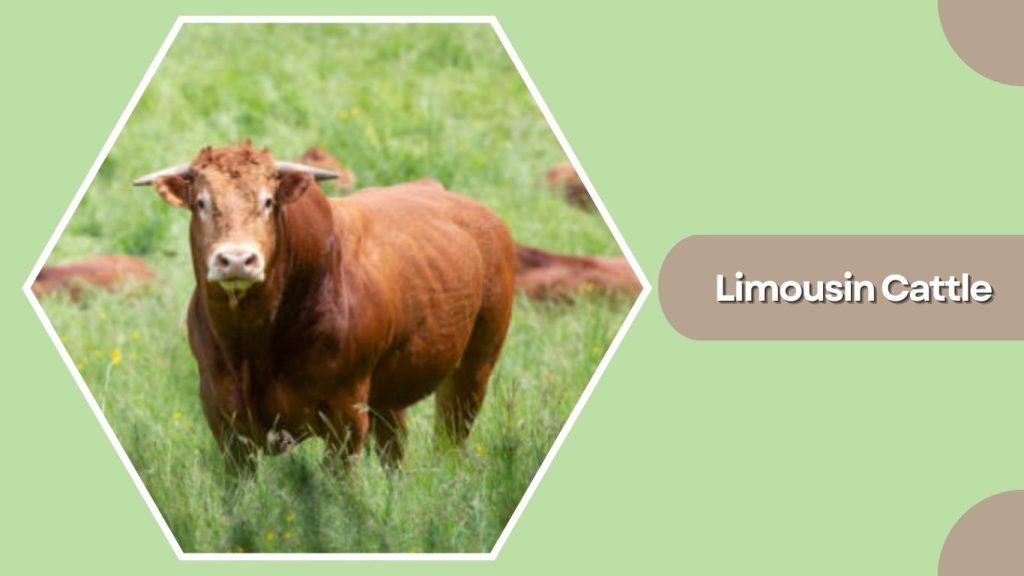
Limousin cattle are a highly regarded beef breed known for lean meat, strong muscling, and excellent feed efficiency. They are commonly used in crossbreeding programs to improve carcass quality and yield.
Identification
- Golden-red or light wheat-colored coat
- Medium to large frame with heavy muscling
- Lighter color around eyes and muzzle
- Horned or polled varieties
Origin and History
Limousin cattle originated in the Limousin and Marche regions of France. They were traditionally used as draft animals before being developed into a beef breed. Modern breeding emphasized muscle development and meat efficiency, leading to global adoption.
Production Traits
This breed produces lean beef with a high meat-to-bone ratio. Limousins are efficient feed converters and have high dressing percentages, making them economically attractive for beef producers.
Management and Adaptability
Limousin cattle are hardy and adapt well to various climates. They perform well on pasture and in feedlots, requiring balanced nutrition to fully express their growth potential.
8. Charolais Cattle
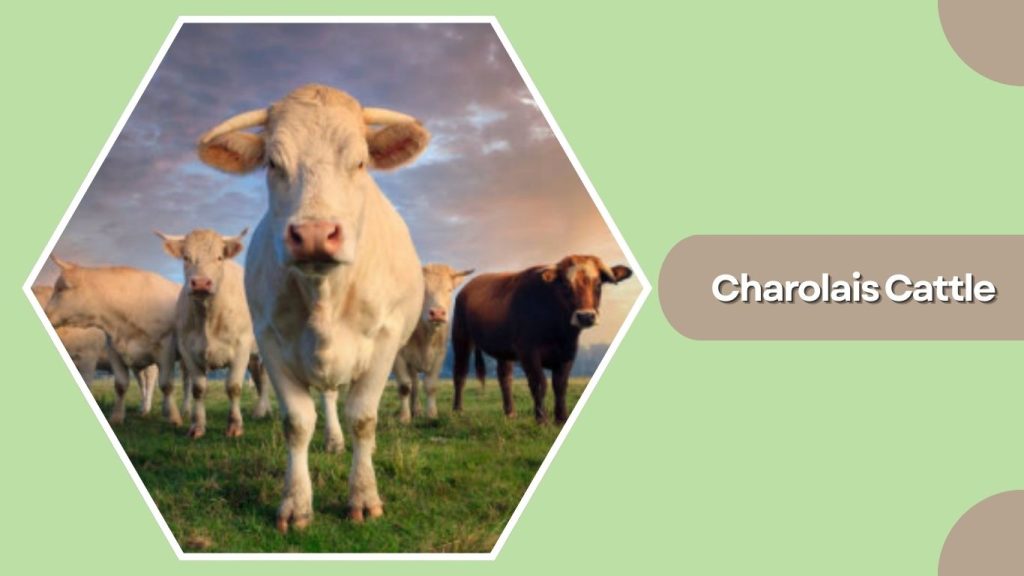
Charolais cattle are a large beef breed famous for rapid growth and heavy muscling. They are widely used in commercial beef systems, especially for producing high-yield carcasses.
Identification
- White or creamy-white coat
- Very large frame with thick, muscular body
- Broad chest and strong hindquarters
- Horned or polled types
Origin and History
Charolais cattle originated in the Charolais region of central France. Initially used for draft work, they were later selectively bred for beef production and spread worldwide during the 20th century.
Production Traits
Charolais cattle grow quickly and produce large carcasses with high lean meat yield. They are often used as terminal sires to improve growth rates and carcass size in crossbred calves.
Management and Adaptability
This breed performs best under good nutrition and management. Charolais cattle adapt to many environments but require adequate space and feed due to their large size.
9. Brown Swiss Cattle
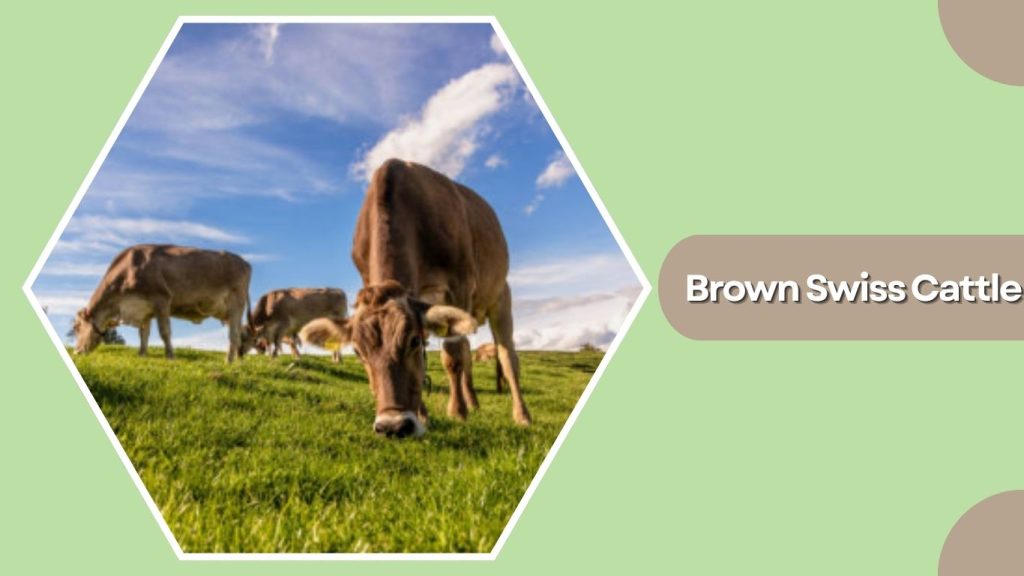
Brown Swiss cattle are a durable dairy breed valued for longevity, strong feet and legs, and consistent milk production. They are especially respected for producing milk well suited to cheese making.
Identification
- Solid brown to grayish-brown coat
- Large frame with strong bone structure
- Dark nose with a light muzzle ring
- Calm expression and sturdy legs
Origin and History
Brown Swiss cattle originated in the Swiss Alps, where they were developed to survive rugged terrain and cold climates. They are one of the oldest dairy breeds in the world and were later exported globally due to their strength, adaptability, and productive lifespan.
Production Traits
Brown Swiss cows produce good volumes of milk with a high protein-to-fat ratio. This milk quality makes them particularly desirable for cheese and other processed dairy products. They are also known for maintaining production over many lactations.
Management and Adaptability
This breed adapts well to both hot and cold climates. Their strong hooves and legs make them suitable for grazing systems, and their calm temperament makes them easy to manage in commercial dairies.
10. Guernsey Cattle
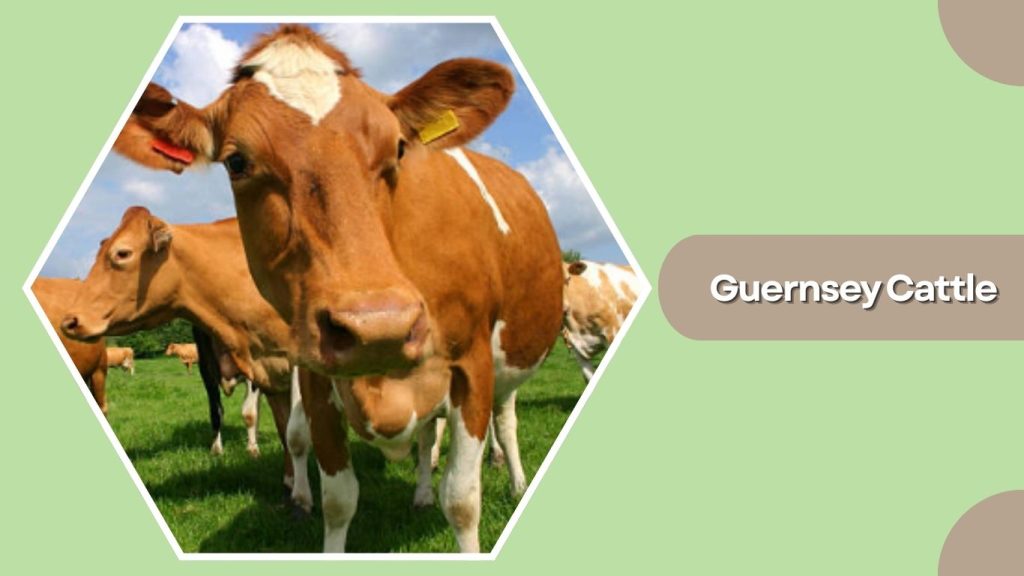
Guernsey cattle are a specialized dairy breed known for producing rich, golden-colored milk high in beta-carotene. They are efficient producers and popular in pasture-based systems.
Identification
- Fawn to reddish-brown coat with white markings
- Medium-sized body with a refined frame
- Yellowish skin tone
- Alert but gentle appearance
Origin and History
Guernsey cattle originated on the Island of Guernsey in the English Channel. Like Jersey cattle, they developed in relative isolation, which helped preserve breed purity. They later gained international recognition for milk quality.
Production Traits
Guernsey milk is high in butterfat and protein and has a distinctive golden color. While total milk volume is moderate, the quality makes it valuable for butter, cream, and specialty dairy products.
Management and Adaptability
Guernseys perform well on grass-based systems and require less feed than larger dairy breeds. They are adaptable, efficient, and well suited to small and medium-scale dairy farms.
11. Shorthorn Cattle

Shorthorn cattle are a versatile breed valued for both beef and dairy production. They are known for their gentle temperament, adaptability, and strong maternal qualities, making them useful in a wide range of farming systems.
Identification
- Red, white, or roan coat colors
- Medium to large body with good muscling
- Short horns or naturally polled types
- Broad forehead and deep chest
Origin and History
Shorthorn cattle originated in northeastern England, particularly in the counties of Durham and Yorkshire. Developed in the late 18th century, they became one of the foundation breeds for many modern cattle breeds worldwide.
Production Traits
Shorthorns produce good-quality beef with balanced fat distribution. Dairy-type Shorthorns yield moderate amounts of milk, while beef-type lines focus on growth and carcass quality. Their strong maternal traits improve calf survival and growth.
Management and Adaptability
This breed adapts well to diverse climates and production systems. Shorthorns are easy to manage, fertile, and perform well in both pasture-based and intensive operations.
12. Gelbvieh Cattle
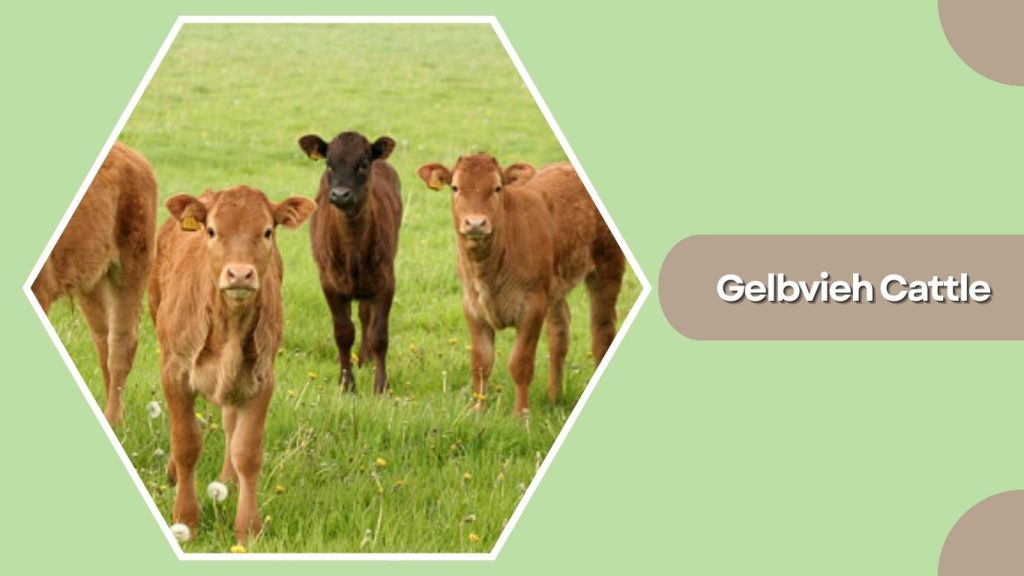
Gelbvieh cattle are a productive beef breed known for fertility, growth efficiency, and excellent maternal performance. They are widely used in crossbreeding to improve herd productivity.
Identification
- Light tan to reddish coat color
- Medium to large frame with solid muscling
- Short, smooth hair coat
- Horned or polled varieties
Origin and History
Gelbvieh cattle originated in Bavaria, Germany. The name “Gelbvieh” means “yellow cattle.” They were traditionally a dual-purpose breed before being selectively developed for beef production.
Production Traits
Gelbvieh cattle exhibit rapid growth, high feed efficiency, and strong carcass traits. Cows are known for high fertility, good milk production, and excellent mothering ability.
Management and Adaptability
They adapt well to different climates and management systems. Gelbvieh cattle perform best under good nutrition and are valued for improving reproductive efficiency in commercial herds.
13. Red Angus Cattle
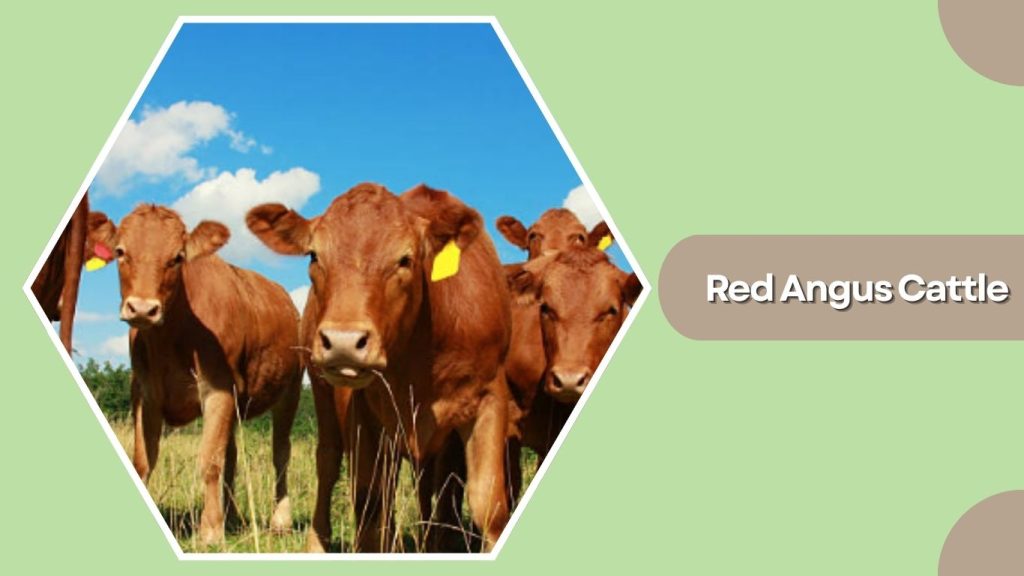
Red Angus cattle are a beef breed closely related to Black Angus, valued for their meat quality, calm nature, and adaptability. Their red coat offers added advantages in hot and sunny environments.
Identification
- Solid red coat color
- Naturally polled (hornless)
- Medium to large, well-muscled body
- Strong legs and smooth hair coat
Origin and History
Red Angus cattle developed from red-colored Angus genetics in Scotland and were later selectively bred in North America. Over time, they were recognized as a distinct breed due to consistent color and performance traits.
Production Traits
Red Angus cattle produce high-quality beef with excellent marbling, tenderness, and flavor. They mature early, have efficient feed conversion, and perform well in both purebred and crossbreeding programs.
Management and Adaptability
Their red coat helps reduce heat stress and sun-related issues. Red Angus cattle are hardy, adaptable, and suitable for a wide range of production environments, from pasture systems to feedlots.
14. Ayrshire Cattle

Ayrshire cattle are a hardy dairy breed known for balanced milk production, strong udders, and grazing efficiency. They are especially valued in regions with challenging climates.
Identification
- Red and white coat with sharp color contrast
- Medium-sized body with strong legs
- Well-attached udder
- Alert and energetic appearance
Origin and History
Ayrshire cattle originated in the county of Ayrshire, Scotland. They were developed for rugged terrain and variable weather, which shaped their strong constitution and efficient grazing ability.
Production Traits
Ayrshires produce moderate to high volumes of milk with good butterfat and protein levels. Their milk is suitable for both fluid consumption and dairy processing.
Management and Adaptability
This breed thrives in pasture-based systems and adapts well to cooler and temperate climates. Ayrshire cattle are efficient foragers, long-lived, and perform reliably under moderate management conditions.