



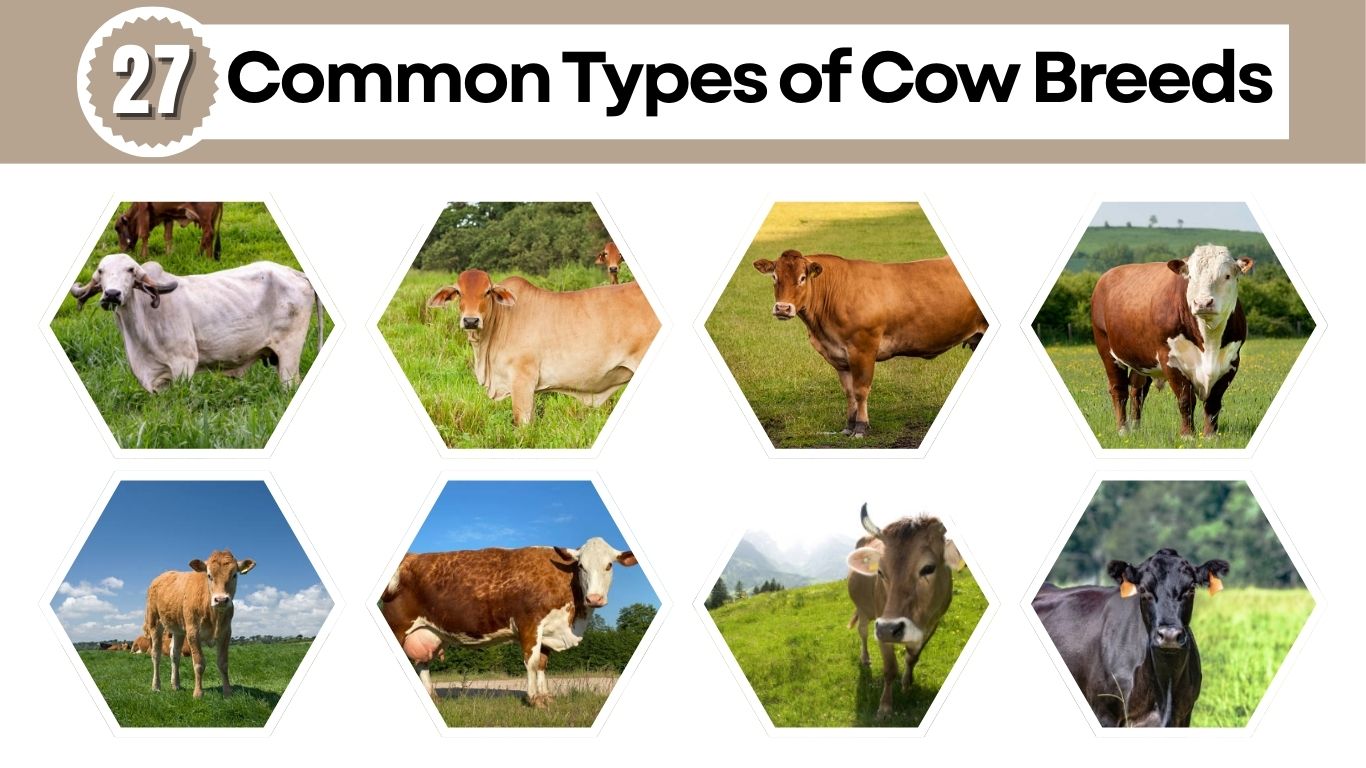
Cows play a vital role in agriculture around the world, providing milk, meat, draft power, and livelihoods for millions of people. Different cow breeds have been developed over centuries to suit specific climates, purposes, and farming systems. Some breeds are prized for high milk yield, others for quality beef, while many are valued for their strength, adaptability, or disease resistance. Below is a structured overview of 27 common cow breeds, highlighting their identification, habitat, behavior, and uses in a clear and consistent format.
1. Holstein Friesian
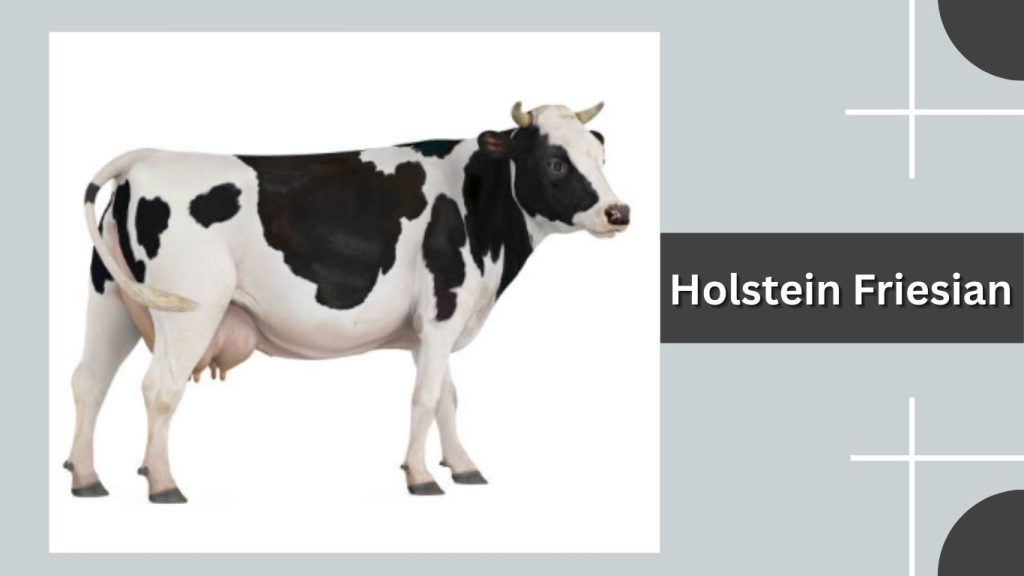
The Holstein Friesian is the world’s most widely recognized dairy cow breed, famous for its exceptional milk production. Originating in Europe and now raised globally, it is easily identified by its striking black-and-white (or red-and-white) coat and large body frame.
Identification
- Large-sized dairy breed
- Distinct black-and-white or red-and-white markings
- High milk yield with relatively low butterfat
- Prominent udder and angular body shape
Habitat
Holstein Friesians adapt well to a wide range of climates, from temperate to moderately warm regions. They are commonly raised on commercial dairy farms with access to open pastures, clean water, and well-managed housing systems.
Behaviors
This breed is generally calm and manageable, making it suitable for intensive dairy operations. Holsteins are social animals, respond well to routine handling, and thrive in structured farm environments.
Uses
Holstein Friesians are primarily raised for milk production and form the backbone of the global dairy industry. Their high efficiency makes them less common for beef purposes compared to specialized meat breeds.
2. Jersey

A Jersey cow is a small to medium-sized dairy breed known for producing milk with very high butterfat and protein content. It originated from the Island of Jersey and is widely valued in dairy farming, especially for cheese and butter production.
Identification
- Small to medium body size
- Light brown to dark fawn coat
- Large, expressive eyes
- High butterfat milk
Habitat
Jersey cattle adapt well to diverse climates, including hot and humid regions. They are commonly found on pasture-based farms as well as intensive dairy systems.
Behaviors
Jerseys are alert, gentle, and intelligent animals. They are efficient feeders and generally easy to manage, though they can be sensitive to rough handling.
Uses
Primarily raised for high-quality milk, Jersey cows are especially important in butter, cheese, and cream production.
3. Brown Swiss
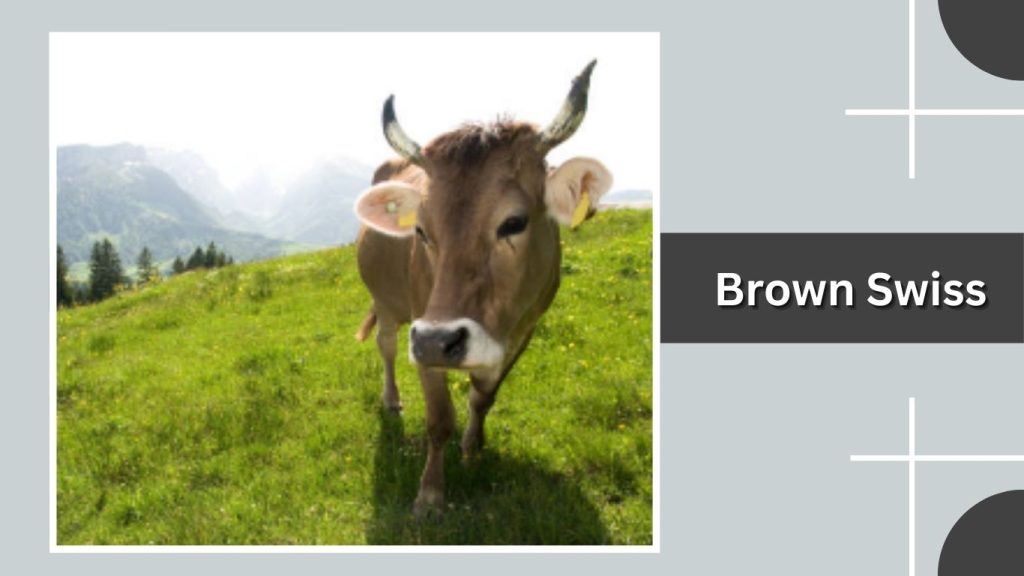
The Brown Swiss is one of the oldest dairy cattle breeds, known for its strength, longevity, and steady milk production. It originated in the Swiss Alps and is now common in many dairy-producing countries.
Identification
- Large, sturdy body frame
- Solid brown to grayish coat
- Dark nose with a light muzzle ring
- Strong legs and hooves
Habitat
Brown Swiss cattle perform well in mountainous regions as well as lowland dairy farms. They tolerate both cold and moderately warm climates effectively.
Behaviors
This breed is calm, docile, and known for its longevity. Brown Swiss cattle are hardy and cope well with environmental stress.
Uses
Brown Swiss cows are mainly used for milk production, particularly valued for cheese-making due to favorable milk protein content.
4. Guernsey

The Guernsey is a distinctive dairy breed best known for producing rich, golden-colored milk that is naturally high in beta-carotene. Originating from the Island of Guernsey, this breed is valued for both milk quality and efficiency.
Identification
- Medium-sized dairy cow
- Coat color ranges from light red to deep golden brown with white patches
- Golden-colored milk due to high beta-carotene
- Well-developed udder and refined dairy frame
Habitat
Guernsey cattle thrive best in temperate climates but can adapt to a variety of environments with proper care. They perform well in pasture-based systems and smaller dairy farms where grazing is emphasized.
Behaviors
Guernseys are generally calm, friendly, and easy to handle. They are known for their steady temperament and good adaptability, making them suitable for both commercial and small-scale dairy operations.
Uses
Guernsey cows are primarily used for milk production. Their milk is highly valued for drinking, butter, and cheese due to its rich flavor, high butterfat, and nutritional quality.
5. Ayrshire
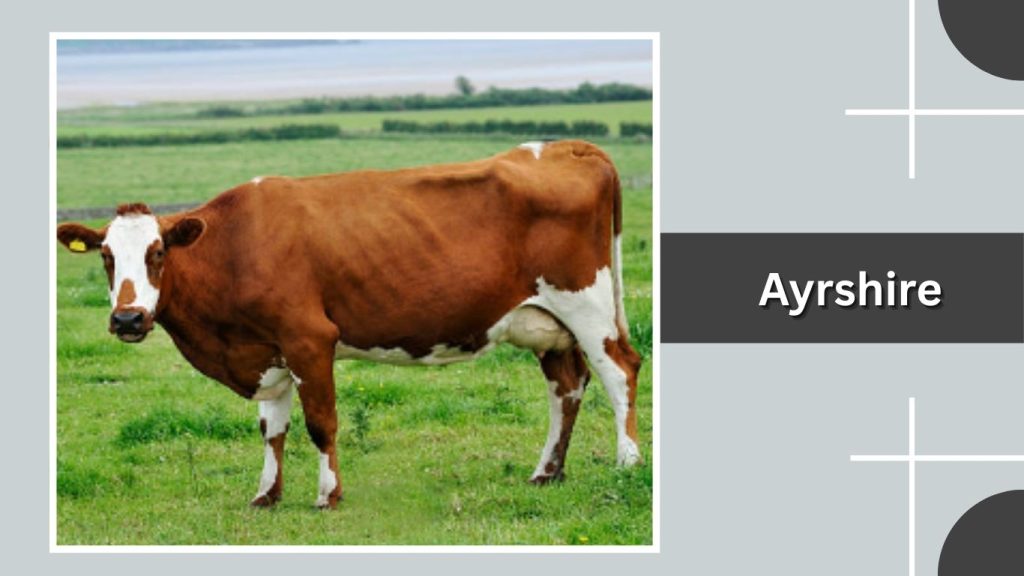
The Ayrshire is a hardy and efficient dairy breed recognized for its strong grazing ability and balanced milk production. It originated in Scotland and is well known for its resilience and adaptability.
Identification
- Medium to large body size
- Red-and-white or mahogany-and-white coat
- Strong legs and feet
- Well-attached, symmetrical udder
Habitat
Ayrshire cattle are highly adaptable and can thrive in cold, wet, and variable climates. They are well suited to pasture-based systems and can efficiently utilize rough grazing land.
Behaviors
This breed is active, alert, and independent. Ayrshires are strong foragers and do well in outdoor conditions, though they require consistent handling to maintain calm behavior.
Uses
Ayrshire cows are mainly used for milk production, offering a good balance of milk volume and butterfat content. Their efficiency and hardiness make them popular in sustainable and grass-based dairy farming systems.
6. Hereford

The Hereford is a well-known beef cattle breed valued for its hardiness, efficient growth, and high-quality meat. It originated in England and is now widely raised across many continents.
Identification
- Medium to large body size
- Red-brown body with a white face, chest, and underline
- Thick skin and sturdy build
- Horned or naturally polled (hornless) varieties
Habitat
Hereford cattle adapt well to a wide range of environments, from grasslands to semi-arid regions. They perform especially well in open pastures and are known for tolerating cold and variable weather conditions.
Behaviors
This breed is docile, calm, and easy to manage. Herefords are strong grazers and tend to maintain good body condition even on moderate-quality forage.
Uses
Herefords are primarily raised for beef production. Their meat is prized for tenderness, flavor, and efficient feed conversion.
7. Angus
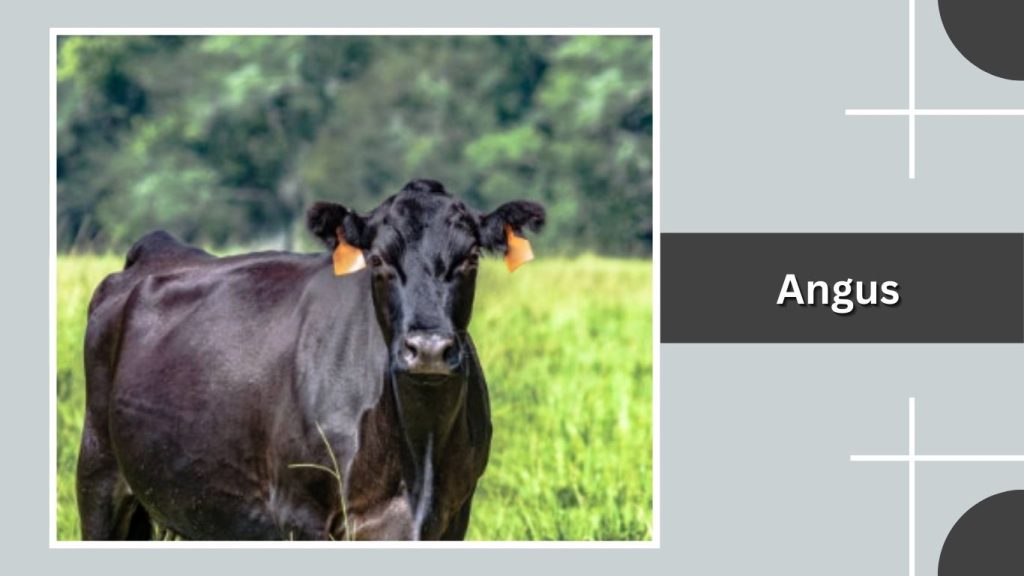
Angus cattle are one of the most popular beef breeds in the world, recognized for their superior meat quality and adaptability. The breed originated in Scotland and is widely used in commercial beef farming.
Identification
- Medium to large body frame
- Solid black or red coat
- Naturally polled (hornless)
- Compact, muscular body
Habitat
Angus cattle thrive in diverse climates, including cold, temperate, and moderately warm regions. They are commonly raised in pasture-based and feedlot systems.
Behaviors
Angus cattle are generally calm but alert. They are good mothers, adapt quickly to management systems, and perform well under both extensive and intensive rearing conditions.
Uses
Angus cattle are raised mainly for beef production. Their meat is especially valued for marbling, tenderness, and consistent quality.
8. Simmental
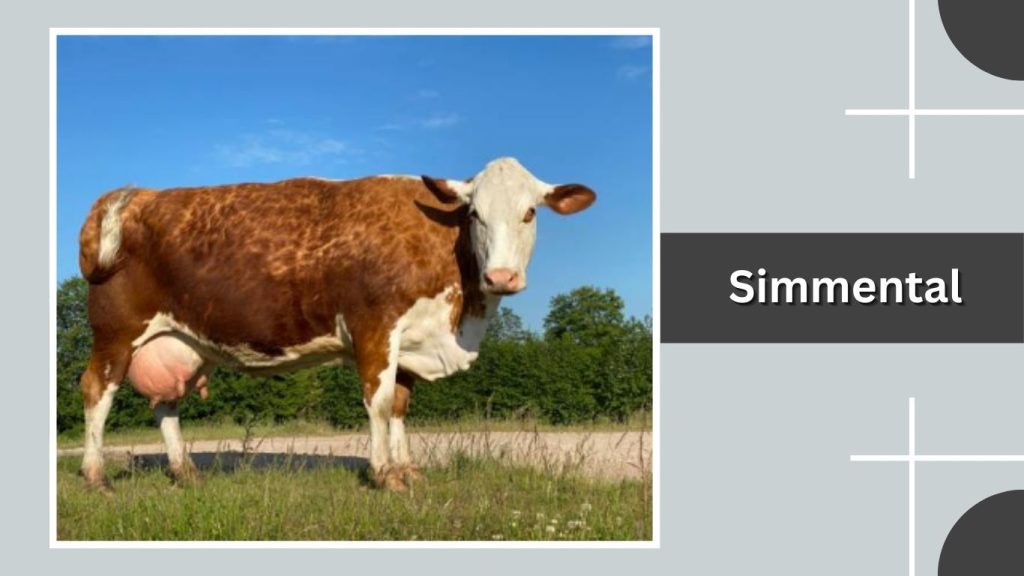
The Simmental is a versatile cattle breed known for both strong milk production and excellent beef quality. Originating in Switzerland, it is widely used worldwide as a dual-purpose breed.
Identification
- Large body size with a muscular frame
- Coat color ranges from gold to red with white markings
- Broad head and strong legs
- High growth rate and good body condition
Habitat
Simmental cattle adapt well to a variety of climates, from mountainous regions to lowland farms. They perform best in open pastures with ample grazing space and are well suited to mixed farming systems.
Behaviors
This breed is generally calm, social, and easy to manage. Simmentals are known for good mothering ability and strong calves, making them popular in breeding programs.
Uses
Simmental cattle are used for both milk and beef production. Their fast growth, high meat yield, and respectable milk output make them one of the most flexible cattle breeds.
9. Charolais
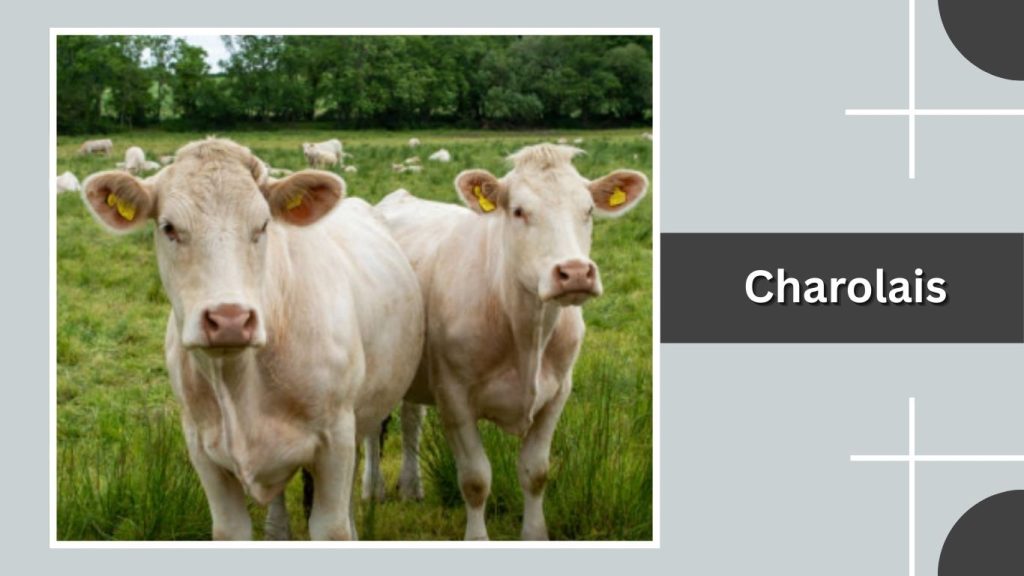
The Charolais is a large beef cattle breed famous for its rapid growth and lean meat production. It originated in France and is now widely used in commercial beef operations.
Identification
- Very large and heavily muscled body
- White to cream-colored coat
- Broad chest and strong shoulders
- Thick neck and powerful hindquarters
Habitat
Charolais cattle thrive in temperate regions and open grasslands. They adapt well to both pasture-based systems and feedlots, provided they have sufficient space and nutrition.
Behaviors
Charolais are generally calm but strong and energetic due to their size. They respond well to structured handling and are known for producing vigorous, fast-growing calves.
Uses
Charolais cattle are primarily raised for beef production. They are especially valued for high carcass yield, lean meat, and use in crossbreeding to improve growth rates.
10. Limousin
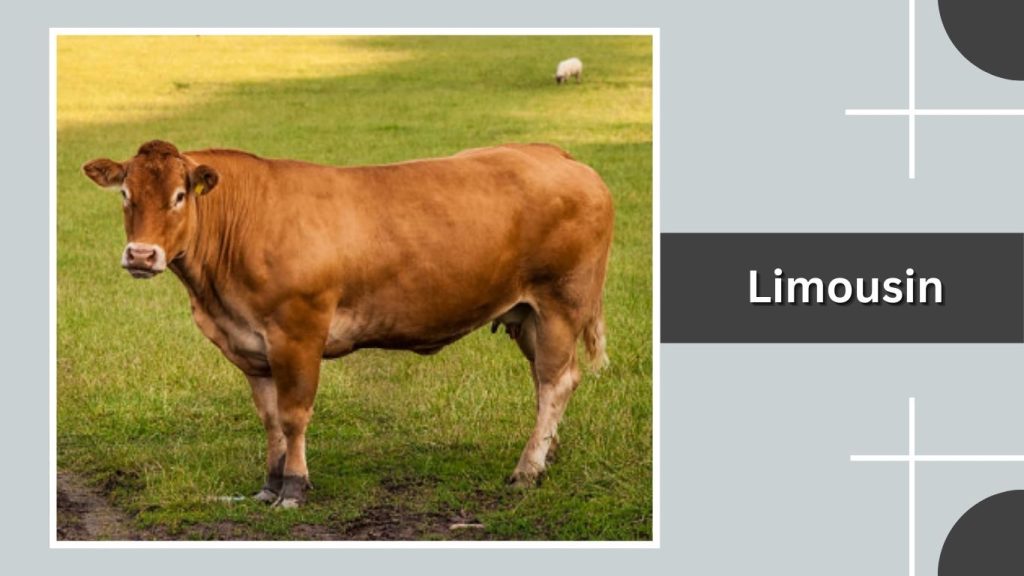
The Limousin is a beef cattle breed renowned for its lean meat, efficiency, and strong muscular development. Originating in France, it is widely used in modern beef production systems.
Identification
- Medium to large body size
- Golden-red coat color
- Fine bones with heavy muscling
- Lighter-colored muzzle and underside
Habitat
Limousin cattle adapt well to both harsh and mild environments. They perform efficiently on pasture as well as in intensive feeding systems and tolerate variable weather conditions.
Behaviors
This breed is alert, active, and hardy. Limousins are known for strong maternal instincts and good calving ease compared to other large beef breeds.
Uses
Limousin cattle are mainly raised for beef production. Their meat is prized for being lean, tender, and high in yield.
11. Brahman
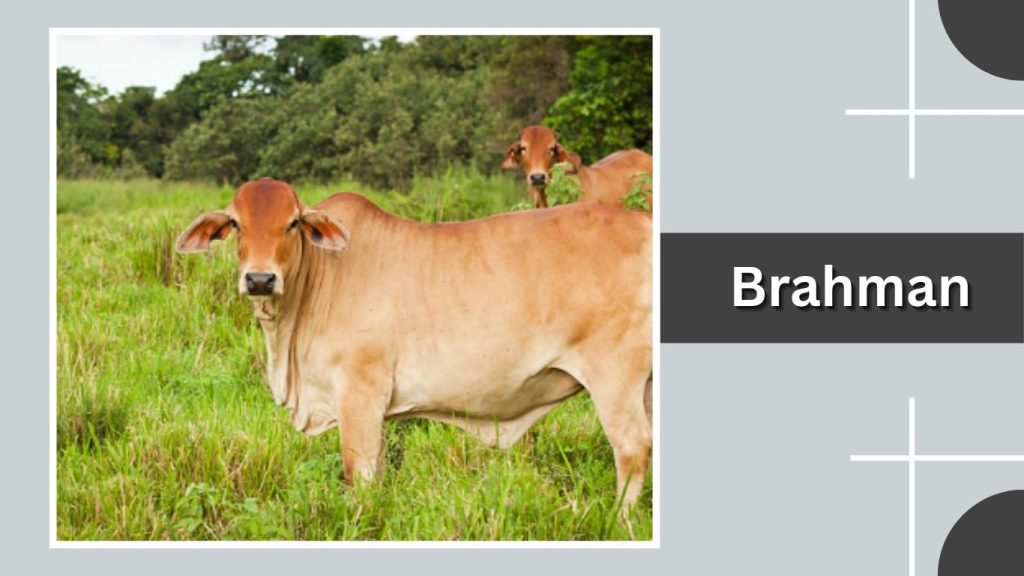
The Brahman is a hardy cattle breed developed from Indian zebu cattle and is especially valued for its heat tolerance and disease resistance. It is widely used in tropical and subtropical regions.
Identification
- Large body with a prominent hump over the shoulders
- Loose skin and large dewlap
- Coat color ranges from white to gray or red
- Long, drooping ears
Habitat
Brahman cattle thrive in hot, humid, and insect-prone environments. They are commonly raised in tropical grasslands and regions with extreme temperatures.
Behaviors
Brahmans are intelligent, alert, and cautious. They may appear less docile than European breeds but respond well to calm and consistent handling.
Uses
Brahman cattle are used for both beef production and crossbreeding. Their genetics are highly valued for improving heat tolerance and hardiness in other cattle breeds.
12. Gir
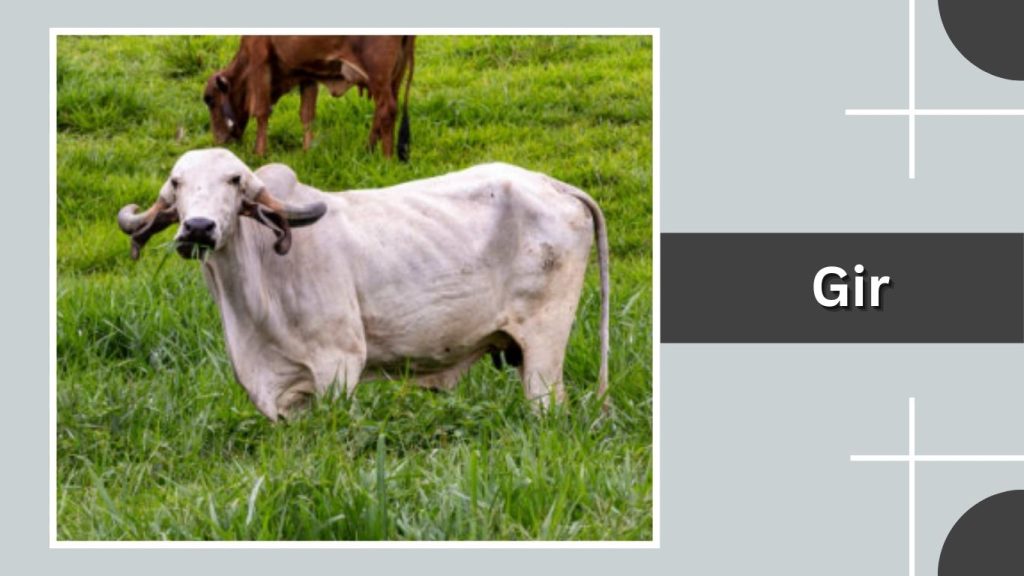
The Gir is a prominent dairy cattle breed originating from India, well known for its high milk yield among zebu breeds and strong adaptability to tropical climates.
Identification
- Medium to large body size
- Red, white, or speckled coat
- Distinctive domed forehead
- Long, pendulous ears
Habitat
Gir cattle thrive in hot and dry regions and are well adapted to tropical and subtropical climates. They perform well in open grazing systems and traditional farm environments.
Behaviors
This breed is generally calm and tolerant. Gir cattle are known for good disease resistance and the ability to withstand heat stress.
Uses
Gir cattle are mainly used for milk production and are also important in breeding programs to improve dairy traits in tropical regions.
13. Sahiwal
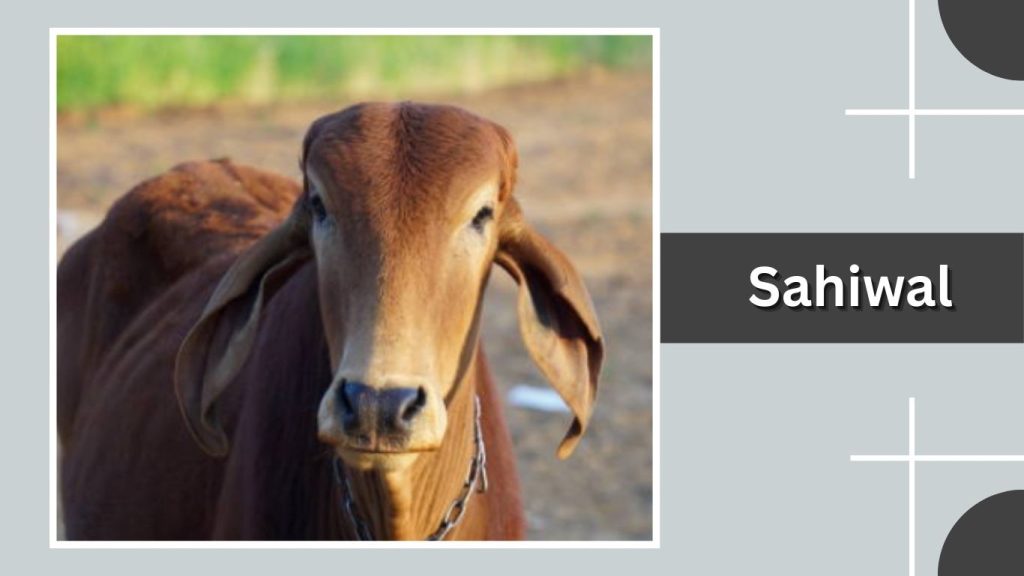
The Sahiwal is one of the best dairy breeds from South Asia, valued for its heat tolerance, disease resistance, and consistent milk production.
Identification
- Medium-sized body
- Reddish-brown coat, sometimes with white patches
- Loose skin and well-developed udder
- Short horns
Habitat
Sahiwal cattle are highly adapted to hot, humid climates and perform well in tropical regions. They are commonly raised in pasture-based and semi-intensive systems.
Behaviors
Sahiwals are gentle, slow-moving, and easy to handle. They adapt well to local farming conditions and are known for good maternal behavior.
Uses
Sahiwal cattle are primarily raised for milk production. Their hardiness and productivity make them valuable in crossbreeding and sustainable dairy farming systems.
14. Red Sindhi
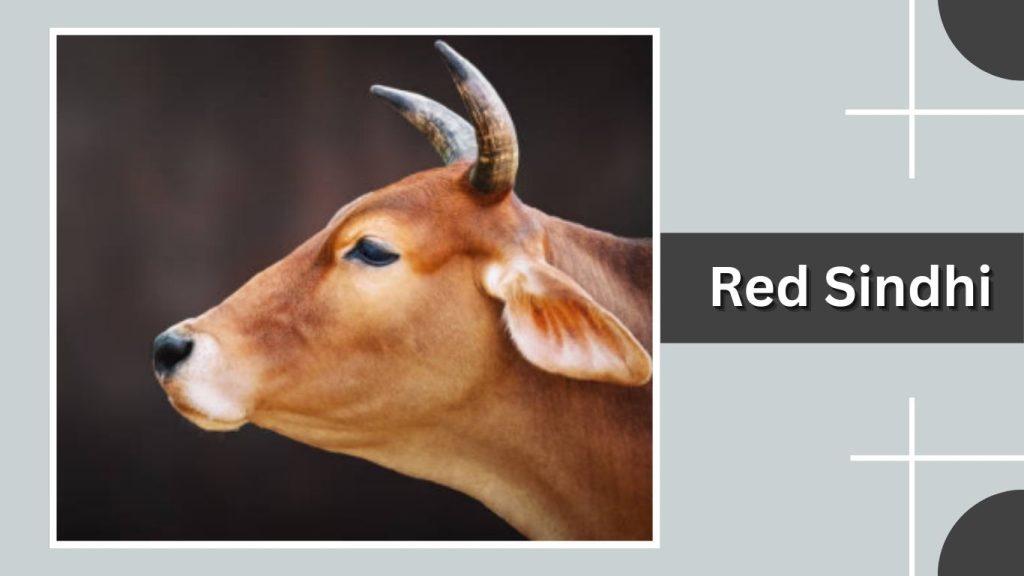
The Red Sindhi is a hardy dairy cattle breed originating from the Sindh region of South Asia. It is well known for its adaptability, disease resistance, and reliable milk production in hot climates.
Identification
- Medium-sized body
- Deep red to dark brown coat
- Loose skin with a well-developed dewlap
- Short, thick horns
Habitat
Red Sindhi cattle thrive in hot, dry, and humid environments. They are well suited to tropical and subtropical regions and perform effectively under low-input farming systems.
Behaviors
This breed is calm, docile, and easy to manage. Red Sindhi cattle are known for strong endurance and the ability to maintain productivity under challenging conditions.
Uses
Red Sindhi cattle are mainly used for milk production. They are also widely used in crossbreeding programs to improve heat tolerance and dairy performance.
15. Tharparkar
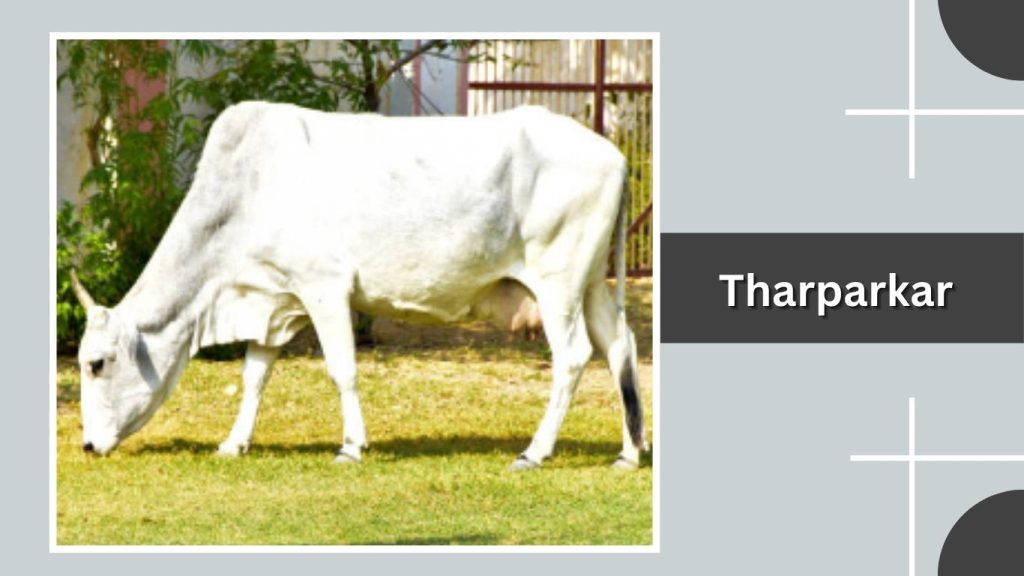
The Tharparkar is a dual-purpose cattle breed originating from the Thar Desert region. It is valued for both milk production and draft ability, along with exceptional hardiness.
Identification
- Medium to large body frame
- White to light gray coat
- Curved horns and black nose
- Strong legs and hooves
Habitat
Tharparkar cattle are well adapted to arid and semi-arid regions. They perform efficiently in desert climates with high temperatures and limited forage availability.
Behaviors
This breed is active, resilient, and well adapted to harsh environments. Tharparkars are known for good stamina and calm behavior under proper handling.
Uses
Tharparkar cattle are used for milk production, draft work, and sometimes beef. Their adaptability and strength make them valuable in dry and resource-limited farming regions.
16. Ongole
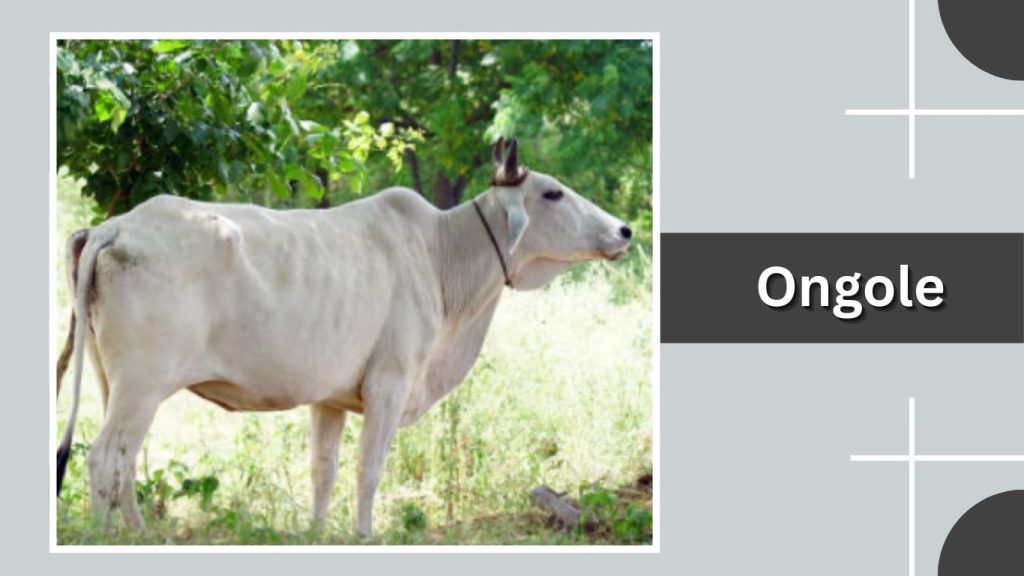
The Ongole is a well-known indigenous cattle breed valued for its strength, heat tolerance, and multipurpose use. It originated in southern India and is respected for its resilience in harsh environments.
Identification
- Large, muscular body
- White to light gray coat
- Prominent hump over the shoulders
- Long legs and strong hooves
Habitat
Ongole cattle thrive in hot and dry regions. They are well suited to tropical climates and are commonly raised in open grazing systems with minimal shelter.
Behaviors
This breed is generally calm but strong and active. Ongole cattle are known for endurance, disease resistance, and adaptability to difficult conditions.
Uses
Ongole cattle are used for draft work, beef production, and breeding. Their genetics are valued for improving strength and heat tolerance in other breeds.
17. Kankrej
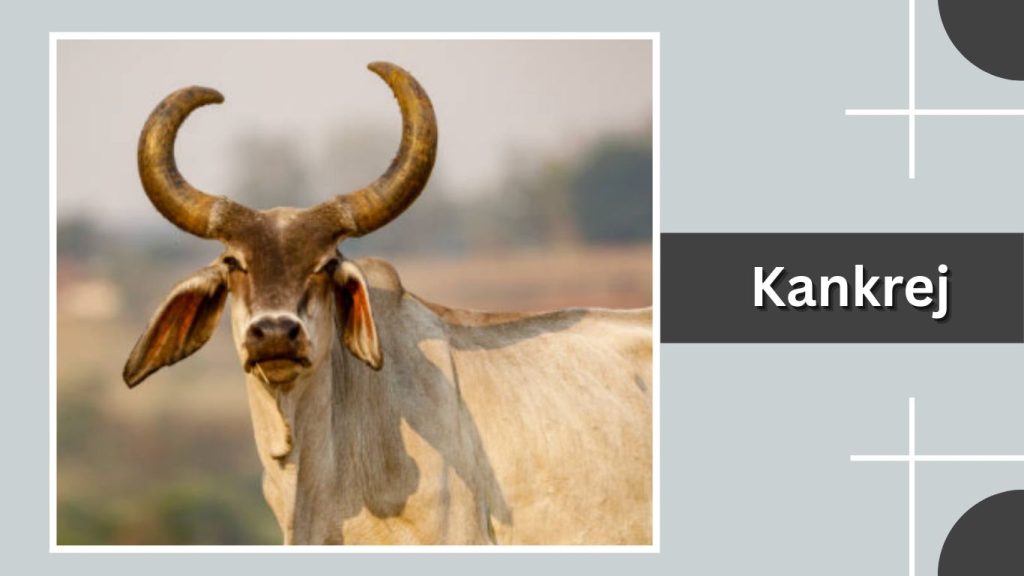
The Kankrej is a hardy dual-purpose cattle breed originating from western India. It is known for its strength, endurance, and adaptability to arid regions.
Identification
- Medium to large body size
- Silver-gray to dark gray coat
- Lyre-shaped horns
- Black muzzle and hooves
Habitat
Kankrej cattle are well adapted to dry and semi-arid climates. They perform efficiently in open grazing systems and withstand high temperatures and scarce resources.
Behaviors
Kankrejs are active, intelligent, and resilient. They are known for good stamina and strong working ability, especially in traditional farming systems.
Uses
Kankrej cattle are used for milk production, draft work, and breeding. Their toughness and adaptability make them valuable in sustainable agriculture.
18. Nellore
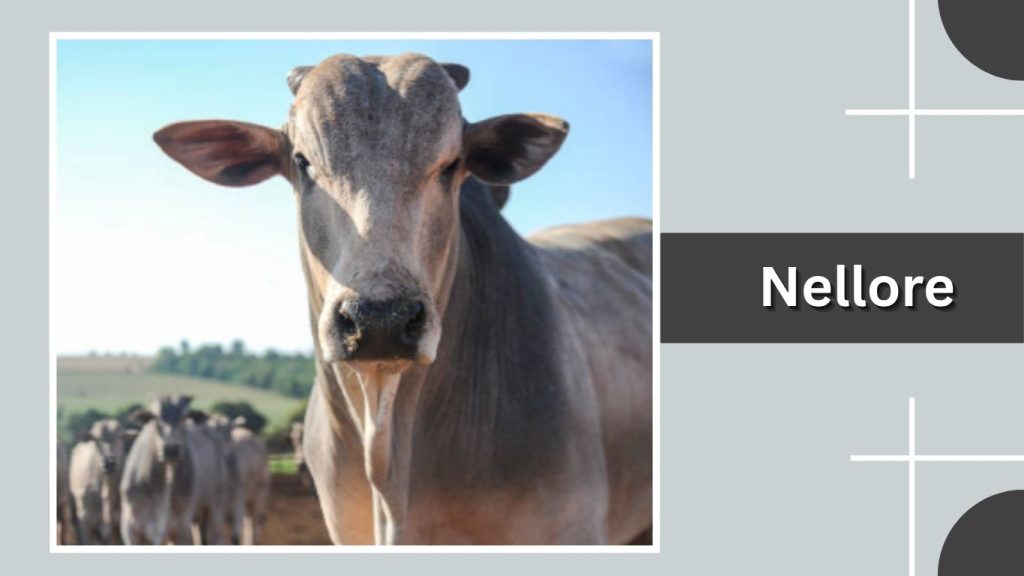
The Nellore is a prominent beef cattle breed developed from Indian zebu cattle and widely raised in tropical regions. It is especially known for heat tolerance, hardiness, and efficient weight gain.
Identification
- Large body frame
- White to light gray coat
- Prominent hump and loose skin
- Long legs with strong bones
Habitat
Nellore cattle thrive in hot, humid, and tropical climates. They are commonly raised in open grasslands and extensive grazing systems.
Behaviors
This breed is alert, active, and resilient. Nellore cattle can be cautious but adapt well to consistent handling and management.
Uses
Nellore cattle are mainly raised for beef production. They are widely used in tropical beef industries and crossbreeding programs.
19. Chianina
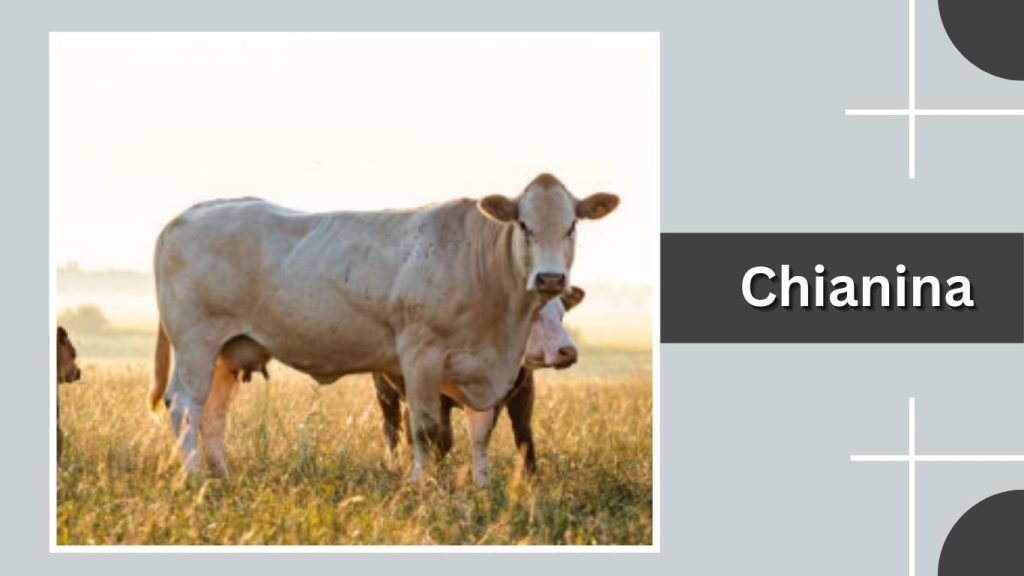
The Chianina is one of the oldest and largest cattle breeds in the world, originally developed in Italy. It is renowned for its impressive size, strength, and lean meat.
Identification
- Extremely large and tall body
- White or light gray coat with black skin
- Long legs and muscular frame
- Short horns
Habitat
Chianina cattle adapt well to temperate climates and open farmland. Historically used in agricultural work, they now thrive in managed beef production systems.
Behaviors
This breed is generally calm but powerful due to its size. Chianinas respond well to controlled handling and structured environments.
Uses
Chianina cattle are primarily raised for beef production. Their meat is prized for leanness and quality and is famously used in traditional Italian beef dishes.
20. Shorthorn
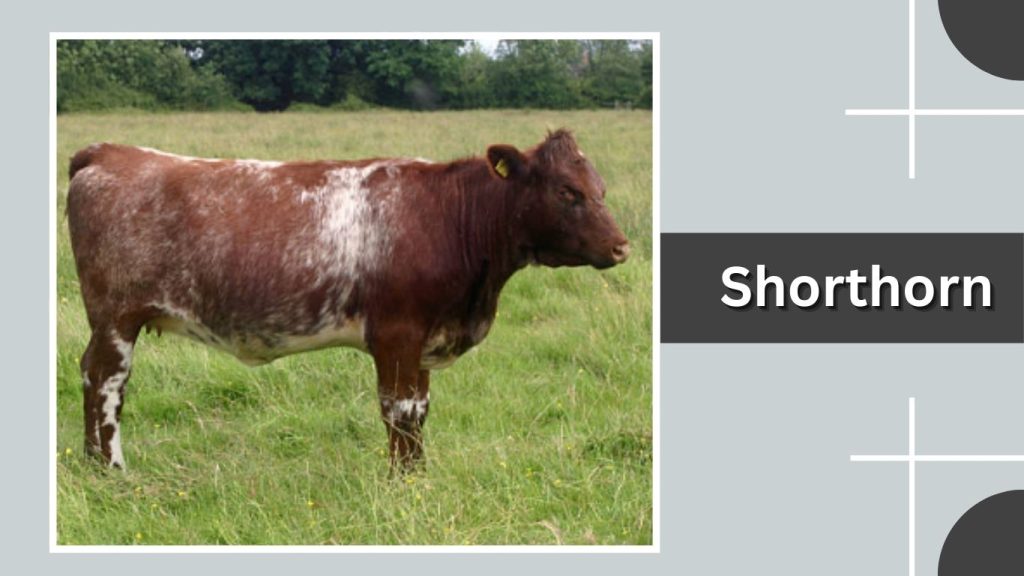
The Shorthorn is a versatile cattle breed known for both beef and dairy production. Originating in England, it has been widely used to improve productivity and temperament in other breeds.
Identification
- Medium to large body size
- Red, white, or roan coat colors
- Short horns or polled varieties
- Well-balanced body structure
Habitat
Shorthorn cattle adapt well to a wide range of climates and farming systems. They perform efficiently in pasture-based operations as well as mixed farming environments.
Behaviors
This breed is calm, docile, and easy to handle. Shorthorns are known for good mothering ability and adaptability.
Uses
Shorthorn cattle are used for beef, milk, and crossbreeding. Their versatility and gentle nature make them popular among farmers.
21. Dexter
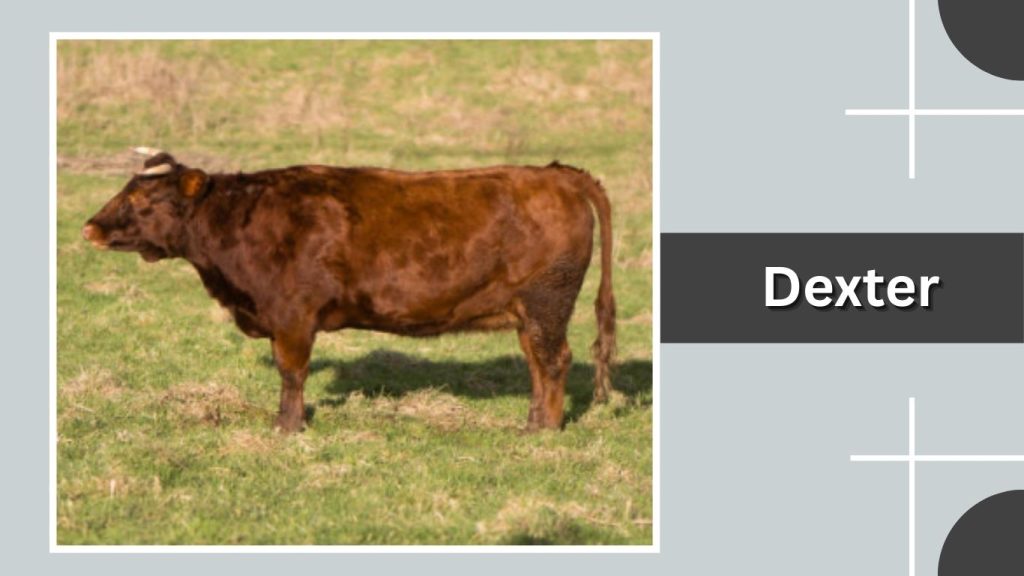
The Dexter is a small and hardy cattle breed originating from Ireland. It is valued for its efficiency, adaptability, and suitability for small farms.
Identification
- Small body size
- Black, red, or dun coat
- Short legs and compact frame
- Short horns or polled
Habitat
Dexter cattle thrive in temperate climates and are well suited to small-scale farms and pasture-based systems. They efficiently utilize limited grazing areas.
Behaviors
Dexters are friendly, intelligent, and manageable. Their calm temperament makes them ideal for smallholders and family farms.
Uses
Dexter cattle are used for both milk and beef production. Their manageable size and efficiency make them suitable for sustainable and low-input farming.
22. Belgian Blue
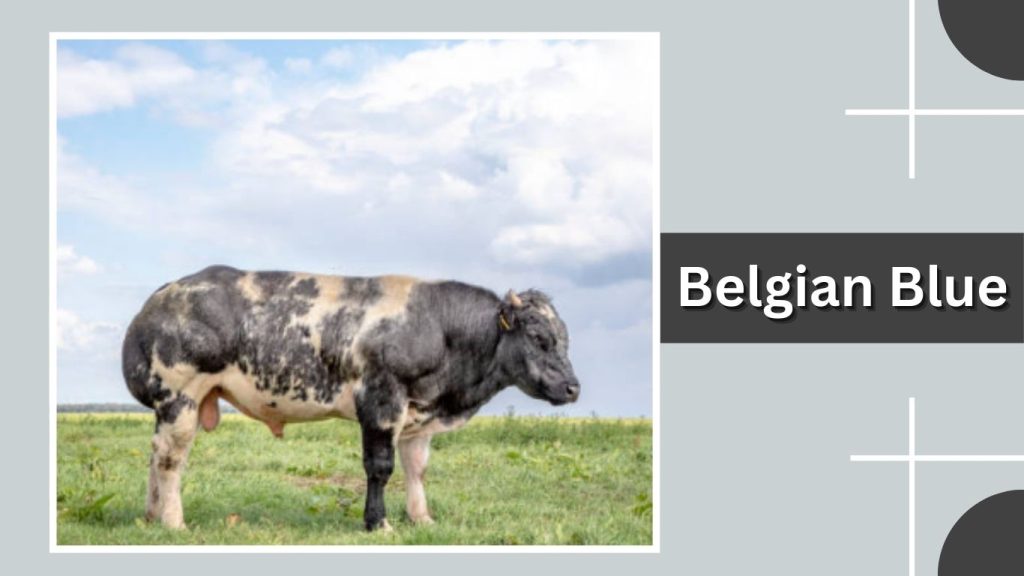
The Belgian Blue is a beef cattle breed famous for its exceptional muscle development, often referred to as “double muscling.” It originated in Belgium and is widely used in specialized beef production.
Identification
- Large body with extreme muscular definition
- White, blue-gray, or black coat
- Broad back and hindquarters
- Fine bones relative to body mass
Habitat
Belgian Blue cattle perform best in well-managed farms with controlled feeding systems. They are commonly raised in temperate regions with good veterinary and nutritional support.
Behaviors
This breed is generally calm but less suited to extensive grazing due to its heavy muscling. They require careful management, especially during breeding and calving.
Uses
Belgian Blue cattle are primarily raised for beef. Their meat is very lean, tender, and high yielding, making it valuable in commercial meat production.
23. Highland
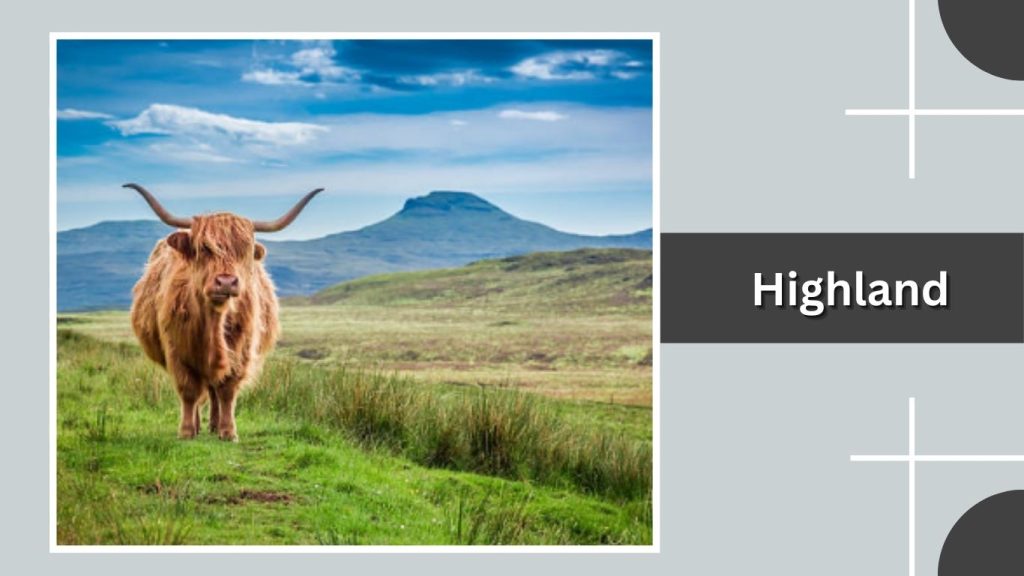
The Highland is a hardy cattle breed known for its long hair and ability to survive in harsh environments. It originated in the Scottish Highlands and is valued for resilience and low maintenance.
Identification
- Medium-sized body
- Long, shaggy hair coat
- Long, curved horns
- Coat colors include red, black, brown, and yellow
Habitat
Highland cattle thrive in cold, wet, and rugged environments. They are well suited to mountainous regions and poor-quality grazing land.
Behaviors
This breed is calm, independent, and strong foraging. Highland cattle are known for good mothering ability and minimal need for intensive care.
Uses
Highland cattle are mainly raised for beef production. Their meat is lean, flavorful, and often produced in natural or organic farming systems.
24. Texas Longhorn
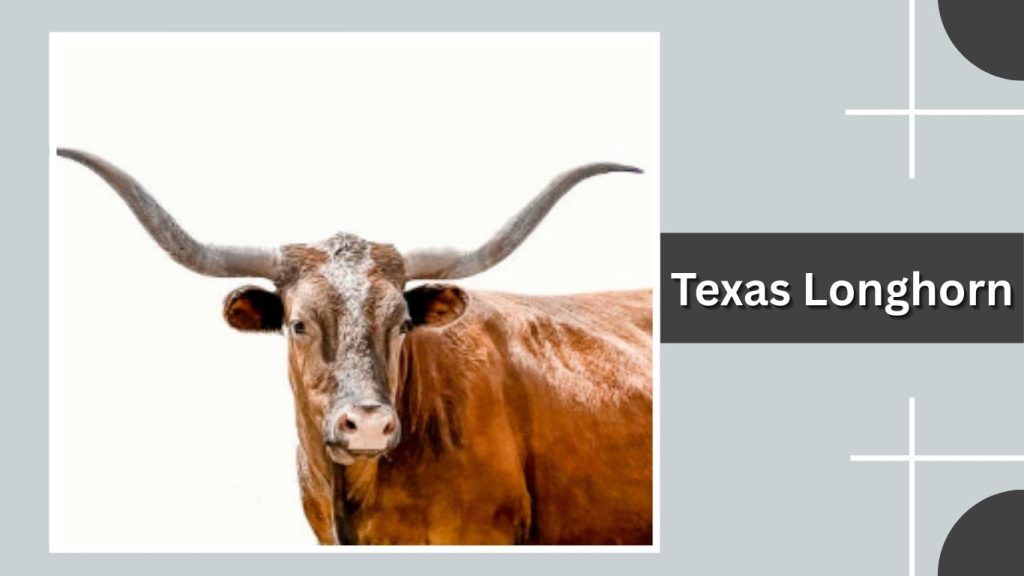
The Texas Longhorn is an iconic cattle breed known for its distinctive long horns and exceptional hardiness. It developed in the United States and is admired for adaptability and disease resistance.
Identification
- Medium-sized body
- Extremely long, curved horns
- Coat comes in a wide variety of colors and patterns
- Lean but strong body structure
Habitat
Texas Longhorns adapt well to harsh and variable climates, including hot, dry regions. They thrive in open rangelands and require minimal management.
Behaviors
This breed is intelligent, alert, and independent. Texas Longhorns are strong foragers and generally calm when handled properly.
Uses
Texas Longhorn cattle are used for beef production, breeding, and ornamental purposes. Their meat is lean, and the breed is also valued for conservation grazing.
25. Santa Gertrudis
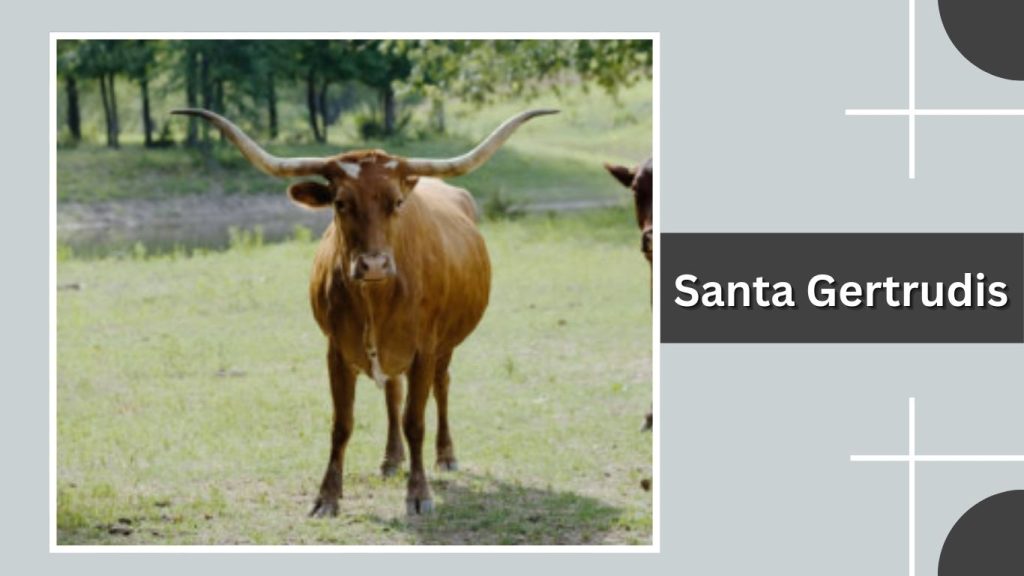
Santa Gertrudis is a beef cattle breed developed in the United States by crossing Brahman and Shorthorn cattle. It is known for heat tolerance and efficient beef production.
Identification
- Large, muscular body
- Deep cherry-red coat
- Loose skin with slight hump influence
- Short, thick horns or polled
Habitat
Santa Gertrudis cattle perform well in hot and semi-arid regions. They are commonly raised in open pastures and extensive ranching systems.
Behaviors
This breed is generally calm, adaptable, and hardy. Santa Gertrudis cattle show good resistance to heat, insects, and disease.
Uses
Santa Gertrudis cattle are primarily raised for beef production. They are valued for fast growth, adaptability, and crossbreeding benefits.
26. Gelbvieh
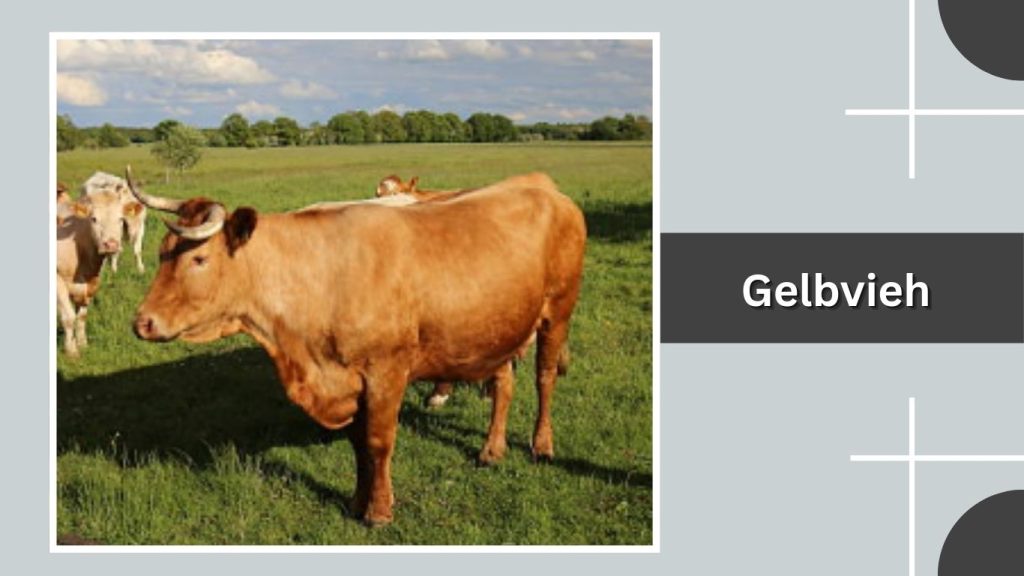
The Gelbvieh is a productive beef cattle breed developed in Germany, known for rapid growth, fertility, and excellent maternal traits. It is widely used in modern beef operations and crossbreeding programs.
Identification
- Medium to large body size
- Golden-tan to reddish coat
- Muscular yet balanced frame
- Horned or polled varieties
Habitat
Gelbvieh cattle adapt well to a wide range of climates, from temperate to moderately dry regions. They perform efficiently in pasture-based systems as well as feedlots.
Behaviors
This breed is calm, docile, and easy to manage. Gelbviehs are known for good mothering ability, early maturity, and efficient feed conversion.
Uses
Gelbvieh cattle are mainly raised for beef production. They are also highly valued in crossbreeding for improving fertility, growth rate, and carcass quality.
27. Salers
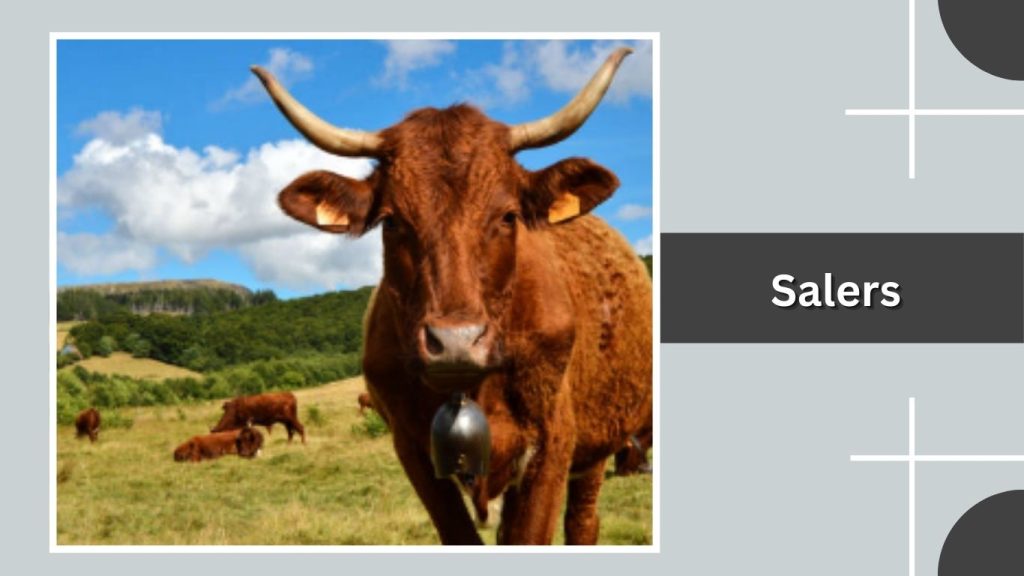
The Salers is a hardy cattle breed originating from the mountainous regions of France. It is well regarded for its strength, adaptability, and strong maternal instincts.
Identification
- Large body with a robust frame
- Dark red to mahogany coat
- Long, lyre-shaped horns
- Strong legs and hooves
Habitat
Salers cattle thrive in mountainous and rugged environments. They tolerate cold, wet conditions well and are suited to extensive grazing systems.
Behaviors
This breed is active, alert, and resilient. Salers cattle are excellent mothers and are known for easy calving and protective behavior toward calves.
Uses
Salers cattle are used primarily for beef production, with some lines also producing milk for traditional cheese-making. Their hardiness makes them valuable in low-input farming systems.