




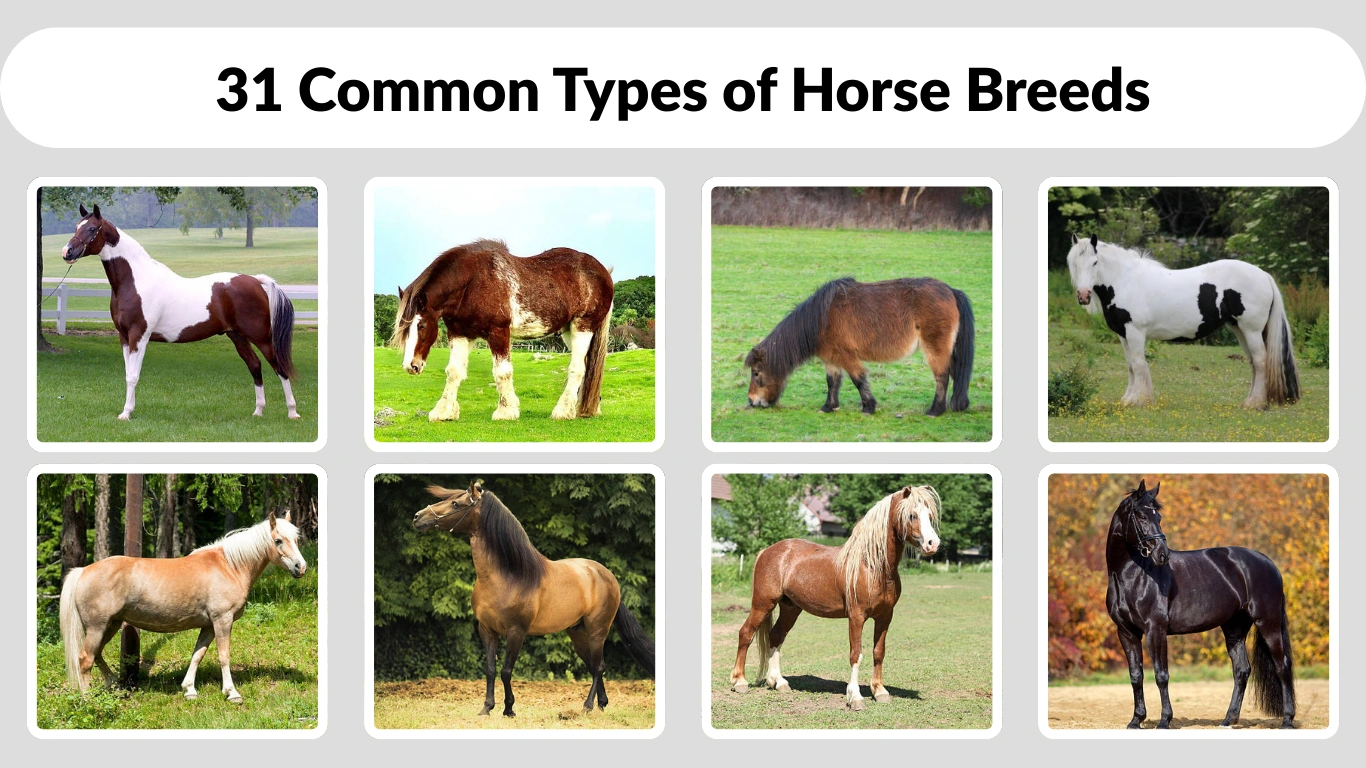
Horses have played a vital role in human history, from transportation and farming to sport and companionship. Over centuries, selective breeding has produced a wide variety of horse breeds, each with unique physical traits, temperaments, and abilities. Some breeds are built for speed and competition, while others are known for strength, endurance, or gentle family-friendly nature. This guide explores 31 common types of horse breeds, offering a clear and accessible overview for beginners, enthusiasts, and anyone interested in learning more about these remarkable animals.
1. Arabian Horse
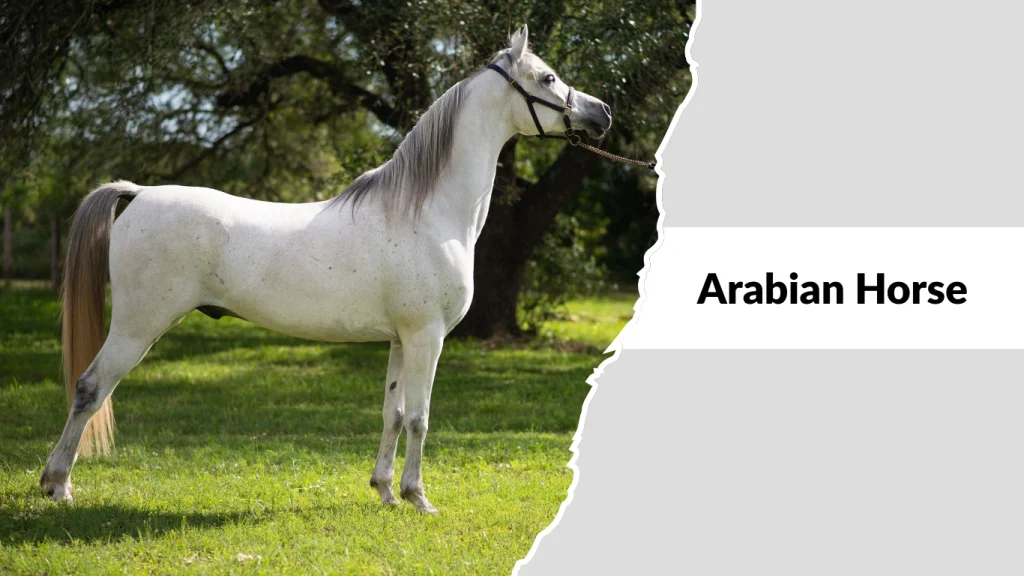
The Arabian is one of the oldest and most recognizable horse breeds in the world, known for its endurance, intelligence, and refined appearance. Originally developed in the Arabian Peninsula, it has influenced countless modern breeds. Arabians are prized for their stamina and strong bond with humans, making them popular for both competitive riding and lifelong companionship.
Identification
- Distinct dished (concave) face profile
- Large, expressive eyes and small muzzle
- High-set, arched neck
- Compact, refined body with strong bone
- High tail carriage, especially in motion
Temperament
Arabians are alert, intelligent, and people-oriented. They tend to learn quickly and form strong relationships with handlers, but they can also be sensitive—often responding best to calm, consistent training.
Common Uses
They are especially famous for endurance riding, but also excel in show disciplines, pleasure riding, dressage, and as foundation bloodlines in many sport and riding horses worldwide.
Care and Considerations
Because they’re typically fine-boned and sensitive, Arabians often do best with attentive management: steady routines, balanced nutrition, and careful conditioning. Their intelligence also means they thrive with variety and purposeful work rather than repetitive training.
2. Thoroughbred
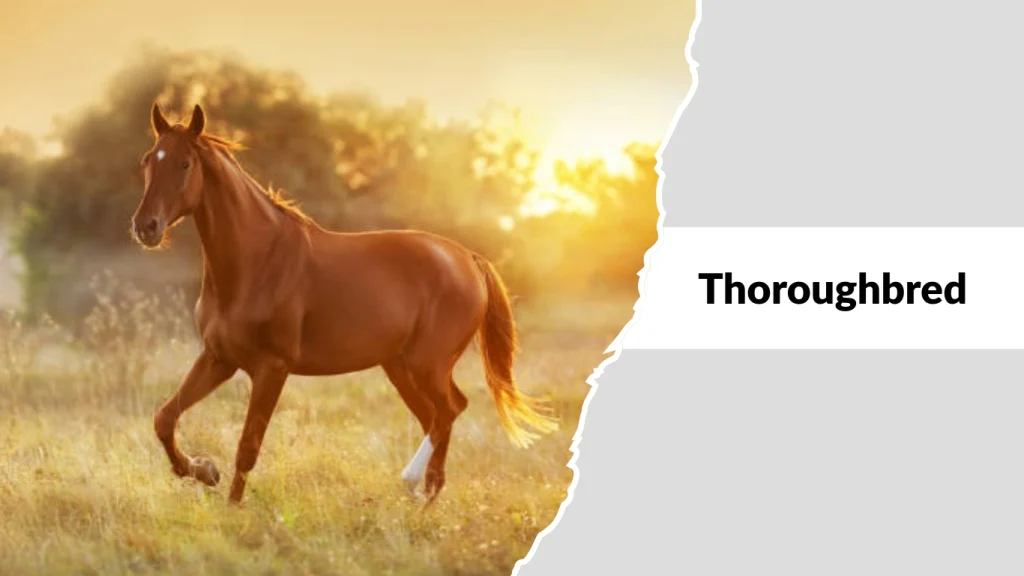
The Thoroughbred is best known for speed, athleticism, and competitive spirit. Developed in England primarily for racing, this breed has become a cornerstone of many modern sport horses. Thoroughbreds are admired for their power, agility, and versatility beyond the racetrack.
Identification
- Tall, lean, and athletic build
- Long legs with strong joints
- Deep chest and sloping shoulders
- Fine coat with prominent veins
- Refined head with straight profile
Temperament
Thoroughbreds are energetic, bold, and highly responsive. They often have a strong work ethic and thrive when given a job, though they benefit from patient handling due to their sensitivity and intelligence.
Common Uses
While famous for horse racing, Thoroughbreds also excel in show jumping, eventing, dressage, fox hunting, and general sport riding after their racing careers.
Care and Considerations
They typically require careful conditioning, quality nutrition, and attentive hoof and leg care. Mental stimulation and consistent routines help keep them relaxed and focused.
3. Quarter Horse
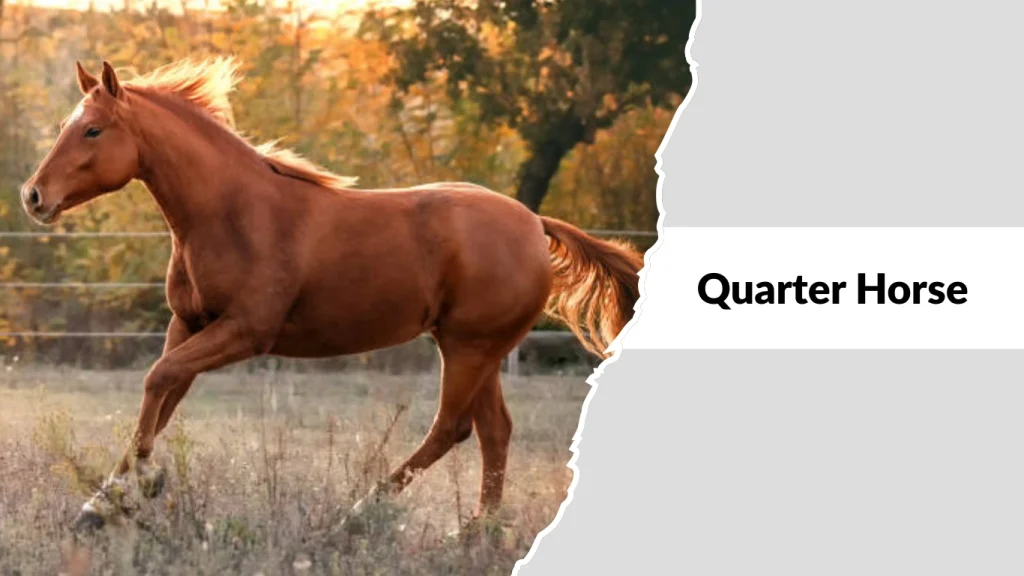
The American Quarter Horse is renowned for its strength, versatility, and calm disposition. Originating in the United States, it earned its name from its exceptional ability to sprint short distances. It is one of the most popular and widely used horse breeds in the world.
Identification
- Muscular, compact body
- Broad chest and powerful hindquarters
- Short, strong back
- Straight facial profile
- Low tail set and sturdy legs
Temperament
Quarter Horses are known for being calm, dependable, and easy to train. Their steady nature makes them suitable for riders of all experience levels, from beginners to professionals.
Common Uses
They are widely used in western riding disciplines such as reining, cutting, barrel racing, and ranch work, as well as trail riding and general pleasure riding.
Care and Considerations
Quarter Horses are generally hardy and low-maintenance, but their efficient metabolism means they can gain weight easily. Regular exercise and balanced feeding are important to keep them healthy and fit.
4. Appaloosa
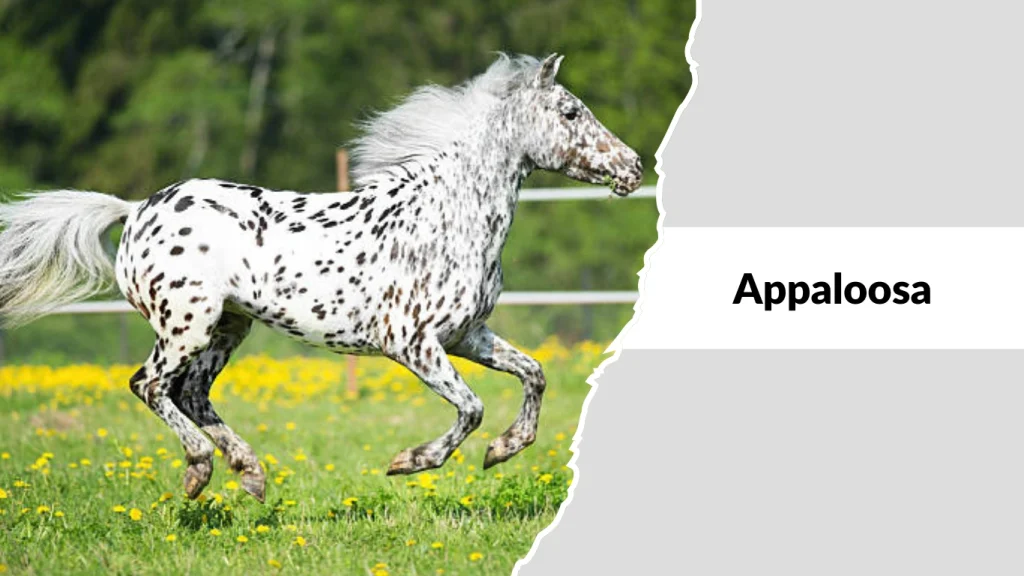
The Appaloosa is a distinctive and versatile breed best known for its striking spotted coat patterns. Developed in North America by the Nez Perce people, this horse is valued for its endurance, intelligence, and adaptability across many riding disciplines.
Identification
- Spotted or mottled coat patterns
- Mottled skin around eyes, muzzle, and genitals
- White sclera visible around the eyes
- Striped hooves
- Compact, athletic build
Temperament
Appaloosas are generally intelligent, curious, and independent thinkers. They tend to be loyal to their owners and can be both hardworking and playful when properly trained.
Common Uses
They are used in trail riding, western disciplines, endurance riding, ranch work, and pleasure riding, thanks to their stamina and sure-footed nature.
Care and Considerations
Some Appaloosas may be prone to sun sensitivity on pink skin areas and certain genetic conditions affecting vision. Regular health checks and appropriate shelter are important for long-term care.
5. Andalusian
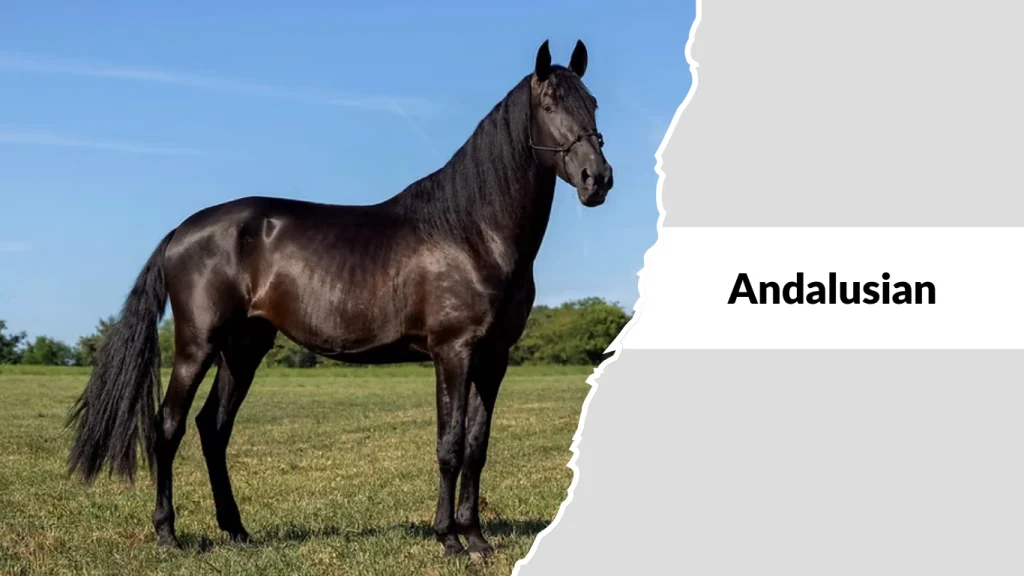
The Andalusian is a graceful and powerful breed originating from the Iberian Peninsula. Known for its elegance and historical role as a war and royal horse, it is admired for both its beauty and advanced movement.
Identification
- Strong, compact body with a broad chest
- Long, thick mane and tail
- Arched neck with a proud head carriage
- Convex or slightly straight facial profile
- Elevated, expressive gaits
Temperament
Andalusians are typically calm, intelligent, and willing to work. They are known for their responsiveness and strong connection with riders, making them suitable for advanced training.
Common Uses
They excel in classical dressage, high school movements, parades, exhibitions, and traditional riding styles that emphasize collection and balance.
Care and Considerations
Their thick manes and tails require regular grooming, and they benefit from consistent training to keep both body and mind engaged. With proper care, Andalusians are hardy and long-lived horses.
6. Friesian
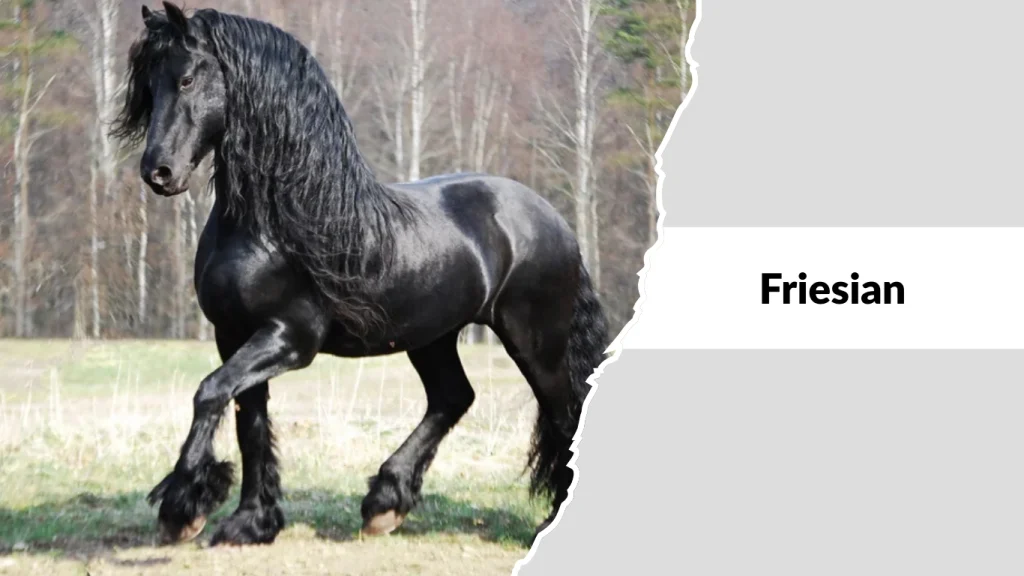
The Friesian is a striking horse breed known for its elegant appearance and flowing movement. Originating in the Netherlands, it has a long history as both a war horse and carriage horse. Today, it is admired for its beauty, strength, and graceful presence.
Identification
- Solid black coat (most common)
- Long, thick mane and tail
- Feathering on lower legs
- Arched neck with upright head carriage
- Strong, compact body
Temperament
Friesians are typically gentle, willing, and people-friendly. They are intelligent and eager to please, making them enjoyable to work with despite their powerful build.
Common Uses
They are commonly used in dressage, driving, exhibitions, parades, and film work due to their dramatic movement and appearance.
Care and Considerations
Their heavy mane, tail, and leg feathering require frequent grooming to prevent tangles and skin issues. Regular exercise is important to maintain fitness and joint health.
7. Morgan
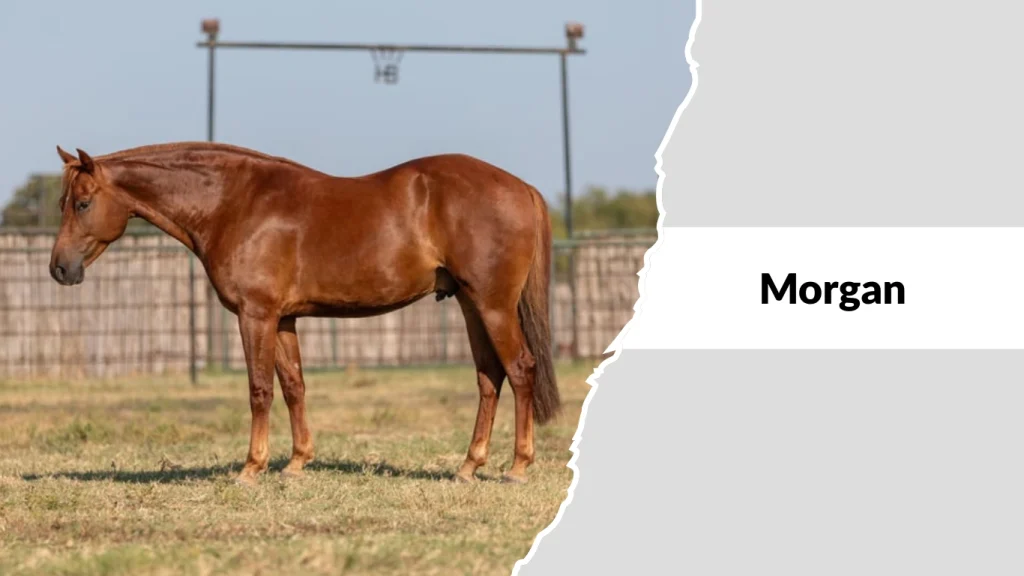
The Morgan is a versatile and historic American horse breed known for its strength, endurance, and cheerful disposition. Developed in the United States, it played a significant role in shaping many other American breeds.
Identification
- Compact, muscular body
- Short back with a deep chest
- Expressive eyes and refined head
- Upright neck carriage
- Strong, clean legs
Temperament
Morgans are friendly, intelligent, and highly adaptable. They are known for their willingness to work and calm nature, making them suitable for a wide range of riders.
Common Uses
They excel in English and western riding, driving, trail riding, endurance, and family riding due to their versatility and reliability.
Care and Considerations
Morgans are generally hardy and easy keepers. They benefit from balanced nutrition and regular exercise, as they can gain weight easily if overfed.
8. Tennessee Walking Horse
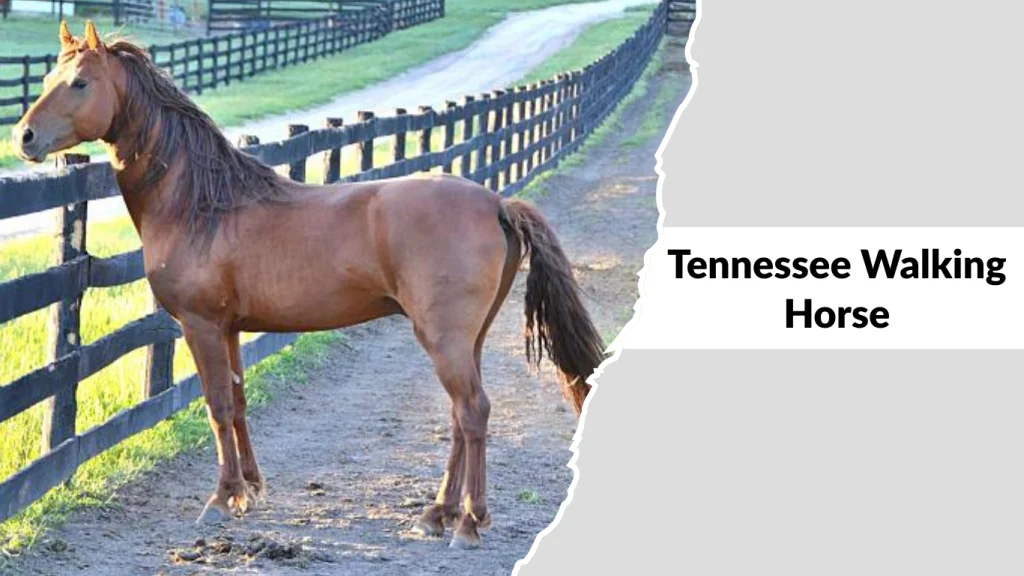
The Tennessee Walking Horse is famous for its smooth, comfortable gaits and calm demeanor. Originating in the United States, it was bred to provide riders with an effortless ride over long distances, especially on farms and trails.
Identification
- Tall, elegant build with long legs
- Sloping shoulder and long neck
- Solid or patterned coat colors
- Naturally smooth running walk
- Well-defined, expressive head
Temperament
This breed is known for being gentle, calm, and people-oriented. Tennessee Walking Horses are typically easy to handle and enjoy steady, relaxed work.
Common Uses
They are widely used for trail riding, pleasure riding, show competitions focused on gait, and long-distance riding due to their exceptional comfort.
Care and Considerations
Maintaining proper hoof care is essential to support their natural gaits. Ethical training practices and regular exercise help ensure soundness and long-term well-being.
9. American Paint Horse
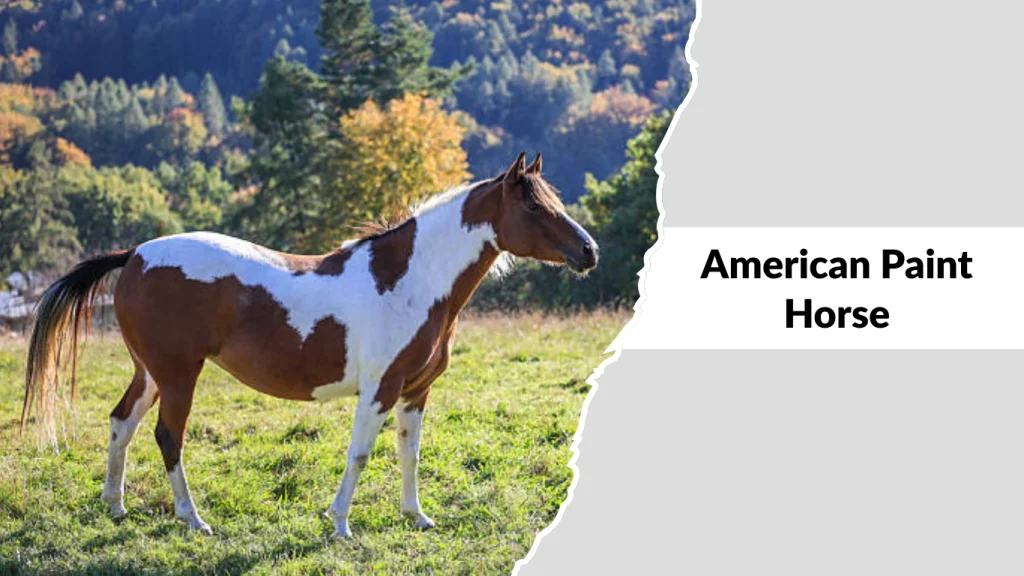
The American Paint Horse combines athletic ability with eye-catching coat patterns. Closely related to the Quarter Horse and Thoroughbred, it is valued for both its performance and distinctive appearance.
Identification
- Colorful coat patterns such as tobiano and overo
- Muscular, balanced body
- Broad chest and strong hindquarters
- Straight facial profile
- Sturdy legs and strong hooves
Temperament
Paint Horses are generally calm, intelligent, and cooperative. Their reliable nature makes them suitable for riders of varying experience levels.
Common Uses
They are popular in western disciplines, ranch work, trail riding, pleasure riding, and some English disciplines as well.
Care and Considerations
White coat areas may be more prone to sunburn, so shade and protection are important. Overall, they are hardy horses with straightforward care needs.
10. Clydesdale

The Clydesdale is a large draft horse best known for its impressive size, strength, and distinctive feathered legs. Originating in Scotland, it has long been used for heavy farm work and hauling, while today it is also admired for its majestic appearance.
Identification
- Very large, heavy-boned body
- Feathering on lower legs
- Broad chest and powerful shoulders
- Slightly convex facial profile
- Commonly bay with white markings
Temperament
Clydesdales are gentle, calm, and easygoing despite their size. They are typically patient and friendly, making them approachable and manageable with proper handling.
Common Uses
They are used in parades, promotional events, driving, light farm work, and exhibitions showcasing draft horse power and beauty.
Care and Considerations
Due to their size, they require ample space, strong fencing, and higher feed intake. Regular grooming of leg feathering is important to prevent skin infections.
11. Shire
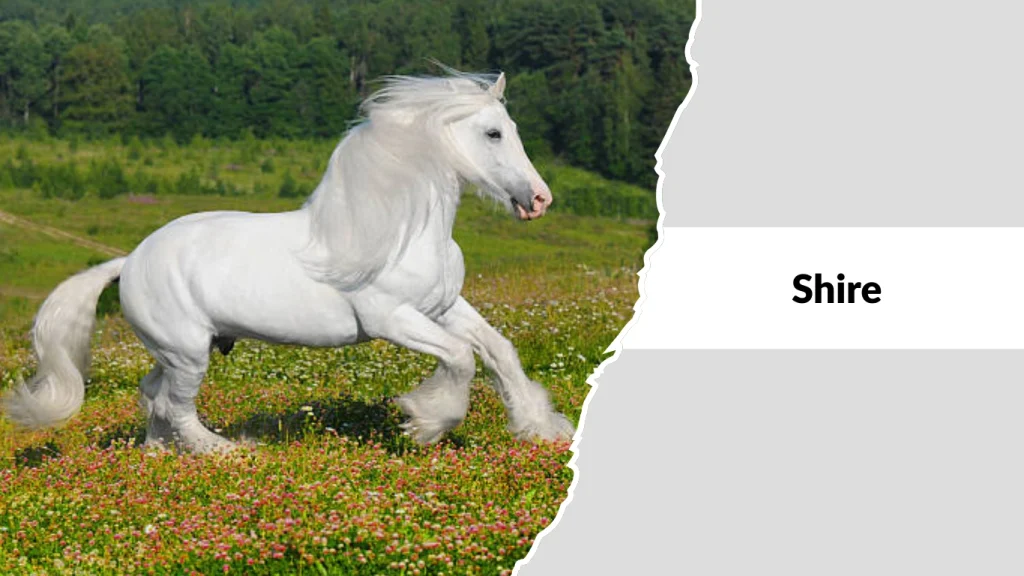
The Shire is one of the largest and strongest horse breeds in the world. Developed in England, it was historically used for heavy agricultural work and hauling loads, and today it remains a symbol of strength and tradition.
Identification
- Extremely tall and massive build
- Heavy feathering on legs
- Large head with a straight profile
- Broad back and powerful hindquarters
- Typically black, bay, or gray
Temperament
Shires are known for their calm, patient, and dependable nature. They are typically very gentle and respond well to consistent, respectful handling.
Common Uses
They are commonly seen in driving, farm demonstrations, parades, forestry work, and breed exhibitions.
Care and Considerations
Shires require substantial daily nutrition, regular hoof and leg care, and plenty of room to move. Their feathered legs need routine cleaning to avoid skin issues.
12. Percheron
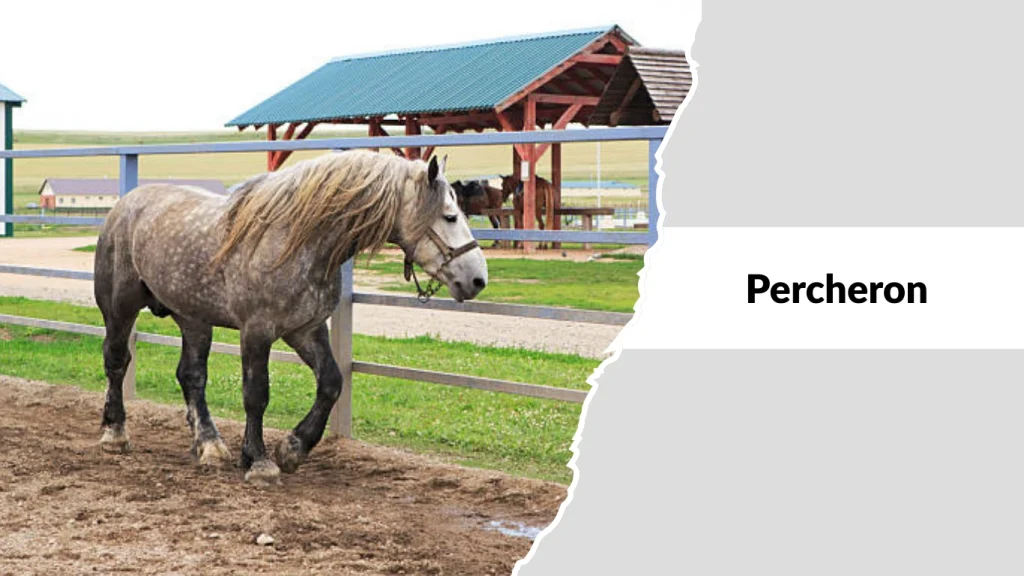
The Percheron is a powerful yet elegant draft horse originating from France. Known for its strength, endurance, and refined movement, it has been widely used for both heavy work and stylish carriage driving.
Identification
- Large, muscular body with good balance
- Clean legs with minimal feathering
- Broad chest and strong hindquarters
- Straight or slightly convex facial profile
- Commonly gray or black coat
Temperament
Percherons are generally calm, intelligent, and willing. They are known for their steady attitude and ability to adapt to both work and show environments.
Common Uses
They are used in farming, carriage driving, parades, logging, and competitive draft horse shows.
Care and Considerations
Although hardy, they require consistent exercise to maintain muscle tone. Proper hoof care and balanced feeding are essential due to their size and workload.
13. Belgian
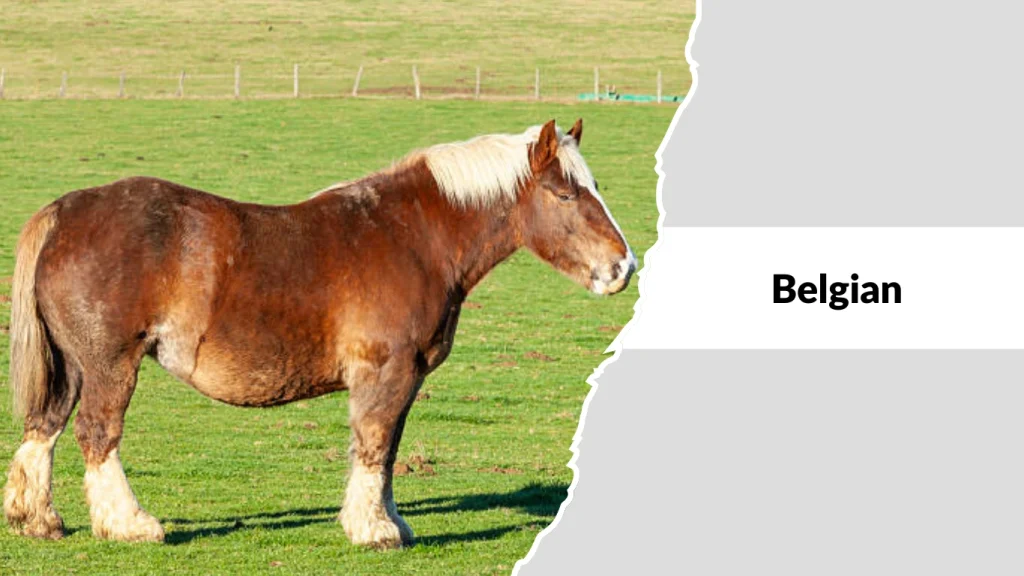
The Belgian is a heavily built draft horse famous for its immense pulling power and gentle nature. Originating in Belgium, it is one of the strongest and most widely used draft breeds in the world.
Identification
- Massive, muscular frame
- Short, strong legs with light feathering
- Broad head with kind expression
- Deep chest and wide back
- Typically chestnut or sorrel with flaxen mane
Temperament
Belgians are known for being calm, docile, and hardworking. Their friendly disposition makes them easy to handle despite their impressive size.
Common Uses
They are commonly used in farming, logging, pulling competitions, parades, and educational demonstrations.
Care and Considerations
Their large size means higher feed and space requirements. Regular exercise and careful weight management help prevent joint and hoof problems.
14. Hanoverian
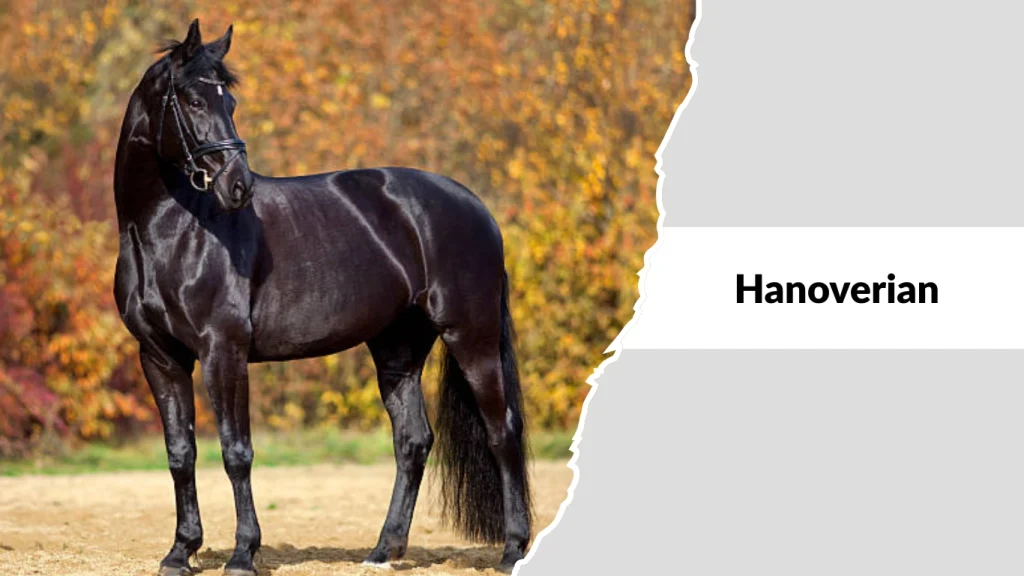
The Hanoverian is a refined and athletic warmblood breed developed in Germany. It is especially known for excellence in sport disciplines, combining power, elegance, and trainability.
Identification
- Tall, well-proportioned body
- Strong, sloping shoulders
- Long legs with solid bone
- Refined head with straight profile
- Elastic, ground-covering movement
Temperament
Hanoverians are intelligent, balanced, and willing to work. They are typically confident without being overly reactive, making them popular with serious riders and professionals.
Common Uses
They excel in dressage, show jumping, eventing, and other competitive English riding disciplines.
Care and Considerations
Regular, structured training and conditioning are important to develop their athletic potential. They benefit from high-quality nutrition and attentive joint and hoof care.
15. Warmblood
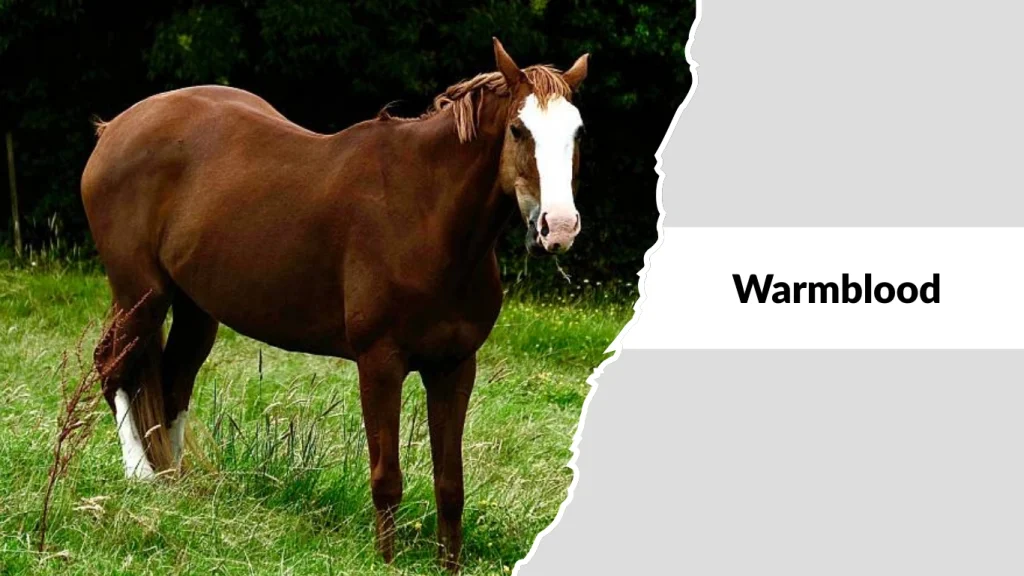
Warmbloods are not a single breed but a group of sport horse types developed primarily in Europe. They are bred specifically for performance, combining the strength of draft horses with the agility of lighter riding horses.
Identification
- Medium to tall, athletic build
- Well-muscled yet elegant frame
- Straight or slightly convex facial profile
- Long legs and balanced proportions
- Smooth, expressive gaits
Temperament
Warmbloods are generally calm, intelligent, and cooperative. Selective breeding emphasizes rideability, making them suitable for both amateurs and professionals.
Common Uses
They dominate in dressage, show jumping, eventing, and other Olympic-level equestrian sports.
Care and Considerations
Because they are performance-oriented, Warmbloods benefit from consistent training, proper conditioning, and regular veterinary care to maintain peak soundness.
16. Mustang
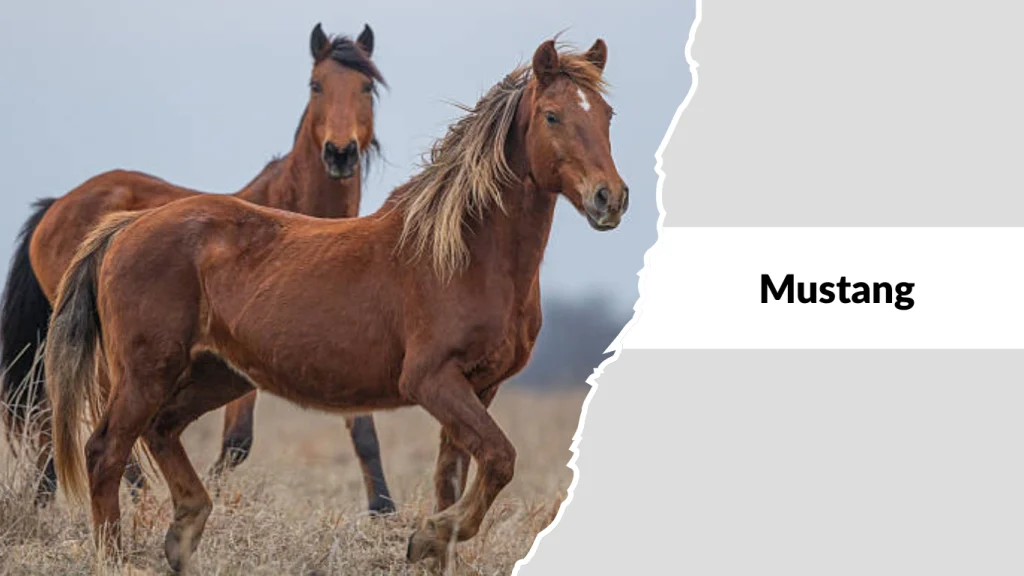
The Mustang is a hardy, free-roaming horse of North America, descended from horses brought by Spanish explorers. Known for its resilience and intelligence, the Mustang symbolizes freedom and adaptability.
Identification
- Compact, sturdy build
- Strong legs with tough hooves
- Wide range of coat colors
- Short, thick mane and tail
- Alert, expressive eyes
Temperament
Mustangs are intelligent, cautious, and highly adaptable. Once trained, they often become loyal and sure-footed partners, though they typically require patient, knowledgeable handling.
Common Uses
They are used for trail riding, ranch work, endurance riding, and pleasure riding, particularly valued for their toughness and reliability.
Care and Considerations
Mustangs are efficient eaters and can gain weight easily on rich pasture. Gradual training and consistent handling are key to building trust and long-term success.
17. Shetland Pony
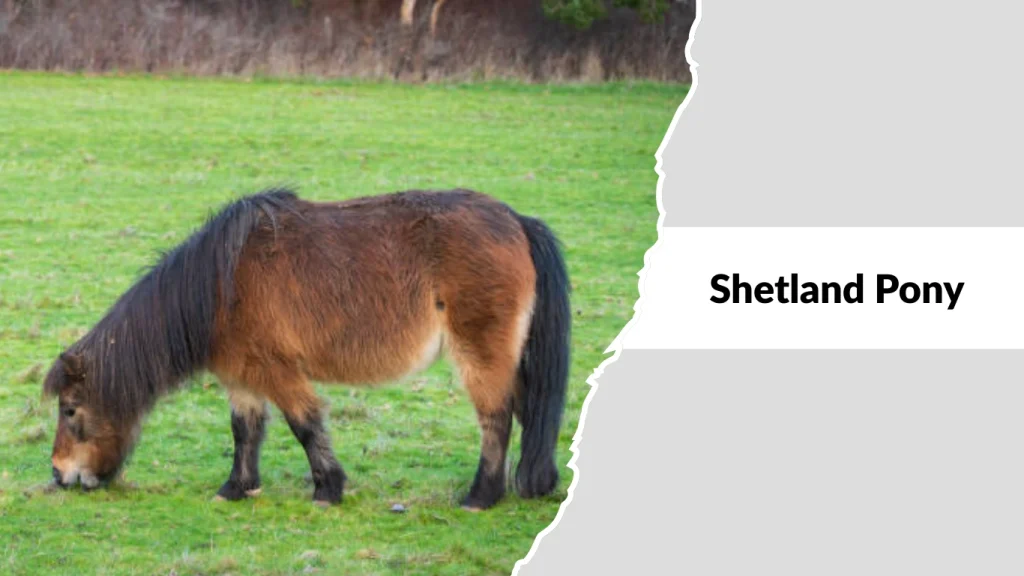
The Shetland Pony is a small but exceptionally strong breed originating from the Shetland Islands of Scotland. Despite its size, it is known for remarkable strength, endurance, and longevity.
Identification
- Very small, compact body
- Thick mane, tail, and dense coat
- Short, sturdy legs
- Broad head with small ears
- Wide variety of coat colors
Temperament
Shetlands are intelligent, bold, and sometimes stubborn. With proper training, they can be affectionate and dependable, especially when handled consistently.
Common Uses
They are commonly used as children’s ponies, for driving, light farm work, and companion animals.
Care and Considerations
Their thick coats require seasonal grooming, and they are prone to weight gain. Careful diet management is essential to prevent metabolic issues.
18. Welsh Pony
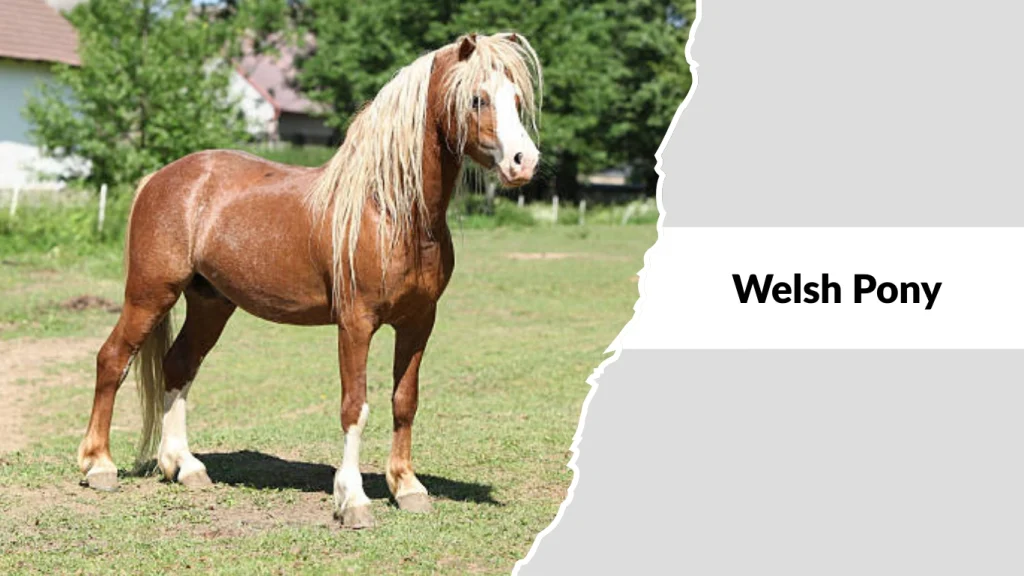
The Welsh Pony is a versatile and elegant pony breed originating from Wales. It is known for its refined appearance, athletic ability, and adaptability across many riding and driving activities.
Identification
- Refined head with large eyes
- Short back and strong hindquarters
- Sloping shoulders
- Upright, proud neck carriage
- Variety of coat colors
Temperament
Welsh Ponies are intelligent, friendly, and energetic. They often combine a gentle nature with enough spirit to excel in competitive settings.
Common Uses
They are popular for children’s riding, driving, showing, jumping, and as family ponies due to their versatility.
Care and Considerations
Welsh Ponies are hardy and easy keepers. Proper diet control and regular exercise are important to avoid obesity and related health issues.
19. Icelandic Horse

The Icelandic Horse is a unique and ancient breed developed in Iceland. It is prized for its strength, endurance, and special gaits, making it well suited to challenging terrain and long-distance travel.
Identification
- Compact, sturdy body
- Thick mane and tail
- Short, strong legs
- Wide variety of coat colors
- Naturally smooth extra gaits, such as tölt
Temperament
Icelandic Horses are friendly, confident, and willing. They are known for their calm nature and strong bond with riders.
Common Uses
They are used for trail riding, endurance riding, pleasure riding, and traditional Icelandic competitions focusing on gait.
Care and Considerations
Their thick coats require seasonal shedding management. They thrive on simple diets but can gain weight easily when kept on rich pasture.
20. Lipizzaner
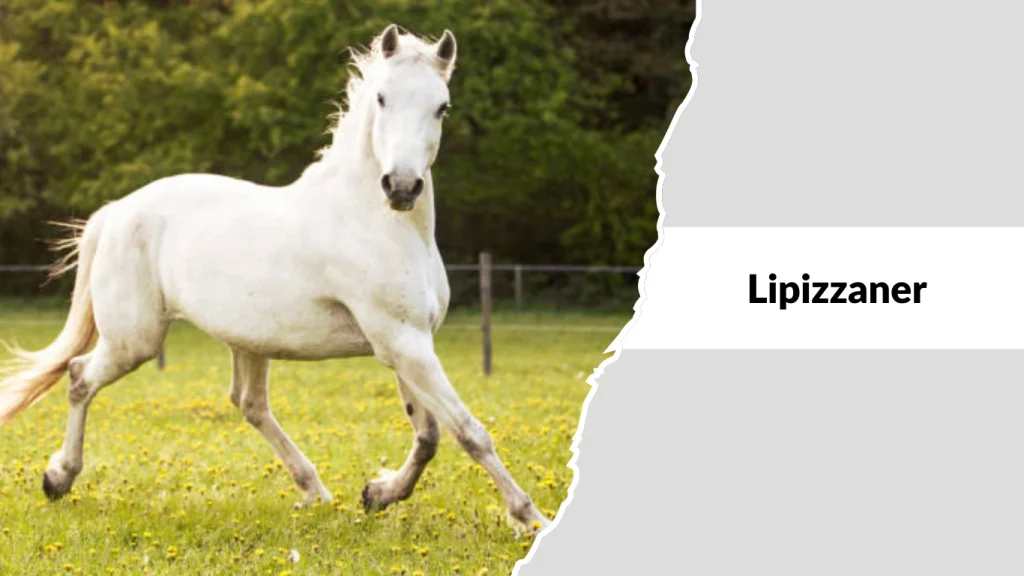
The Lipizzaner is a classical riding horse famous for its association with traditional dressage. Developed in Central Europe, this breed is celebrated for elegance, intelligence, and precise, collected movement.
Identification
- Compact, muscular body
- Strong, arched neck
- Broad chest and short back
- Convex or straight facial profile
- Typically born dark and turn gray with age
Temperament
Lipizzaners are intelligent, calm, and highly trainable. They mature slowly but develop strong work ethics and deep partnerships with experienced riders.
Common Uses
They are best known for classical dressage, high school movements, exhibitions, and performances rooted in traditional riding schools.
Care and Considerations
Because they mature slowly, training should be gradual and patient. Consistent exercise and mental engagement are essential to keep them fit and responsive.
21. Akhal-Teke
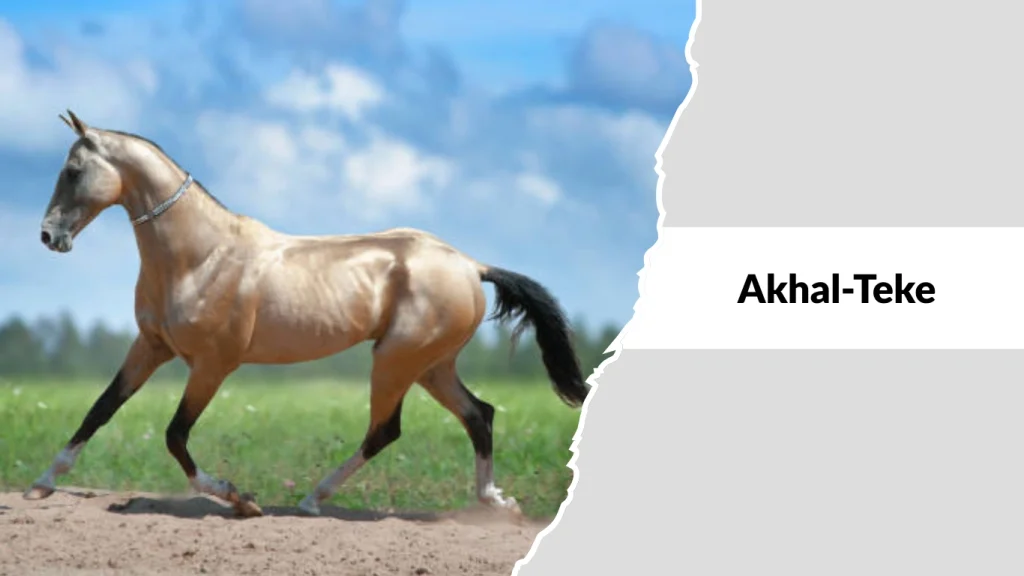
The Akhal-Teke is a rare and ancient breed originating from Central Asia. It is known for its metallic sheen, endurance, and refined, almost sculpted appearance.
Identification
- Slim, fine-boned build
- Long legs and narrow frame
- Distinctive metallic coat sheen
- Long, elegant neck
- Sparse mane and tail
Temperament
Akhal-Tekes are intelligent, sensitive, and loyal. They often form strong bonds with one person and may appear aloof with strangers.
Common Uses
They are used in endurance riding, sport disciplines, racing, and pleasure riding, valued for stamina and efficiency.
Care and Considerations
Their fine build requires attentive nutrition and conditioning. They tend to thrive with consistent handling, clear communication, and a calm training approach.
22. Paso Fino

The Paso Fino is a smooth-gaited horse originating from Latin America, prized for its comfort and elegance. Its naturally even four-beat gait makes it especially popular for long, comfortable rides.
Identification
- Compact, well-balanced body
- Refined head with alert expression
- Strong back and hindquarters
- Naturally smooth, rhythmic gait
- Flowing mane and tail
Temperament
Paso Finos are typically calm, willing, and people-focused. They are energetic without being difficult and respond well to gentle, consistent training.
Common Uses
They are used for pleasure riding, trail riding, gaited horse shows, and long-distance riding where comfort is essential.
Care and Considerations
Maintaining hoof balance is important to preserve their natural gait. Regular exercise and proper conditioning help keep them sound and comfortable.
23. Missouri Fox Trotter
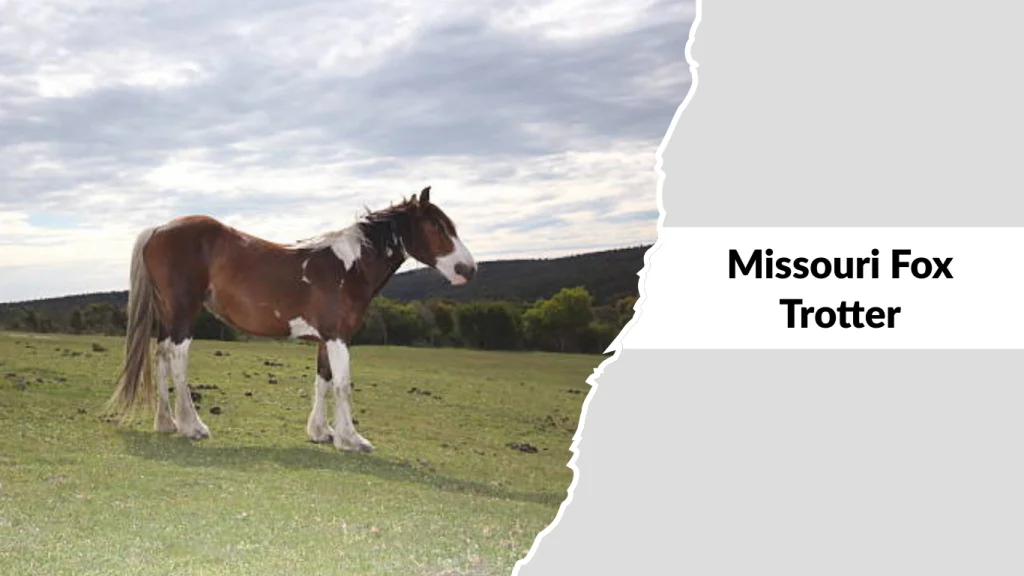
The Missouri Fox Trotter is a gaited breed developed in the United States for sure-footed travel over rough terrain. It is valued for endurance, stability, and a smooth ride.
Identification
- Medium-sized, sturdy build
- Strong legs and solid hooves
- Sloping shoulders
- Naturally smooth fox trot gait
- Calm, alert expression
Temperament
This breed is known for being gentle, intelligent, and dependable. Missouri Fox Trotters are typically easy to handle and well-suited for long hours of riding.
Common Uses
They are widely used for trail riding, ranch work, pleasure riding, and endurance riding.
Care and Considerations
They are generally hardy horses, but regular exercise and good hoof care are essential to maintain gait quality and long-term soundness.
24. Haflinger

The Haflinger is a sturdy and attractive horse breed originating from the mountainous regions of Austria and Italy. Known for its strength relative to size and cheerful personality, it is a popular all-purpose family horse.
Identification
- Compact, muscular body
- Chestnut coat with flaxen mane and tail
- Short, strong legs
- Kind expression with a refined head
- Deep chest and strong hindquarters
Temperament
Haflingers are friendly, willing, and confident. They are known for their steady nature and adaptability, making them suitable for riders of varying experience levels.
Common Uses
They are used for trail riding, driving, dressage, light farm work, and pleasure riding.
Care and Considerations
Haflingers are easy keepers and can gain weight easily. Controlled feeding, regular exercise, and good hoof care are important for maintaining health.
25. Gypsy Vanner
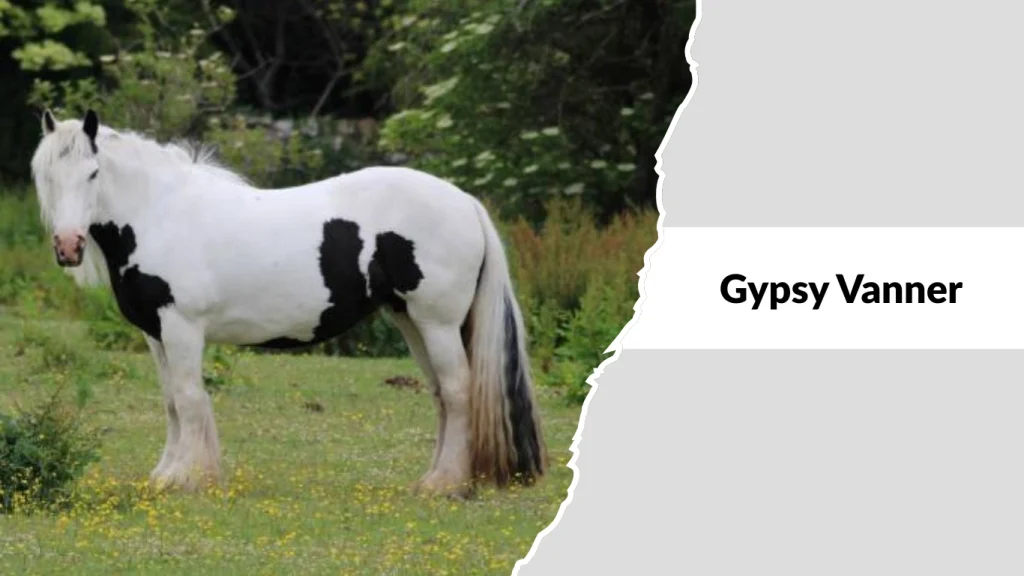
The Gypsy Vanner is a distinctive horse breed developed by the Romani people of the British Isles. It is known for its striking appearance, feathered legs, and calm, people-friendly temperament.
Identification
- Stocky, powerful build
- Long, flowing mane and tail
- Heavy feathering on lower legs
- Piebald or skewbald coat patterns
- Broad head with kind eyes
Temperament
Gypsy Vanners are gentle, calm, and sociable. They are often very people-oriented and enjoy close interaction with handlers.
Common Uses
They are used for driving, trail riding, pleasure riding, therapy programs, and exhibitions.
Care and Considerations
Regular grooming of feathered legs is essential to prevent skin problems. They thrive with consistent routines and moderate exercise.
26. Oldenburg
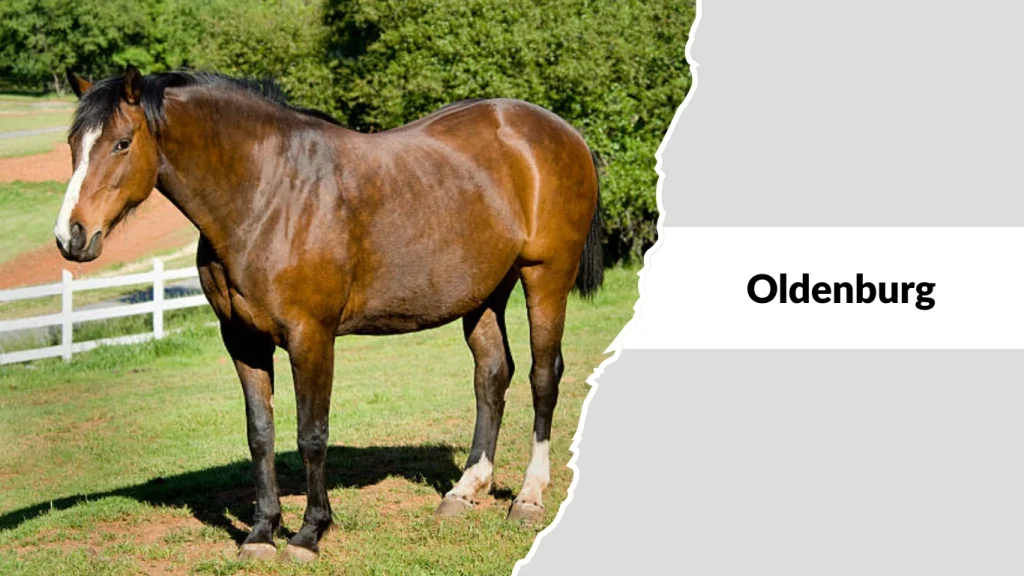
The Oldenburg is a powerful and elegant warmblood breed developed in Germany. Bred for sport performance, it is known for strength, expressive movement, and a willing attitude.
Identification
- Large, well-muscled frame
- Long legs with solid bone
- Strong neck and sloping shoulders
- Refined head with straight profile
- Elastic, ground-covering gaits
Temperament
Oldenburgs are intelligent, confident, and cooperative. They are typically bold yet manageable, making them suitable for advanced sport training.
Common Uses
They excel in dressage, show jumping, eventing, and other high-level English riding disciplines.
Care and Considerations
They benefit from structured training programs, regular conditioning, and attentive joint care to support their athletic workload.
27. Holsteiner
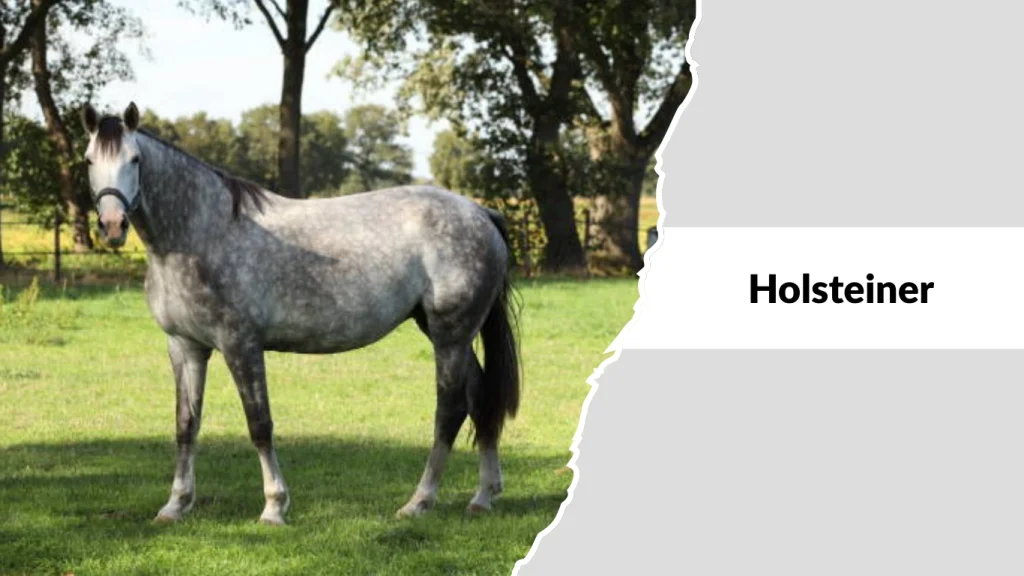
The Holsteiner is a distinguished warmblood breed originating from Germany, especially valued for jumping ability. It combines power, balance, and precision.
Identification
- Strong, athletic build
- Well-defined musculature
- Long, sloping shoulders
- Straight or slightly convex facial profile
- Powerful hindquarters
Temperament
Holsteiners are known for being intelligent, brave, and focused. They often show great determination and confidence in competitive environments.
Common Uses
They are especially popular in show jumping, but also perform well in dressage and eventing.
Care and Considerations
Consistent training, proper warm-up routines, and regular veterinary oversight help maintain soundness and performance longevity.
28. Connemara Pony
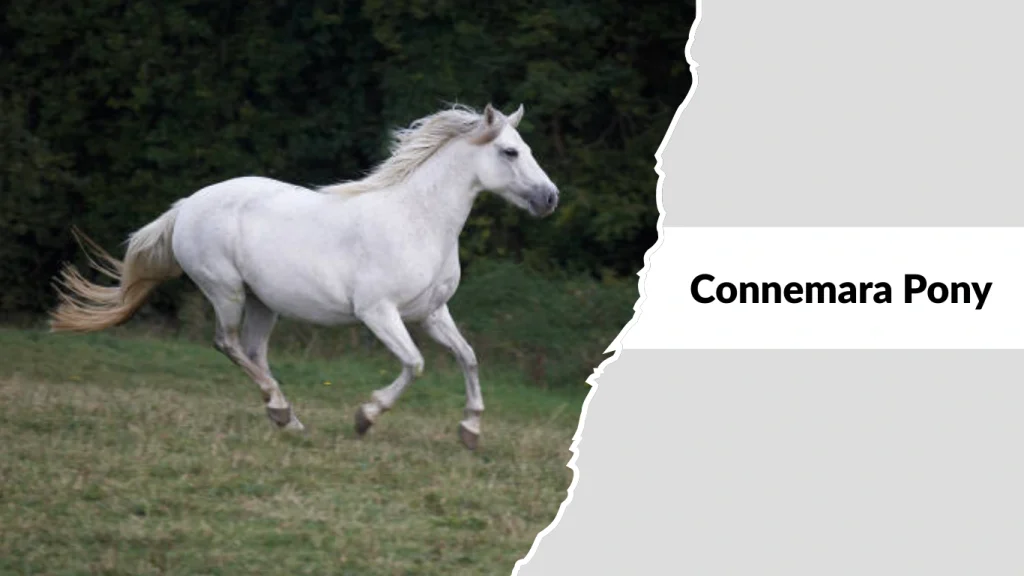
The Connemara Pony is a hardy and athletic pony breed originating from Ireland. Known for its versatility, jumping ability, and kind temperament, it is widely admired as both a sport and family pony.
Identification
- Compact yet powerful build
- Strong, well-shaped legs
- Refined head with large eyes
- Sloping shoulders
- Typically gray, though many colors exist
Temperament
Connemara Ponies are intelligent, calm, and willing. They are known for their bravery and steady nature, making them excellent partners for both children and adults.
Common Uses
They excel in jumping, eventing, dressage, trail riding, and general riding and pony club activities.
Care and Considerations
They are generally easy keepers and thrive with regular exercise. Balanced nutrition and routine hoof care help maintain their long-term soundness.
29. Miniature Horse
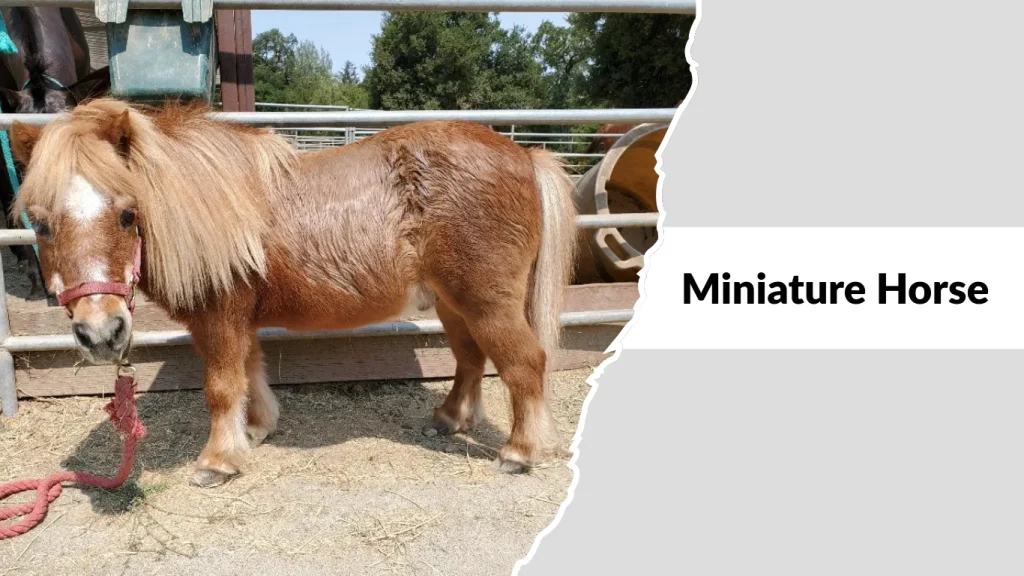
The Miniature Horse is a small yet well-proportioned breed bred to resemble full-sized horses in miniature form. Despite their size, they are not ponies and are known for refinement and personality.
Identification
- Very small stature with horse-like proportions
- Fine-boned legs
- Refined head and expressive eyes
- Short back and balanced frame
- Wide variety of coat colors
Temperament
Miniature Horses are friendly, intelligent, and curious. They are often very people-oriented and enjoy interaction and training.
Common Uses
They are commonly used as companion animals, therapy animals, show horses, and for driving and educational programs.
Care and Considerations
Because of their small size, careful diet management is essential to prevent obesity. Regular hoof trimming and dental care are also important.
30. Standardbred
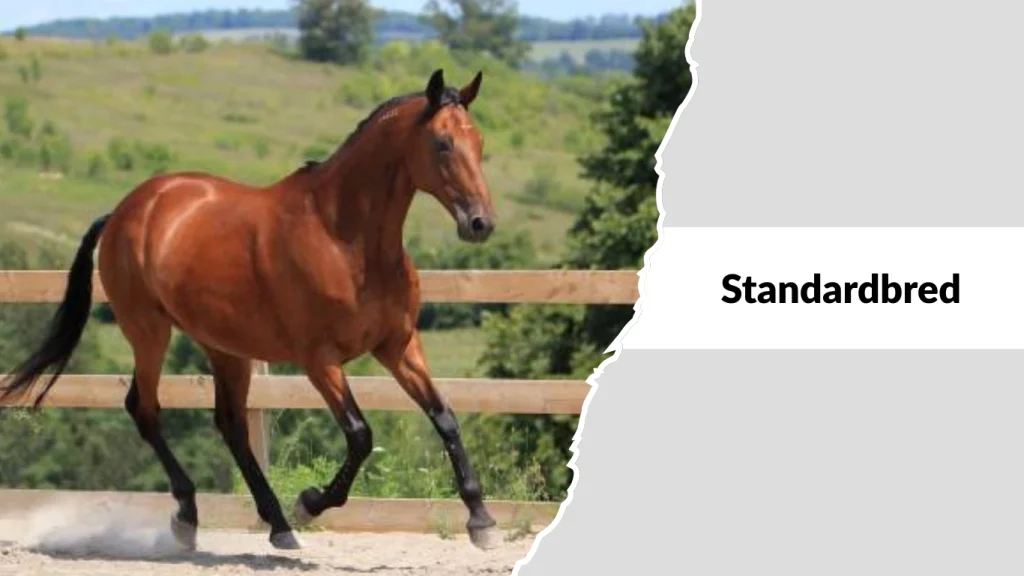
The Standardbred is a versatile and durable horse breed best known for harness racing. Developed in the United States, it is valued for speed, stamina, and a calm, cooperative nature.
Identification
- Solid, muscular build
- Strong legs and durable hooves
- Deep chest and powerful hindquarters
- Straight facial profile
- Typically trotting or pacing gait
Temperament
Standardbreds are known for being gentle, willing, and level-headed. They often transition easily from racing careers to other riding or driving roles.
Common Uses
They are used in harness racing, pleasure riding, driving, trail riding, and sport disciplines after retraining.
Care and Considerations
They are generally hardy horses, but proper conditioning is important when transitioning from racing to riding. Regular hoof and joint care support long-term soundness.
31. Saddlebred
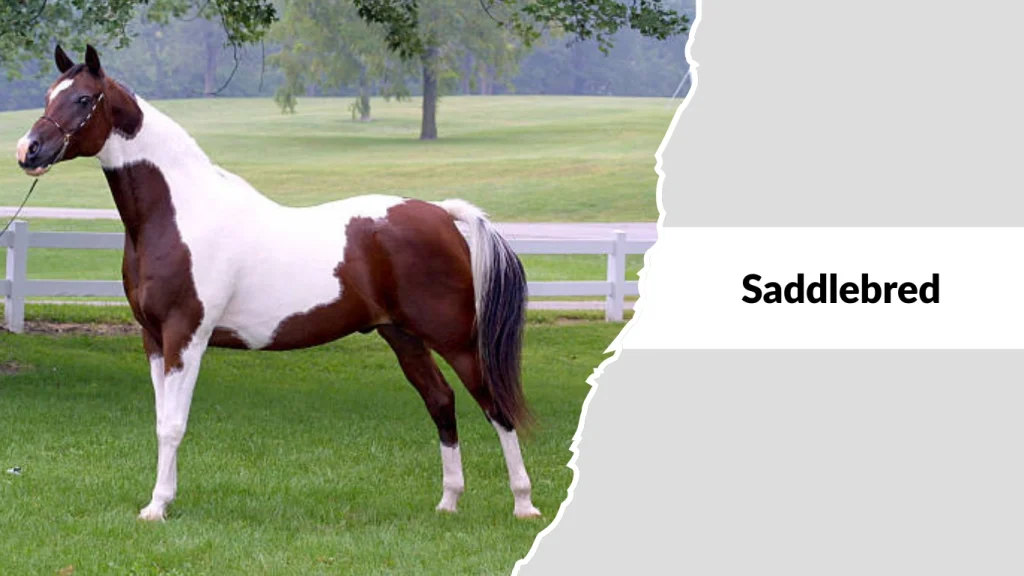
The American Saddlebred is an elegant and expressive breed developed in the United States. It is known for its high-stepping gaits, show-ring presence, and refined appearance.
Identification
- Tall, refined, and upright build
- Long, arched neck
- High tail carriage
- Fine head with alert expression
- Smooth, animated gaits
Temperament
Saddlebreds are intelligent, energetic, and confident. They are known for their charisma and strong desire to perform.
Common Uses
They are primarily used in saddle seat riding, show competitions, driving, and exhibitions.
Care and Considerations
They benefit from consistent training and mental stimulation. Regular conditioning and grooming help maintain their elegant appearance and performance.