





Mice are among the most widespread and adaptable mammals on the planet, found in nearly every type of environment—from homes and farms to forests, grasslands, and deserts. Although often grouped together, different mouse species vary greatly in size, behavior, habitat, and diet. Understanding these differences helps identify species accurately and appreciate their role in natural ecosystems, agriculture, and even human settlements.
1. House Mouse
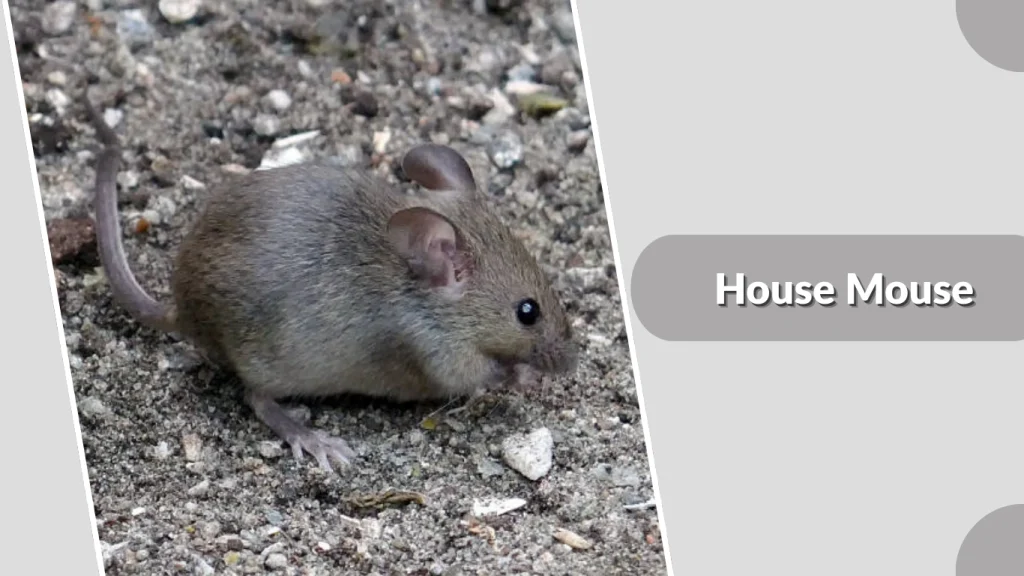
The house mouse is one of the most widespread and recognizable mouse species in the world. Commonly found living close to humans, it easily adapts to homes, farms, warehouses, and urban environments. Its small size, quick movements, and ability to reproduce rapidly make it both a familiar and often troublesome rodent.
Identification
- Small body with a slender build
- Gray to light brown fur
- Pointed snout and large ears
- Long, thin tail roughly equal to body length
Habitat
House mice prefer warm environments and are commonly found indoors, especially in houses, barns, storage areas, and commercial buildings. Outdoors, they may live near human settlements where food is readily available.
Diet
They are omnivorous and feed on grains, seeds, fruits, food scraps, and occasionally insects. House mice are known for nibbling small amounts from many food sources rather than consuming one item entirely.
Behavior
House mice are mostly nocturnal and highly active. They are excellent climbers and can squeeze through very small openings. Social by nature, they often live in groups and communicate using ultrasonic sounds.
2. Field Mouse
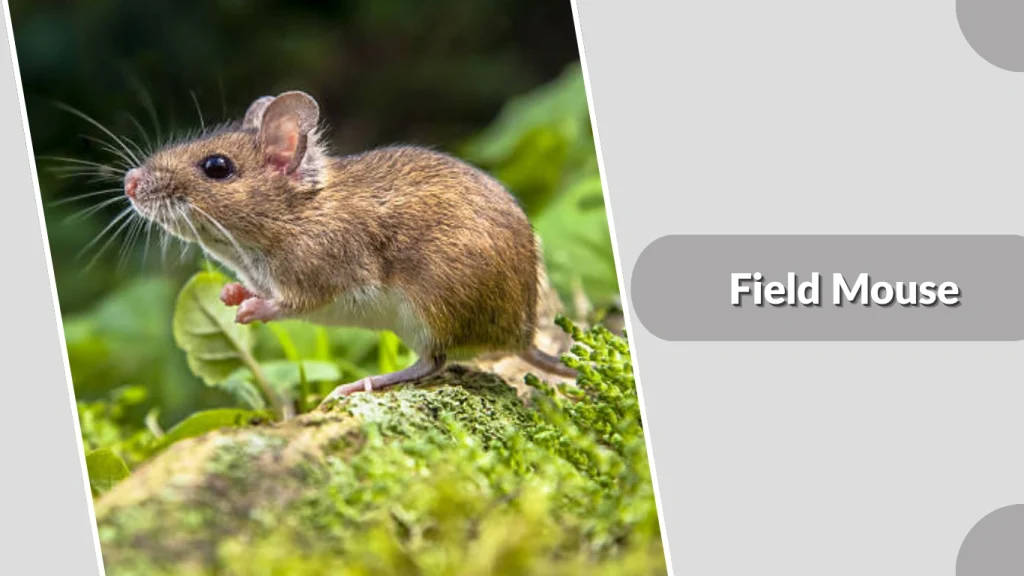
The field mouse is a small, agile rodent commonly found in open countryside and agricultural areas. Unlike house mice, it prefers outdoor environments and plays an important role in natural ecosystems by dispersing seeds and serving as prey for many predators.
Identification
- Small, compact body
- Brown or grayish-brown fur
- Rounded ears and short snout
- Tail slightly shorter than body length
Habitat
Field mice inhabit grasslands, fields, meadows, farmland edges, and hedgerows. They build shallow burrows or nests hidden under grass, roots, or soil for protection.
Diet
Their diet mainly consists of seeds, grains, grasses, roots, and berries. During certain seasons, they may also consume insects and other small invertebrates.
Behavior
Field mice are active both day and night, depending on food availability and environmental conditions. They are quick runners, excellent diggers, and tend to store food in small caches to survive colder months.
3. Deer Mouse
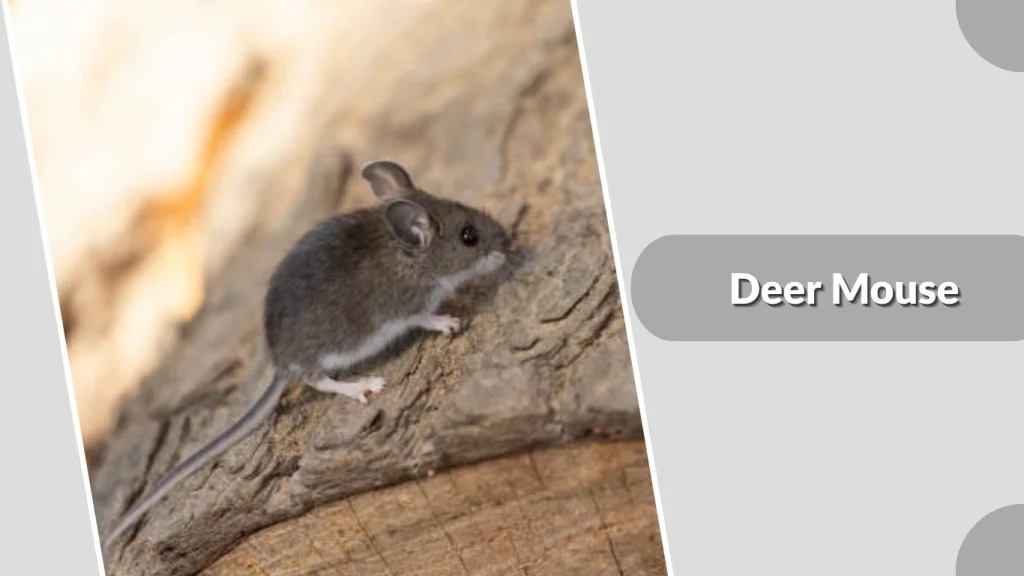
The deer mouse is a small, alert rodent native to North America and commonly found in rural and wild areas. It is known for its agility and adaptability, and it plays an important role in forest and grassland ecosystems.
Identification
- Small body with a slim build
- Brown or gray upper fur with a white underside
- Large, dark eyes
- Long tail with a sharp color contrast
Habitat
Deer mice live in forests, grasslands, deserts, and mountainous regions. They usually nest in burrows, hollow logs, tree cavities, or abandoned structures away from dense human activity.
Diet
Their diet includes seeds, nuts, fruits, insects, and occasionally fungi. Deer mice are opportunistic feeders and adjust their diet based on seasonal availability.
Behavior
Deer mice are mostly nocturnal and very active. They are skilled climbers and jumpers, often moving swiftly to escape predators. They are generally solitary but may share nesting areas during colder periods.
4. White-footed Mouse
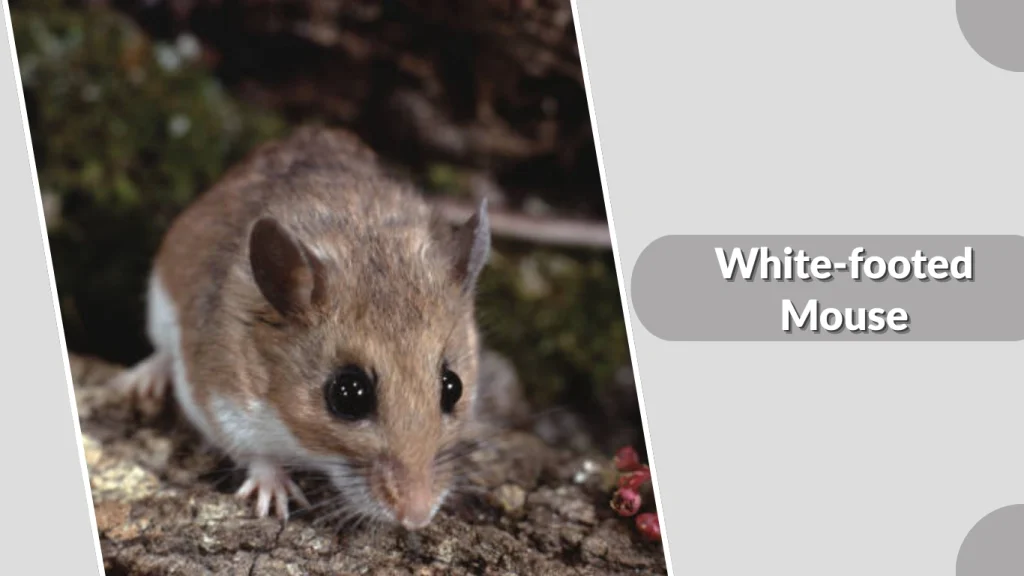
The white-footed mouse is a common North American rodent closely related to the deer mouse. It is easily recognized by its contrasting coloration and is frequently found in wooded areas near human settlements.
Identification
- Brown to reddish-brown upper fur
- White feet and white underbelly
- Large eyes and prominent ears
- Long, bicolored tail
Habitat
White-footed mice primarily live in forests, woodlands, brushy areas, and forest edges. They often nest in hollow trees, logs, leaf litter, or abandoned burrows, and may enter sheds or cabins in rural areas.
Diet
They feed on seeds, nuts, berries, fruits, insects, and fungi. Acorns and other tree nuts are especially important food sources during fall and winter.
Behavior
White-footed mice are nocturnal and highly agile. They are excellent climbers and frequently forage in trees and shrubs. These mice are known for food hoarding and can be territorial, especially during the breeding season.
5. Wood Mouse
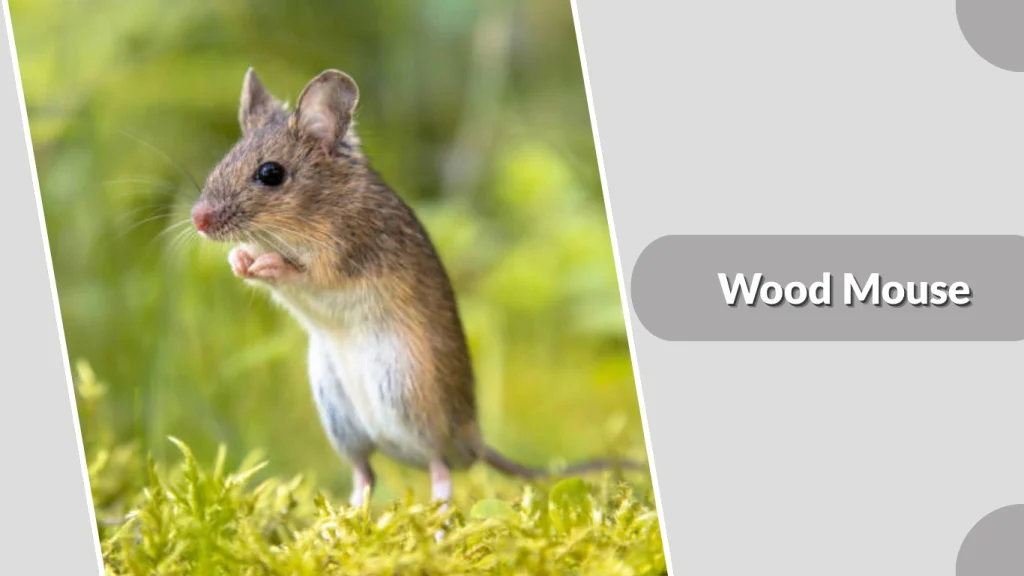
The wood mouse is a fast-moving and adaptable rodent widely distributed across Europe and parts of Asia. It is well known for its large eyes and ears, which help it navigate and detect predators in low-light environments.
Identification
- Light brown to reddish-brown fur
- White or pale gray underparts
- Large eyes and prominent ears
- Long tail, often close to body length
Habitat
Wood mice inhabit forests, woodlands, hedgerows, gardens, and farmland. They prefer areas with good ground cover such as leaf litter, shrubs, and dense vegetation.
Diet
Their diet includes seeds, nuts, berries, fruits, insects, and other small invertebrates. Wood mice often store food in underground caches to use during colder seasons.
Behavior
Mostly nocturnal, wood mice are excellent runners and jumpers. They are solitary by nature but may share nesting areas in winter. Their quick reflexes help them escape predators effectively.
6. Harvest Mouse
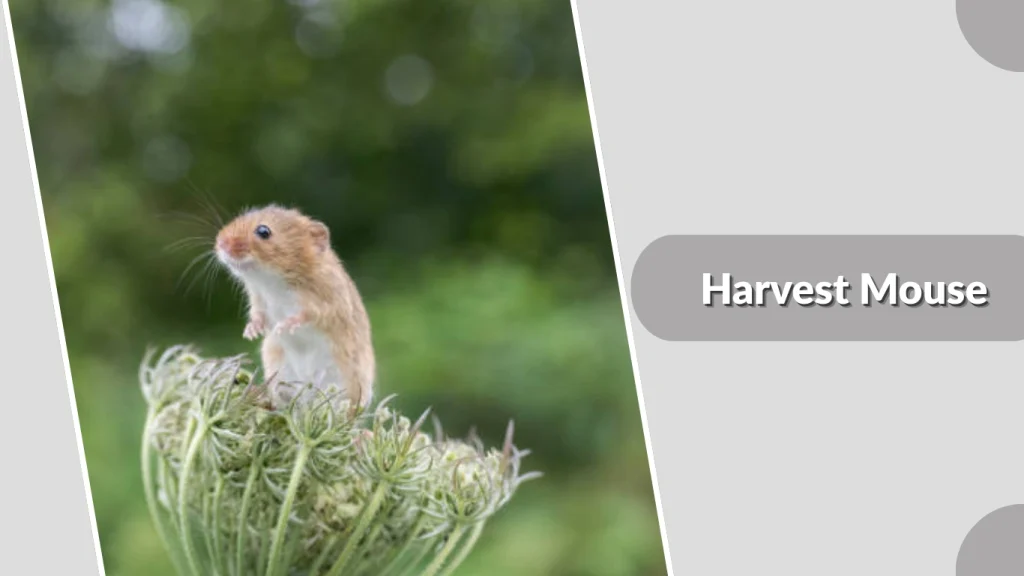
The harvest mouse is one of the smallest rodent species in Europe and is known for its delicate build and remarkable climbing ability. It is often found in tall grasses and cereal crops, where it skillfully moves among stems.
Identification
- Very small, slender body
- Reddish-brown upper fur
- White underparts
- Long, prehensile tail
Habitat
Harvest mice live in grasslands, reed beds, farmland, hedgerows, and wetlands. They are especially associated with tall grasses and crops, where they build spherical nests above ground.
Diet
Their diet consists mainly of seeds, grains, grasses, and small insects. During summer, insects become an important source of protein.
Behavior
Harvest mice are active both day and night. They are excellent climbers and use their tails to grip grass stems. Unlike many mice, they build elevated nests woven from grass, which helps protect them from flooding and ground predators.
7. Yellow-necked Mouse

The yellow-necked mouse is a large and agile woodland species commonly found across Europe. It is closely related to the wood mouse but is generally larger and more robust, making it easier to distinguish in forest environments.
Identification
- Larger body than most field mice
- Reddish-brown to chestnut fur
- Distinct yellow or buff-colored band across the chest
- Long tail and large ears
Habitat
Yellow-necked mice primarily inhabit deciduous and mixed forests, woodlands, and forest edges. They often nest in tree roots, hollow logs, rock crevices, or underground burrows.
Diet
Their diet includes acorns, nuts, seeds, berries, fruits, and insects. Tree seeds are especially important, and they frequently store food to survive winter months.
Behavior
These mice are mostly nocturnal and highly active. They are excellent climbers and often forage in trees. Yellow-necked mice can be territorial and are known for making long jumps when escaping predators.
8. Meadow Mouse
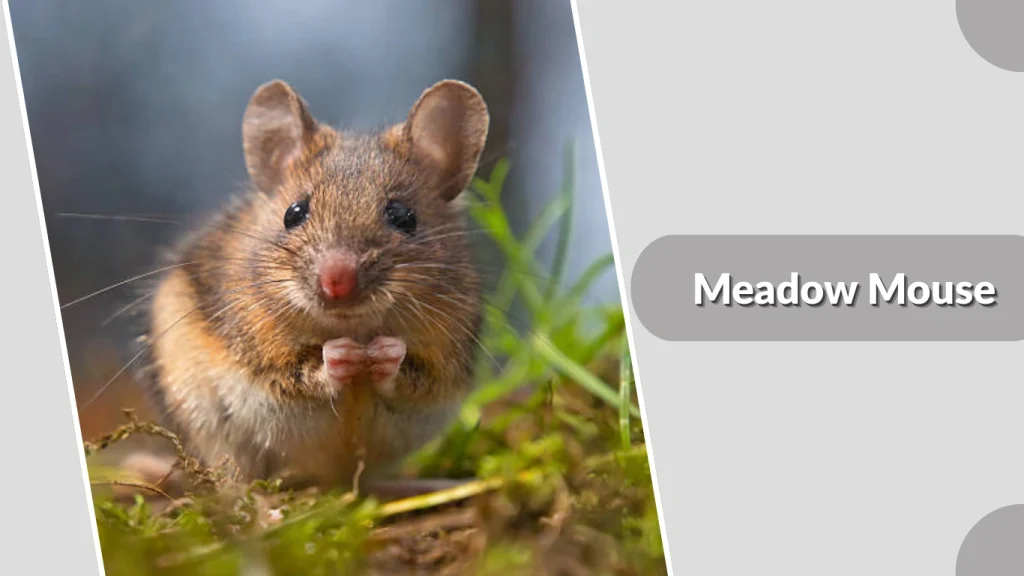
The meadow mouse, often associated with open grassy landscapes, is a sturdy and ground-dwelling rodent known for its short tail and dense body. It is commonly seen in fields and meadows, where it creates visible runways through vegetation.
Identification
- Stocky body with dense fur
- Brown to dark gray coloration
- Short ears partially hidden by fur
- Short tail compared to body length
Habitat
Meadow mice live in meadows, grasslands, pastures, marshes, and roadsides. They build complex tunnel systems just below the surface, often hidden beneath thick grass or snow.
Diet
Their diet mainly consists of grasses, roots, seeds, bark, and other plant materials. During warmer months, they may also eat insects and other small invertebrates.
Behavior
Meadow mice are active throughout the year and do not hibernate. They are mostly active during the day and night in short bursts. Their runway systems help them move quickly while staying concealed from predators.
9. Prairie Deer Mouse
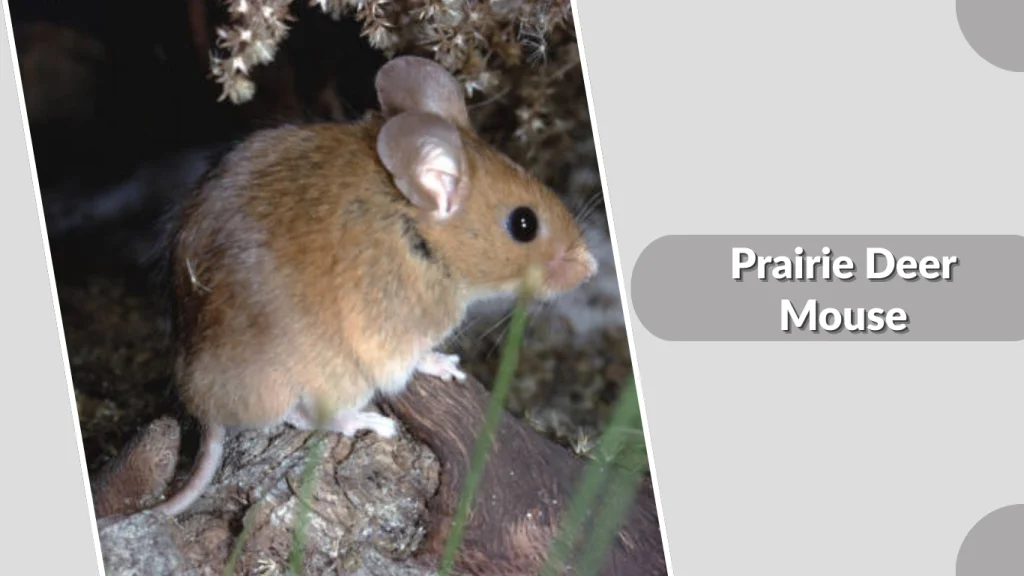
The prairie deer mouse is a grassland-adapted rodent commonly found in open plains and prairie ecosystems. It closely resembles the deer mouse but is especially suited to life in wide, open habitats with limited tree cover.
Identification
- Small, slender body
- Brown to gray-brown upper fur
- White underside and feet
- Long, sharply bicolored tail
Habitat
Prairie deer mice inhabit prairies, open grasslands, farmlands, and lightly wooded areas. They typically nest in underground burrows or abandoned tunnels made by other animals.
Diet
Their diet includes seeds, grains, grasses, insects, and small fruits. They are opportunistic feeders and adjust their food choices according to seasonal availability.
Behavior
Prairie deer mice are mostly nocturnal and highly active. They are fast runners and capable jumpers, helping them evade predators in open landscapes. They may store food in burrows to survive harsh weather conditions.
10. Brush Mouse
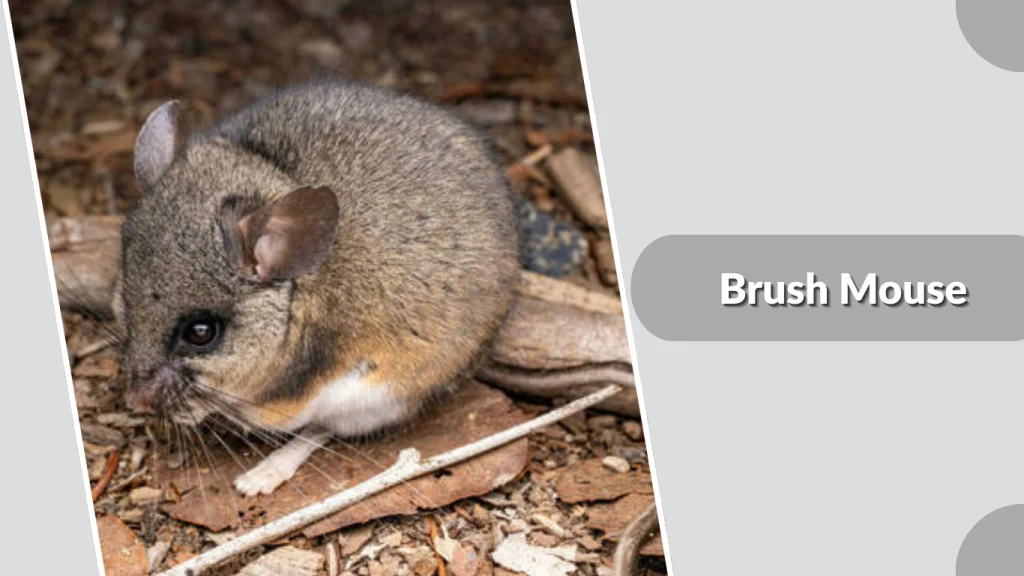
The brush mouse is a small, agile rodent native to North America, commonly found in brushy and rocky environments. It is known for its adaptability and preference for areas with dense cover, which provide protection from predators.
Identification
- Small, slender body
- Gray to brown upper fur
- White or pale underparts
- Long tail with fine hair
Habitat
Brush mice inhabit chaparral, brushlands, rocky hillsides, woodlands, and forest edges. They often nest in rock crevices, hollow logs, or underground burrows, favoring areas with heavy ground cover.
Diet
Their diet consists of seeds, nuts, fruits, berries, and insects. Brush mice frequently forage at night and may store food in sheltered locations.
Behavior
Brush mice are nocturnal and solitary by nature. They are skilled climbers and agile runners, using dense vegetation and rocky terrain to escape predators. They tend to remain close to cover while foraging.
11. Pygmy Mouse
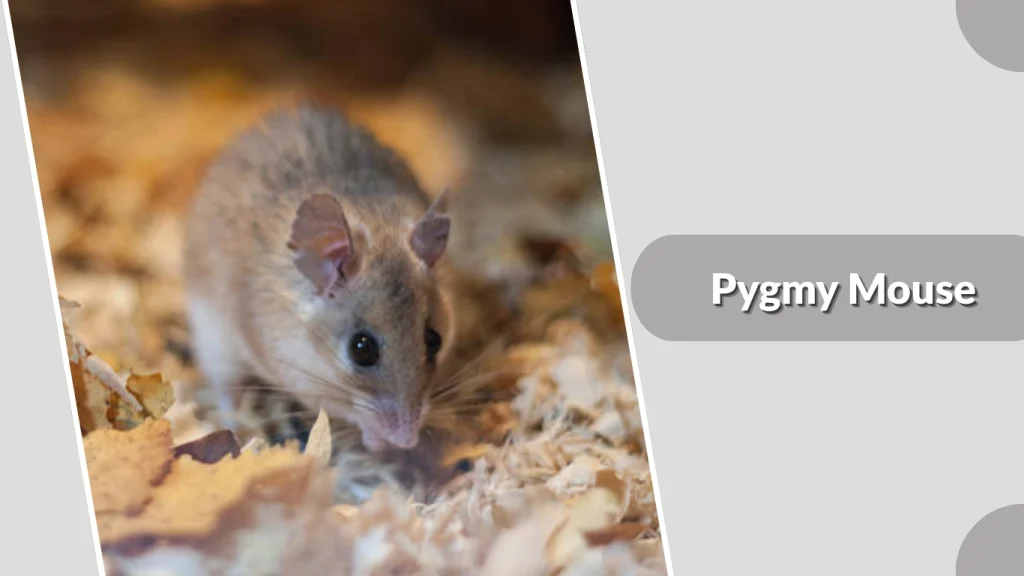
The pygmy mouse is a tiny and delicate rodent known for its extremely small size and lightweight body. It is found in various parts of the world, particularly in warm regions, and is well adapted to life in grasslands and open habitats.
Identification
- Very small and lightweight body
- Soft brown or gray fur
- Short snout with small eyes
- Thin tail proportional to body
Habitat
Pygmy mice live in grasslands, savannas, shrublands, and agricultural fields. They usually nest in shallow burrows or hidden grass nests close to the ground.
Diet
Their diet mainly includes seeds, grains, grasses, and small insects. Due to their size, they require frequent feeding to maintain energy.
Behavior
Pygmy mice are mostly nocturnal and extremely quick in their movements. They are shy and cautious, relying on dense vegetation for shelter and protection from predators.
12. African Pygmy Mouse
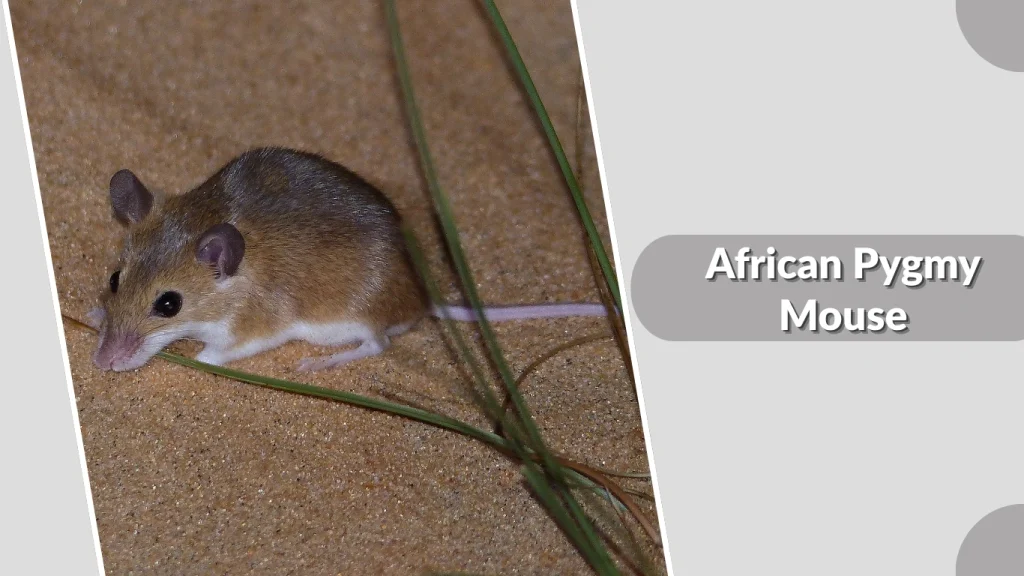
The African pygmy mouse is one of the smallest rodent species in the world and is native to sub-Saharan Africa. Despite its tiny size, it is highly adaptable and thrives in a wide range of natural and human-influenced environments.
Identification
- Extremely small body size
- Gray to brown fur coloration
- Short muzzle and small eyes
- Slender tail
Habitat
African pygmy mice inhabit savannas, grasslands, shrublands, and farmland. They are often found near human settlements where food and shelter are readily available.
Diet
Their diet includes seeds, grains, fruits, and small insects. They are opportunistic feeders and can survive on a wide variety of food sources.
Behavior
These mice are mostly nocturnal and very active. They are quick runners and excellent at hiding in dense vegetation or small crevices. African pygmy mice reproduce rapidly under favorable conditions.
13. Spiny Mouse
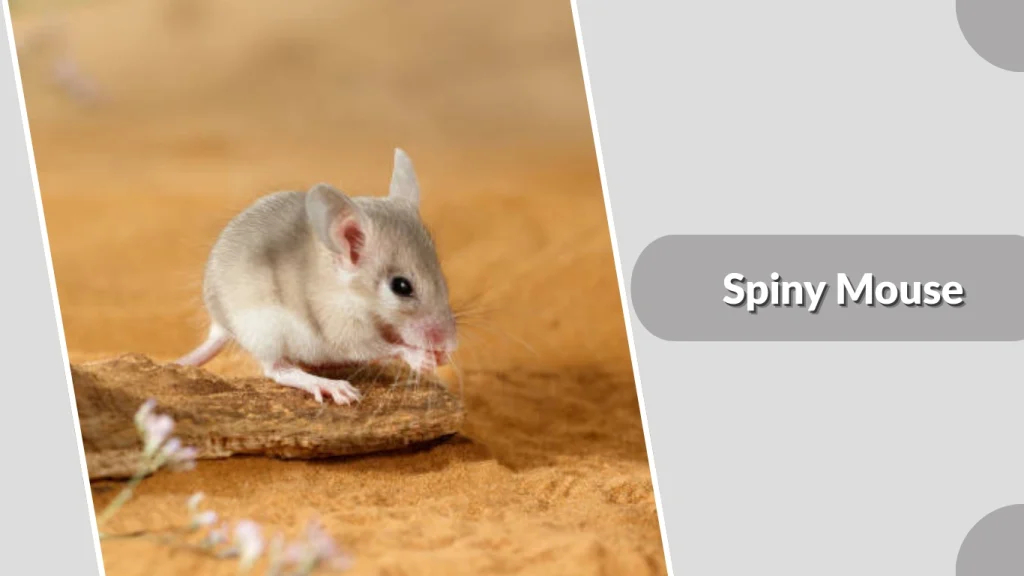
The spiny mouse is a distinctive rodent known for its stiff, spine-like hairs along the back, which give it a rough appearance. It is native to rocky and arid regions and is well adapted to harsh environments.
Identification
- Medium-sized body for a mouse
- Coarse, spiny fur on the back
- Rounded ears and blunt snout
- Long, thin tail
Habitat
Spiny mice are commonly found in deserts, rocky hills, dry grasslands, and semi-arid regions. They often shelter in rock crevices, caves, or burrows to escape extreme temperatures.
Diet
Their diet includes seeds, grains, fruits, leaves, and insects. Spiny mice are opportunistic feeders and can survive on limited food resources.
Behavior
Spiny mice can be nocturnal or diurnal depending on environmental conditions. They are agile climbers on rocky surfaces and are known for their ability to shed skin and fur to escape predators.
14. Oldfield Mouse
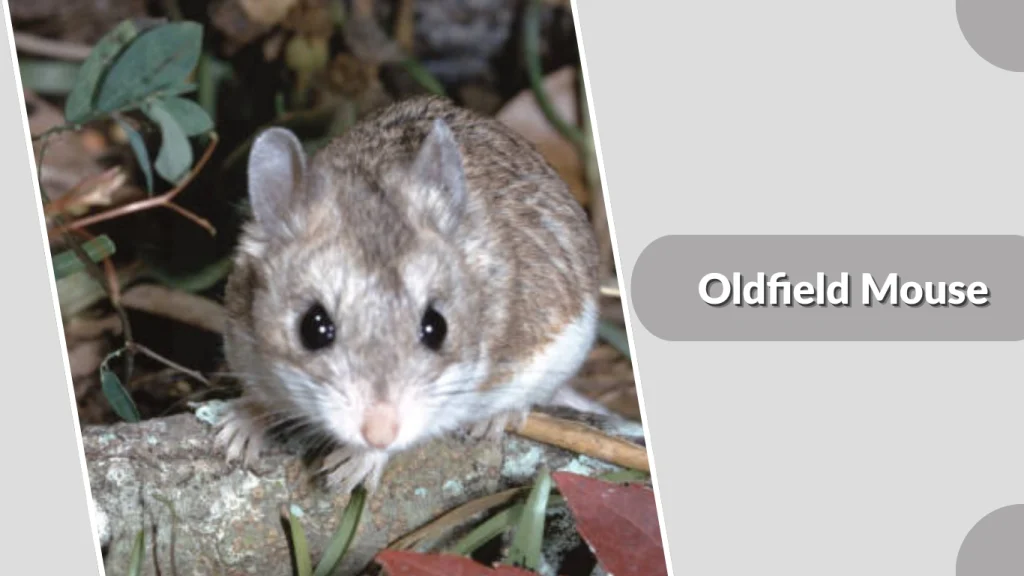
The oldfield mouse is a small North American rodent commonly associated with open and sandy habitats. It is closely related to deer mice and is known for its adaptability and burrowing behavior.
Identification
- Small body with slender build
- Pale brown to gray fur
- White underparts and feet
- Long, bicolored tail
Habitat
Oldfield mice inhabit sandy fields, grasslands, dunes, pine forests, and coastal areas. They typically build burrows in loose soil, often in open areas with sparse vegetation.
Diet
Their diet consists of seeds, grains, grasses, fruits, and insects. They often collect and store seeds in their burrows for later use.
Behavior
Oldfield mice are mostly nocturnal and solitary. They are active diggers and fast runners, using their burrow systems for protection from predators and extreme weather.
15. Dusky-footed Woodrat Mouse
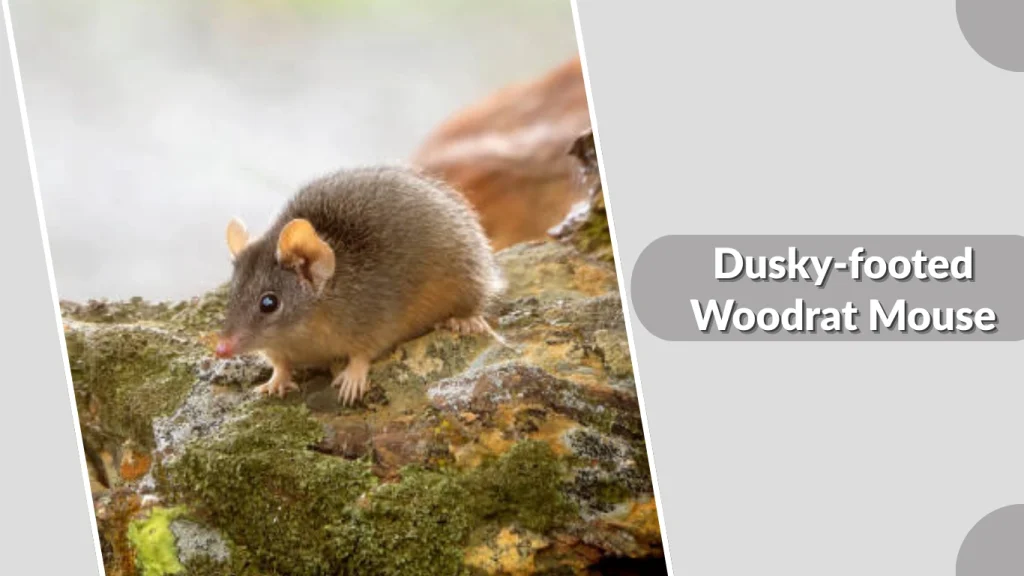
The dusky-footed woodrat mouse is a large, robust rodent often confused with rats due to its size. It is best known for collecting and storing various objects near its nest, earning it the nickname “pack rat.”
Identification
- Large body compared to typical mice
- Brown to gray fur with darker feet
- Large ears and eyes
- Long, hairy tail
Habitat
Dusky-footed woodrats inhabit forests, woodlands, chaparral, and rocky areas. They build large stick nests, often at the base of trees, among rocks, or inside hollow logs.
Diet
Their diet includes leaves, twigs, fruits, seeds, nuts, and bark. They also consume fungi and other plant materials depending on availability.
Behavior
These rodents are mostly nocturnal and solitary. They are territorial and known for hoarding objects, especially shiny or unusual items, which they carry back to their nests.
16. Rice Mouse
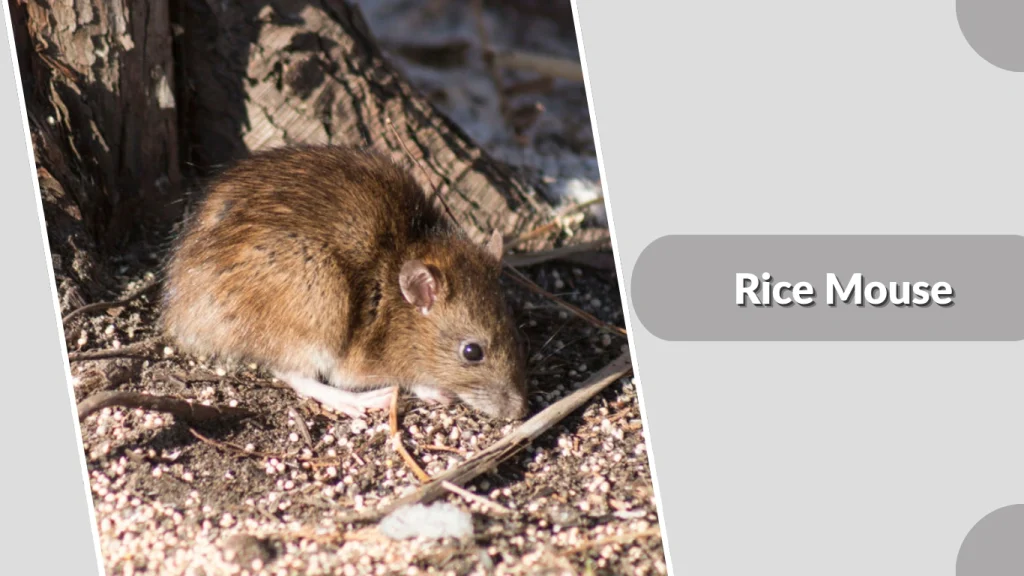
The rice mouse is a semi-aquatic rodent commonly found in wetland environments. It is well adapted to life near water and is often associated with marshes and coastal regions, where it plays a role in maintaining ecological balance.
Identification
- Slender body with soft fur
- Gray to brown upper coloration
- Lighter underparts
- Long tail with fine hair
Habitat
Rice mice inhabit marshes, swamps, wetlands, coastal grasslands, and riverbanks. They prefer areas with dense vegetation near water and often build nests among reeds, grasses, or shallow burrows above flood levels.
Diet
Their diet consists of seeds, grasses, aquatic plants, insects, crustaceans, and small invertebrates. Rice mice are adaptable feeders and take advantage of both land and water food sources.
Behavior
Rice mice are mostly nocturnal and active year-round. They are strong swimmers and can move easily through flooded areas. These mice are generally solitary and rely on dense vegetation for protection from predators.
17. Salt Marsh Harvest Mouse
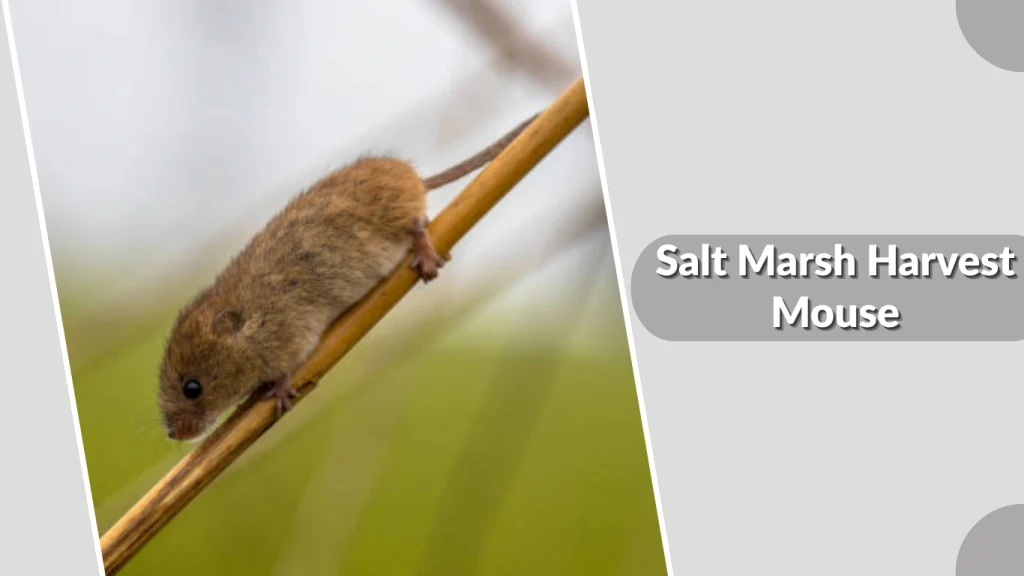
The salt marsh harvest mouse is a small, habitat-specific rodent known for its close association with coastal wetlands. It is an important indicator species, as its presence reflects the health of salt marsh ecosystems.
Identification
- Very small, slender body
- Brown to cinnamon-colored fur
- White or light gray underparts
- Long, thin tail
Habitat
This mouse lives almost exclusively in salt marshes and tidal wetlands along coastal regions. It depends on dense pickleweed and other marsh plants for nesting, shelter, and protection from flooding.
Diet
Its diet includes seeds, grasses, marsh plants, and small insects. The salt marsh harvest mouse often feeds on vegetation found within its immediate habitat, reducing the need to travel far.
Behavior
Salt marsh harvest mice are mostly nocturnal and highly adapted to tidal environments. They are excellent climbers and can move upward into vegetation to avoid rising water levels. These mice are solitary and rely heavily on dense plant cover for survival.
18. Plains Mouse
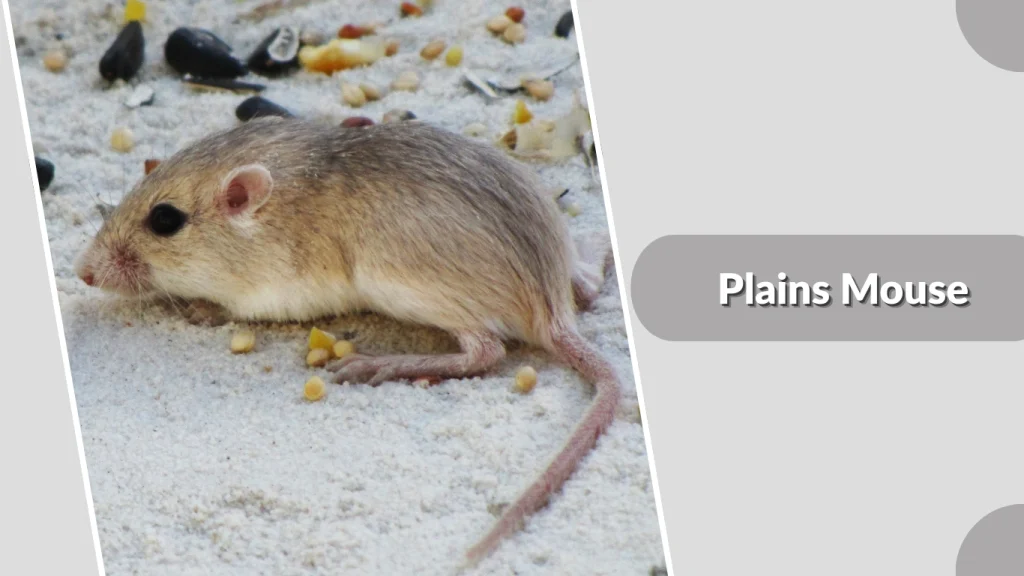
The plains mouse is a small rodent adapted to dry, open landscapes. It is known for its ground-dwelling habits and preference for sparse vegetation, where it can move quickly while staying close to cover.
Identification
- Small, compact body
- Sandy brown to gray fur
- Short ears and blunt snout
- Tail slightly shorter than body
Habitat
Plains mice inhabit arid and semi-arid plains, grasslands, and open scrublands. They often use shallow burrows or natural ground cover to shelter from predators and extreme temperatures.
Diet
Their diet mainly consists of seeds, grasses, roots, and occasional insects. Plains mice are efficient foragers and can survive in areas with limited food availability.
Behavior
Plains mice are mostly nocturnal and avoid open exposure during daylight hours. They are fast runners and rely on burrows for safety. These mice are generally solitary and maintain small home ranges within suitable habitat.
19. Hill Mouse
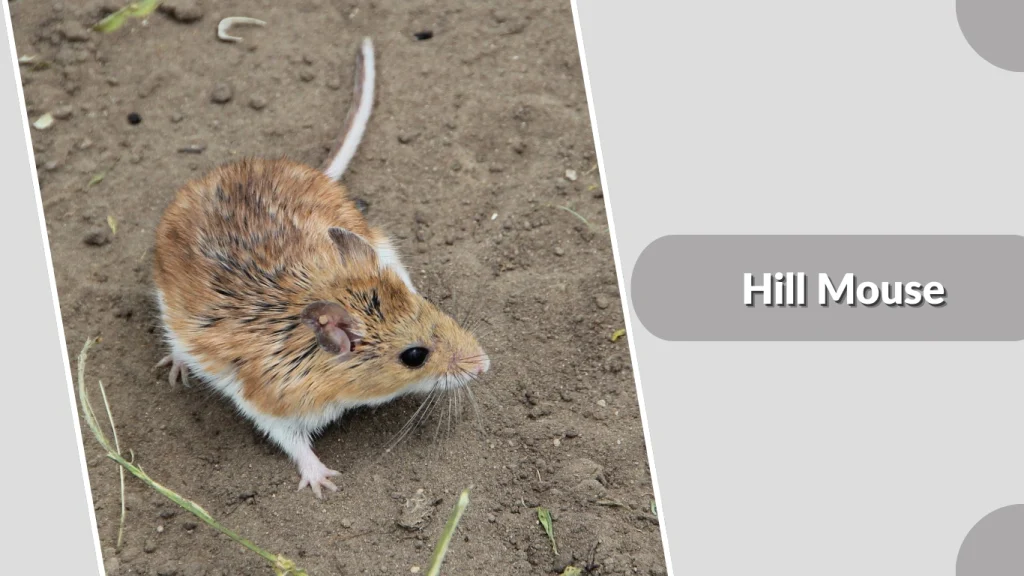
The hill mouse is a small rodent adapted to elevated and rugged terrains. It is commonly found in hilly regions where cooler temperatures and rocky landscapes provide natural shelter.
Identification
- Small, slender body
- Brown to gray fur coloration
- Rounded ears and pointed snout
- Long tail relative to body
Habitat
Hill mice live in hills, rocky slopes, forested uplands, and mountainous regions. They nest in crevices, under rocks, or in shallow burrows protected from wind and predators.
Diet
Their diet includes seeds, grasses, roots, fruits, and insects. Hill mice adjust their feeding habits based on seasonal availability of food.
Behavior
Hill mice are mostly nocturnal and cautious in nature. They are agile climbers and quick runners, using uneven terrain to escape predators. These mice tend to be solitary and rely on natural cover for safety.
20. Striped Field Mouse
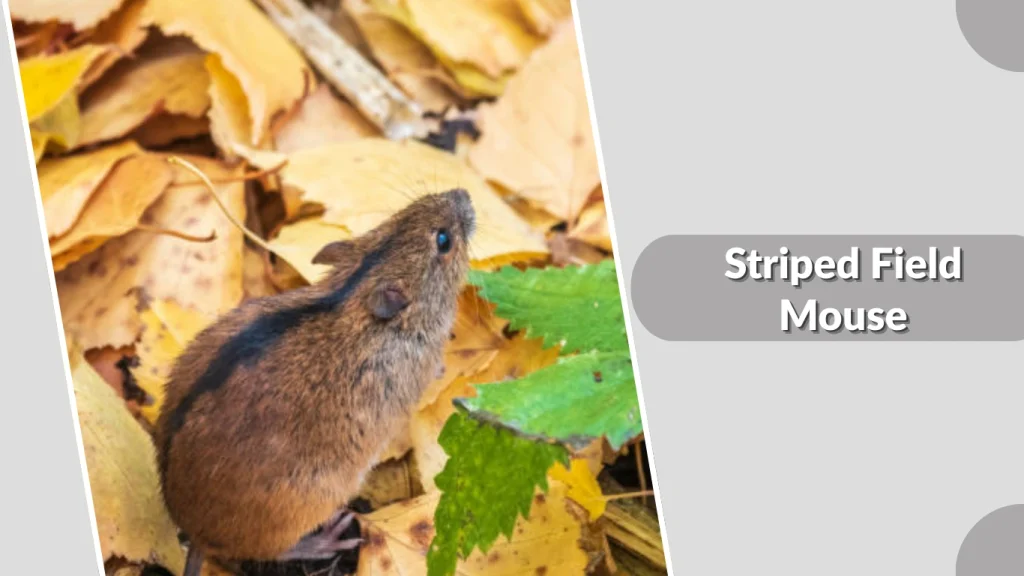
The striped field mouse is a visually distinctive rodent recognized by the dark stripe running along its back. It is commonly found in open and semi-open landscapes and is well adapted to life in grassy environments.
Identification
- Small body with slender build
- Light brown or gray fur
- Dark stripe along the spine
- Long tail and rounded ears
Habitat
Striped field mice inhabit fields, grasslands, meadows, farmland, and forest edges. They often build shallow burrows or nests hidden beneath dense grass and low vegetation.
Diet
Their diet consists mainly of seeds, grains, grasses, berries, and insects. They are opportunistic feeders and adjust their diet based on seasonal food availability.
Behavior
These mice are mostly nocturnal but may show activity during daylight in undisturbed areas. They are fast runners and rely on camouflage and ground cover to avoid predators. Food caching is common, especially before colder seasons.
21. Steppe Mouse
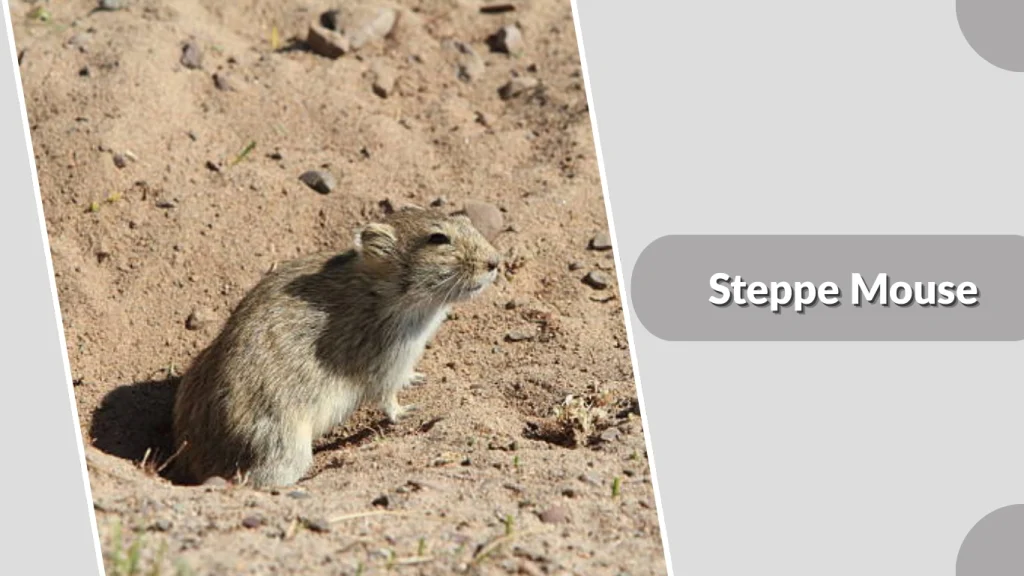
The steppe mouse is a hardy rodent adapted to wide, open landscapes with extreme seasonal conditions. It is commonly found in grass-dominated regions where vegetation is low and cover is limited.
Identification
- Small to medium-sized body
- Grayish-brown fur
- Short ears and pointed snout
- Moderately long tail
Habitat
Steppe mice inhabit steppes, open grasslands, plains, and semi-arid regions. They construct burrows in loose soil, which provide protection from temperature extremes and predators.
Diet
Their diet includes seeds, grasses, roots, grains, and insects. Steppe mice often rely heavily on plant material but will consume animal matter when available.
Behavior
Steppe mice are primarily nocturnal and emerge at dusk to forage. They are skilled diggers and maintain complex burrow systems. These mice are generally solitary and highly alert due to exposure in open environments.
22. Short-tailed Field Mouse
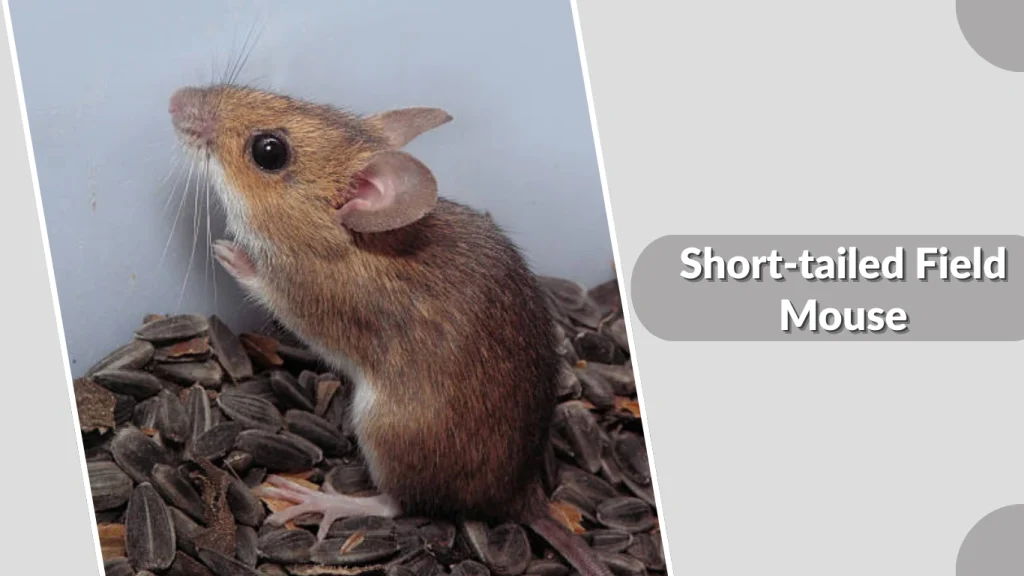
The short-tailed field mouse is a ground-dwelling rodent known for its compact build and reduced tail length. It is well suited to life in dense vegetation and cooler climates.
Identification
- Stocky body with dense fur
- Brown to gray coloration
- Short tail compared to body
- Small ears often hidden by fur
Habitat
Short-tailed field mice inhabit meadows, grasslands, fields, forests, and marsh edges. They prefer areas with thick ground cover and often create tunnel systems beneath grass or leaf litter.
Diet
Their diet consists mainly of grasses, roots, seeds, bark, and occasional insects. They forage close to their nests to minimize exposure to predators.
Behavior
These mice are active throughout the year and do not hibernate. They are mostly nocturnal but may also be active during the day. Short-tailed field mice are territorial and rely heavily on their underground runways for movement and safety.
23. Gray-bellied Mouse
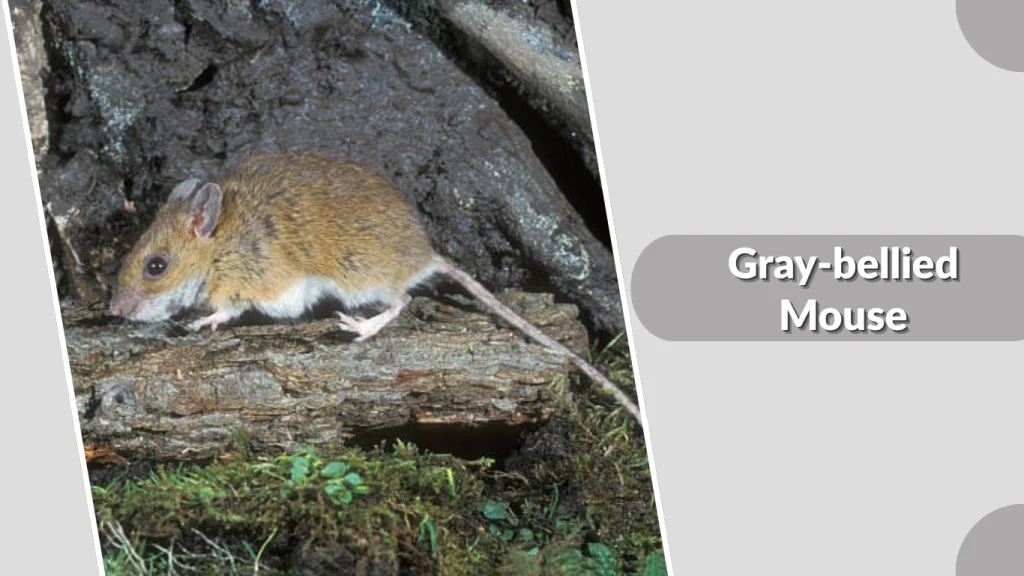
The gray-bellied mouse is a small rodent distinguished by its subtle coloration and preference for natural, undisturbed habitats. It is commonly found in regions where vegetation provides both food and shelter.
Identification
- Small, slim body
- Brown or gray upper fur
- Distinct gray-colored belly
- Long, thin tail
Habitat
Gray-bellied mice inhabit grasslands, open woodlands, shrublands, and forest edges. They usually nest in shallow burrows, under rocks, or within dense vegetation that offers protection from predators.
Diet
Their diet includes seeds, grains, grasses, fruits, and insects. Gray-bellied mice adapt their feeding habits to seasonal food availability.
Behavior
These mice are mostly nocturnal and cautious. They move quickly through cover and rely on camouflage to avoid predators. Gray-bellied mice are generally solitary and maintain small home ranges.
24. Large Japanese Field Mouse
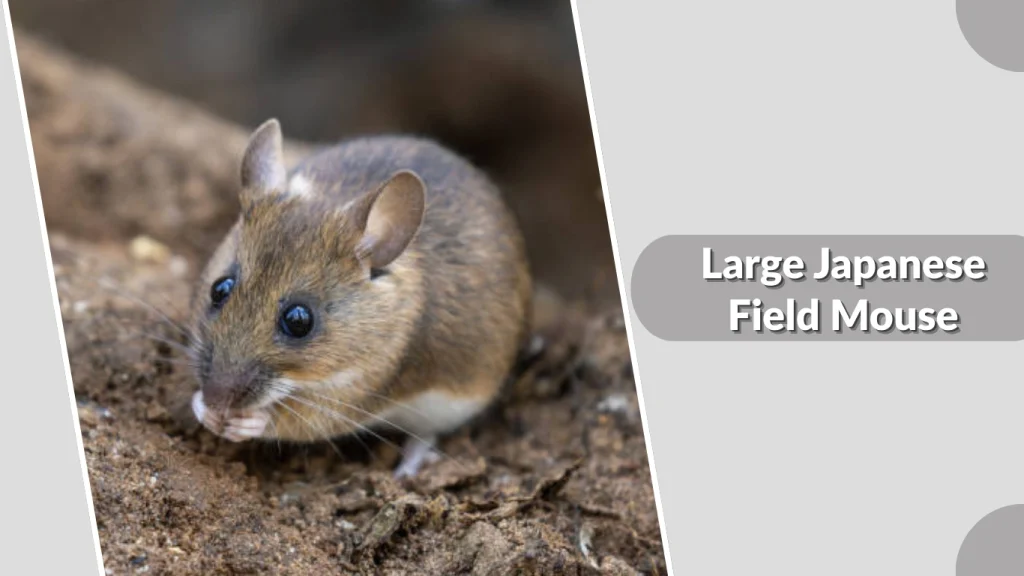
The large Japanese field mouse is a robust rodent native to Japan and is one of the larger field mouse species in the region. It plays an important role in forest ecosystems by dispersing seeds and influencing plant growth.
Identification
- Medium to large body size
- Brown to reddish-brown fur
- White or pale underparts
- Long tail and large ears
Habitat
This species inhabits forests, woodlands, grasslands, and mountainous areas across Japan. It nests in burrows, under tree roots, or within leaf litter in well-covered environments.
Diet
Its diet includes seeds, nuts, fruits, berries, insects, and fungi. Acorns are a major food source, especially in autumn.
Behavior
Large Japanese field mice are mostly nocturnal and highly active. They are skilled climbers and foragers, often moving through both ground and low vegetation. These mice store food and may share nesting areas during colder seasons.
25. Small Japanese Field Mouse
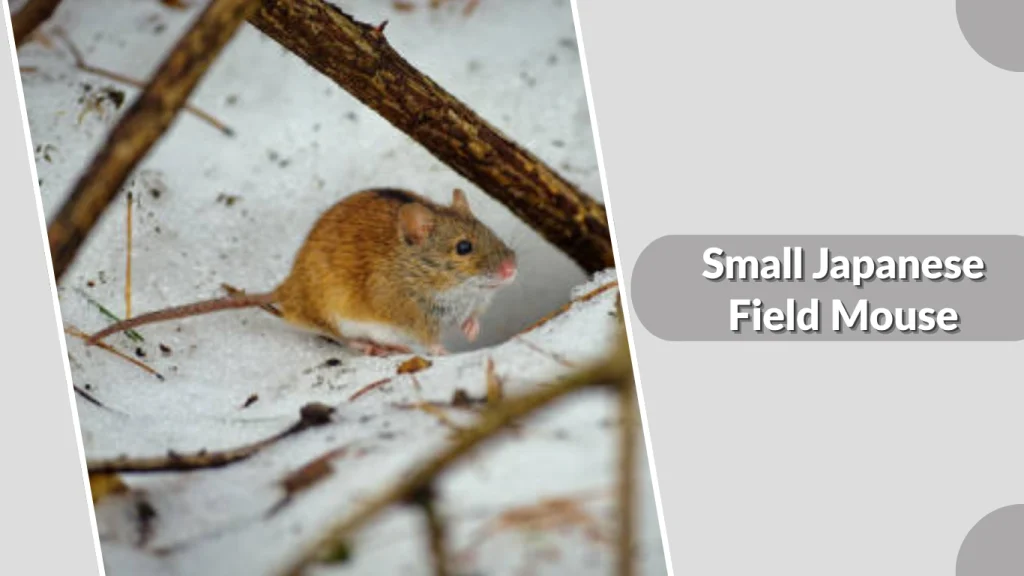
The small Japanese field mouse is a native rodent of Japan and is smaller and more slender than its larger relative. It is commonly found in forested landscapes and plays a role in seed dispersal and forest regeneration.
Identification
- Small, slender body
- Light brown to grayish-brown fur
- Pale underparts
- Long, thin tail
Habitat
Small Japanese field mice inhabit forests, woodland edges, grasslands, and mountainous regions. They typically nest in shallow burrows, leaf litter, or under tree roots where cover is abundant.
Diet
Their diet consists of seeds, nuts, fruits, berries, insects, and fungi. They adjust feeding habits seasonally, relying more on plant material during colder months.
Behavior
These mice are mostly nocturnal and cautious. They are quick runners and agile climbers, often foraging both on the ground and in low vegetation. Small Japanese field mice may store food and occasionally share nesting spaces during winter.
26. Indian Soft-furred Mouse
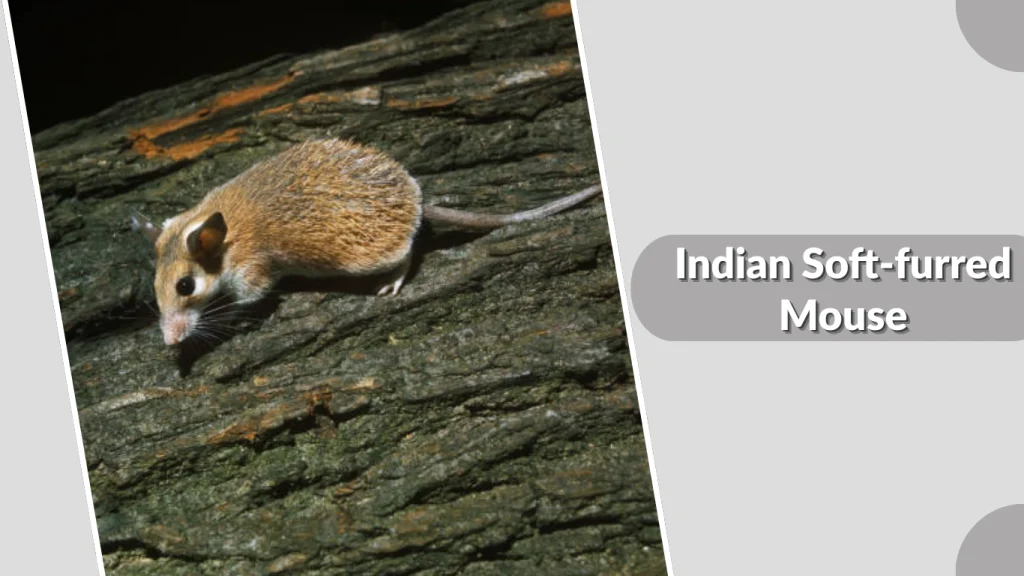
The Indian soft-furred mouse is a small rodent widely distributed across South Asia. It is known for its soft coat and close association with agricultural and human-influenced environments, where it often thrives in large numbers.
Identification
- Small to medium-sized body
- Soft, fine brown or gray fur
- Pale underparts
- Long, slender tail
Habitat
Indian soft-furred mice inhabit farmland, grasslands, scrublands, gardens, and areas near human dwellings. They build burrows in loose soil or nest among vegetation, walls, and stored materials.
Diet
Their diet includes grains, seeds, fruits, vegetables, insects, and household food scraps. In agricultural areas, they may feed on stored crops and cultivated plants.
Behavior
These mice are mostly nocturnal and highly adaptable. They reproduce rapidly and can form large populations under favorable conditions. Indian soft-furred mice are agile runners and rely on burrows and hiding places to avoid predators.
27. Northern Grasshopper Mouse
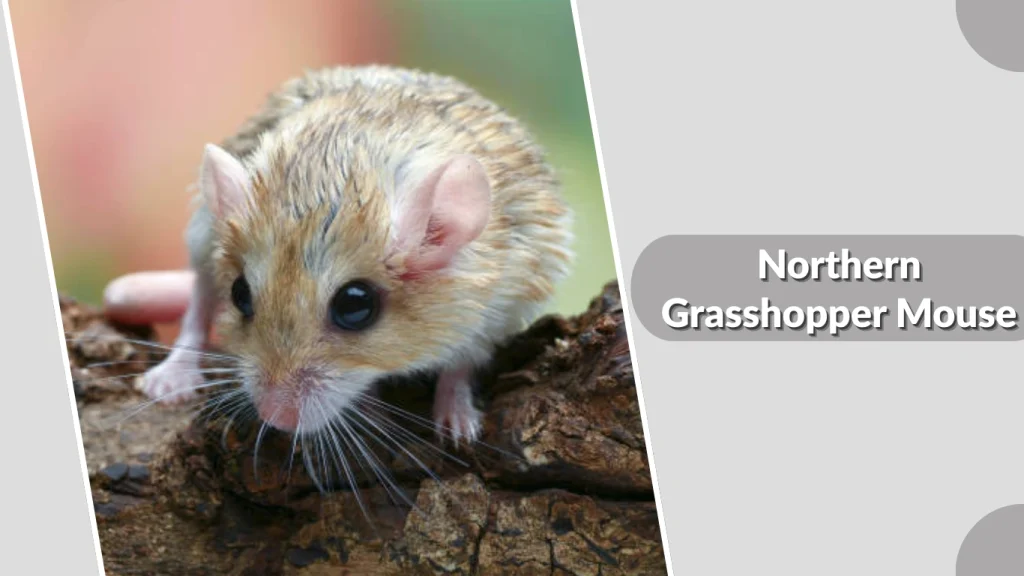
The northern grasshopper mouse is a unique and aggressive rodent known for its carnivorous tendencies. Unlike most mice, it actively hunts prey and exhibits behaviors more similar to small predators.
Identification
- Stocky body with thick fur
- Gray upper fur with white underside
- Short tail compared to body length
- Large head and strong jaws
Habitat
Northern grasshopper mice inhabit deserts, grasslands, prairies, and shrublands of North America. They often occupy abandoned burrows made by other animals.
Diet
Their diet consists largely of insects, grasshoppers, beetles, scorpions, and even other small rodents. They also consume seeds and plant material when animal prey is scarce.
Behavior
These mice are mostly nocturnal and highly territorial. They are known for their loud vocalizations and hunting behavior. Northern grasshopper mice can tolerate venom from certain insects and actively defend their territories.
FAQs
What is the most common type of mouse found near humans?
The house mouse is the most common species found living close to people, especially in homes, warehouses, and farms.
Are all mice nocturnal animals?
Most mice are primarily nocturnal, but some species may also show activity during the day, especially in undisturbed or food-rich environments.
What do mice usually eat?
Mice are generally omnivorous. Their diet can include seeds, grains, fruits, insects, and occasionally small animals, depending on the species.
Do mice live alone or in groups?
This depends on the species. Some mice are solitary and territorial, while others live in small groups or share nesting areas during colder seasons.
Are mice important to the ecosystem?
Yes, mice play a key role in ecosystems by dispersing seeds, controlling insect populations, and serving as prey for many predators.