
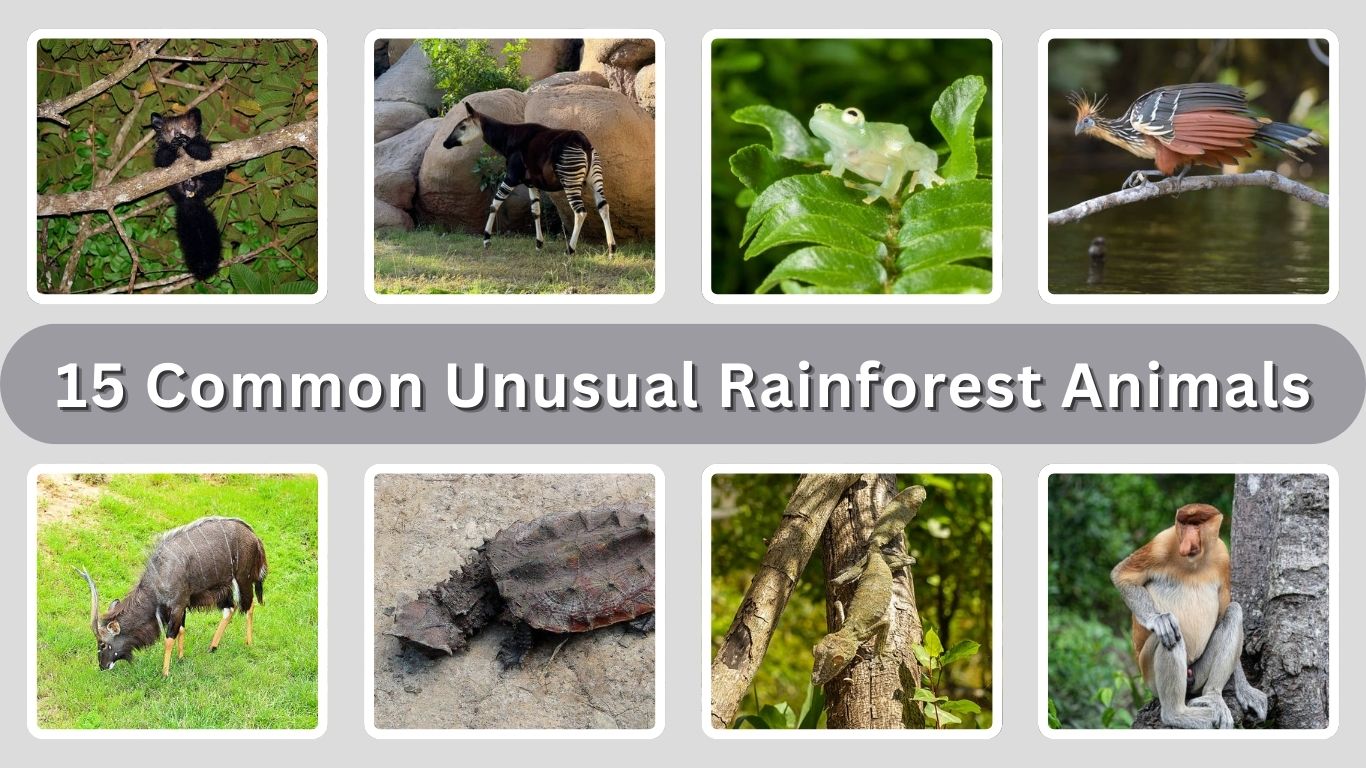
Rainforests are home to some of the most unusual and fascinating animals on Earth. Hidden beneath dense canopies and within remote forest floors, these creatures have evolved extraordinary features to survive in complex environments. From transparent frogs and gliding lizards to mammals with armored bodies or strange feeding methods, unusual rainforest animals showcase nature’s creativity. Their unique adaptations help them find food, avoid predators, and thrive in humid, competitive habitats. Protecting these animals is essential for preserving rainforest biodiversity and maintaining healthy ecosystems.
1. Aye-Aye
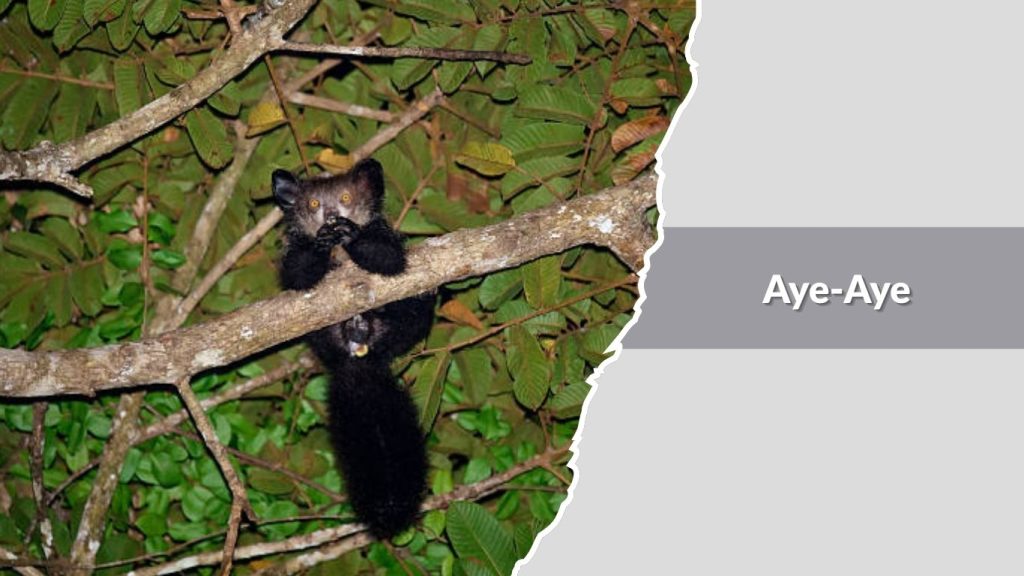
The aye-aye is one of the most unusual and mysterious animals found in the rainforest. Native to Madagascar, this nocturnal primate is known for its strange appearance and unique feeding behavior. Once thought to be an omen in local folklore, the aye-aye is now recognized as an important part of rainforest ecosystems, helping control insect populations.
Identification
- Medium-sized primate with a thin body
- Large, round eyes adapted for night vision
- Long, bushy tail often longer than the body
- Extremely long, thin middle finger used for feeding
- Coarse, dark brown or black fur
Habitat
Aye-ayes live in tropical rainforests and wooded areas of Madagascar. They spend most of their time in trees, where they build nests from leaves and branches. Dense forests provide food, shelter, and protection from predators.
Behaviors
Aye-ayes are nocturnal and solitary animals. They use a unique method called percussive foraging, tapping on tree bark to locate insects inside. Once detected, they gnaw through the wood and use their long finger to extract prey. They are quiet and rarely seen during the day.
Diet and Lifespan
Aye-ayes are omnivores that feed on insects, larvae, fruits, nuts, and seeds. Their specialized teeth and finger make them highly efficient foragers. In the wild, aye-ayes typically live about 20–23 years.
2. Okapi
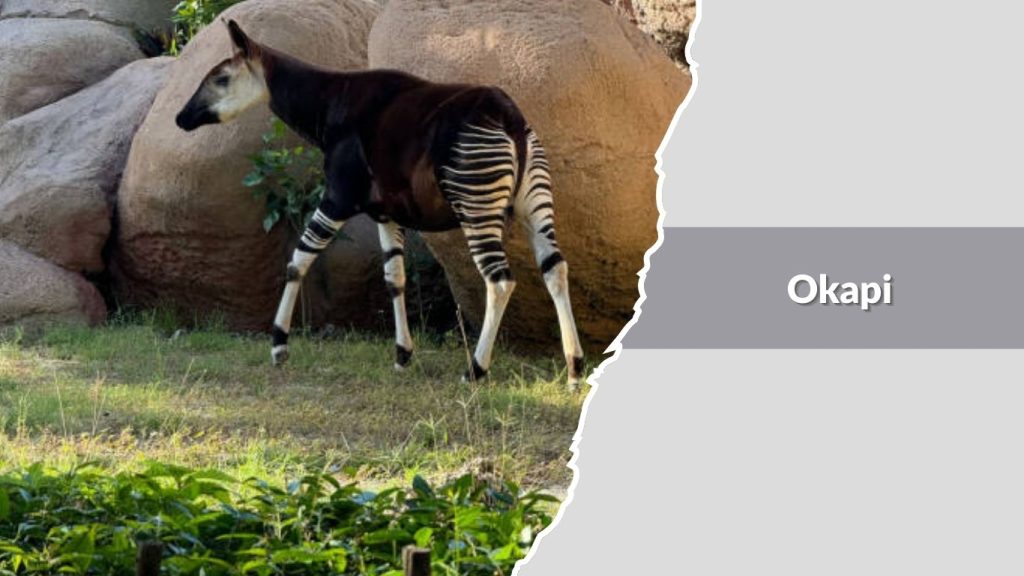
The okapi is a rare and unusual rainforest mammal often described as a mix between a zebra and a giraffe. Found only in the dense rainforests of Central Africa, the okapi is shy and elusive. Its unique appearance and secretive nature make it one of the least seen large mammals in the world, despite its important role in maintaining forest vegetation.
Identification
- Medium-sized body with a giraffe-like shape
- Reddish-brown coat
- Black-and-white striped legs resembling a zebra
- Long neck compared to body size
- Large ears and long, dark tongue
Habitat
Okapis live in dense tropical rainforests, especially in the Ituri Forest of the Democratic Republic of the Congo. Thick vegetation provides excellent camouflage and protection from predators. They prefer areas with abundant understory plants and access to water.
Behaviors
Okapis are solitary and mostly active during the day. They are shy and rely on their excellent hearing to detect danger. Okapis communicate through scent marking and low-frequency sounds that are difficult for humans to hear.
Diet and Lifespan
Okapis are herbivores that feed on leaves, buds, fruits, ferns, and fungi. Their long tongues help them reach food and clean their ears. In the wild, okapis usually live about 20–30 years.
3. Glass Frog
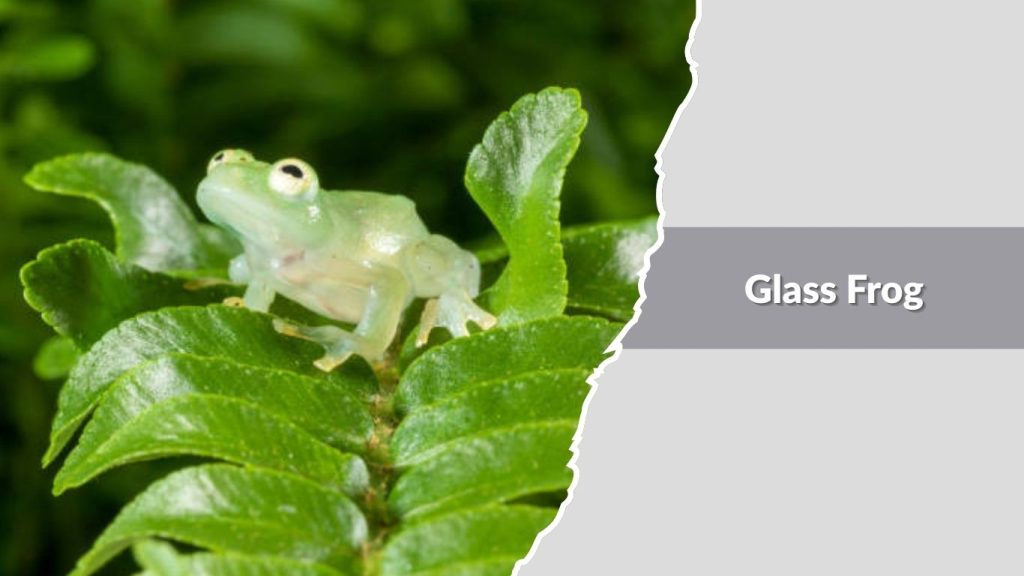
The glass frog is a small and fascinating rainforest amphibian known for its transparent skin. In many species, the skin on the belly is see-through, allowing internal organs to be visible. This unusual feature helps the frog blend into its surroundings. Glass frogs are important indicators of rainforest health due to their sensitivity to environmental changes.
Identification
- Very small body, usually green in color
- Transparent or translucent skin on the underside
- Visible internal organs through the belly
- Large eyes often facing forward
- Sticky toe pads for climbing
Habitat
Glass frogs live in tropical rainforests of Central and South America. They are usually found near rivers and streams, resting on leaves above water. The humid rainforest environment provides the moisture they need to survive and reproduce.
Behaviors
Glass frogs are mostly nocturnal and become active at night. Males often guard eggs laid on leaves overhanging water. When the eggs hatch, the tadpoles drop directly into the stream below. Their quiet and camouflaged nature makes them hard to spot.
Diet and Lifespan
Glass frogs are carnivores that feed on small insects and spiders. In the wild, they typically live about 5–10 years, depending on the species.
4. Hoatzin
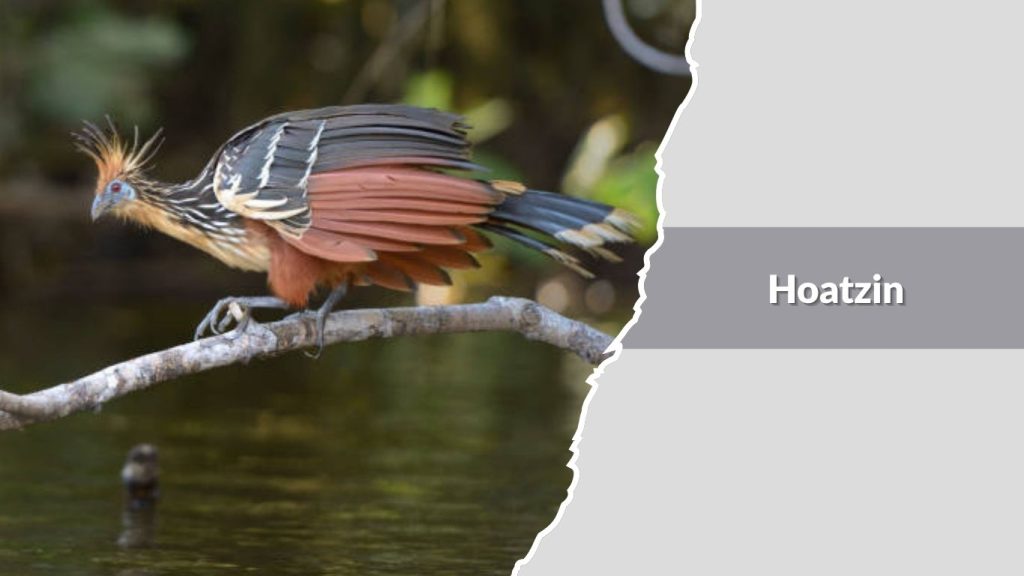
The hoatzin is one of the most unusual birds in the rainforest, often called the “stinkbird” because of its strong odor. This strange smell comes from its unique digestive system, which ferments plant material much like a cow’s stomach. Native to South American rainforests, the hoatzin is unlike any other bird in the world.
Identification
- Medium-sized bird with a bulky body
- Brown, chestnut, and cream-colored feathers
- Blue facial skin and red eyes
- Long neck and spiky crest of feathers
- Chicks have clawed wings
Habitat
Hoatzins live in tropical rainforests near rivers, swamps, and wetlands of the Amazon and Orinoco basins. They prefer dense vegetation along waterways, where leaves are abundant and easy to reach.
Behaviors
Hoatzins are social birds that live in small groups. They are poor fliers and prefer to climb through branches. Young hoatzins use their wing claws to climb trees, a rare trait among modern birds. They are mostly active during the day.
Diet and Lifespan
Hoatzins are herbivores that feed mainly on leaves, buds, and shoots. Their fermentation-based digestion produces gas, causing their strong smell. In the wild, hoatzins usually live about 8–10 years.
5. Saola
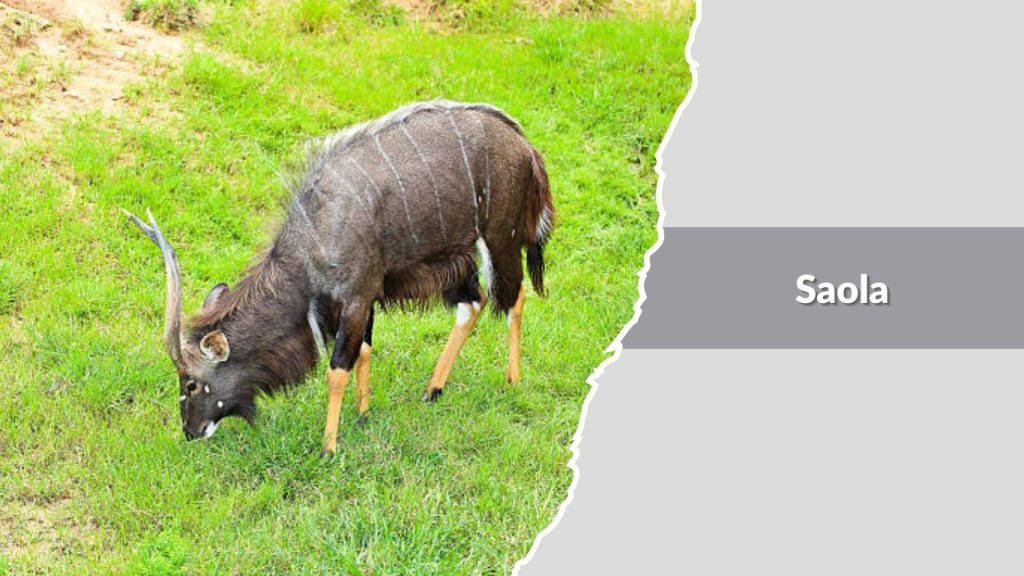
The saola is one of the rarest and most mysterious rainforest mammals in the world. Often called the “Asian unicorn,” it was only discovered by scientists in the 1990s. Native to Southeast Asia, the saola is extremely elusive and rarely seen in the wild, making it a symbol of rainforest conservation and hidden biodiversity.
Identification
- Medium-sized, antelope-like body
- Smooth dark brown coat with lighter markings
- Two long, straight, parallel horns
- White facial markings near the eyes and mouth
- Slender legs and delicate build
Habitat
Saolas live in dense tropical rainforests along the Annamite Mountains of Laos and Vietnam. They prefer remote, undisturbed forests with thick vegetation and nearby streams. These hidden habitats help them avoid predators and human contact.
Behaviors
Saolas are solitary and extremely shy animals. Very little is known about their behavior due to their rarity. They are believed to be most active during the early morning and evening and rely on dense cover to remain hidden.
Diet and Lifespan
Saolas are herbivores that feed on leaves, shrubs, grasses, and plant stems. Their exact lifespan is unknown, but it is estimated to be around 8–11 years in the wild.
6. Mata Mata Turtle
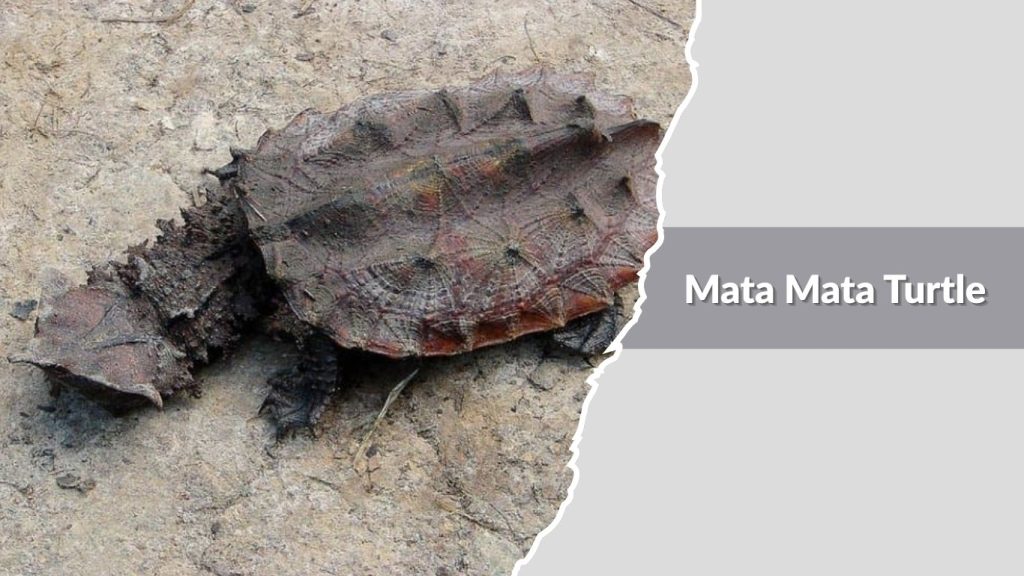
The mata mata turtle is one of the strangest-looking reptiles in the rainforest, instantly recognizable by its flat head and leaf-like appearance. Native to South American rainforests, this turtle is perfectly adapted for life in slow-moving rivers and swamps. Its unusual shape provides excellent camouflage, allowing it to blend seamlessly into muddy water and floating vegetation.
Identification
- Flat, triangular head with a long, tube-like snout
- Rough, brown shell with ridges and bumps
- Skin flaps and fringes around the head and neck
- Broad, flattened body
- Small eyes positioned on the sides of the head
Habitat
Mata mata turtles live in tropical rainforest rivers, streams, swamps, and flooded forests of the Amazon and Orinoco basins. They prefer slow-moving or still water with muddy bottoms and heavy plant cover. These environments help them remain hidden while hunting.
Behaviors
Mata mata turtles are ambush predators and move very little. They lie motionless on the riverbed, waiting for prey to come close. When hunting, they open their mouths suddenly, creating suction that pulls prey inside. They are mostly inactive during the day and rely heavily on camouflage.
Diet and Lifespan
Mata mata turtles are carnivores that feed mainly on small fish and aquatic invertebrates. They swallow prey whole rather than biting it. In the wild, mata mata turtles can live 40–50 years.
7. Leaf-Tailed Gecko
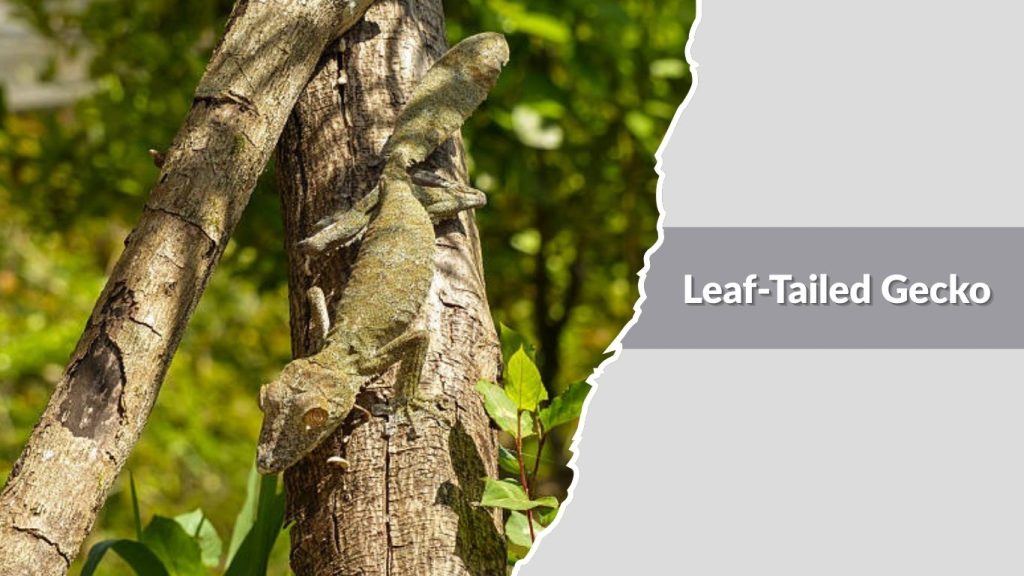
The leaf-tailed gecko is one of the best examples of camouflage in the rainforest. Native to Madagascar, this reptile looks almost exactly like a dead leaf, helping it avoid predators. Its unusual appearance and ability to blend perfectly into tree bark and foliage make it one of the most fascinating and unusual rainforest animals.
Identification
- Flat body with leaf-shaped tail
- Skin patterned like bark or dead leaves
- Large eyes with vertical pupils
- Rough or fringed skin edges for better camouflage
- Usually brown, gray, or reddish in color
Habitat
Leaf-tailed geckos live in tropical rainforests of Madagascar. They are commonly found on tree trunks, branches, and forest floors covered with leaf litter. Dense rainforest vegetation provides ideal camouflage and protection.
Behaviors
Leaf-tailed geckos are nocturnal and remain motionless during the day. At night, they become active hunters. When threatened, they rely on camouflage rather than speed, pressing their bodies flat against surfaces to disappear into their surroundings.
Diet and Lifespan
Leaf-tailed geckos are carnivores that feed on insects, spiders, and other small invertebrates. In the wild, they typically live about 8–10 years.
8. Proboscis Monkey
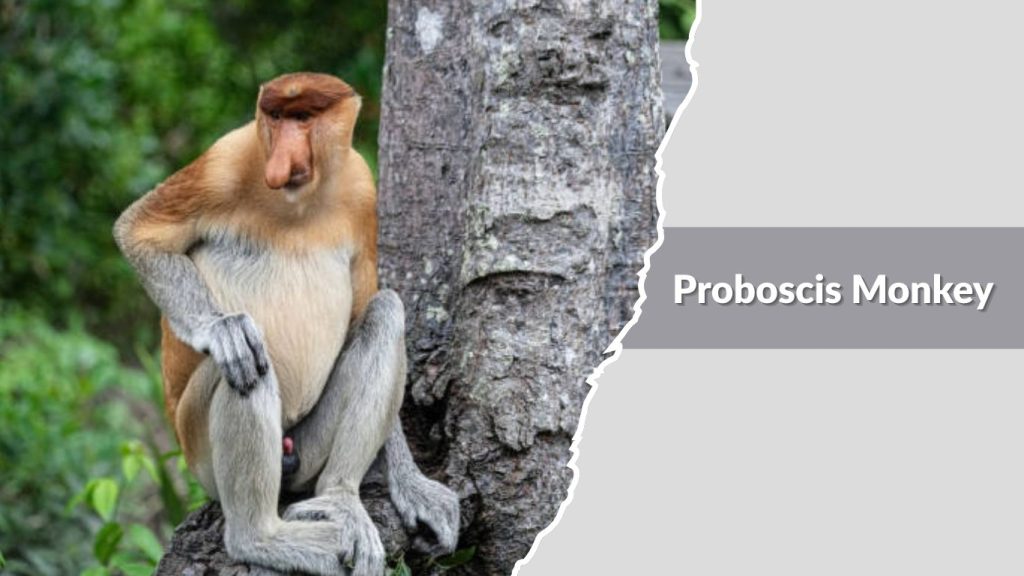
The proboscis monkey is a truly unusual rainforest primate, best known for its large, drooping nose. Native to the rainforests of Borneo, this monkey’s strange appearance is thought to play a role in communication and attracting mates. Proboscis monkeys are excellent swimmers and are strongly tied to river-based rainforest habitats.
Identification
- Large body with long limbs
- Distinctive long, bulbous nose (especially in males)
- Reddish-brown fur with lighter underparts
- Long tail used for balance
- Pot-shaped belly due to specialized digestion
Habitat
Proboscis monkeys live in tropical rainforests, mangroves, and swamp forests of Borneo. They are most commonly found near rivers and coastal areas, where food is abundant and escape routes through water are available. Dense vegetation provides shelter and feeding opportunities.
Behaviors
Proboscis monkeys are social animals that live in groups led by a dominant male. They are active during the day and spend much of their time feeding and resting in trees. These monkeys are strong swimmers and often leap into rivers to escape predators.
Diet and Lifespan
Proboscis monkeys are herbivores that eat leaves, seeds, and unripe fruits. Their complex stomachs help them digest tough plant material. In the wild, they typically live about 15–20 years.
9. Pink River Dolphin

The pink river dolphin is one of the most unusual mammals found in rainforest waterways. Also known as the Amazon river dolphin, it is famous for its pink coloration and friendly appearance. This intelligent dolphin lives in freshwater rivers and flooded forests, where it plays an important role as a top predator in aquatic rainforest ecosystems.
Identification
- Large freshwater dolphin with a long, narrow snout
- Pink or pale gray skin that can deepen in color with age
- Flexible neck allowing head movement
- Rounded forehead instead of a pointed beak
- Broad tail flukes
Habitat
Pink river dolphins live in rivers, lakes, and flooded rainforests of the Amazon and Orinoco basins. During the rainy season, they swim through flooded forests, navigating between trees in search of food. These freshwater habitats provide abundant prey and shelter.
Behaviors
Pink river dolphins are usually solitary or seen in small groups. They are highly intelligent and use echolocation to find prey in muddy water. Unlike ocean dolphins, they move slowly and can turn easily due to their flexible necks. They are most active during the day.
Diet and Lifespan
Pink river dolphins are carnivores that feed on fish, crabs, and small turtles. Their varied diet helps control fish populations. In the wild, they typically live about 30 years.
10. Sun Bear
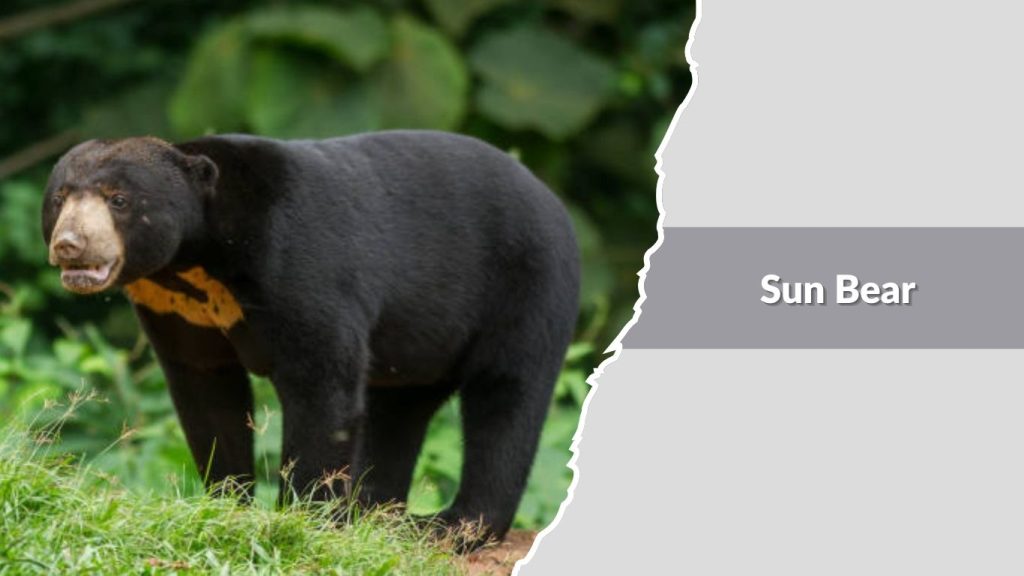
The sun bear is the smallest bear species in the world and one of the most unusual mammals found in rainforests. Recognized by the pale, sun-shaped patch on its chest, this bear is well adapted to life in dense tropical forests. Sun bears play an important role in rainforest ecosystems by breaking open logs and spreading seeds while foraging.
Identification
- Small bear with a short, sleek body
- Black fur with a pale yellow or orange chest patch
- Short snout with a long tongue
- Strong curved claws for climbing and digging
- Rounded ears and loose skin
Habitat
Sun bears live in tropical rainforests of Southeast Asia. They prefer dense, lowland forests with plenty of trees for climbing and shelter. Rainforests provide abundant food sources such as insects and fruit, which are essential for their survival.
Behaviors
Sun bears are mostly solitary and are active during both day and night. They are excellent climbers and often rest or feed in trees. Using their powerful claws and long tongues, they tear open logs and beehives to reach insects and honey.
Diet and Lifespan
Sun bears are omnivores that eat insects, honey, fruits, berries, and small animals. In the wild, they typically live about 20–25 years.
11. Kinkajou
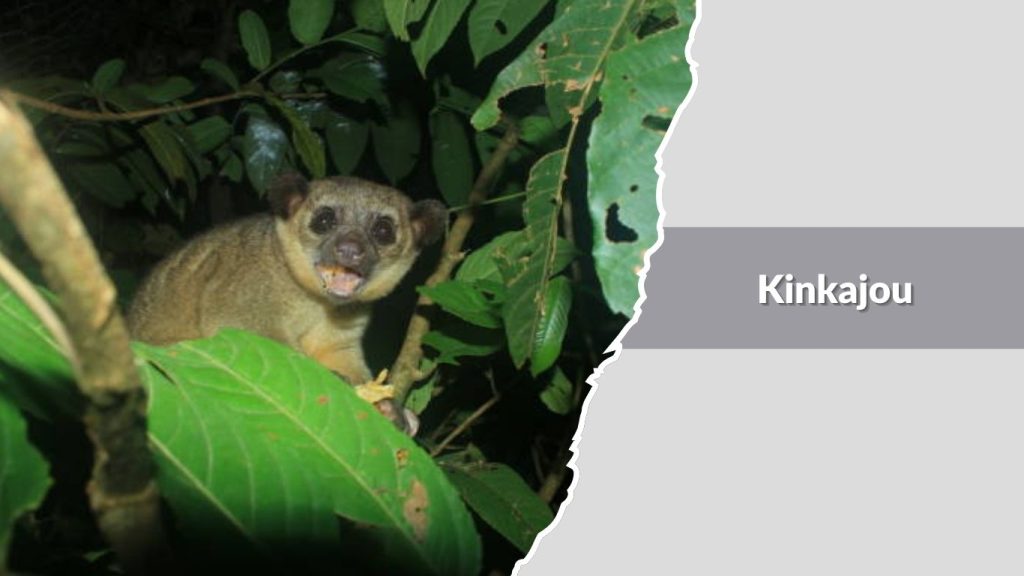
The kinkajou is a small, nocturnal mammal often called the “honey bear,” though it is not a bear. Native to Central and South American rainforests, the kinkajou is perfectly adapted to life in the trees. Its large eyes and prehensile tail help it move easily through the dark forest canopy, where it plays a role in pollination and seed dispersal.
Identification
- Small, cat-sized body with soft brown fur
- Large, round eyes adapted for night vision
- Long, prehensile tail used for hanging and balance
- Short snout with small rounded ears
- Flexible ankles that can rotate backward
Habitat
Kinkajous live in tropical rainforests, spending most of their time high in the forest canopy. They prefer dense forests with abundant fruiting trees and rarely come down to the ground. Tree cover provides both food and protection from predators.
Behaviors
Kinkajous are solitary or live in small family groups and are active mainly at night. They move quietly through the trees and are excellent climbers. Despite their gentle appearance, they can be territorial and vocal, using calls to communicate.
Diet and Lifespan
Kinkajous are omnivores but primarily eat fruits and nectar, along with insects and small animals. Their feeding habits help spread pollen and seeds. In the wild, kinkajous typically live about 20–25 years.
12. Thorny Devil
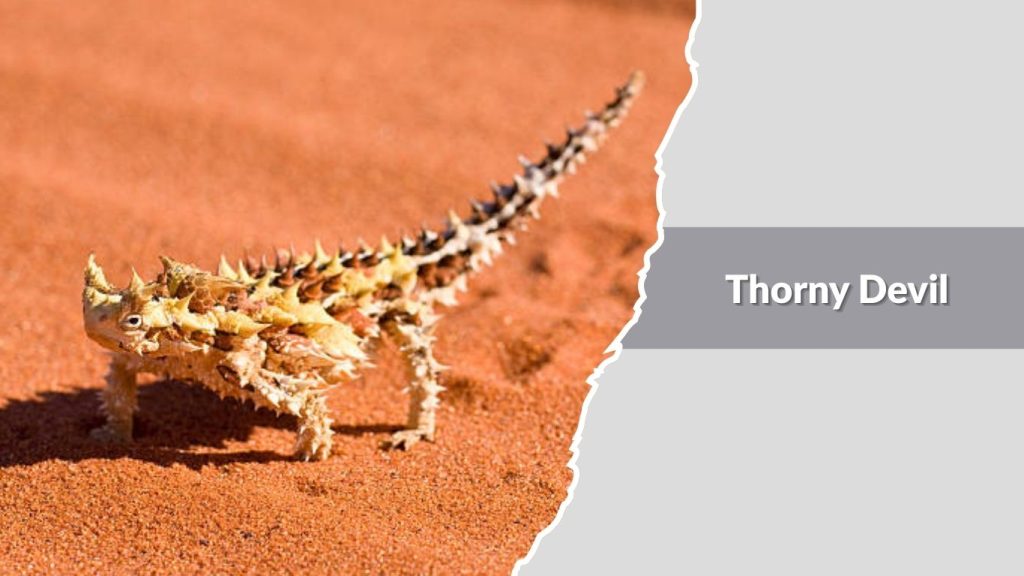
The thorny devil is one of the most unusual-looking reptiles in the world, known for its spiky body and strange survival adaptations. Although it is often associated with dry environments, it is included among unusual animals due to its extreme appearance and unique behavior. Its body is covered in sharp spines that help deter predators and collect moisture.
Identification
- Small lizard covered in sharp, cone-shaped spines
- Tan, brown, or reddish coloring for camouflage
- Wide head with a false “head” on the neck
- Short legs and slow movement
- Rough, armored-looking skin
Habitat
Thorny devils are found in open regions with sparse vegetation. They rely on ground cover and natural camouflage to remain hidden. Their surroundings allow them to blend in easily and avoid predators.
Behaviors
Thorny devils are slow-moving and rely on camouflage rather than speed. When threatened, they tuck their real head down and present the false head to predators. They are most active during cooler parts of the day.
Diet and Lifespan
Thorny devils are insectivores that feed almost entirely on ants. They can collect moisture through channels in their skin that direct water to their mouth. In the wild, they usually live about 15–20 years.
13. Armadillo Girdled Lizard
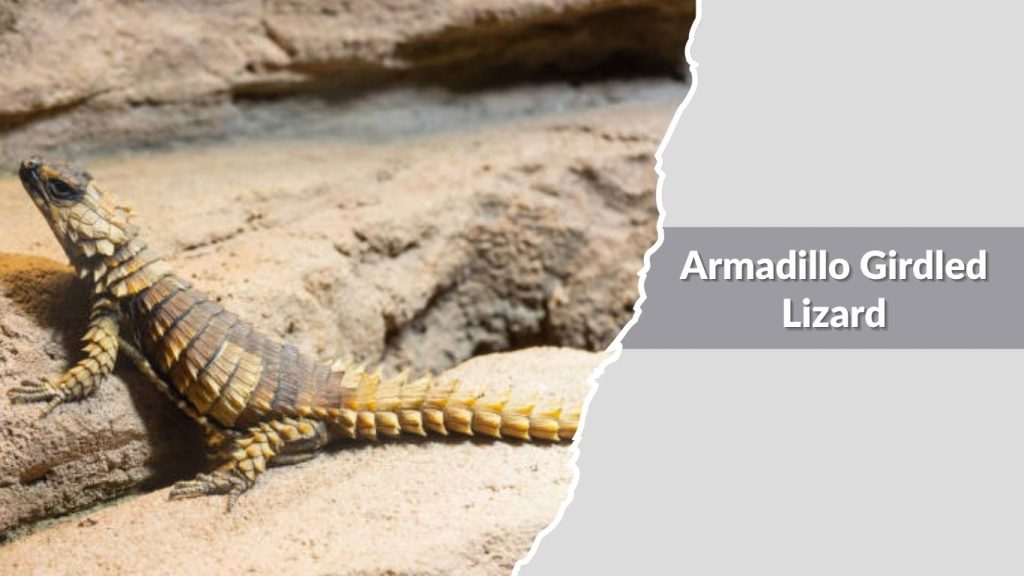
The armadillo girdled lizard is a small but striking reptile known for its unique defensive behavior. When threatened, it curls into a tight ball and bites its own tail, using its spiny scales as armor—much like an armadillo. This unusual survival strategy makes it one of the most fascinating and rare reptiles found in forested and rocky environments.
Identification
- Small, stout body covered with hard, spiny scales
- Yellowish to dark brown coloration
- Large, strong head with powerful jaws
- Short legs with sharp claws
- Thick tail often held in the mouth when threatened
Habitat
Armadillo girdled lizards live in rocky areas and forest edges with access to crevices and shelter. They prefer environments that provide hiding spots and protection from predators. These habitats offer warmth, safety, and access to food.
Behaviors
This lizard is mostly diurnal and spends much of its time basking in the sun. When danger approaches, it performs its unique defensive curl, protecting its soft underside. Unlike many reptiles, it may live in small social groups.
Diet and Lifespan
Armadillo girdled lizards are insectivores that feed mainly on ants, termites, and other small insects. In the wild, they typically live about 20–25 years.
14. Flying Dragon Lizard
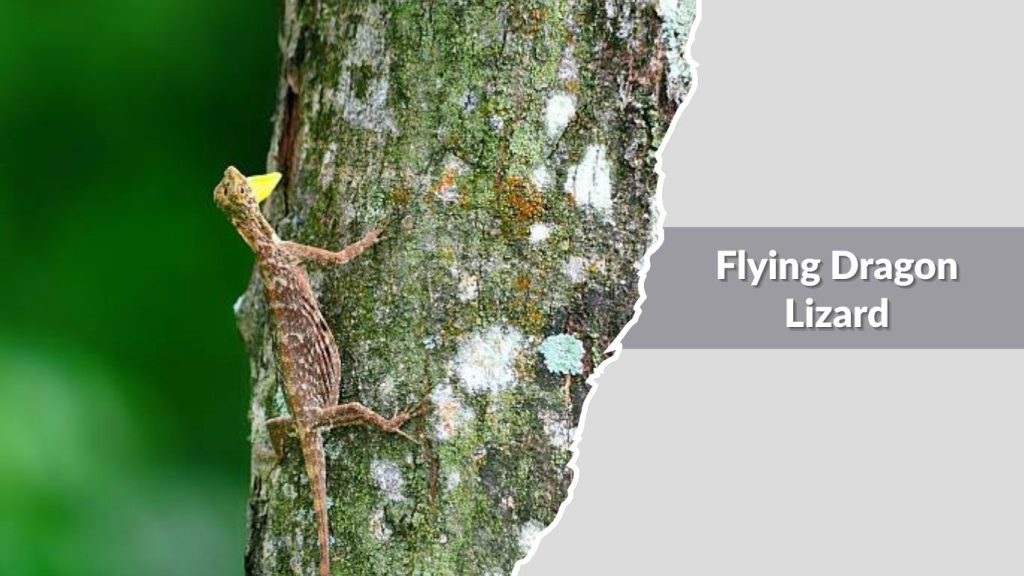
The flying dragon lizard is a small but extraordinary reptile famous for its ability to glide through the rainforest. Despite its name, it cannot truly fly, but it uses wing-like skin flaps to glide from tree to tree. This unusual adaptation helps it escape predators and move efficiently through the forest canopy.
Identification
- Small, slender lizard body
- Extendable skin membranes (patagia) on the sides
- Long tail used for balance
- Brown or gray coloration with patterns
- Small throat flap (dewlap)
Habitat
Flying dragon lizards live in tropical rainforests of Southeast Asia. They spend most of their time high in trees, rarely coming down to the ground. Dense forests with tall trees provide ideal gliding routes and protection.
Behaviors
These lizards are diurnal and highly arboreal. When threatened or moving between trees, they spread their skin flaps and glide through the air. They are territorial and often display their dewlap to communicate with rivals or attract mates.
Diet and Lifespan
Flying dragon lizards are insectivores that feed mainly on ants and small insects. In the wild, they typically live about 5–8 years.
15. Tapir
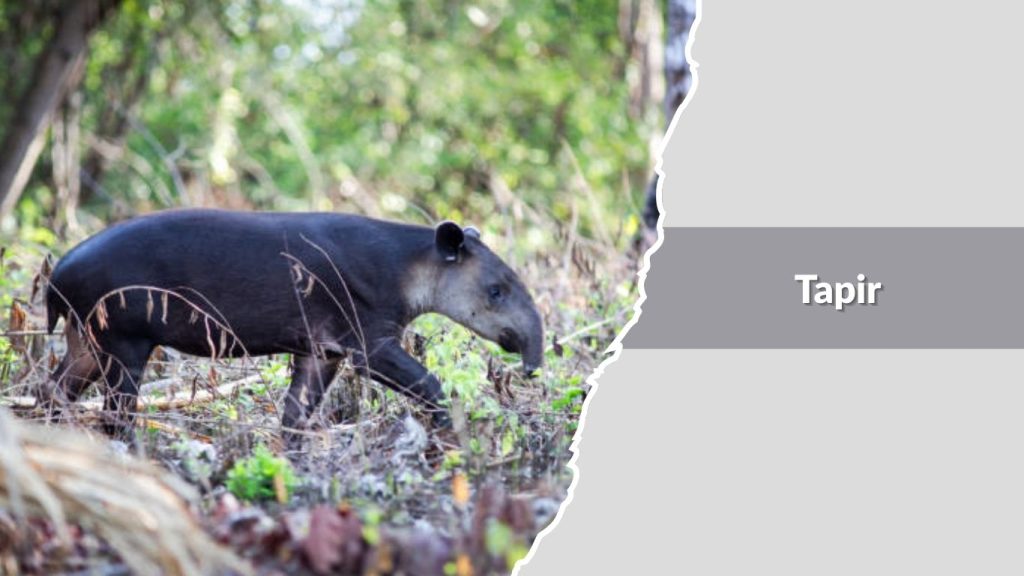
The tapir is a large, unusual rainforest mammal with a body shape that seems unchanged for millions of years. Often described as a living fossil, tapirs are shy and gentle animals. They play an important role in rainforest ecosystems by spreading seeds and maintaining plant diversity.
Identification
- Large, round body with short legs
- Thick skin and short bristly hair
- Flexible, trunk-like snout
- Small eyes and rounded ears
- Dark brown or black coat
Habitat
Tapirs live in tropical rainforests near rivers, swamps, and wetlands in Central and South America as well as Southeast Asia. They prefer dense vegetation and areas with easy access to water, which helps them escape predators and regulate body temperature.
Behaviors
Tapirs are mostly solitary and are active during the night or early morning. They are excellent swimmers and often enter water to cool down or hide. Tapirs use scent marking to communicate and establish territory.
Diet and Lifespan
Tapirs are herbivores that feed on leaves, fruits, bark, and aquatic plants. Their feeding habits help disperse seeds across the rainforest. In the wild, tapirs usually live about 25–30 years.
FAQs
What makes an animal unusual in the rainforest?
Unusual rainforest animals often have unique physical features, rare behaviors, or special adaptations that help them survive in dense forests. Examples include transparent skin, extreme camouflage, gliding abilities, or rare feeding methods.
Are unusual rainforest animals rare?
Many unusual rainforest animals are rare or hard to see because they are nocturnal, live high in the canopy, or inhabit remote areas. Some, like the saola and aye-aye, are also endangered due to habitat loss.
Why do rainforests have so many strange animals?
Rainforests are ancient, stable ecosystems with abundant food and complex habitats. Over millions of years, animals evolved specialized traits to survive in these environments, resulting in high diversity and unusual adaptations.
Do unusual rainforest animals have special survival adaptations?
Yes, many have unique adaptations such as camouflage, poison, armor, gliding membranes, or specialized feeding tools. These traits help them avoid predators, find food, or move through the forest efficiently.
Are unusual rainforest animals dangerous to humans?
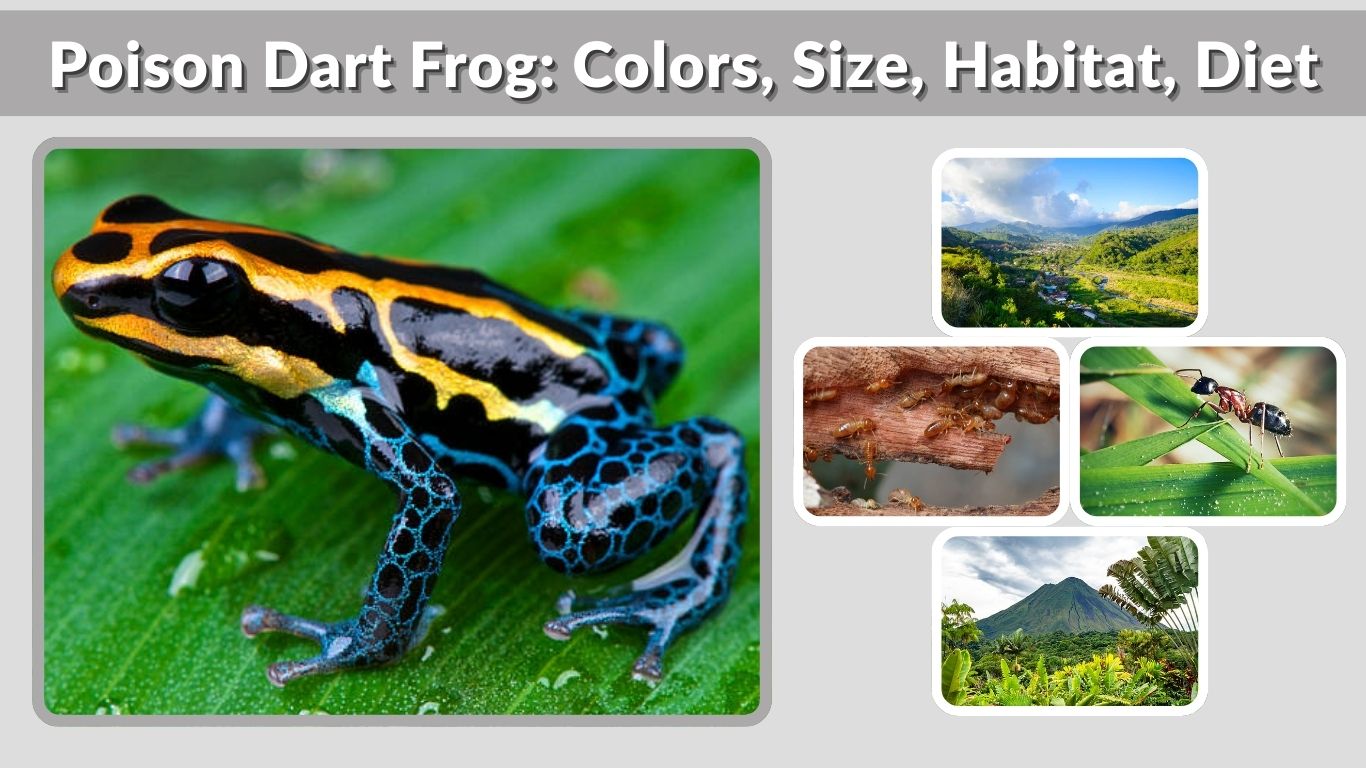
Most unusual rainforest animals are not dangerous to humans and prefer to avoid contact. Some, like poison dart frogs, can be harmful if handled, but they are generally safe when left undisturbed.
Why is it important to protect unusual rainforest animals?
Unusual animals play important roles in maintaining ecosystem balance. Protecting them helps preserve biodiversity and ensures the health and stability of rainforest ecosystems.