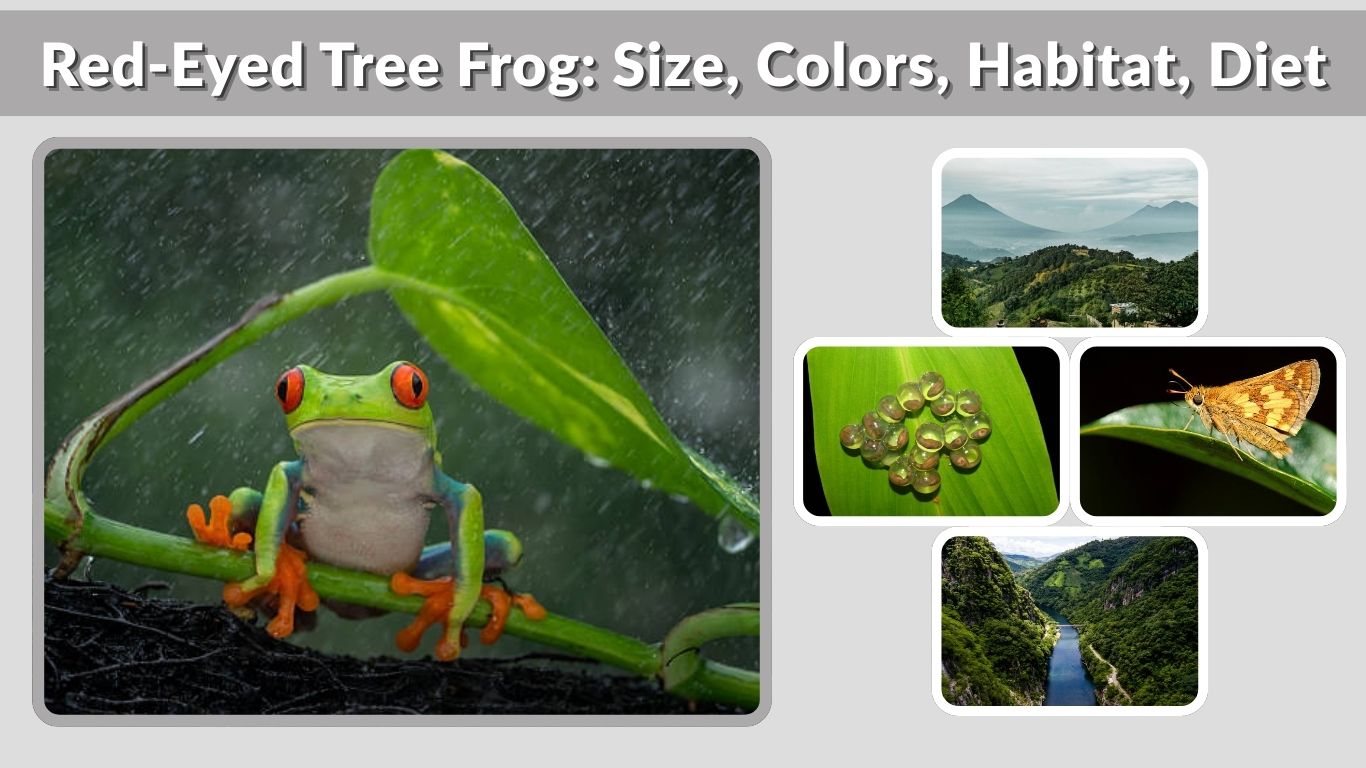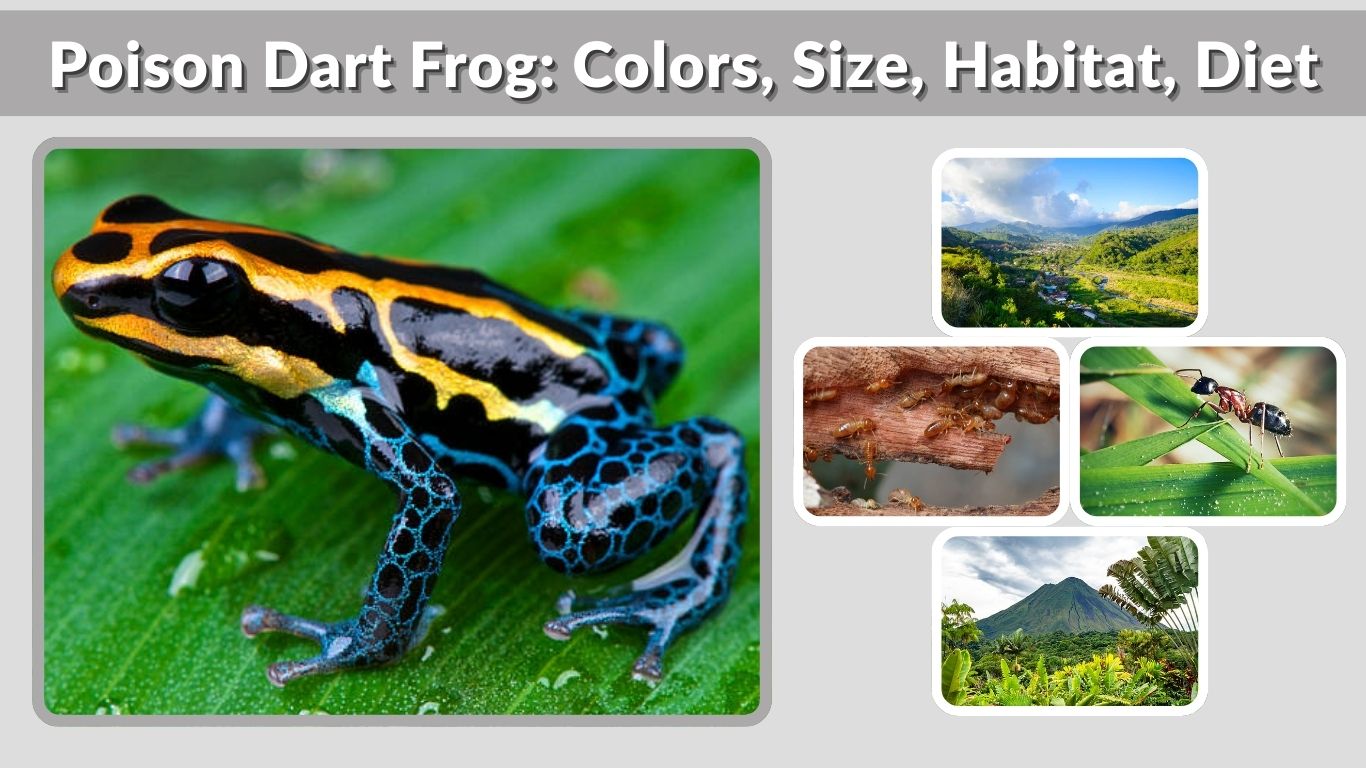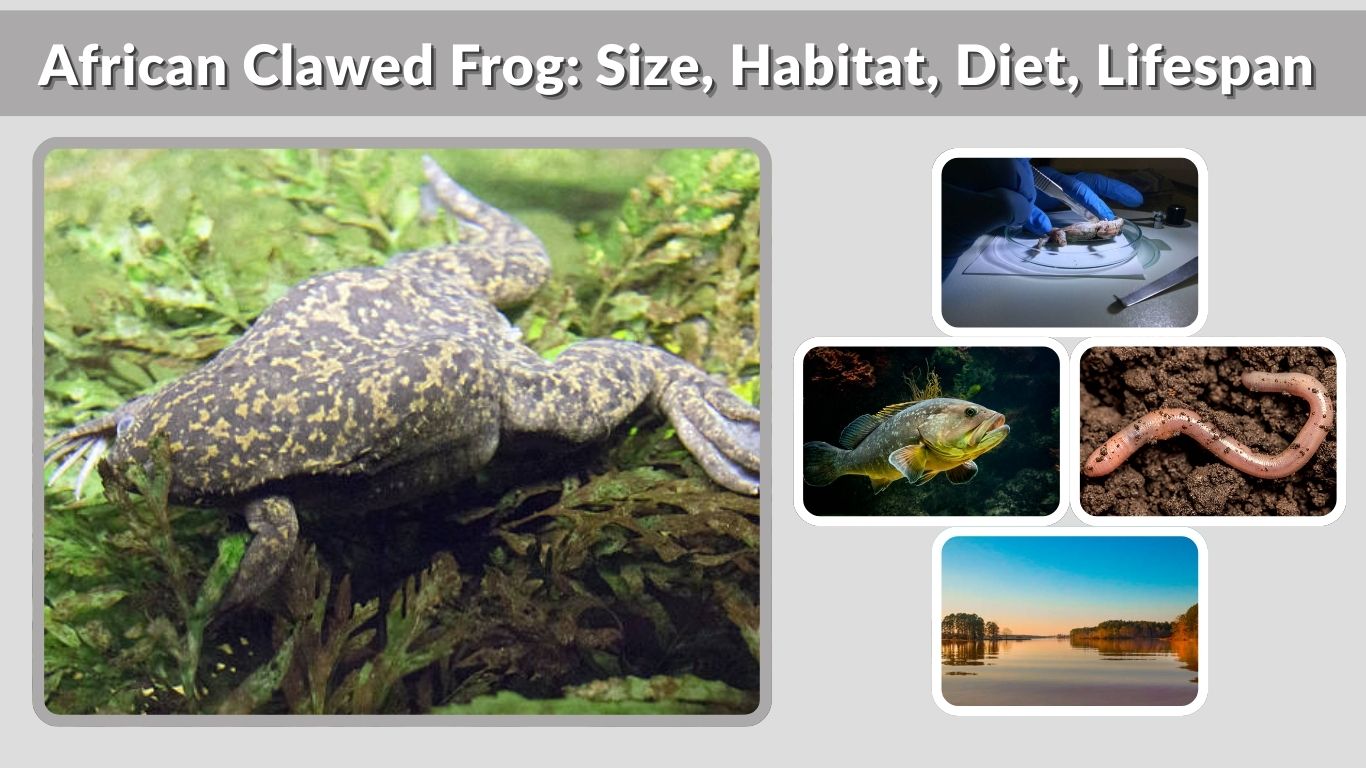





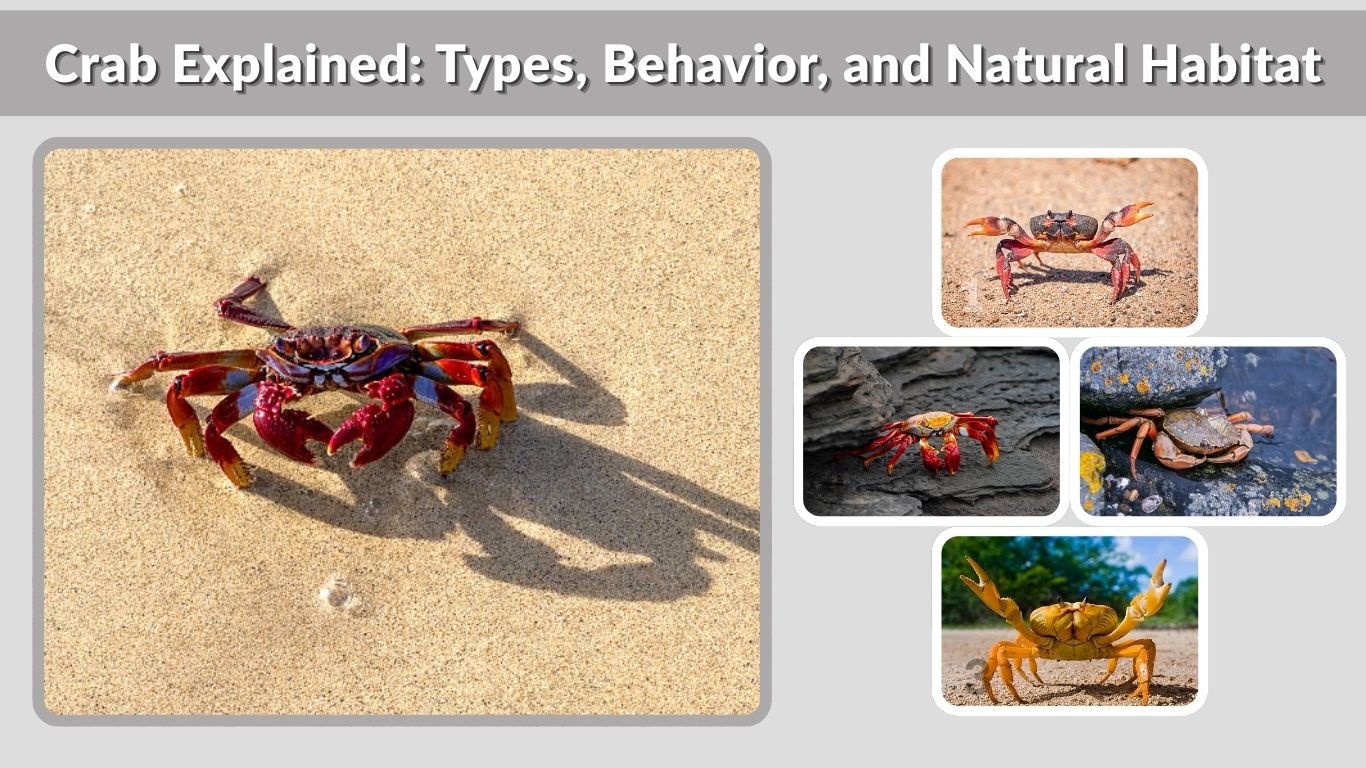
Crabs are fascinating crustaceans found in oceans, freshwater systems, and even on land across much of the world. Known for their hard shells, strong claws, and sideways movement, crabs play an important role in maintaining ecological balance within their habitats. With thousands of species displaying remarkable diversity in size, shape, and behavior, crabs have successfully adapted to a wide range of environments. This article explores the classification, physical characteristics, habitat, nutrition, and life cycle of crabs, offering a clear and informative overview of these unique animals.
What Is a Crab?
A crab is a type of crustacean belonging to the arthropod family, widely found in marine, freshwater, and terrestrial environments. Crabs are best known for their hard outer shell, strong pincers, and distinctive sideways movement. There are more than 6,800 known species of crabs worldwide, making them one of the most diverse groups of crustaceans on Earth.
Crabs play a crucial role in aquatic ecosystems. They act as scavengers, predators, and prey, helping maintain balance in food chains. Their ability to adapt to different habitats—from deep oceans to coastal mangroves—has allowed them to thrive for millions of years.
Scientific Classification of Crabs
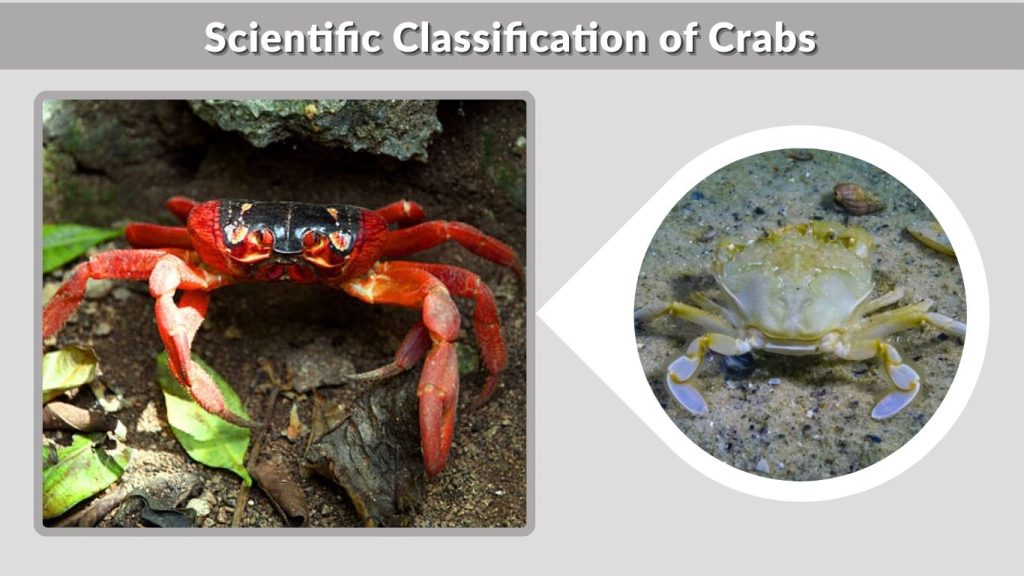
Kingdom, Phylum, and Class
Crabs belong to the Kingdom Animalia, Phylum Arthropoda, and Class Crustacea. Arthropods are characterized by jointed legs, segmented bodies, and exoskeletons, all of which are clearly visible in crabs. As crustaceans, crabs are closely related to shrimp, lobsters, and crayfish.
Their hard exoskeleton provides protection but also limits growth, which is why crabs must periodically shed their shell through a process known as molting.
Infraorder Brachyura
Most crabs fall under the infraorder Brachyura, commonly referred to as “true crabs.” These crabs are identified by their short, tucked-under abdomen and broad, flattened body. This compact body structure allows them to move efficiently across the ocean floor and squeeze into tight spaces for protection.
Types of Crabs Found Around the World
Crabs are incredibly diverse and can be found in almost every aquatic environment on the planet. They vary greatly in size, shape, color, and behavior depending on their species and habitat.
Common Marine Crabs
Marine crabs live primarily in saltwater environments such as oceans and seas. Some of the most well-known marine crab species include the blue crab, commonly found along Atlantic coastlines, and the king crab, known for its large size and cold-water habitat. Snow crabs and Dungeness crabs are also prominent marine species, typically inhabiting deeper or colder waters.
These crabs often have strong claws for defense and feeding, along with thick shells that protect them from predators.
Freshwater and Land Crabs
Not all crabs live in the ocean. Freshwater crabs inhabit rivers, lakes, and streams, particularly in tropical regions. Land crabs, while still dependent on moisture, spend most of their lives on land and only return to water for reproduction.
Land and freshwater crabs have developed special adaptations, such as modified gills, that allow them to breathe air for extended periods.
Crab Habitat and Distribution
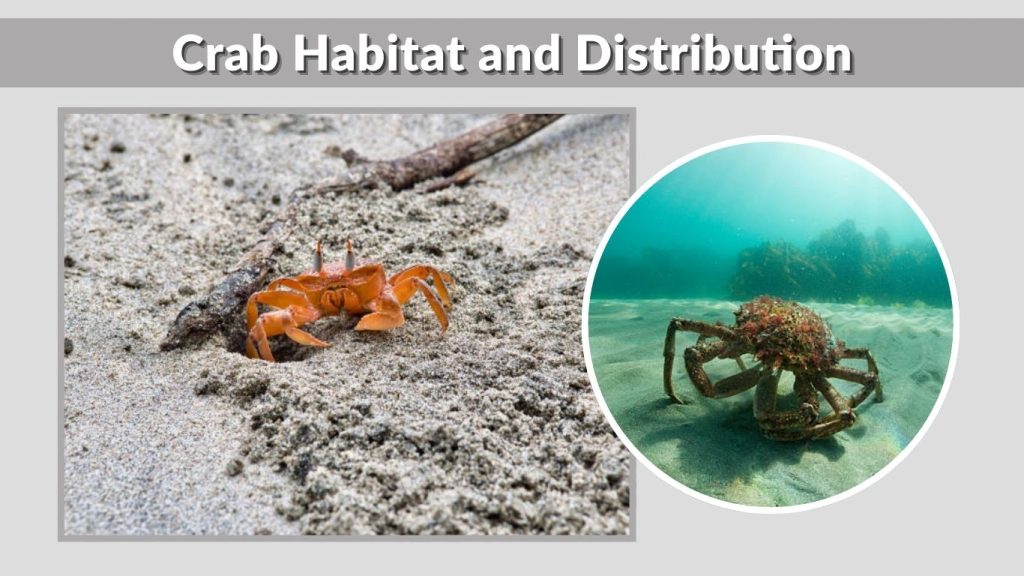
Crabs are found on every continent except Antarctica, demonstrating their remarkable adaptability. Their habitats range from shallow coastal waters to deep-sea environments thousands of meters below the surface.
Coastal and Deep-Sea Habitats
Many crabs thrive in coastal regions such as beaches, estuaries, coral reefs, and mangrove forests. These environments provide abundant food and shelter. Deep-sea crabs, on the other hand, live in extreme conditions with low temperatures, high pressure, and limited light, yet they have evolved to survive in these harsh environments.
Burrowing and Shelter Behavior
Crabs often seek shelter to avoid predators and harsh environmental conditions. Many species dig burrows in sand or mud, while others hide among rocks, coral, or vegetation. Burrowing also helps regulate body temperature and moisture levels, especially for land-dwelling crabs.
Physical Characteristics of Crabs
Crabs have a distinct body structure that sets them apart from other crustaceans. Their physical features are shaped by the need for protection, mobility, and survival in a wide range of environments, from deep oceans to coastal and terrestrial habitats. Despite the wide variety of species, most crabs share several common physical traits.
Key physical characteristics of crabs include:
- Hard exoskeleton: Helps protect internal organs and reduces water loss
- Broad, flattened body: Allows efficient sideways movement and hiding in narrow spaces
- Ten legs: Including two front claws used for feeding, defense, and communication
- Powerful claws (chelae): Used to crush prey, dig burrows, and deter predators
- Compound eyes on stalks: Provide a wide field of vision and detect movement
- Segmented limbs: Enable flexibility and precise movement
- Gills for respiration: Allow breathing in water and, in some species, on land when moist
This combination of features enables crabs to thrive in diverse environments and perform essential ecological roles.
Crab Diet and Feeding Behavior
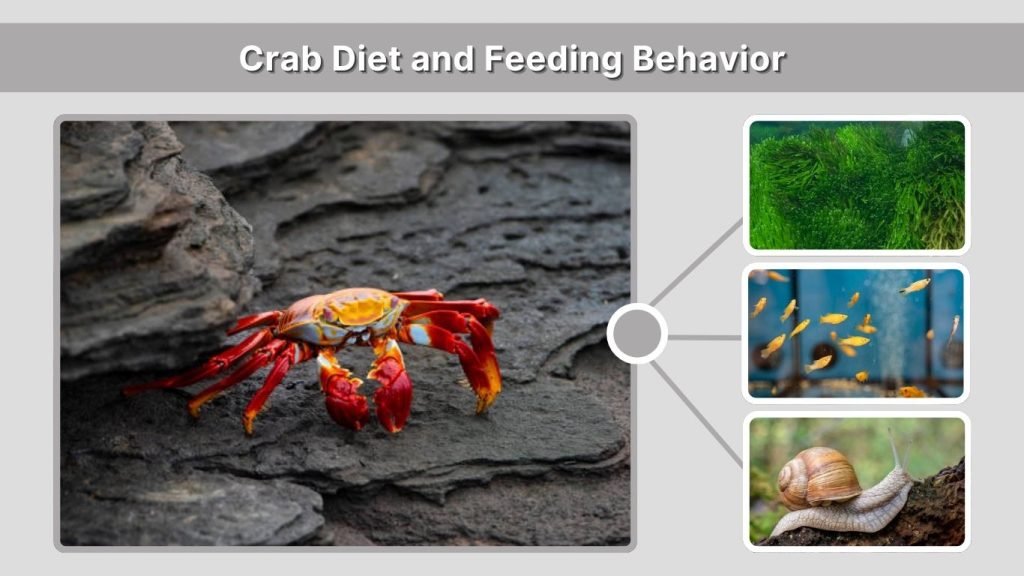
Crabs are generally omnivorous, meaning they eat both plant and animal matter. Their flexible diet is one of the key reasons they are so successful in diverse environments. Some species are active hunters, while others function mainly as scavengers.
Natural Food Sources
In the wild, crabs feed on a wide range of materials, including algae, seaweed, small fish, mollusks, worms, and organic debris. They use their claws to crush shells, tear food apart, or filter small particles from the water. Juvenile crabs tend to consume softer food, while adults can handle tougher prey.
Ecological Role in Food Chains
Crabs play a vital role in aquatic food webs. As predators, they help control populations of smaller organisms. As scavengers, they recycle nutrients by consuming dead plants and animals. At the same time, crabs serve as an important food source for fish, birds, and mammals, linking multiple levels of the ecosystem.
Nutritional Value of Crab (General Overview)

Crab is widely regarded as a nutrient-dense food source due to its rich composition of essential nutrients. It is especially valued for its high-quality protein and low overall fat content.
Key Nutrients Found in Crab
Crab contains significant amounts of protein, omega-3 fatty acids, and essential minerals such as zinc, selenium, phosphorus, and iodine. These nutrients contribute to muscle maintenance, immune function, and overall metabolic health. Crab is also a source of B vitamins, which support energy production and nervous system function.
Health Considerations
While crab offers many nutritional benefits, individuals with shellfish allergies should avoid it. Some crab varieties may also contain moderate levels of cholesterol, which may be a consideration for people with specific dietary needs. As with all seafood, sourcing from clean and regulated environments is important for safety.
Crab Life Cycle and Reproduction
Crabs have complex reproductive cycles that often depend on environmental conditions such as temperature and tides. Mating typically occurs shortly after a female crab molts, when her shell is still soft.
Larval Stages
After fertilization, female crabs release thousands to millions of eggs into the water. These eggs hatch into free-swimming larvae called zoea, which drift with ocean currents. The larvae undergo several developmental stages before transforming into the megalopa stage, where they begin to resemble small crabs.
Growth Into Adult Crabs
Once settled, juvenile crabs continue to grow through repeated molting cycles. Survival rates are low during early life stages due to predation, but those that reach adulthood may live for several years, depending on the species and environmental conditions.
Economic and Environmental Importance of Crabs
Crabs are economically valuable and environmentally significant. They support fisheries, provide livelihoods for coastal communities, and contribute to global seafood markets.
Commercial Crab Harvesting
Crabs are harvested worldwide through regulated fishing practices. In some regions, crab farming has also developed to meet growing demand. Proper management is essential to prevent overexploitation and population decline.
Sustainability and Conservation
Overfishing, habitat destruction, and climate change pose threats to crab populations. Conservation efforts focus on size limits, seasonal harvesting, and habitat protection to ensure long-term sustainability.
Crab vs Other Crustaceans
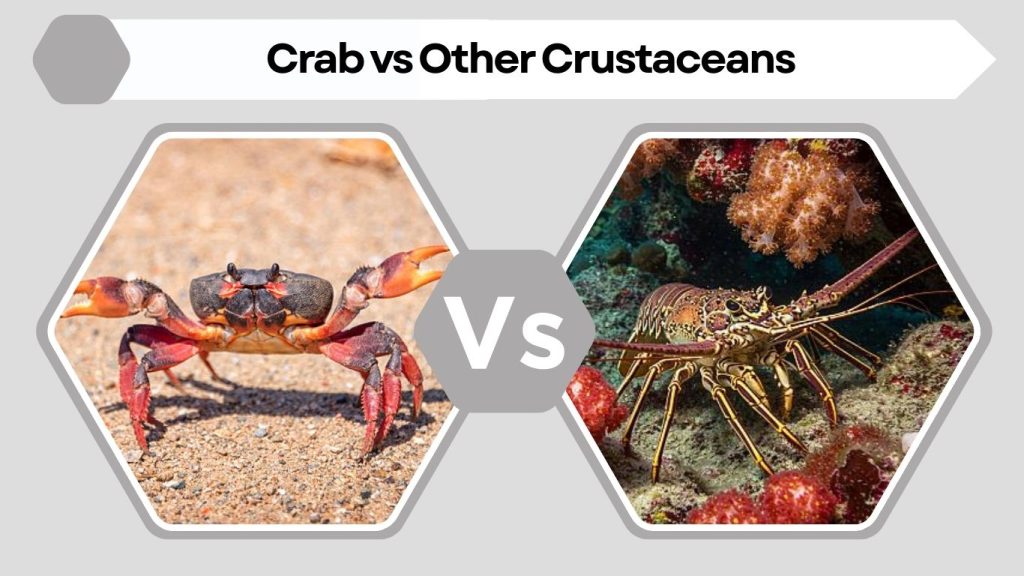
Crab vs Lobster
Crabs have a broader body and shorter tail compared to lobsters, whose long abdomen extends behind them. Their movement patterns and habitat preferences also differ significantly.
Crab vs Shrimp
Shrimp are smaller, have elongated bodies, and swim more actively, while crabs are primarily bottom-dwellers with a wider body structure.
Interesting Facts About Crabs
Crabs walk sideways due to the structure of their leg joints. Many species can regenerate lost limbs over time. Some crabs can survive outside water for hours or even days, provided their gills remain moist. Certain crab species are also known to live for several decades, making them among the longer-lived crustaceans.