




Gargoyle geckos are hardy, eye-catching reptiles known for their horn-like head bumps and calm temperament. Native to New Caledonia, these arboreal geckos have become popular pets due to their manageable size and simple care requirements. Whether you’re researching tank size, diet, lifespan, or pricing, this guide covers everything you need to confidently own and care for a gargoyle gecko.
What Is a Gargoyle Gecko?
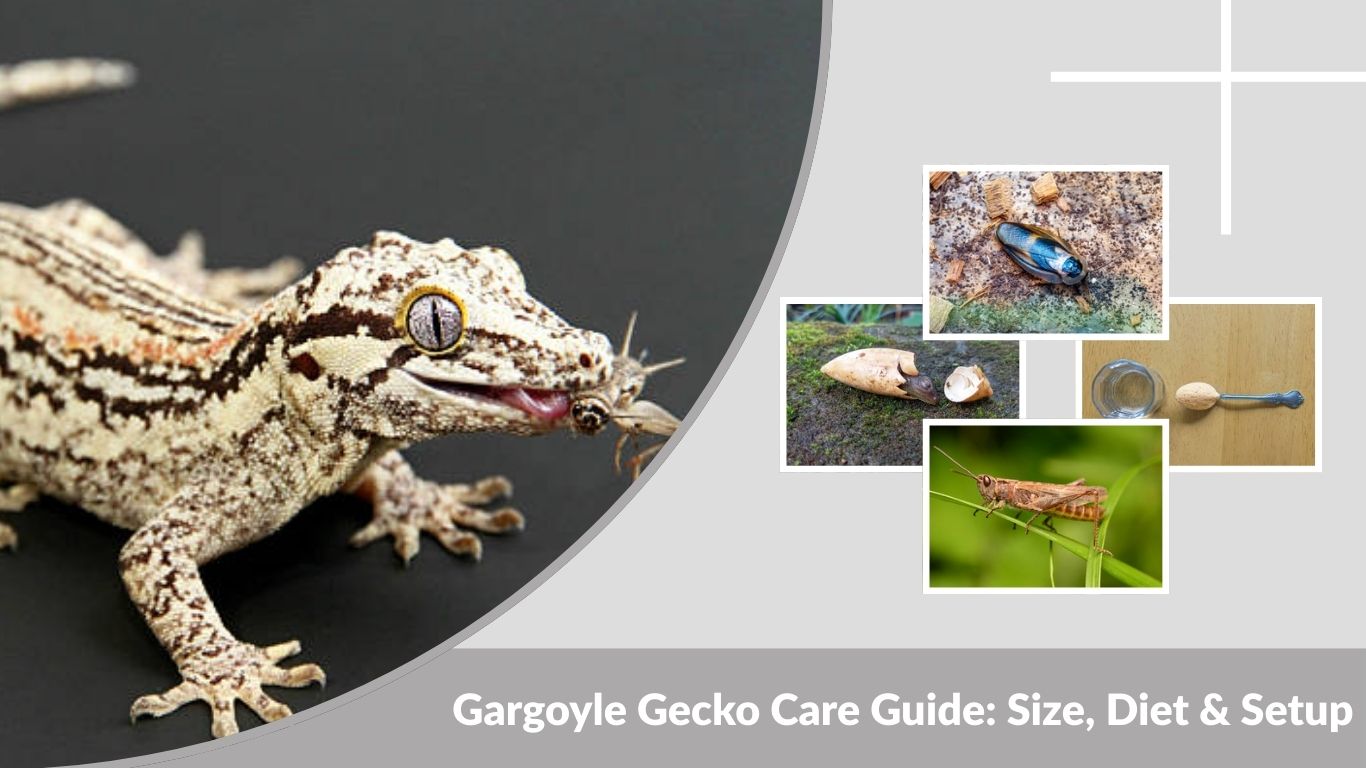
The gargoyle gecko (Rhacodactylus auriculatus) is a nocturnal, tree-dwelling lizard native to the humid forests of New Caledonia. It gets its name from the small horn-like protrusions above its eyes that resemble a stone gargoyle.
Unlike many reptiles, gargoyle geckos are relatively easy to care for, making them suitable for beginners willing to maintain proper humidity and enclosure setup.
Scientific Name & Species Information
- Scientific name: Rhacodactylus auriculatus
- Common name: Gargoyle gecko
- Family: Diplodactylidae
- Origin: Southern New Caledonia
- Habitat: Tropical forest canopy
They were once grouped with crested geckos but are now classified separately within the same general New Caledonian group.
Gargoyle Gecko Facts
- Arboreal and prefer vertical space
- Possess a semi-prehensile tail
- Can drop their tail if stressed (but it regrows)
- Nocturnal and most active at night
- Known for color changes (“firing up” and “firing down”)
In captivity, they adapt well when provided stable temperature and humidity levels.
Gargoyle Gecko Size, Weight & Lifespan
Understanding growth and lifespan helps you prepare for long-term care.
How Big Do Gargoyle Geckos Get?
A full-grown gargoyle gecko typically reaches:
- Length: 7–9 inches (including tail)
- Weight: 45–70 grams
Males and females are similar in size, though males may develop slightly broader heads.
They are sturdier and slightly heavier than crested geckos, giving them a more robust appearance.
Gargoyle Gecko Weight Chart (Average)
| Age Stage | Weight Range |
| Hatchling | 3–5 grams |
| 3 months | 8–15 grams |
| 6 months | 18–30 grams |
| 1 year | 35–50 grams |
| Adult | 45–70 grams |
Growth varies depending on diet, genetics, and feeding schedule.
Gargoyle Gecko Lifespan
In captivity, gargoyle geckos commonly live:
- 15–20 years
- Some have exceeded 20 years with excellent care
In the wild, lifespan is shorter due to predators and environmental pressures.
Owning one is a long-term commitment similar to a small parrot or dog.
Complete Gargoyle Gecko Care Guide
Proper care revolves around enclosure size, humidity control, temperature, and diet.
Gargoyle Gecko Enclosure Size
Because they are arboreal, vertical space is more important than floor space.
Baby Gargoyle Gecko Tank Size
- Minimum: 12x12x18 inches
- Paper towel substrate recommended for monitoring health
Adult Gargoyle Gecko Tank Size
- Minimum: 18x18x24 inches
- Larger is always better
- Vertical glass terrarium preferred
If space allows, a 24x18x36 enclosure offers excellent climbing opportunities.
Gargoyle Gecko Tank Setup
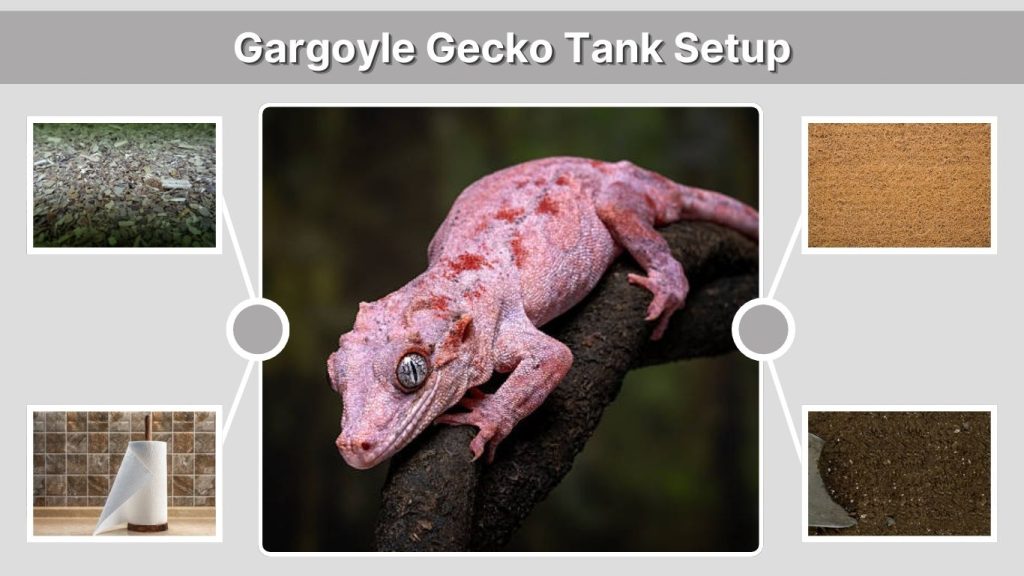
A proper tank mimics their natural forest habitat.
Substrate Options
- Coconut fiber
- Reptile soil mix
- Bioactive substrate
- Paper towel (for juveniles)
Avoid loose sand or dry substrates that reduce humidity.
Plants & Bioactive Enclosure
Bioactive setups are popular and beneficial. Ideal plants include:
- Pothos
- Snake plant
- Ficus
- Bromeliads
These help maintain humidity and provide climbing surfaces.
Hides & Decor
- Cork bark tubes
- Branches and vines
- Elevated hides
At least two hiding areas should be provided.
Gargoyle Gecko Temperature & Humidity
Maintaining proper environmental conditions is essential.
Ideal Temperature Range
- Daytime: 72–78°F (22–26°C)
- Night: 65–72°F (18–22°C)
Avoid temperatures above 82°F, as overheating can be dangerous.
Heating is rarely needed in most homes unless temperatures drop below 65°F.
Gargoyle Gecko Humidity Requirements
- Ideal humidity: 60–80%
- Light misting once or twice daily
- Allow slight drying between mistings
A digital hygrometer is strongly recommended.
Lighting & UVB
Gargoyle geckos are nocturnal, but low-level UVB can be beneficial.
- 2–5% UVB bulb optional but recommended
- 12-hour light cycle
- Avoid intense basking lights
They do not require strong heat lamps like desert reptiles.
Gargoyle Gecko Diet
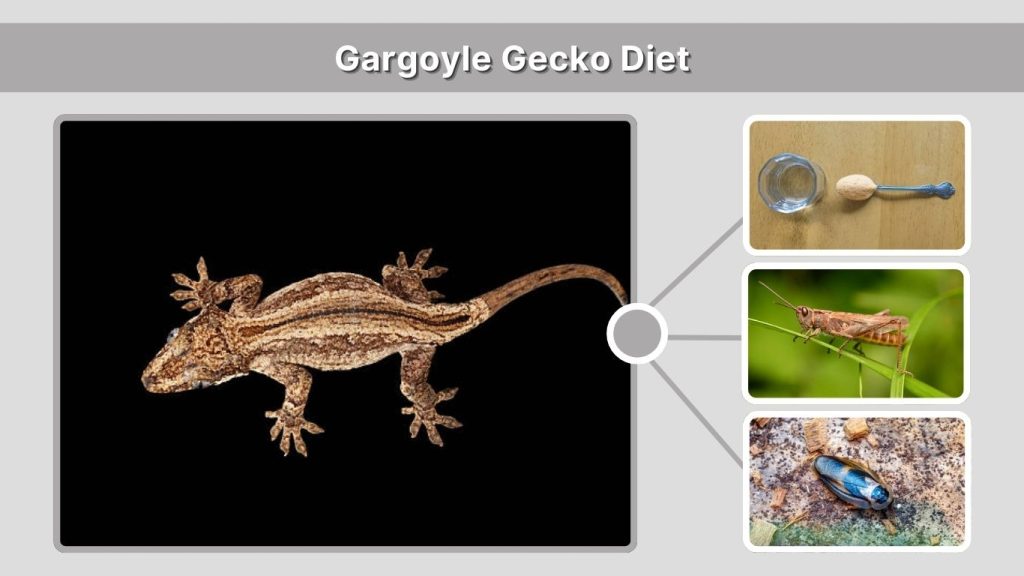
One reason these geckos are beginner-friendly is their simple diet.
What Do Gargoyle Geckos Eat?
In captivity, they primarily eat:
- Commercial crested gecko diet (CGD powder mixed with water)
- Occasional insects (crickets, dubia roaches)
- Rare fruit treats
In the wild, they consume fruit, insects, and nectar.
Feeding Schedule
Babies:
- Feed CGD daily
- Offer insects 1–2 times weekly
Juveniles:
- CGD 4–5 times per week
- Insects twice weekly
Adults:
- CGD 3–4 times per week
- Insects once weekly
Always remove uneaten food after 24 hours.
Gargoyle Gecko Behavior & Handling
Do Gargoyle Geckos Like Handling?
Most gargoyle geckos tolerate handling but do not actively seek it. They are generally calmer than crested geckos and less jumpy.
Short handling sessions (5–10 minutes) a few times per week help build trust.
How to Pick Up a Gargoyle Gecko
- Approach slowly from the side
- Let the gecko walk onto your hand
- Avoid grabbing from above
- Never pull on the tail
Support their body fully to prevent stress.
Gargoyle Gecko Sounds
They may produce:
- Soft squeaks
- Chirps
- Clicking sounds
These usually indicate stress or mild defense behavior.
Gargoyle Gecko Morphs & Colors
Gargoyle geckos are highly valued for their wide range of colors and patterns. Selective breeding has produced striking variations that appeal to hobbyists and serious breeders alike. Unlike some reptiles, their coloration can shift depending on mood, lighting, and temperature, a process known as firing up and firing down.
When a gargoyle gecko is “fired up,” its colors appear darker and more vibrant. When “fired down,” the tones look muted or pale. This change is completely normal and not a sign of illness.
Common Gargoyle Gecko Morphs
The reticulated gargoyle gecko is one of the most recognizable morphs, featuring intricate net-like patterns across the body. Red gargoyle geckos are especially popular and can range from deep brick red to bright orange-red depending on lineage. Pink gargoyle geckos display soft blush tones that intensify when fired up.
The six-stripe gargoyle gecko shows strong linear striping along the body, while black gargoyle geckos have darker base coloration with contrasting patterns. Phantom eye gargoyle geckos are unique because the patterning reduces visible eye structure, giving them a distinctive look. The “Deadpool” gargoyle gecko is a trade name used for bold red and black contrast combinations.
Color intensity, pattern clarity, and genetic background significantly influence price and desirability.
Gargoyle Gecko Price & Buying Guide
The price of a gargoyle gecko depends on age, lineage, morph, and breeder reputation. Standard juveniles typically start around 150 to 250 dollars in the United States. High-quality red or striped morphs often range from 300 to 600 dollars. Exceptional or rare morphs can exceed 800 dollars.
In the United Kingdom, prices are generally comparable when adjusted for currency, though availability may affect cost.
How Much Does a Gargoyle Gecko Cost Long-Term?
Initial purchase cost is only part of the investment. A proper enclosure, lighting, decor, and diet supplies may cost between 200 and 500 dollars depending on setup quality. Ongoing monthly expenses are relatively low compared to many other pets, mainly involving food replacement and occasional substrate changes.
Where to Buy a Gargoyle Gecko
Reputable breeders are the best source for healthy animals with known genetics. Many breeders sell through reptile expos or trusted online marketplaces such as MorphMarket. Buying directly from a breeder allows you to ask questions about lineage, feeding habits, and temperament.
Pet stores may occasionally carry gargoyle geckos, but quality and background information can vary. Classified ads and informal marketplaces can carry risks if health records are unavailable.
When purchasing, the gecko should have clear eyes, a filled-out tail base, smooth skin without retained shed, and alert nighttime behavior.
Baby Gargoyle Gecko Care Considerations
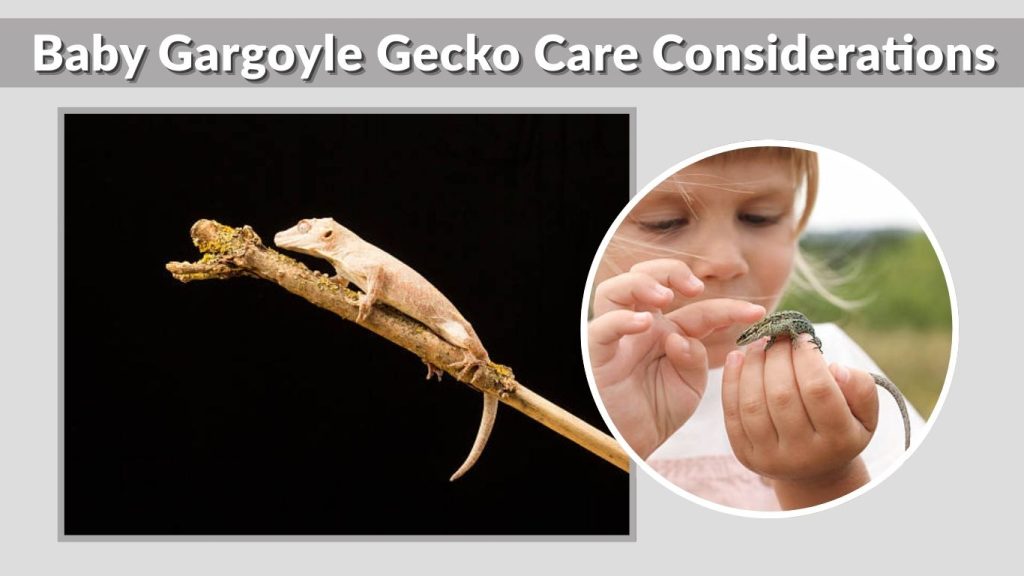
Baby gargoyle geckos require slightly more monitoring than adults. Their smaller size makes them more sensitive to dehydration and temperature swings. Enclosures for juveniles should allow easy access to food and hiding spots without being overly large.
Young geckos may be more skittish, so minimal handling during the first few weeks helps reduce stress. Regular weight tracking ensures healthy growth and early detection of feeding issues.
Gargoyle Gecko vs Crested Gecko
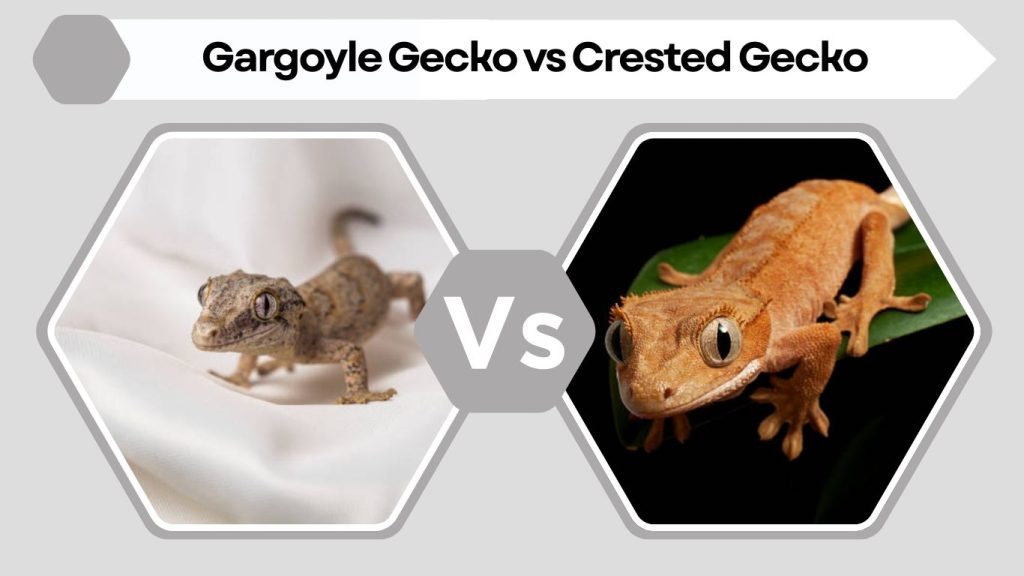
Many prospective owners compare gargoyle geckos to crested geckos because both originate from New Caledonia and share similar care requirements. However, there are notable differences.
Gargoyle geckos tend to be slightly heavier and more robust in build. Their skin texture appears bumpier due to the horn-like ridges above their eyes. Crested geckos typically have longer crests running down their head and back.
In terms of temperament, gargoyle geckos are often described as calmer and less prone to sudden jumping. Crested geckos may be more active and occasionally more flighty. Both species thrive on similar commercial powdered diets and require comparable humidity levels.
For beginners seeking a slightly sturdier and calmer reptile, gargoyle geckos are often preferred. Those who appreciate dramatic eyelashes and extreme morph variety may lean toward crested geckos.
Gargoyle Gecko Breeding Guide
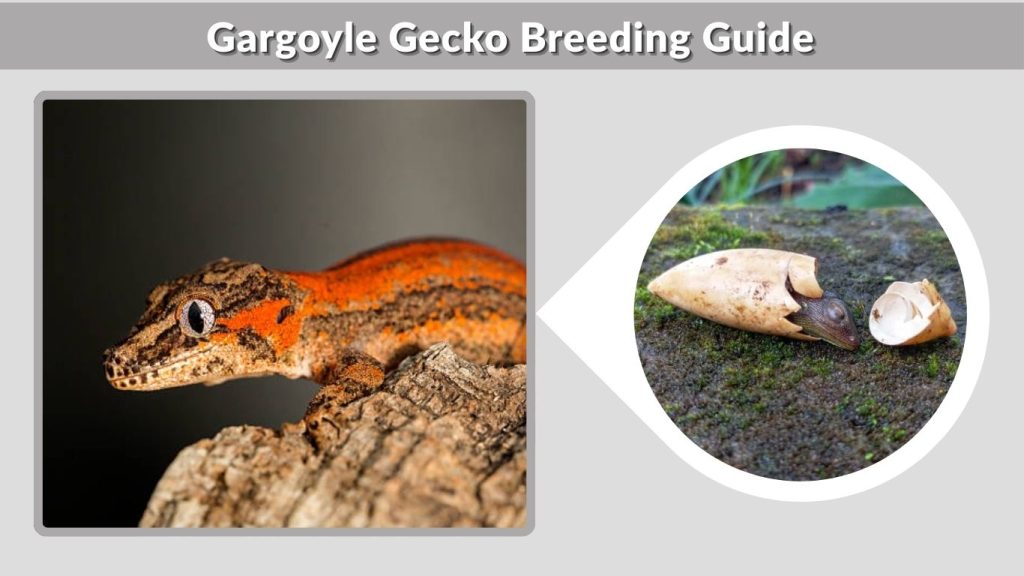
Breeding gargoyle geckos is common among experienced keepers. Females typically lay two eggs per clutch during breeding season, which can span several months under proper conditions.
Egg incubation temperature influences development time, usually ranging from sixty to ninety days. Consistent humidity is critical during incubation to prevent egg collapse.
Occasionally, a female may lay infertile eggs without mating. This is not uncommon and does not indicate a health problem unless egg binding occurs. Adequate calcium supplementation supports safe egg production.
Breeding should only be attempted with healthy, mature adults that have reached appropriate weight and age, typically over eighteen months.
Natural Habitat & Distribution
Gargoyle geckos are native to the southern regions of New Caledonia, a group of islands in the South Pacific. They inhabit humid forests where they spend most of their time in shrubs and trees.
The natural environment consists of moderate temperatures, high humidity, and dense vegetation. Replicating these conditions in captivity is key to long-term health.
Their arboreal lifestyle explains their need for vertical climbing space and foliage-rich enclosures.
Pros and Cons of Owning a Gargoyle Gecko
Gargoyle geckos are widely considered excellent reptile pets due to their manageable care needs and striking appearance. They do not require intense heating systems, eat a simple powdered diet, and tolerate handling better than many small lizards.
However, they are nocturnal, meaning they are most active in the evening. They also require consistent humidity management. Rare morphs can be expensive, and veterinary care for reptiles may not be available in every area.
For owners willing to maintain proper environmental conditions, they are rewarding and long-lived companions.
Gargoyle Gecko Care Sheet Summary
An adult gargoyle gecko requires a vertically oriented enclosure measuring at least eighteen by eighteen by twenty-four inches. Daytime temperatures should remain between seventy-two and seventy-eight degrees Fahrenheit with humidity maintained between sixty and eighty percent. Their primary diet consists of commercial gecko diet supplemented occasionally with insects. With proper care, they commonly live fifteen to twenty years.
FAQs
What Size Tank Does a Gargoyle Gecko Need?
An adult gargoyle gecko needs a minimum enclosure size of eighteen by eighteen by twenty-four inches. Vertical space is essential because they are arboreal climbers. Larger enclosures improve enrichment and exercise opportunities while maintaining stable humidity levels.
How Much Is a Gargoyle Gecko?
Most gargoyle geckos cost between 150 and 600 dollars depending on morph and lineage. Rare color combinations and breeder-quality animals may exceed this range. Additional setup expenses should also be considered before purchasing.
Do Gargoyle Geckos Need UVB?
Low-level UVB lighting is beneficial but not strictly required if the diet includes proper supplementation. Providing gentle UVB can support natural behavior and calcium metabolism without exposing the gecko to excessive light.
What Do Gargoyle Geckos Eat Daily?
They primarily eat a commercially prepared powdered gecko diet mixed with water. Insects such as crickets or roaches can be offered occasionally for enrichment and protein variety.
Are Gargoyle Geckos Good Pets?
Gargoyle geckos make excellent pets for beginners and intermediate reptile keepers. They are hardy, relatively calm, and do not require complex heating systems. With proper care, they can live for two decades.
How Long Do Gargoyle Geckos Live?
In captivity, gargoyle geckos typically live between fifteen and twenty years. Consistent humidity, a balanced diet, and proper enclosure setup significantly influence longevity.