




Lake trout are one of the largest and longest-living freshwater fish in North America. Known for their strength, deep-water habitat, and impressive size, the lake trout fish is a favorite among anglers and commercial fisheries alike. Despite the name, lake trout are not true trout but members of the char family. In this guide, you’ll learn essential lake trout facts, including habitat, size, identifying features, and feeding behavior.
What Is a Lake Trout?
The lake trout (Salvelinus namaycush) belongs to the Salmonidae family and the char genus Salvelinus. It is closely related to brook trout and Arctic char rather than brown or rainbow trout.
Lake trout are native to northern North America, especially Canada, Alaska, and the Great Lakes region. They thrive in deep, cold freshwater lakes and are considered apex predators in many ecosystems.
Identifying Features
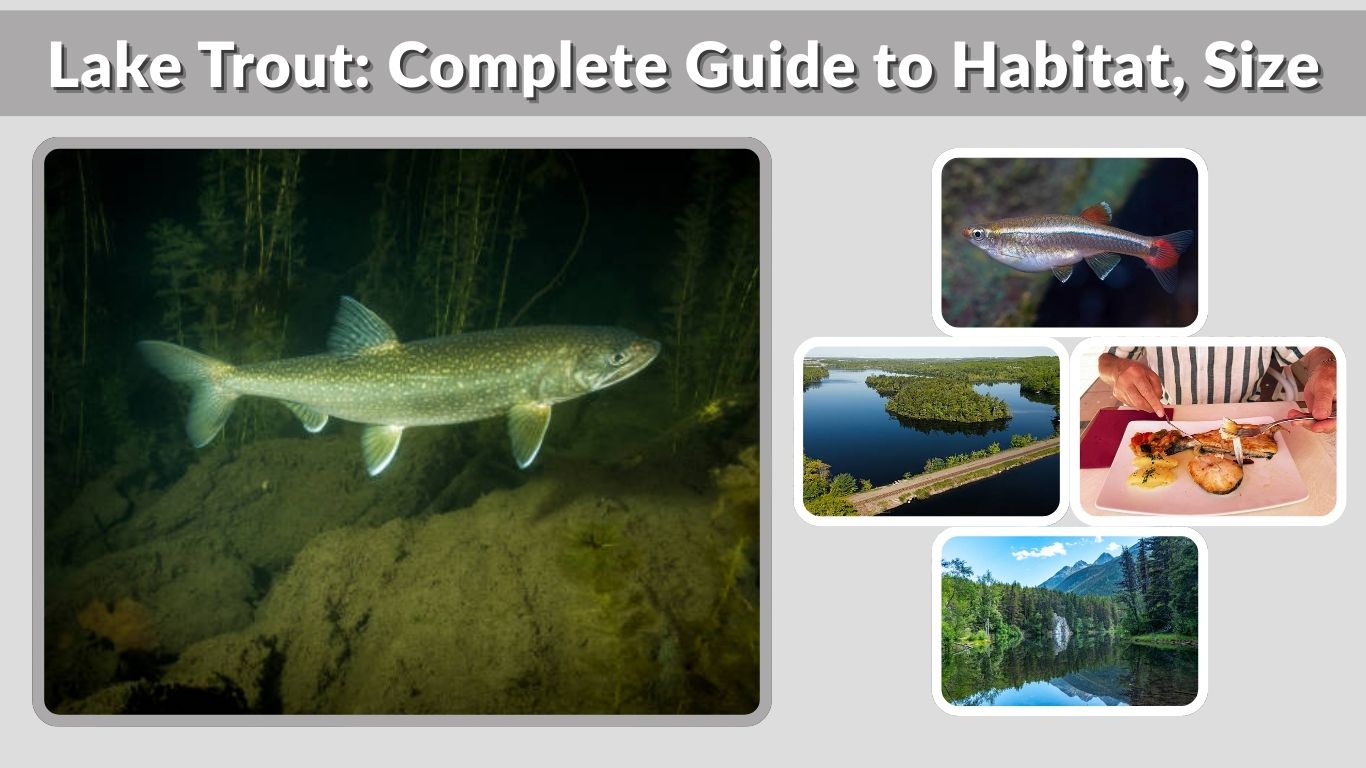
Lake trout are typically dark gray, greenish, or brownish in color with a distinctive lake trout pattern of light-colored spots scattered across their body. Unlike brown trout, which have dark spots, lake trout feature pale or white spots against a darker background.
The lake trout head is large with a powerful jaw lined with sharp teeth, adapted for catching fish. Their mouth extends well past the eye, giving them a predatory appearance.
The lake trout tail is deeply forked, which helps distinguish them from brook trout. This forked tail supports efficient swimming in deep water.
Lake trout coloration can vary depending on depth and habitat. Some populations appear darker in deep lakes, while others may have lighter tones.
Lake Trout Habitat
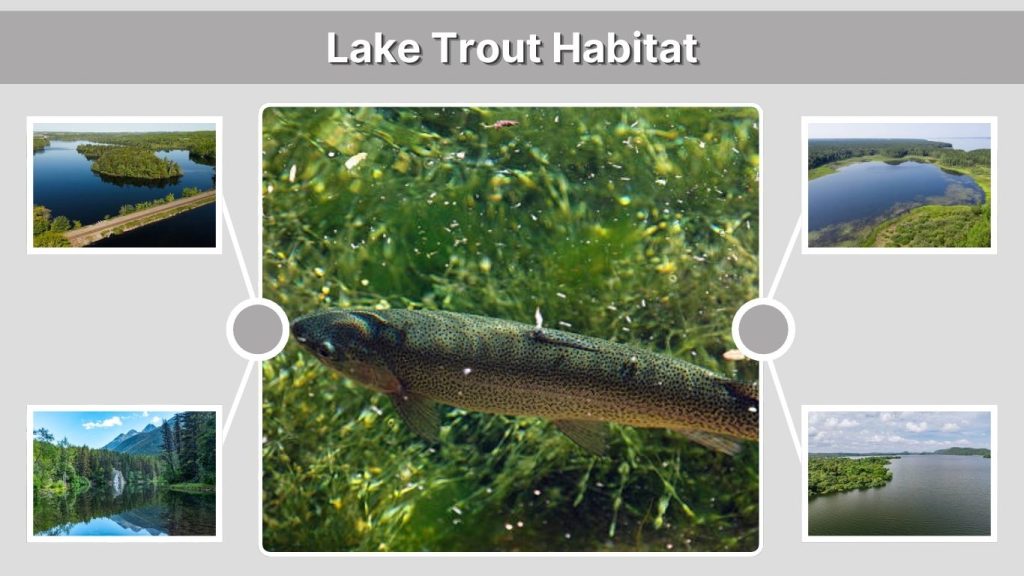
Lake trout habitat is strongly connected to cold, deep freshwater environments. They are highly sensitive to temperature changes and require consistently cold water to survive.
Natural Habitat
Lake trout are commonly found in:
- Large, deep freshwater lakes
- The Great Lakes
- Northern Canadian lakes
- Alaskan lakes
Unlike other trout species that prefer streams and rivers, lake trout spend most of their lives in deep water.
Water Requirements
Lake trout prefer water temperatures below 55°F (13°C). During summer, they move to deeper parts of lakes where the water remains cold and oxygen-rich. In winter and early spring, they may move into shallower areas when surface waters cool.
They require clean water with sufficient oxygen levels, especially during spawning and egg development.
Geographic Distribution
Lake trout are native to northern North America. Their primary range includes:
- Canada
- Alaska
- The Great Lakes region
- Northern United States
They have also been introduced into other suitable lakes for recreational fishing.
Lake Trout Size and Weight
Lake trout size is one of the most impressive among freshwater fish species.
Lake Trout Average Size
The lake trout average size typically ranges from:
- Length: 20–30 inches
- Weight: 5–15 pounds
However, size varies depending on food availability and lake conditions.
Maximum Size
Lake trout weight can exceed 40 pounds in some lakes. Record specimens have weighed over 70 pounds, making them one of the largest freshwater char species.
Lake trout grow slowly compared to many other fish. Their large size is often the result of many years of growth in cold, stable environments.
Growth depends on:
- Abundant prey fish
- Deep, cold lakes
- Low fishing pressure
- Long lifespan
Because they grow slowly, large lake trout are often decades old.
What Do Lake Trout Eat?
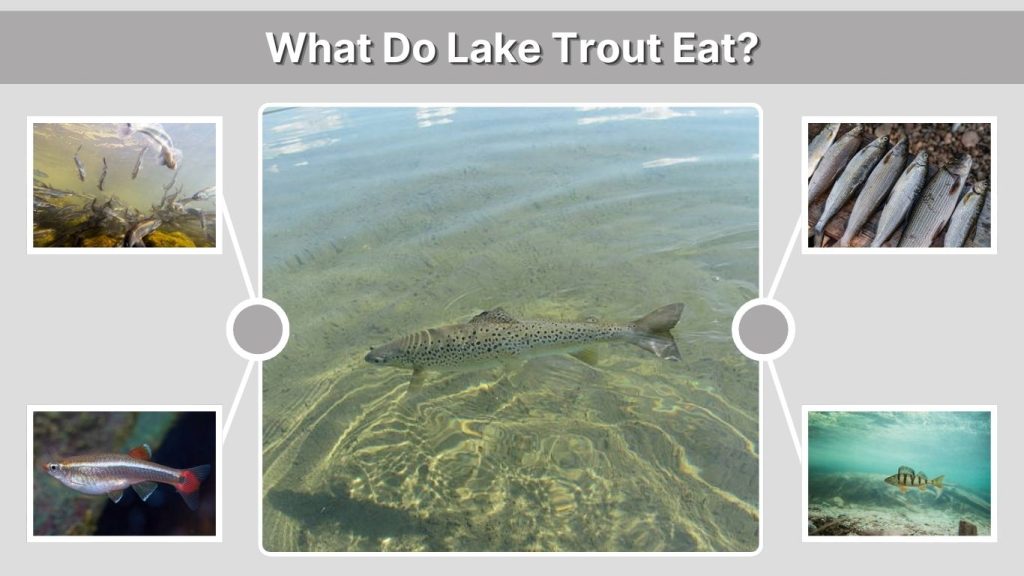
If you’re wondering what do lake trout eat, their diet is primarily fish-based.
Natural Diet
Lake trout are apex predators in many lakes. Their diet includes:
- Whitefish
- Smelt
- Perch
- Minnows
- Other small fish
Young lake trout baby fish begin by feeding on plankton and small aquatic insects before transitioning to fish as they grow.
In lakes with abundant prey, lake trout can grow very large due to their high-protein diet.
Predatory Behavior
Lake trout are deep-water hunters. They patrol cold, deep areas during summer months and may move shallower during spring and fall when water temperatures are cooler.
Their strong jaws and sharp teeth allow them to capture and swallow prey efficiently. Because they feed heavily on fish, they play a key role in maintaining balance within lake ecosystems.
Lake Trout Lifespan and Life Cycle
The lake trout lifespan is one of the longest among freshwater fish species. Unlike many trout that live under 10 years, lake trout can survive for decades in the right conditions.
Lake Trout Lifespan
Lake trout commonly live 20 to 40 years, and some individuals have been recorded living even longer. Their slow growth rate and deep-water habitat contribute to their longevity.
Because they grow slowly, large lake trout are often very old fish. This long lifespan also makes them more vulnerable to overfishing, as it takes many years for populations to recover.
Spawning and Lake Trout Eggs
Lake trout spawn in the fall, typically between September and November. Unlike many trout species that build nests in streams, lake trout spawn in lakes.
Females release lake trout eggs over rocky shoals or gravel beds in shallow areas. Males fertilize the eggs externally. The eggs settle into crevices between rocks, where they remain throughout the winter.
Cold, oxygen-rich water is essential for egg survival. The eggs hatch in early spring when water temperatures begin to rise.
Lake Trout Baby (Fry Stage)
A lake trout baby, known as a fry, emerges with a yolk sac that provides nutrients for the first days of life. After absorbing the yolk sac, fry begin feeding on plankton and small aquatic organisms.
As juveniles grow, they move into deeper waters and gradually shift to a fish-based diet. Their growth is steady but slow compared to other trout species.
Lake Trout vs Salmon
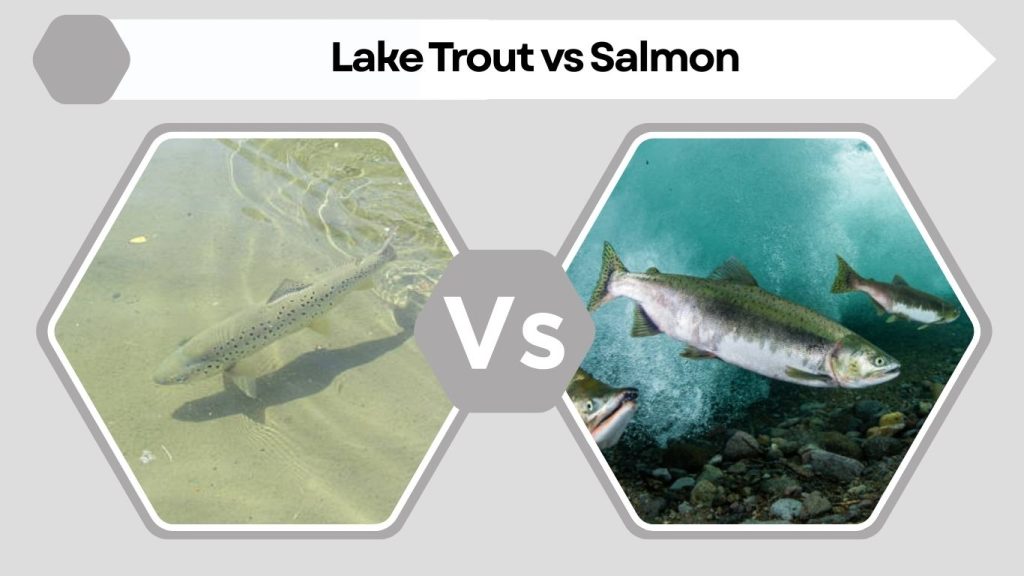
The lake trout vs salmon comparison is common due to their similar appearance and family classification.
Physical Differences
- Spots: Lake trout have light spots on a dark body, while salmon usually have dark spots on a lighter body.
- Tail: Lake trout tail is deeply forked, while many salmon species have less pronounced forked tails.
- Body Shape: Lake trout tend to have a thicker, heavier body.
Habitat Differences
Lake trout live exclusively in freshwater lakes. Salmon, depending on the species, often migrate between freshwater and saltwater.
Lake trout prefer deep, cold lakes year-round, while salmon migrate long distances during spawning cycles.
Taste and Nutrition
Both species provide high-quality protein and omega-3 fatty acids. Lake trout often contain higher fat content, especially certain deep-water forms, giving them a richer flavor compared to leaner salmon species.
Lake Trout Fishing Guide
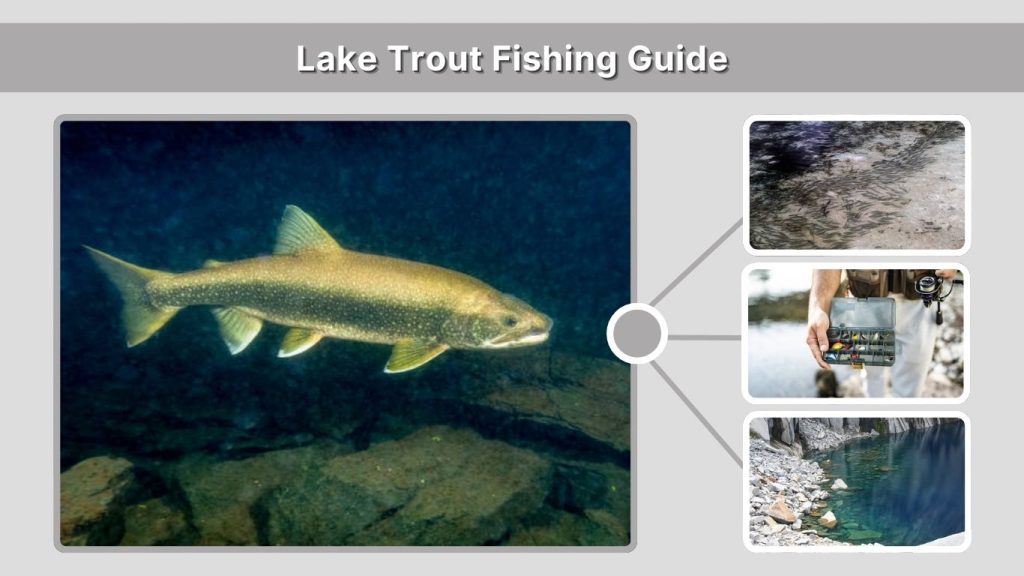
Lake trout fishing is popular in northern regions, especially in large lakes.
Best Time to Catch Lake Trout
- Spring, when fish move into shallower waters
- Fall, during spawning season
- Winter, through ice fishing
In summer, lake trout often remain in deep water, requiring specialized techniques.
Best Techniques and Lures
Common methods include:
- Deep trolling with spoons or crankbaits
- Vertical jigging
- Live bait such as minnows
- Downriggers for reaching deep water
Because lake trout stay deep during warm months, anglers often use sonar equipment to locate them.
Where to Find Them
Look for lake trout in:
- Deep lake basins
- Rocky drop-offs
- Underwater ledges
- Cold, oxygen-rich zones
Understanding lake trout habitat is key to successful fishing.
Lake Trout Nutrition and Benefits

Lake trout are valued both as a sport fish and as a nutritious food source.
Lake Trout Nutrition
Lake trout are rich in:
- High-quality protein
- Omega-3 fatty acids
- Vitamin B12
- Vitamin D
- Healthy fats
Their higher fat content contributes to both flavor and nutritional value.
Lake Trout Benefits
Some key lake trout benefits include:
- Supporting heart health
- Promoting brain function
- Providing essential nutrients
- Offering sustained energy from healthy fats
When sourced from clean waters, lake trout can be a healthy addition to a balanced diet.
Interesting Lake Trout Facts
Here are some fascinating lake trout facts:
- Lake trout are the largest freshwater char species.
- They can live over 40 years.
- They are apex predators in many northern lakes.
- Different forms exist, including lean and siscowet varieties.
- They require cold water and are highly sensitive to warming temperatures.
FAQs
What is the average size of a lake trout?
The lake trout average size ranges from 20 to 30 inches and typically weighs between 5 and 15 pounds. In large lakes with abundant food, they can grow much larger.
How long do lake trout live?
The lake trout lifespan commonly ranges from 20 to 40 years. Some individuals have been recorded living even longer under ideal conditions.
What do lake trout eat?
If you’re wondering what do lake trout eat, their primary diet consists of smaller fish such as smelt, whitefish, perch, and minnows. Juveniles begin by feeding on plankton and insects.
Are lake trout good to eat?
Yes, lake trout are considered good to eat, especially when properly prepared. They have firm flesh and a richer flavor due to their higher fat content.
What is the difference between lake trout and salmon?
In the lake trout vs salmon comparison, lake trout live entirely in freshwater and have light spots on a dark body. Salmon often migrate between freshwater and saltwater and usually have dark spots on a lighter body.