





Manta rays are among the most fascinating creatures in the ocean, admired for their enormous size, graceful movements, and gentle nature. Often called “gentle giants,” these majestic rays glide effortlessly through tropical and subtropical seas, captivating divers and marine researchers alike. Despite their impressive appearance, manta rays are harmless filter feeders that play an important role in maintaining healthy ocean ecosystems. Understanding their biology, behavior, and habitat helps highlight why these animals deserve both respect and protection.
What Is a Manta Ray?
A manta ray is a large marine ray belonging to the genus Mobula. Unlike sharks, manta rays are flat-bodied cartilaginous fish with wide, wing-like pectoral fins that allow them to “fly” through the water. Although they are often mistaken for sharks due to their size, manta rays lack sharp teeth and do not hunt large prey.
Manta rays are closely related to stingrays, but they differ in one major way: manta rays do not have a stinger or venomous barb on their tail. This makes them completely harmless to humans. Instead of using teeth to capture prey, manta rays rely on specialized gill structures to filter tiny organisms from seawater as they swim.
Types of Manta Rays
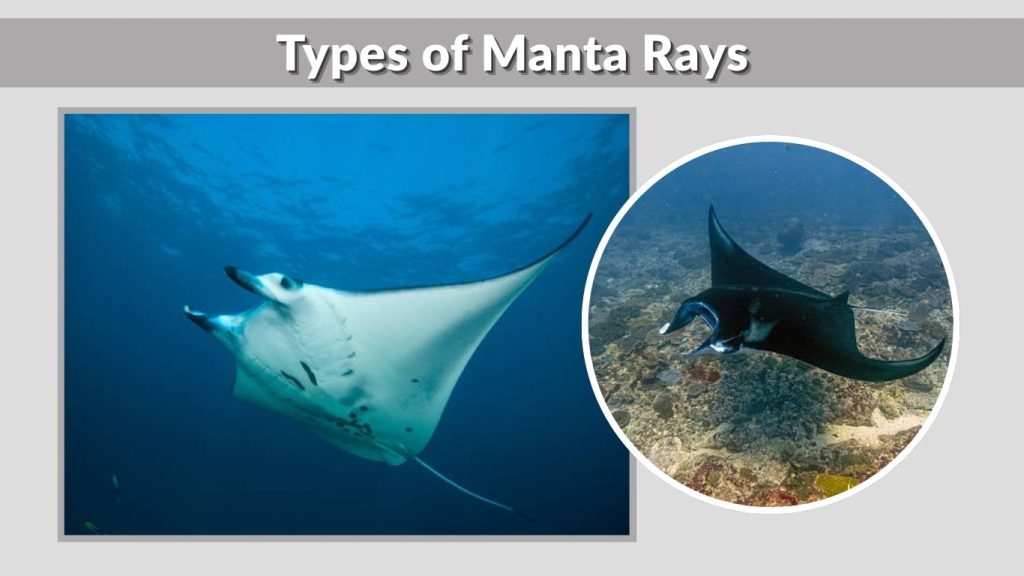
Giant Manta Ray (Mobula birostris)
The giant manta ray is the largest species of ray in the world. It can reach wingspans of up to 7 meters (23 feet) and weigh more than 1,300 kilograms. Giant manta rays are primarily found in open oceans and are known for their long-distance migrations. They often travel across entire ocean basins in search of food-rich waters.
This species is usually identified by its massive size, dark dorsal coloration, and distinctive shoulder markings. Because they roam vast areas, giant manta rays are less commonly seen than their reef-dwelling relatives.
Reef Manta Ray (Mobula alfredi)
The reef manta ray is smaller than the giant manta ray, with an average wingspan of around 4 to 5 meters. As the name suggests, this species prefers coastal waters, coral reefs, and shallow lagoons. Reef manta rays are more commonly encountered by divers and snorkelers due to their predictable movement patterns.
Unlike giant manta rays, reef mantas often return to the same feeding and cleaning stations, making them easier to study and identify. Their residency in specific areas also makes them more vulnerable to local threats.
Physical Characteristics of Manta Rays
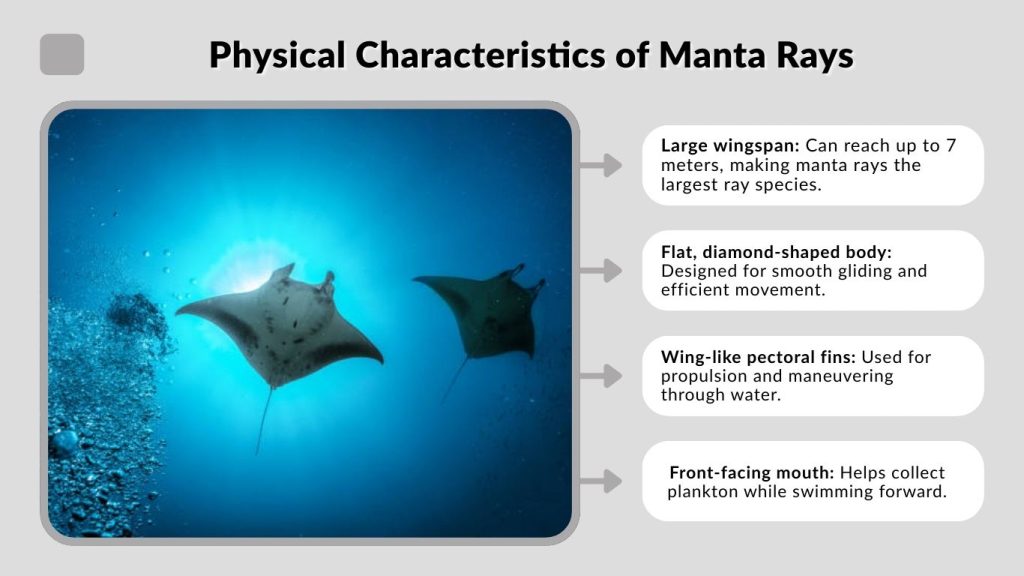
Manta rays are easily recognized by their impressive size, unique body shape, and graceful movement through the water. Their physical features are perfectly adapted for filter feeding and long-distance swimming, making them one of the most distinctive animals in the ocean.
Key physical characteristics include:
- Large wingspan: Can reach up to 7 meters, making manta rays the largest ray species.
- Flat, diamond-shaped body: Designed for smooth gliding and efficient movement.
- Wing-like pectoral fins: Used for propulsion and maneuvering through water.
- Front-facing mouth: Helps collect plankton while swimming forward.
- Cephalic fins: Curled fins near the mouth that funnel food inward.
- Smooth skin: Covered with tiny denticles that reduce drag.
- Distinct coloration: Dark upper surface and light underside for natural camouflage.
- Unique belly patterns: Each manta ray has a one-of-a-kind pattern used for identification.
- Large brain: The biggest brain-to-body ratio of any fish, linked to high intelligence.
- Lack of stinger: Unlike stingrays, manta rays do not have a venomous tail barb.
Where Do Manta Rays Live?
Global Distribution
Manta rays are found in tropical and subtropical oceans around the world. They are commonly seen in regions such as the Indo-Pacific, the Caribbean, and parts of the Atlantic Ocean. Warm waters with abundant plankton are essential for their survival.
Habitat Preferences
While giant manta rays prefer the open ocean, reef manta rays stay closer to shore. Many manta rays regularly visit cleaning stations, where smaller fish remove parasites from their skin. These locations are vital to their health and are often popular dive sites.
Manta Ray Behavior and Lifestyle
Feeding Behavior
Manta rays are filter feeders that consume plankton, tiny fish, and microscopic organisms. They use specialized gill plates to trap food while expelling excess water. Some manta rays perform impressive feeding techniques such as barrel rolling, where they repeatedly loop through dense plankton clouds to maximize intake.
Social Behavior and Migration
Manta rays display a mix of solitary and social behaviors depending on environmental conditions. While they are often seen swimming alone, manta rays sometimes gather in large groups when food is abundant or during mating periods. These temporary aggregations can include dozens of individuals moving together in coordinated patterns.
Migration is another important aspect of manta ray behavior. Giant manta rays, in particular, are known for traveling vast distances across open oceans. They migrate vertically and horizontally, following plankton blooms that change with ocean temperatures and currents. Reef manta rays tend to have smaller home ranges, often returning to the same locations repeatedly, which suggests strong site fidelity and spatial memory.
What Do Manta Rays Eat?
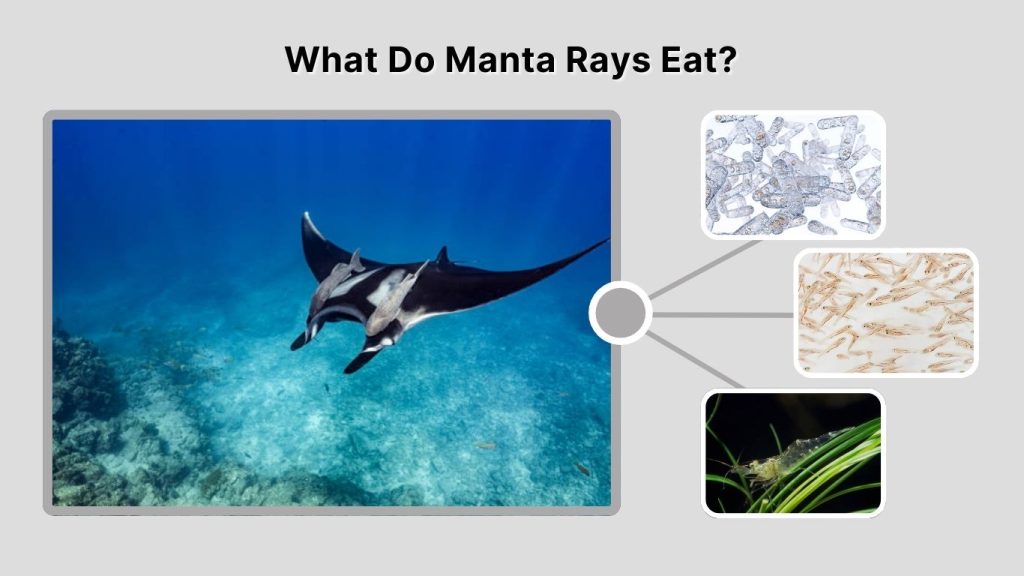
Manta rays feed primarily on zooplankton, which includes tiny crustaceans, fish larvae, and other microscopic organisms. Unlike predators that chase prey, manta rays rely on passive feeding techniques, swimming through plankton-rich waters with their mouths wide open.
Their cephalic fins, located on either side of the mouth, help funnel food inward while filtering structures known as gill plates trap nutrients. This feeding style allows manta rays to consume large quantities of food efficiently without harming other marine species. By regulating plankton populations, manta rays contribute to the overall balance of ocean ecosystems.
Manta Rays and Humans
Are Manta Rays Dangerous?
Despite their size, manta rays pose no threat to humans. They do not have stingers, venom, or aggressive tendencies. When approached by divers, manta rays often appear curious rather than defensive. Most interactions between manta rays and humans are peaceful and memorable, leaving divers with a sense of awe rather than fear.
Manta Ray Tourism and Diving
Manta ray tourism has become popular in many coastal regions, including Indonesia, the Maldives, Mexico, and Hawaii. Diving and snorkeling with manta rays provide economic benefits to local communities and can promote marine conservation awareness. However, responsible tourism is essential. Maintaining distance, avoiding touching the animals, and following local guidelines help ensure that manta rays are not stressed or harmed by human activity.
Manta Ray Conservation Status
Are Manta Rays Endangered?
Manta rays are currently listed as endangered or vulnerable depending on the species. Their slow reproductive rate makes them particularly susceptible to population declines. Female manta rays typically give birth to only one pup every few years, which limits their ability to recover from overfishing or environmental damage.
Threats to Manta Rays
One of the greatest threats to manta rays is targeted fishing and bycatch. Manta ray gill plates are highly valued in some traditional medicine markets, leading to illegal fishing in certain regions. Habitat degradation, pollution, and climate change further threaten manta ray populations by reducing plankton availability and damaging coral reef ecosystems.
Conservation Efforts
International protections, such as trade restrictions and marine protected areas, have been implemented to help conserve manta rays. Research organizations and conservation groups work to monitor populations, track migration routes, and educate communities about the importance of protecting these animals. Sustainable tourism also plays a growing role in conservation by providing financial incentives to preserve living manta rays rather than exploit them.
Fascinating Facts About Manta Rays
Manta rays are full of remarkable traits that set them apart from other marine animals. They have the largest wingspan of any ray species and can live for several decades. Each manta ray has a unique belly pattern, allowing scientists to identify individuals over long periods. Their intelligence and curiosity continue to challenge traditional ideas about fish behavior and cognition.
FAQs
What is the difference between a manta ray and a stingray?
Manta rays are much larger than stingrays and do not have a stinger or venomous tail barb. Unlike stingrays, manta rays are filter feeders that eat plankton. Stingrays usually live on the ocean floor and hunt small prey using their stingers for defense.
Are manta rays friendly to humans?
Manta rays are known for their calm and curious nature. They do not show aggressive behavior toward humans and often swim peacefully near divers. While they are wild animals and should be respected, manta rays are considered one of the safest marine species to encounter underwater.
How fast can manta rays swim?
Manta rays usually swim slowly and gracefully, conserving energy while feeding or migrating. However, when necessary, they can reach speeds of up to 15–20 miles per hour for short bursts, especially when avoiding predators or navigating strong ocean currents.
Do manta rays sleep?
Manta rays do not sleep in the same way humans do. Instead, they experience periods of rest while continuing to move slowly through the water. Some scientists believe manta rays may rest near cleaning stations or glide gently while allowing parts of their brain to recover.
Why do manta rays jump out of the water?
Manta rays are often seen leaping out of the water and landing with a splash, a behavior known as breaching. This may help remove parasites, communicate with other manta rays, or simply be a form of play. The exact reason is still being studied.
Conclusion
Manta rays are extraordinary creatures that combine size, intelligence, and grace in a way few marine animals can match. As gentle filter feeders, they play a vital role in maintaining ocean balance while inspiring fascination in people around the world. Protecting manta rays through conservation, research, and responsible tourism ensures that future generations will continue to witness these gentle giants gliding through the sea.