

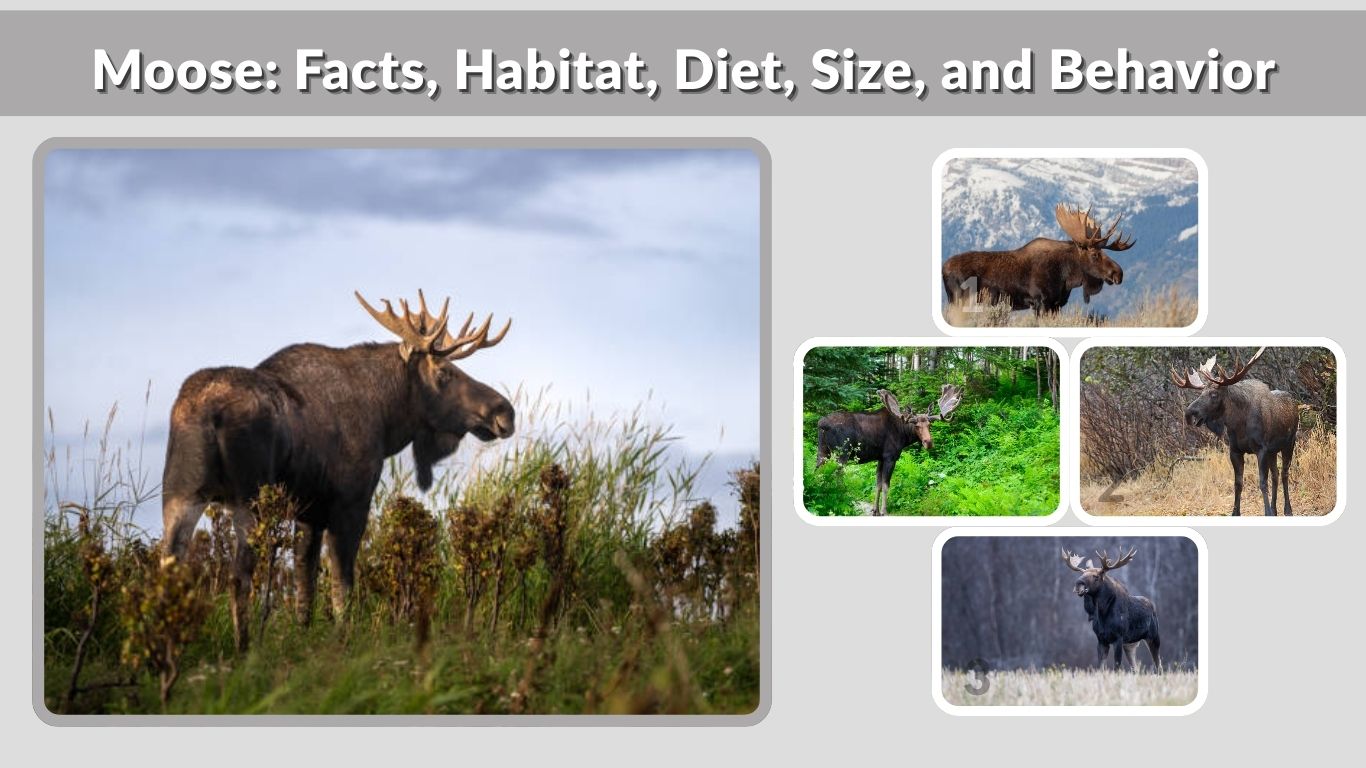
The moose is one of the most impressive land animals found in the Northern Hemisphere. Known for its massive size, long legs, and wide antlers, the moose is the largest member of the deer family. It thrives in cold climates and is closely associated with forests, wetlands, and lakes. Despite its somewhat awkward appearance, the moose is a powerful, well-adapted animal capable of swimming long distances and surviving harsh winters. Understanding the moose helps us appreciate how wildlife adapts to extreme environments and why this species plays an important role in its ecosystem.
What Is a Moose?
A moose is a large herbivorous mammal belonging to the deer family, known scientifically as Alces alces. It is easily distinguished from other deer species by its enormous body, long face, and unique antlers. Moose are solitary animals for most of the year and are specially adapted to cold regions with deep snow and abundant vegetation.
Unlike smaller deer, moose rely on their size and strength for protection rather than speed or agility. Their long legs allow them to move through deep snow and wetlands where predators struggle to follow. Moose are also known for their keen sense of smell and hearing, which help them detect danger in dense forests.
Where Do Moose Live?
Natural Habitat
Moose are primarily found in cold and temperate regions where forests and wetlands are abundant. They prefer areas with access to freshwater, such as lakes, rivers, and swamps, because water plants form a major part of their diet. Dense forests provide shelter from extreme weather and protection from predators.
These animals are well adapted to cold climates and are rarely found in hot or dry environments. Thick fur and a large body mass help moose retain heat during long winters, while shaded forest areas help them stay cool during warmer months.
Geographic Distribution
Moose are widely distributed across the Northern Hemisphere. In North America, they are commonly found in Canada, Alaska, and the northern United States, including states like Maine, Minnesota, and Montana. In Europe, moose inhabit countries such as Sweden, Norway, and Finland, where they are often referred to as elk. They are also found in parts of Russia and northern Asia.
Their distribution is closely linked to climate, and rising temperatures in some regions have begun to affect moose populations by increasing heat stress and parasite activity.
Physical Characteristics of a Moose
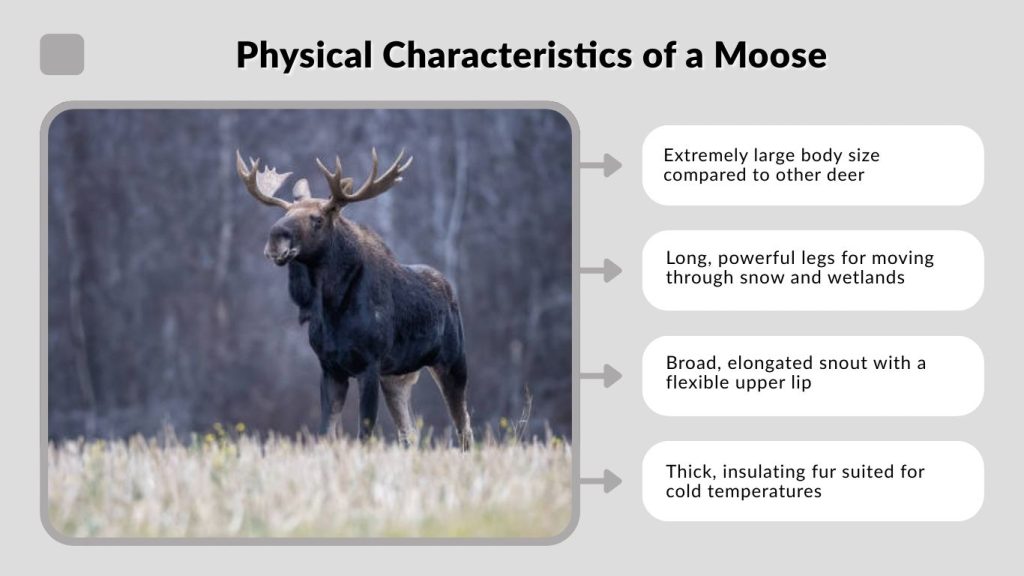
Moose are the largest and heaviest members of the deer family, built for survival in cold, rugged environments. Their towering height, long legs, and massive bodies make them easy to identify in the wild. Every part of a moose’s physical structure—from its antlers to its fur—serves a specific purpose, helping it move through deep snow, feed efficiently, and withstand harsh climates.
Key physical characteristics of a moose include:
- Extremely large body size compared to other deer
- Long, powerful legs for moving through snow and wetlands
- Broad, elongated snout with a flexible upper lip
- Thick, insulating fur suited for cold temperatures
- A loose flap of skin under the throat called a dewlap or “bell”
- Large, flat antlers in males used during mating season
- Dark brown to blackish coat for heat absorption
What Do Moose Eat?
Moose Diet Explained
Moose are herbivores and feed on a wide variety of plant materials. Their diet mainly consists of leaves, twigs, bark, and aquatic plants. They are particularly fond of willow, birch, and aspen trees. In summer, moose often feed on underwater vegetation, which provides essential nutrients like sodium.
To reach food, moose use their flexible upper lip to pull branches and strip leaves from trees. Their digestive system is specially adapted to break down tough plant fibers, allowing them to survive on vegetation that many other animals cannot digest.
Moose Behavior and Lifestyle
Daily Behavior
Moose are generally solitary animals and prefer to live alone rather than in herds. They are most active during early morning and evening, when temperatures are cooler and feeding conditions are ideal. During the day, moose often rest in shaded forest areas or near water to avoid heat and insects.
Although they are not territorial, moose do maintain personal space and can become defensive if approached too closely. During winter, they reduce movement to conserve energy and may remain in areas where food is easily accessible. Calves usually stay with their mothers for about a year before becoming independent.
Aggression and Temperament
Despite their calm appearance, moose can be unpredictable and aggressive under certain conditions. They are most dangerous during the mating season, known as the rut, and when females are protecting their calves. Stress, injury, or harassment by humans and dogs can also trigger aggressive behavior.
Moose attacks on humans are rare but can be serious due to the animal’s size and strength. Warning signs include raised hackles, laid-back ears, and stomping hooves. Understanding moose behavior is essential for safely coexisting with these animals in the wild.
Unique Adaptations of Moose
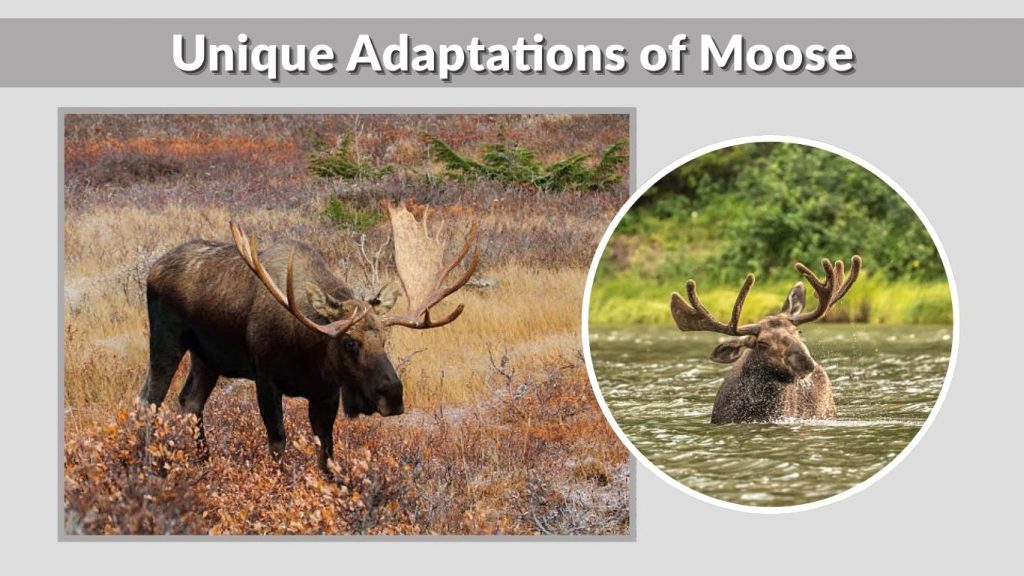
Moose possess several physical and behavioral adaptations that allow them to survive in harsh environments. Their long legs enable them to walk through deep snow and wade into water to feed on aquatic plants. This ability gives them access to food sources unavailable to many other herbivores.
Moose are also excellent swimmers and can travel long distances across lakes and rivers. Swimming helps them escape predators and reach isolated feeding areas. Their thick, insulating fur protects them from extreme cold, while their dark coloration helps absorb heat from sunlight during winter months.
Moose Lifespan and Predators
How Long Do Moose Live?
In the wild, moose typically live between 15 and 20 years, although many do not reach their maximum lifespan due to environmental challenges. Factors such as food availability, climate conditions, disease, and predation all influence how long a moose survives.
Young calves are especially vulnerable during their first year of life. Those that survive infancy have a higher chance of reaching adulthood, provided they can avoid predators and human-related dangers.
Natural Predators
Adult moose have few natural predators because of their size. Wolves are the primary predators in many regions, often hunting moose in packs. Bears may prey on calves, especially during spring when newborns are most vulnerable.
Humans also play a significant role as predators through regulated hunting. In many areas, controlled hunting helps manage moose populations and maintain ecological balance.
Moose vs Elk: What’s the Difference?
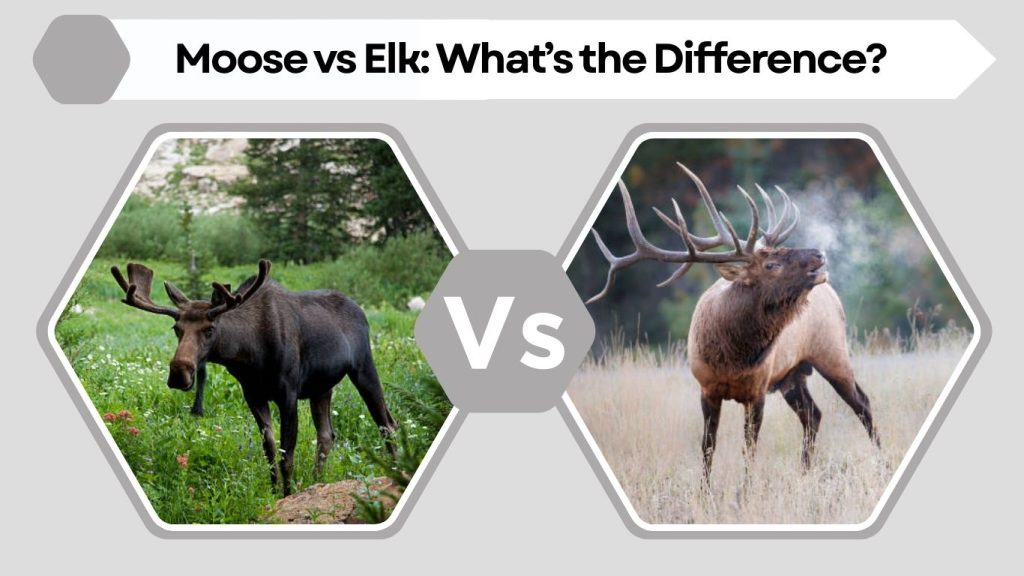
Moose and elk are often confused, especially in regions where both species live. However, moose are significantly larger than elk and have broader, flatter antlers. Elk antlers are more curved and branch-like, while moose antlers have a wide, palm-shaped structure.
Habitat preferences also differ. Moose tend to live in wetter, forested environments, whereas elk are more commonly found in open woodlands and grasslands. Behaviorally, elk are more social and often form large herds, while moose are typically solitary.
Are Moose Dangerous to Humans?
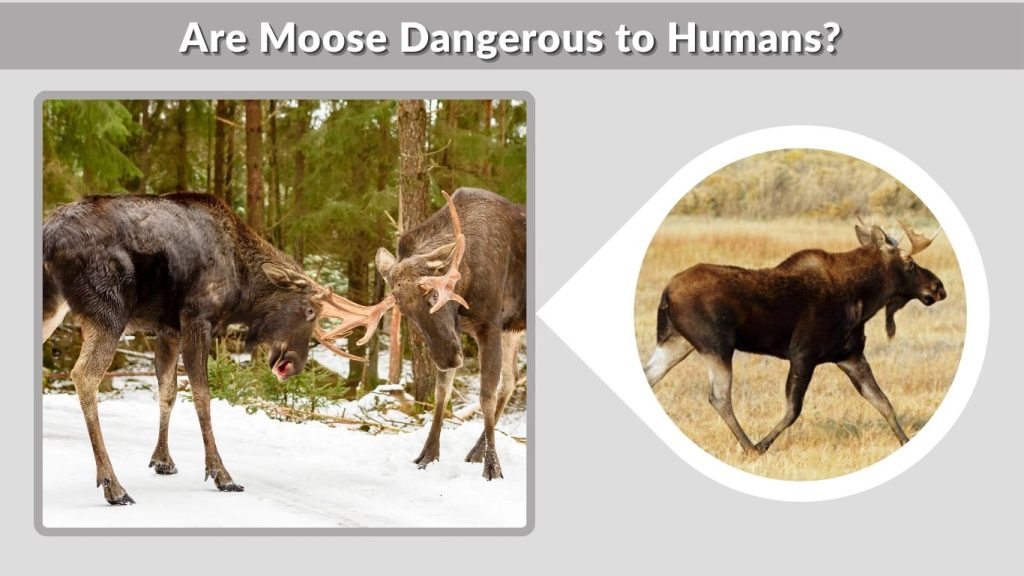
Moose are not naturally aggressive toward humans, but they can become dangerous if they feel threatened. Encounters are more common in areas where human development overlaps with moose habitat. One of the biggest dangers involving moose is vehicle collisions, particularly in rural and forested regions.
Because of their tall legs, a collision often causes the moose’s body to crash through the windshield, leading to serious injuries. Drivers in moose territory are advised to reduce speed and remain alert, especially at dawn and dusk.
Conservation Status of Moose
Moose populations are generally stable in many regions, but some areas have seen declines. Climate change poses a growing threat by increasing heat stress and expanding the range of parasites and diseases that affect moose health.
Conservation efforts focus on habitat protection, population monitoring, and responsible wildlife management. Maintaining healthy forest ecosystems and minimizing human-wildlife conflict are key to ensuring the long-term survival of moose populations.
Interesting Facts About Moose
Moose can run at speeds of up to 35 miles per hour despite their size. They are also capable swimmers and can swim several miles without stopping. Another surprising fact is that moose have poor eyesight but an excellent sense of smell, which they rely on to detect predators and locate food.
FAQs
What is a moose?
A moose is the largest species of deer in the world. It is a herbivorous mammal known for its massive size, long legs, and broad antlers, and it mainly lives in cold regions of the Northern Hemisphere.
Where do moose live?
Moose live in boreal forests, wetlands, and cold temperate regions. They are commonly found in Canada, Alaska, northern parts of the United States, Scandinavia, and parts of Russia.
What do moose eat?
Moose eat leaves, twigs, bark, and aquatic plants. Their diet changes with the seasons, focusing on fresh vegetation in summer and woody plants during winter.
How big can a moose get?
Adult male moose can weigh over 700 kilograms and stand more than six feet tall at the shoulder. Females are slightly smaller but still much larger than most deer species.
Do female moose have antlers?
Female moose typically do not have antlers. Antlers are mainly grown by males and are used during the mating season to compete for mates.