




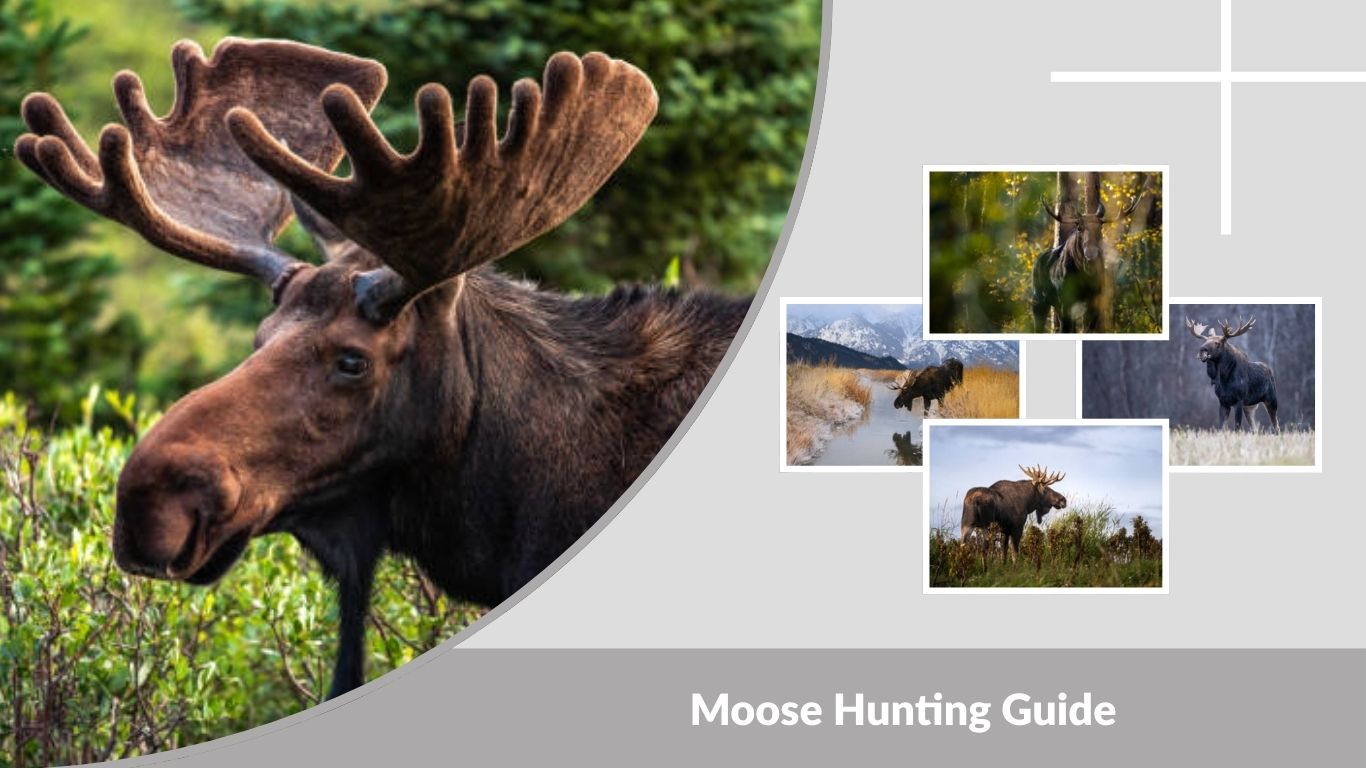
Moose hunting is one of the most challenging and rewarding big-game pursuits in North America. These massive animals live in remote, rugged environments and require careful planning, patience, and respect. Unlike deer or elk hunting, success often depends as much on preparation and logistics as shooting skill. This guide is designed for beginners and intermediate hunters who want a clear understanding of moose behavior, seasons, regulations, and essential gear before heading into the field.
Understanding Moose Behavior and Habitat
Learning how moose behave and where they live is the foundation of a successful hunt. Moose are generally solitary animals and spend most of their time feeding, resting, and moving between bedding and feeding areas. They rely heavily on cover and water, especially during warmer months, and their size allows them to move through thick vegetation with ease.
Moose are most active during early morning and late evening, though they may move throughout the day during the rut. Weather, hunting pressure, and season timing all influence their movement patterns, making observation and patience critical skills for hunters.
Where Moose Are Commonly Found
Moose typically inhabit boreal forests, wetlands, river valleys, and areas with dense vegetation. They favor regions with abundant willow, birch, and aquatic plants, which make up a large part of their diet. During warmer months, moose often stay near water to regulate body temperature and avoid insects.
As temperatures drop in fall, moose may move to higher ground or areas with thicker forest cover. Understanding these seasonal shifts helps hunters focus their scouting efforts in the most productive locations.
Bull vs Cow Moose Behavior
Bull moose and cow moose behave differently, especially during the breeding season. Bulls are larger, more aggressive, and more mobile during the rut as they search for cows. This makes them more responsive to calling techniques and easier to locate during peak breeding activity.
Cows tend to be more cautious and predictable, often staying closer to food sources. Knowing the behavioral differences is important not only for hunting strategy but also for following legal harvest regulations, which often vary by sex.
Moose Hunting Seasons and Regulations
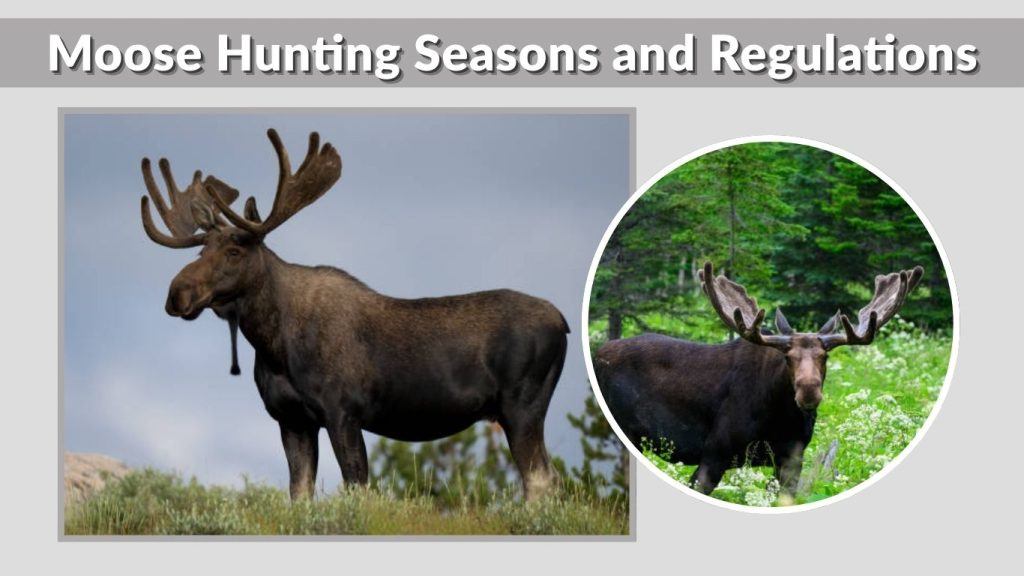
Moose hunting seasons vary widely depending on location and are typically tightly regulated to maintain healthy populations. Seasons are usually short and often occur in early to mid-fall, with timing designed to align with the rut or post-rut period.
Before planning a hunt, it’s essential to research local regulations, as rules regarding season dates, legal animals, and weapon types can change from year to year.
Licensing and Tag Systems
Most moose hunts require a special license or tag, often obtained through a draw system. These tags are limited in number and may take years to draw in some regions. Some areas offer over-the-counter permits, while others restrict moose hunting to residents only.
Non-resident hunters should pay close attention to application deadlines, fees, and guide requirements, as these can significantly affect trip planning and cost.
Legal Weapons and Restrictions
Moose can be hunted using rifles, bows, or muzzleloaders, depending on the season and location. Many regions specify minimum caliber or draw-weight requirements to ensure ethical harvests. These rules exist because moose are large, tough animals that require sufficient penetration for a clean kill.
Always confirm legal weapon specifications before the hunt to avoid costly mistakes or violations.
Essential Moose Hunting Gear
Proper gear selection is especially important for moose hunting due to the animal’s size and the remote environments they inhabit. Inadequate equipment can turn a successful harvest into a dangerous or exhausting situation.
Firearms and Ammunition
Hunters commonly use medium- to large-caliber rifles capable of delivering deep penetration and reliable stopping power. Shot placement matters more than sheer caliber, but choosing an appropriate rifle increases the margin for error. Quality ammunition designed for large game is equally important.
Clothing and Survival Equipment
Moose hunts often take place in cold, wet conditions. Layered clothing, waterproof boots, and rain gear are essential for comfort and safety. Survival equipment such as navigation tools, first-aid supplies, and emergency communication devices should always be carried, especially in remote backcountry areas.
Moose Hunting Techniques and Strategies
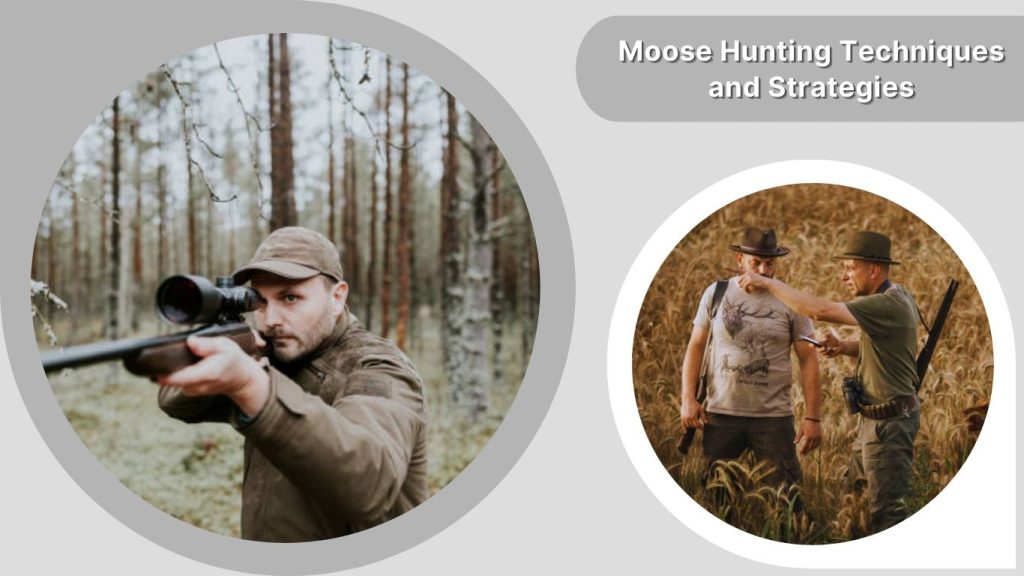
Successful moose hunting relies on adapting your approach to terrain, weather, and the time of season. Because moose inhabit large areas with thick cover, hunters must balance patience with efficient movement. Scouting ahead of the season and understanding travel corridors greatly improve the odds of encountering an animal.
Spot-and-Stalk Hunting
Spot-and-stalk is one of the most effective methods for hunting moose in open wetlands, burns, or river valleys. Hunters use binoculars to glass large areas from elevated vantage points, looking for movement, antlers, or the dark shape of a moose among vegetation. Once an animal is located, careful planning is required to close the distance while staying downwind.
Because of their size, moose can appear closer than they actually are. Taking time to confirm range and shot angle is critical before making a move.
Calling During the Rut
Calling is especially effective during the rut, when bull moose actively seek cows and challenge rivals. Common calls include cow moans and bull grunts, which can provoke strong responses from dominant bulls. Calling should be done sparingly, with long pauses in between to allow approaching moose time to respond.
Hunters should remain alert after calling, as moose may approach silently and appear suddenly at close range.
Moose Hunting Tips for Beginners
Moose hunting can be physically demanding and mentally challenging, especially for first-time hunters. Setting realistic expectations and focusing on preparation rather than quick success can make the experience far more rewarding.
Shot Placement and Ethics
Ethical hunting begins with proper shot placement. The vital area on a moose is larger than that of deer, but thick bone and muscle require careful aim. Broadside or slightly quartering-away shots offer the best chance for a quick, humane harvest.
Hunters should always be prepared to take a follow-up shot if necessary and avoid shooting at moving or poorly positioned animals.
Common Beginner Mistakes
One common mistake is underestimating the amount of time and effort required after a successful shot. Recovering and processing a moose can take many hours or even multiple days. Other mistakes include inadequate gear, poor navigation planning, and rushing shots under pressure.
Learning from experienced hunters or hiring a guide can help beginners avoid costly errors.
Field Dressing and Packing Out a Moose
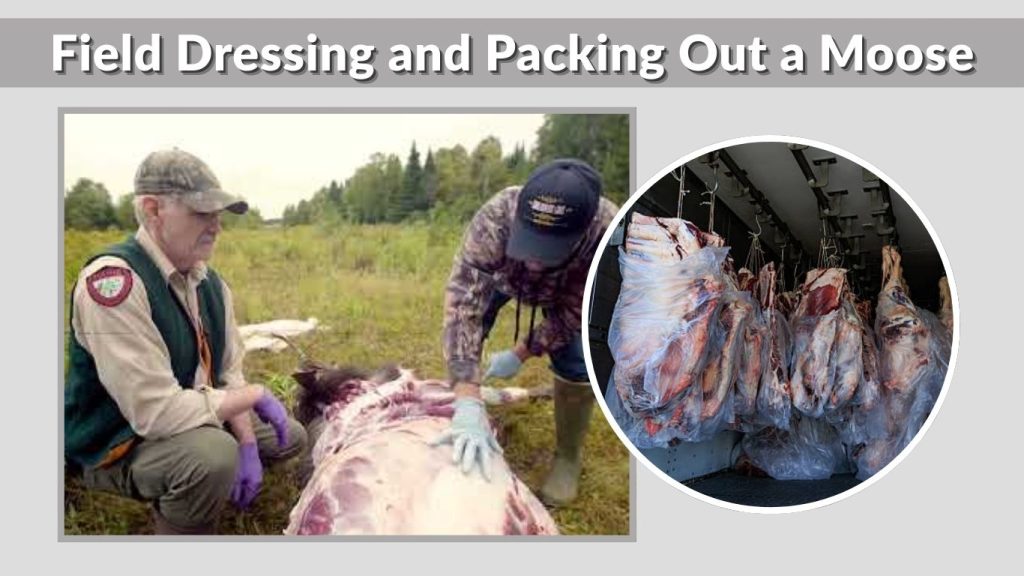
Harvesting a moose is only the beginning of the work. Due to their massive size, proper field dressing and meat care are essential to avoid spoilage and injury.
Field Dressing Basics
Many hunters use the gutless method to break down a moose without opening the body cavity. This approach keeps meat cleaner and allows hunters to work one quarter at a time. Regardless of method, cooling the meat quickly and keeping it dry are top priorities.
Working methodically and using sharp knives reduces fatigue and improves safety.
Transporting the Meat
Transporting a moose often requires multiple trips or assistance from pack animals, ATVs, or boats, depending on terrain and regulations. Planning the extraction route before the hunt can save time and prevent dangerous decisions when fatigue sets in.
Hunters should also be familiar with local laws regarding evidence of sex and meat transport requirements.
Moose Hunting Safety Considerations
Safety should always be a top priority when hunting moose. Remote locations, unpredictable weather, and the presence of large wildlife create risks that require constant awareness.
Wildlife and Environmental Hazards
Moose habitat often overlaps with bear territory, increasing the risk of encounters during recovery and meat processing. Weather can change rapidly, especially in northern regions, making hypothermia a real concern. Carrying communication devices and informing others of your plans adds an important layer of safety.
Conclusion
Moose hunting is a demanding but deeply rewarding experience that requires careful planning, patience, and respect for the animal and environment. By understanding moose behavior, following regulations, choosing the right gear, and prioritizing ethical and safe practices, hunters can increase their chances of success while enjoying one of North America’s most iconic hunting adventures. With the right preparation, moose hunting becomes more than a pursuit—it becomes a true test of skill and commitment.
FAQs
Is moose hunting difficult for beginners?
Moose hunting can be challenging for beginners due to the animal’s size, remote habitat, and limited tag availability. However, with proper preparation, realistic expectations, and attention to regulations, first-time hunters can be successful, especially when hunting during the rut or with experienced partners.
What is the best caliber for moose hunting?
There is no single “best” caliber, but most hunters use medium- to large-caliber rifles that provide deep penetration and reliable stopping power. Proper shot placement and quality bullets matter more than caliber size alone when ethically harvesting a moose.
When is the best time to hunt moose?
The best time to hunt moose is typically during the fall rut, when bulls are more active and responsive to calling. During this period, moose move more frequently, increasing visibility and opportunities for ethical shots.
How much does a moose hunt usually cost?
The cost of a moose hunt varies widely depending on location, licensing, travel, and whether a guide is used. DIY hunts are more affordable, while guided hunts—especially in remote areas—can cost several thousand dollars.
Can you hunt moose without a guide?
In some regions, hunters are allowed to hunt moose without a guide, particularly residents. However, certain areas require non-residents to hire licensed guides. Even when not required, guides can improve safety and success rates.