




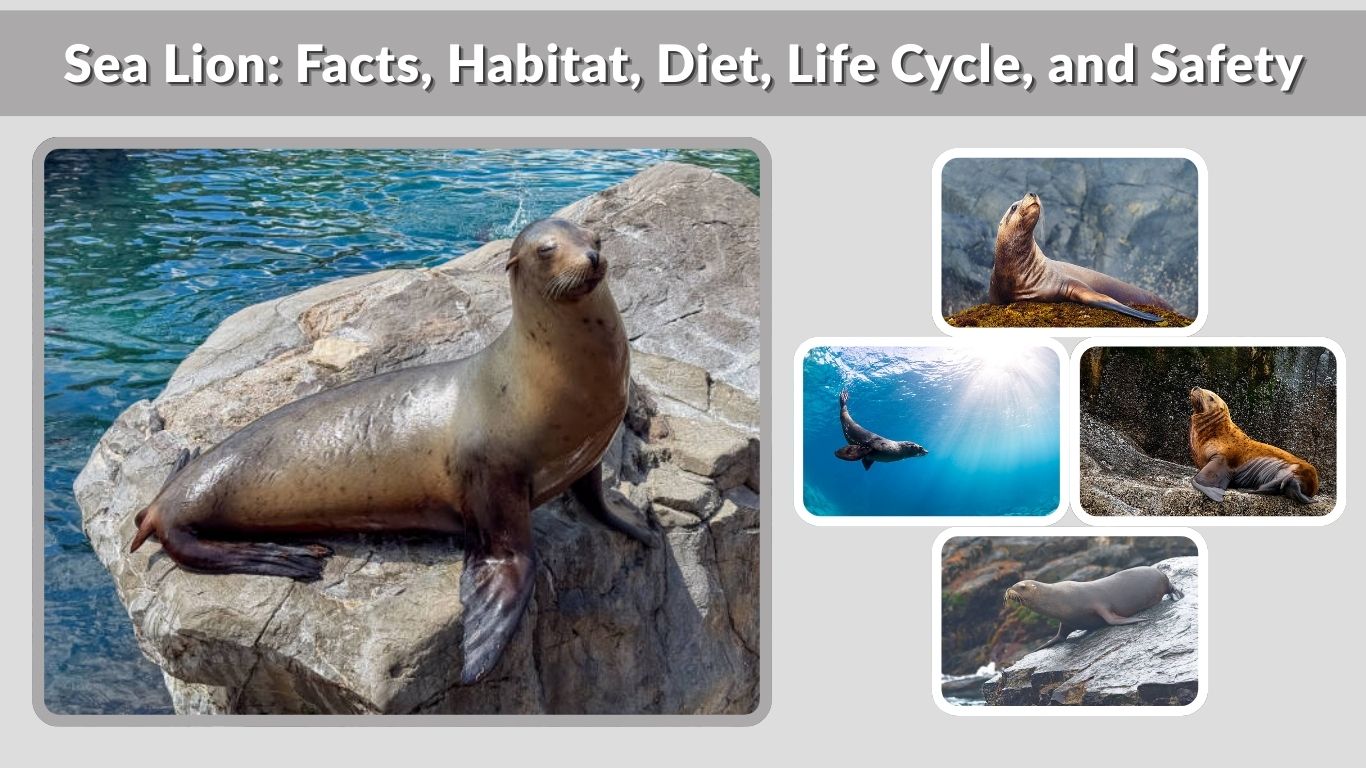
Sea lions are intelligent, social marine mammals commonly seen along coastlines, rocky shores, and even busy harbors. Known for their playful behavior and loud barking sounds, sea lions often capture human attention. However, many people confuse them with seals or misunderstand their behavior and lifestyle. This article explores what sea lions are, how they differ from seals, where they live, what they eat, and key facts about their lives, helping you better understand these fascinating ocean animals.
What Is a Sea Lion?
A sea lion is a marine mammal belonging to the pinniped family, which also includes seals and walruses. Unlike true seals, sea lions have visible external ear flaps and long, powerful front flippers that allow them to move easily both in water and on land.
Sea lions are strong swimmers and can rotate their rear flippers forward, enabling them to “walk” on land. This makes them more agile on beaches and rocky surfaces compared to seals. They are also highly social animals, often found resting together in large groups called colonies.
Sea Lion vs Seal: Key Differences
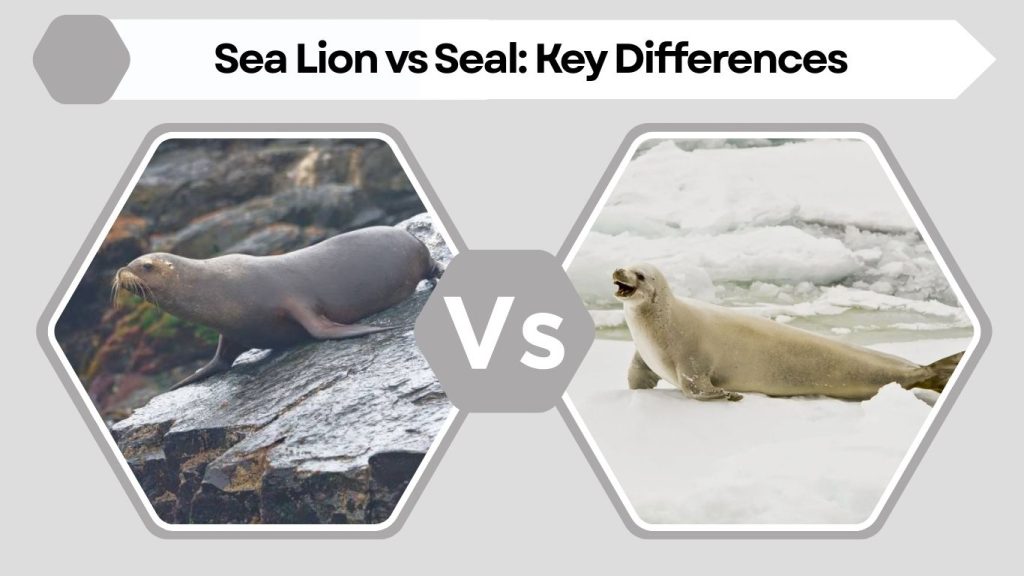
Although sea lions and seals are often confused, they have several clear differences in appearance, movement, and behavior. Both belong to the pinniped family, but sea lions are generally more social, vocal, and agile on land. Seals, on the other hand, are quieter and better adapted for streamlined swimming. Understanding these differences makes it easier to identify each animal in the wild.
Sea Lion vs Seal Comparison Table
| Feature | Sea Lion | Seal |
| External Ears | Visible ear flaps | No external ears, only ear holes |
| Front Flippers | Long and powerful | Short and less flexible |
| Rear Flippers | Can rotate forward for walking | Cannot rotate forward |
| Movement on Land | Walks using all four flippers | Moves by wriggling on belly |
| Neck Length | Longer, more flexible neck | Shorter neck |
| Body Shape | Lean and upright posture | Rounder and more compact |
| Vocalization | Loud barks and roars | Mostly quiet, soft sounds |
| Social Behavior | Highly social, large colonies | More solitary or small groups |
| Swimming Style | Uses front flippers to swim | Uses rear flippers to swim |
| Habitat Preference | Coastal shores, docks, beaches | Colder waters and open seas |
Sea Lion Facts You Should Know
Sea lions can weigh anywhere from 200 to over 1,000 pounds, depending on the species and gender. Males are significantly larger than females and often develop thick necks and manes as they mature.
In the wild, sea lions typically live between 20 and 30 years. They are known for their intelligence and can learn complex tasks, which is why they are often seen in marine shows and research programs. Sea lions also have excellent hearing and underwater vision, allowing them to hunt effectively even in low-light conditions.
Sea Lion Habitat and Distribution
Where Do Sea Lions Live?
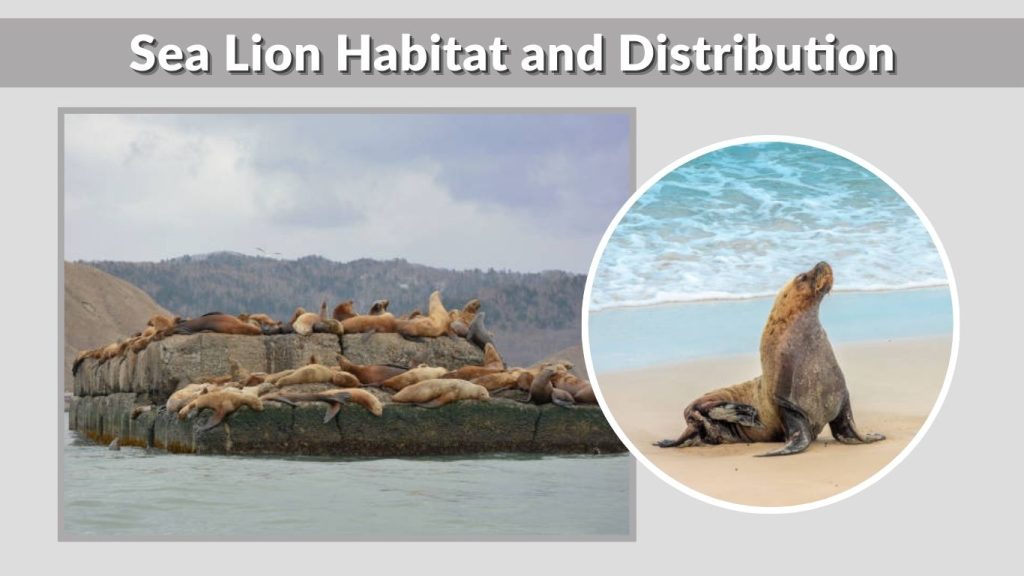
Sea lions are found along coastlines in the Pacific Ocean, including North and South America, Australia, New Zealand, and parts of Asia. They prefer temperate and subtropical waters rather than extremely cold polar regions.
Large populations live along the western coast of North America, especially in California, where sea lions are frequently seen resting on docks and beaches.
Preferred Living Environments
Sea lions favor rocky shores, sandy beaches, and small islands where they can rest safely between feeding trips. They are also known to adapt to human-made structures such as piers and buoys. These environments provide easy access to food while offering protection from predators.
Baby Sea Lion: Early Life and Growth
Birth and Pup Stage
Baby sea lions are called pups. Most pups are born during the breeding season on beaches or rocky islands. At birth, they rely entirely on their mothers for warmth, protection, and nutrition.
Mother sea lions form a strong bond with their pups and can recognize them by sound among hundreds of others in a colony.
Growth and Development
Pups nurse for several months, gaining strength and body fat. During this time, they gradually learn to swim and eventually practice hunting skills. Survival can be challenging, as young sea lions face threats from predators, harsh weather, and food shortages.
Sea Lion Diet and Feeding Habits
What Do Sea Lions Eat?
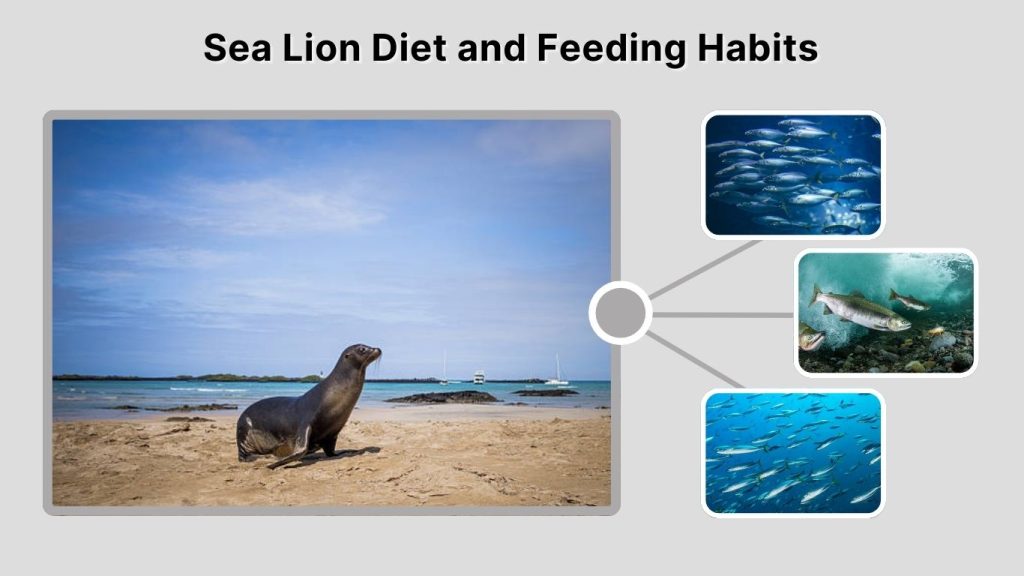
Sea lions are carnivores and primarily eat fish such as sardines, anchovies, salmon, and mackerel. They also consume squid and other small marine animals. Their diet varies depending on location and food availability.
How Sea Lions Hunt
Sea lions hunt both alone and in groups. They use their sharp eyesight and sensitive whiskers to detect movement in the water. As skilled predators, they play an important role in maintaining balance within the marine ecosystem.
Sea Lion Life Cycle Explained
Life Stages of a Sea Lion
The life cycle of a sea lion begins at birth as a pup. During this stage, pups rely entirely on their mothers for food and protection. After several months of nursing, they begin transitioning into the juvenile stage, where they become more independent and start hunting small prey on their own.
Juvenile sea lions continue growing and developing hunting skills over several years. Once fully mature, they reach adulthood and are capable of reproduction. Adult males are typically larger and stronger, often competing for territory and access to females during breeding seasons.
Reproduction and Aging
Breeding usually occurs once a year, with dominant males controlling specific areas known as rookeries. Females give birth to a single pup after a gestation period of about one year. As sea lions age, their physical strength gradually declines, and older individuals may spend more time resting on land. In the wild, most sea lions live between 20 and 30 years.
Are Sea Lions Dangerous to Humans?
Natural Behavior Toward Humans
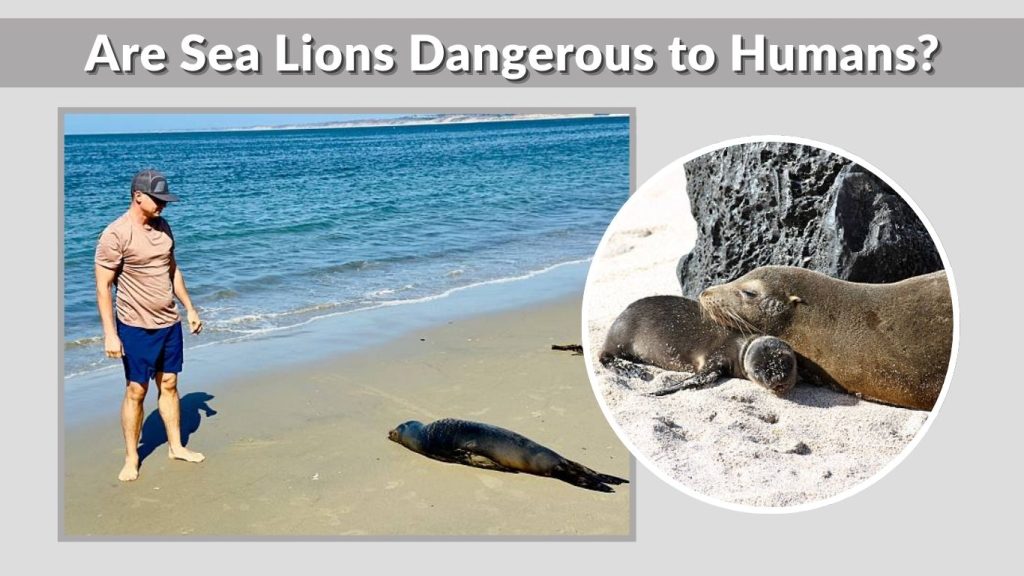
Sea lions are not naturally aggressive toward people and usually avoid close contact. They are curious animals, which can sometimes be mistaken for friendliness. In most situations, sea lions prefer to keep a safe distance and will move away if approached.
When Sea Lions Can Be Dangerous
Sea lions can become dangerous if they feel threatened, stressed, or cornered. Mothers may act aggressively when protecting their pups, and males may show dominance during breeding seasons. Feeding sea lions or attempting to touch them can also trigger defensive behavior, increasing the risk of bites or injuries.
Safety Tips Around Sea Lions
To stay safe, always maintain a respectful distance from sea lions in the wild. Avoid feeding them, blocking their path, or attempting to take close photos. Observing sea lions from afar allows both humans and animals to remain safe and stress-free.
Sea Lion Face and Sensory Features
Sea lions have distinctive facial features that play a vital role in their survival. Their large eyes are adapted for both underwater and low-light vision, making them effective hunters during early morning or late evening hours.
One of their most important features is their whiskers, also known as vibrissae. These highly sensitive whiskers detect vibrations in the water, helping sea lions locate prey even when visibility is poor. Their flexible facial muscles allow them to communicate subtle signals, which often gives the impression that sea lions are “smiling.”
Conservation Status and Threats
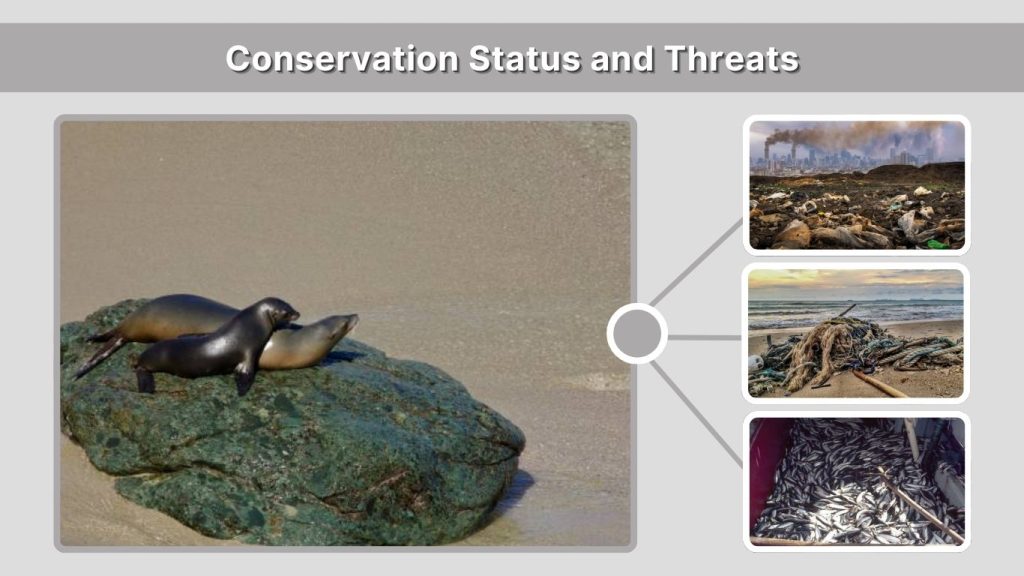
While many sea lion species have stable populations, some face ongoing threats. Natural predators include sharks and orcas, but human activities pose a greater risk. Pollution, entanglement in fishing gear, climate change, and overfishing all impact sea lion survival.
Conservation efforts focus on protecting habitats, regulating fishing practices, and rescuing injured or stranded sea lions. Public awareness and responsible wildlife interaction play a crucial role in ensuring sea lions continue to thrive in their natural environments.
FAQs
Are sea lions friendly animals?
Sea lions are social and curious but should not be considered friendly pets. They are wild animals and can become aggressive if threatened. Observing them from a safe distance is always the best approach.
Can sea lions live on land?
Sea lions spend a significant amount of time on land resting, breeding, and caring for their young. However, they rely on the ocean for food and cannot survive permanently on land.
Do sea lions bite humans?
Bites are rare but can occur if a sea lion feels threatened or is approached too closely. Most incidents happen when people ignore safety guidelines or attempt to feed or touch them.
How fast can a sea lion swim?
Sea lions are fast swimmers and can reach speeds of up to 25 miles per hour for short distances. Their powerful flippers make them agile and efficient hunters.
Conclusion
Sea lions are remarkable marine mammals known for their intelligence, adaptability, and social behavior. From their early life as pups to adulthood, they play an essential role in maintaining healthy marine ecosystems. Understanding their habitat, diet, life cycle, and behavior helps promote respectful coexistence and supports ongoing conservation efforts to protect these fascinating ocean animals.