




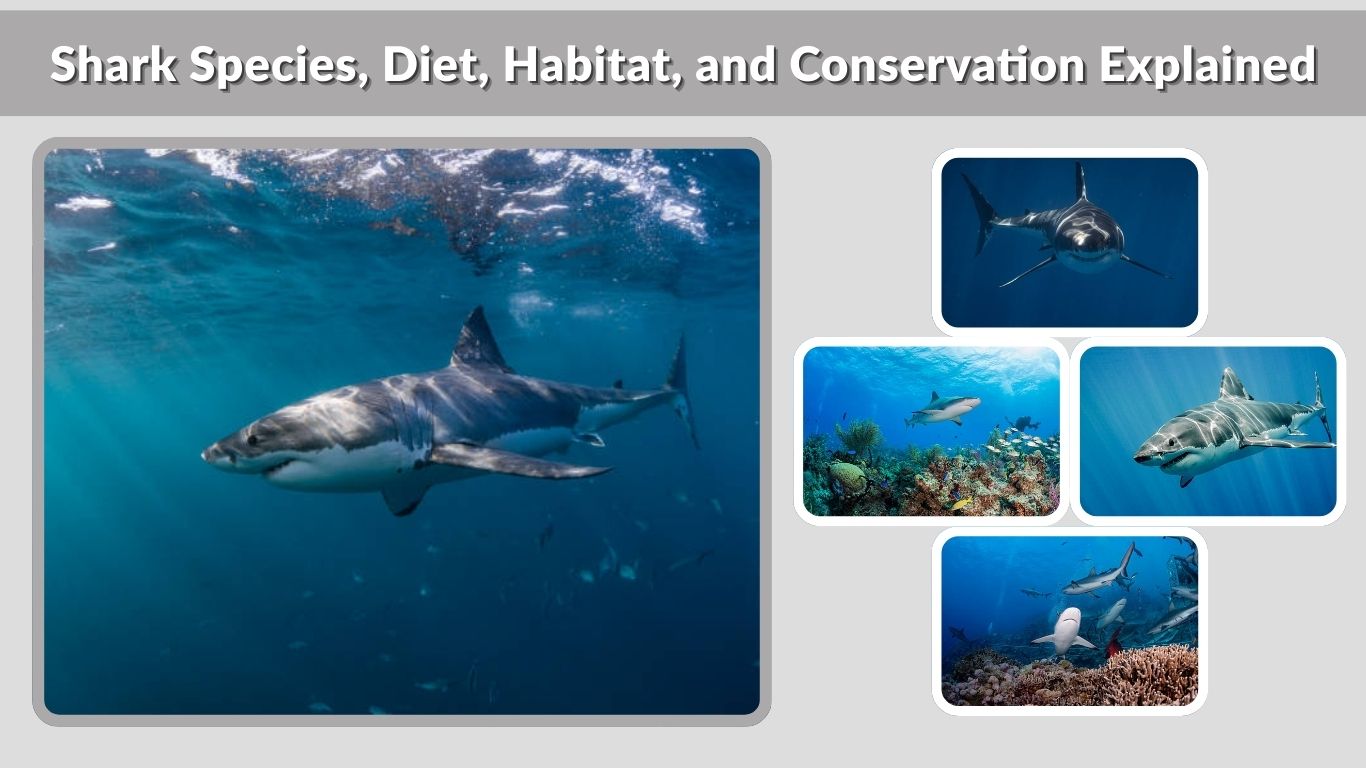
Sharks are among the oldest and most powerful predators in the ocean, having existed for more than 400 million years. Often misunderstood as mindless killers, sharks are actually complex, highly adapted animals that play a crucial role in maintaining healthy marine ecosystems. From shallow coastal waters to the deep sea, sharks can be found in nearly every ocean environment. This article explores what sharks are, the different types of sharks, their physical characteristics, and where they live, offering a balanced and informative look at these remarkable creatures.
What Is a Shark?
A shark is a type of fish belonging to a group known as cartilaginous fish, or elasmobranchs. Unlike most fish, sharks have skeletons made of cartilage rather than bone, which makes their bodies lighter and more flexible. Sharks are cold-blooded, breathe through gills, and use fins to move and maintain balance in the water.
Sharks have lived on Earth long before dinosaurs, evolving specialized features that allow them to survive in a wide range of marine habitats. Their streamlined bodies, keen senses, and efficient hunting abilities have made them some of the most successful predators in the ocean.
Are Sharks Fish or Mammals?
Sharks are fish, not mammals. They do not breathe air or give birth to live young in the same way mammals do. Instead, sharks extract oxygen from water through gills and rely on their surrounding environment to regulate body temperature.
Unlike whales or dolphins, sharks do not produce milk for their young. These differences clearly classify sharks as fish, despite their size and advanced behaviors compared to many other marine species.
Types of Sharks
There are over 500 known species of sharks, ranging from small deep-sea species to massive filter feeders. Each species has unique adaptations that suit its environment and diet. Some sharks are solitary hunters, while others display social behaviors.
Popular Shark Species
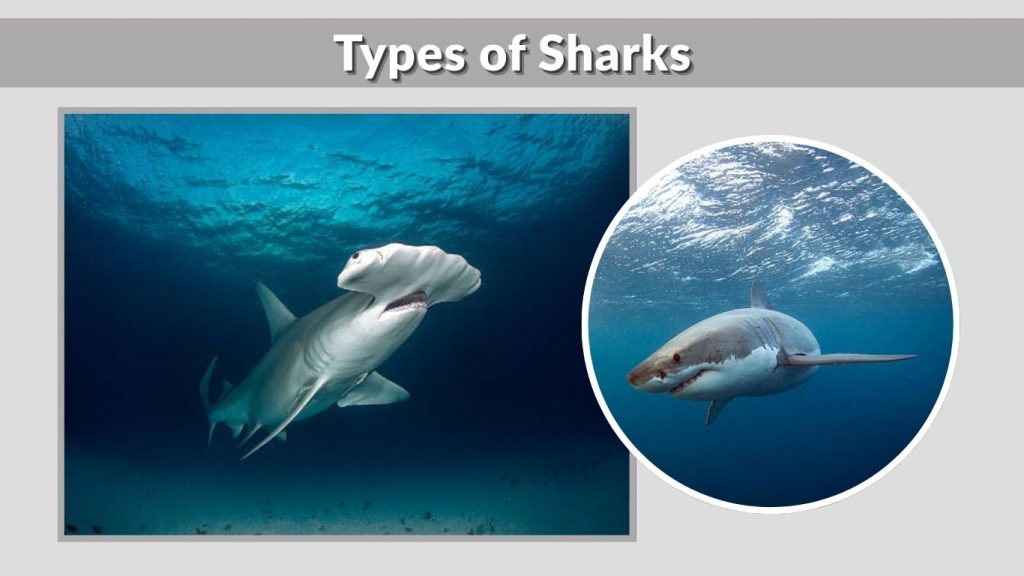
The great white shark is one of the most well-known species, recognized for its size, power, and sharp teeth. It can grow over 20 feet long and is found in coastal waters around the world. Tiger sharks are another common species, known for their striped appearance and wide-ranging diet.
Hammerhead sharks are easily identified by their distinctive hammer-shaped heads, which improve vision and sensory perception. Whale sharks, despite being the largest sharks in the world, are gentle filter feeders that consume plankton. Bull sharks are known for their ability to survive in both saltwater and freshwater environments, making them highly adaptable.
Physical Characteristics of Sharks
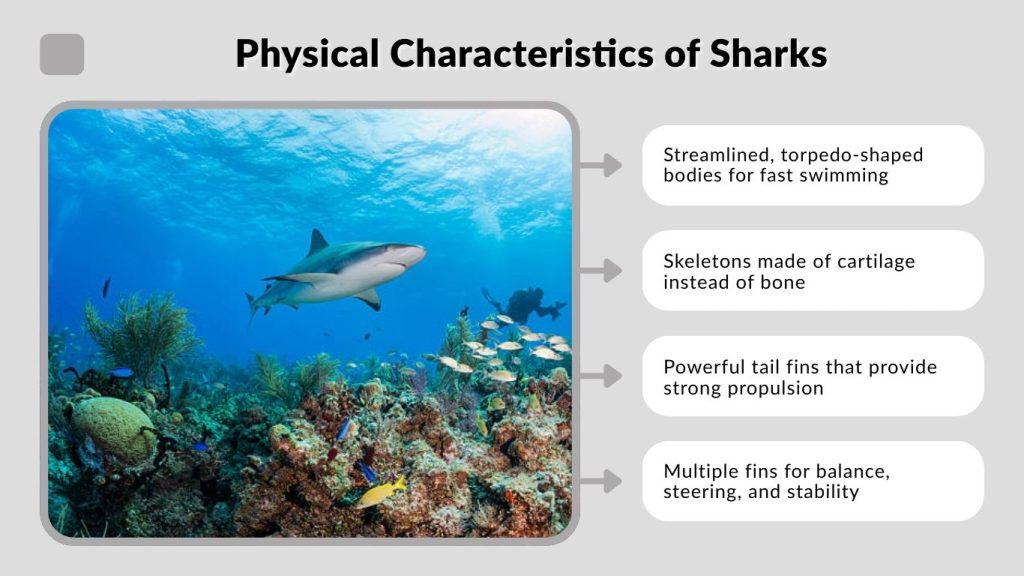
Sharks have evolved a set of physical features that make them highly efficient predators in marine environments. Their bodies are built for speed, agility, and endurance, allowing them to hunt, migrate, and survive in diverse ocean habitats. Although shark species differ greatly in size and appearance, they share several defining physical characteristics.
Key physical characteristics of sharks include:
- Streamlined, torpedo-shaped bodies for fast swimming
- Skeletons made of cartilage instead of bone
- Powerful tail fins that provide strong propulsion
- Multiple fins for balance, steering, and stability
- Sharp, replaceable teeth arranged in multiple rows
- Rough skin covered with dermal denticles
- Gills for breathing oxygen from water
- Highly developed sensory organs
- Strong jaw muscles for capturing prey
Shark Habitat and Distribution
Sharks inhabit nearly every ocean on Earth, from shallow coral reefs to the open ocean and deep-sea environments. Some species prefer warm tropical waters, while others thrive in cold or temperate regions. Coastal sharks are often found near shorelines, while pelagic sharks roam vast distances in the open sea.
Different shark species have adapted to specific habitats based on food availability and environmental conditions. This wide distribution highlights the adaptability and ecological importance of sharks.
Shark Migration Patterns
Many sharks migrate seasonally in search of food, breeding grounds, or warmer waters. These migrations can span thousands of miles and are influenced by water temperature and prey movement. Some species return to the same locations year after year, demonstrating strong navigation abilities.
What Do Sharks Eat?
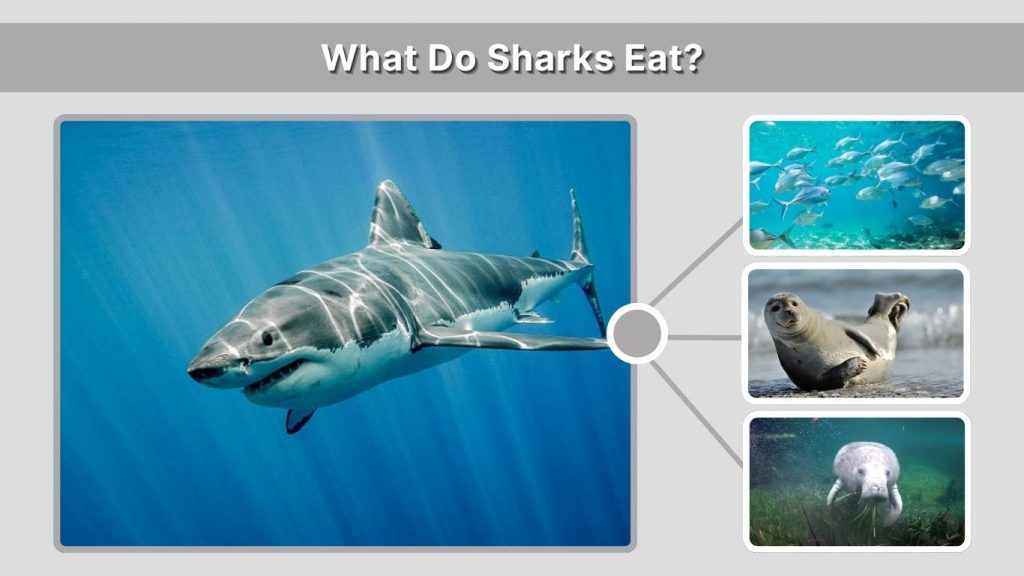
Sharks are primarily carnivorous and occupy different levels of the marine food chain depending on their size and species. Their diets vary widely, ranging from small fish and crustaceans to seals and other marine mammals. This diversity in feeding habits allows sharks to fill essential ecological roles in ocean ecosystems.
Hunting Techniques of Sharks
Sharks use a combination of stealth, speed, and powerful jaws to capture prey. Many species rely on ambush tactics, approaching prey from below or behind before launching a sudden attack. Their sharp, serrated teeth are designed to grip and tear flesh, making feeding efficient and effective.
Some sharks, such as the whale shark and basking shark, are filter feeders. These species swim with their mouths open, filtering plankton and small organisms from the water. This shows that not all sharks are aggressive predators, despite common misconceptions.
Shark Behavior and Senses
Shark behavior varies significantly among species. While many sharks are solitary, some species form groups or schools, particularly during feeding or migration. Social behavior can improve hunting success and provide protection from larger predators.
Sharks are also highly responsive to environmental cues and capable of learning from experience. Research suggests that sharks can remember locations, recognize patterns, and adapt their behavior over time, indicating a higher level of intelligence than once believed.
How Sharks Detect Prey
Sharks possess some of the most advanced sensory systems in the animal kingdom. Their sense of smell is extremely powerful, allowing them to detect tiny amounts of blood from great distances. In addition, sharks have specialized organs called ampullae of Lorenzini that detect electrical signals produced by other animals.
Sharks also have excellent vision, especially in low-light conditions, and sensitive hearing that helps them detect vibrations in the water. These combined senses make sharks highly efficient hunters.
Sharks and Humans
Sharks have long been portrayed as dangerous animals, largely due to movies and media coverage. In reality, shark attacks on humans are extremely rare. Most sharks do not view humans as prey, and many encounters occur due to curiosity or mistaken identity.
Humans, on the other hand, pose a far greater threat to sharks. Overfishing, habitat destruction, and pollution have led to significant declines in shark populations worldwide. Understanding the true nature of sharks is essential for promoting coexistence and conservation.
Threats to Sharks
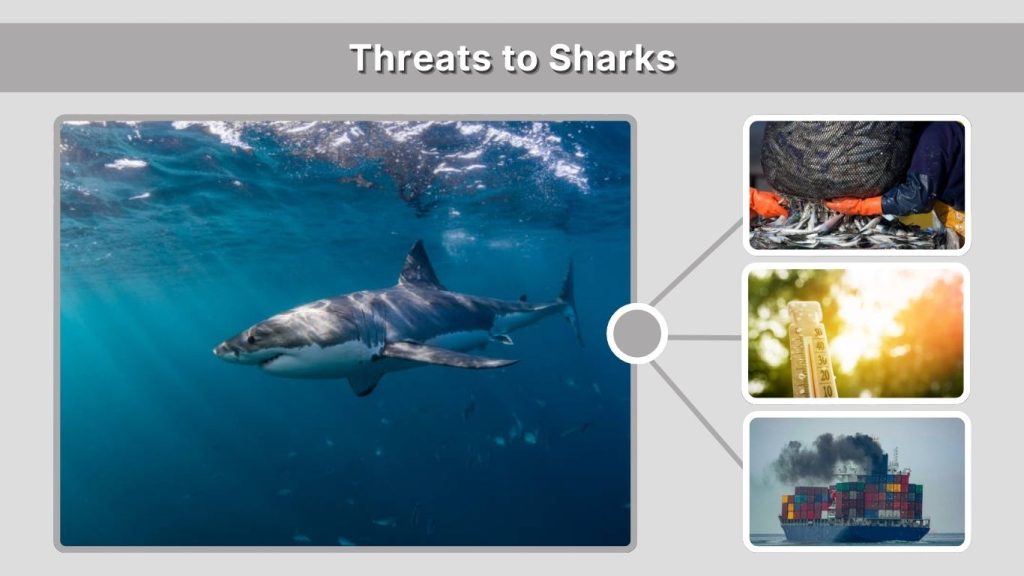
Sharks face numerous threats, primarily caused by human activity. One of the most serious is overfishing, including the practice of shark finning, where fins are removed and the shark is discarded. Sharks are also frequently caught unintentionally as bycatch in commercial fishing operations.
Climate change affects ocean temperatures and prey distribution, making it harder for sharks to find food. Habitat loss, coral reef degradation, and pollution further threaten shark survival and disrupt marine ecosystems.
Shark Conservation and Protection
Conservation efforts aim to protect sharks and restore declining populations. Many countries have introduced fishing regulations, marine protected areas, and bans on shark finning. International agreements also play a key role in managing shark populations across national borders.
Scientific research and monitoring help conservationists understand shark behavior, migration, and population trends. Public education is equally important in changing negative perceptions and encouraging protective measures.
How Humans Can Help Protect Sharks
Individuals can contribute to shark conservation by choosing sustainable seafood, avoiding products made from shark parts, and supporting conservation organizations. Responsible tourism, such as ethical shark diving practices, also helps raise awareness while minimizing harm to these animals.
Conclusion
Sharks are vital to the health of marine ecosystems, serving as key predators that help maintain balance in the ocean. Despite their fearsome reputation, sharks are complex, intelligent animals facing serious threats from human activity. Protecting sharks is essential not only for their survival but also for the long-term health of the world’s oceans. Through conservation, education, and responsible choices, humans can help ensure that sharks continue to thrive for generations to come.
FAQs
Are sharks dangerous to humans?
Shark attacks on humans are extremely rare. Most sharks do not see humans as prey, and many incidents occur due to curiosity or mistaken identity. Statistically, people are far more likely to be injured by everyday activities than by encountering a shark in the ocean.
How many species of sharks are there?
There are over 500 known species of sharks living in oceans around the world. These species vary widely in size, behavior, habitat, and diet, ranging from small deep-sea sharks to large filter feeders like the whale shark.
What do sharks eat?
Sharks eat a wide range of food depending on the species. Most sharks feed on fish, squid, and crustaceans, while larger species may hunt marine mammals. Some sharks, such as whale sharks, feed on plankton using filter-feeding methods.
How long do sharks live?
Shark lifespans differ by species. Many sharks live between 20 and 30 years, while some species, such as the Greenland shark, can live for over 250 years. Slow growth and late maturity contribute to their long lifespans.
Why are sharks important to the ecosystem?
Sharks help maintain balance in marine ecosystems by controlling prey populations and removing weak or sick animals. This role supports healthier fish populations and coral reefs, making sharks essential for overall ocean health.
Are sharks endangered?
Many shark species are threatened or endangered due to overfishing, bycatch, habitat loss, and shark finning. Although conservation efforts are increasing, several populations continue to decline, highlighting the need for stronger protection and global cooperation.