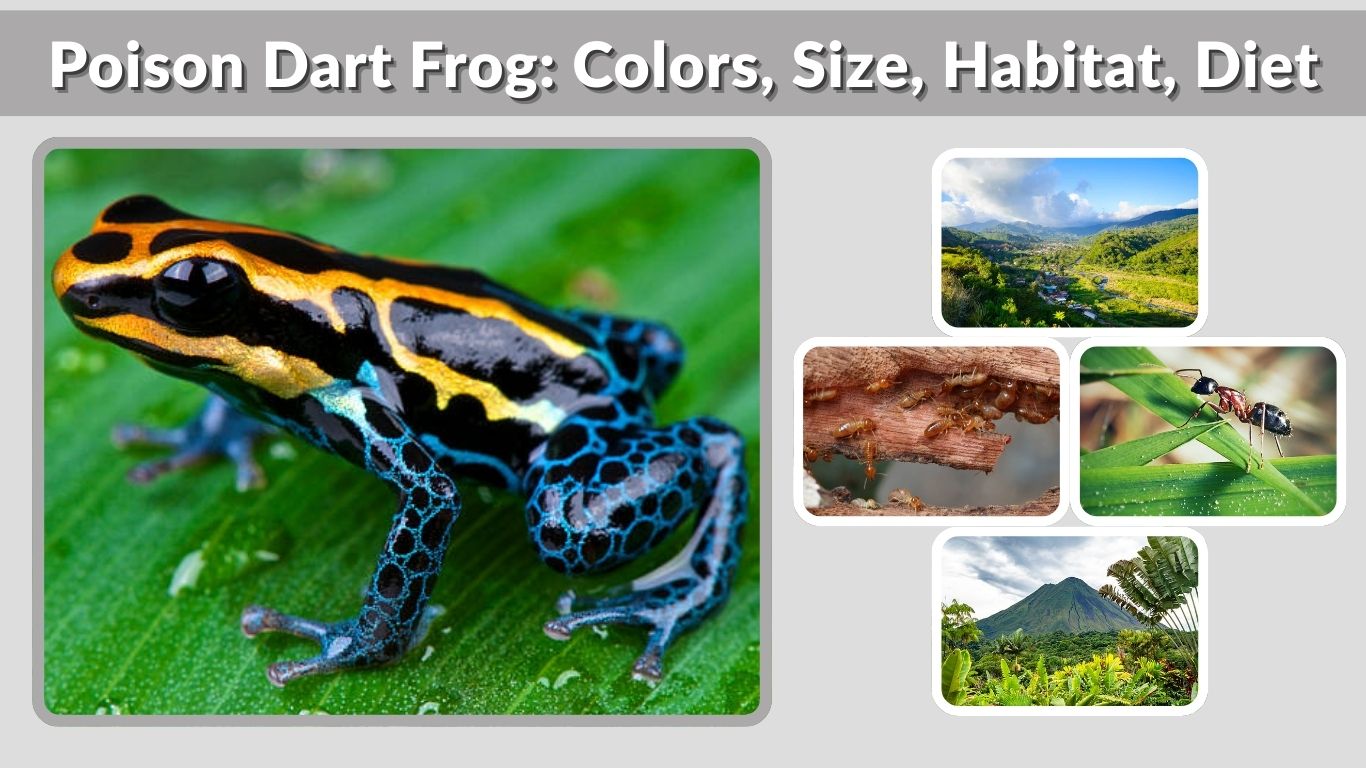





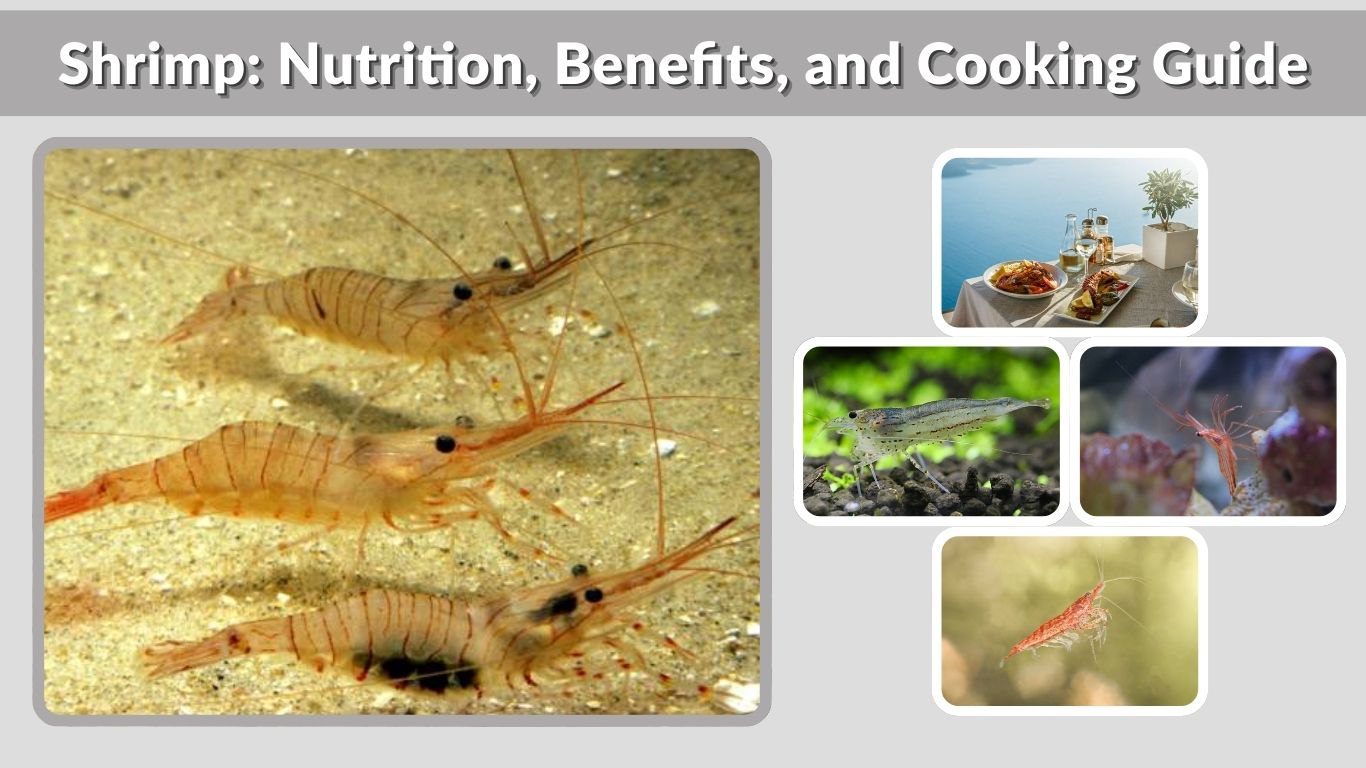
Shrimp is one of the most popular seafood choices in the world, loved for its mild flavor, tender texture, and quick cooking time. From shrimp tacos and pasta to stir-fries and grilled skewers, this versatile shellfish appears in countless global dishes. Beyond its culinary appeal, shrimp is also packed with protein, essential vitamins, and minerals. In this guide, you’ll learn what shrimp is, its nutritional value, health benefits, and the different types you’ll commonly find.
What Is Shrimp?
Shrimp are small, swimming crustaceans that belong to the shellfish family. They live in both saltwater and freshwater environments and are harvested worldwide. As invertebrates, shrimp have a hard outer shell, multiple legs, and a segmented body. They are closely related to crabs and lobsters.
Shrimp is one of the most widely consumed seafood products because it is affordable, widely available, and easy to prepare. It cooks quickly—usually in just a few minutes—making it a convenient protein choice for busy households.
Shrimp vs. Prawns
Although many people use the terms “shrimp” and “prawns” interchangeably, they are technically different species. Shrimp typically have curved bodies and shorter legs, while prawns often have straighter bodies and longer legs. Their gill structures also differ.
In terms of taste and cooking, however, the differences are minimal. Both have a mild, slightly sweet flavor and can be substituted for each other in most recipes. In many countries, the labeling depends more on regional terminology than strict biological differences.
Shrimp Nutrition Facts
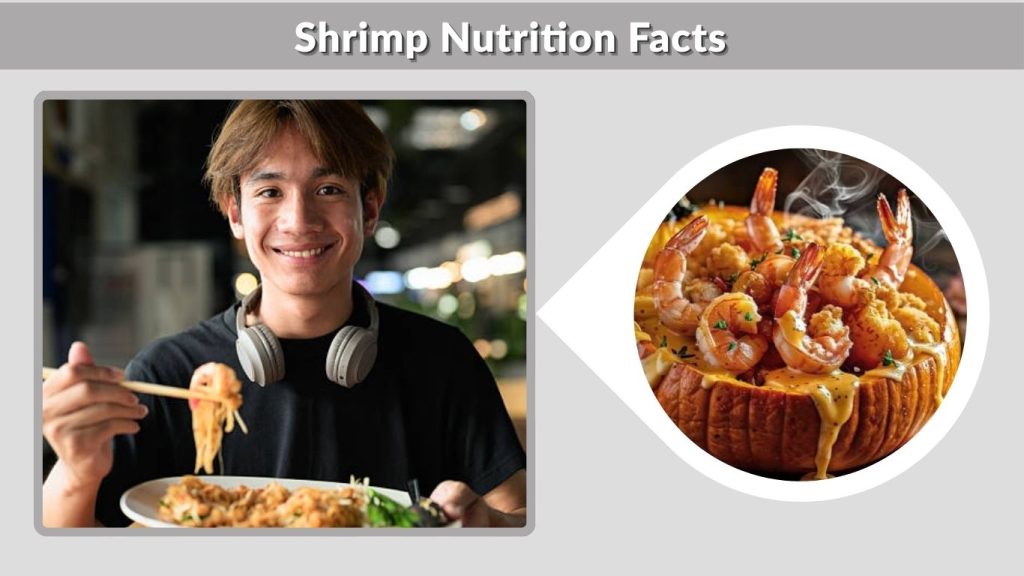
Shrimp is known for being a nutrient-dense food that is low in calories yet high in protein. A 3-ounce (85-gram) serving of cooked shrimp contains roughly 80–100 calories and about 18–20 grams of protein. It is naturally low in carbohydrates and contains very little fat.
Because of its high protein content and low calorie count, shrimp is often included in balanced diets focused on muscle building, weight management, or overall health. It provides essential nutrients without excessive calories.
Key Vitamins and Minerals
Shrimp is rich in several important vitamins and minerals, including:
- Selenium, a powerful antioxidant that supports immune function and thyroid health.
- Vitamin B12, which is essential for nerve function and red blood cell production.
- Iodine, important for proper thyroid function.
- Phosphorus, which supports healthy bones and teeth.
Shrimp also contains small amounts of iron, zinc, and magnesium, contributing to overall nutritional balance.
Is Shrimp High in Cholesterol?
Shrimp does contain cholesterol, which has led to concerns in the past. However, modern research suggests that dietary cholesterol does not affect blood cholesterol levels as strongly as once believed. For most healthy individuals, eating shrimp in moderation does not increase heart disease risk.
Additionally, shrimp is low in saturated fat, which plays a bigger role in raising harmful cholesterol levels. As part of a balanced diet, shrimp can be a healthy protein choice.
Health Benefits of Shrimp
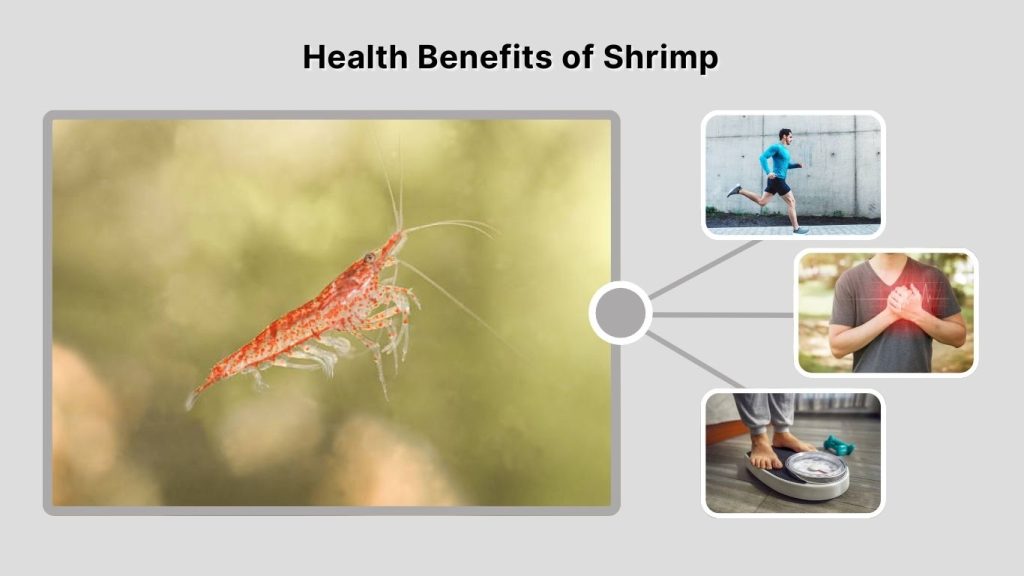
Shrimp offers several potential health benefits thanks to its impressive nutrient profile.
Excellent Source of Lean Protein
Protein is essential for building and repairing tissues, producing enzymes and hormones, and supporting overall body function. Shrimp provides high-quality, complete protein, meaning it contains all nine essential amino acids.
Because it is low in calories and fat, shrimp is considered a lean protein option. It helps promote fullness, which may reduce overeating and support healthy weight management.
Supports Heart Health
Shrimp contains omega-3 fatty acids, though in smaller amounts than fatty fish like salmon. Omega-3s are known to support heart health by reducing inflammation and helping maintain healthy cholesterol levels.
Shrimp also contains astaxanthin, a natural antioxidant that may help protect cells from damage and reduce inflammation in the body.
May Aid Weight Management
For those trying to manage their weight, shrimp can be a smart addition to meals. Its high protein content helps increase satiety, meaning you feel full longer. At the same time, its low calorie density allows you to enjoy a satisfying portion without consuming excessive calories.
When prepared using healthy cooking methods such as grilling or steaming, shrimp fits well into calorie-conscious meal plans.
Different Types of Shrimp
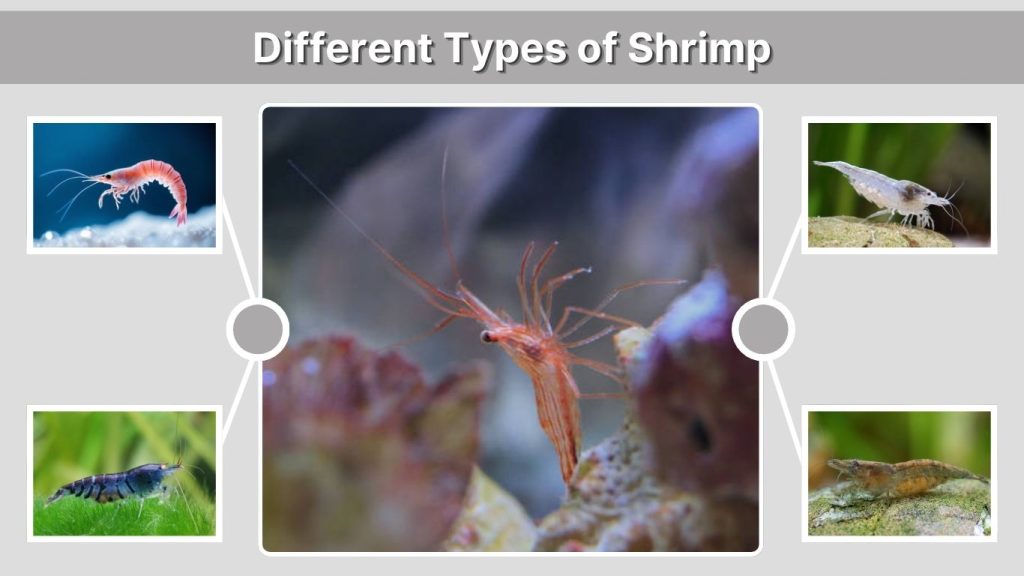
There are hundreds of shrimp species worldwide, but only a few are commonly sold in grocery stores and seafood markets. Each type has slight differences in flavor, texture, and ideal cooking methods.
White Shrimp
White shrimp are among the most common varieties. They have a mild, slightly sweet flavor and a firm texture. Because of their neutral taste, they work well in a wide range of dishes, from pasta to stir-fries.
Brown Shrimp
Brown shrimp have a slightly stronger, more mineral-like flavor compared to white shrimp. They are often used in seafood stews, gumbos, and other richly seasoned recipes.
Pink Shrimp
Pink shrimp are known for their naturally sweet taste and tender texture. They are frequently used in shrimp cocktails or lightly seasoned dishes where their natural flavor can shine.
Tiger Shrimp
Tiger shrimp are larger and easily recognized by their dark stripes. They have a firm, meaty texture, making them ideal for grilling or skewering.
How to Buy and Store Shrimp
Buying high-quality shrimp ensures better flavor and texture. Shrimp is sold fresh, frozen, raw, cooked, shell-on, peeled, deveined, or tail-on. Understanding labels and storage methods helps you make the best choice.
Fresh vs. Frozen Shrimp
In many cases, frozen shrimp is actually fresher than “fresh” shrimp at the seafood counter. Most shrimp are frozen shortly after being caught to preserve quality. Shrimp labeled as fresh is often previously frozen and thawed for display.
If buying fresh shrimp, look for a clean, ocean-like smell. Avoid shrimp that smells overly fishy or sour. The flesh should be firm and slightly translucent, not slimy or discolored.
Understanding Shrimp Sizes
Shrimp sizes are labeled by count per pound. For example, “16/20” means there are 16 to 20 shrimp per pound. The smaller the number, the larger the shrimp.
- Small shrimp (51/60 or higher) work well in salads and pasta.
- Medium shrimp (31/40) are versatile for most recipes.
- Large shrimp (16/20 or 21/25) are ideal for grilling or shrimp cocktails.
Choosing the right size depends on your cooking method and presentation.
Storage Tips
Raw shrimp should be stored in the refrigerator and used within one to two days. Keep it in the coldest part of the fridge, ideally on ice in a sealed container.
If freezing shrimp, store it in airtight packaging to prevent freezer burn. Properly frozen shrimp can last several months. Cooked shrimp should also be refrigerated and consumed within three to four days.
How to Prepare Shrimp
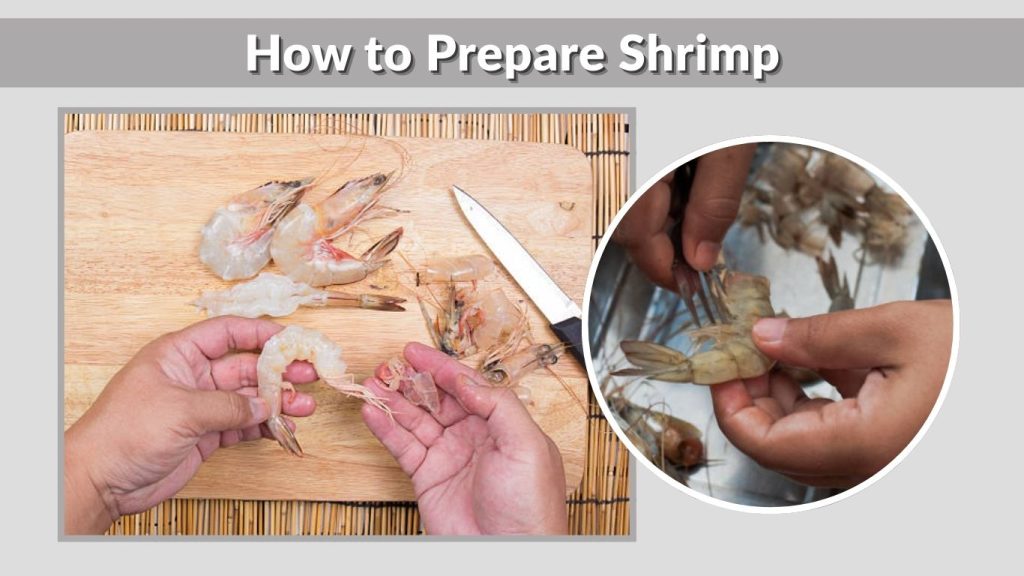
Proper preparation improves both texture and flavor. Most shrimp are sold with the shell on, partially peeled, or fully cleaned.
How to Peel and Devein Shrimp
To peel shrimp, remove the legs and gently pull off the shell starting from the head end. You may leave the tail on for presentation or remove it completely.
To devein shrimp, make a shallow cut along the back and remove the dark vein with the tip of a knife. While the vein is not harmful, removing it improves appearance and texture.
Should You Leave the Tail On?
Leaving the tail on can enhance presentation, especially for grilled shrimp or shrimp cocktails. However, for dishes like pasta or stir-fries, removing the tail makes eating more convenient. The choice depends on the recipe and personal preference.
How to Cook Shrimp
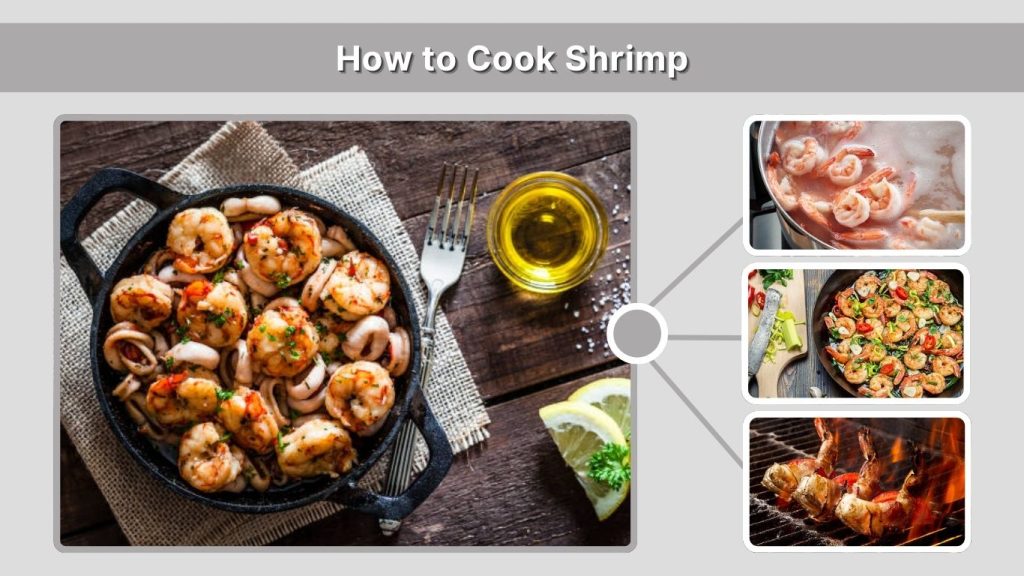
Shrimp cooks very quickly, which makes it convenient but also easy to overcook. Properly cooked shrimp turns pink and opaque with a firm yet tender texture. Overcooked shrimp becomes rubbery and tough.
Boiling
Boiling is a simple method often used for shrimp cocktails. Bring salted water to a boil, add shrimp, and cook for about two to three minutes until pink and opaque. Immediately transfer to ice water to stop the cooking process.
Sautéing
Sautéing shrimp in a pan with olive oil, garlic, and seasonings is one of the fastest cooking methods. Cook over medium-high heat for about two to three minutes per side. This method works well for shrimp pasta, tacos, or stir-fries.
Grilling
Large shrimp are ideal for grilling. Skewer them to prevent falling through the grates. Grill for about two to three minutes per side. Grilling adds a smoky flavor that pairs well with marinades and spices.
Baking or Roasting
Baking shrimp in the oven is an easy hands-off method. Spread shrimp in a single layer, season, and bake at 400°F (200°C) for about eight to ten minutes, depending on size. This method is great for sheet-pan meals.
As a general rule, shrimp cooks in just a few minutes. Once it curls into a loose “C” shape and turns opaque, it’s done.
Potential Risks and Considerations
While shrimp is nutritious, there are a few factors to keep in mind. Shellfish allergies are common, and individuals with allergies should avoid shrimp entirely.
Shrimp generally contains lower mercury levels compared to larger fish, making it safer for regular consumption in moderation. However, sustainability varies depending on farming and fishing practices. Choosing responsibly sourced shrimp supports healthier oceans.
FAQs
Is shrimp healthy to eat regularly?
For most people, shrimp can be part of a healthy diet when eaten in moderation. It is high in protein and low in calories and saturated fat. Those with shellfish allergies or specific medical conditions should consult a healthcare professional before consuming it frequently.
How long does shrimp take to cook?
Shrimp typically cooks in two to four minutes, depending on size and cooking method. It is done when it turns pink and opaque. Overcooking can cause a rubbery texture, so it’s important to watch it closely while cooking.
Can you eat shrimp raw?
Some shrimp dishes, such as certain sushi preparations, use raw shrimp. However, it must be handled and sourced properly to reduce the risk of foodborne illness. Most shrimp is best enjoyed cooked for safety.
What is the healthiest way to cook shrimp?
Grilling, steaming, boiling, or sautéing with minimal oil are considered healthier cooking methods. These techniques preserve nutrients without adding excessive calories from heavy sauces or deep frying.