




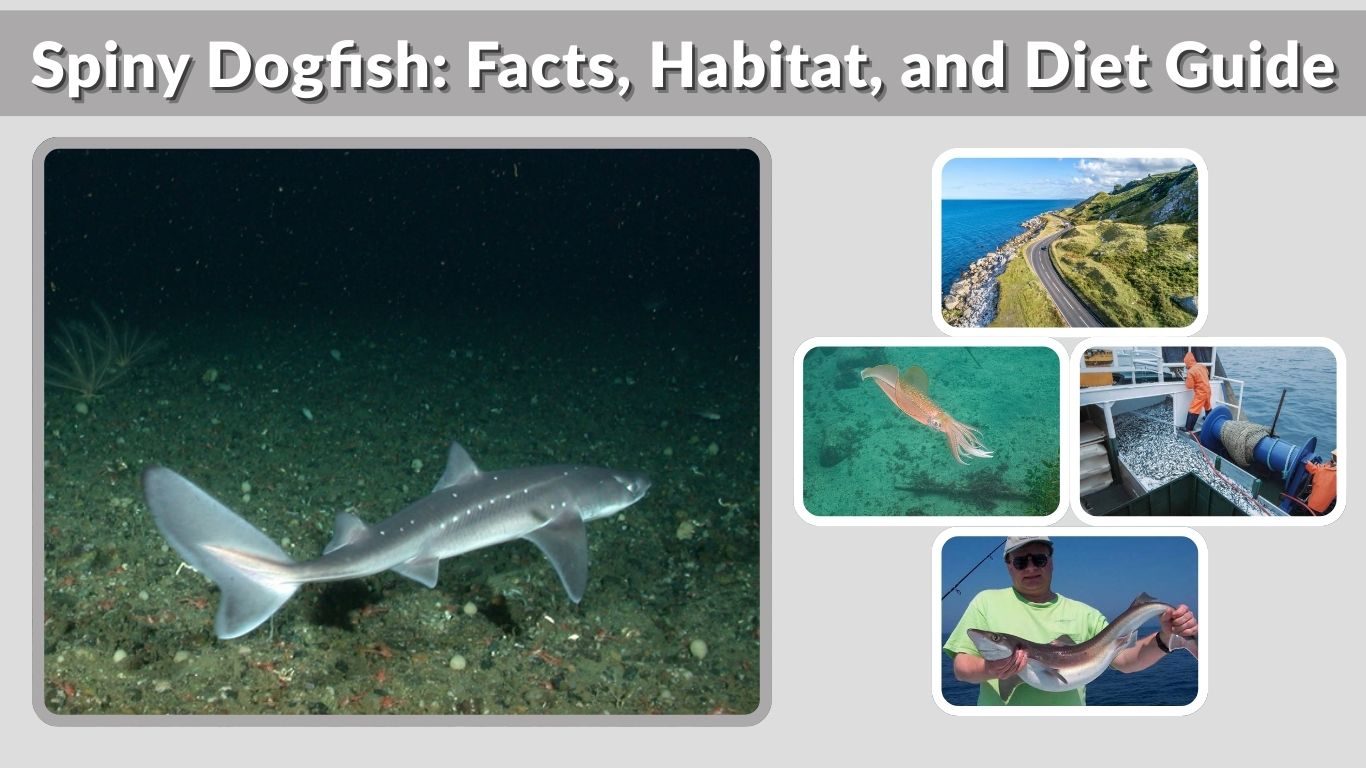
The spiny dogfish (Squalus acanthias) is one of the most widely distributed shark species in the world. Known for its slender body and sharp dorsal spines, this small shark is found in both the Atlantic and Pacific Oceans. Despite its modest size, the spiny dogfish plays an important role in marine ecosystems and has one of the longest gestation periods of any vertebrate. From its unique defensive spines to its schooling behavior, this fascinating shark species has captured the interest of scientists and fishermen alike.
What Is a Spiny Dogfish?
The spiny dogfish is a small shark species belonging to the family Squalidae. Its scientific name, Squalus acanthias, refers to its spiny appearance. It is commonly called the dogfish shark, Atlantic spiny dogfish, or Pacific spiny dogfish, depending on the region.
The name “dogfish” comes from its pack-hunting behavior. These sharks often travel and hunt in large groups, similar to how dogs move in packs. Unlike many larger shark species, the spiny dogfish is relatively small and slender, but it is highly adaptable and resilient.
This species is especially well-known for the sharp spines located in front of its two dorsal fins. These spines serve as a defense mechanism against predators.
Physical Characteristics
Size and Weight
Spiny dogfish are considered small sharks. Males typically grow to about 2.5 to 3 feet (75–90 cm) in length, while females are usually larger, reaching up to 3.5 to 4 feet (100–120 cm). In rare cases, some individuals may grow slightly longer.
They generally weigh between 8 and 20 pounds, depending on age and sex. Females not only grow larger but also live longer than males.
Distinctive Features
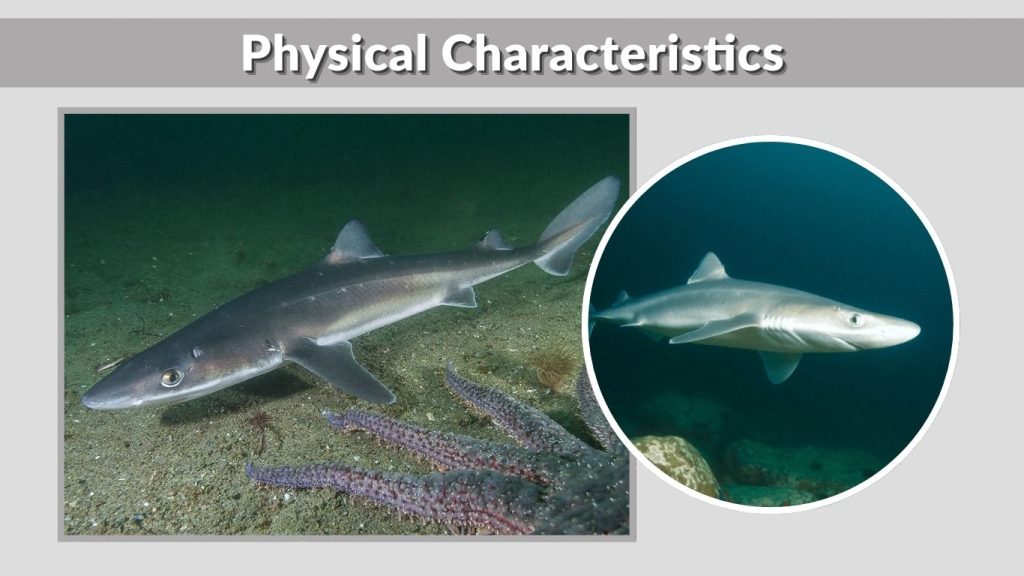
The most recognizable feature of the spiny dogfish is the pair of sharp, venomous spines positioned in front of each dorsal fin. These spines can inject mild venom if the shark is threatened, making them an effective defense tool.
Other distinguishing traits include:
- A slender, streamlined body
- Gray or brownish coloration on top
- White or pale underside
- White spots along the sides (especially in younger individuals)
- Absence of an anal fin
Unlike some shark species, spiny dogfish have smooth skin covered in tiny tooth-like scales called dermal denticles, which reduce drag as they swim.
Habitat and Distribution
Where Do Spiny Dogfish Live?
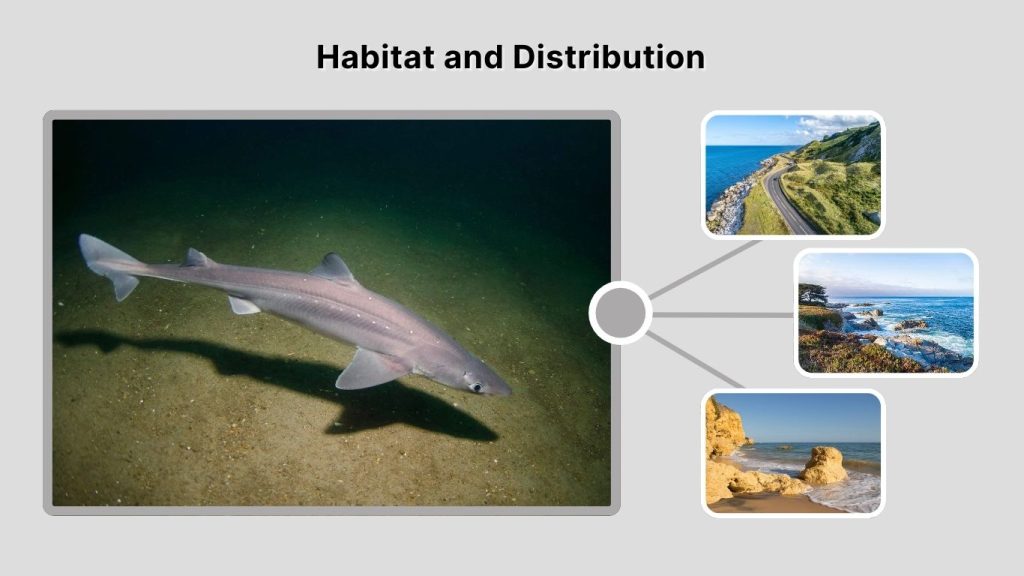
Spiny dogfish are found in temperate and subarctic waters around the globe. They are especially common in:
- The North Atlantic Ocean
- The North Pacific Ocean
- Coastal waters of North America
- European coastal regions
Both Atlantic and Pacific populations exist, though they may have slight behavioral differences.
Preferred Environment
These sharks are primarily bottom-dwellers, meaning they spend much of their time near the ocean floor. However, they can also be found throughout the water column depending on food availability.
Spiny dogfish typically inhabit waters ranging from shallow coastal areas to depths of about 3,000 feet (900 meters). They prefer cool water temperatures and often migrate seasonally in search of food or suitable breeding grounds.
During warmer months, they may move closer to shore, while in colder seasons, they tend to migrate offshore or southward.
Diet and Feeding Behavior
What Do Spiny Dogfish Eat?
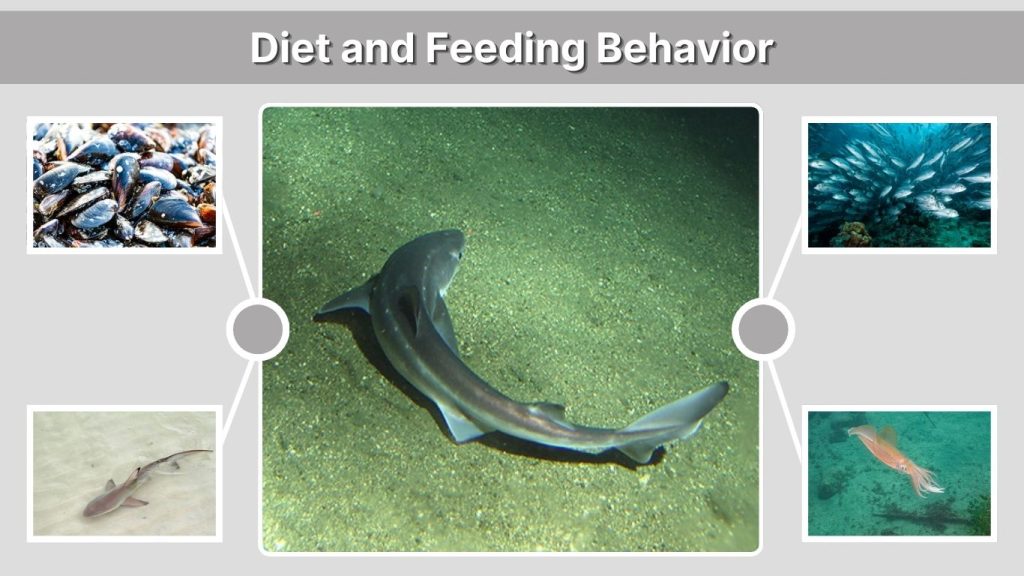
Spiny dogfish are opportunistic feeders with a varied diet. They primarily consume:
- Small fish such as herring and mackerel
- Squid
- Crustaceans
- Marine worms
- Smaller sharks and fish eggs
Their diet often depends on availability and region.
Hunting Strategy
One of the most interesting aspects of spiny dogfish behavior is their tendency to hunt in packs. Large schools of dogfish may work together to chase and trap prey. This cooperative feeding strategy allows them to target larger schools of fish effectively.
They are mostly nocturnal feeders, becoming more active at night when many prey species are also active. Their sharp teeth and strong jaws allow them to grasp slippery prey with ease.
Behavior and Social Structure
Spiny dogfish are highly social sharks. Unlike many solitary shark species, they often travel in large schools that can number in the hundreds or even thousands. These schools are sometimes grouped by size and sex, with females typically forming separate groups from males.
Seasonal migration is another key aspect of their behavior. Spiny dogfish move in response to water temperature and food availability. In many regions, they migrate north during warmer months and head south as temperatures drop. These predictable migration patterns have made them a well-known species in commercial fisheries.
Although they are active swimmers, spiny dogfish are not aggressive toward humans. Their social and schooling behavior mainly serves feeding and survival purposes.
Reproduction and Lifespan
Unique Reproductive Process
One of the most remarkable features of the spiny dogfish is its reproductive cycle. This species is ovoviviparous, meaning embryos develop inside eggs that remain within the mother’s body until they hatch. The young are then born alive.
Spiny dogfish have one of the longest gestation periods of any vertebrate animal, lasting approximately 18 to 24 months. This extremely long pregnancy contributes to their slow population growth.
Females typically give birth to 2 to 20 pups per litter, depending on their size and age. The pups are usually about 8 to 13 inches long at birth and are fully independent immediately after being born.
Lifespan
Spiny dogfish are slow-growing sharks with impressive longevity. Males generally live around 30 to 40 years, while females can live up to 70 years or more in some cases.
Because they mature late—often between 10 and 20 years of age—their populations are particularly vulnerable to overfishing. Slow growth combined with long gestation means recovery from population declines can take decades.
Are Spiny Dogfish Dangerous?
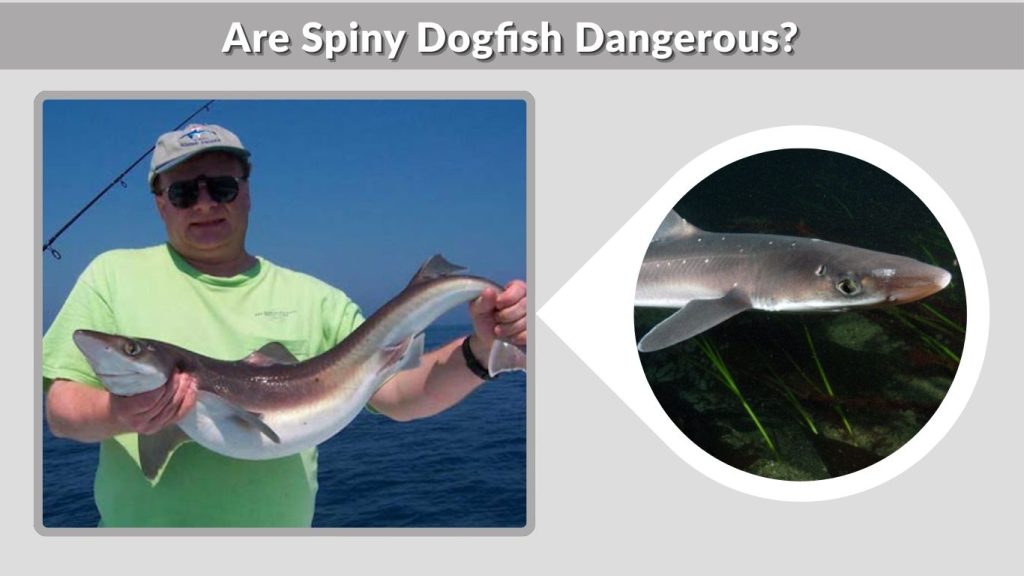
Spiny dogfish are not considered dangerous to humans. They are small, shy sharks that pose little threat to swimmers or divers.
However, they do have defensive dorsal spines that contain mild venom. If handled improperly, these spines can cause painful wounds. Most injuries occur when fishermen accidentally come into contact with the spines while removing the shark from nets or hooks.
In natural settings, spiny dogfish avoid human interaction and focus primarily on feeding and migration.
Importance in the Ecosystem
Spiny dogfish play an important role as mid-level predators in marine ecosystems. By feeding on small fish, squid, and invertebrates, they help regulate prey populations and maintain ecological balance.
At the same time, they serve as prey for larger sharks, marine mammals, and occasionally large predatory fish. This positioning in the food web makes them a crucial link between lower and higher trophic levels.
Healthy spiny dogfish populations contribute to stable and balanced ocean environments.
Spiny Dogfish and Fisheries
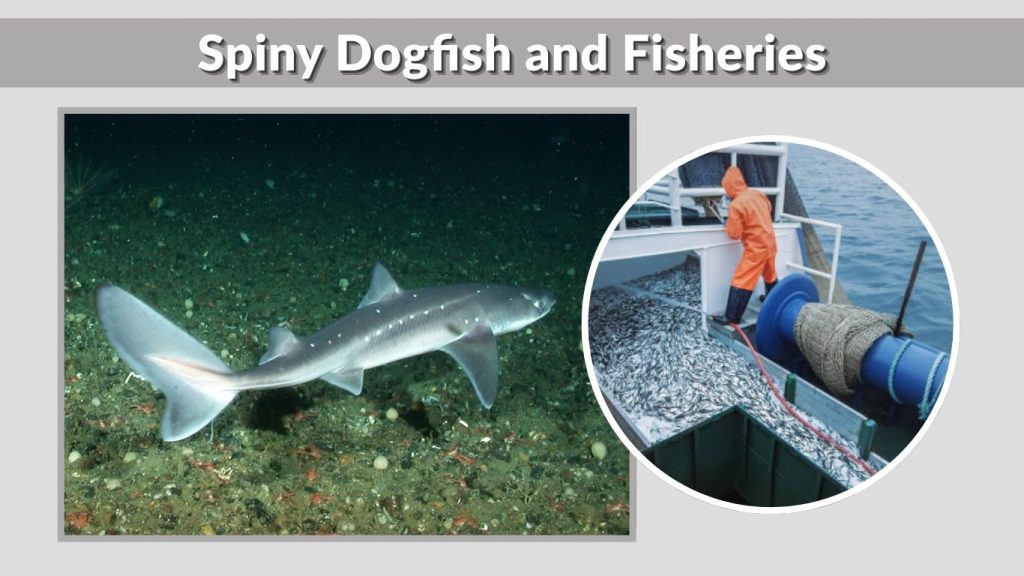
Spiny dogfish have long been targeted by commercial fisheries. They are harvested for their meat, which is sold under various market names, including “rock salmon,” “cape shark,” or simply “dogfish.”
In some countries, their meat is used in fish and chips. They have also been processed for fish oil and other products.
Heavy fishing pressure during the 20th century caused significant population declines in certain regions. Due to their slow reproductive rate, overfished populations have struggled to recover quickly. Today, many fisheries manage spiny dogfish under strict regulations, including quotas and seasonal limits.
Conservation Status
The conservation status of spiny dogfish varies by region. In some areas, populations have shown signs of recovery thanks to improved fishery management. In others, they remain vulnerable due to past overfishing and ongoing pressure.
Because they mature late and reproduce slowly, spiny dogfish are particularly sensitive to exploitation. Sustainable fishing practices and long-term monitoring are essential to maintaining healthy populations.
Conservation efforts focus on catch limits, scientific research, and ecosystem-based management approaches to ensure the species remains stable for future generations.
FAQs
How big does a spiny dogfish get?
Spiny dogfish typically grow between 2.5 and 4 feet long. Females are generally larger than males and can reach up to 4 feet in length. Most adults weigh between 8 and 20 pounds, depending on age, sex, and environmental conditions.
How long do spiny dogfish live?
Spiny dogfish are long-lived sharks. Males usually live around 30 to 40 years, while females can live 50 to 70 years or more. Their slow growth rate and late maturity make them vulnerable to overfishing.
Are spiny dogfish poisonous?
Spiny dogfish are not poisonous, but they do have mildly venomous dorsal spines. These spines are used for defense and can cause painful injuries if handled carelessly. They are not dangerous to swimmers.
What is the gestation period of a spiny dogfish?
The gestation period of a spiny dogfish lasts approximately 18 to 24 months. This is one of the longest pregnancies among vertebrates and contributes to the species’ slow population growth.
Can you eat spiny dogfish?
Yes, spiny dogfish are edible and commonly sold under names like rock salmon or cape shark. Their meat is firm and widely used in fish and chips in some countries. Sustainable sourcing is important due to past overfishing concerns.