




Stingrays are among the most fascinating and misunderstood creatures in the ocean. With their flat bodies, graceful movements, and long tails, they often appear calm and harmless. However, their venomous barb has given them an undeserved reputation as aggressive marine animals. In reality, stingrays are generally peaceful and prefer to avoid human contact whenever possible. Found in oceans and freshwater systems around the world, stingrays play an important role in maintaining healthy aquatic ecosystems. This article explores what stingrays are, where they live, how they behave, and why understanding them is essential for both marine conservation and human safety.
What Is a Stingray?
A stingray is a type of cartilaginous fish, meaning its skeleton is made of cartilage rather than bone. This group of fish also includes sharks and skates. Stingrays belong to the class Chondrichthyes and are closely related to sharks, sharing similar evolutionary traits such as strong sensory systems and flexible bodies.
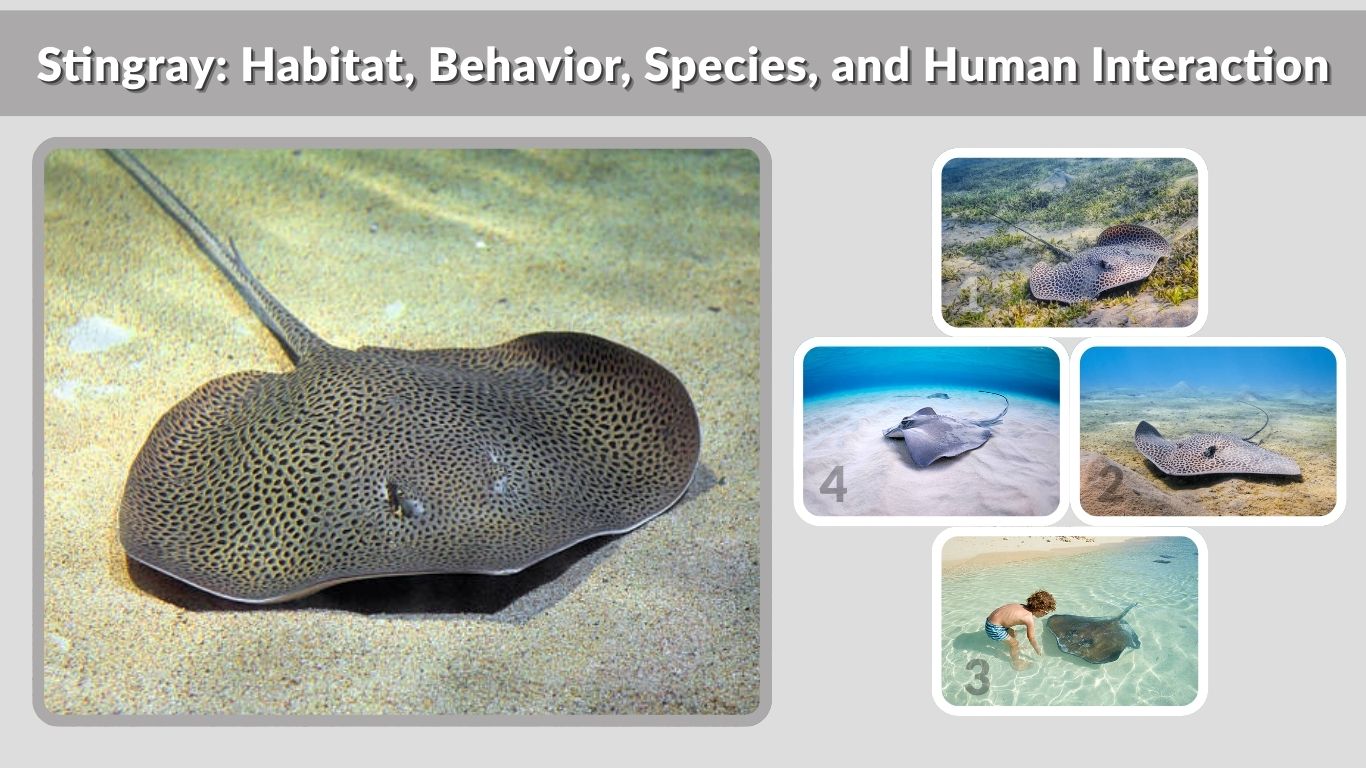
Unlike sharks, stingrays have flattened bodies and wide pectoral fins that resemble wings. These fins allow them to glide smoothly through the water, often giving the impression that they are flying underwater. Most stingray species live near the ocean floor, where they spend much of their time resting, feeding, or hiding from predators.
Physical Characteristics of Stingrays
Stingrays are easily recognized by their disc-shaped bodies and long, whip-like tails. Their eyes are located on the top of their heads, while their mouths and gill slits are found on the underside. This positioning allows them to breathe while resting on the seafloor and to feed efficiently on bottom-dwelling prey.
One of the most notable features of a stingray is its tail barb. This sharp spine is coated with venom and is used purely for defense. Stingrays do not use their barbs to hunt, and they only strike when they feel threatened or accidentally stepped on. Many stingrays are also excellent at camouflage, using sand and sediment to cover themselves and blend into their surroundings.
Types of Stingrays
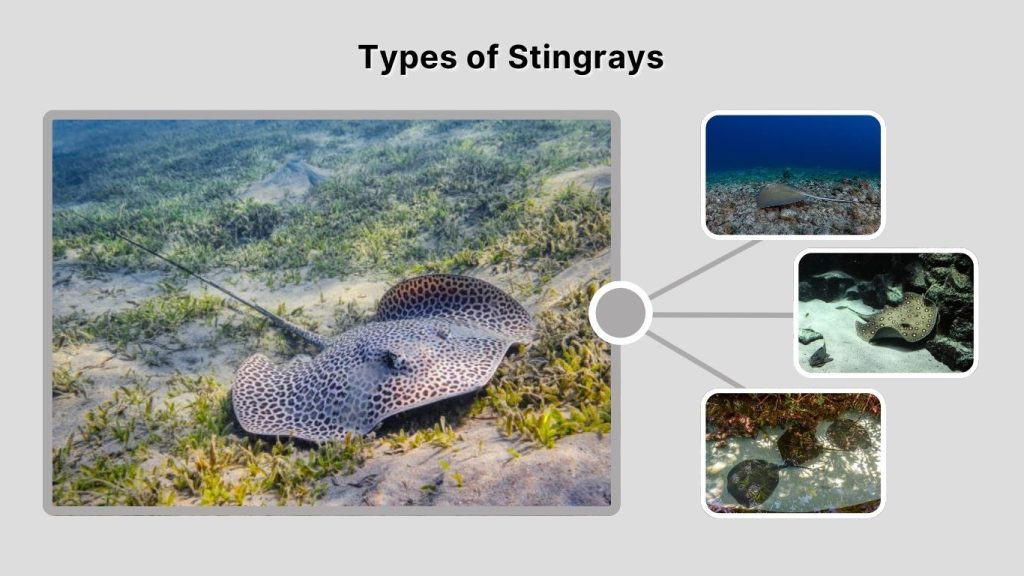
There are more than 200 known species of stingrays, varying widely in size, color, and habitat. While most species are marine, some have adapted to freshwater environments such as rivers and lakes. Each species has unique characteristics that help it survive in its specific ecosystem.
Common Stingray Species
The southern stingray is one of the most well-known species and is commonly found in shallow coastal waters of the Atlantic Ocean. It has a broad body and a relatively docile temperament. The blue-spotted stingray, recognizable by its vibrant blue spots, is often found near coral reefs in the Indo-Pacific region. Freshwater stingrays, primarily found in South American river systems, are among the largest stingray species and can grow to impressive sizes.
Stingray vs Manta Ray
Stingrays are often confused with manta rays, but there are key differences between the two. Manta rays are much larger and do not have venomous tail barbs. They are filter feeders, consuming plankton from the water column, while stingrays typically feed on organisms found on or near the ocean floor. Additionally, manta rays tend to live in open waters, whereas stingrays prefer coastal and bottom habitats.
Stingray Habitat and Distribution
Stingrays are found in oceans across the globe, from tropical seas to temperate coastal regions. Some species also inhabit freshwater rivers, especially in South America and Southeast Asia. Their ability to adapt to different environments has allowed stingrays to thrive in a wide range of aquatic ecosystems.
Where Do Stingrays Live?
Most stingrays prefer shallow coastal waters, where food is abundant and predators are fewer. They are commonly found near sandy beaches, coral reefs, estuaries, and lagoons. Freshwater stingrays live in slow-moving rivers and muddy riverbeds, where they hunt for prey and avoid larger predators.
Environmental Conditions They Prefer
Stingrays typically favor warm waters and soft substrates such as sand or mud. These conditions allow them to bury themselves easily for protection and ambush feeding. Shallow waters are especially important for juvenile stingrays, as they provide shelter and access to smaller prey.
Stingray Behavior and Diet

Stingrays are generally calm and slow-moving animals that spend much of their time resting on the ocean floor. They are most active during early morning and evening hours, when they search for food. Because of their bottom-dwelling lifestyle, stingrays rely heavily on camouflage and sensory perception rather than speed to survive.
What Do Stingrays Eat?
Stingrays are carnivorous and primarily feed on small animals that live on or beneath the seabed. Their diet commonly includes crabs, shrimp, clams, worms, and small fish. Using specialized sensory organs called electroreceptors, stingrays can detect the electrical signals produced by buried prey. Once located, they use their powerful jaws and flat teeth to crush hard shells and consume their food.
How Stingrays Hunt and Protect Themselves
To hunt effectively, stingrays often hover just above the ocean floor or bury themselves in sand, leaving only their eyes exposed. When prey passes nearby, they strike quickly by pinning it to the seabed. For protection, stingrays rely on their camouflage and venomous tail barb. The barb is only used as a last defense when the stingray feels threatened, such as when stepped on by a human or attacked by a predator.
Size, Lifespan, and Growth
Stingray size varies greatly depending on the species. Smaller species may measure less than one foot across, while larger species can reach widths of over six feet. Freshwater stingrays are often among the heaviest, with some weighing several hundred pounds.
In the wild, most stingrays live between 15 and 25 years, although some species may live longer under favorable conditions. Growth rates depend on food availability, habitat quality, and environmental stability. Stingrays grow slowly, which makes them particularly vulnerable to overfishing and habitat destruction.
Are Stingrays Dangerous to Humans?
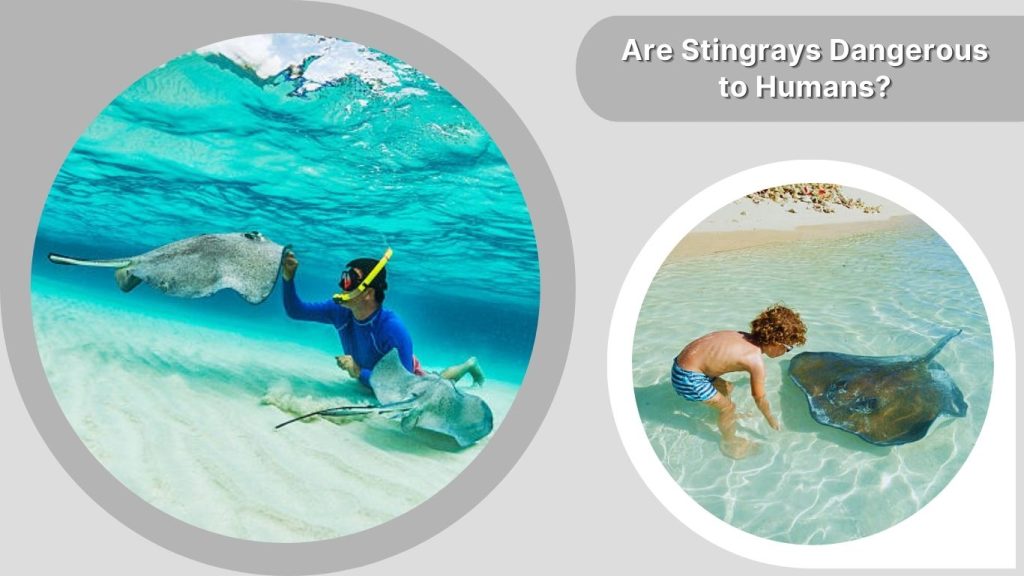
Stingrays are not aggressive animals, and attacks on humans are extremely rare. Most stingray injuries occur accidentally when a person steps on a stingray that is buried in the sand. In response, the stingray instinctively flicks its tail upward to defend itself.
Stingray Stings and Venom
The stingray’s barb contains venom that can cause intense pain, swelling, and discomfort. While stings are painful, they are rarely life-threatening. Severe injuries typically result from improper wound care or stings to sensitive areas. Prompt treatment significantly reduces the risk of complications.
How to Avoid Stingray Injuries
One of the most effective ways to avoid stingray stings is to perform the “stingray shuffle” when walking in shallow water. By shuffling your feet along the sand instead of stepping down, you alert stingrays to your presence and give them time to swim away. Being aware of your surroundings and avoiding areas where stingrays are known to rest can also reduce the risk of injury.
What to Do If You Are Stung by a Stingray
If a stingray sting occurs, immediate first aid is crucial. The affected area should be immersed in hot water, as heat helps neutralize the venom and reduce pain. The wound should then be cleaned thoroughly to prevent infection. Medical attention is recommended, especially if the sting is severe or symptoms worsen over time.
Stingray Reproduction and Life Cycle
Most stingrays give birth to live young rather than laying eggs. Females carry developing embryos for several months before giving birth to fully formed baby stingrays. These young stingrays are independent from birth and must immediately fend for themselves. Reproduction rates are relatively low, which makes stingray populations slow to recover from environmental threats.
Natural Predators and Threats

In the wild, stingrays are preyed upon by large sharks and marine mammals. However, human activity poses the greatest threat to their survival. Commercial fishing, habitat destruction, pollution, and climate change have significantly impacted stingray populations worldwide.
Human Threats to Stingrays
Overfishing, both intentional and accidental, has led to population declines in many regions. Coastal development and water pollution further reduce suitable habitats. Conservation efforts are increasingly important to protect stingrays and maintain the balance of marine ecosystems.
Stingray Conservation and Ecological Importance
Stingrays play a vital role in controlling populations of bottom-dwelling organisms and maintaining healthy seabed environments. While some species are considered stable, others are classified as vulnerable or endangered. Conservation programs focus on habitat protection, fishing regulations, and public education.
Interesting Facts About Stingrays
Stingrays can sense electric fields produced by other animals, allowing them to locate prey even when it is buried. Some species can partially leap out of the water, while others are known for their striking patterns and colors. Despite their fearsome reputation, stingrays are intelligent and adaptable creatures.
Conclusion
Stingrays are remarkable animals that combine beauty, intelligence, and ecological importance. Though often misunderstood, they are not dangerous when treated with respect. By learning about their behavior, habitats, and conservation needs, humans can better coexist with stingrays and help protect these unique creatures for future generations.