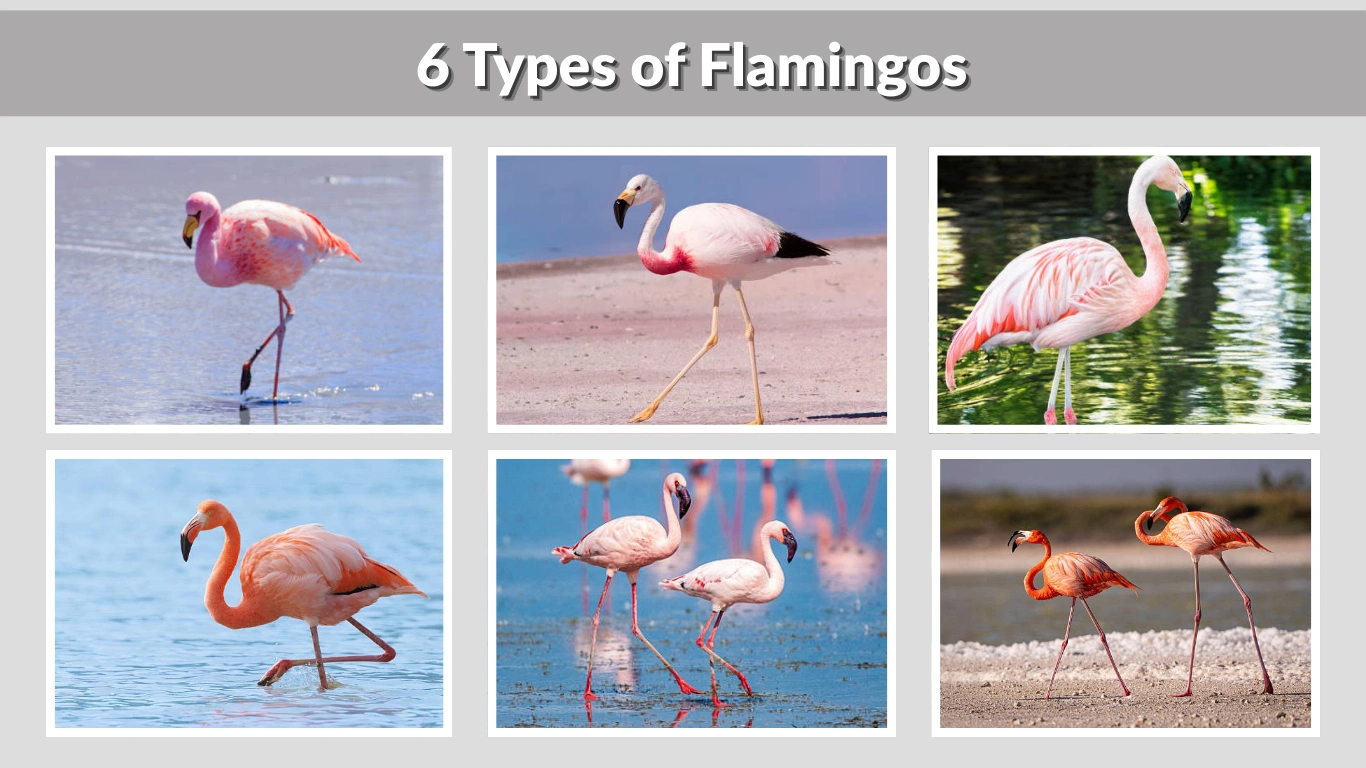
Flamingos are among the most recognizable birds in the world, admired for their long legs, curved bills, and striking pink coloration. Despite their widespread fame and presence across multiple continents, flamingos are surprisingly limited in diversity. Modern science recognizes only six living species, each adapted to very specific habitats ranging from tropical coastlines to extreme high-altitude salt lakes. While they share many physical traits, each species differs in size, color intensity, diet, and geographic range. This guide presents a clear, species-by-species overview of all six flamingos, highlighting their unique characteristics, habitats, and conservation status in a structured and easy-to-read format.
1. Greater Flamingo
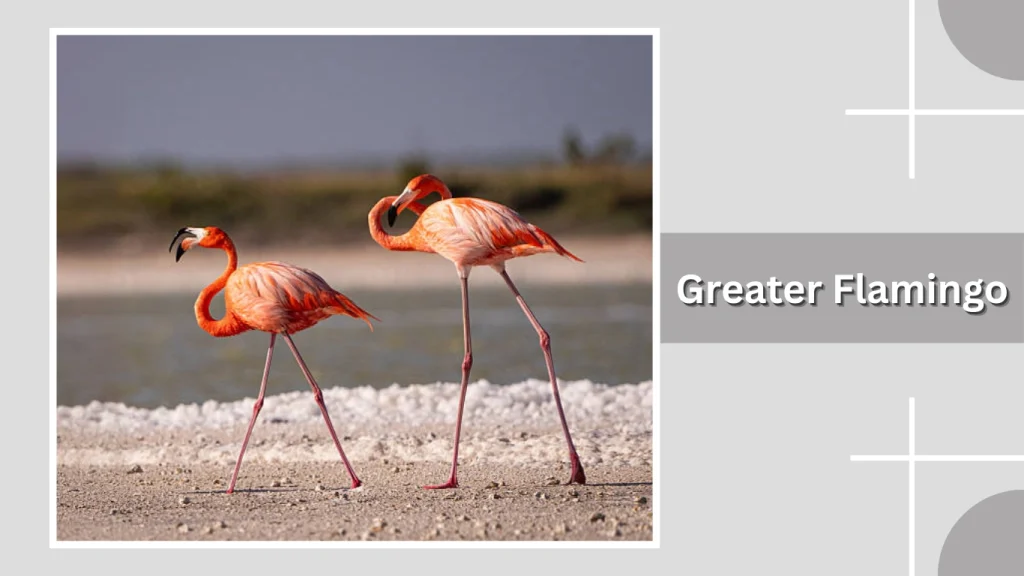
The Greater Flamingo is the largest and most widespread flamingo species in the world. Known for its elegant height, pale pink plumage, and graceful movements, it is often the flamingo people imagine first. This species thrives in large colonies and is highly adaptable, living across parts of Europe, Africa, the Middle East, and South Asia. Its presence is a strong indicator of healthy wetland ecosystems.
Identification
- Tall stature, standing up to 1.5 meters (5 feet)
- Pale pink to whitish body with bright pink wing coverts
- Black flight feathers visible when wings are spread
- Long, slender pink legs
- Large, downward-curved bill with a black tip
Habitat and Distribution
Greater Flamingos inhabit shallow saline or alkaline water bodies such as lagoons, salt pans, coastal lakes, and estuaries. They prefer areas with minimal vegetation and high concentrations of algae and small invertebrates. This species has the widest range of all flamingos, found in southern Europe (notably around the Mediterranean), much of Africa, the Middle East, and the Indian subcontinent. Some populations are migratory, moving seasonally in response to water levels and food availability.
Diet and Feeding Behavior
The Greater Flamingo feeds primarily on algae, small crustaceans, mollusks, and insect larvae. Using its specialized bill, it filters food from the water by sweeping its head upside down. Its tongue acts like a pump, pushing water out while trapping edible particles. Unlike the deeper pink Lesser Flamingo, its lighter color reflects a more varied diet with fewer pigment-rich algae.
Conservation Status
The Greater Flamingo is currently listed as Least Concern, with stable or increasing populations in many regions. However, it still faces threats from habitat loss, water pollution, disturbance at breeding sites, and climate change. Conservation efforts focus on protecting wetlands, regulating water use, and monitoring breeding colonies to ensure long-term survival.
2. Lesser Flamingo
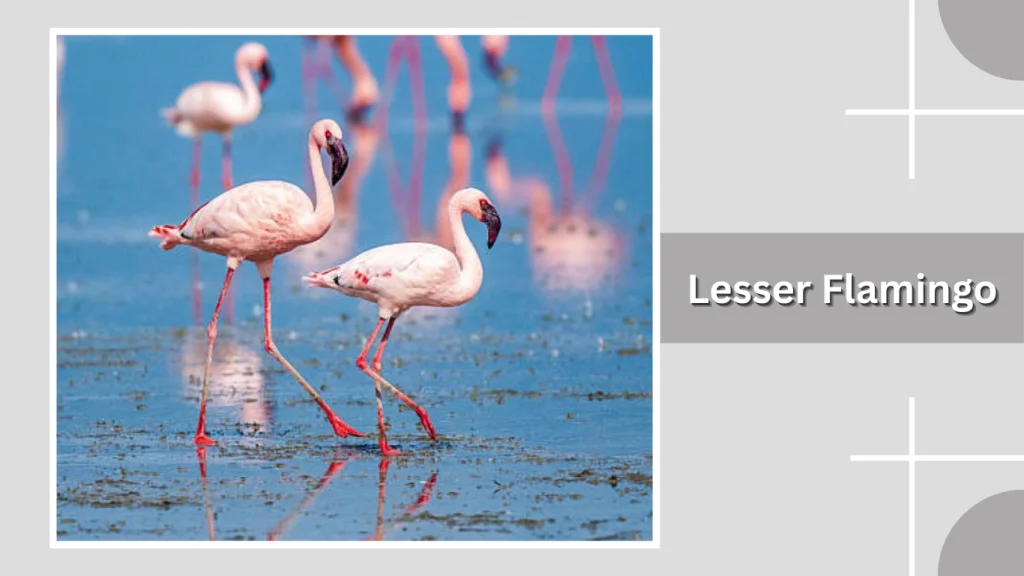
The Lesser Flamingo is the smallest yet most numerous flamingo species in the world. Despite its name, it is visually striking due to its deep pink coloration and dramatic black wing feathers. This species is highly specialized and closely tied to specific wetland conditions, making it both fascinating and vulnerable. Massive flocks, sometimes numbering in the hundreds of thousands, create some of the most spectacular wildlife scenes on Earth.
Identification
- Smaller size compared to other flamingos, about 90–100 cm tall
- Deep crimson to dark pink plumage
- Prominent black wing feathers visible even when resting
- Dark red eyes
- Shorter bill, deep red with a black base, adapted for fine filtering
Habitat and Distribution
Lesser Flamingos are found mainly in eastern and southern Africa, with a smaller population in India. They inhabit highly alkaline and saline lakes, soda lakes, and shallow lagoons that are often inhospitable to other birds. Famous sites include the Rift Valley lakes of Kenya and Tanzania, such as Lake Nakuru and Lake Bogoria. These birds are nomadic, moving frequently in search of suitable water chemistry and food availability.
Diet and Feeding Behavior
This species feeds almost exclusively on microscopic blue-green algae (cyanobacteria), especially Spirulina. Its bill is uniquely designed to filter extremely fine particles, making it more specialized than any other flamingo. This algae-rich diet is responsible for the Lesser Flamingo’s intense pink coloration. Because of this specialization, even small changes in water quality can severely affect food supply.
Conservation Status
The Lesser Flamingo is classified as Near Threatened. Although its global population is large, it depends on a limited number of breeding sites and fragile habitats. Threats include water pollution, industrial development, water diversion, and climate change. Protecting alkaline lakes and maintaining natural water cycles are critical for the survival of this species.
3. American Flamingo
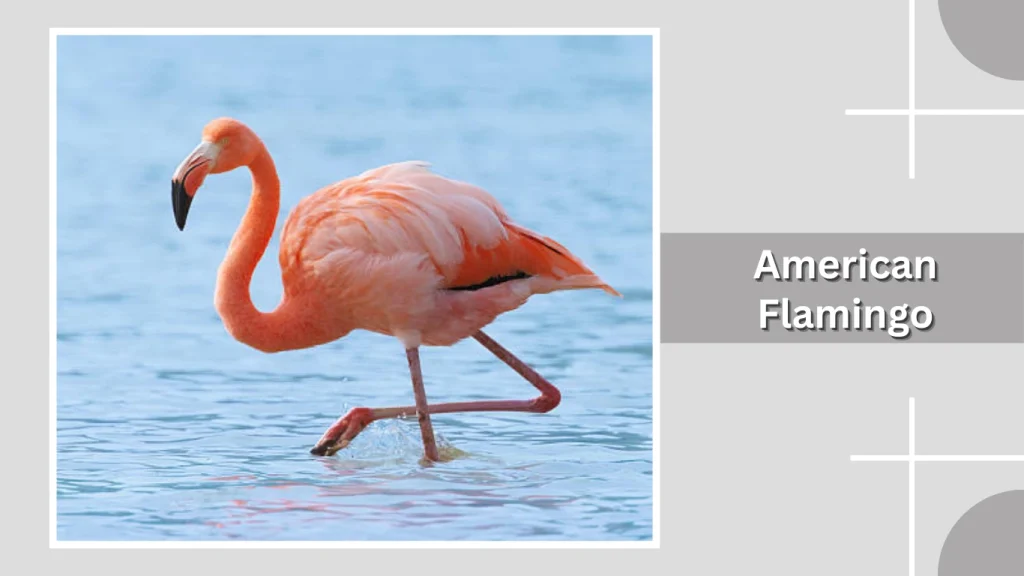
The American Flamingo, also known as the Caribbean Flamingo, is the most brightly colored of all flamingo species. With its vivid coral-pink feathers and striking presence, it is often considered the most visually dramatic flamingo. This species is strongly associated with tropical and subtropical regions and is an iconic bird of the Caribbean landscape.
Identification
- Medium to large size, standing about 120–145 cm tall
- Bright reddish-pink plumage, deeper than most other species
- Long pink legs and neck
- Large bill that is mostly pink with a black tip
- Black flight feathers visible in flight
Habitat and Distribution
American Flamingos are found throughout the Caribbean islands, northern South America, the Yucatán Peninsula, the Galápagos Islands, and parts of southern Florida. They inhabit shallow coastal lagoons, salt flats, mangrove swamps, and estuaries. These birds prefer warm climates and calm waters rich in food. While generally non-migratory, they may move locally in response to storms, droughts, or changes in water levels.
Diet and Feeding Behavior
Their diet consists mainly of small crustaceans, mollusks, insects, and algae. Like other flamingos, they feed with their heads upside down, using their specialized bills to filter food from the water. The high concentration of carotenoid pigments in their prey is what gives them their intense pink coloration. Juveniles are grayish-white and gradually turn pink as their diet changes with age.
Conservation Status
The American Flamingo is currently listed as Least Concern, but its populations are sensitive to human disturbance. Coastal development, pollution, habitat destruction, and tourism near breeding sites pose ongoing risks. Conservation efforts focus on protecting nesting areas, regulating human activity, and preserving coastal wetlands. In some regions, populations have shown encouraging signs of recovery due to improved protection.
4. Chilean Flamingo
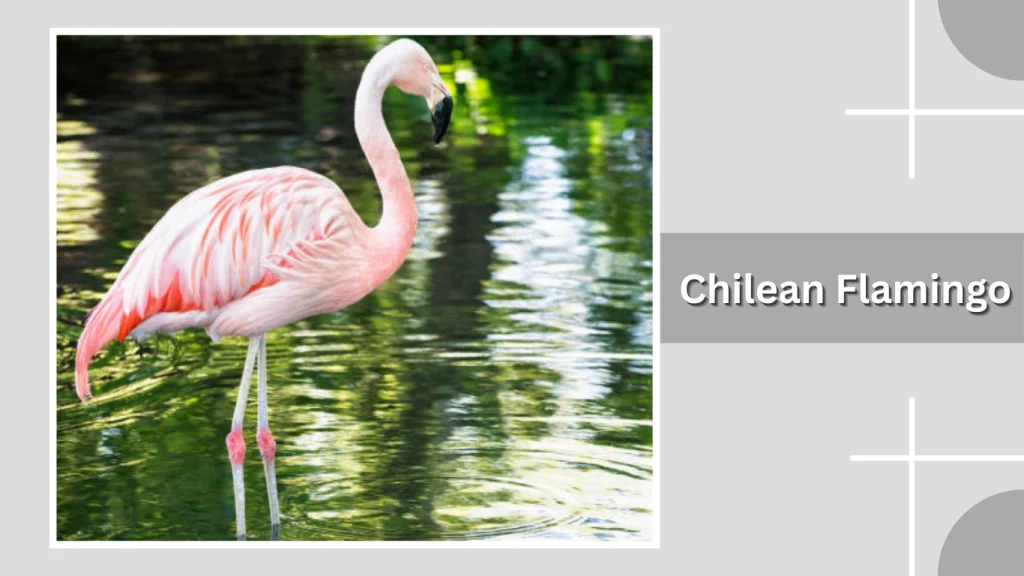
The Chilean Flamingo is a graceful, medium-sized species known for its softer coloration and distinctive leg pattern. Less intensely pink than some of its relatives, it stands out through subtle elegance rather than brightness. This species is highly adaptable and occupies a wide range of wetland habitats across southern South America, often sharing feeding grounds with other flamingo species.
Identification
- Medium-sized flamingo, about 110–130 cm tall
- Pale pink to whitish body with slightly darker wing feathers
- Grayish legs with noticeable pink “knees” (ankles)
- Large bill that is pale pink with a black tip
- Black flight feathers visible during flight
Habitat and Distribution
Chilean Flamingos are widely distributed across southern and central South America, including Chile, Argentina, Bolivia, Paraguay, Uruguay, and southern Brazil. They inhabit shallow freshwater and saltwater lakes, lagoons, estuaries, and even flooded grasslands. Unlike some flamingos that rely on extreme environments, this species tolerates a broader range of water conditions, allowing it to spread across diverse landscapes. Seasonal movements occur, especially in response to colder temperatures in the southern parts of its range.
Diet and Feeding Behavior
Their diet is varied and includes small crustaceans, insect larvae, mollusks, worms, and algae. The Chilean Flamingo uses filter-feeding techniques similar to other species but is less specialized than the Lesser Flamingo. This flexible feeding strategy helps it survive in habitats where food types change seasonally. Because its diet contains fewer pigment-rich organisms, its plumage remains lighter in color.
Conservation Status
The Chilean Flamingo is classified as Near Threatened. While still relatively widespread, it faces growing threats from wetland drainage, pollution, mining activities, water extraction, and human disturbance at breeding sites. Climate change also affects water availability in key habitats. Conservation efforts focus on wetland protection, cross-border habitat management, and monitoring population trends to prevent further decline.
5. Andean Flamingo
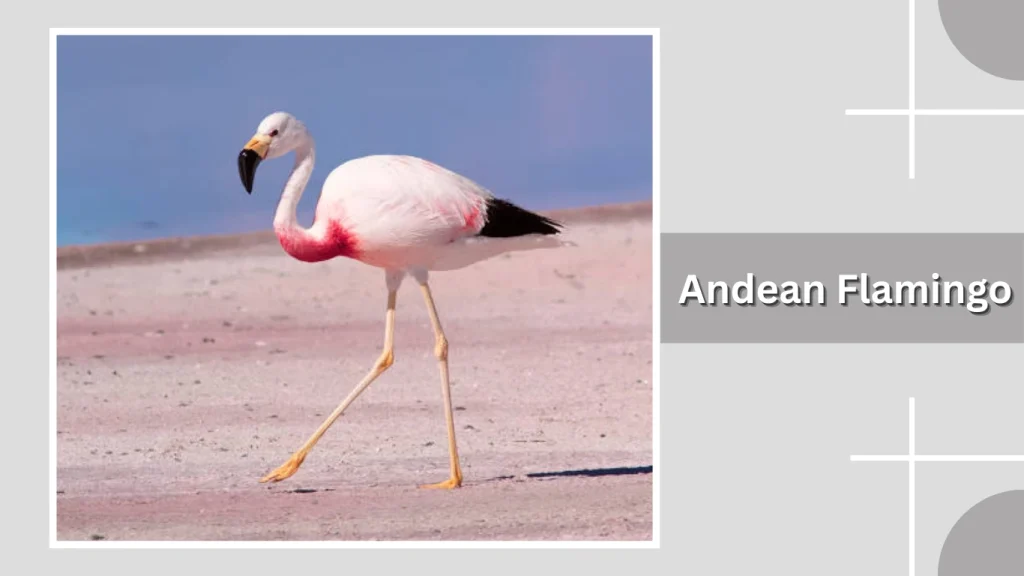
The Andean Flamingo is one of the rarest and most specialized flamingo species in the world. Adapted to extreme high-altitude environments, it lives in some of the harshest conditions any flamingo can tolerate. Its limited range, small population, and dependence on fragile ecosystems make it a key indicator of environmental health in the Andes.
Identification
- Medium-sized flamingo, about 100–110 cm tall
- Pale pink body with a slightly creamy tone
- Distinctive yellow legs and feet, unique among flamingos
- Large bill that is mostly yellow with a black tip
- Black flight feathers visible in flight
Habitat and Distribution
The Andean Flamingo inhabits high-altitude salt lakes and wetlands of the central Andes, primarily in Bolivia, Peru, Chile, and Argentina. These wetlands are often located at elevations above 3,500 meters (11,500 feet), where temperatures fluctuate dramatically and oxygen levels are low. The species favors shallow, mineral-rich lakes and salt flats. Seasonal movements occur as birds shift between breeding and feeding sites depending on water availability and freezing conditions.
Diet and Feeding Behavior
This flamingo feeds mainly on microscopic algae and diatoms, which thrive in mineral-rich Andean lakes. Using its specialized bill, it filters fine food particles from the water and muddy substrates. Its feeding behavior is highly adapted to its environment, but this specialization also makes it vulnerable—any disruption to water chemistry or algae growth can significantly impact food supply.
Conservation Status
The Andean Flamingo is classified as Vulnerable. Its population is relatively small and declining due to habitat degradation, mining activities (especially lithium and boron extraction), water diversion, and climate change. Because it relies on a limited number of breeding sites, even small disturbances can have serious consequences. Conservation efforts focus on protecting high-altitude wetlands, regulating industrial activities, and promoting international cooperation across the species’ range.
6. James’s Flamingo
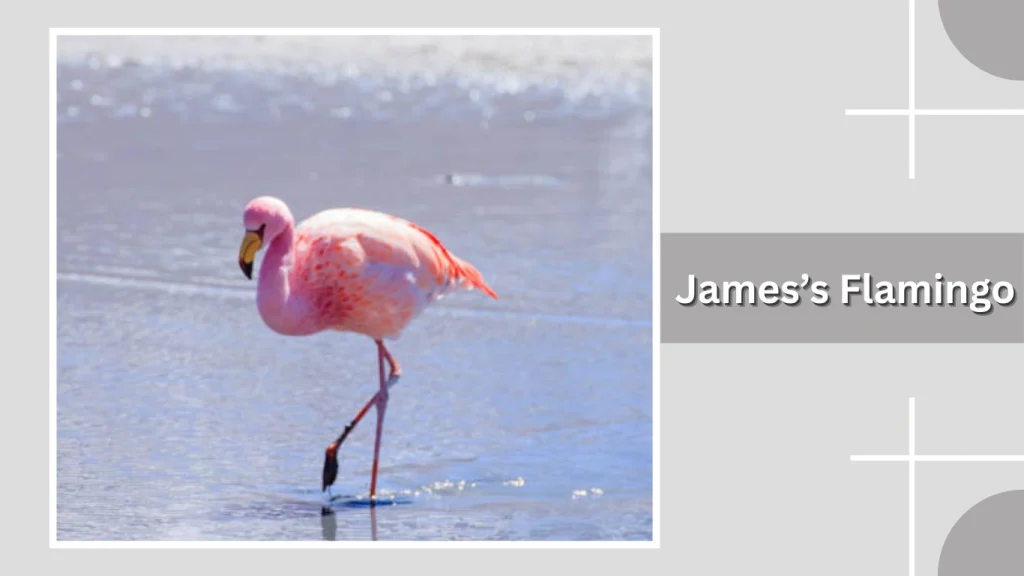
The James’s Flamingo, also known as the Puna Flamingo, is the smallest and rarest of the South American flamingos. Once thought to be extinct, it was rediscovered in the mid-20th century, making it one of the most remarkable conservation stories among birds. Its delicate appearance and restricted range give it a quiet, almost fragile presence in the high Andes.
Identification
- Smallest of the Andean flamingos, about 90–100 cm tall
- Soft pale pink to whitish plumage
- Distinctive bright red streaks on the wings
- Shorter bill that is yellow with a black tip
- Long legs that appear pinkish rather than bright red
Habitat and Distribution
James’s Flamingo is found exclusively in high-altitude wetlands of the central Andes, mainly in Peru, Bolivia, Chile, and Argentina. It inhabits shallow saline lakes, salt flats, and lagoons at elevations often exceeding 4,000 meters (13,000 feet). These environments are cold, windy, and oxygen-poor, yet rich in specialized microorganisms. The species shows seasonal movements, shifting between breeding and feeding lakes depending on water levels and temperature.
Diet and Feeding Behavior
This flamingo feeds primarily on diatoms, a type of microscopic algae. Its finely structured bill is perfectly adapted to filter these tiny food particles from the water. The narrow diet makes James’s Flamingo highly dependent on stable water chemistry. Any changes caused by climate variation or human activity can quickly reduce available food sources, directly affecting survival and breeding success.
Conservation Status
James’s Flamingo is currently classified as Near Threatened. Although populations have recovered somewhat since its rediscovery, it remains vulnerable due to its limited range and specialized habitat requirements. Major threats include mining, water extraction, and climate change. Conservation programs focus on protecting breeding lakes, monitoring populations, and managing high-altitude wetlands across national borders.
FAQs
1. How many species of flamingos are there?
There are six living species of flamingos in the world. Although they look similar, each species is scientifically distinct and adapted to different environments.
2. Why are flamingos pink in color?
Flamingos get their pink color from carotenoid pigments found in their diet, mainly algae and small crustaceans. Without these foods, their feathers would appear pale or white.
3. Do all flamingos live in the same type of habitat?
No. Flamingos live in a wide range of habitats, including coastal lagoons, salt pans, alkaline lakes, and high-altitude wetlands. Some species, like Andean and James’s flamingos, survive in extreme environments.
4. Are flamingos endangered?
Not all flamingos are endangered. Some species are listed as Least Concern, while others are Near Threatened or Vulnerable due to habitat loss, pollution, and climate change.
5. Can flamingos fly long distances?
Yes. Flamingos are strong fliers and can travel hundreds of kilometers in search of food or suitable breeding sites, often flying at night in large flocks.