




Ibex are some of the most impressive mountain-dwelling animals on Earth, famous for their massive curved horns and extraordinary climbing skills. Found across Europe, Africa, and Asia, different types of ibex have adapted to life on steep cliffs, frozen alpine meadows, and scorching desert mountains. In this guide, you’ll explore 12 remarkable types of ibex, learning how each one survives in extreme elevations, escapes predators, and thrives in some of the world’s most rugged landscapes.
1. Alpine Ibex
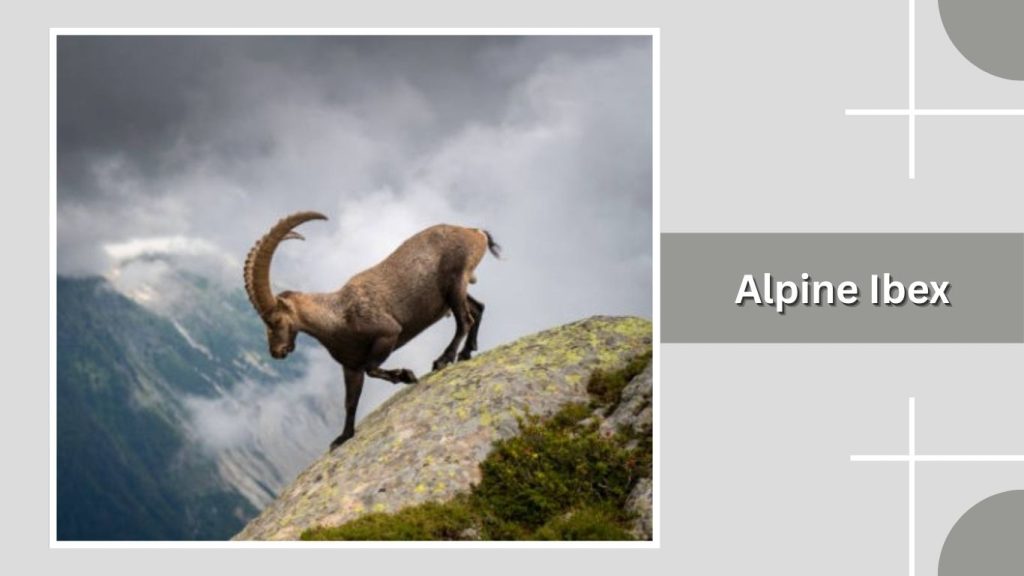
The Alpine ibex is one of the most iconic mountain goats in the world, famous for its massive backward-curving horns and its incredible ability to climb near-vertical rock faces. It lives high in the European Alps, where steep cliffs, cold temperatures, and thin vegetation dominate the landscape. This powerful wild goat is a symbol of strength and survival in extreme mountain environments.
Identification
- Stocky, muscular body with short, powerful legs
- Thick brown coat that becomes lighter and woollier in winter
- Very large, curved, heavily ridged horns in males; shorter in females
- Short tail and strong, rubbery hooves for gripping rock
- Dark facial markings and a beard-like chin tuft
Habitat
Alpine ibex inhabit high-altitude regions of the European Alps, usually between 1,800 and 3,300 meters. They prefer rocky slopes, cliffs, and alpine meadows where predators are fewer and visibility is high. Seasonal movements occur, with herds descending to lower elevations in winter.
Diet
Their diet consists mainly of alpine grasses, herbs, mosses, lichens, and young shrubs. During summer, they feed heavily on fresh mountain plants. In winter, they survive on dry grasses, mosses, and whatever vegetation remains accessible on windswept slopes.
Behavior and Lifecycle
Alpine ibex live in separate male and female groups for most of the year. During the winter rut, males compete by rearing up and crashing horns. Kids are born in late spring, and mothers raise them on steep terrain that protects them from predators.
2. Nubian Ibex
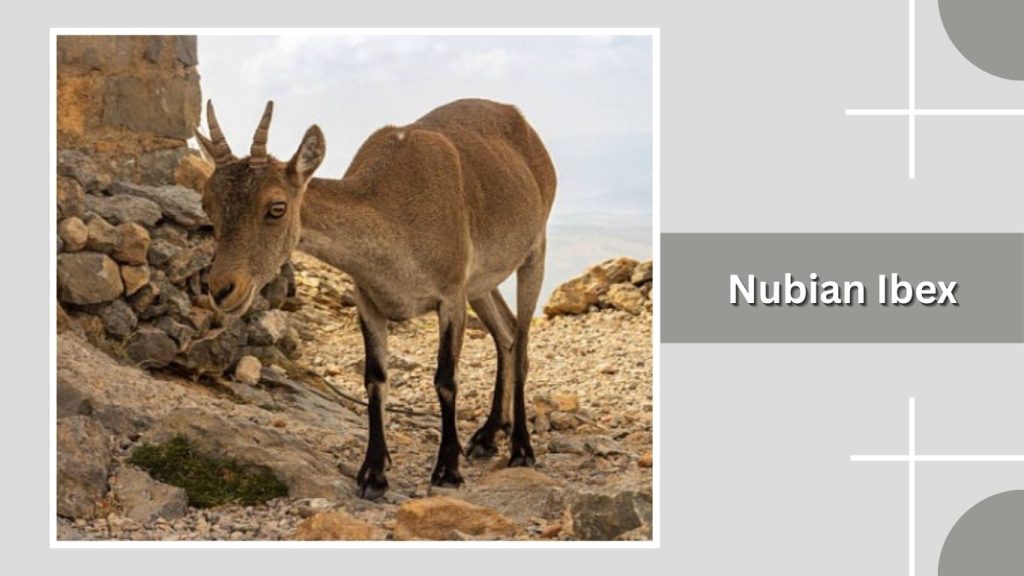
The Nubian ibex is a slender, desert-adapted wild goat known for its impressive curved horns and ability to survive in extremely hot, rocky environments. It is one of the smallest ibex species and is perfectly suited to life in arid mountains and desert cliffs.
Identification
- Slim, light-bodied build with long legs
- Sandy-brown coat, lighter on the belly
- Long, backward-curving, ridged horns in males; shorter in females
- Distinct dark stripe along the back
- Narrow face with a short beard and sharp facial markings
Habitat
Nubian ibex inhabit rocky deserts, cliffs, and mountainous regions of North Africa and the Middle East. They are commonly found in Israel, Jordan, Oman, Saudi Arabia, Sudan, and parts of Egypt. They rely on steep terrain for safety and shade.
Diet
Their diet includes desert grasses, herbs, leaves, shoots, and fruits. Nubian ibex can survive with very little water, obtaining moisture from plants and feeding during cooler parts of the day.
Behavior and Lifecycle
Nubian ibex usually live in small herds. They are most active early in the morning and late in the afternoon to avoid extreme heat. The breeding season occurs in late summer or autumn, with kids born in spring.
3. Siberian Ibex
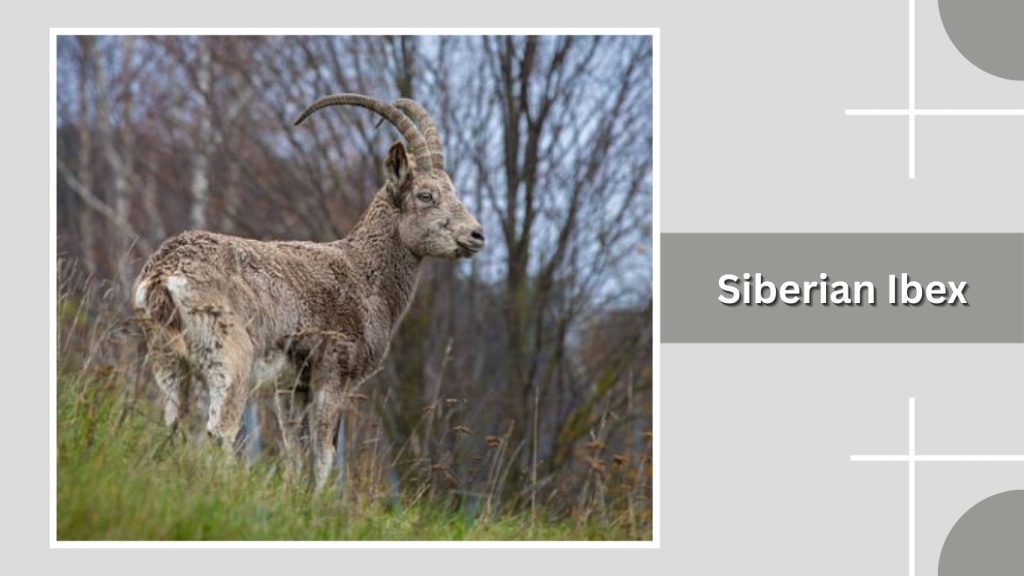
The Siberian ibex is the largest of all ibex species, built for life in cold, high mountain ranges of Central Asia. It is known for its massive size, long legs, and enormous horns.
Identification
- Very large, heavy-bodied wild goat with powerful legs
- Thick brown to gray coat that becomes woollier in winter
- Extremely long, thick, backward-curving horns in males
- Broad chest and strong neck
- Short tail and coarse facial hair
Habitat
Siberian ibex live in rugged mountain systems across Central Asia, including the Altai, Tien Shan, Pamirs, and Himalayas. They inhabit alpine meadows, rocky ridges, and steep slopes at high elevations.
Diet
Their diet consists of grasses, sedges, herbs, mosses, and shrubs. In winter, they rely on dry grasses, lichens, and low shrubs exposed by wind.
Behavior and Lifecycle
Siberian ibex live in herds that may range from small groups to large seasonal aggregations. During the rut, males engage in powerful horn clashes. Kids are born in late spring, when alpine vegetation becomes available.
4. Walia Ibex

The Walia ibex is a rare and endangered ibex species found only in the high mountains of Ethiopia. It is one of Africa’s most distinctive wild goats, known for its long, sweeping horns and rugged cliff-dwelling lifestyle.
Identification
- Medium-sized, muscular body with strong legs
- Thick chestnut-brown coat, darker on the legs and neck
- Long, backward-curving, heavily ridged horns in males
- Short beard and dark facial markings
- Compact build adapted for steep cliffs
Habitat
Walia ibex inhabit steep cliffs, escarpments, and rocky highlands of the Simien Mountains in northern Ethiopia. They live at elevations often above 2,500 meters, using vertical terrain for safety from predators.
Diet
They feed on alpine grasses, herbs, leaves, shrubs, and sometimes bark. Their mountain habitat provides a mix of meadow plants and cliff vegetation.
Behavior and Lifecycle
Walia ibex live in small herds. They are excellent climbers and spend much of their time on near-vertical rock faces. Breeding usually occurs in late autumn, with kids born in spring.
5. Spanish Ibex

The Spanish ibex, also called the Iberian ibex, is a highly variable ibex species native to the mountains of the Iberian Peninsula. It is known for the dramatic shape of its horns, which vary greatly between regional populations.
Identification
- Medium-sized wild goat with a strong, compact body
- Coat color varies from grayish to dark brown depending on region
- Males have thick, spiraling, ridged horns; females have shorter, thinner horns
- Dark facial markings and seasonal coat changes
- Short tail and strong climbing hooves
Habitat
Spanish ibex inhabit rocky mountain ranges, cliffs, and scrubby highlands of Spain. They are found in national parks and remote mountain systems, favoring steep slopes and open alpine terrain.
Diet
Their diet includes grasses, herbs, leaves, shoots, shrubs, and seasonal fruits. They adapt well to changing food availability across seasons.
Behavior and Lifecycle
Spanish ibex usually live in separate male and female groups. During the rut, males compete intensely using their horns. Kids are born in late spring, often in hidden rocky areas.
6. Nubian Desert Ibex

The Nubian desert ibex is a heat-tolerant wild goat specially adapted to extremely dry, rocky environments. It is closely related to the Nubian ibex and is known for its slender build, long legs, and impressive curved horns.
Identification
- Slim, lightweight body with long legs
- Pale sandy-brown coat with lighter underparts
- Long, backward-curving, ridged horns in males
- Distinct dark stripe along the back
- Narrow face with a short beard
Habitat
Nubian desert ibex inhabit arid mountain ranges, desert cliffs, and rocky wadis of North Africa and the Arabian Peninsula. They are strongly associated with steep slopes and escarpments where they can escape predators and find shade.
Diet
They feed on desert grasses, leaves, herbs, shoots, and fruits. They can survive long periods without drinking water, gaining most moisture from plants.
Behavior and Lifecycle
These ibex usually live in small herds. They are most active during early morning and late afternoon. Breeding occurs in late summer or autumn, and kids are born in spring.
7. Siberian Mountain Ibex

The Siberian mountain ibex is a cold-adapted, high-altitude wild goat closely related to the Siberian ibex. It is built for life in rugged Central Asian mountain systems, where snow, wind, and steep terrain dominate.
Identification
- Large, powerful body with long, strong legs
- Thick brown-gray coat that becomes dense in winter
- Very long, heavy, backward-curving horns in males
- Broad chest and muscular shoulders
- Coarse facial hair and short tail
Habitat
Siberian mountain ibex live in high mountain ranges of Central Asia, including the Altai, Tien Shan, and Pamir systems. They inhabit alpine meadows, rocky ridges, and steep slopes at high elevations.
Diet
Their diet consists of alpine grasses, sedges, herbs, mosses, and shrubs. In winter, they rely on dry grasses and low vegetation exposed by wind.
Behavior and Lifecycle
They form herds that vary in size by season. During the rut, males compete in dramatic horn clashes. Kids are born in late spring or early summer when alpine vegetation becomes abundant.
8. Markhor Ibex

The markhor is a spectacular mountain wild goat often associated with ibex due to its cliff-dwelling lifestyle and powerful horns. It is best known for its dramatic corkscrew-shaped horns and its ability to survive in some of the most rugged mountain regions of Asia.
Identification
- Large, muscular body with long, strong legs
- Thick brown to gray coat, longer in winter
- Massive spiral (corkscrew-shaped) horns in males; shorter in females
- Long beard on the chin and throat
- Strong hooves adapted for steep rocky terrain
Habitat
Markhor live in rugged mountains, cliffs, and forested slopes of Central and South Asia, including Pakistan, Afghanistan, northern India, and parts of Central Asia. They prefer steep, broken terrain with nearby forest or scrub for feeding.
Diet
Their diet includes grasses, herbs, leaves, shoots, shrubs, and tree foliage. In summer, they feed more on grasses and herbs, while in winter they browse heavily on shrubs and tree leaves.
Behavior and Lifecycle
Markhor usually live in small herds. Males and females stay separate most of the year, joining during the winter breeding season. Kids are born in spring, when vegetation becomes more abundant.
9. Himalayan Ibex

The Himalayan ibex is a powerful, cold-adapted wild goat that inhabits the highest mountain systems of South Asia. It is closely related to the Siberian ibex and is known for its thick coat and long, curved horns.
Identification
- Large, stocky body with strong legs
- Thick brown coat that becomes shaggy in winter
- Long, backward-curving, heavily ridged horns in males
- Broad chest and muscular neck
- Short tail and dense facial hair
Habitat
Himalayan ibex live in high-altitude regions of the Himalayas, Karakoram, and surrounding ranges. They inhabit alpine meadows, rocky slopes, and cold desert mountains, often above 3,000 meters.
Diet
Their diet consists of alpine grasses, sedges, herbs, mosses, and shrubs. During winter, they survive on dry grasses and low vegetation exposed by wind.
Behavior and Lifecycle
Himalayan ibex form herds that may change in size by season. During the rut, males engage in loud horn clashes. Kids are born in late spring or early summer, when mountain plants begin to grow.
10. Gobi Ibex

The Gobi ibex is a desert-mountain wild goat adapted to the harsh, dry, and windy regions of the Gobi Desert and surrounding ranges. It is built for survival in rocky terrain where vegetation is sparse and temperatures shift dramatically.
Identification
- Medium to large body with strong legs
- Sandy-brown to gray coat that thickens in winter
- Long, backward-curving, ridged horns in males
- Narrow face with coarse facial hair
- Strong hooves adapted for rocky desert slopes
Habitat
Gobi ibex inhabit rocky hills, desert mountains, and dry highlands of southern Mongolia and northern China. They favor steep slopes, cliffs, and broken terrain within arid and semi-arid zones.
Diet
Their diet includes desert grasses, herbs, leaves, shrubs, and hardy mountain plants. In winter, they rely on dry grasses and low shrubs uncovered by wind.
Behavior and Lifecycle
Gobi ibex usually live in small herds. They are cautious animals, often resting on high slopes to watch for danger. Breeding occurs in winter, and kids are born in spring.
11. West Caucasian Ibex
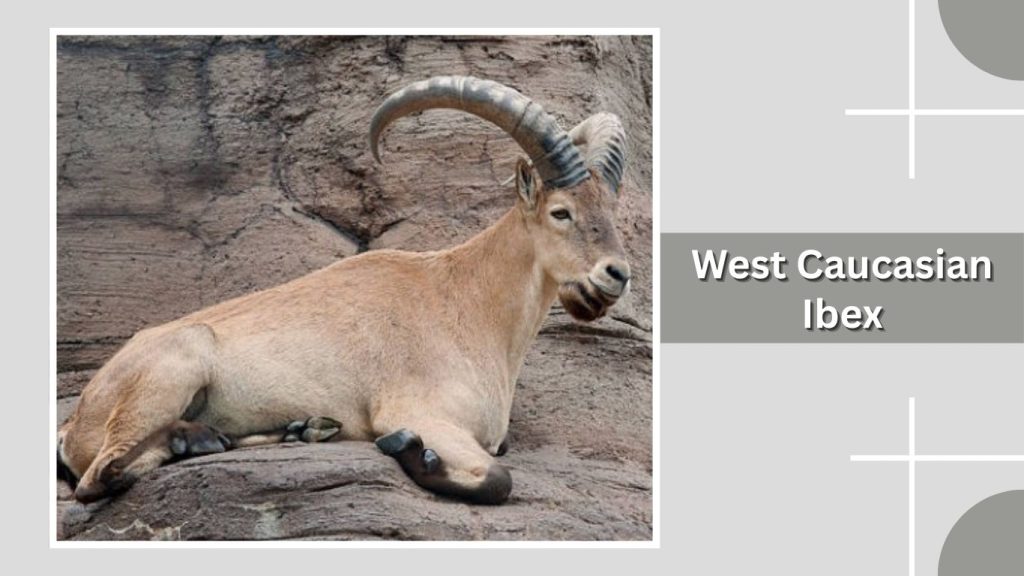
The West Caucasian ibex is a mountain wild goat native to the western Caucasus Mountains. It is closely related to the East Caucasian ibex and is well adapted to steep, forested, and alpine environments.
Identification
- Medium-sized, muscular body with short, strong legs
- Dark brown to gray coat with lighter underparts
- Thick, backward-curving, ridged horns in males
- Strong neck and compact build
- Short tail and coarse facial hair
Habitat
West Caucasian ibex live in the western Caucasus Mountains between Russia and Georgia. They inhabit rocky cliffs, alpine meadows, and mountain forests at high elevations.
Diet
They feed on grasses, herbs, leaves, shrubs, and seasonal mountain plants. In winter, they depend on dry grasses, bark, and low vegetation.
Behavior and Lifecycle
These ibex live in small to medium herds. During the breeding season, males compete for females through displays and horn clashes. Kids are born in late spring.
12. East Caucasian Ibex
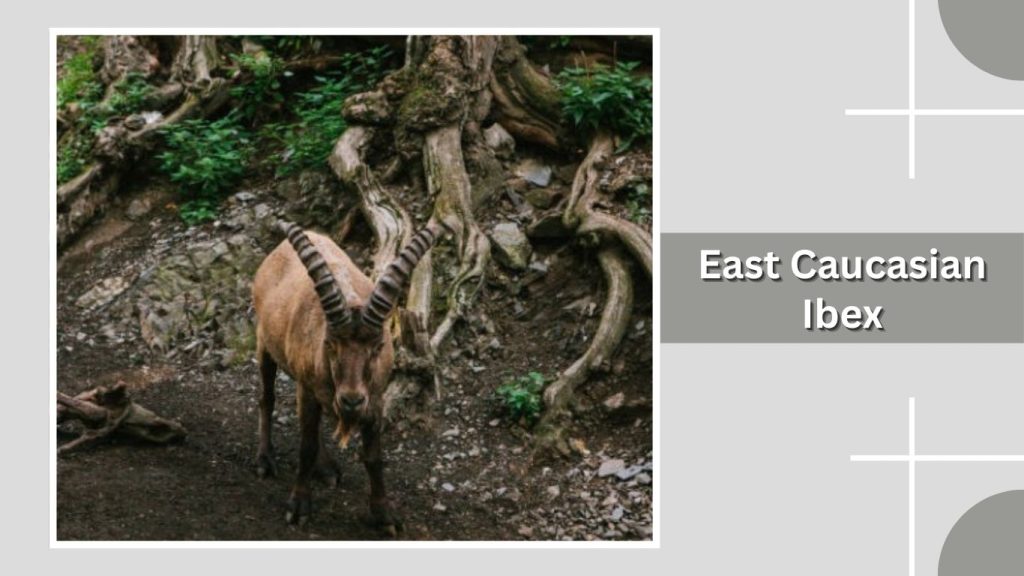
The East Caucasian ibex is a powerful mountain wild goat found in the eastern Caucasus region. It is built for steep, rugged terrain and cold mountain climates, where it lives on cliffs, rocky slopes, and high alpine ridges.
Identification
- Large, muscular body with strong legs
- Gray-brown coat that becomes thicker in winter
- Very long, backward-curving, ridged horns in males
- Broad chest and strong neck
- Short tail and coarse facial hair
Habitat
East Caucasian ibex inhabit the eastern Caucasus Mountains of Russia, Azerbaijan, and Georgia. They live at high elevations on cliffs, rocky slopes, and alpine meadows.
Diet
Their diet consists of mountain grasses, herbs, leaves, shoots, and shrubs. During winter, they survive on dry grasses, mosses, and low vegetation exposed by wind.
Behavior and Lifecycle
East Caucasian ibex form herds that may change in size seasonally. Males engage in dramatic horn clashes during the rut. Kids are born in late spring or early summer, when mountain vegetation becomes available.