




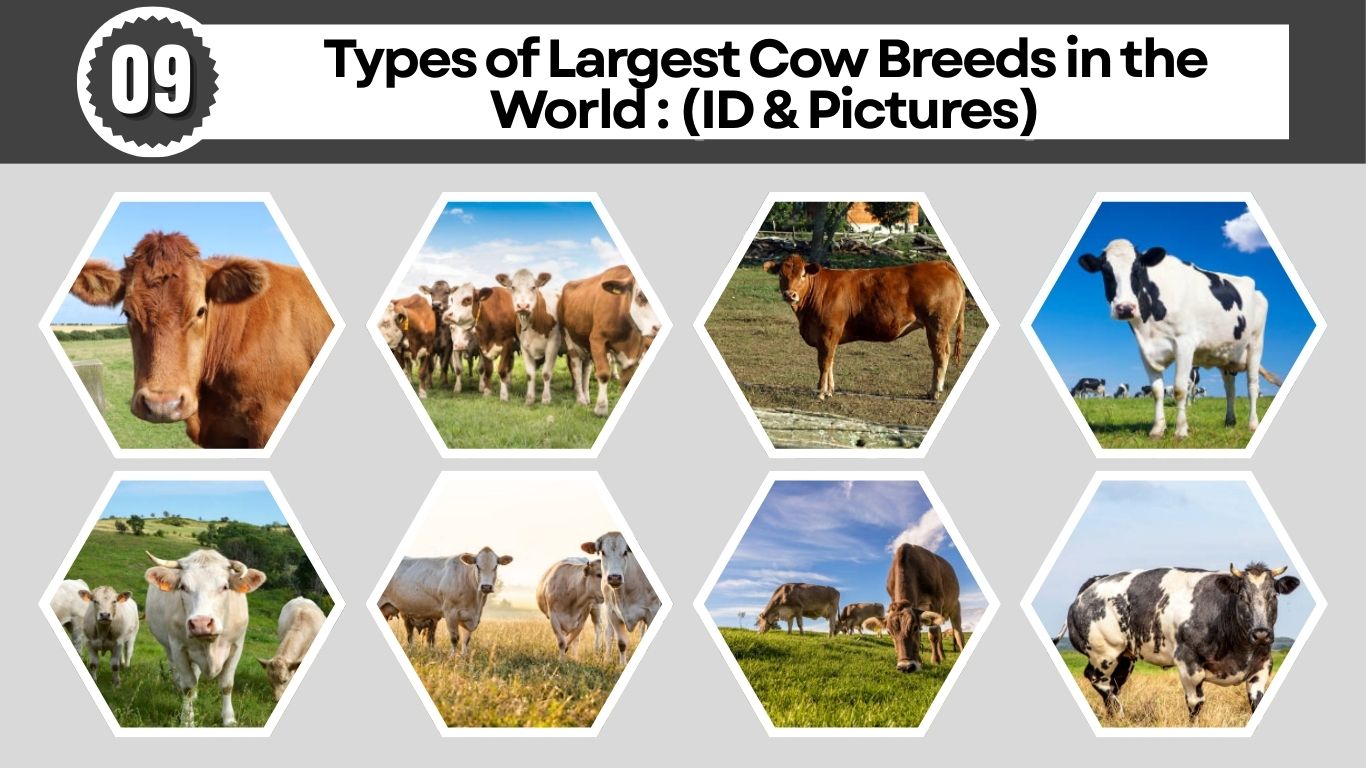
Large cow breeds are known for their massive size, strength, and high productivity. These big cows are commonly raised for beef, dairy, or crossbreeding programs that focus on growth and yield. From towering European giants to heavy-framed dairy cattle, each large cow breed has unique traits that make it valuable in commercial and traditional farming. Below is a curated list of the 10 largest cow breeds in the world, highlighting cattle that truly stand out for their height, weight, and powerful build.
1. Chianina
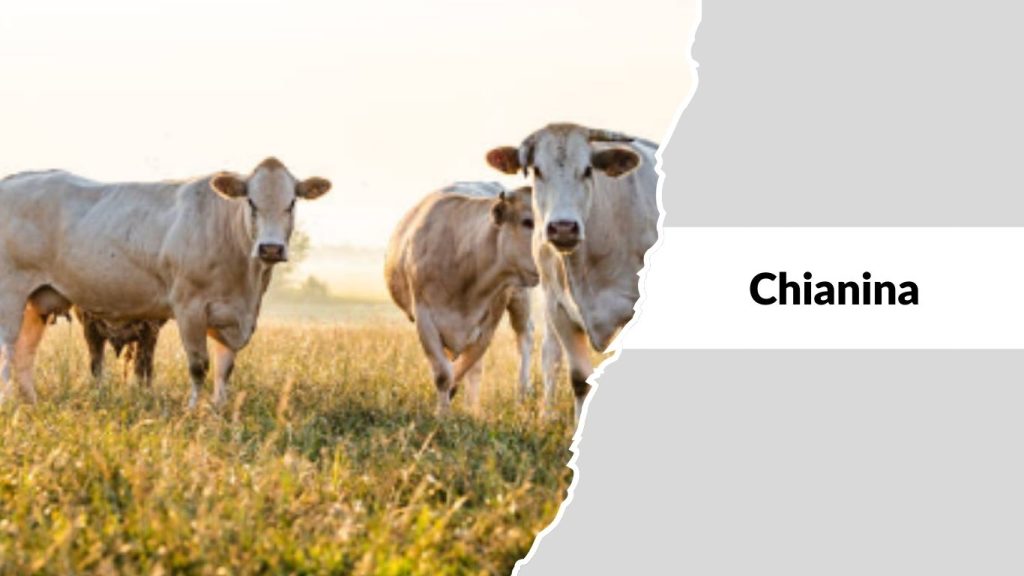
Chianina is widely recognized as one of the largest cow breeds in the world. Originating from Italy, this big cow is famous for its massive height, powerful build, and historical use in agriculture. Chianina cattle are true giants among large cows, often towering over other breeds and symbolizing strength and size in cattle farming.
Identification
- Extremely large cow with a tall, muscular frame
- White or light gray coat with black skin pigmentation
- Long legs and broad chest
- Short horns or naturally polled in some lines
- Upright, imposing posture
Habitat
Chianina cattle adapt well to temperate and warm climates. This large cow breed thrives in open farmland where ample space is available for movement. Historically used in Italian plains, they perform best in well-managed pastures with good nutrition.
Size & Weight
Chianina is one of the tallest big cow breeds on earth. Adult bulls can reach over 6 feet (1.8 m) at the shoulder and weigh between 2,700–3,500 pounds (1,225–1,600 kg). Cows are slightly smaller but still qualify as massive large cows.
Uses & Purpose
Chianina cattle are primarily raised for:
- High-quality beef production
- Breeding programs for improving size and growth
- Traditional farming and heritage conservation
- Crossbreeding to enhance large cow traits
2. Belgian Blue
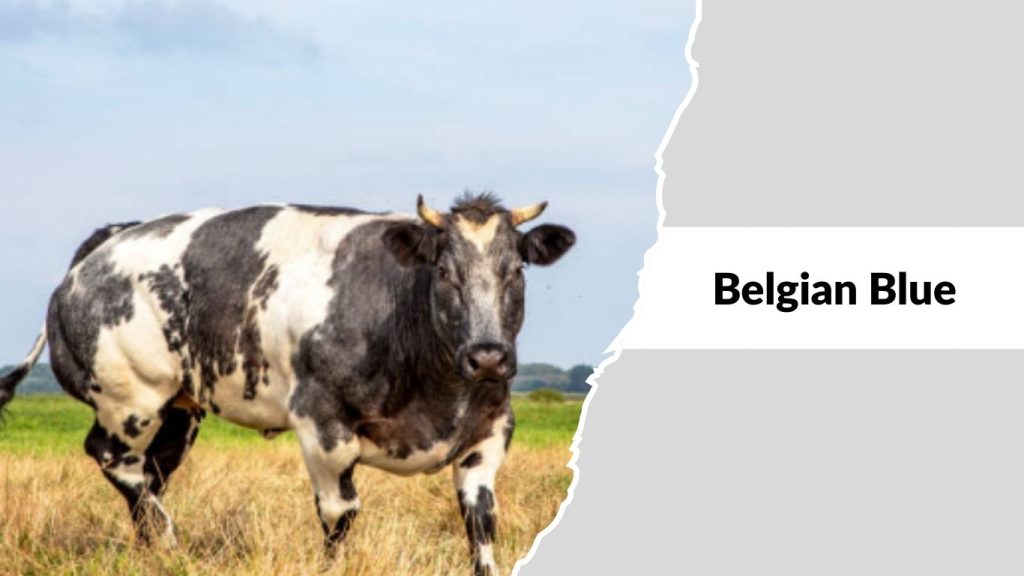
Belgian Blue is a famous large cow breed known for its extreme muscular development. Originating from Belgium, this big cow stands out due to its unique “double-muscling” trait, which gives it a very thick and powerful appearance. Among large cows, Belgian Blue is especially valued in beef farming for its impressive size and muscle mass.
Identification
- Very large cow with extreme muscle definition
- Broad shoulders, thick hindquarters, and deep chest
- Short coat, usually white, blue-gray, or mixed
- Short legs compared to body mass
- Muscular appearance even at a young age
Habitat
Belgian Blue cattle adapt well to temperate climates. This big cow breed performs best on managed farms with controlled feeding systems. Due to their heavy muscle mass, they require good care, balanced nutrition, and flat grazing land.
Size & Weight
Belgian Blue is a true large cow breed. Adult bulls commonly weigh between 2,400–2,800 pounds (1,100–1,270 kg), while cows weigh around 1,600–2,000 pounds (725–900 kg). Their width and muscle volume make them appear even larger than many tall cattle breeds.
Uses & Purpose
Belgian Blue cattle are mainly raised for:
- Commercial beef production
- High meat yield with low fat
- Crossbreeding to improve muscle traits
- Intensive and semi-intensive farming systems
3. Charolais
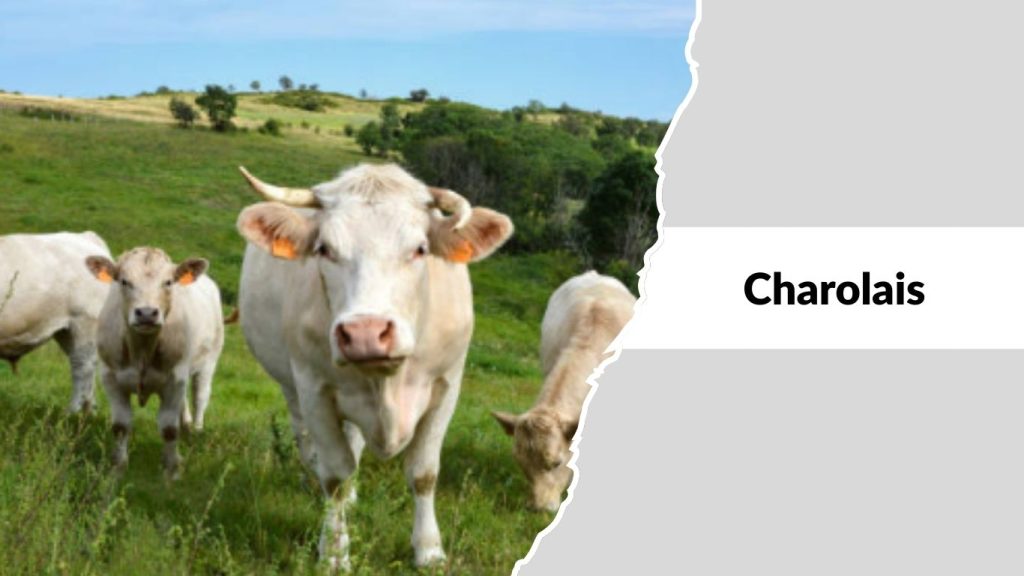
Charolais is a powerful large cow breed known for its impressive size, fast growth, and muscular build. Originating from France, this big cow has become one of the most widely used beef cattle breeds worldwide. Charolais cattle are true giants among large cows, valued for their strength, adaptability, and high meat yield.
Identification
- Large cow with a long, broad, and muscular body
- White or creamy-white coat
- Short horns or polled varieties
- Strong legs and wide back
- Solid, heavy-boned appearance
Habitat
Charolais cattle adapt well to a wide range of environments. This big cow breed performs best in open pastures and large grazing areas. They tolerate both cool and moderately warm climates and are commonly raised in extensive beef-production systems.
Size & Weight
Charolais are classic large cows. Adult bulls typically weigh between 2,200–2,600 pounds (1,000–1,180 kg), while cows weigh around 1,500–2,000 pounds (680–900 kg). Their long frame and heavy musculature make them one of the largest beef cattle breeds.
Uses & Purpose
Charolais cattle are mainly raised for:
- Beef production with high growth rates
- Crossbreeding to increase size and muscle
- Commercial and large-scale farming
- Improving carcass yield in large cow breeding programs
4. Simmental
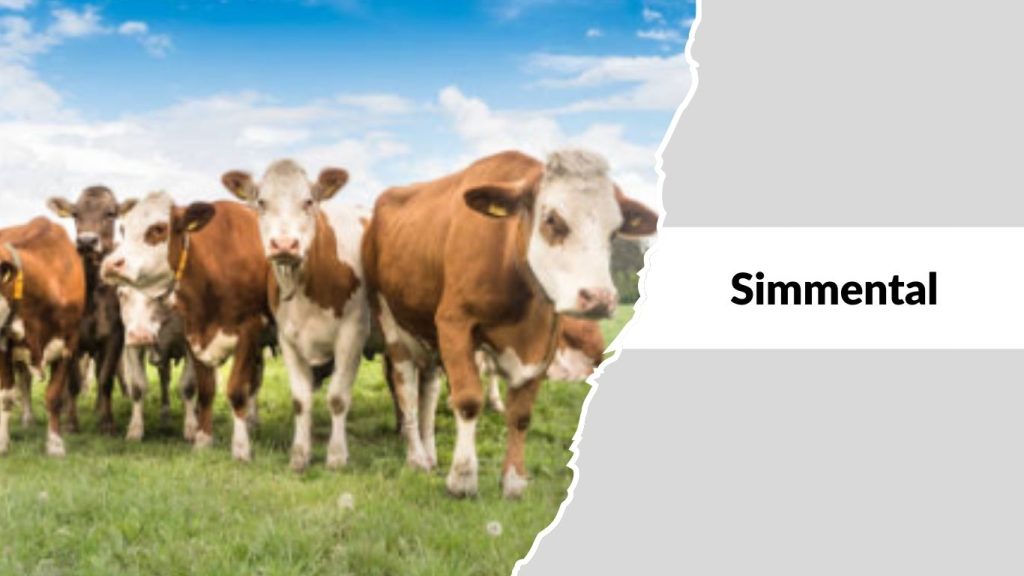
Simmental is a well-known large cow breed admired for its size, strength, and versatility. Originating from Europe, this big cow is one of the oldest and most widely distributed cattle breeds in the world. Simmental cattle are massive yet balanced, making them popular among farmers who want a productive and adaptable large cow.
Identification
- Large cow with a broad, muscular body
- Red-and-white or yellow-and-white coat pattern
- Strong legs and wide chest
- Large head with a straight profile
- Horned or polled varieties
Habitat
Simmental cattle adapt easily to many environments. This big cow breed thrives in temperate climates and performs well in open grazing systems. Thanks to their hardiness, they are commonly raised in grasslands, mixed farms, and mountainous regions.
Size & Weight
Simmental are true large cows. Adult bulls usually weigh between 2,000–2,800 pounds (900–1,270 kg), while cows weigh around 1,300–1,800 pounds (590–820 kg). Their broad frame and heavy build clearly place them among the biggest cow breeds.
Uses & Purpose
Simmental cattle are raised for:
- Beef production with excellent growth
- Dairy or dual-purpose farming
- Crossbreeding to improve size and productivity
- Large-scale and commercial cattle operations
5. Brown Swiss
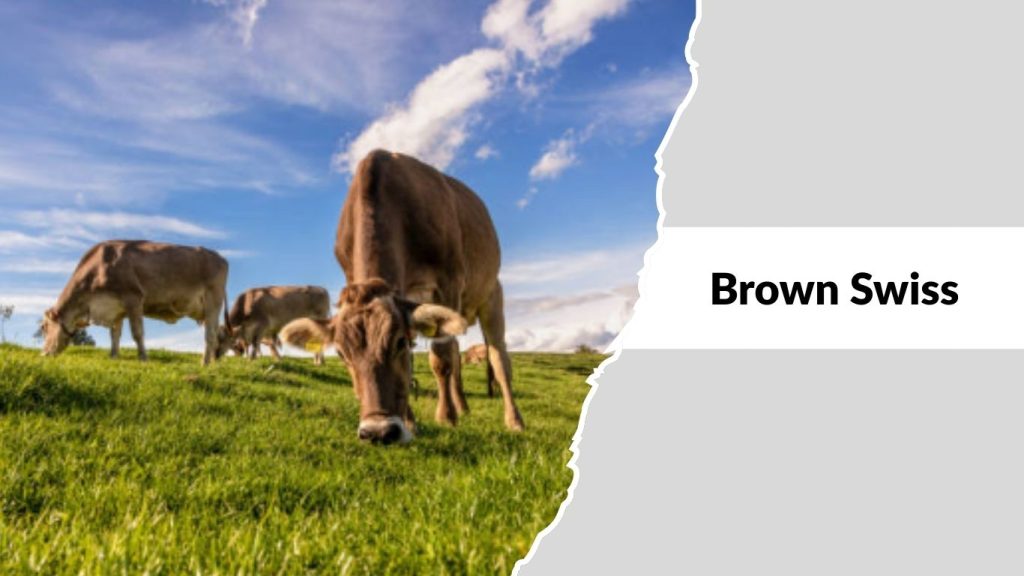
Brown Swiss is a massive large cow breed best known for its strength, longevity, and impressive body size. Originating in Switzerland, this big cow is one of the oldest dairy cattle breeds and is easily recognized by its solid build and calm nature. Among large cows, Brown Swiss stand out for both size and productivity.
Identification
- Large cow with a strong, heavy-boned frame
- Solid brown or grayish-brown coat
- Large ears and broad forehead
- Deep chest and long body
- Calm and steady temperament
Habitat
Brown Swiss cattle perform well in a wide range of environments. This big cow breed is especially suited to mountainous and temperate regions but also adapts well to warmer climates. They thrive in open grazing systems with adequate space and good-quality forage.
Size & Weight
Brown Swiss are considered true large cows. Adult bulls typically weigh between 2,000–2,400 pounds (900–1,100 kg), while cows usually weigh around 1,500–1,800 pounds (680–820 kg). Their solid frame and height make them one of the biggest dairy cow breeds.
Uses & Purpose
Brown Swiss cattle are mainly raised for:
- Dairy production with high milk volume
- Crossbreeding to improve strength and size
- Commercial and large-scale farming
- Long-term productivity in large cow systems
6. Maine-Anjou
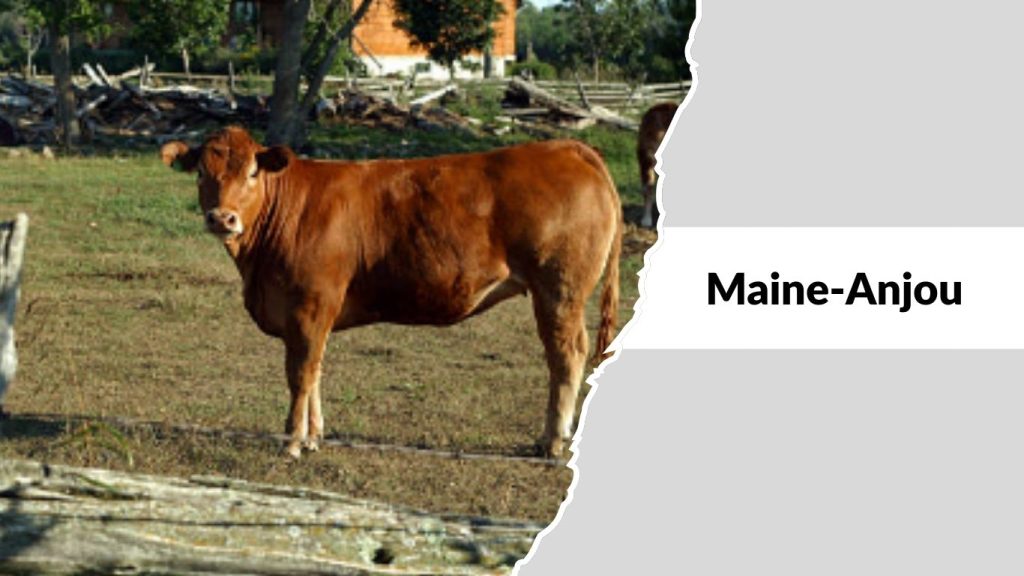
Maine-Anjou is a powerful large cow breed known for its massive frame, heavy muscle, and rapid growth. Originating from France, this big cow is considered one of the heaviest beef cattle breeds in the world. Maine-Anjou cattle are true giants among large cows, often used to increase size and weight in commercial beef programs.
Identification
- Very large cow with a long, thick, muscular body
- Red and white or solid red coat
- Heavy bone structure and wide back
- Strong legs supporting a massive frame
- Horned or polled varieties
Habitat
Maine-Anjou cattle adapt well to temperate climates and open grazing systems. This big cow breed performs best on large farms with abundant pasture and high-quality feed. They are well suited for extensive beef operations that can support their size and nutritional needs.
Size & Weight
Maine-Anjou are among the heaviest large cows. Adult bulls often weigh between 2,200–3,000 pounds (1,000–1,360 kg), while cows typically weigh around 1,500–2,000 pounds (680–900 kg). Their sheer mass places them firmly in the big cow category.
Uses & Purpose
Maine-Anjou cattle are mainly raised for:
- Beef production with high carcass weight
- Crossbreeding to increase size and growth rate
- Commercial and industrial-scale farming
- Producing strong, fast-growing large cow offspring
7. Marchigiana
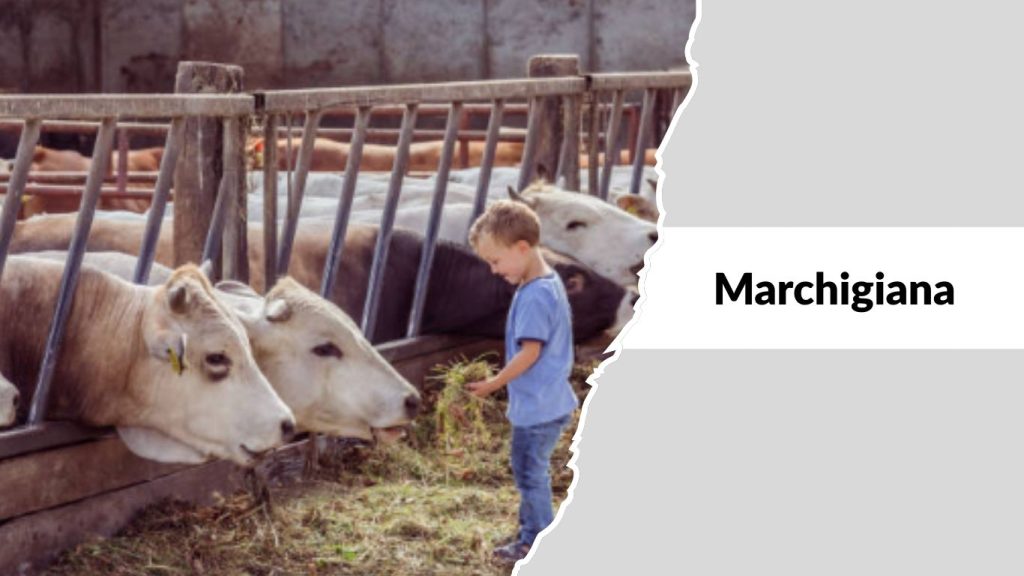
Marchigiana is an impressive large cow breed known for its tall stature, strong muscles, and elegant appearance. Originating from Italy, this big cow was traditionally used for draft work and later developed into a premium beef breed. Marchigiana cattle are counted among Europe’s most powerful large cows.
Identification
- Large cow with a tall, well-proportioned body
- White or light gray coat with black skin pigmentation
- Muscular shoulders and hindquarters
- Short horns or polled in modern lines
- Alert yet calm temperament
Habitat
Marchigiana cattle adapt well to temperate and moderately warm climates. This big cow breed performs best in open pastures with plenty of space to move. They are hardy animals and can thrive in both lowland farms and hilly regions.
Size & Weight
Marchigiana are true large cows. Adult bulls commonly weigh between 2,600–3,300 pounds (1,180–1,500 kg), while cows weigh around 1,500–2,200 pounds (680–1,000 kg). Their height and muscular build make them one of the tallest big cow breeds.
Uses & Purpose
Marchigiana cattle are mainly raised for:
- High-quality beef production
- Breeding programs to increase size and strength
- Commercial and large-scale farming
- Heritage and traditional large cow conservation
8. South Devon
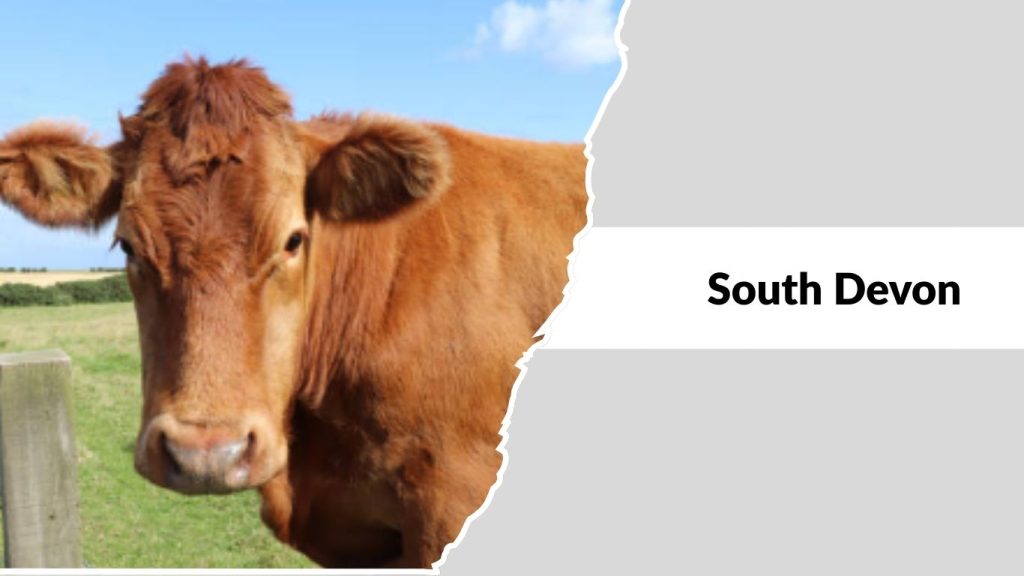
South Devon is a massive large cow breed known for its height, length, and deep body. Originating from England, this big cow is one of the largest native British cattle breeds. South Devon cattle combine size with a calm temperament, making them a popular choice for beef production and crossbreeding programs focused on large cows.
Identification
- Large cow with a tall, long, and broad body
- Solid light red or golden coat
- Deep chest and wide hindquarters
- Strong legs with heavy bone structure
- Docile and gentle nature
Habitat
South Devon cattle thrive in temperate climates and open pasture systems. This big cow breed performs best in grass-rich environments and adapts well to both lowland farms and rolling countryside. They require ample grazing space due to their large size.
Size & Weight
South Devon are true large cows. Adult bulls typically weigh between 2,200–2,800 pounds (1,000–1,270 kg), while cows weigh around 1,500–2,000 pounds (680–900 kg). Their height and body length make them one of the biggest cow breeds in the UK.
Uses & Purpose
South Devon cattle are mainly raised for:
- Beef production with high growth rates
- Grass-fed and pasture-based systems
- Crossbreeding to enhance size and fertility
- Commercial large cow farming operations
9. Holstein Friesian
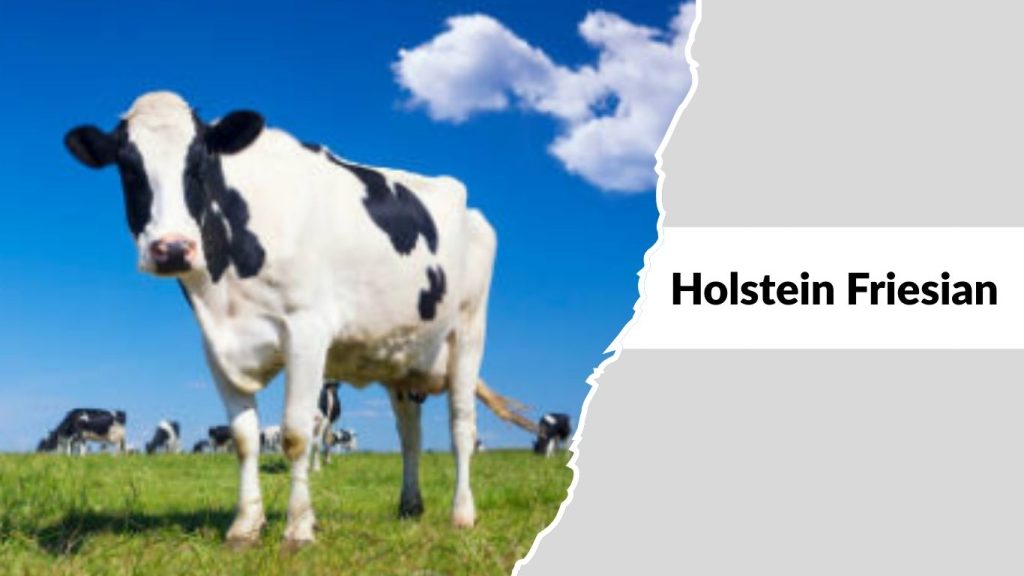
Holstein Friesian is one of the most recognizable large cow breeds in the world and the biggest dairy cow by size. Originating from Europe, this big cow is famous for its tall frame, long body, and outstanding milk production. Among large cows, Holsteins dominate commercial dairy farming due to their size and productivity.
Identification
- Very large cow with a tall, angular body
- Distinct black-and-white or red-and-white coat
- Long legs and deep rib cage
- Large udder in dairy females
- Calm and manageable temperament
Habitat
Holstein Friesian cattle adapt well to many environments. This big cow breed thrives in temperate climates and is commonly raised in large dairy farms with controlled feeding and housing systems. They require ample space due to their size.
Size & Weight
Holsteins are true large cows. Adult bulls often weigh between 2,000–2,600 pounds (900–1,180 kg), while cows typically weigh around 1,400–1,800 pounds (635–820 kg). Their height and length make them one of the tallest dairy big cow breeds.
Uses & Purpose
Holstein Friesian cattle are mainly raised for:
- High-volume milk production
- Commercial and industrial dairy farming
- Crossbreeding to improve milk yield
- Large-scale big cow dairy systems
FAQs
1. What is the largest cow breed in the world?
The Chianina is widely considered the largest cow breed in the world. This big cow is famous for its extreme height, massive frame, and powerful build, often standing taller than most other cattle breeds.
2. Are large cow breeds aggressive?
No, most large cow breeds are not aggressive by nature. Many big cows, such as South Devon and Holstein Friesian, are known for calm and docile temperaments. Proper handling and management are more important than size.
3. Do big cows need more space than regular cows?
Yes, big cows require more space due to their height and body mass. Large cow breeds need bigger pastures, stronger fencing, and more room for movement compared to smaller or medium-sized cattle.
4. Are large cows only used for beef production?
Not at all. While many large cow breeds are raised for beef, some big cows, like Holstein Friesian and Brown Swiss, are primarily dairy breeds known for high milk production.
5. Do large cow breeds eat more feed?
Yes, large cows generally consume more feed to support their size and growth. However, many big cow breeds are highly efficient, converting feed into milk or meat effectively when managed properly.