



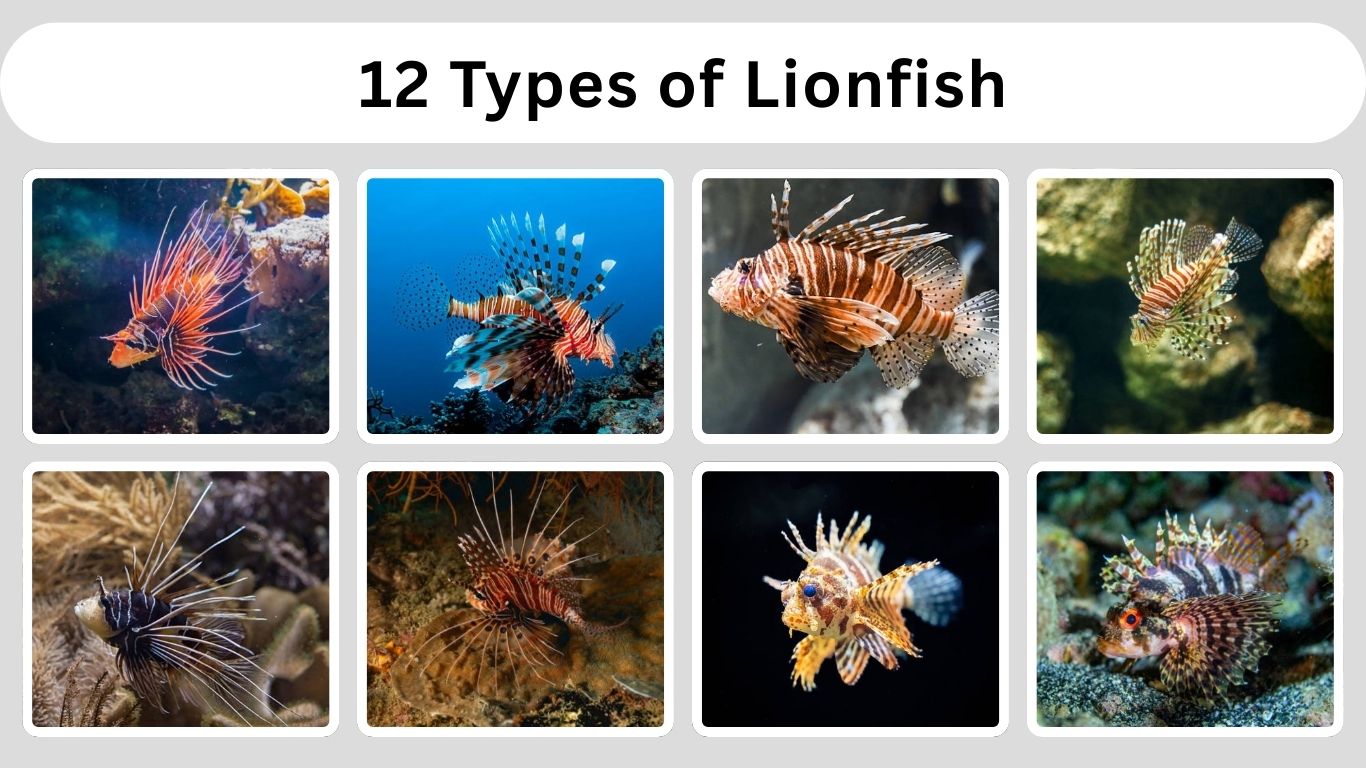
Lionfish are some of the most visually striking fish in the ocean, known for their flowing fins, bold stripes, and venomous spines. Native mainly to the Indo-Pacific region, these predators inhabit coral reefs, lagoons, and rocky coastal waters. There are many different types of lionfish, ranging from large, dramatic species to smaller dwarf varieties. Each type has unique patterns, behaviors, and habitat preferences, making lionfish a fascinating group for marine enthusiasts and researchers alike.
1. Common Lionfish (Pterois volitans)
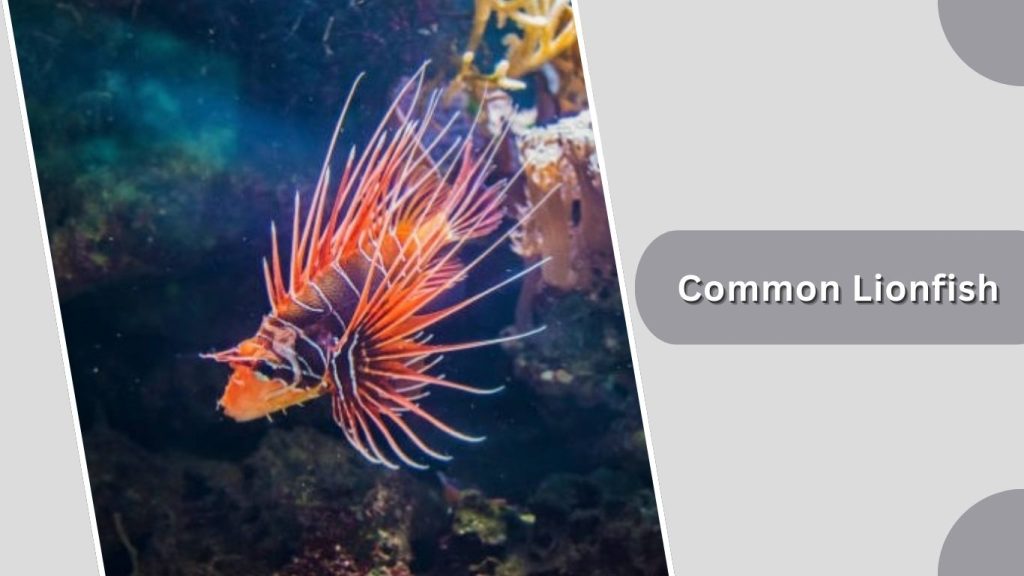
The common lionfish is one of the most recognizable and widespread lionfish species in the world. It is famous for its dramatic, fan-like fins, bold stripes, and long venomous spines. Native to the Indo-Pacific, this species has also become invasive in the Atlantic and Caribbean, where it impacts reef ecosystems by preying on small native fish.
Identification
- Long, flowing pectoral fins that spread like a fan
- Distinct red, brown, and white vertical stripes
- Numerous venomous dorsal, anal, and pelvic spines
- Laterally compressed body with a feathery appearance
- Grows up to about 15 inches (38 cm) in length
Habitat
Common lionfish live mainly in coral reefs, rocky crevices, lagoons, and sometimes mangroves. They prefer warm, shallow waters but can also be found at deeper reef slopes. During the day, they often hide under ledges or in caves, becoming more active at dusk and night.
Behavior
This species is a slow, graceful swimmer that uses its wide fins to corner prey. It is mostly solitary but may be seen in small groups. Common lionfish are bold predators and show little fear of larger animals, relying on their venomous spines for defense.
Diet
Common lionfish feed mainly on small fish, shrimp, and crabs. They are ambush predators, patiently stalking prey before making a quick suction strike. In invasive areas, their heavy feeding can greatly reduce populations of juvenile reef fish.
Lifespan
In the wild, common lionfish can live around 10 to 15 years. In aquariums, with stable conditions and regular feeding, some individuals may live even longer.
2. Red Lionfish (Pterois volitans)
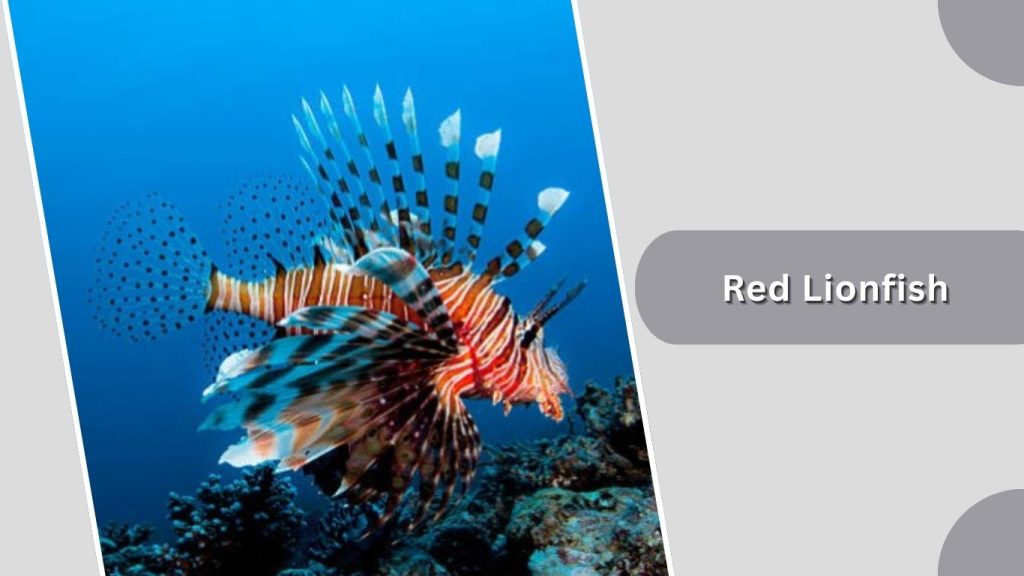
The red lionfish is one of the most iconic and widely known lionfish varieties, often considered the classic form of lionfish seen in aquariums and reefs. It is admired for its bold red, maroon, and white striping, along with long, flowing fins that give it a dramatic, feathery appearance in the water.
Identification
- Deep red to maroon body with clear white vertical bands
- Extremely long, fan-like pectoral fins
- Prominent venomous dorsal, anal, and pelvic spines
- Rounded head with fleshy tassels above the eyes
- Adults commonly reach 12–15 inches (30–38 cm)
Habitat
Red lionfish naturally occur across the Indo-Pacific, living around coral reefs, rocky outcrops, and coastal lagoons. They shelter in caves and under ledges during the day and become more active in low light, especially at dusk.
Behavior
They are slow-moving but highly efficient hunters. Red lionfish use their wide fins to herd small fish before striking. They are generally solitary but may tolerate others of the same species when food is abundant.
Diet
Their diet consists mainly of small reef fish, juvenile fish, shrimp, and crabs. They swallow prey whole using a sudden suction motion. In regions where they are invasive, their feeding habits severely impact native fish populations.
Lifespan
Red lionfish typically live between 10 and 15 years in the wild. In captivity, with proper care, they may survive even longer.
3. Devil Firefish (Pterois miles)
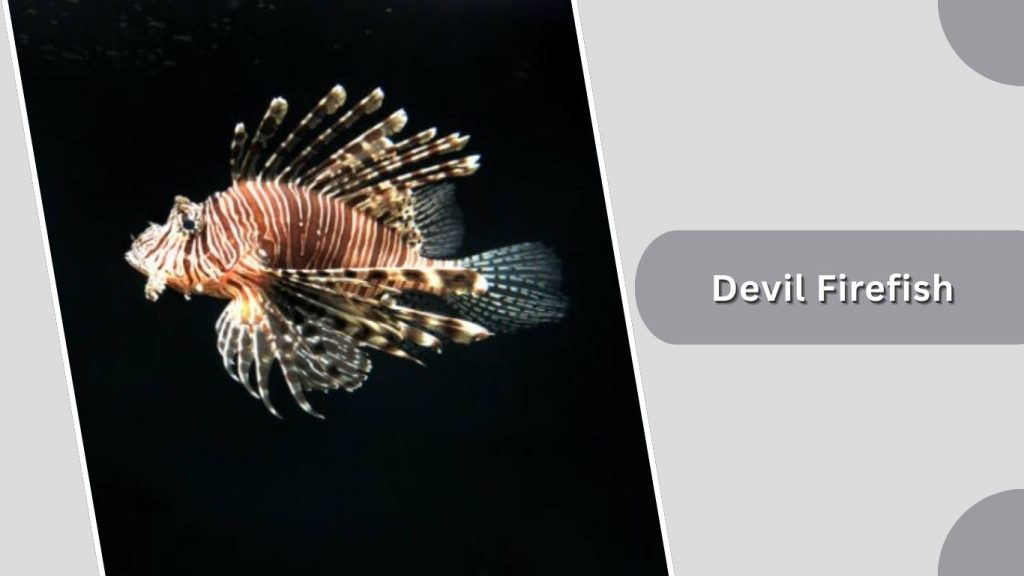
The devil firefish is a close relative of the common lionfish and is often confused with it due to their very similar appearance. This species is known for its elegant fin rays, bold striping, and highly venomous spines. It is native mainly to the Indian Ocean and the Red Sea, but it has also spread into the Mediterranean.
Identification
- Alternating reddish-brown and white vertical stripes
- Long, separate dorsal spines with venom glands
- Large, rounded pectoral fins used for herding prey
- White to cream-colored spots near the mouth and eyes
- Usually grows up to about 14 inches (35 cm)
Habitat
Devil fireflies inhabit coral reefs, rocky reefs, lagoons, and sometimes sandy areas near structures. They prefer warm tropical waters and are commonly found resting in caves, crevices, and under overhangs during daylight hours.
Behavior
This species is mostly solitary and slow-moving, relying on stealth rather than speed. It often faces into currents while resting and becomes more active during twilight and nighttime, when it hunts more aggressively.
Diet
Devil firefish feed on small fish, shrimp, and other crustaceans. They use their large fins to trap prey before making a rapid strike. Their strong appetite makes them effective predators within reef systems.
Lifespan
In natural conditions, devil firefish generally live around 10 to 15 years, depending on habitat quality and food availability.
4. Hawaiian Lionfish (Pterois sphex)
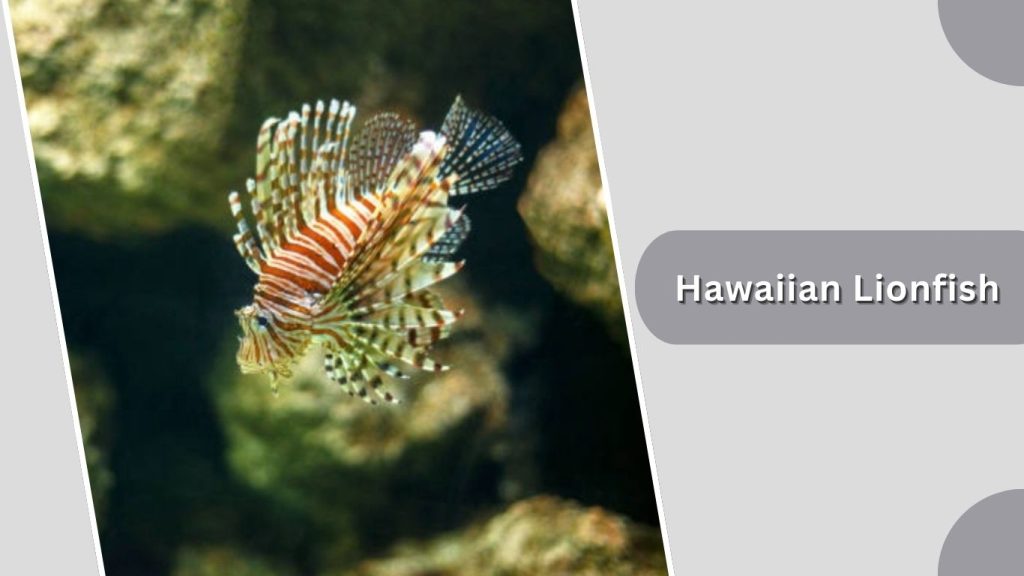
The Hawaiian lionfish is a distinctive lionfish species native mainly to the central Pacific, especially around Hawaii and nearby islands. It is slightly smaller than the common lionfish and is known for its elegant appearance, lighter coloration, and beautifully extended fin rays.
Identification
- Pale reddish to light brown body with thin white bands
- Long, delicate pectoral fins with a graceful spread
- Venomous dorsal, anal, and pelvic spines
- Subtle dark markings near the eyes and along the fins
- Typically grows up to about 9 inches (23 cm)
Habitat
Hawaiian lionfish are usually found on coral reefs, rocky slopes, and reef drop-offs. They often shelter in caves and crevices during the day and prefer clear, warm ocean waters.
Behavior
They are generally shy and slow-moving, spending daylight hours resting near reef structures. At dusk and night, they become more active hunters, gliding close to the reef while searching for small prey.
Diet
Their diet consists mostly of small fish, shrimp, and other tiny crustaceans. Like other lionfish, they ambush prey, using their fins to corner victims before striking.
Lifespan
Hawaiian lionfish are believed to live around 8 to 12 years in the wild, though exact lifespan data is limited.
5. Clearfin Lionfish (Pterois radiata)
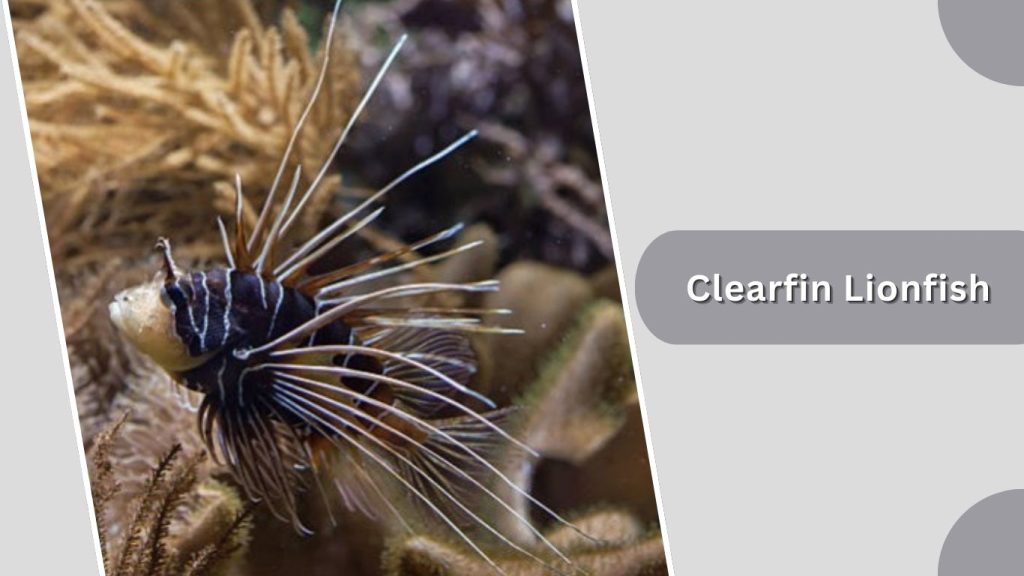
The clearfin lionfish, also called the radian lionfish, is a striking species recognized for its dramatic black-and-white contrast and transparent-looking fin membranes. It is widely distributed across the Indo-Pacific and is often seen hovering near reef walls and rocky ledges.
Identification
- White body with bold dark brown or black vertical bands
- Clear or lightly spotted pectoral fins
- Long, separated venomous dorsal spines
- Distinctive dark mask-like marking across the eyes
- Grows up to about 9 inches (23 cm)
Habitat
Clearfin lionfish live around coral reefs, reef slopes, lagoons, and rocky coastal areas. They often rest upside down under ledges or inside caves during the day, preferring sheltered reef structures.
Behavior
They are calm, slow swimmers that rely on camouflage and patience. Clearfin lionfish frequently face downward while resting and become active hunters at twilight and nighttime.
Diet
Their diet mainly includes small reef fish, shrimp, and tiny crustaceans. They use a quick suction strike to capture prey after herding it with their fins.
Lifespan
Clearfin lionfish are estimated to live about 10 years in the wild, with longer lifespans possible under protected conditions.
6. Spotfin Lionfish (Pterois antennata)
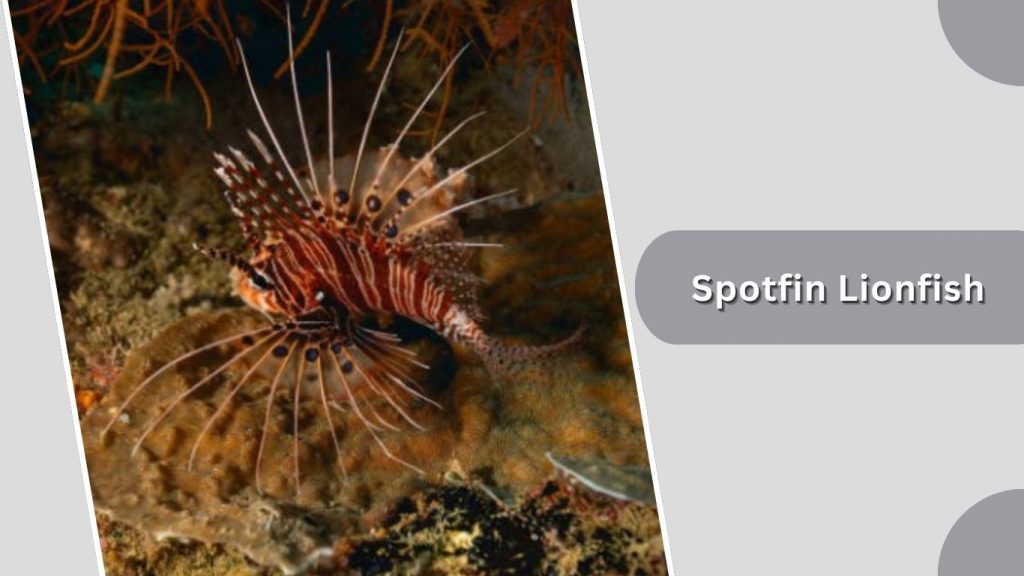
The spotfin lionfish is a beautifully patterned species known for the dark spots scattered across its fins and body. It is native to the Indo-Pacific region and is commonly found hovering near coral reefs, where its ornate fins help it blend into complex reef environments.
Identification
- Reddish-brown and white vertical bands
- Numerous small dark spots on the pectoral and dorsal fins
- Long, flowing pectoral fins and venomous spines
- Fleshy tentacles above the eyes and mouth
- Typically reaches up to about 8 inches (20 cm)
Habitat
Spotfin lionfish inhabit coral reefs, lagoons, and rocky reef slopes. They are often seen resting near caves, reef overhangs, and coral heads, especially in calm, clear waters.
Behavior
This species is generally solitary and slow-moving. It relies on stealth and fin displays to corner prey. During the day, it hides among reef structures and becomes more active at dusk.
Diet
Spotfin lionfish feed mainly on small fish and crustaceans such as shrimp and crabs. They ambush prey, using their fins to herd victims before swallowing them whole.
Lifespan
In the wild, spotfin lionfish usually live around 8 to 12 years, depending on environmental conditions.
7. Dwarf Lionfish (Dendrochirus brachypterus)
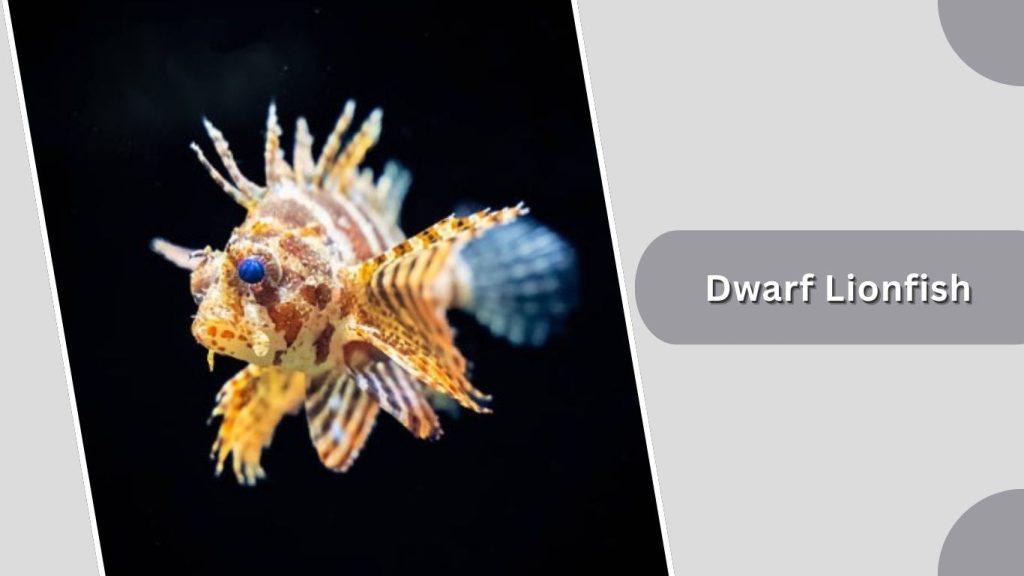
The dwarf lionfish is a smaller, more compact lionfish species admired for its fluffy appearance and bold patterns. It is popular in marine aquariums due to its manageable size and striking looks. This species is widespread across the Indo-Pacific region.
Identification
- Shorter, bushier pectoral fins compared to larger lionfish
- Red, brown, and white mottled striping
- Thick body with a “fuzzy” appearance
- Venomous dorsal, anal, and pelvic spines
- Usually grows up to about 6 inches (15 cm)
Habitat
Dwarf lionfish are commonly found in shallow coral reefs, lagoons, and protected coastal waters. They hide among rocks, coral heads, and crevices, often in areas with moderate currents.
Behavior
They are slow-moving and secretive, spending much of the day resting on reef surfaces or tucked into caves. At dusk and night, they become active hunters, gliding slowly along the reef.
Diet
Their diet consists of small fish, shrimp, and other tiny crustaceans. They use sudden suction to capture prey after slowly stalking it.
Lifespan
Dwarf lionfish generally live around 5 to 10 years in the wild, with similar lifespans reported in captivity.
8. Frillfin Turkeyfish (Pterois mombasae)
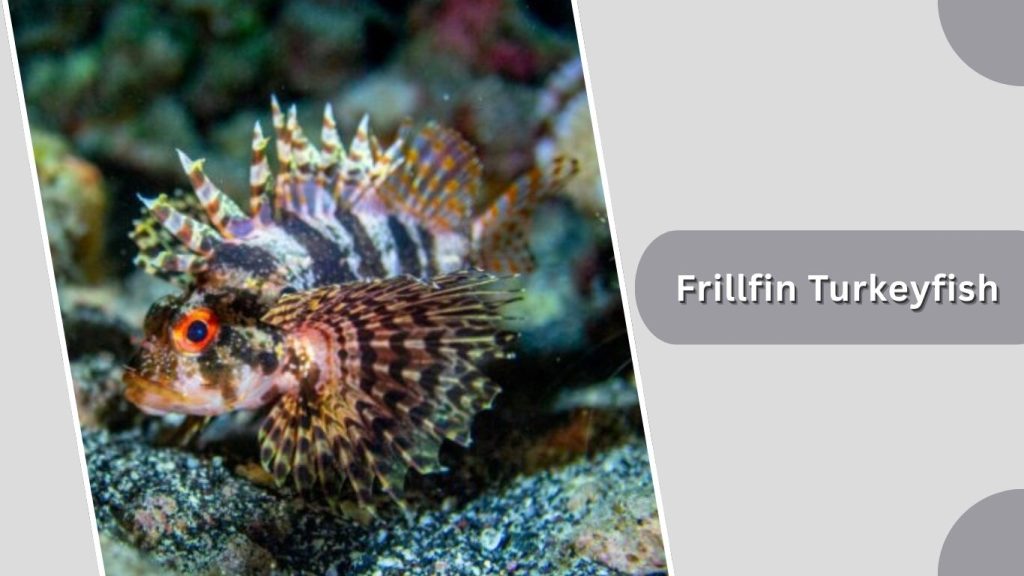
The frillfin turkeyfish is a less common but visually striking lionfish species, named for the frilled edges of its fins. It is native to the western Indian Ocean and stands out due to its bold banding and elegant, extended fin rays.
Identification
- Creamy white body with dark brown vertical bands
- Frilled fin membranes with delicate, extended rays
- Long venomous dorsal spines
- Rounded head with small fleshy appendages
- Grows up to about 9 inches (23 cm)
Habitat
Frillfin turkeyfish inhabit coral reefs, rocky reef slopes, and coastal reef systems. They often rest under ledges or inside caves during daylight hours, preferring warm, clear tropical waters.
Behavior
This species is slow-moving and calm, usually seen hovering close to reef structures. It becomes more active at dusk, when it leaves its shelter to hunt.
Diet
Their diet mainly includes small reef fish, shrimp, and other crustaceans. Like other lionfish, they herd prey with their fins before striking.
Lifespan
Frillfin turkeyfish are believed to live around 8 to 12 years in the wild, although detailed lifespan studies are limited.
9. Radiata Lionfish (Pterois radiata)
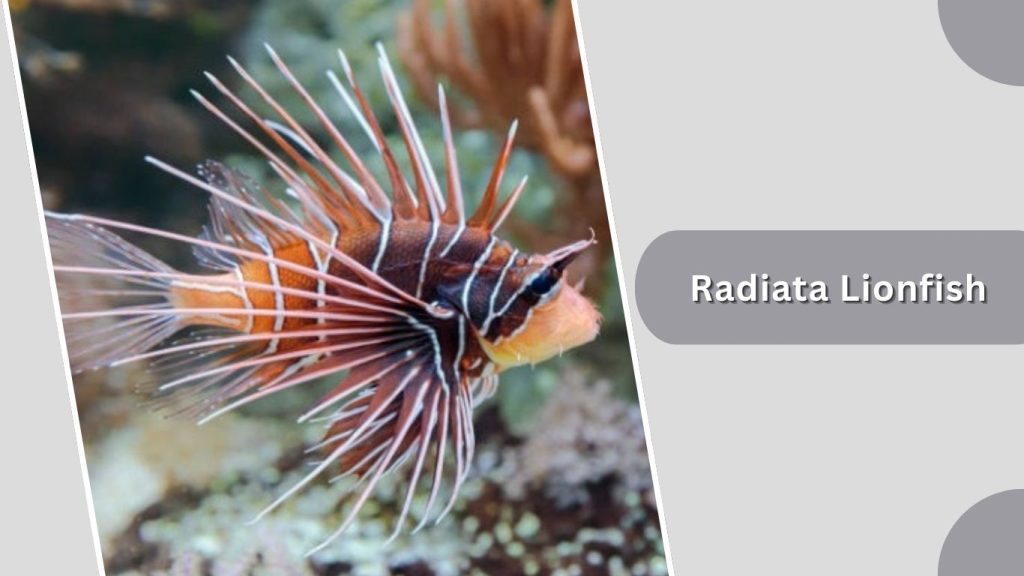
The radiata lionfish, also known as the radian lionfish, is easily recognized by its bold black-and-white striping and dramatic fin rays. It is widely distributed throughout the Indo-Pacific and is often seen resting upside down beneath reef ledges.
Identification
- Bright white body with deep black or dark brown vertical bands
- Very long, separated dorsal spines with venom glands
- Clear to lightly speckled pectoral fins
- Dark band running across the eyes like a mask
- Grows up to about 9 inches (23 cm)
Habitat
Radiata lionfish live in coral reefs, reef slopes, and rocky coastal waters. They commonly shelter in caves, crevices, and under overhangs during the day, sometimes hanging head-down.
Behavior
They are calm, slow swimmers that rely on camouflage and patience. Radiata lionfish become more active at dusk and at night, gliding over the reef while hunting.
Diet
Their diet consists mostly of small fish, shrimp, and tiny crustaceans. They ambush prey, using their wide fins to corner victims before swallowing them.
Lifespan
Radiata lionfish typically live around 10 years in the wild, with some individuals possibly living longer in protected environments.
10. Luna Lionfish (Pterois lunulata)
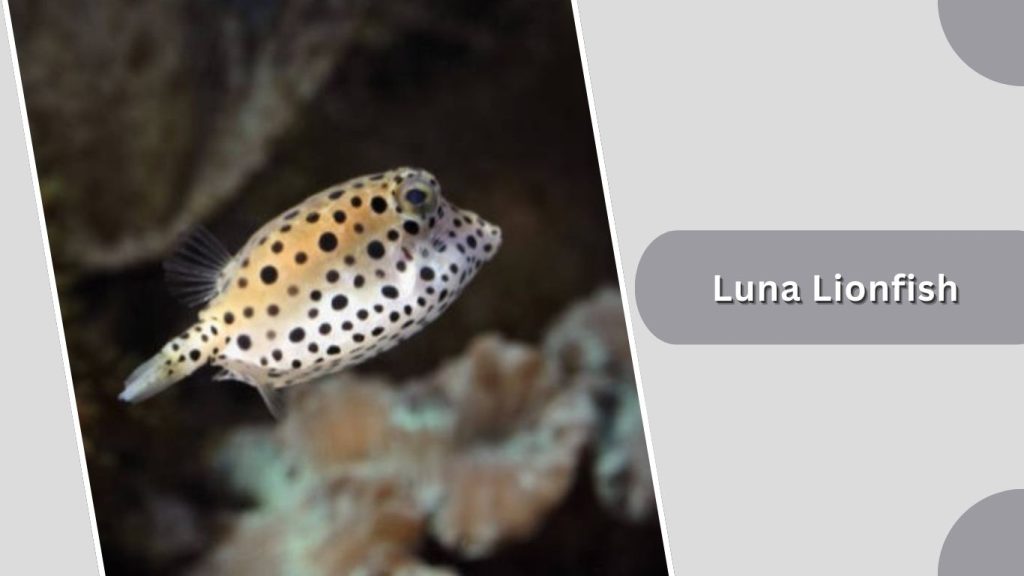
The luna lionfish is a beautifully patterned species known for its softer colors and slightly shorter fin rays compared to larger lionfish. It is found across parts of the Indo-Pacific and is appreciated for its elegant appearance and calm nature.
Identification
- Light reddish to tan body with thin brown bands
- Rounded fins with subtle dark spotting
- Venomous dorsal, anal, and pelvic spines
- Distinct curved (“moon-like”) markings along the body
- Usually grows up to about 8 inches (20 cm)
Habitat
Luna lionfish inhabit coral reefs, lagoons, and sheltered reef slopes. They are often found resting near reef walls, caves, and coral heads in warm tropical waters.
Behavior
They are generally shy and slow-moving, spending much of the day hiding among reef structures. At dusk, they emerge to hunt, gliding quietly close to the reef surface.
Diet
Their diet mainly includes small fish and crustaceans such as shrimp and tiny crabs. They use ambush techniques, herding prey with their fins before striking.
Lifespan
Luna lionfish are believed to live around 8 to 12 years in the wild, though detailed lifespan records are limited.
11. Antennata Lionfish (Pterois antennata)

The antennata lionfish is a striking species known for the long, antenna-like tassels above its eyes and its beautifully spotted fins. It is widely distributed across the Indo-Pacific and is often seen hovering near coral reefs and rocky outcrops.
Identification
- Reddish-brown and white vertical stripes
- Distinct long fleshy “antennae” above the eyes
- Dark spots scattered across pectoral and dorsal fins
- Long venomous dorsal spines
- Typically grows up to about 8 inches (20 cm)
Habitat
Antennata lionfish inhabit coral reefs, lagoons, and reef slopes. They commonly rest in caves, crevices, and under coral ledges during the day.
Behavior
They are slow-moving and mostly solitary. During daylight, they hide near reef structures, becoming more active hunters at dusk and night.
Diet
Their diet consists mainly of small reef fish, shrimp, and other crustaceans. They ambush prey by herding it with their fins before capturing it with a sudden strike.
Lifespan
Antennata lionfish generally live around 8 to 12 years in the wild.
12. Fuzzy Dwarf Lionfish (Dendrochirus brachypterus)
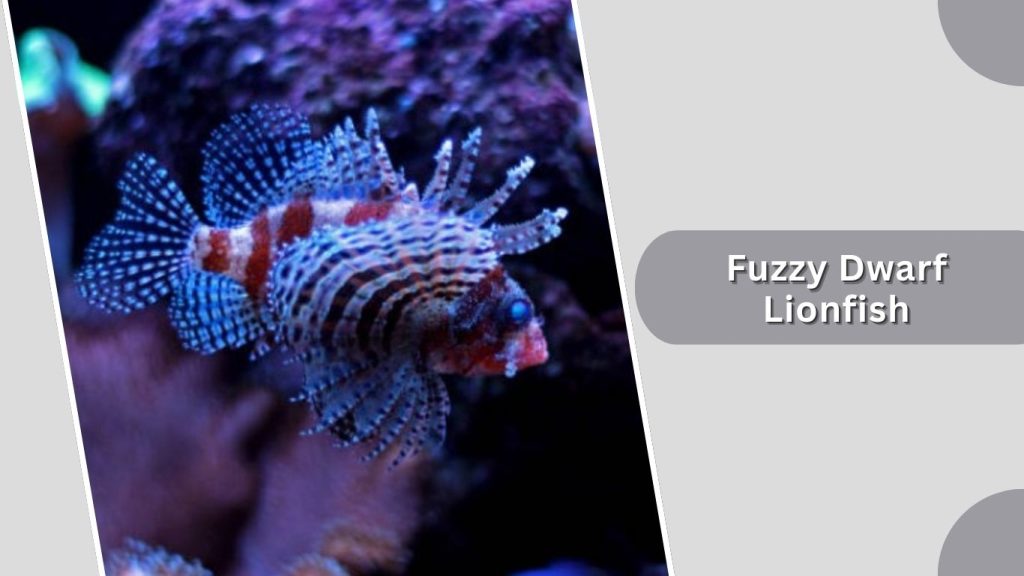
The fuzzy dwarf lionfish is a small, compact lionfish species known for its shaggy appearance and dense fin rays. It is highly popular in marine aquariums and is native to the Indo-Pacific, where it lives among coral reefs and rocky coastal areas.
Identification
- Thick, short-bodied appearance with “fuzzy” fin rays
- Red, brown, and cream mottled patterns
- Shorter pectoral fins compared to large lionfish
- Venomous dorsal, anal, and pelvic spines
- Usually grows up to about 6 inches (15 cm)
Habitat
Fuzzy dwarf lionfish are commonly found in shallow coral reefs, lagoons, and protected coastal waters. They hide among coral heads, rocks, and crevices, often in areas with gentle currents.
Behavior
They are slow, secretive fish that spend much of the day resting on reef structures. At dusk and night, they become more active, slowly patrolling the reef in search of prey.
Diet
Their diet mainly consists of small fish, shrimp, and tiny crustaceans. They are ambush predators, using sudden suction to capture prey.
Lifespan
Fuzzy dwarf lionfish typically live around 5 to 10 years in the wild and in captivity under good care conditions.
FAQs
Are all types of lionfish venomous?
Yes, all known lionfish species are venomous. Their dorsal, anal, and pelvic spines contain venom glands that can deliver a painful sting. While lionfish are not aggressive toward humans, stings can occur if they are handled, stepped on, or accidentally touched.
How dangerous is a lionfish sting to humans?
A lionfish sting is extremely painful but rarely life-threatening to healthy adults. Symptoms usually include intense pain, swelling, redness, and sometimes nausea or dizziness. Severe reactions are uncommon but can happen, especially in people who are allergic or have underlying health issues.
Where are lionfish usually found in the wild?
Lionfish are naturally found in the Indo-Pacific region, living around coral reefs, lagoons, and rocky coastal areas. Some species have become invasive in the Atlantic Ocean, Caribbean Sea, and Gulf of Mexico, where they now inhabit many reef systems.
What do lionfish mostly eat?
Lionfish mainly feed on small fish, shrimp, and other crustaceans. They are ambush predators that use their wide fins to trap prey before swallowing it whole. In invasive regions, their heavy feeding greatly reduces native reef fish populations.
Can lionfish be kept in home aquariums?
Yes, some lionfish species, especially dwarf lionfish, are commonly kept in marine aquariums. They require large, well-filtered tanks, stable saltwater conditions, and a diet of meaty foods. Because they are venomous, they must be handled with extreme care.