
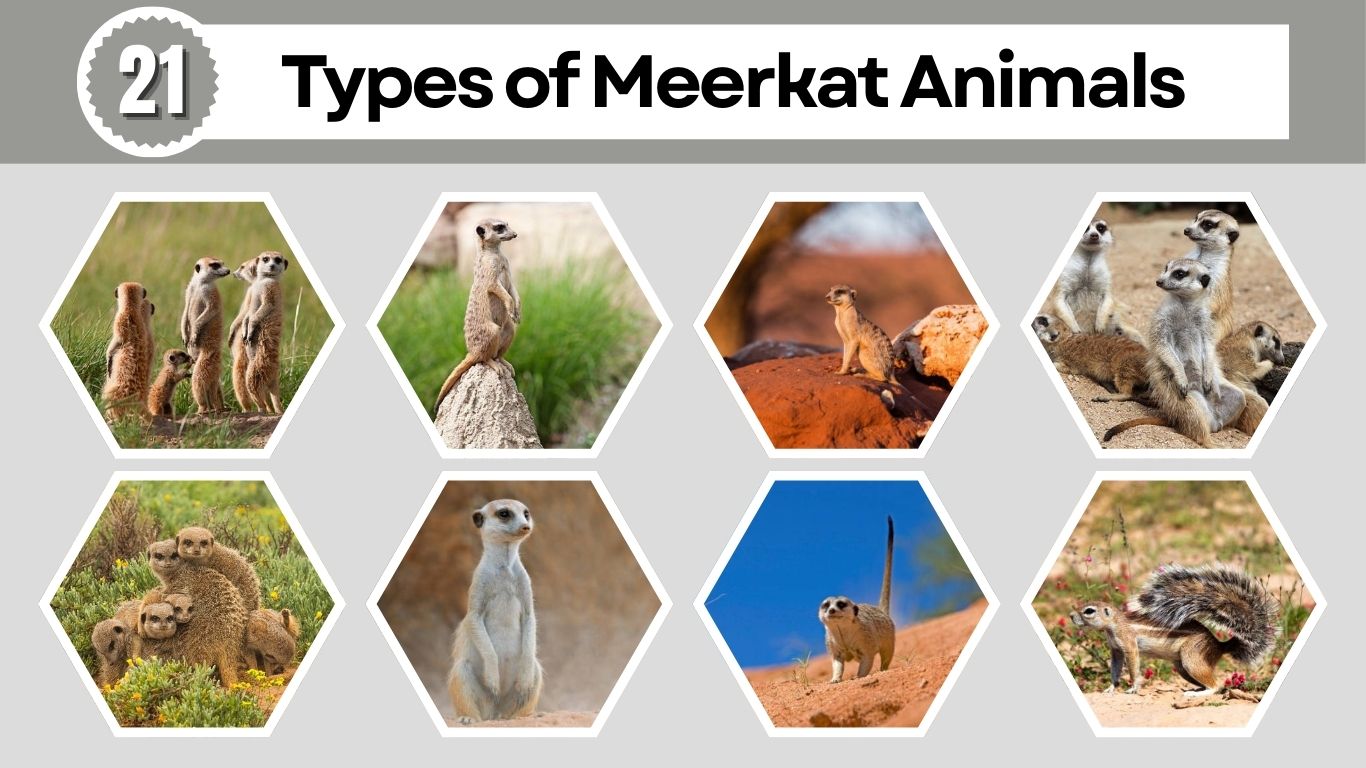
Meerkats are small, social mammals belonging to the mongoose family and are famous for their upright “sentinel” stance and cooperative lifestyle. Native to southern Africa, they thrive in deserts, savannas, dunes, and open plains where survival depends on teamwork, constant communication, and complex burrow systems. Although there is only one true meerkat species, it appears in many regional forms based on habitat and location. These variations highlight how adaptable meerkats are to different dry environments and ecological conditions.
1. Meerkat (Suricata suricatta)
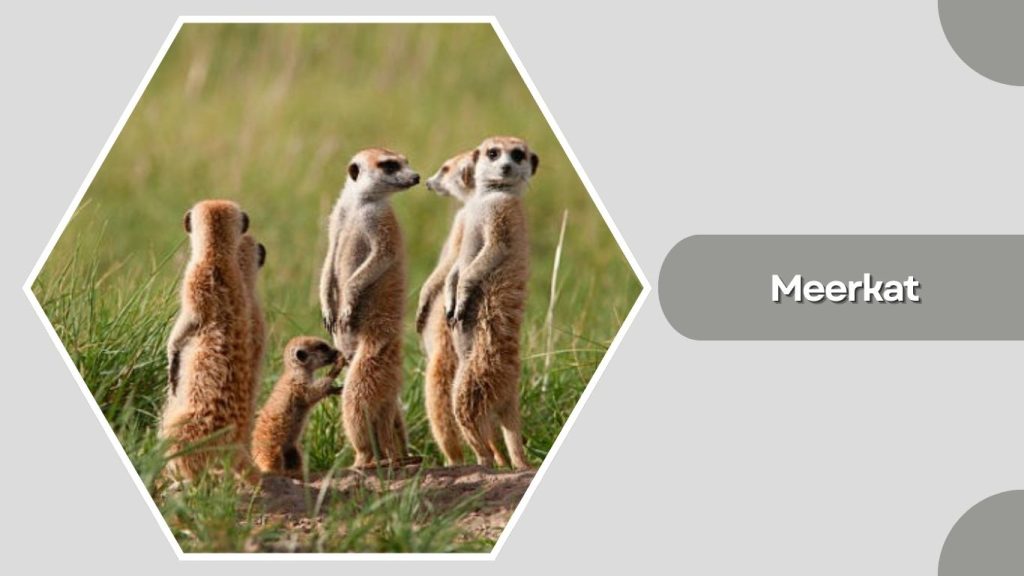
The meerkat is a small, highly social mammal belonging to the mongoose family (Herpestidae). Native to southern Africa, it is famous for its upright “sentinel” posture, where individuals stand on their hind legs to watch for predators. Meerkats live in cooperative groups called mobs or clans and are well adapted to harsh, dry environments such as deserts and semi-arid plains.
Identification
- Small, slender body with light brown to gray fur
- Dark patches around the eyes that reduce glare
- Long, thin tail used for balance
- Short legs with strong digging claws
- Pointed snout and small rounded ears
- Adults usually weigh between 600 g and 1 kg
Habitat and Distribution
Meerkats are found mainly in southern Africa, including Botswana, Namibia, South Africa, and parts of Angola. They inhabit deserts, semi-desert regions, savannas, and open plains, especially in the Kalahari Desert.
They live in complex underground burrow systems that provide shelter from predators and extreme temperatures.
Diet and Feeding Behavior
Meerkats are omnivorous but primarily insectivorous. Their diet includes beetles, termites, scorpions, spiders, lizards, small snakes, birds’ eggs, and occasionally fruits and roots.
They forage in groups during the day, using their sharp sense of smell and quick digging ability to uncover prey.
Behavior and Lifespan
Meerkats are highly social and live in groups that may contain 5 to 30 individuals. They take turns acting as sentinels, warning others of danger with specific calls. Cooperative care of young is a key feature of their social life.
In the wild, meerkats usually live around 6–8 years, with longer lifespans possible in protected environments.
2. Southern Meerkat
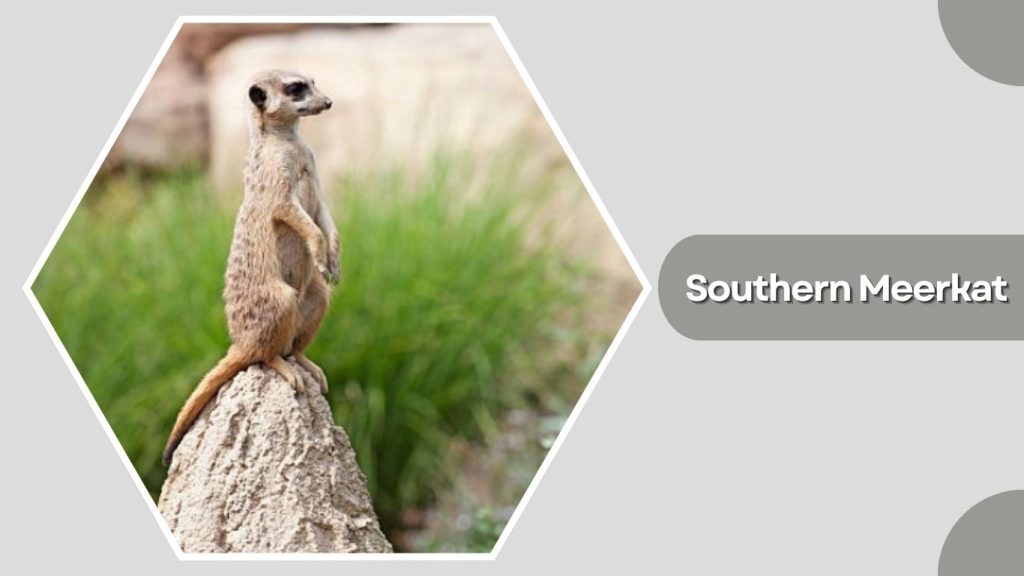
The southern meerkat is a commonly used regional name for meerkat populations found across the southern parts of Africa. These meerkats show the classic social behavior, cooperative living, and desert adaptations that make the species so well known, thriving in dry, open landscapes.
Identification
- Small, slender body with sandy-brown fur
- Dark eye patches that reduce sun glare
- Long, thin tail held upright when standing
- Short legs with strong claws for digging
- Narrow, pointed snout
- Average weight around 600 g to 1 kg
Habitat and Distribution
Southern meerkats are found mainly in South Africa, Namibia, Botswana, and southern Angola. They inhabit savannas, semi-deserts, scrublands, and open plains.
They rely on complex burrow systems for shelter, breeding, and protection from predators and extreme heat.
Diet and Feeding Behavior
Their diet mainly consists of insects, scorpions, spiders, beetles, small reptiles, birds’ eggs, and occasional fruits and roots.
They forage in groups during the day, constantly digging and scanning the surroundings.
Behavior and Lifespan
Southern meerkats live in cooperative family groups with clear social roles. Sentinels stand guard while others feed.
In the wild, they usually live around 6–8 years.
3. Kalahari Meerkat
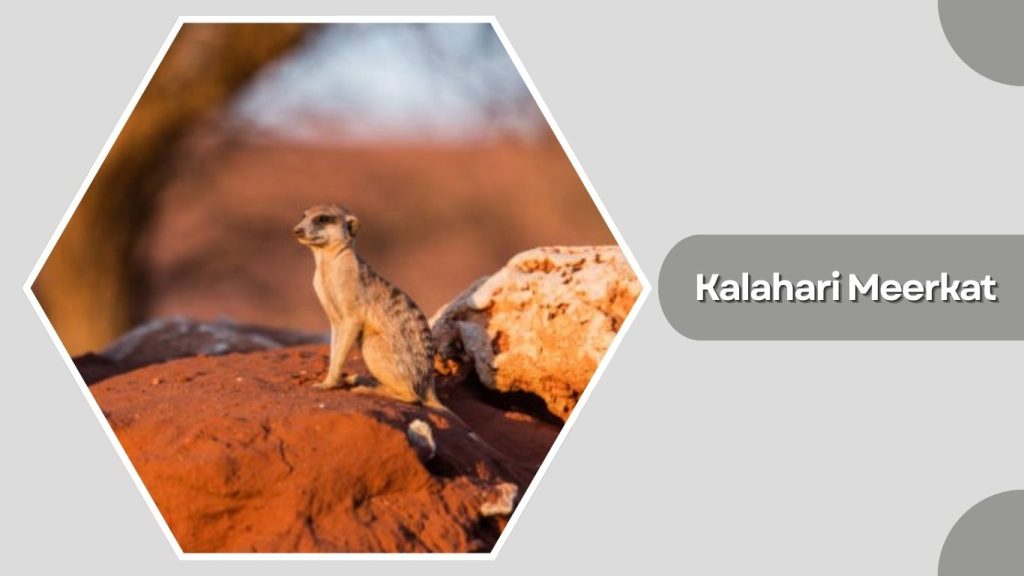
The Kalahari meerkat refers to meerkat populations living in and around the Kalahari Desert. These meerkats are especially well adapted to extreme heat, scarce water, and open sandy environments, making them some of the most studied wild meerkats.
Identification
- Light brown to gray coat matching desert sands
- Dark eye rings that protect from sunlight
- Long tail used for balance when standing
- Slim body with short, powerful legs
- Sharp claws for fast digging
- Small rounded ears and pointed face
Habitat and Distribution
Kalahari meerkats are primarily found in Botswana, Namibia, and northern South Africa, especially within the Kalahari Basin.
They build deep burrow networks that help regulate body temperature and provide safety.
Diet and Feeding Behavior
They feed on insects, scorpions, centipedes, spiders, lizards, small snakes, and eggs, along with occasional plant matter.
They are active daytime foragers, often traveling together across open ground.
Behavior and Lifespan
Kalahari meerkats are extremely social, living in mobs that cooperate in hunting, babysitting, and guarding.
Their average lifespan in the wild is about 6–8 years.
4. Namib Desert Meerkat
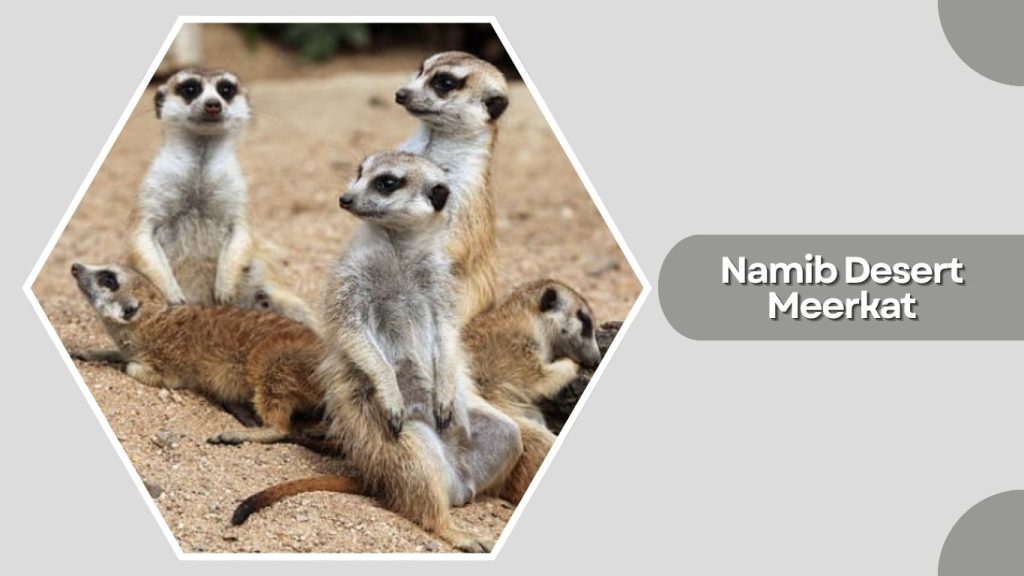
The Namib Desert meerkat refers to meerkat populations living in the arid regions bordering the Namib Desert. These meerkats are adapted to extreme temperatures, intense sunlight, and scarce surface water, relying heavily on underground burrows for survival.
Identification
- Pale sandy to light brown fur
- Dark patches around the eyes
- Slender body with short legs
- Long tail often held upright
- Strong digging claws
- Small rounded ears and pointed snout
Habitat and Distribution
Namib Desert meerkats are found mainly in Namibia and adjacent parts of southwestern Africa. They inhabit deserts, semi-deserts, and open dry plains with sandy or loose soils suitable for burrowing.
Their deep tunnel systems protect them from heat and predators.
Diet and Feeding Behavior
Their diet includes beetles, termites, scorpions, spiders, lizards, and other small animals, along with occasional roots and fruits.
They forage during the day in coordinated groups, spreading out to search for prey.
Behavior and Lifespan
They live in tight-knit social groups with dedicated sentinels. Constant communication through calls helps maintain group safety.
In the wild, they usually live around 6–8 years.
5. Botswana Meerkat
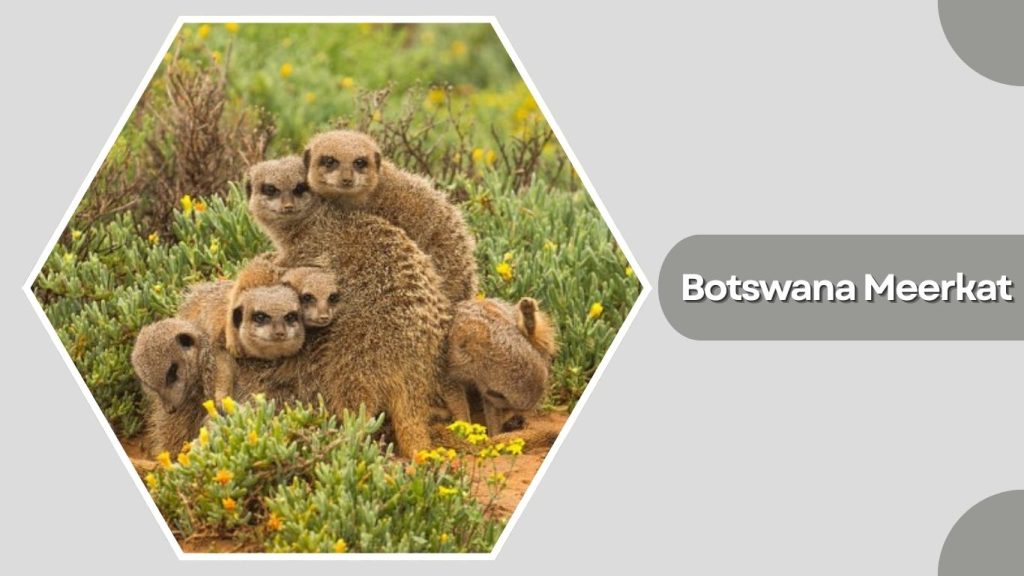
The Botswana meerkat is a regional term used for meerkat populations living throughout Botswana, particularly in the Kalahari and surrounding dry savanna ecosystems. These meerkats show strong group cooperation and excellent desert survival skills.
Identification
- Sandy-brown coat with faint darker bands
- Dark eye patches
- Long tail for balance
- Slim body and short legs
- Sharp claws for digging
- Small ears and pointed snout
Habitat and Distribution
Botswana meerkats occur widely across central and western Botswana, especially in the Kalahari region. They inhabit open savannas, scrublands, and desert plains.
They depend on complex burrow systems for shelter and breeding.
Diet and Feeding Behavior
They eat insects, scorpions, spiders, small reptiles, birds’ eggs, and occasional plant matter.
They forage together during daylight, often covering large areas.
Behavior and Lifespan
Botswana meerkats are highly social, living in mobs with cooperative breeding and shared defense.
Their typical wild lifespan is around 6–8 years.
6. South African Meerkat
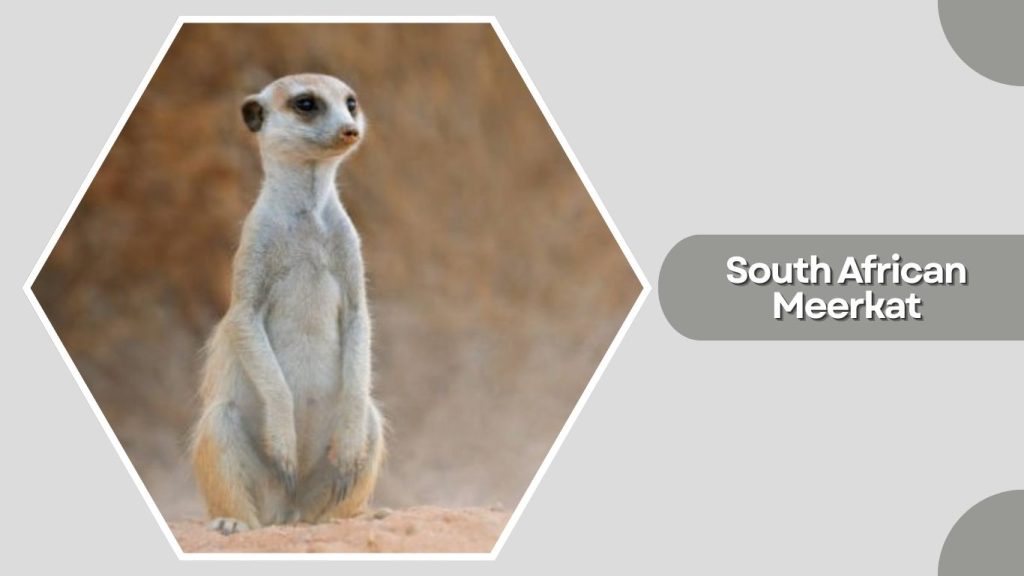
The South African meerkat refers to populations of meerkats living across South Africa, especially in the Northern Cape and arid interior regions. These meerkats are well studied and display the classic social systems and behaviors associated with the species.
Identification
- Light brown to gray fur with darker bands
- Dark patches around the eyes
- Slender body and short legs
- Long tail used for balance
- Strong digging claws
- Small rounded ears
Habitat and Distribution
South African meerkats are found in semi-deserts, savannas, and open plains, particularly within and around the Kalahari Desert.
They construct extensive underground burrow systems.
Diet and Feeding Behavior
They feed mainly on insects, scorpions, beetles, spiders, small reptiles, birds’ eggs, and occasional fruits.
They forage in coordinated groups during the day.
Behavior and Lifespan
They are highly social, living in family groups with sentinel systems.
Their wild lifespan is usually about 6–8 years.
7. Namibian Meerkat
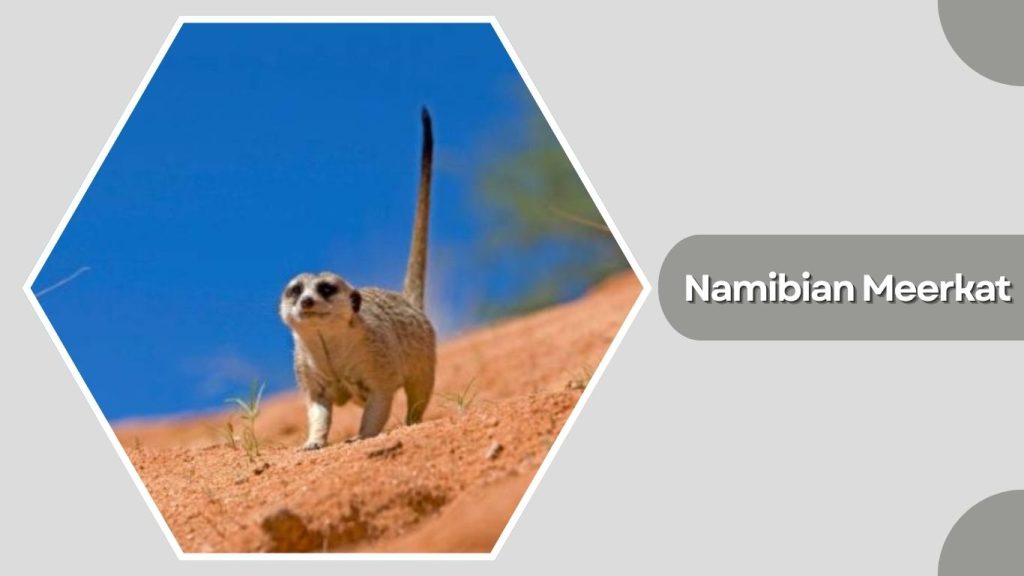
The Namibian meerkat is a regional name for meerkats inhabiting Namibia’s deserts and dry savannas. These meerkats are adapted to sandy soils, extreme temperatures, and limited water availability.
Identification
- Pale sandy coat matching desert terrain
- Dark eye rings
- Long, thin tail
- Short powerful legs
- Strong claws for digging
- Slim body structure
Habitat and Distribution
Namibian meerkats are found across Namibia, especially in desert and semi-desert zones.
They live in burrows that protect them from predators and heat.
Diet and Feeding Behavior
They eat insects, spiders, scorpions, small reptiles, and eggs, with occasional plant matter.
They forage mainly during daylight.
Behavior and Lifespan
They are cooperative and social, with constant vocal communication.
In the wild, they typically live around 6–8 years.
8. Cape Meerkat
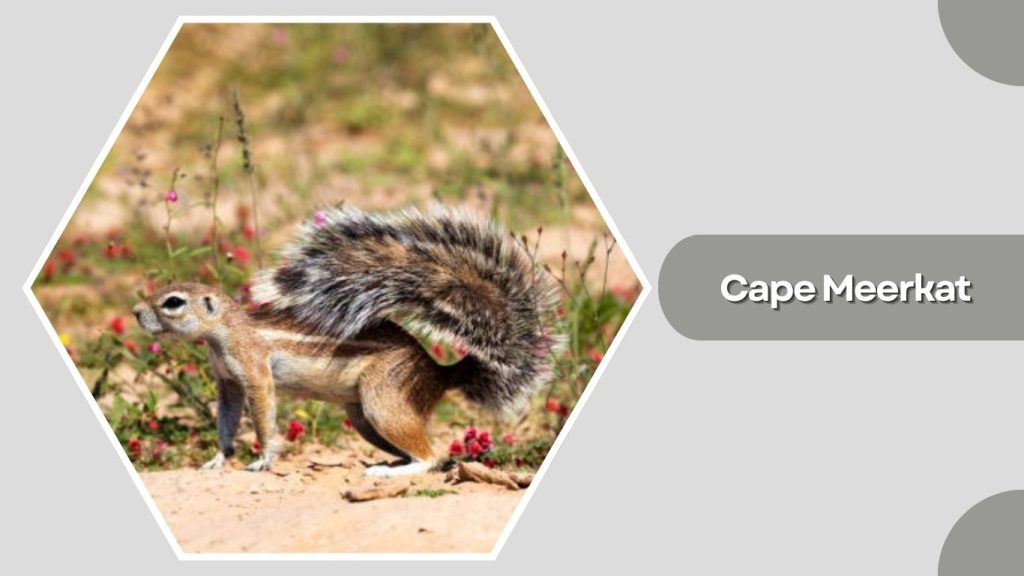
The Cape meerkat refers to meerkat populations found in the Cape regions of South Africa. These meerkats inhabit dry plains and semi-arid landscapes and show the classic cooperative behavior that has made meerkats famous worldwide.
Identification
- Sandy to light brown fur with faint darker bands
- Dark patches around the eyes
- Long tail used for balance when standing
- Short legs with strong digging claws
- Slim body and pointed snout
Habitat and Distribution
Cape meerkats are mainly found in the Northern and Western Cape provinces of South Africa. They inhabit semi-deserts, scrublands, and open plains.
They rely on deep, complex burrow systems for shelter and breeding.
Diet and Feeding Behavior
Their diet includes insects, scorpions, spiders, beetles, small reptiles, birds’ eggs, and occasional fruits.
They forage in groups during the day, constantly moving and digging.
Behavior and Lifespan
Cape meerkats are highly social and live in mobs with cooperative care of young and shared defense.
Their average lifespan in the wild is about 6–8 years.
9. Transvaal Meerkat
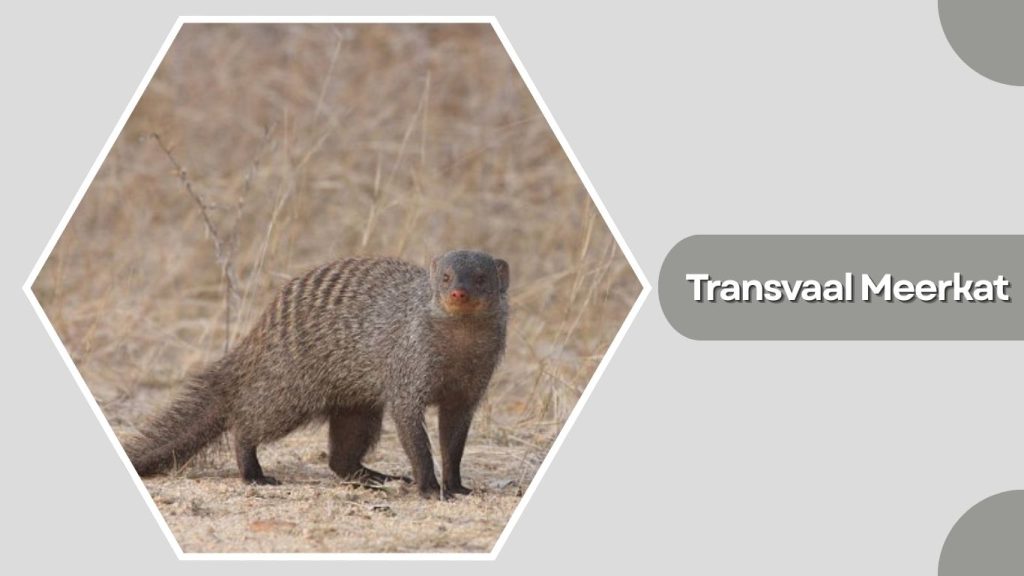
The Transvaal meerkat is a regional term for meerkats living in the former Transvaal region of northeastern South Africa. These populations thrive in open savannas and dry grasslands.
Identification
- Light brown to gray coat with subtle striping
- Dark eye rings
- Slender body with short legs
- Long tail often held upright
- Sharp claws for digging
- Small rounded ears
Habitat and Distribution
Transvaal meerkats are found in northeastern South Africa, extending into nearby savanna regions.
They prefer open habitats with sandy or soft soil for burrowing.
Diet and Feeding Behavior
They feed on insects, termites, scorpions, spiders, lizards, small snakes, eggs, and some plant material.
They forage mainly during the day in coordinated groups.
Behavior and Lifespan
They are cooperative and highly vocal, using alarm calls and social sounds to maintain group cohesion.
In the wild, they usually live around 6–8 years.
10. Karoo Meerkat
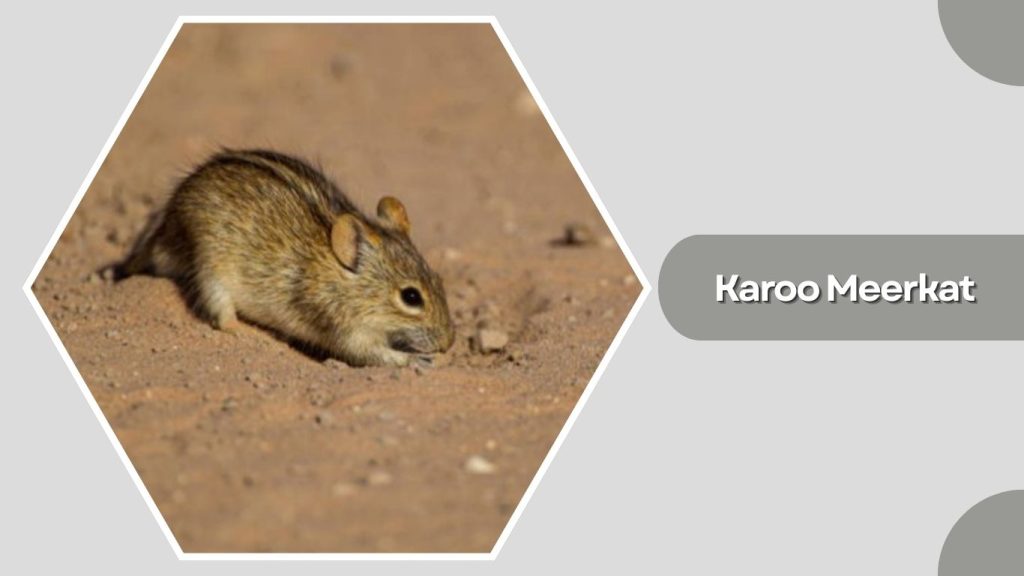
The Karoo meerkat refers to meerkat populations living in the semi-arid Karoo region of South Africa. These meerkats are adapted to open scrublands, rocky plains, and harsh climates with limited rainfall.
Identification
- Pale brown to sandy coat
- Dark eye patches
- Slender body and short legs
- Long tail for balance
- Strong digging claws
- Small rounded ears
Habitat and Distribution
Karoo meerkats are found mainly in the Karoo Basin of South Africa. They inhabit dry scrublands, semi-deserts, and open rocky plains.
They dig deep burrows for shelter and protection.
Diet and Feeding Behavior
They feed on insects, scorpions, spiders, small reptiles, eggs, and occasional plant matter.
They forage in groups during the day.
Behavior and Lifespan
They live in cooperative family groups and rely heavily on vocal communication.
Their average lifespan in the wild is about 6–8 years.
11. Okavango Meerkat
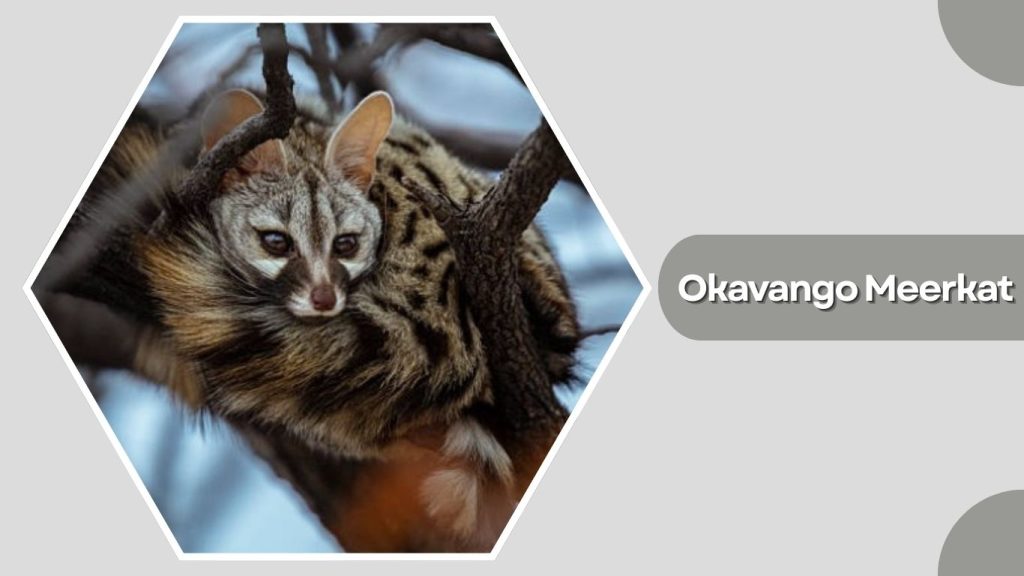
The Okavango meerkat is a regional name for meerkat populations inhabiting areas around the Okavango Delta in Botswana. These meerkats live near the transition zones between wetlands and dry savannas.
Identification
- Light brown coat with faint darker bands
- Dark eye rings
- Slim body and long tail
- Short legs with sharp claws
- Pointed snout and small ears
Habitat and Distribution
Okavango meerkats are found in northern Botswana, particularly around the Okavango region. They inhabit open grasslands and dry savannas near seasonal water sources.
They build burrows in raised, well-drained soils.
Diet and Feeding Behavior
Their diet includes insects, spiders, scorpions, lizards, small snakes, eggs, and occasional fruits.
They forage mostly during the day in groups.
Behavior and Lifespan
They are social and cooperative, using sentinels to watch for predators.
Their wild lifespan is usually around 6–8 years.
12. Makgadikgadi Meerkat
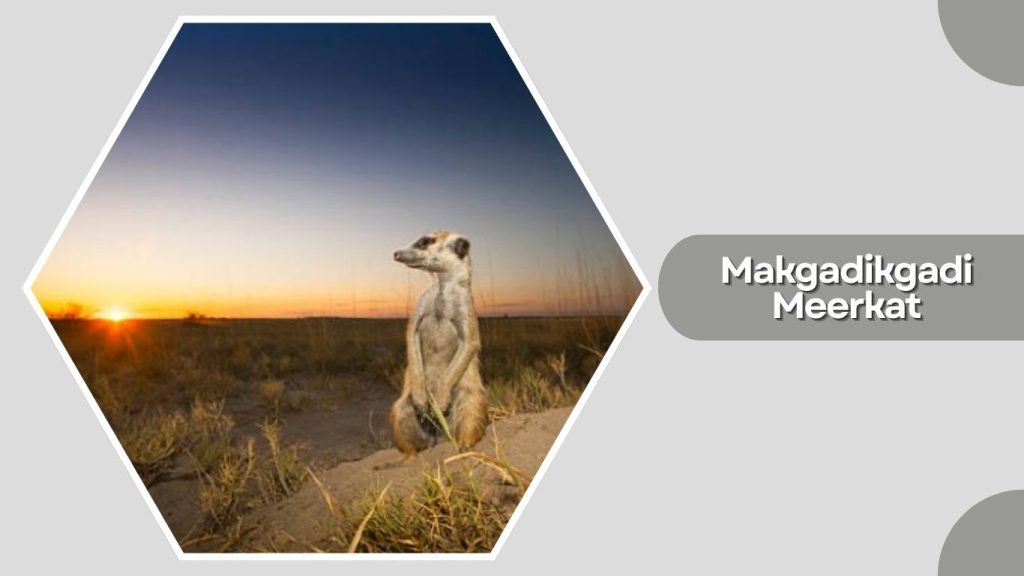
The Makgadikgadi meerkat refers to meerkat populations living around the Makgadikgadi Pans in Botswana. These meerkats are adapted to extremely open, flat, and dry salt-pan environments with sparse vegetation.
Identification
- Very pale sandy to light brown fur
- Dark eye patches
- Slender body with short legs
- Long tail often held upright
- Strong digging claws
- Small rounded ears
Habitat and Distribution
Makgadikgadi meerkats are found mainly in northeastern Botswana. They inhabit dry grasslands, salt pan edges, and open savannas.
They construct deep burrows in firm soil to escape heat and predators.
Diet and Feeding Behavior
They feed on insects, scorpions, spiders, beetles, lizards, eggs, and occasional roots.
They forage in coordinated groups during daylight hours.
Behavior and Lifespan
They are highly social, using lookout individuals to guard while others feed.
Their lifespan in the wild averages around 6–8 years.
13. Etosha Meerkat
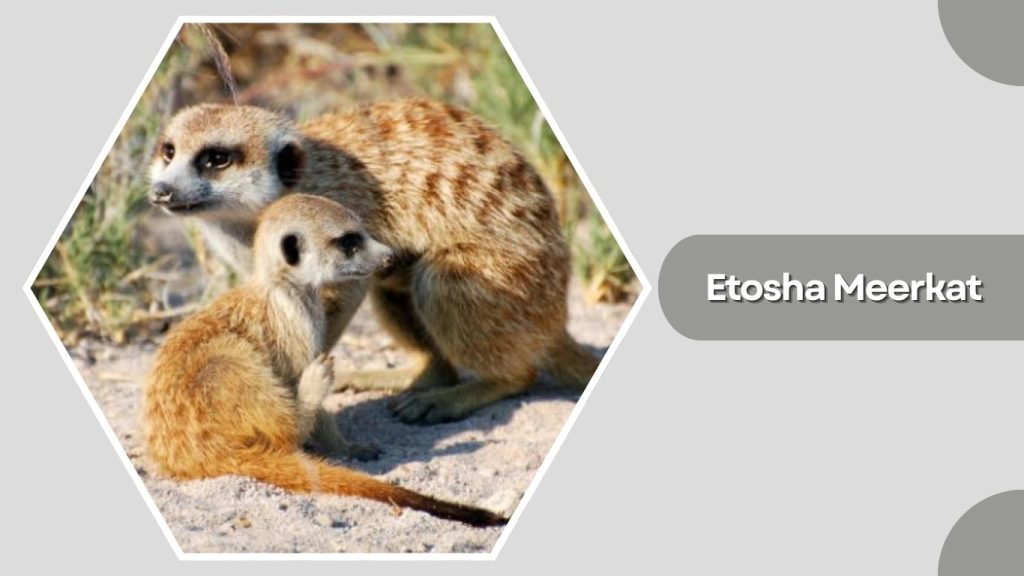
The Etosha meerkat is a regional form referring to meerkats living in and around Etosha National Park in Namibia. These meerkats inhabit dry savannas and semi-desert landscapes.
Identification
- Light brown to sandy-gray coat
- Dark eye rings
- Slim body and short legs
- Long tail for balance
- Strong claws for digging
- Pointed snout and small ears
Habitat and Distribution
Etosha meerkats are found in northern Namibia, particularly near Etosha Pan. They live in open plains and dry savannas with scattered shrubs.
They rely on underground burrows for shelter.
Diet and Feeding Behavior
They eat insects, scorpions, spiders, small reptiles, eggs, and occasional fruits.
They forage in groups during the day, covering large areas.
Behavior and Lifespan
They live in cooperative family groups and are constantly vocal.
Their typical lifespan is around 6–8 years.
14. Ghanzi Meerkat
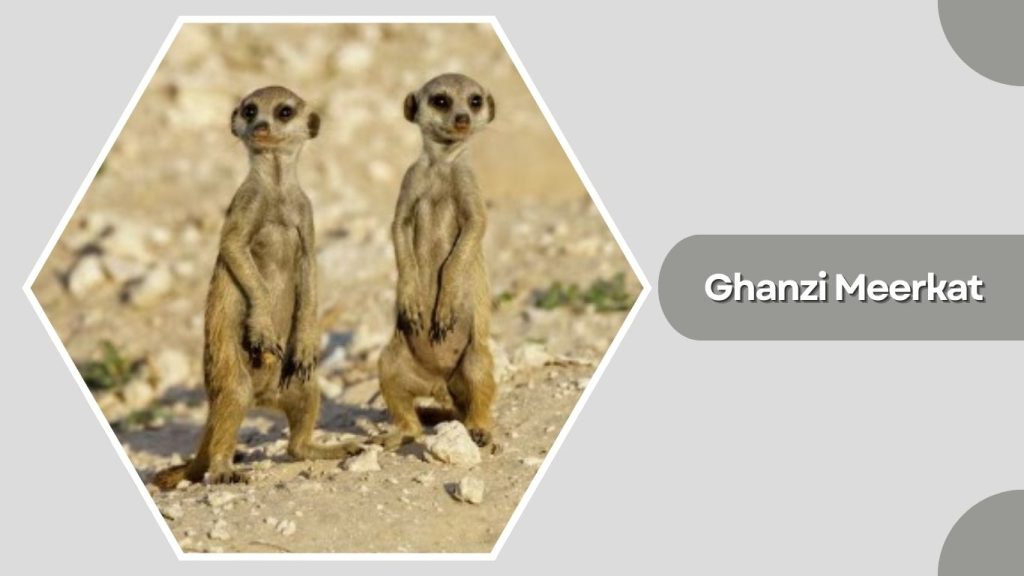
The Ghanzi meerkat refers to meerkat populations found around the Ghanzi District of western Botswana, a region dominated by dry savannas and the fringes of the Kalahari Desert. These meerkats live in some of the most open and sun-exposed landscapes in southern Africa, where shade is scarce and food resources are widely scattered. As a result, they are excellent examples of how meerkats have adapted to extreme environments through cooperation, alertness, and efficient foraging strategies.
Identification
- Small, slender body with sandy-brown fur
- Faint darker bands across the back
- Dark patches around the eyes to reduce glare
- Long, thin tail often held upright when standing
- Short legs with strong, curved digging claws
- Small rounded ears and pointed snout
Habitat and Distribution
Ghanzi meerkats are mainly associated with western Botswana, particularly the dry savannas, scrublands, and semi-desert areas surrounding Ghanzi. The terrain is flat, sandy, and sparsely vegetated, making burrowing essential for survival.
They construct extensive tunnel systems that provide shelter from predators and relief from extreme daytime heat and cold nights. These burrows may have multiple entrances and are often reused or expanded over generations.
Diet and Feeding Behavior
Their diet is largely insect-based and includes beetles, termites, ants, scorpions, spiders, and other invertebrates. They also consume small lizards, snakes, bird eggs, and occasionally roots or fruits when available.
Ghanzi meerkats forage in coordinated groups, spreading out while staying in vocal contact. They dig rapidly into loose sand to uncover prey and are skilled at handling dangerous food such as scorpions by removing the stinger before eating.
Behavior and Lifespan
Like other meerkats, Ghanzi populations are highly social. Groups usually contain 10–30 individuals with a dominant breeding pair. While most members forage, one or more sentinels stand guard on raised ground or shrubs, scanning for predators such as eagles and jackals.
They communicate constantly using alarm calls, contact chirps, and social sounds. Cooperative care of young is common, with helpers babysitting and feeding pups.
In the wild, Ghanzi meerkats typically live about 6–8 years, though survival strongly depends on rainfall, food availability, and predation pressure.
15. Kalahari Desert Meerkat
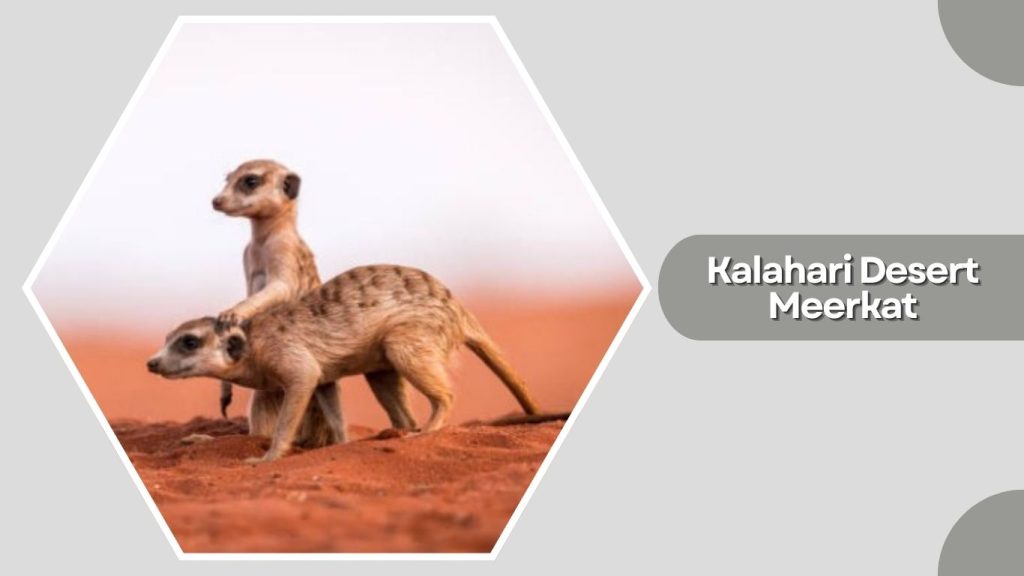
The Kalahari Desert meerkat refers to the iconic meerkat populations living deep within the Kalahari Basin of Botswana, Namibia, and northern South Africa. These meerkats are among the most intensively studied in the world and are often featured in wildlife documentaries. Life in the Kalahari is harsh, with scorching days, cold nights, and unpredictable food supplies, yet these meerkats thrive through social cooperation and precise adaptation.
Identification
- Light brown to grayish coat blending with desert sands
- Distinct dark eye patches
- Slender body with short, powerful legs
- Long tail used for balance when standing upright
- Sharp, curved claws for digging
- Small ears and pointed muzzle
Habitat and Distribution
Kalahari Desert meerkats are found across the central and southern Kalahari region. They inhabit open deserts, semi-deserts, and dry savannas with sparse grasses and shrubs.
They dig deep, complex burrow networks that can extend several meters underground. These burrows maintain stable temperatures and serve as sleeping chambers, nurseries, and emergency shelters.
Diet and Feeding Behavior
Their diet includes beetles, larvae, termites, scorpions, spiders, centipedes, small reptiles, snakes, birds’ eggs, and occasional plant material. They obtain most of their water from food, allowing them to survive without surface water for long periods.
Foraging occurs during the day. Groups move slowly across the desert, digging constantly and pausing frequently while sentinels keep watch. They are especially skilled at locating buried prey through scent and vibration detection.
Behavior and Lifespan
Kalahari Desert meerkats are famous for their complex social structure. Each group is led by a dominant pair, while subordinate members help defend territory, babysit young, and teach pups how to hunt.
Sentinel behavior is highly developed, with individuals taking turns standing upright and giving specific alarm calls for aerial or ground predators.
In the wild, Kalahari meerkats usually live around 6–8 years, though some individuals may reach 10 years under favorable conditions.
16. Southern African Meerkat
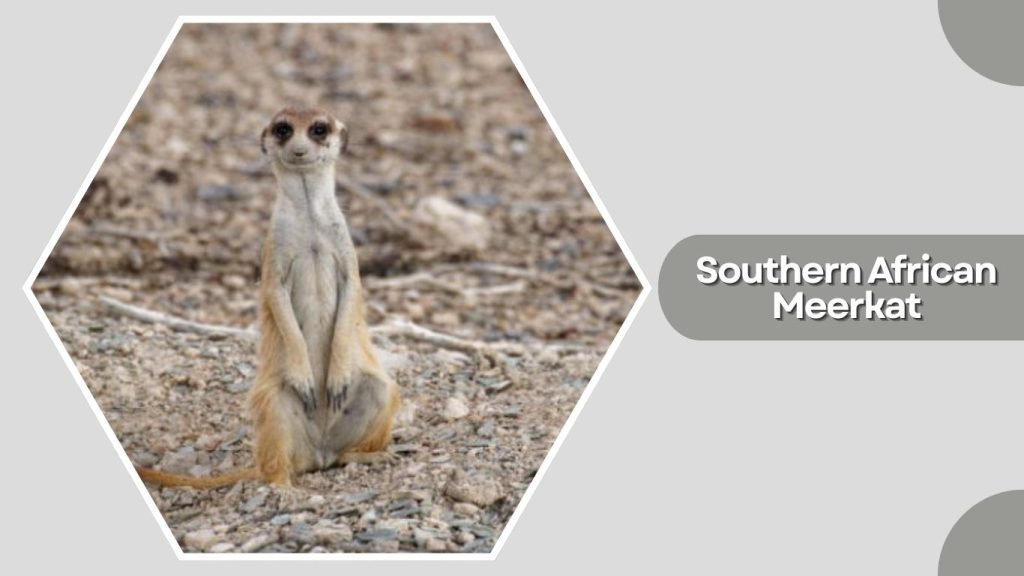
The Southern African meerkat is a broad regional term used for meerkat populations distributed across southern Africa, including Botswana, Namibia, South Africa, and parts of Angola. These meerkats represent the classic form of the species most people recognize, living in open landscapes where visibility is high and burrowing is essential. Their survival depends heavily on cooperation, constant communication, and efficient use of underground shelter.
Identification
- Sandy-brown to light gray fur with faint darker bands
- Distinct dark eye patches
- Slender body with short, muscular legs
- Long, thin tail often used for balance
- Strong, curved claws for digging
- Small rounded ears and pointed snout
Habitat and Distribution
Southern African meerkats inhabit semi-deserts, savannas, scrublands, and open plains throughout southern Africa. They prefer areas with soft soil suitable for digging and open ground that allows early detection of predators.
Their burrow systems are complex and may include dozens of entrances, sleeping chambers, and nursery tunnels. These underground networks protect them from predators and help regulate body temperature during extreme heat and cold.
Diet and Feeding Behavior
Their diet consists mainly of insects and other invertebrates such as beetles, termites, scorpions, spiders, and centipedes. They also eat small reptiles, birds’ eggs, and occasionally roots and fruits.
Southern African meerkats forage during the day in closely coordinated groups. While most members search for food, one or more sentinels stand guard on elevated points. They use a wide range of vocalizations to maintain contact and warn of danger.
Behavior and Lifespan
They live in social groups usually made up of 10–30 individuals, dominated by a breeding pair. Subordinate members help care for pups, defend territory, and teach young how to hunt.
Their typical lifespan in the wild is about 6–8 years, though some individuals may live longer under favorable conditions.
17. Desert Meerkat
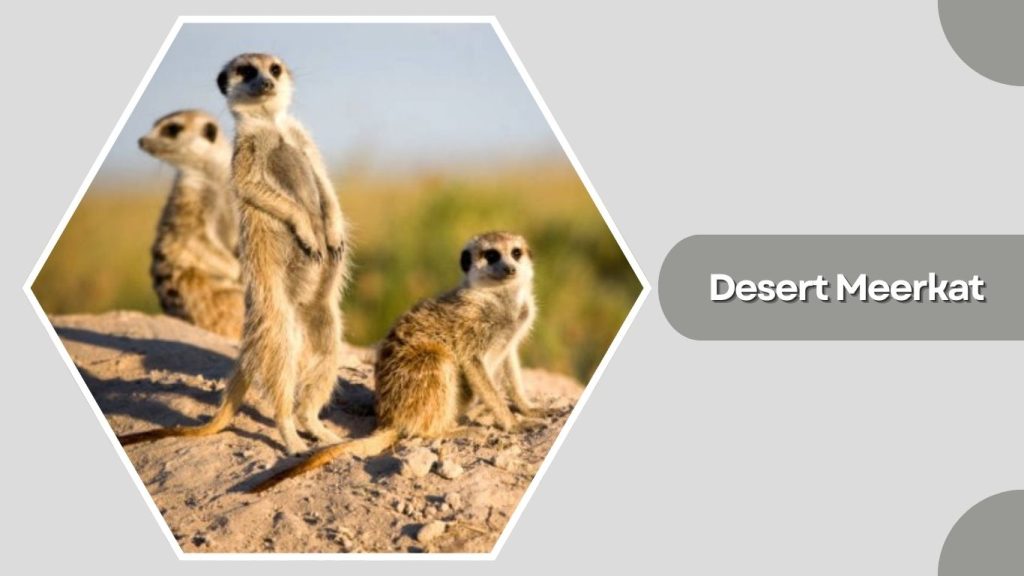
The desert meerkat is a general regional name used for meerkat populations living in extremely arid environments, including desert margins and dry interior basins. These meerkats are specially adapted to low rainfall, intense sun exposure, and wide daily temperature swings.
Identification
- Very pale sandy to light brown coat
- Dark eye rings that reduce sun glare
- Slender, lightweight body
- Long tail often held upright
- Short legs with powerful digging claws
- Narrow, pointed face
Habitat and Distribution
Desert meerkats are found mainly in the driest parts of southern Africa, including areas of the Namib and Kalahari deserts. They inhabit open desert plains, sandy savannas, and scrublands.
They depend on deep burrows to escape daytime heat and nighttime cold. Burrows may be relocated seasonally depending on food availability.
Diet and Feeding Behavior
They feed largely on insects, scorpions, spiders, beetles, termites, and other invertebrates. Small reptiles, eggs, and some plant matter are also eaten. They gain most of their moisture from prey.
They forage in daylight hours, often traveling long distances across open ground.
Behavior and Lifespan
Desert meerkats live in tightly bonded social groups. Sentinel duty is critical in open habitats, with constant lookout behavior.
In the wild, desert meerkats usually live around 6–8 years, though survival is strongly influenced by drought and predator pressure.
18. Plains Meerkat
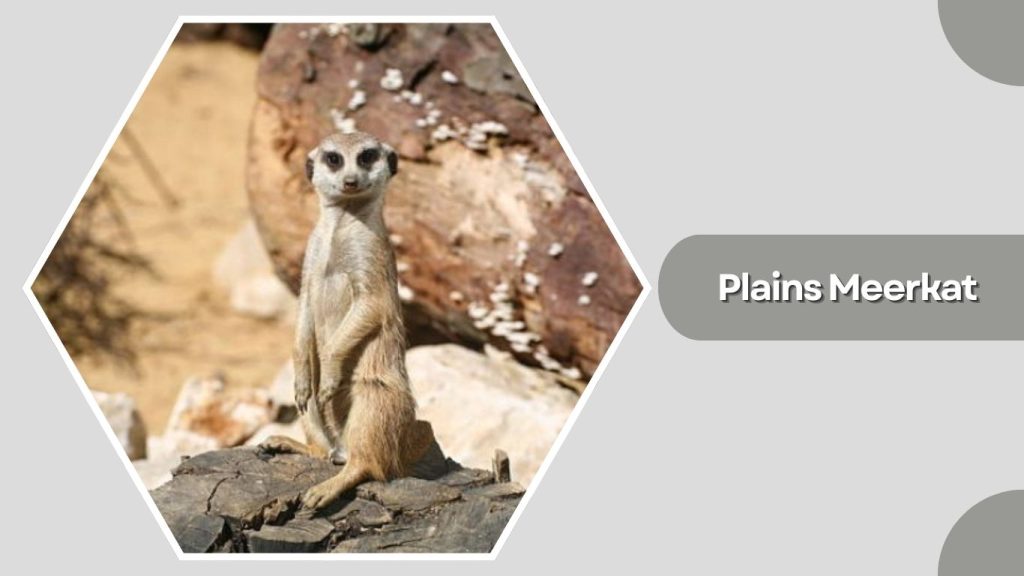
The plains meerkat is a regional term used for meerkat populations inhabiting wide, open plains and lightly vegetated savannas of southern Africa. These environments offer little cover, making constant vigilance and strong group coordination essential for survival. Plains meerkats are especially well adapted to living in flat landscapes where predators can approach from long distances.
Identification
- Sandy-brown to light gray fur
- Faint dark bands across the back
- Distinct dark eye patches
- Long, thin tail often held upright
- Short legs with strong digging claws
- Slim, agile body
Habitat and Distribution
Plains meerkats occur across open regions of Botswana, Namibia, and South Africa. They inhabit dry plains, grasslands, and open savannas with soft soils suitable for burrowing.
They build extensive burrow systems that may include dozens of entrances, allowing quick escape from predators.
Diet and Feeding Behavior
They feed primarily on insects, beetles, termites, scorpions, spiders, and other invertebrates. Small reptiles, eggs, and occasional fruits are also part of their diet.
They forage in coordinated groups during the day, moving slowly across open ground while sentinels stand guard.
Behavior and Lifespan
Plains meerkats are highly social and live in mobs of 10–30 individuals. Communication is constant, with different calls for aerial and ground predators.
Their average lifespan in the wild is about 6–8 years.
19. Savannah Meerkat
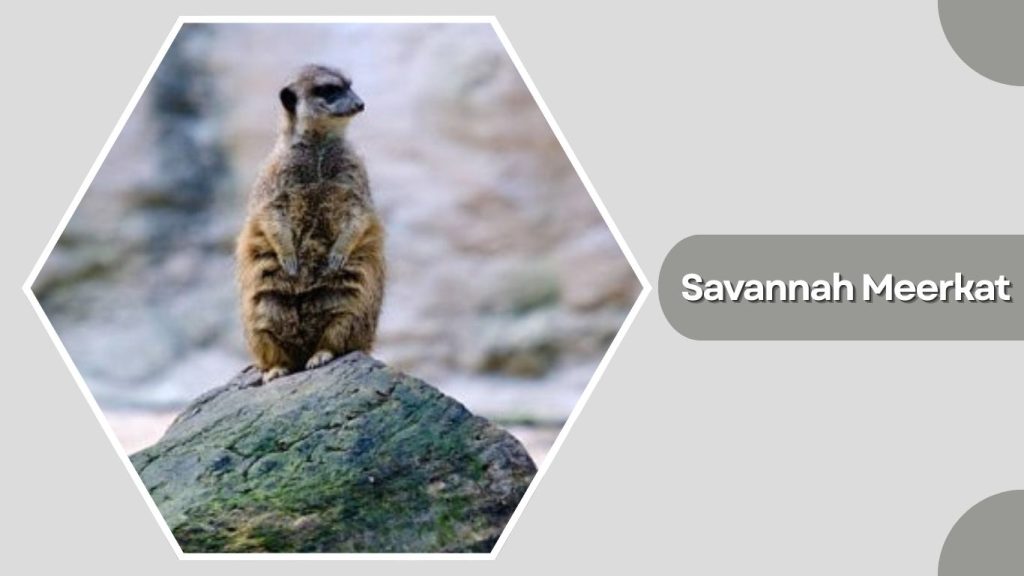
The savannah meerkat refers to meerkat populations living in open savanna ecosystems where grasses, scattered shrubs, and seasonal insects dominate the landscape. These habitats provide rich feeding grounds but also expose meerkats to numerous predators.
Identification
- Light brown coat blending with savanna soils
- Dark eye patches
- Slender body with short legs
- Long tail used for balance
- Sharp digging claws
- Small rounded ears and pointed snout
Habitat and Distribution
Savannah meerkats are found in savanna regions of southern Africa, including parts of South Africa, Botswana, and Namibia. They prefer well-drained soils where burrowing is easy.
Their burrows are essential for breeding, resting, and predator avoidance.
Diet and Feeding Behavior
They eat insects, scorpions, spiders, beetles, lizards, snakes, eggs, and some plant material. Seasonal insect swarms provide important food boosts.
They forage mainly during daylight hours, spreading out while staying within vocal contact.
Behavior and Lifespan
Savannah meerkats live in cooperative groups with strict social structure. Sentinels guard while others feed, and group members help raise pups.
In natural conditions, they usually live around 6–8 years.
20. Dune Meerkat
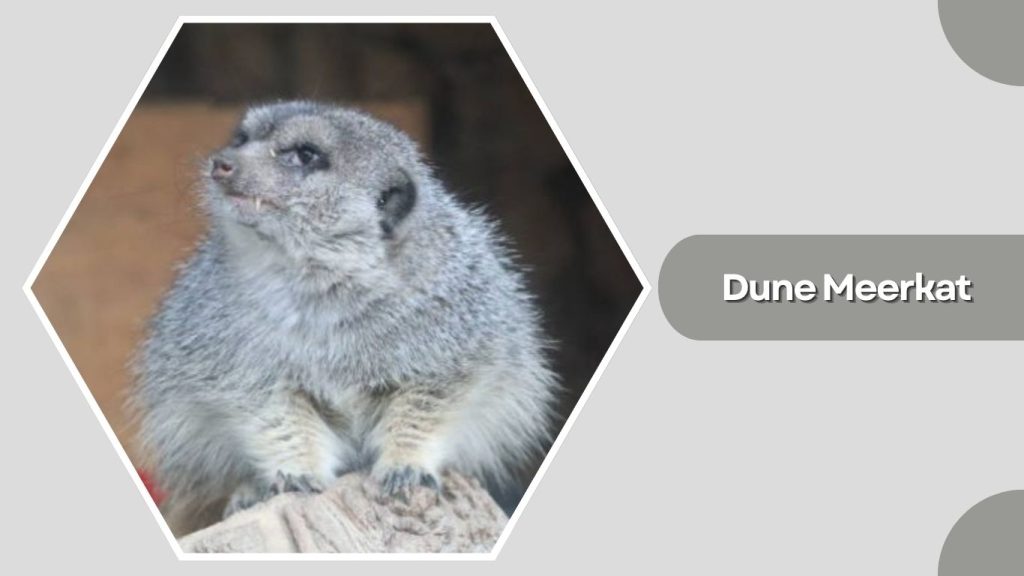
The dune meerkat is a regional name used for meerkat populations that inhabit sandy dune systems and desert edges of southern Africa. These environments are shaped by shifting sands, sparse vegetation, and intense heat, requiring meerkats to be excellent diggers and highly cooperative.
Identification
- Very pale sandy to yellowish fur
- Dark eye patches
- Slender body with short legs
- Long tail often held upright
- Strong, curved claws for digging in loose sand
- Small rounded ears and pointed snout
Habitat and Distribution
Dune meerkats are found mainly along desert dune fields in Namibia, Botswana, and northwestern South Africa. They inhabit sand dunes, desert margins, and sandy savannas where soil is loose and ideal for burrowing.
They dig deep tunnel systems that stabilize their living areas and provide protection from predators and extreme temperatures.
Diet and Feeding Behavior
Their diet includes beetles, termites, ants, scorpions, spiders, centipedes, small lizards, and occasional roots. They obtain most of their moisture from food, allowing survival in very dry habitats.
They forage during the day, often spreading out across dune slopes while maintaining vocal contact.
Behavior and Lifespan
Dune meerkats are highly social, living in cooperative groups with strong sentinel systems. Lookouts frequently stand on dune crests to scan for predators.
In the wild, they usually live around 6–8 years, though drought conditions can greatly affect survival.
21. Greater Meerkat
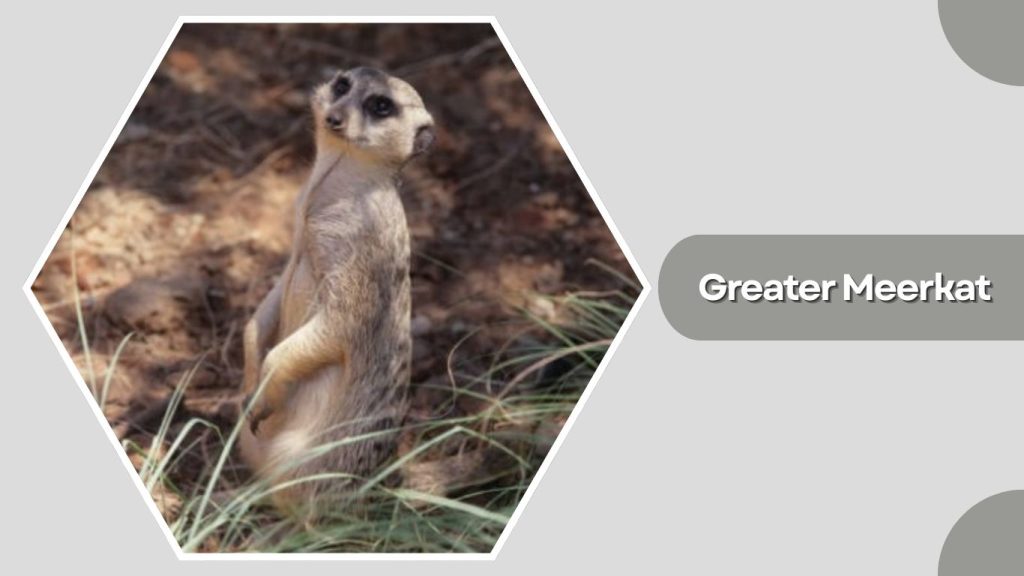
The greater meerkat is a traditional alternative name sometimes used for the meerkat (Suricata suricatta), emphasizing its distinction from other small mongoose species. It refers to typical, full-sized adult meerkats found throughout southern Africa.
Identification
- Sandy-brown coat with faint darker stripes
- Dark eye rings
- Slender body with short, muscular legs
- Long tail used for balance
- Sharp digging claws
- Small ears and pointed snout
Habitat and Distribution
Greater meerkats are found across southern Africa, including Botswana, Namibia, South Africa, and parts of Angola. They inhabit deserts, semi-deserts, savannas, and open plains.
They rely on extensive burrow systems for shelter, breeding, and temperature regulation.
Diet and Feeding Behavior
They feed on insects, scorpions, spiders, beetles, termites, small reptiles, birds’ eggs, and some plant matter.
They forage mainly during the day in organized groups with sentinels on duty.
Behavior and Lifespan
Greater meerkats live in social groups of up to 30 individuals. Cooperative breeding, babysitting, and predator warning systems are central to their survival.
In the wild, their typical lifespan is around 6–8 years, though some individuals may reach 10 years.