




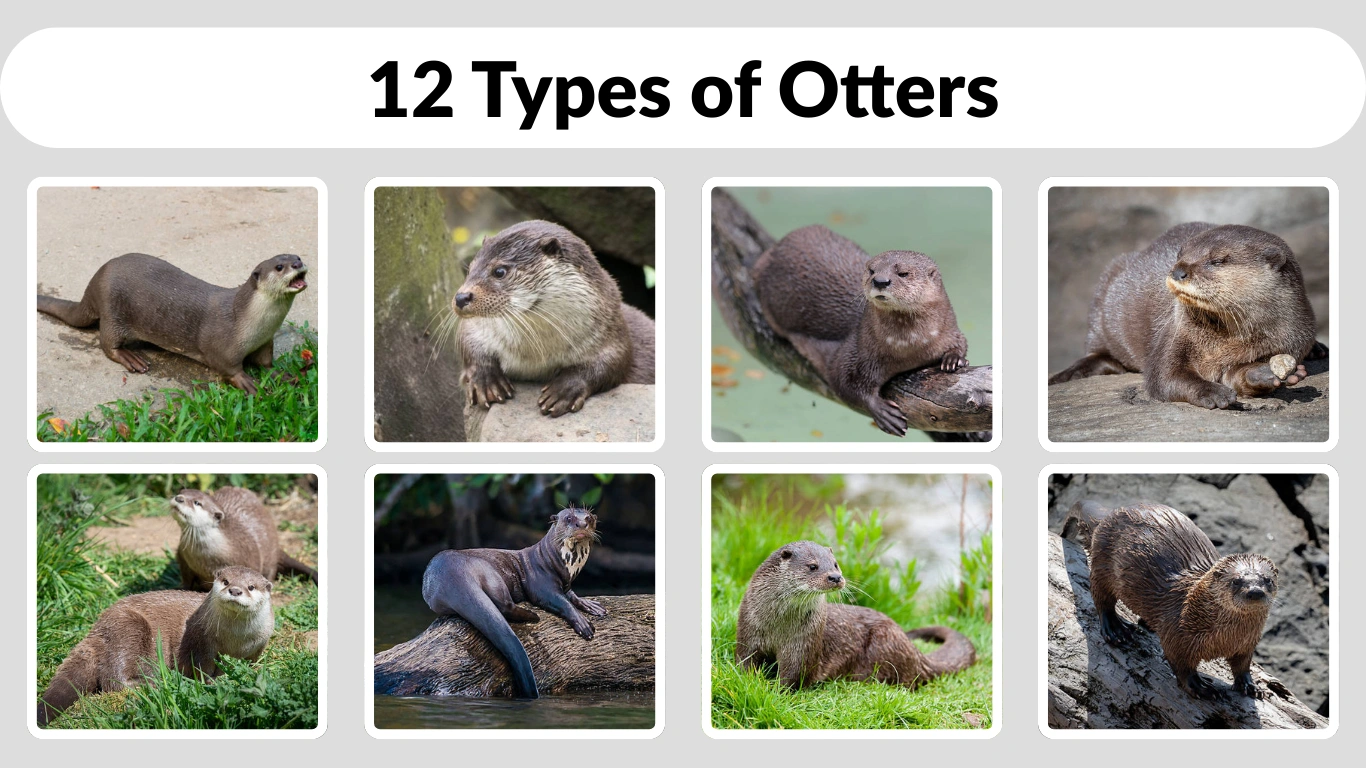
Otters are semi-aquatic and marine mammals known for their playful behavior, streamlined bodies, and strong swimming abilities. Found across rivers, lakes, wetlands, and coastal waters, otters play an important role in maintaining healthy aquatic ecosystems. There are several distinct otter species worldwide, each adapted to specific habitats and climates, ranging from cold ocean shores to tropical rainforests and freshwater river systems.
1. Sea Otter
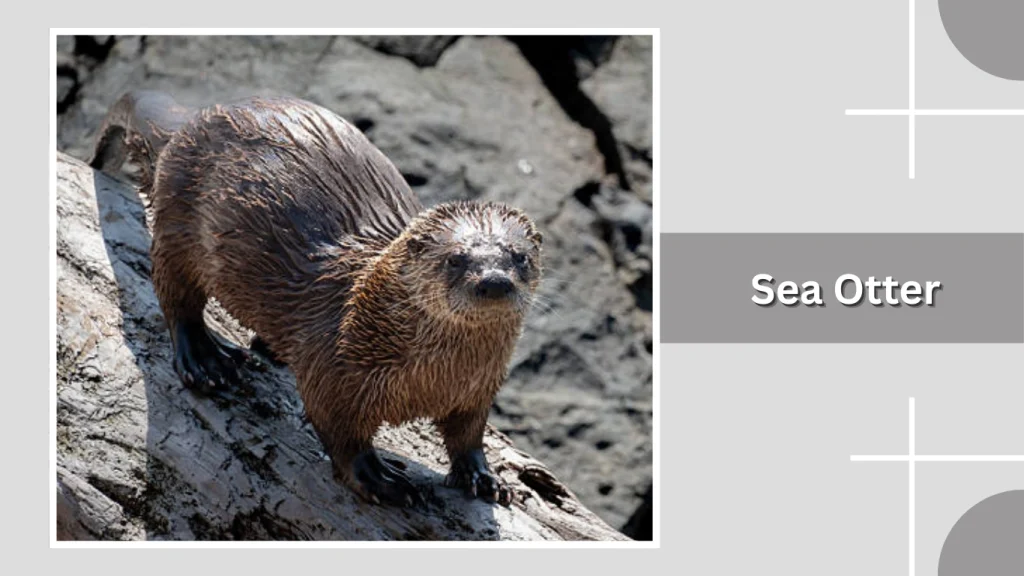
Sea otters are fully marine mammals best known for their extremely dense fur and important role in coastal ecosystems. They live along cold Pacific coastlines and are considered a keystone species because their feeding habits help maintain balanced kelp forest environments.
Identification
- Very dense fur ranging from dark brown to light tan
- Rounded face with short muzzle and small ears
- Large, flattened, webbed hind feet
- Forepaws with strong, dexterous digits
- Thick whiskers used to detect prey
Size
Adult sea otters usually grow between 1.2 and 1.5 meters (4–5 feet) in length. Their weight varies widely, typically ranging from 14 to 45 kilograms (30–100 pounds), with males being noticeably larger and heavier than females.
Habitat
Sea otters are found in shallow coastal waters of the North Pacific Ocean, especially along kelp forests, rocky shorelines, and sheltered bays. They rarely venture far from land and often rest at the water’s surface.
Behavior
Sea otters are intelligent and social animals. They are well known for using tools, such as rocks, to crack open shellfish. When resting, they often float on their backs and may hold hands with others to prevent drifting apart while sleeping.
2. Eurasian Otter
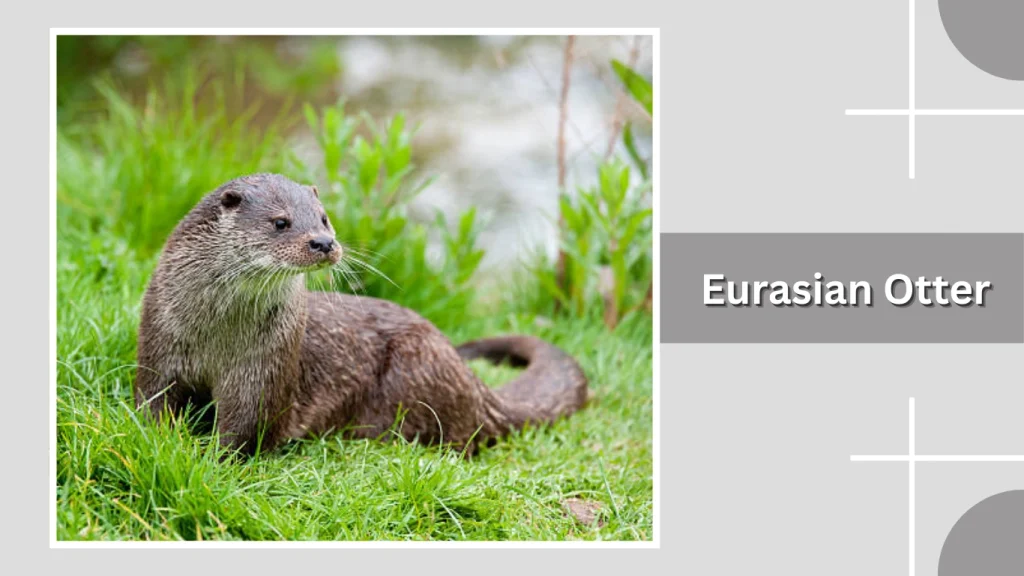
The Eurasian otter is a semi-aquatic mammal widely distributed across Europe, parts of Asia, and North Africa. It is highly adaptable, living in both freshwater and coastal environments, and is often seen as an indicator of clean, healthy waterways.
Identification
- Sleek, elongated body with short legs
- Brown upper fur with a pale gray or cream underside
- Broad, flattened head with small eyes and ears
- Long, muscular tail tapered at the end
- Strong whiskers for sensing movement in water
Size
Eurasian otters typically measure 1 to 1.3 meters in total length, including the tail. Adults usually weigh between 7 and 12 kilograms, with males slightly larger than females.
Habitat
This species inhabits rivers, lakes, streams, wetlands, and coastal shorelines. It prefers areas with dense vegetation, rocky banks, or tree roots that provide shelter and easy access to water.
Behavior
Eurasian otters are mostly solitary and territorial animals. They are excellent swimmers and hunt primarily at night, feeding on fish, amphibians, crustaceans, and small mammals.
3. North American River Otter
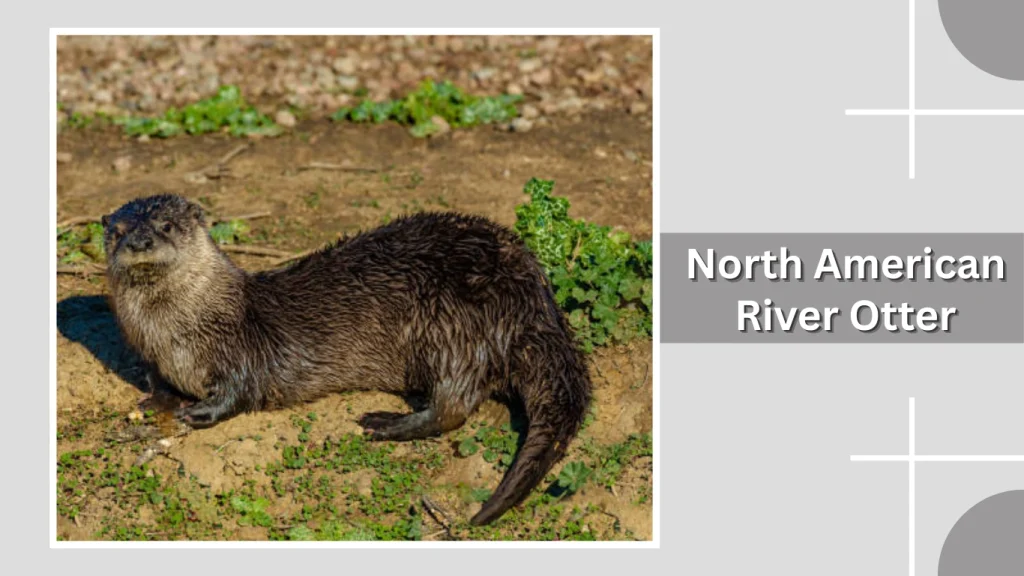
The North American river otter is a playful, semi-aquatic mammal found throughout much of the United States and Canada. It is well adapted to life in freshwater systems and is often seen as a sign of healthy aquatic ecosystems.
Identification
- Sleek, streamlined body with dense brown fur
- Lighter gray or tan throat and chest
- Small ears and nostrils that close underwater
- Long, thick tail that tapers toward the tip
- Fully webbed feet with strong claws
Size
Adults generally measure 1 to 1.4 meters in total length, including the tail. Their weight typically ranges from 5 to 14 kilograms, with males being larger than females.
Habitat
North American river otters live in rivers, lakes, marshes, swamps, and coastal estuaries. They prefer clean water with abundant prey and nearby vegetation or burrows for shelter.
Behavior
These otters are active and curious animals, often seen sliding down muddy or snowy banks. They are mostly nocturnal, excellent swimmers, and feed mainly on fish, crayfish, frogs, and other aquatic animals.
4. Giant Otter
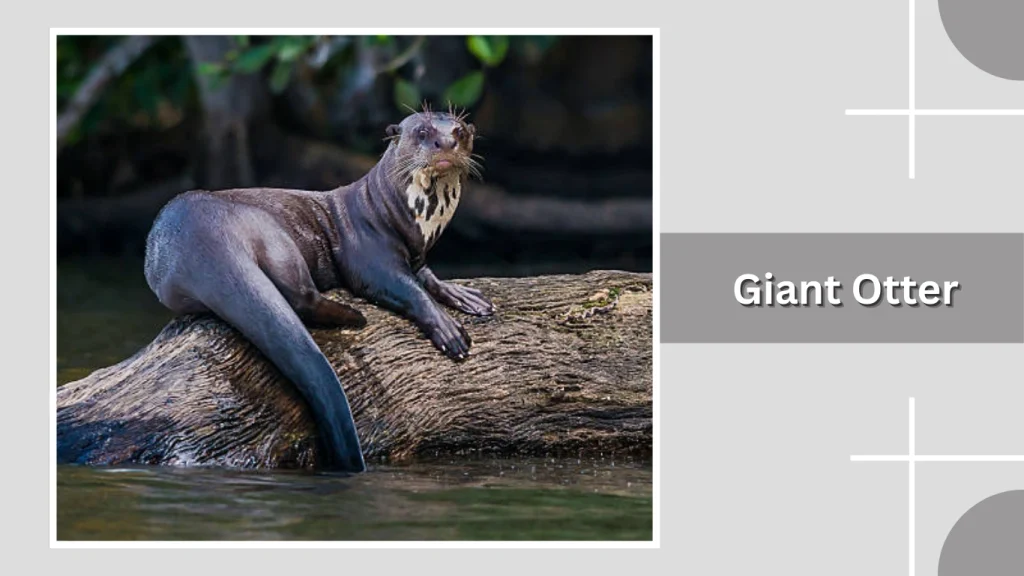
The giant otter is the largest otter species in the world and is native to South America. Known for its strong social bonds and loud vocalizations, it is a top predator in freshwater ecosystems and plays an important role in maintaining ecological balance.
Identification
- Large, elongated body with velvety dark brown fur
- Distinct pale throat patches unique to each individual
- Broad head with small ears and large eyes
- Long, powerful tail flattened from side to side
- Strong webbed feet with sharp claws
Size
Giant otters can reach 1.5 to 1.8 meters in total length, including the tail. Adults typically weigh between 22 and 34 kilograms, making them significantly larger than all other otter species.
Habitat
They inhabit freshwater rivers, lakes, swamps, and floodplains within the Amazon, Orinoco, and La Plata river basins. Dense vegetation and calm waters are essential for their dens and breeding sites.
Behavior
Giant otters are highly social and live in family groups. They are active during the day, communicate using a wide range of vocal sounds, and cooperatively hunt fish, often working together to corner prey.
5. Smooth-coated Otter
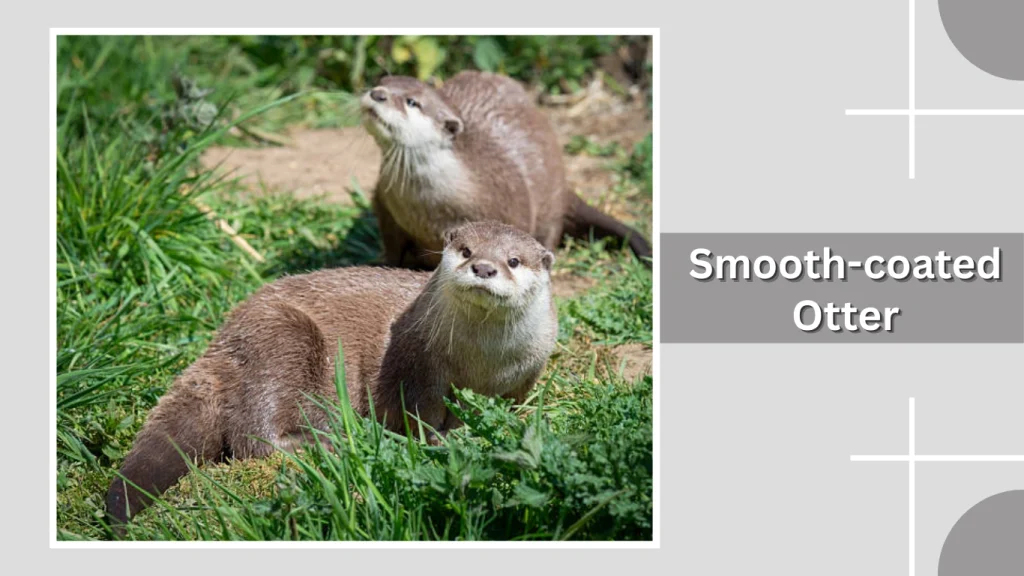
The smooth-coated otter is a large, social otter species commonly found in South and Southeast Asia. It is known for its relatively sleek fur and strong association with rivers, lakes, and coastal wetlands, often living close to human settlements.
Identification
- Smooth, short fur with a glossy brown appearance
- Lighter cream or gray throat and underside
- Broad head with a flattened forehead
- Thick, muscular tail flattened at the base
- Large webbed feet adapted for swimming
Size
Adults usually measure between 1.1 and 1.3 meters in total length, including the tail. Their weight typically ranges from 7 to 11 kilograms, with males slightly heavier than females.
Habitat
Smooth-coated otters inhabit rivers, lakes, marshes, mangroves, and coastal areas. They prefer slow-moving or still waters with abundant fish and nearby vegetation for resting and breeding.
Behavior
This species is highly social and often lives in family groups. It is mostly active during the day and hunts cooperatively, feeding mainly on fish, crabs, and other aquatic animals.
6. Neotropical Otter
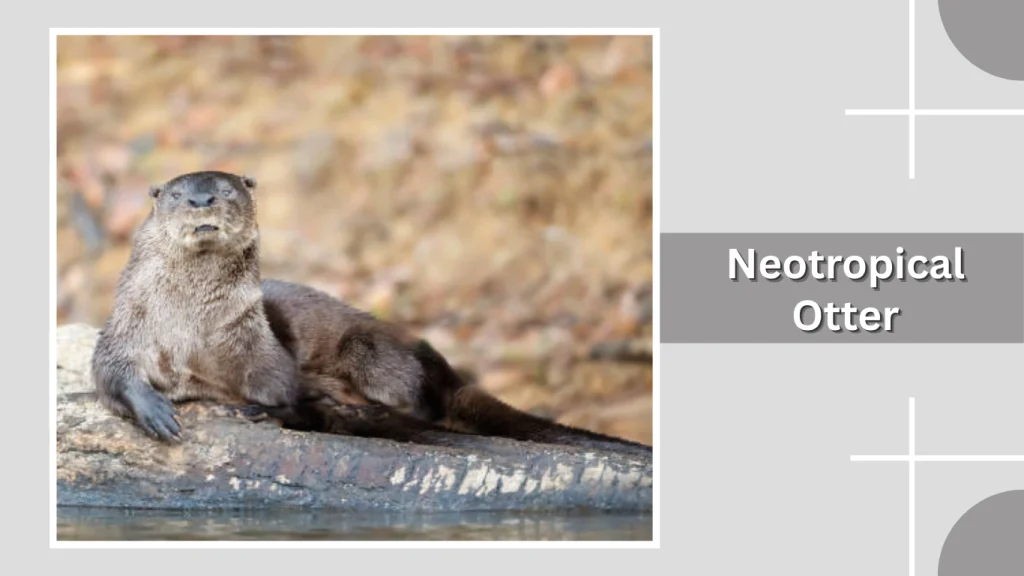
The neotropical otter is a medium-sized, semi-aquatic mammal native to Central and South America. It is adaptable to a wide range of freshwater and coastal environments and is often elusive due to its mostly solitary nature.
Identification
- Dense brown to dark brown fur
- Paler throat and chest, sometimes with irregular markings
- Long, slender body with short legs
- Rounded head with small ears
- Strong whiskers and a long, tapered tail
Size
Neotropical otters typically reach 1 to 1.2 meters in total length, including the tail. Adults usually weigh between 5 and 15 kilograms, with males being larger than females.
Habitat
They inhabit rivers, streams, lakes, wetlands, and occasionally coastal areas. Dense vegetation, rocky banks, and fallen logs provide shelter and den sites.
Behavior
Neotropical otters are mostly solitary and territorial. They are active during both day and night, feeding on fish, crustaceans, amphibians, and small reptiles.
7. African Clawless Otter
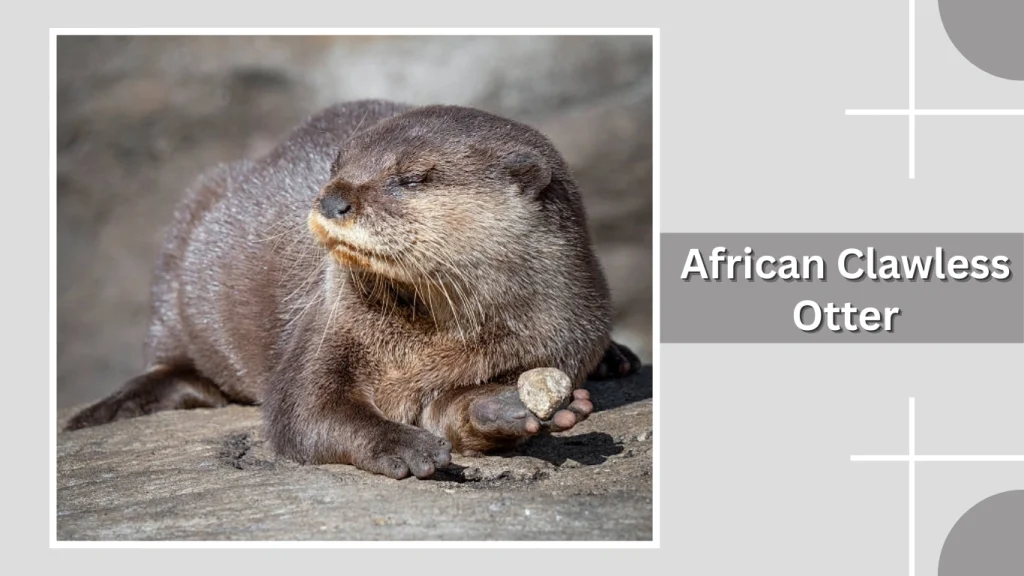
The African clawless otter is a large freshwater otter native to sub-Saharan Africa. It is easily recognized by its reduced claws and exceptional sensitivity in its fingers, which help it locate prey in murky water.
Identification
- Thick, coarse dark brown fur
- Pale gray or white throat, chest, and face
- Front feet with no claws and highly flexible fingers
- Broad, flattened head with small ears
- Strong, muscular tail
Size
Adults usually measure 1.2 to 1.5 meters in total length, including the tail. Their weight generally ranges from 10 to 22 kilograms, making them one of the larger African otter species.
Habitat
African clawless otters live in rivers, lakes, swamps, wetlands, and slow-moving streams. They favor freshwater habitats with dense vegetation and easy access to prey.
Behavior
This species is mostly nocturnal and solitary. It feeds mainly on crabs, frogs, fish, and other aquatic animals, often using its sensitive fingers to feel for prey rather than relying on sight.
8. Asian Small-clawed Otter
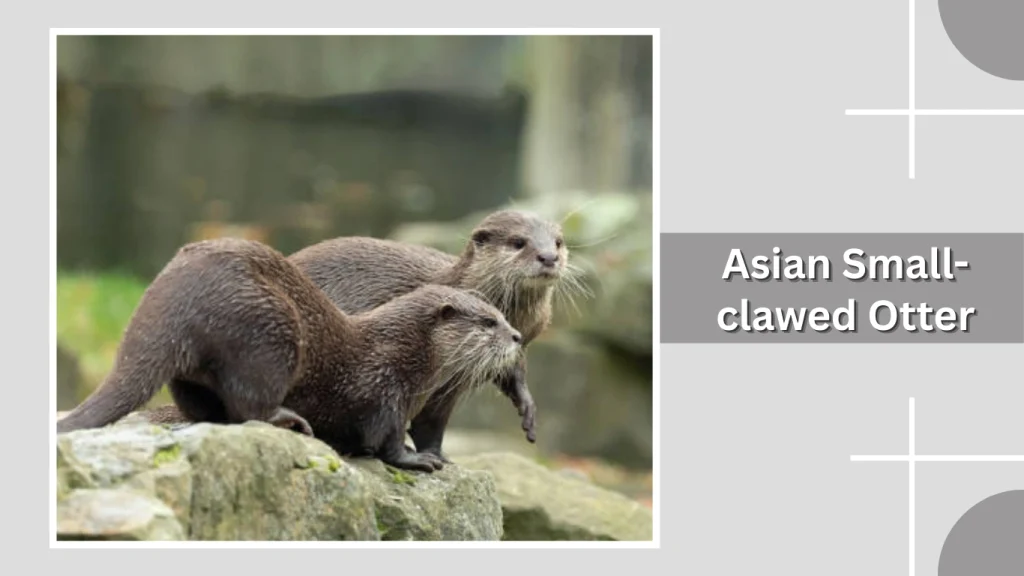
The Asian small-clawed otter is the smallest otter species in the world and is native to South and Southeast Asia. It is well known for its high intelligence, playful nature, and strong social bonds within family groups.
Identification
- Short, velvety brown fur with a pale gray underside
- Small, rounded head with large eyes
- Very small or absent claws on front paws
- Highly dexterous fingers used for handling food
- Short, tapered tail
Size
Adults typically measure 60 to 90 centimeters in total length, including the tail. They usually weigh between 2.7 and 5 kilograms, making them noticeably smaller than other otter species.
Habitat
Asian small-clawed otters inhabit freshwater rivers, streams, wetlands, rice paddies, and coastal mangroves. They prefer shallow waters with muddy or sandy bottoms.
Behavior
Highly social and vocal, this species lives in family groups and communicates using a wide range of sounds. It feeds mainly on crabs, snails, insects, and small fish, often manipulating prey with its hands.
9. Spotted-necked Otter
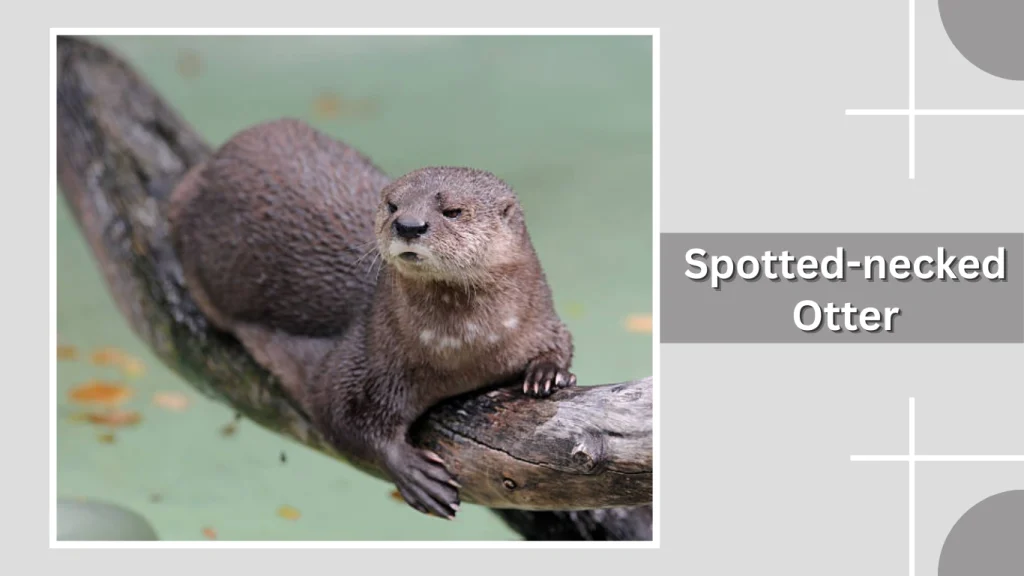
The spotted-necked otter is a slender, fast-swimming otter species found in freshwater habitats across sub-Saharan Africa. It is named for the distinctive pale spots or blotches on its throat and neck.
Identification
- Sleek brown fur with lighter underparts
- White or cream spots on the throat and neck
- Rounded head with large eyes
- Long, narrow tail for agile swimming
- Fully webbed feet with sharp claws
Size
Adults usually reach 95 to 110 centimeters in total length, including the tail. Their weight typically ranges from 4 to 6 kilograms, making them relatively lightweight and agile.
Habitat
Spotted-necked otters live in lakes, rivers, and large streams with clear water. They favor rocky shores and open water where fish are abundant.
Behavior
This species is mostly diurnal and often seen hunting during daylight hours. It is an excellent swimmer and feeds mainly on fish, sometimes hunting cooperatively in small groups.
10. Congo Clawless Otter
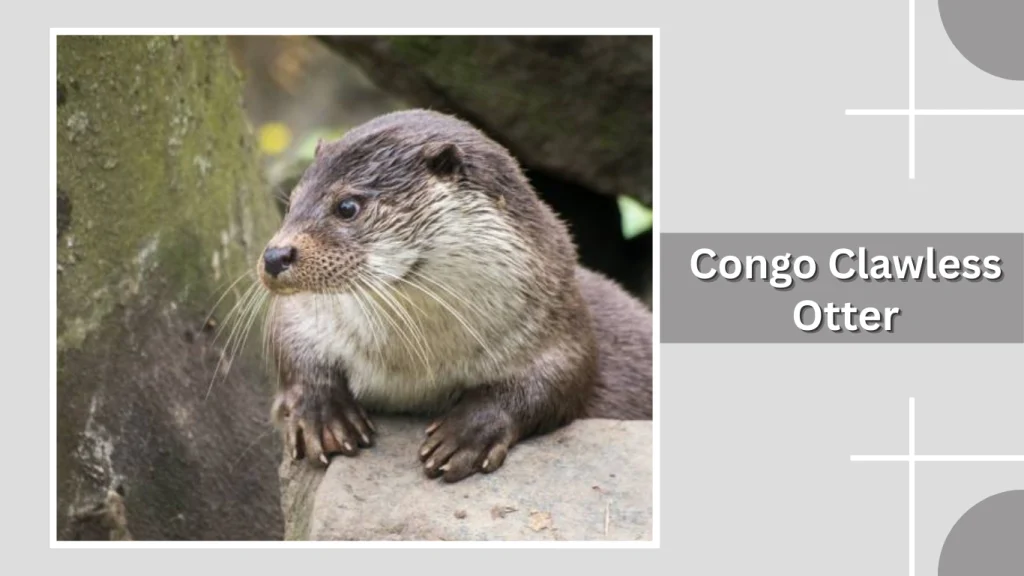
The Congo clawless otter is a little-known freshwater otter native to Central Africa. It is secretive and rarely observed, making it one of the least studied otter species in the world.
Identification
- Dark brown, dense fur with a lighter underside
- Broad head with a short muzzle
- Reduced or absent claws on the front feet
- Flexible, sensitive fingers for detecting prey
- Long, muscular tail
Size
Adults are estimated to reach about 1 to 1.2 meters in total length, including the tail. Their weight is thought to range between 14 and 20 kilograms, although exact measurements are limited.
Habitat
This species inhabits dense rainforest regions, living in rivers, streams, and swamps of the Congo Basin. It prefers remote freshwater habitats with thick vegetation and minimal human disturbance.
Behavior
Congo clawless otters are believed to be mostly nocturnal and solitary. They feed primarily on fish, crustaceans, and amphibians, using touch rather than sight to locate prey in murky waters.
11. Hairy-nosed Otter
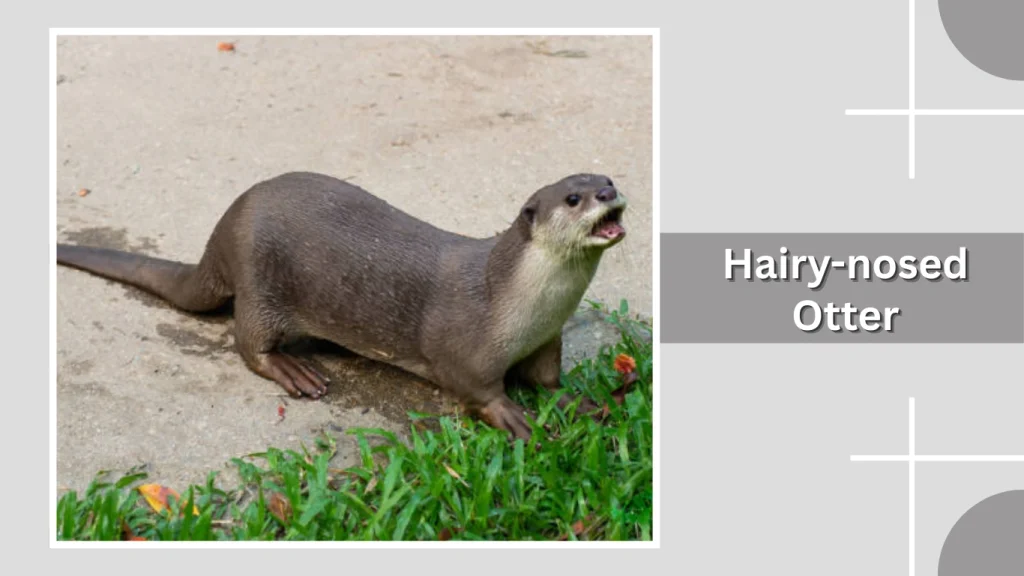
The hairy-nosed otter is a rare and endangered otter species native to Southeast Asia. It is named for the distinctive fur covering its nose and is highly dependent on healthy wetland ecosystems.
Identification
- Dark brown to chestnut-colored fur
- Noticeable hair covering the nose pad
- Pale throat and upper lip
- Broad head with small ears
- Strong, tapered tail
Size
Adults generally measure 1.1 to 1.3 meters in total length, including the tail. Their weight typically ranges from 7 to 12 kilograms, with males slightly larger than females.
Habitat
Hairy-nosed otters inhabit freshwater wetlands, peat swamps, rivers, and lakes. They prefer lowland areas with dense vegetation and abundant aquatic prey.
Behavior
This species is mostly nocturnal and shy. It feeds on fish, crustaceans, and amphibians and is rarely seen due to its secretive habits and declining population.
12. Marine Otter
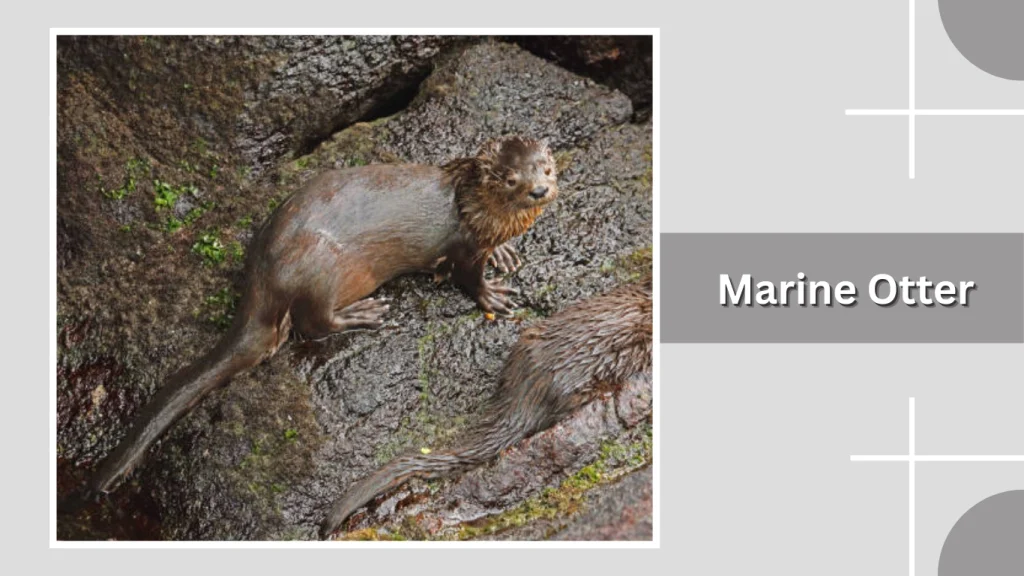
The marine otter is a coastal otter species native to the rocky shorelines of western South America. Unlike most otters, it spends much of its life in marine environments and is strongly adapted to ocean conditions.
Identification
- Short, coarse dark brown fur
- Pale gray or whitish throat and chest
- Small, flattened head with short ears
- Strong limbs with partially webbed feet
- Long, muscular tail used for balance
Size
Marine otters typically reach 85 to 115 centimeters in total length, including the tail. Adults usually weigh between 3 and 6 kilograms, making them relatively small compared to other otter species.
Habitat
They inhabit rocky coastal shores, cliffs, and offshore islands along the Pacific coast of South America. Dens are often built among rocks above the high-tide line.
Behavior
Marine otters are mostly solitary and highly territorial. They are active during the day and feed mainly on fish, crabs, mollusks, and other marine invertebrates, often foraging close to shore.
FAQs
How many types of otters are there in the world?
There are 13 recognized otter species worldwide. These species are spread across different continents and include both freshwater and marine otters, each adapted to specific environments and climates.
What is the largest otter species?
The giant otter is the largest otter species. Native to South America, it can grow up to 1.8 meters in length and is known for its strong social behavior and loud vocal communication.
What is the smallest otter species?
The Asian small-clawed otter is the smallest otter species in the world. It is much smaller than other otters and is highly social, intelligent, and skilled at using its hands to handle food.
Do all otters live in water?
Most otters are semi-aquatic, living in both water and on land. However, the sea otter and marine otter spend most of their lives in marine environments, while others primarily inhabit freshwater systems.
Why are otters important to ecosystems?
Otters are considered indicator and keystone species in many habitats. They help control fish and invertebrate populations, which maintains ecological balance and supports healthy aquatic ecosystems.