




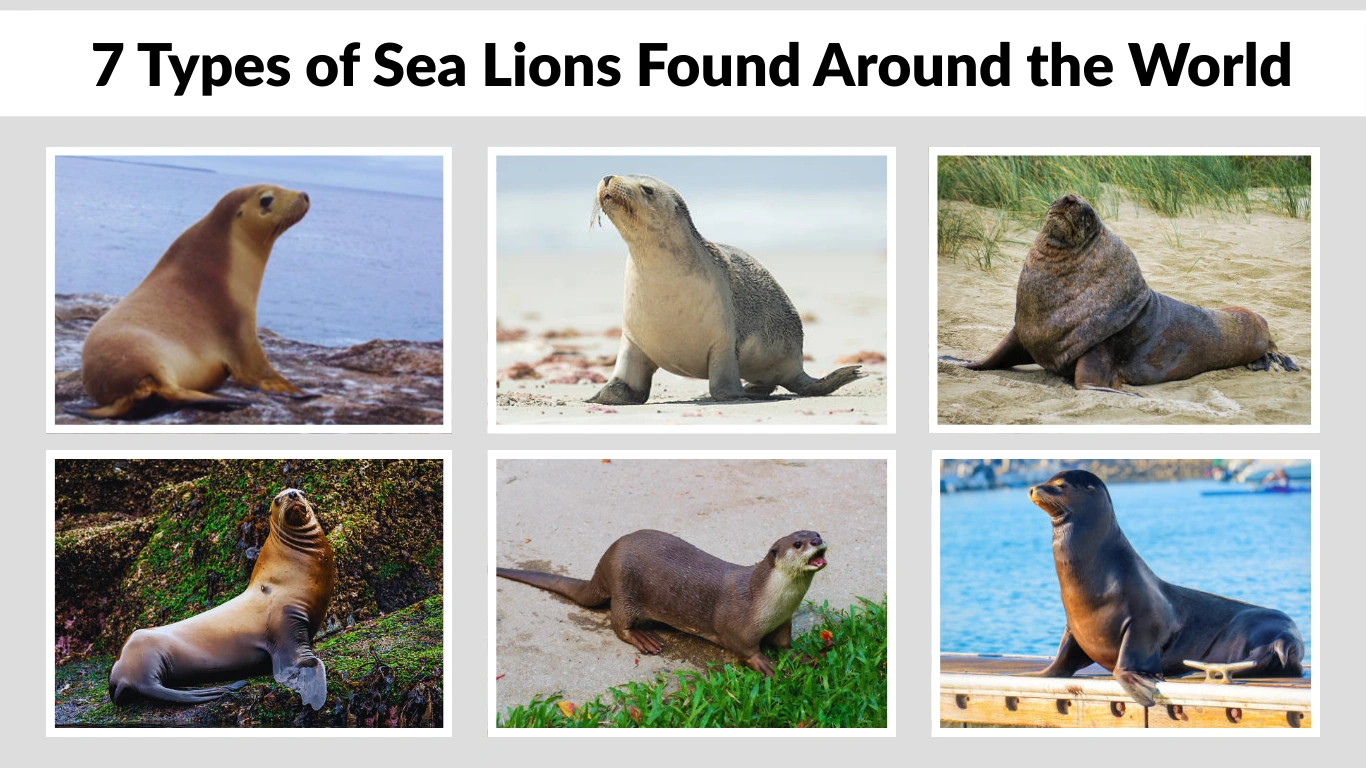
Sea lions are intelligent, social marine mammals belonging to the eared seal family. They are known for their strong flippers, loud vocalizations, and remarkable swimming skills. Found across the Pacific Ocean and parts of the Southern Hemisphere, sea lions occupy a wide range of coastal habitats, from cold subantarctic islands to warm equatorial shores. Although often grouped together, each sea lion species has unique physical traits, behaviors, and ecological roles that distinguish it from the others.
1. California Sea Lion
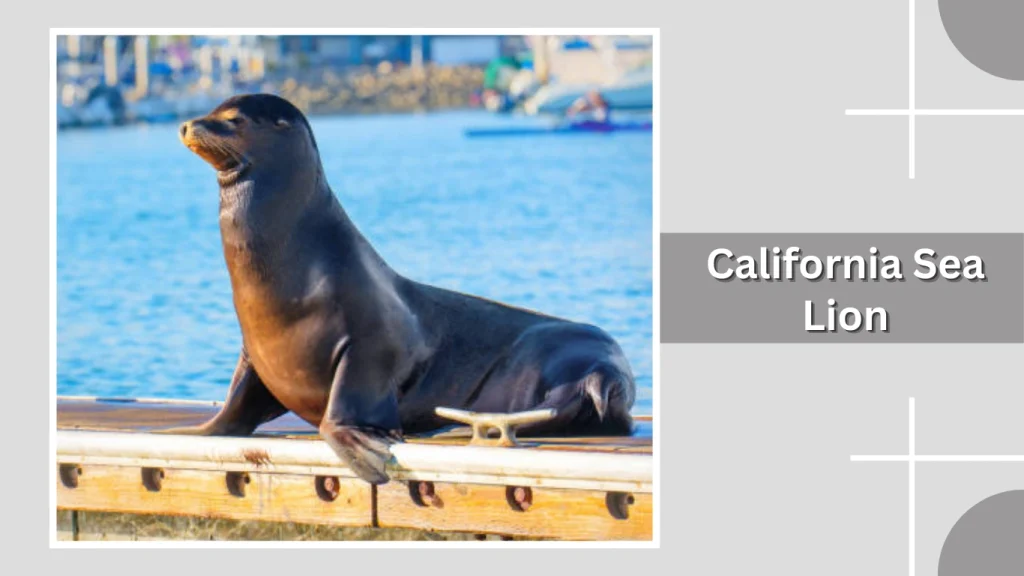
The California sea lion (Zalophus californianus) is one of the most widely known sea lion species and is frequently seen along the Pacific coastline of North America. It is highly intelligent, adaptable, and often featured in marine parks due to its ability to learn complex behaviors. This species plays an important role in coastal ecosystems and is easily recognized by its active and social nature.
Identification
- Dark brown to light tan body coloration
- Adult males possess a noticeable forehead bump called a sagittal crest
- Long, powerful front flippers for movement on land
- Streamlined body designed for fast swimming
Habitat
California sea lions inhabit coastal and offshore environments of the eastern North Pacific Ocean. Their range extends from southern Canada to central Mexico. They favor sandy beaches, rocky shores, and human-made structures such as docks and buoys, where they can rest and socialize.
Behaviors
This species is extremely social and forms large colonies, especially during breeding seasons. California sea lions are known for loud barking, playful interactions, and strong curiosity. They are excellent swimmers, capable of reaching high speeds and performing acrobatic movements underwater.
Diet
Their diet mainly includes fish such as sardines, anchovies, herring, and mackerel, as well as squid. California sea lions are opportunistic feeders and may adjust their diet depending on food availability in their environment.
Lifespan
In the wild, California sea lions typically live between 20 and 30 years. Females often live longer than males due to reduced competition-related stress and fewer injuries during breeding seasons.
2. Steller Sea Lion
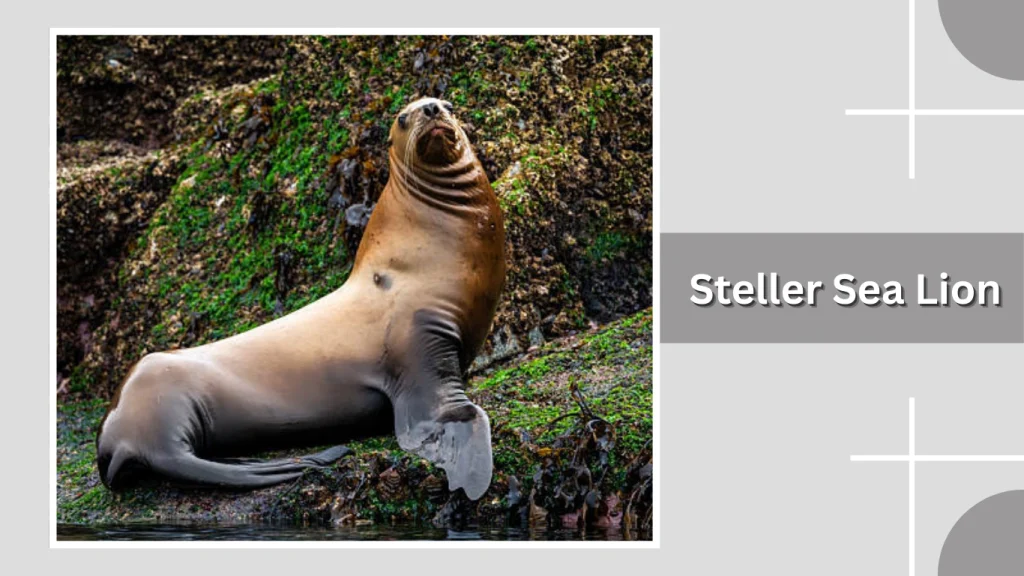
The Steller sea lion (Eumetopias jubatus) is the largest sea lion species in the world. It is known for its massive size, thick neck, and powerful build. This species is named after the naturalist Georg Wilhelm Steller and is an important apex predator in northern marine ecosystems.
Identification
- Very large, robust body structure
- Light blond to reddish-brown fur
- Adult males have thick necks and broad chests
- Short, wide head with a blunt snout
Habitat
Steller sea lions live in the cold and temperate waters of the North Pacific Ocean. Their range extends from northern Japan and Russia, across Alaska, to the western coast of North America. They prefer rocky coastlines, remote islands, and exposed shorelines for resting and breeding.
Behaviors
This species is less agile on land compared to smaller sea lions but is extremely powerful. Steller sea lions form colonies, though usually smaller and less crowded than those of California sea lions. Adult males are highly territorial during breeding seasons and aggressively defend their space.
Diet
Their diet includes a wide variety of prey such as pollock, herring, cod, rockfish, octopus, and squid. Steller sea lions are deep divers and strong hunters capable of capturing large prey in cold waters.
Lifespan
Steller sea lions generally live 20–25 years in the wild. Females tend to survive longer than males, which often experience higher mortality due to intense competition and environmental challenges.
3. South American Sea Lion
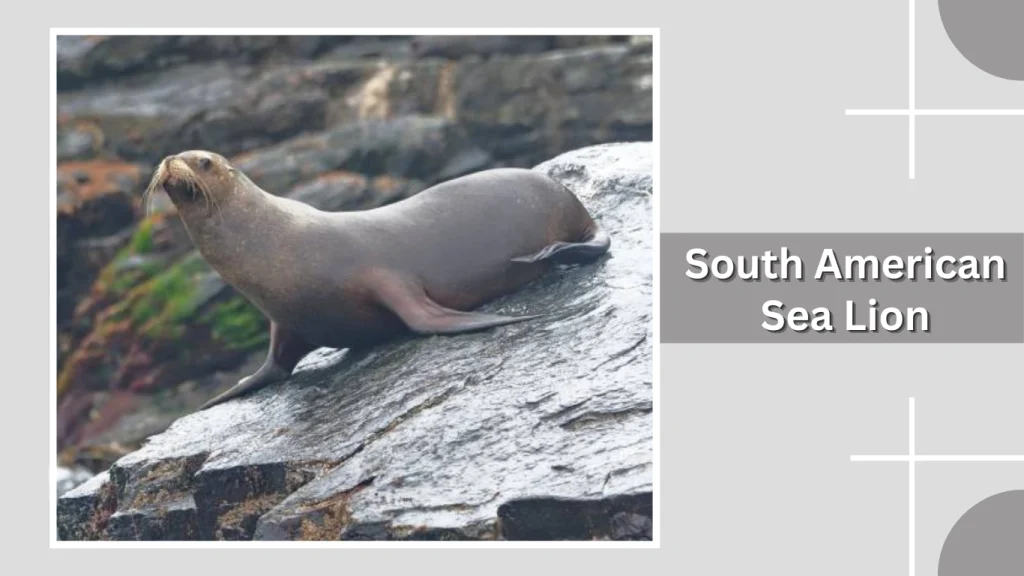
The South American sea lion (Otaria flavescens), also known as the southern sea lion, is a large and powerful species found along the coasts of South America. It is well known for its strong sexual dimorphism, with males being much larger and more heavily built than females.
Identification
- Thick, muscular body
- Golden-brown to dark brown fur
- Adult males have a large head and heavy mane
- Broad snout with long whiskers
Habitat
South American sea lions inhabit both the Atlantic and Pacific coasts of South America. Their range extends from southern Brazil down to Tierra del Fuego and northward along the Pacific coast to Peru. They prefer rocky shores, sandy beaches, and isolated islands for resting and breeding.
Behaviors
This species is highly territorial during the breeding season. Adult males aggressively defend harems of females and will loudly vocalize and fight rivals. Outside breeding periods, they are more relaxed and often rest in large mixed groups along the shoreline.
Diet
Their diet consists mainly of fish such as anchovies, hake, and sardines, along with squid, octopus, and occasionally crustaceans. They are strong swimmers and capable of foraging both near shore and offshore.
Lifespan
South American sea lions typically live 15–25 years in the wild, with females usually living longer than males due to lower levels of physical competition.
4. Australian Sea Lion
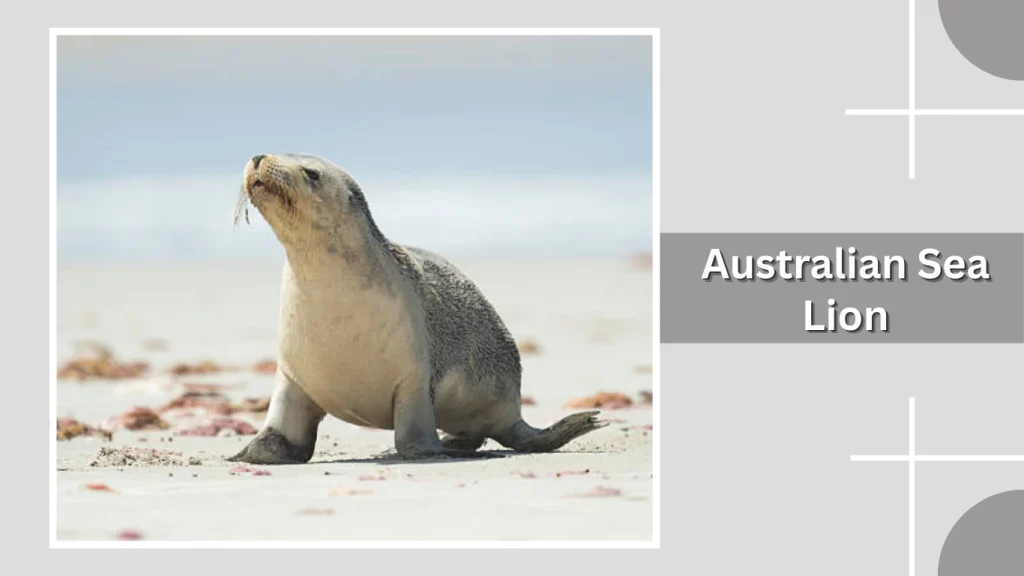
The Australian sea lion (Neophoca cinerea) is one of the rarest sea lion species in the world and is found only in Australian waters. It is unique among sea lions for its unusual breeding cycle, which does not follow a fixed annual pattern, making it biologically distinct.
Identification
- Stocky, robust body
- Adult males are dark brown with a lighter mane
- Females are silvery gray to fawn in color
- Short, blunt snout and large eyes
Habitat
Australian sea lions inhabit the coastal and offshore waters of southern and western Australia. They prefer remote beaches, rocky islands, and limestone caves, often selecting isolated areas with minimal human disturbance for breeding.
Behaviors
This species is generally calm and less vocal than other sea lions. Breeding occurs every 17–18 months rather than annually, which is unusual among pinnipeds. Mothers show strong pup recognition and may travel long distances to forage.
Diet
Their diet includes fish, cuttlefish, squid, octopus, and crustaceans. Australian sea lions forage mainly along the seafloor and are known to hunt in benthic (bottom-dwelling) environments.
Lifespan
Australian sea lions typically live 20–30 years in the wild, though survival rates are affected by environmental pressures and human-related threats.
5. New Zealand Sea Lion
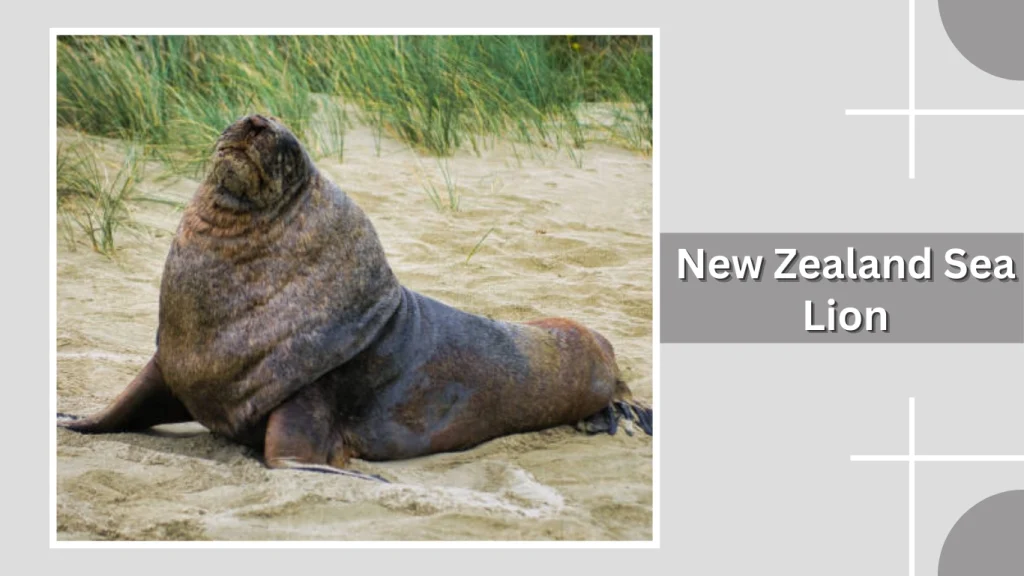
The New Zealand sea lion (Phocarctos hookeri), also known as the Hooker’s sea lion, is one of the rarest sea lion species. It is endemic to New Zealand and is known for its large size, strength, and relatively aggressive temperament compared to other sea lions.
Identification
- Large, powerful body
- Adult males are dark brown to black with a thick mane
- Females are lighter brown or gray
- Broad head with a short snout and strong jaws
Habitat
New Zealand sea lions are mainly found in subantarctic regions, particularly around the Auckland Islands, with smaller populations on New Zealand’s mainland. They prefer sandy beaches, rocky coastlines, and forested areas near shore for resting and breeding.
Behaviors
This species is more solitary than many other sea lions and often spreads out rather than forming dense colonies. Adult males are highly territorial during breeding seasons, while females show strong maternal care and defend their pups aggressively.
Diet
Their diet consists of fish, squid, octopus, rays, and occasionally small sharks. New Zealand sea lions are deep divers and skilled hunters, capable of foraging in cold and challenging waters.
Lifespan
New Zealand sea lions typically live 20–25 years in the wild, though survival is influenced by disease, fishing interactions, and environmental conditions.
6. Galápagos Sea Lion
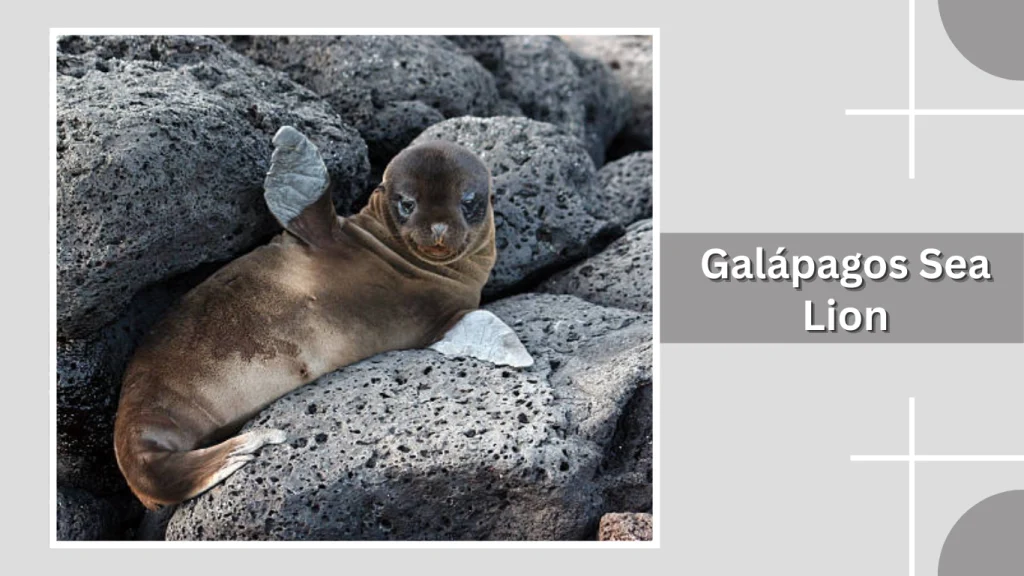
The Galápagos sea lion (Zalophus wollebaeki) is a small and unique sea lion species found only in the Galápagos Islands. It is one of the most geographically restricted sea lions and is well adapted to warm equatorial waters, often seen resting on beaches, rocks, and even park benches.
Identification
- Smaller body size compared to other sea lions
- Slender build with a long, narrow snout
- Adult males have a modest forehead crest
- Short, coarse fur ranging from brown to dark gray
Habitat
Galápagos sea lions live exclusively in the Galápagos archipelago and occasionally along Ecuador’s mainland coast. They inhabit sandy beaches, lava rocks, mangroves, and shallow coastal waters, staying close to shore where food is abundant.
Behaviors
This species is highly social and curious, often interacting closely with other sea lions and humans. They are agile swimmers and skilled at navigating rocky shorelines. During breeding seasons, adult males establish territories and defend groups of females, while pups form playful nursery groups.
Diet
Their diet mainly includes sardines, mullet, anchelfish, and squid. Galápagos sea lions are opportunistic feeders and usually hunt at night, taking advantage of fish that rise closer to the surface after dark.
Lifespan
Galápagos sea lions typically live 15–24 years in the wild. Their survival is strongly influenced by environmental factors such as El Niño events, which can reduce food availability and increase pup mortality.
7. Japanese Sea Lion

The Japanese sea lion (Zalophus japonicus) was a sea lion species that once lived along the coasts of Japan and nearby regions. It is now extinct, having disappeared in the mid-20th century due to overhunting and human disturbance. Despite its extinction, it remains an important part of marine history.
Identification
- Medium-sized sea lion body
- Dark brown to black fur
- Adult males likely had a forehead crest
- Strong flippers adapted for land movement
Habitat
Japanese sea lions formerly inhabited the coastal waters of the Sea of Japan and surrounding areas, including rocky shores and offshore islands. They relied on quiet coastal habitats for resting and breeding.
Behaviors
Very little is known about their behavior, but it is believed they were social animals that formed colonies similar to other sea lion species. Adult males likely defended territories during the breeding season.
Diet
Their diet probably consisted of fish and squid commonly found in Japanese coastal waters. Like other sea lions, they were likely skilled hunters and opportunistic feeders.
Lifespan
The exact lifespan of the Japanese sea lion is unknown. Based on related species, it is estimated they may have lived 20–30 years in the wild before the species became extinct.
FAQs
How many sea lion species exist today?
There are six living sea lion species in the world today. A seventh species, the Japanese sea lion, is extinct. All sea lions belong to the family Otariidae, which also includes fur seals.
What is the largest sea lion species?
The Steller sea lion is the largest sea lion species. Adult males can weigh over 1,000 kilograms and are easily identified by their massive size and thick necks.
Where do sea lions usually live?
Sea lions are mainly found in coastal areas of the Pacific Ocean. Their habitats range from cold northern waters near Alaska to warm equatorial regions like the Galápagos Islands.
What do sea lions eat?
Sea lions primarily eat fish and cephalopods such as squid and octopus. Some species also consume crustaceans and rays, depending on their habitat and food availability.
Are sea lions endangered?
Some sea lion species are threatened or endangered. The Australian sea lion and New Zealand sea lion have declining populations due to fishing interactions, habitat loss, and environmental changes.