
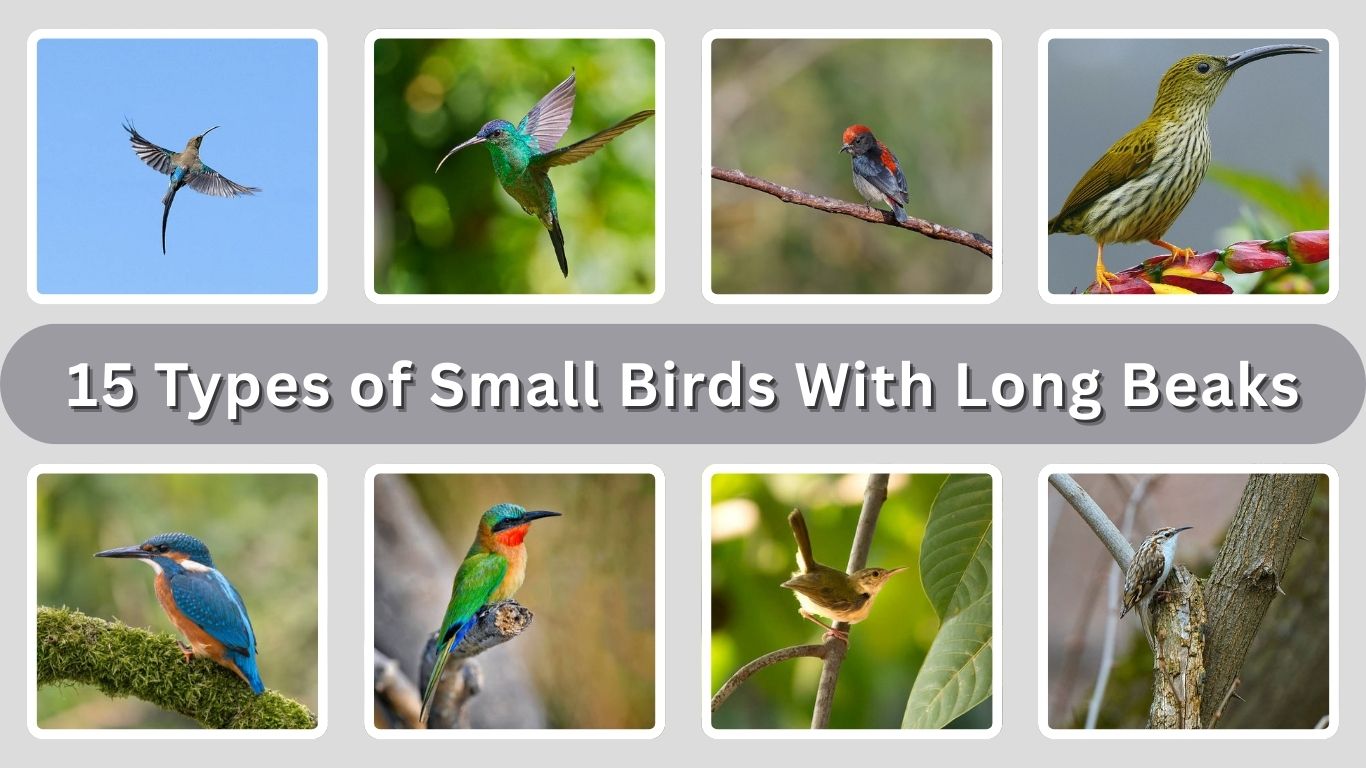
Small birds with long beaks are fascinating examples of how nature adapts form to function. These birds use their slender or curved beaks to sip nectar, catch insects, probe bark, or feed in water and flowers. Found across forests, gardens, wetlands, and tropical regions, each species has unique behaviors and feeding styles. In this list, you’ll explore 15 small birds with long beaks, learning how their beak shape helps them survive and thrive in their natural habitats.
1. Sunbird
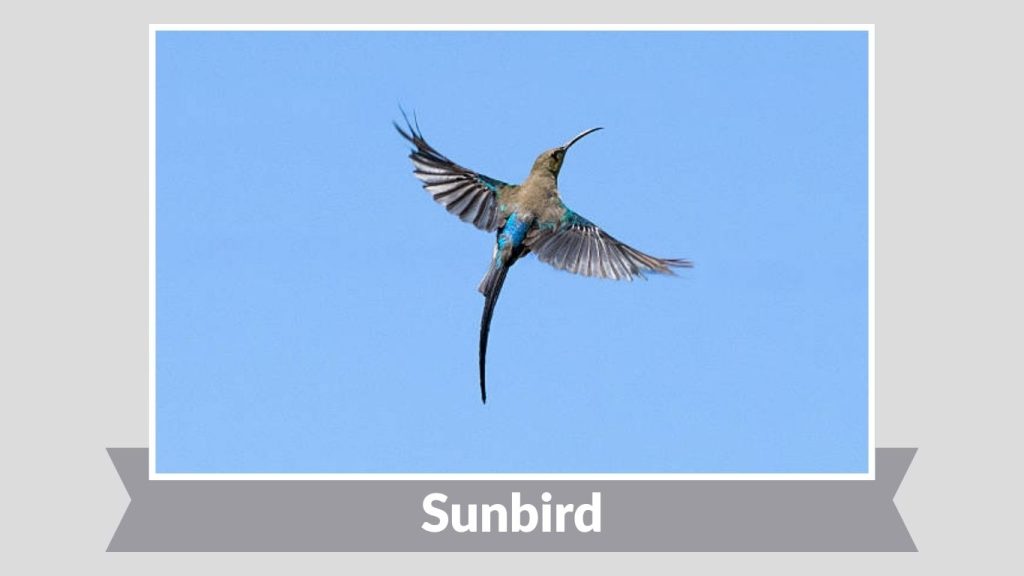
Sunbirds are small, vibrant birds best known for their long, slender beaks and their close relationship with flowering plants. They are often compared to hummingbirds because of their nectar-feeding behavior, though they belong to a different bird family. Sunbirds are commonly found in tropical and subtropical regions, especially in Africa and South Asia.
Identification
- Small body size
- Long, curved, slender beak
- Bright, iridescent plumage (especially in males)
- Fast, active movement among flowers
Habitat
Sunbirds typically live in gardens, forests, woodlands, and shrublands where flowering plants are abundant. They adapt well to human environments and are often seen in parks and backyard gardens.
Diet
Their primary diet consists of nectar from flowers, which they access using their long beaks. In addition to nectar, sunbirds also eat insects and spiders to meet their protein needs, especially during breeding season.
Behavior
Sunbirds are energetic and agile birds. Unlike hummingbirds, most sunbirds prefer to perch while feeding rather than hovering. They are territorial and often chase away other nectar-feeding birds from their feeding areas.
2. Hummingbird
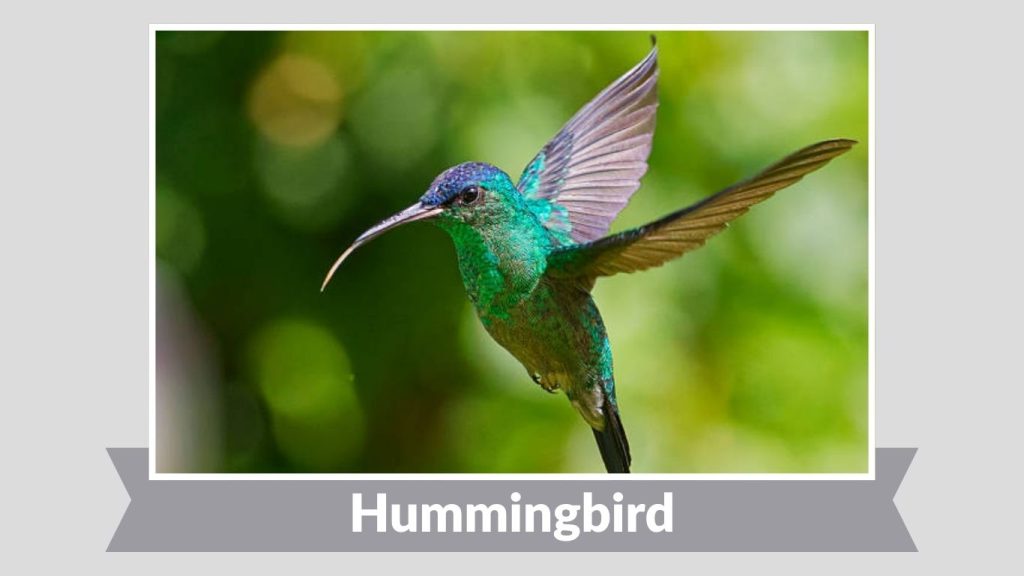
Hummingbirds are tiny, fast-flying birds famous for their long beaks and ability to hover in midair. They are native to the Americas and are especially admired for their dazzling colors and rapid wingbeats, making them one of the most fascinating small birds in the world.
Identification
- Very small body size
- Long, thin, straight or slightly curved beak
- Iridescent feathers that shimmer in sunlight
- Extremely fast wing movement
Habitat
Hummingbirds live in a wide range of habitats including forests, meadows, mountains, and gardens. They are commonly seen in areas rich in flowering plants and are highly adaptable to different environments.
Diet
Their diet mainly consists of flower nectar, which provides energy for their high metabolism. They also eat small insects and spiders, helping them get essential nutrients like protein and minerals.
Behavior
Hummingbirds are known for their unique hovering flight and ability to fly backward. They are highly territorial and will aggressively defend feeding areas from other birds, despite their tiny size.
3. Flowerpecker
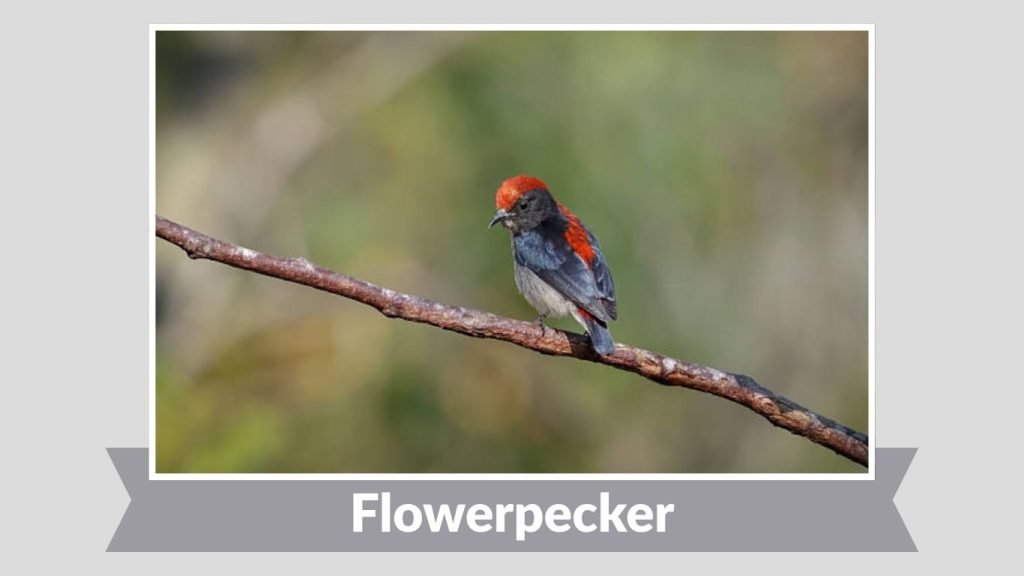
Flowerpeckers are among the smallest birds in the world, known for their short tails and relatively long, sharp beaks adapted for feeding on nectar and small fruits. These tiny birds are commonly found in tropical regions of Asia and Australasia.
Identification
- Very small, compact body
- Short tail and rounded shape
- Slender, pointed beak
- Often dull-colored with subtle markings
Habitat
Flowerpeckers inhabit forests, woodland edges, and gardens, especially in areas with fruiting and flowering trees. They are often seen high in the canopy, quietly moving among branches.
Diet
Their diet includes nectar, berries, small fruits, and occasionally insects. Flowerpeckers play an important role in seed dispersal and pollination within their ecosystems.
Behavior
Flowerpeckers are generally quiet and active birds. They move quickly through foliage, often going unnoticed due to their size and subtle colors, and are usually seen alone or in pairs.
4. Spiderhunter
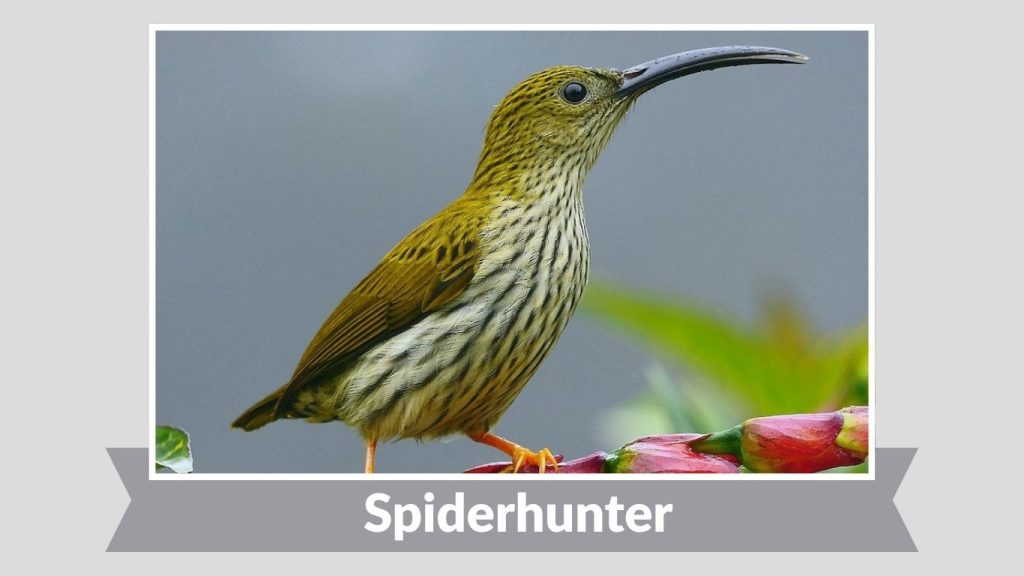
Spiderhunters are small to medium-sized birds recognized for their exceptionally long, curved beaks, which they use to extract nectar from deep flowers. They are closely related to sunbirds and are mainly found in South and Southeast Asia.
Identification
- Slender body with long tail
- Very long, strongly curved beak
- Mostly olive, brown, or gray plumage
- Larger than most sunbirds
Habitat
Spiderhunters prefer tropical forests, forest edges, and dense vegetation where large flowering plants are common. They are often seen in lowland rainforests and hilly regions.
Diet
Their diet consists mainly of nectar, but they also feed on spiders, insects, and small arthropods. The long beak allows them to reach nectar that other birds cannot access.
Behavior
Spiderhunters are active and alert birds, often seen moving through dense foliage. They are not strong hoverers and usually feed while perched, occasionally hanging upside down to reach flowers.
5. Kingfisher
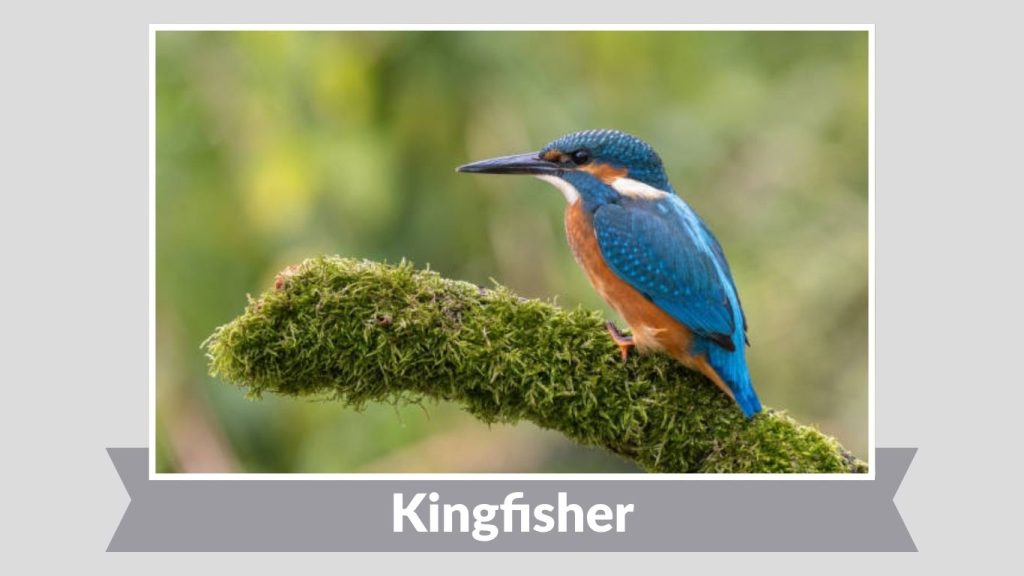
Kingfishers are small, striking birds known for their long, pointed beaks, which are perfectly shaped for catching prey. Despite their name, many kingfisher species live far from water and feed mainly on insects and small animals.
Identification
- Compact body with short legs
- Large head with a long, sharp beak
- Brightly colored plumage, often blue, green, or orange
- Short tail
Habitat
Kingfishers are found near rivers, lakes, wetlands, and mangroves, as well as in forests and open countryside. They usually perch near water or open areas where prey is easy to spot.
Diet
Their diet mainly includes fish, insects, frogs, and small reptiles. They hunt by watching from a perch and then diving quickly to catch their prey with their strong beaks.
Behavior
Kingfishers are solitary and highly territorial birds. They are known for their swift, direct flight and their habit of beating prey against a branch before swallowing it.
6. Bee-eater
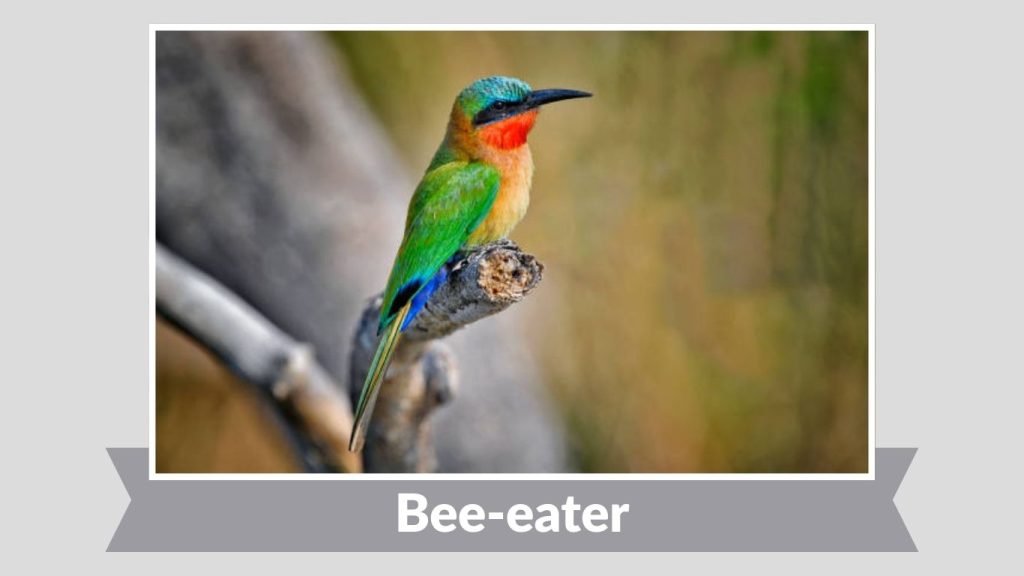
Bee-eaters are colorful, slender birds famous for their long, slightly curved beaks that are perfectly adapted for catching flying insects. They are named for their fondness for bees but eat many other insects as well.
Identification
- Slim body with long wings
- Long, slightly curved beak
- Bright, multicolored plumage
- Dark eye stripe or “mask”
Habitat
Bee-eaters live in open areas such as grasslands, farmland, riverbanks, and sandy plains. They often nest in burrows dug into sandy banks or flat ground.
Diet
Their diet consists mainly of flying insects, including bees, wasps, dragonflies, and butterflies. Before eating bees, they usually remove the stinger by rubbing the insect against a hard surface.
Behavior
Bee-eaters are social birds often seen in groups. They are agile fliers, catching insects in midair, and are known for their graceful flight and musical calls.
7. Tailorbird
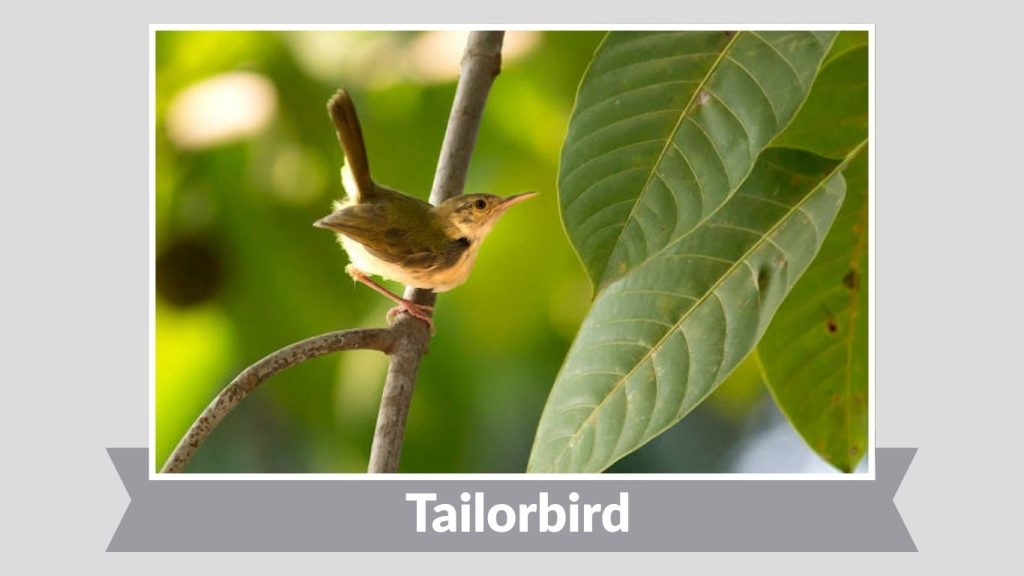
Tailorbirds are small, active birds known for their thin, pointed beaks and their remarkable nest-building skills. They get their name from their habit of “sewing” leaves together to create secure nests.
Identification
- Small body with upright posture
- Slender, pointed beak
- Greenish upperparts with pale underparts
- Long tail often held upright
Habitat
Tailorbirds are commonly found in gardens, scrublands, forest edges, and urban areas. They thrive in places with dense shrubs and broad-leaved plants.
Diet
Their diet mainly includes insects, caterpillars, spiders, and small invertebrates. Tailorbirds occasionally feed on nectar, using their narrow beaks to probe flowers.
Behavior
Tailorbirds are lively and vocal birds. They move quickly through vegetation and are often heard before they are seen, producing sharp calls while defending their territory.
8. Treecreeper
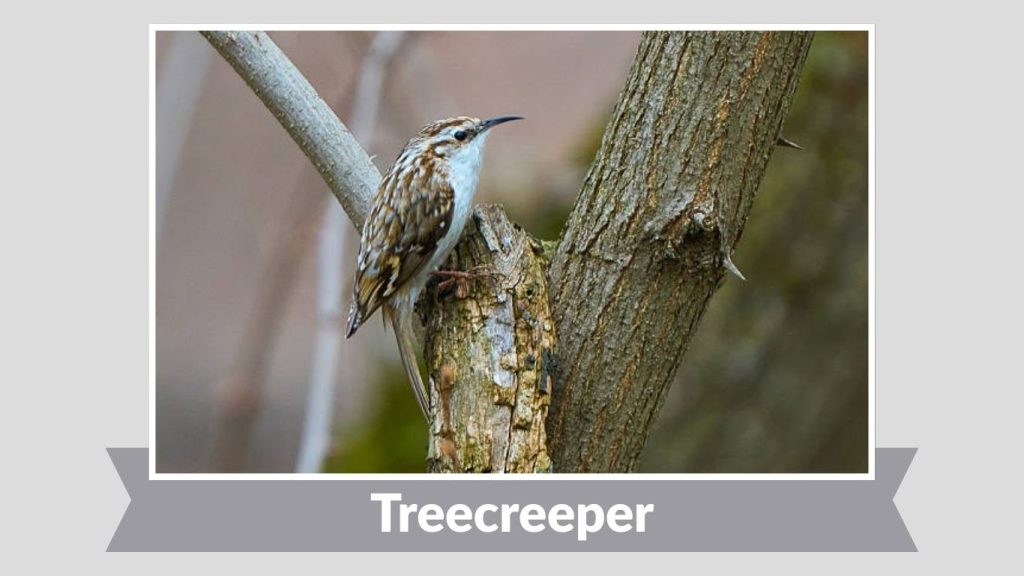
Treecreepers are small, slender birds with long, slightly curved beaks that help them search for insects hidden in tree bark. They are masters of camouflage, blending easily with tree trunks.
Identification
- Small, thin body
- Long, slightly curved beak
- Brown, streaked plumage for camouflage
- Stiff tail feathers used for support
Habitat
Treecreepers inhabit mature forests, woodlands, and wooded parks. They rely heavily on large trees with rough bark for feeding and nesting.
Diet
Their diet consists mainly of insects, larvae, spiders, and other small invertebrates found in bark crevices. They use their beaks to pry insects from cracks as they climb.
Behavior
Treecreepers move in a distinctive upward spiral along tree trunks. After reaching the top, they fly down to the base of another tree and repeat the process, rarely moving downward.
9. Wren
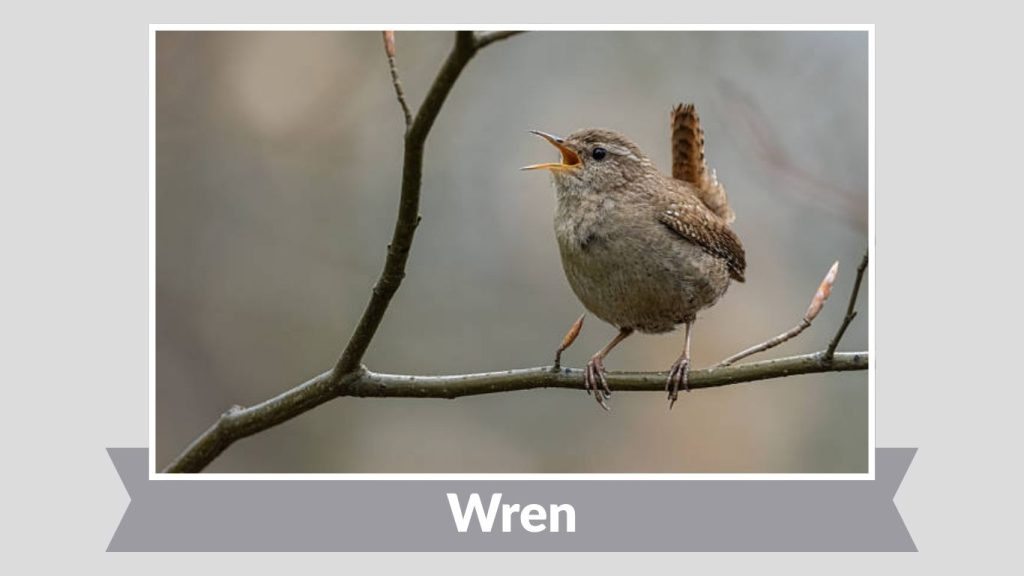
Wrens are tiny, energetic birds with thin, pointed beaks that help them forage for insects in tight spaces. Despite their small size, they are known for their loud songs and bold personalities.
Identification
- Very small, round body
- Thin, slightly curved beak
- Short wings and tail, often held upright
- Brown or gray plumage with fine markings
Habitat
Wrens live in forests, shrublands, grasslands, and gardens. They prefer areas with dense cover where they can easily hide and search for food.
Diet
Their diet mainly includes insects, spiders, larvae, and other small invertebrates. Wrens forage close to the ground, probing crevices and leaf litter with their beaks.
Behavior
Wrens are highly active and vocal birds. They constantly hop and flit through vegetation and are known for delivering powerful songs that seem surprising for their tiny size.
10. Woodcreeper
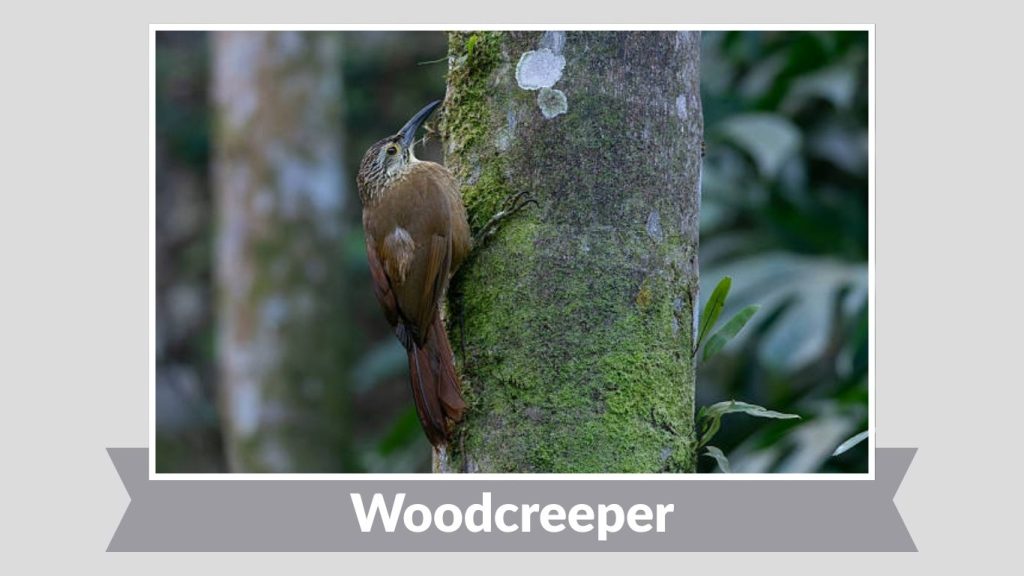
Woodcreepers are small to medium-sized forest birds with long, curved beaks adapted for probing tree bark. They are close relatives of ovenbirds and are mainly found in Central and South America.
Identification
- Slender body with stiff tail feathers
- Long, curved beak
- Brown or rufous streaked plumage
- Tree-climbing posture
Habitat
Woodcreepers inhabit tropical rainforests, dry forests, and wooded areas. They are most common in dense forests where tall trees provide ample foraging surfaces.
Diet
Their diet consists mainly of insects, spiders, and other arthropods found on tree trunks and branches. Some species follow army ant swarms to catch disturbed prey.
Behavior
Woodcreepers climb tree trunks in a vertical or spiral pattern, similar to treecreepers. They are often quiet and secretive, blending well into their forest surroundings.
11. Nuthatch
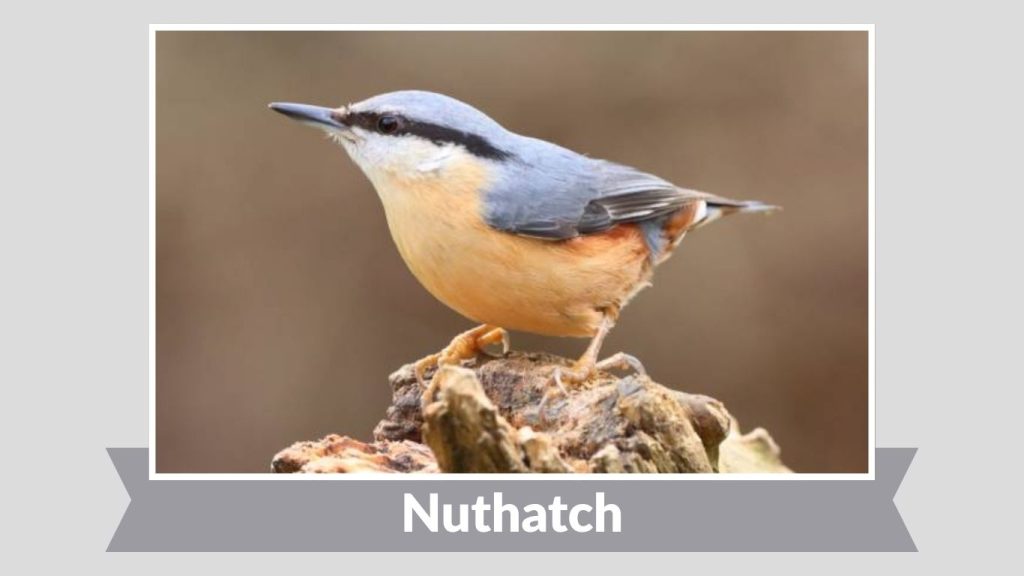
Nuthatches are small, compact birds with long, pointed beaks that they use to probe bark and cracks for food. They are well known for their unique ability to climb down trees headfirst.
Identification
- Small, stocky body
- Long, sharp, straight beak
- Short tail and strong legs
- Blue-gray, brown, or white plumage
Habitat
Nuthatches are commonly found in forests, woodlands, parks, and gardens. They prefer areas with mature trees that provide plenty of bark surfaces for feeding.
Diet
Their diet includes insects, larvae, spiders, seeds, and nuts. Nuthatches often store food in bark crevices to eat later, especially during colder months.
Behavior
Nuthatches are agile and acrobatic birds. They frequently move headfirst down tree trunks and branches, a behavior that sets them apart from most other tree-climbing birds.
12. Honeyeater
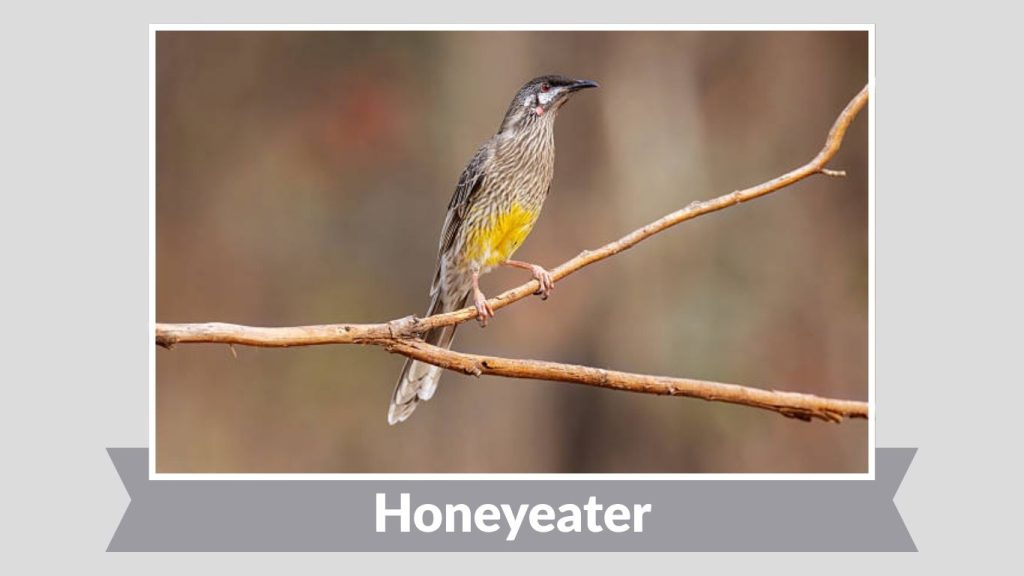
Honeyeaters are small to medium-sized birds with long, slender beaks specially adapted for feeding on nectar. They are an important group of birds native mainly to Australia and nearby regions.
Identification
- Slender body shape
- Long, slightly curved beak
- Often have brush-tipped tongues
- Plumage ranges from dull to brightly colored
Habitat
Honeyeaters live in forests, woodlands, scrublands, and gardens. They are especially common in areas rich in flowering plants such as eucalyptus trees.
Diet
Their diet mainly consists of nectar, but they also eat insects, spiders, and fruit. Honeyeaters play a key role in pollination while feeding on flowers.
Behavior
Honeyeaters are active and vocal birds. Many species are territorial and aggressively defend flowering trees from other nectar-feeding birds.
13. Creeper Finch
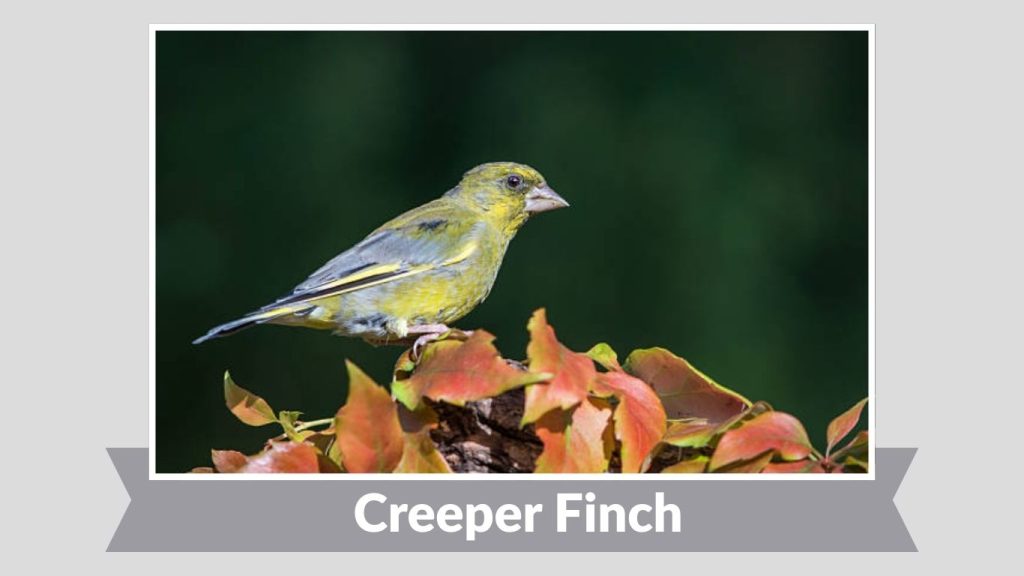
Creeper Finches are small birds with long, slightly curved beaks that help them search for insects in bark and crevices. They are part of Darwin’s finches and are native to the Galápagos Islands.
Identification
- Small body size
- Long, pointed, slightly curved beak
- Brown or gray plumage
- Finch-like appearance
Habitat
Creeper Finches inhabit woodlands, forests, and scrubby areas of the Galápagos Islands. They are closely associated with trees where they forage for food.
Diet
Their diet mainly includes insects and larvae found on tree bark. They use their beaks to probe cracks and sometimes use tools like twigs or cactus spines to extract prey.
Behavior
Creeper Finches are curious and intelligent birds. They often forage methodically along branches and trunks, showing problem-solving abilities uncommon in many small birds.
14. Sapsucker
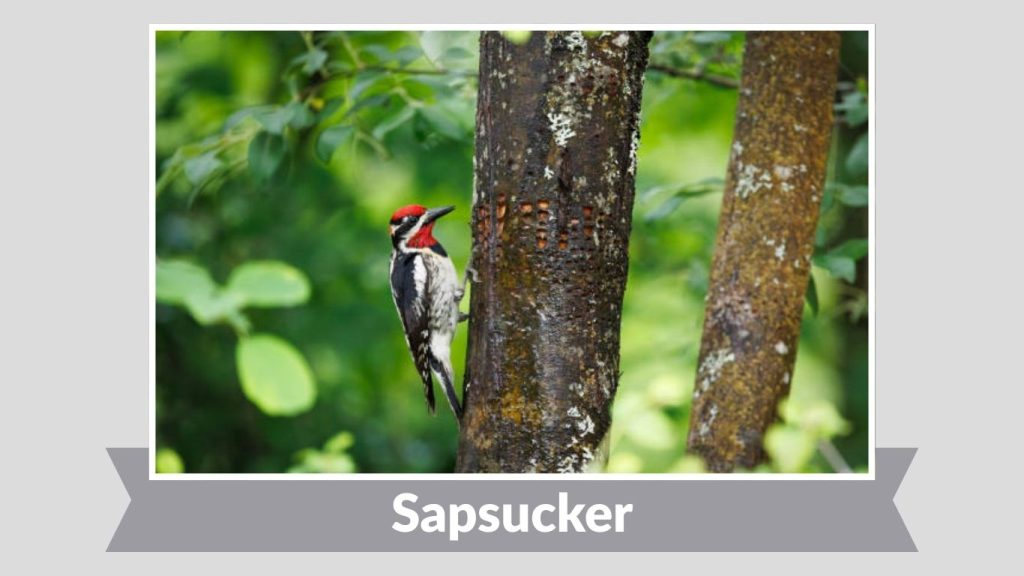
Sapsuckers are small woodpeckers with long, straight beaks adapted for drilling into tree bark. They are known for creating neat rows of holes to feed on tree sap.
Identification
- Small to medium-sized body
- Straight, chisel-like beak
- Black-and-white patterned plumage
- Red markings on head (in many species)
Habitat
Sapsuckers live in forests, woodlands, and mixed tree areas. They are often found in regions with deciduous trees that produce abundant sap.
Diet
Their diet consists mainly of tree sap, insects attracted to the sap, and occasionally fruits. They repeatedly visit sap wells to feed throughout the day.
Behavior
Sapsuckers are methodical and persistent birds. They maintain and defend sap wells, returning regularly and chasing away other animals that try to feed from the same source.
15. Avocet
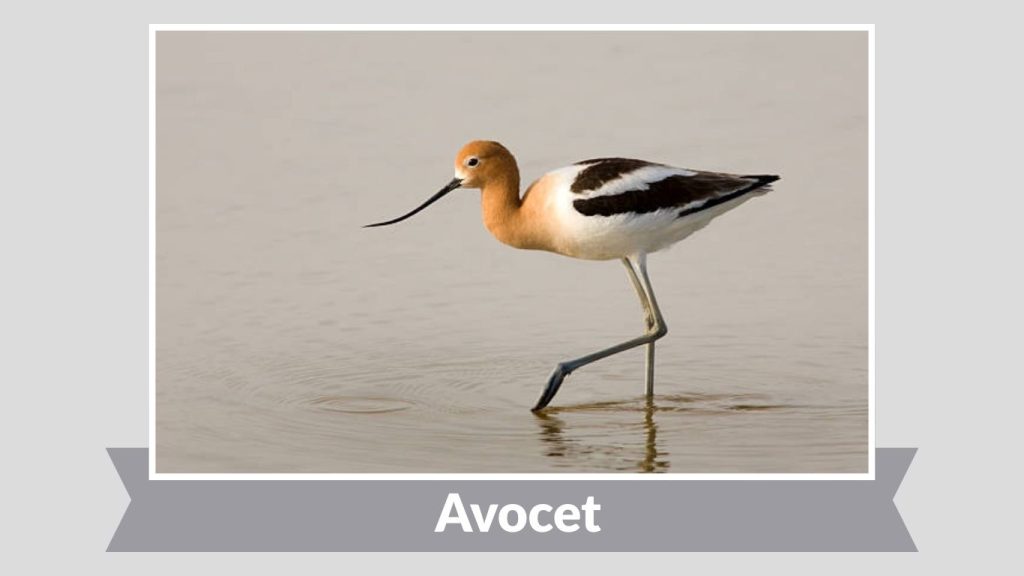
Avocets are elegant wading birds recognized for their very long, thin, upturned beaks, which they use to sweep through shallow water in search of food. Although not as tiny as some others on the list, they are known for their slender build and distinctive bill shape.
Identification
- Slender body with long legs
- Very long, thin, upturned beak
- Black-and-white plumage
- Long neck and graceful posture
Habitat
Avocets are found in wetlands, shallow lakes, lagoons, and coastal mudflats. They prefer open areas with shallow water where they can forage easily.
Diet
Their diet includes small aquatic insects, crustaceans, and other invertebrates. They feed by sweeping their beaks side to side through the water or mud.
Behavior
Avocets are social and often seen in groups. They are known for their graceful feeding style and may aggressively defend their nesting areas from predators.