



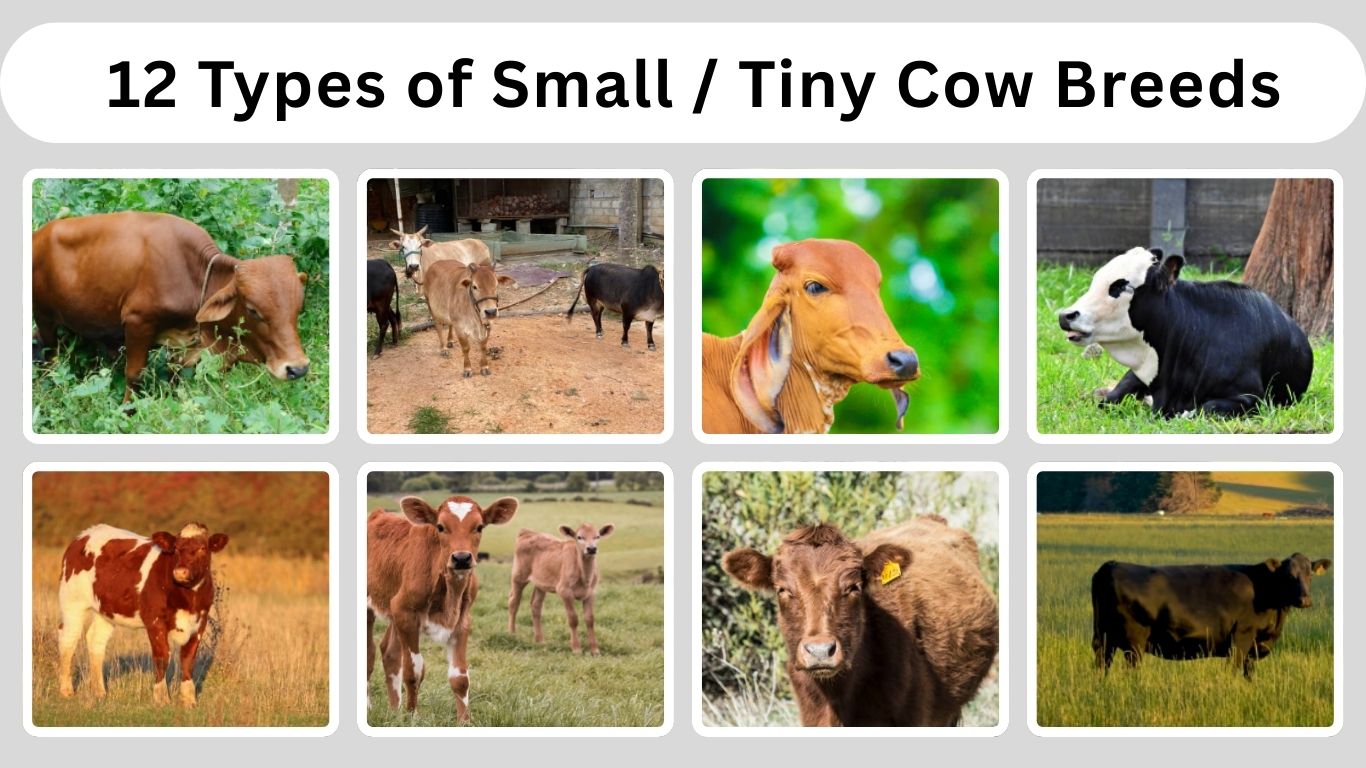
Small and tiny cow breeds are gaining popularity among homesteaders, small farmers, and animal lovers who want real cows without the challenges of large cattle. These small cows require less space, eat less feed, and are easier to manage while still providing milk, meat, or companionship. From ancient heritage breeds to modern mini cattle, each tiny cow has unique traits, sizes, and uses. Below is a carefully selected list of 12 small cow breeds, explained in detail to help you choose the right mini cow for your needs.
1. Dexter Cattle

Dexter cattle are one of the most well-known small cow breeds in the world. Originating from Ireland, this tiny cow breed is valued for its compact size, hardiness, and versatility. Dexters are considered true cattle (not dwarf mutations), making them a popular choice for small farms, homesteads, and people looking for a manageable mini cow that still provides milk and meat efficiently.
Identification
- Small cow breed with a compact, stocky body
- Short legs; some are naturally shorter (traditional type)
- Coat colors include black, red, or dun
- Broad head with short horns (or polled in some lines)
- Known for calm and intelligent temperament
Habitat
Dexter cattle adapt well to a wide range of environments. This small-sized cow thrives in temperate climates and can handle cold, wet, and windy conditions better than many larger breeds. They do well on pasture-based systems and are ideal for small landholdings due to their low space and feed requirements.
Size & Weight
Dexters are considered a true tiny cow breed. Adult cows typically stand about 36–44 inches (91–112 cm) at the shoulder and weigh between 600–700 pounds (270–320 kg). Bulls are slightly larger but still much smaller than standard cattle breeds, making them easy to manage.
Uses & Purpose
Dexter cattle are a dual-purpose small cow breed. They are raised for:
- Milk production (rich, high-butterfat milk)
- Beef (fine-grained, flavorful meat)
- Small-scale farming and homesteading
- Companion or hobby farming due to their gentle nature
2. Miniature Zebu
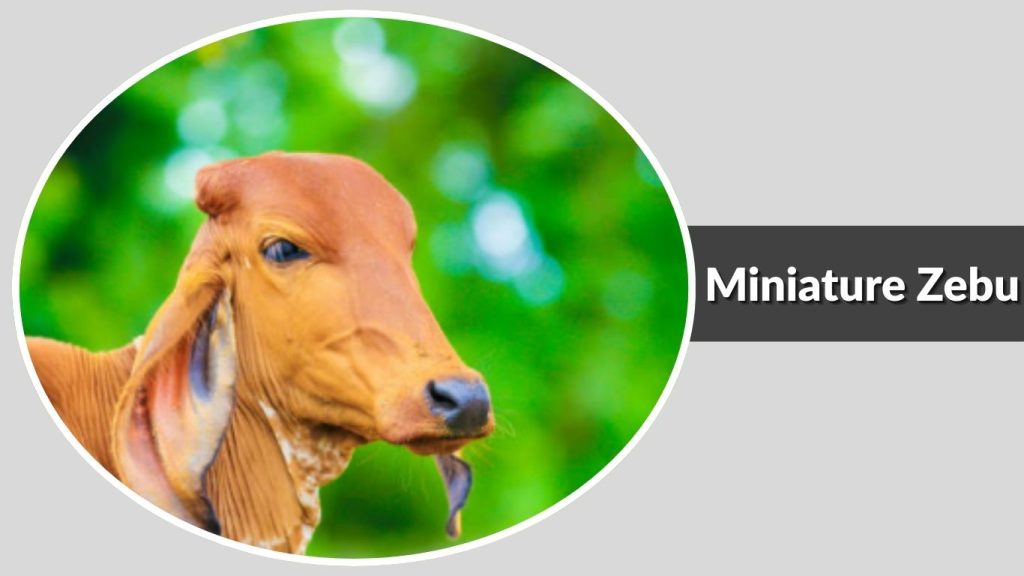
Miniature Zebu are a distinctive tiny cow breed known for their small size, heat tolerance, and iconic hump. Originating from South Asia, this small cow is a true miniature form of zebu cattle and is often kept for ornamental, pet, and small-farm purposes. Their unique appearance and hardy nature make them popular among people looking for a low-maintenance mini cow.
Identification
- Very small cow with a compact body
- Distinctive shoulder hump
- Short, upright horns
- Loose skin and large ears
- Coat colors vary: gray, brown, black, or spotted
Habitat
Miniature Zebu thrive best in warm and tropical climates. This tiny cow breed is highly resistant to heat, insects, and many common cattle diseases. They can adapt to small pastures and are well-suited for backyard farms, small holdings, and regions with high temperatures.
Size & Weight
Miniature Zebu are among the smallest real cows in the world. Adults typically stand around 30–36 inches (76–91 cm) tall at the shoulder and weigh between 300–500 pounds (135–225 kg). Their lightweight frame makes them easy to handle compared to standard cattle breeds.
Uses & Purpose
Miniature Zebu are mainly raised for:
- Pet and companion animals
- Ornamental or exhibition purposes
- Small-scale and backyard farming
- Cultural and traditional value
They are not commonly used for commercial milk or beef but are prized as a manageable and attractive small cow breed.
3. Lowline Angus
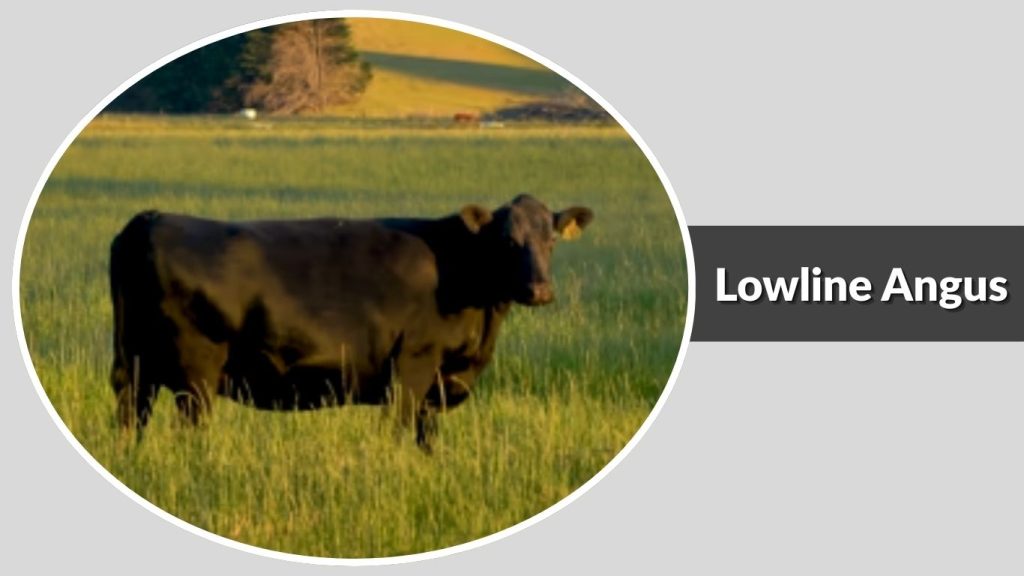
Lowline Angus is a modern small cow breed developed for efficiency, quality beef, and easy handling. Originating in Australia, this tiny cow is a naturally small version of Angus cattle—not a dwarf—making it ideal for farmers who want a compact yet productive mini cow with excellent meat quality.
Identification
- Small cow with a deep, blocky body
- Naturally polled (no horns)
- Solid black or red coat
- Broad chest and well-muscled frame
- Calm and docile temperament
Habitat
Lowline Angus adapt well to various climates, from temperate to moderately warm regions. This small-sized cow performs best on pasture-based systems and requires less land and feed than standard beef cattle, making it suitable for small farms and homesteads.
Size & Weight
This tiny cow breed typically stands about 40–45 inches (102–114 cm) at the shoulder. Adult cows weigh around 700–900 pounds (320–410 kg), while bulls may reach up to 1,200 pounds (545 kg), still significantly smaller than traditional Angus cattle.
Uses & Purpose
Lowline Angus are primarily raised for:
- High-quality beef production
- Small-scale and sustainable farming
- Low-input cattle systems
- Easy handling for beginner farmers
4. Vechur Cow
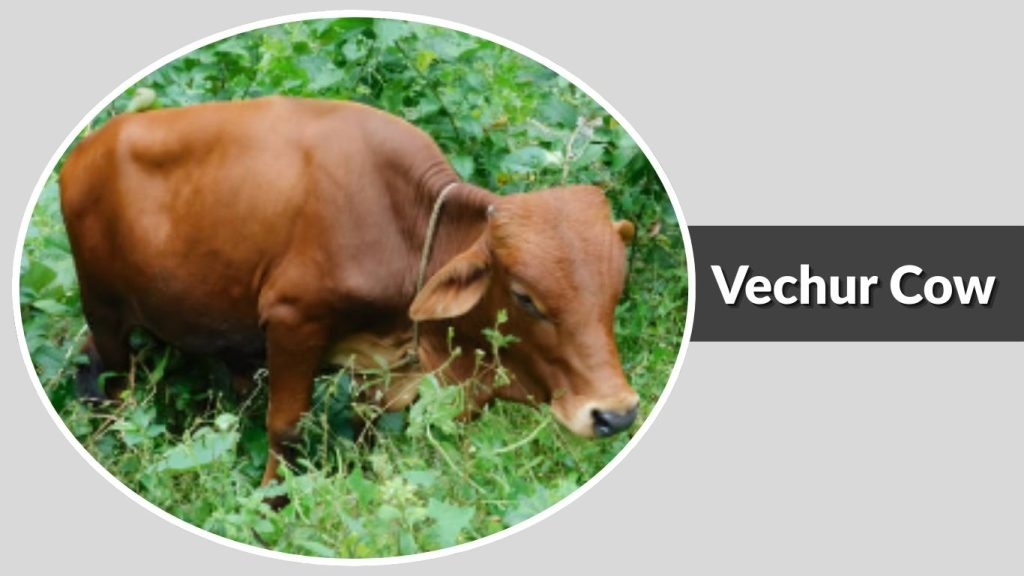
The Vechur cow is one of the smallest real cow breeds in the world and is native to India. Known for its resilience and medicinally valued milk, this tiny cow breed is deeply connected to traditional farming and Ayurvedic practices. Its extremely compact size makes it a true symbol of the small cow category.
Identification
- Extremely tiny cow with a narrow body
- Short legs and small head
- Small horns curving outward
- Light-colored coat, often white or light brown
- Active and alert nature
Habitat
Vechur cows thrive in hot, humid, and tropical environments. This small cow breed is highly resistant to local diseases and can survive on minimal feed. It is well-suited for backyard farming and traditional rural households.
Size & Weight
Vechur cows are among the smallest tiny cows globally. Adult cows usually stand about 28–35 inches (70–90 cm) tall and weigh between 330–440 pounds (150–200 kg), making them exceptionally easy to manage.
Uses & Purpose
Vechur cows are mainly valued for:
- Milk production with high medicinal and nutritional value
- Low-cost, sustainable farming
- Traditional and organic agriculture
- Conservation of indigenous small cow breeds
5. Miniature Hereford
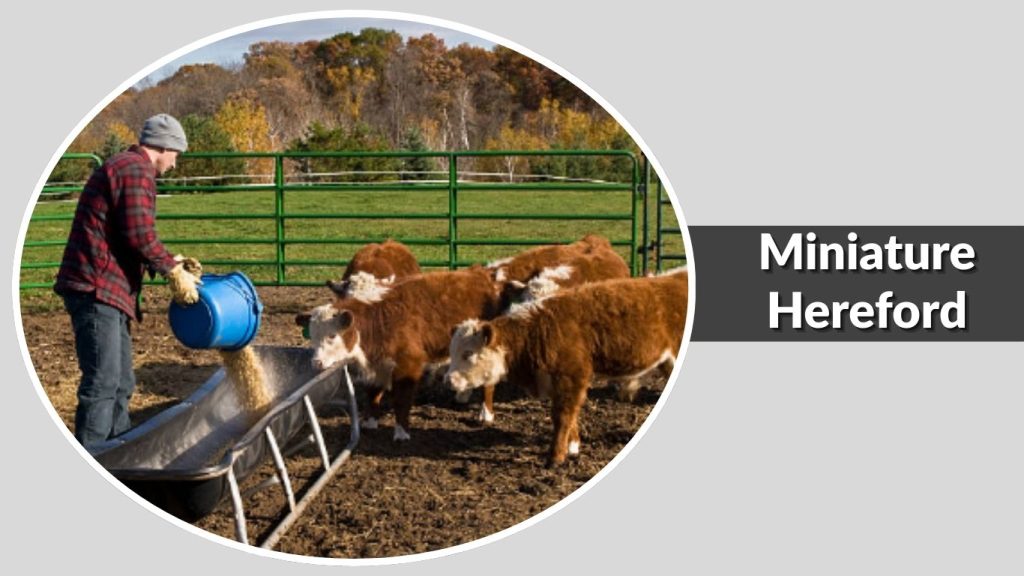
Miniature Hereford is a compact version of the traditional Hereford, bred to maintain productivity in a small cow size. This tiny cow breed is popular among small farmers due to its calm nature, efficient grazing, and classic red-and-white appearance. It is a true miniature cattle breed, not a dwarf type.
Identification
- Small cow with a red body and white face
- Thick neck and sturdy, compact frame
- Short legs with strong hooves
- Usually polled or short-horned
- Gentle and easy-to-handle temperament
Habitat
Miniature Herefords adapt well to many environments, including grasslands and mixed-farming areas. This small-sized cow performs well in temperate climates and can tolerate both cold and moderate heat. Their efficient grazing makes them ideal for limited pasture land.
Size & Weight
This tiny cow typically stands about 38–45 inches (97–114 cm) tall at the shoulder. Adult cows usually weigh between 600–800 pounds (270–360 kg), while bulls are slightly heavier but still smaller than standard cattle breeds.
Uses & Purpose
Miniature Herefords are mainly raised for:
- Beef production on small farms
- Sustainable and low-input farming
- Hobby farming and family-owned farms
- Easy management due to calm behavior
6. Panda Cow
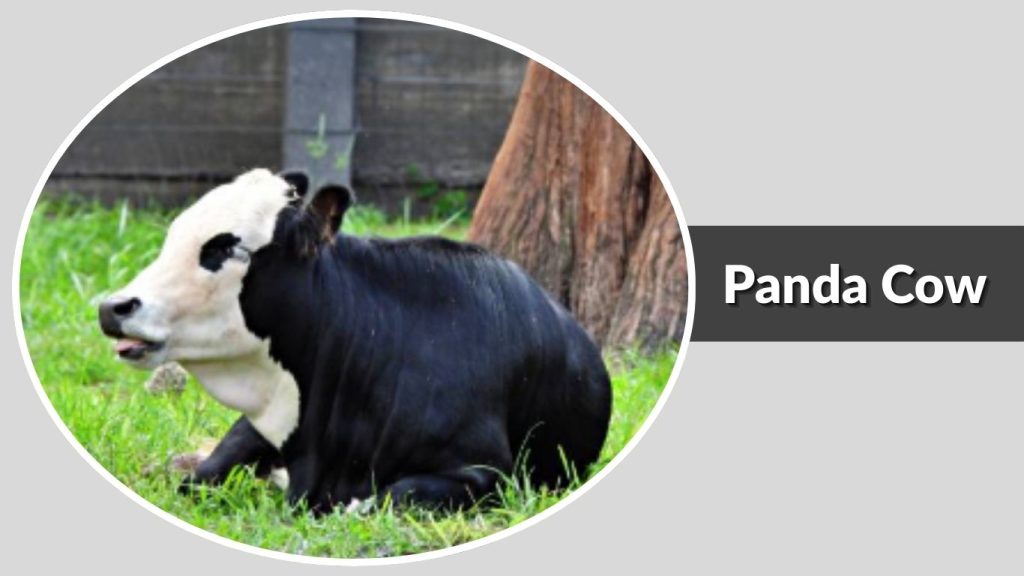
Panda cows are a rare and visually striking small cow breed, best known for their unique black-and-white markings that resemble a panda. This tiny cow is primarily bred for appearance rather than productivity and is considered more of an ornamental or specialty mini cattle breed.
Identification
- Small cow with panda-like black-and-white coat pattern
- Black patches around eyes, shoulders, and legs
- Compact body with short legs
- Usually polled
- Friendly and calm personality
Habitat
Panda cows do best in controlled farm environments and moderate climates. This small cow breed requires attentive care due to its rarity and is often kept on private farms or specialty ranches rather than commercial operations.
Size & Weight
Panda cows are classified as tiny cows, typically standing around 38–42 inches (97–107 cm) tall. Adult weight ranges from 500–700 pounds (225–320 kg), depending on breeding and diet.
Uses & Purpose
Panda cows are mainly kept for:
- Ornamental and exhibition purposes
- Pet or companion animals
- Specialty and hobby farming
- Breeding programs focused on rare mini cow traits
7. Miniature Jersey
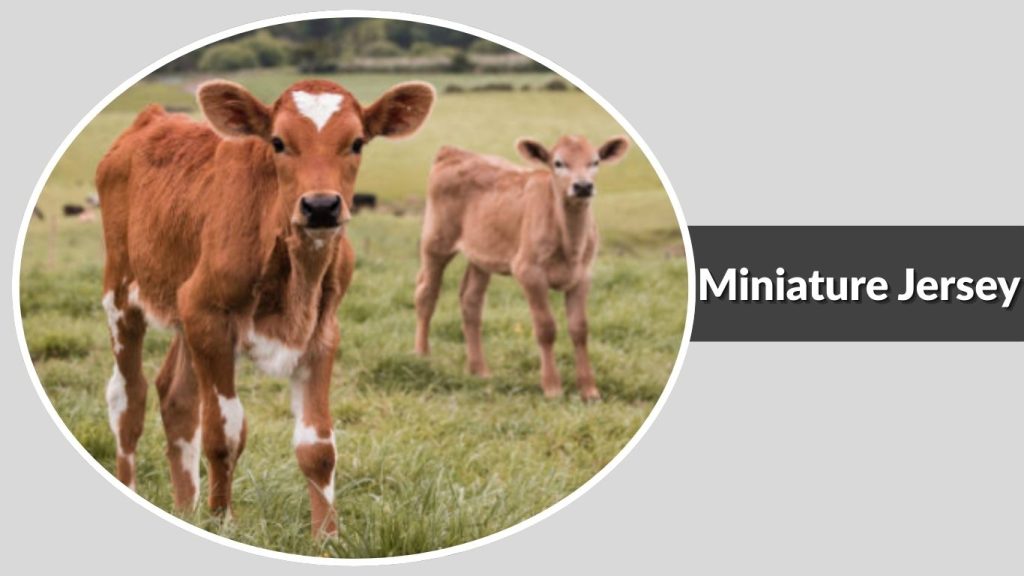
Miniature Jersey is a smaller version of the standard Jersey, bred to retain excellent milk quality in a small cow size. This tiny cow breed is especially popular among homesteaders who want rich milk from a manageable mini cow that requires less feed and space.
Identification
- Small cow with a light brown to fawn-colored coat
- Dark nose with a lighter ring around the muzzle
- Large, expressive eyes
- Fine-boned and compact body
- Gentle and friendly temperament
Habitat
Miniature Jersey cattle adapt well to a wide range of environments. This small-sized cow performs best in temperate climates but can tolerate both heat and mild cold. They thrive on pasture-based systems and are ideal for backyard farms and small homesteads.
Size & Weight
Miniature Jersey cows usually stand about 36–42 inches (91–107 cm) tall at the shoulder. Adult cows typically weigh between 500–700 pounds (225–320 kg), making them a true tiny cow compared to standard dairy breeds.
Uses & Purpose
Miniature Jerseys are mainly raised for:
- High-butterfat milk production
- Family milk cows for homesteads
- Low-feed dairy farming
- Companion animals due to calm nature
8. Miniature Highland Cattle
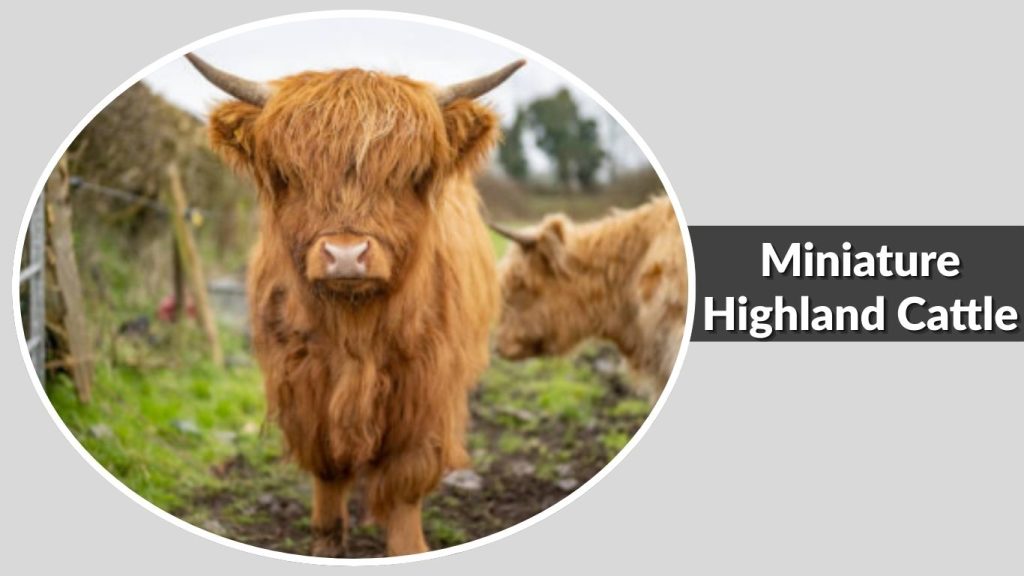
Miniature Highland cattle are a smaller form of the famous Scottish Highland, known for their long hair and hardy nature. This small cow breed combines a unique appearance with strong adaptability, making it a favorite tiny cow for cold climates and specialty farms.
Identification
- Small cow with long, shaggy hair
- Long, curved horns (or polled in some lines)
- Short legs and compact body
- Coat colors include red, black, yellow, or brindle
- Calm and hardy temperament
Habitat
Miniature Highland cattle thrive in cold and rugged environments. This small cow breed is highly tolerant of harsh weather, wind, and poor pasture conditions. They are best suited for cooler regions and open grazing systems.
Size & Weight
This tiny cow typically stands around 36–42 inches (91–107 cm) tall. Adult cows usually weigh between 500–800 pounds (225–360 kg), remaining significantly smaller than standard Highland cattle.
Uses & Purpose
Miniature Highland cattle are commonly raised for:
- Specialty beef production
- Cold-climate small farms
- Ornamental and heritage farming
- Low-maintenance grazing systems
9. Kerry Cattle
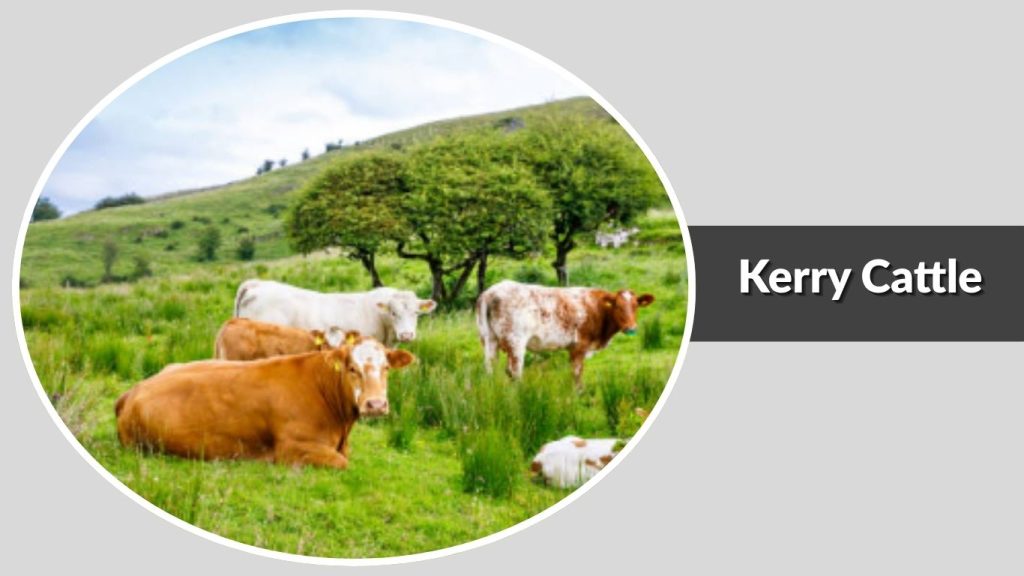
Kerry cattle are an ancient Irish small cow breed known for their hardiness and adaptability. This tiny cow has been traditionally kept in rugged landscapes, making it well suited for low-input farming. Kerry cattle are considered one of the oldest European cattle breeds and are valued for both milk and conservation efforts.
Identification
- Small cow with a slim but sturdy body
- Solid black coat
- Medium-length horns curving upward
- Fine-boned structure with strong legs
- Alert and active temperament
Habitat
Kerry cattle thrive in cool, wet, and mountainous regions. This small cow breed performs well on poor-quality pasture and can tolerate harsh weather conditions. They are ideal for small farms, heritage farming, and marginal grazing land.
Size & Weight
Kerry cattle are a true tiny cow breed. Adult cows generally stand about 36–42 inches (91–107 cm) tall and weigh between 600–800 pounds (270–360 kg). Bulls are slightly heavier but remain small compared to modern cattle breeds.
Uses & Purpose
Kerry cattle are raised for:
- Milk production on small farms
- Sustainable and low-input agriculture
- Conservation of rare small cow breeds
- Traditional and heritage farming
10. Punganur Cow
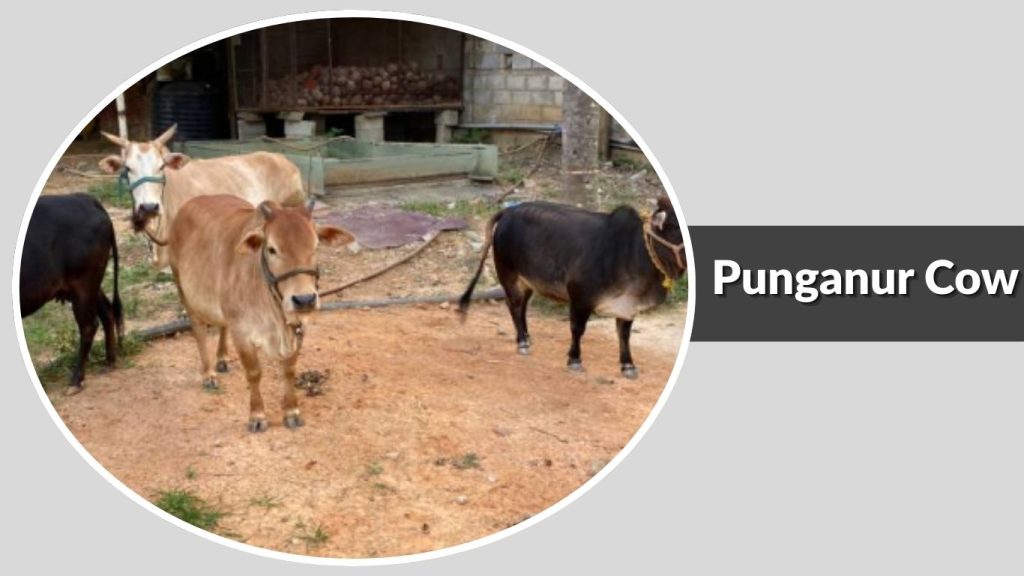
The Punganur cow is a rare Indian tiny cow breed known for its extremely small size and cultural significance. Native to Andhra Pradesh, this small cow is among the shortest cattle breeds in the world and is valued for its milk quality and low maintenance needs.
Identification
- Extremely tiny cow with a short, compact body
- Short legs and small hump
- Broad forehead with small horns
- Coat color usually white, gray, or light brown
- Very docile and calm nature
Habitat
Punganur cows are well adapted to hot and dry tropical climates. This small cow breed survives on minimal feed and is resistant to many local diseases. They are best suited for backyard farming and traditional rural households.
Size & Weight
Punganur cows are one of the smallest real cows in existence. Adults typically stand around 28–32 inches (70–80 cm) tall and weigh between 250–350 pounds (113–160 kg), making them a true tiny cow.
Uses & Purpose
Punganur cows are mainly valued for:
- Milk production for household use
- Low-cost and sustainable farming
- Cultural and traditional practices
- Conservation of indigenous tiny cow breeds
11. Miniature Belted Galloway
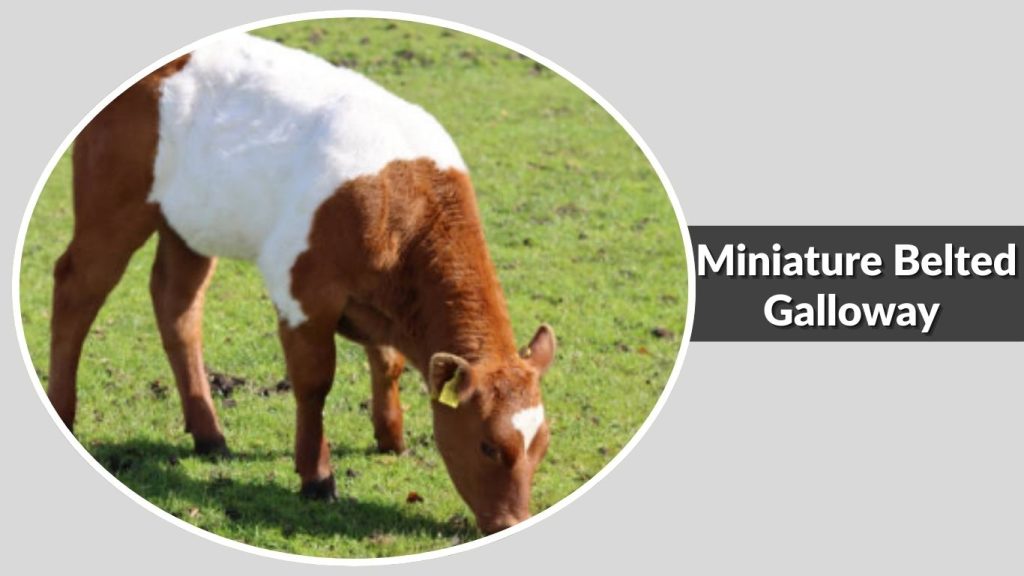
Miniature Belted Galloway is a compact version of the traditional Belted Galloway, easily recognized by its white belt around the body. This small cow breed is hardy, efficient, and well suited for small-scale farming. Its manageable size and striking appearance make it a popular tiny cow for both utility and aesthetics.
Identification
- Small cow with a black, red, or dun coat
- Distinctive white belt around the midsection
- Stocky, compact body with short legs
- Naturally polled (no horns)
- Calm and hardy temperament
Habitat
Miniature Belted Galloways thrive in cool and temperate climates. This small cow breed is highly tolerant of rain, wind, and poor pasture conditions. They perform well on grass-based systems and are ideal for small farms and conservation grazing.
Size & Weight
This tiny cow typically stands about 38–42 inches (97–107 cm) tall at the shoulder. Adult cows usually weigh between 600–900 pounds (270–410 kg), remaining smaller than standard beef cattle breeds.
Uses & Purpose
Miniature Belted Galloways are mainly raised for:
- Beef production on small farms
- Grass-fed and low-input systems
- Conservation grazing
- Hobby and specialty farming
12. Miniature Shorthorn
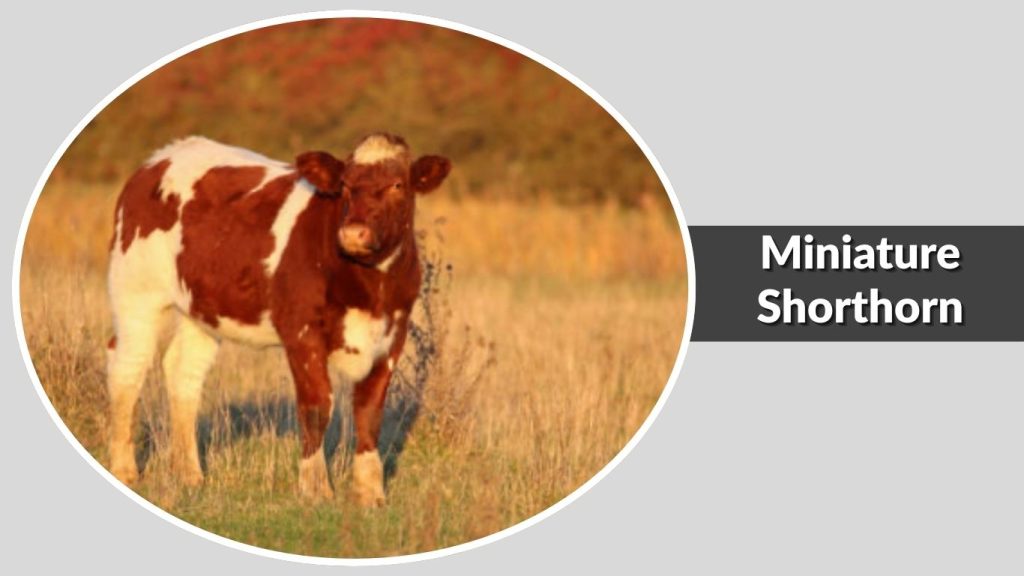
Miniature Shorthorn cattle are bred to maintain the productivity of standard Shorthorns in a small cow form. This tiny cow breed is known for its versatility, docile nature, and adaptability, making it suitable for both dairy and beef purposes on small farms.
Identification
- Small cow with a broad, well-balanced body
- Short, smooth coat in red, white, or roan
- Strong legs and wide chest
- Horned or polled varieties
- Gentle and easygoing temperament
Habitat
Miniature Shorthorns adapt well to many climates, from temperate to moderately warm regions. This small cow breed performs well on pasture and integrates easily into mixed-farming systems.
Size & Weight
Miniature Shorthorns usually stand about 38–44 inches (97–112 cm) tall. Adult cows typically weigh between 700–900 pounds (320–410 kg), making them a manageable tiny cow for small landholders.
Uses & Purpose
Miniature Shorthorns are raised for:
- Dual-purpose milk and beef production
- Small-scale and family farming
- Sustainable and low-input agriculture
- Beginner-friendly cattle management
FAQs
1. Are small or tiny cows real cows?
Yes, small and tiny cows are real cattle breeds, not baby cows. Most small cows are naturally miniature versions of standard breeds or ancient heritage breeds that evolved to stay small. They grow to full adult size but remain compact.
2. How much space does a tiny cow need?
A tiny cow needs far less space than standard cattle. In many cases, one small cow can thrive on ½ to 1 acre of good pasture, depending on grass quality, climate, and supplemental feeding.
3. Do small cows produce milk like regular cows?
Yes, many small cow breeds produce milk. While the quantity is lower, the milk is often richer in butterfat and protein. Breeds like Miniature Jersey and Dexter are popular tiny cows for household milk production.
4. Are small cows good for beginners?
Absolutely. Small cows are easier to handle, less intimidating, and require lower feed costs. Their gentle temperament and manageable size make tiny cows ideal for beginners, homesteaders, and hobby farmers.
5. What is the smallest cow breed in the world?
The Vechur and Punganur are considered among the smallest real cow breeds in the world. These tiny cows stand under 3 feet tall and are valued for low maintenance, disease resistance, and high-quality milk.