

Mites are tiny yet surprisingly complex creatures that can affect your skin, home, pets, and even your health. From dust mites to scabies and spider mites, each type brings its own risks and concerns. In this guide, we answer 55 of the most frequently asked questions and share must-know facts to help you better understand, identify, and manage mites in your daily life.
1. What are dust mites?
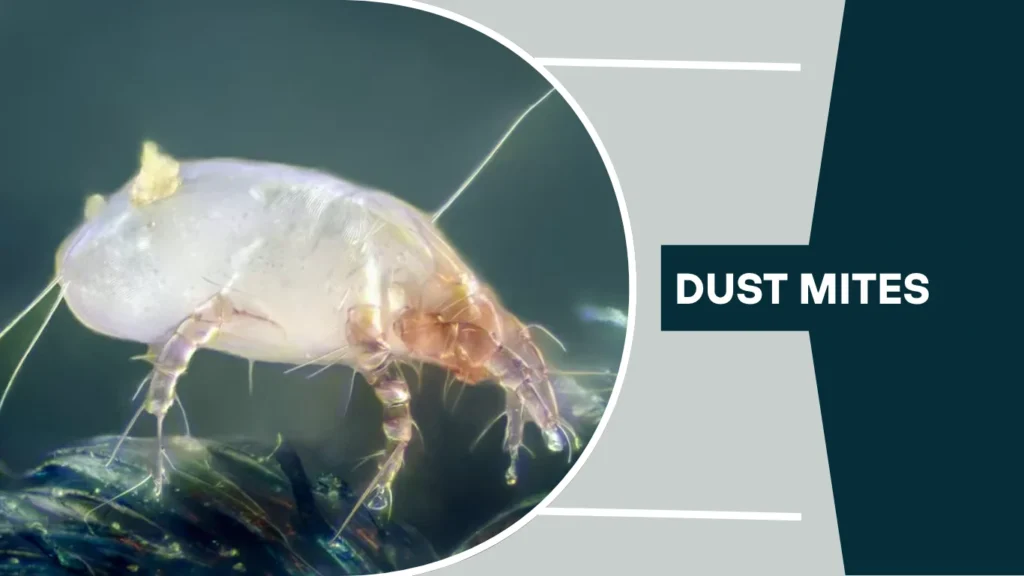
Dust mites are microscopic arachnids that thrive in warm, humid environments. They feed on dead skin cells and are commonly found in bedding, carpets, and upholstered furniture. Although invisible to the naked eye, they can trigger allergic reactions in sensitive individuals.
2. Do mites live in your eyelashes?

Yes, certain mites like Demodex species can live in human eyelashes and hair follicles. These mites are typically harmless but may cause irritation, redness, or inflammation in people with sensitive skin or weakened immune systems.
3. What mites do dogs get?

Dogs commonly suffer from mites like Sarcoptes scabiei (causing mange), Demodex mites, and ear mites. These parasites can lead to itching, hair loss, and skin infections, and should be diagnosed and treated by a veterinarian.
4. When to use Formic Pro mite treatment?

Formic Pro is typically used during warmer months to control varroa mite infestations in bee hives. It works best when outdoor temperatures range between 50°F and 85°F, and should be applied according to the product’s directions for safety and effectiveness.
5. Can mite bites make you sick?
Mite bites can cause itching, redness, and skin irritation. While most bites are harmless, some mites transmit diseases or cause allergic reactions. In rare cases, they may lead to secondary infections if scratched excessively or left untreated.
6. What do mite bites look like?
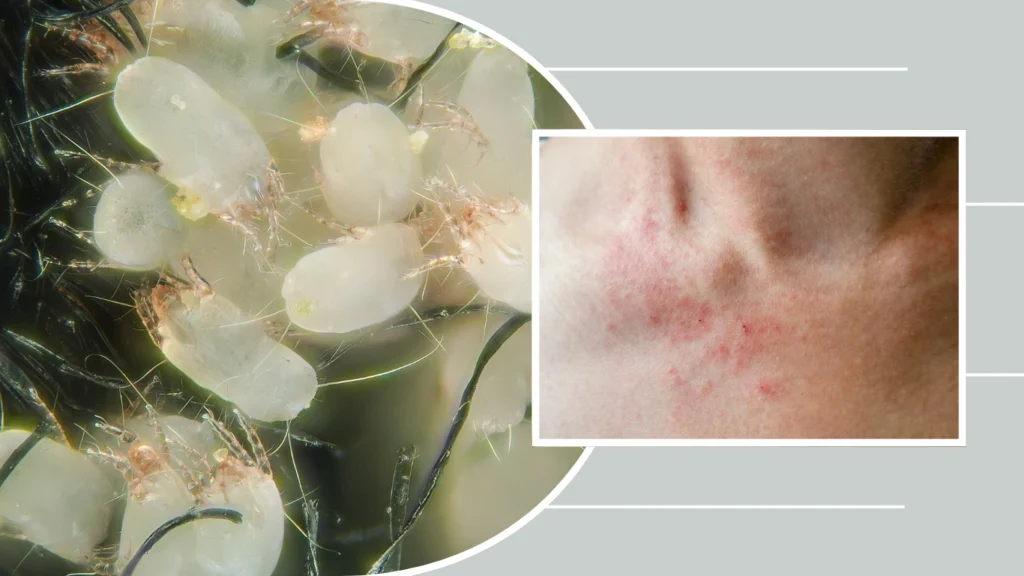
Mite bites often appear as small, red, itchy bumps, sometimes in clusters. They can resemble mosquito or flea bites but are typically more persistent. In some cases, the skin may become inflamed or develop a rash due to scratching.
7. Can mites live in your hair?

Yes, certain mites like Demodex folliculorum can live in human hair follicles and sebaceous glands. They’re usually harmless, but overgrowth can lead to scalp irritation, itching, or inflammation, especially in people with sensitive skin.
8. Are mites dangerous to humans?

Most mites are not dangerous, but some species like scabies mites or bird mites can cause skin irritation, rashes, or allergic reactions. In rare cases, bites may lead to secondary infections if not properly treated.
9. How to get rid of dust mites?
To eliminate dust mites, wash bedding regularly in hot water, use allergen-proof covers, vacuum with HEPA filters, and reduce indoor humidity. Consistent cleaning and minimizing fabric surfaces can significantly lower dust mite populations in your home.
10. Can mites live on humans?

Yes, some mite species can live on humans, such as scabies and Demodex mites. While many are harmless, some can cause skin conditions, itching, and inflammation, especially if they multiply excessively or trigger allergic responses.
11. Are mites visible to the eye?
Most mites are microscopic and cannot be seen without magnification. For example, dust mites measure about 0.2–0.3 mm and are translucent. However, some larger mites like clover mites or spider mites can be seen with the naked eye.
12. Can mites cause hair loss?

Yes, in some cases. Demodex mites living in hair follicles may contribute to hair thinning or loss, especially in people with weakened immune systems or preexisting skin conditions like rosacea or seborrheic dermatitis.
13. Do mites jump?
Most mites do not jump. They crawl slowly or cling to hosts and fabrics. However, some species may appear to move quickly or “pop” due to their tiny size and static cling behavior, but they do not leap like fleas.
14. Can mites survive freezing temps?

Some mites can survive short exposure to freezing temperatures, but long-term freezing, especially below -18°C (0°F), can kill most household mites. This method is often used to treat infested bedding or stuffed toys.
15. What are the symptoms of dust mite allergy?
Symptoms include sneezing, runny or stuffy nose, itchy eyes, postnasal drip, coughing, and asthma flare-ups. People with dust mite allergy may also experience worsened eczema or skin irritation when exposed to infested environments.
16. Do mites have wings?

No, mites do not have wings. They are wingless arachnids, closely related to ticks and spiders. They crawl slowly on surfaces and often spread through direct contact or by clinging to hosts or fabrics.
17. Can mites live inside the human body?
Most mites live on the skin or hair follicles, not inside the human body. However, scabies mites burrow into the upper layer of the skin, while others like Demodex reside in sebaceous glands or eyelash follicles.
18. What mites bite humans?

Several mites can bite humans, including scabies mites, bird mites, rodent mites, and chigger mites. Bites usually result in itchy, red welts and may cause allergic reactions or skin inflammation if not treated properly.
19. Are mites harmful to humans?
Generally, mites are harmless, but some species can cause serious discomfort or allergic reactions. Scabies mites cause intense itching and skin rashes, while dust mites can trigger asthma and allergic symptoms in sensitive individuals.
20. How do you know if you have dust mite bites?

Technically, dust mites don’t bite. However, allergic reactions to their waste can cause skin irritation, itching, or eczema-like symptoms. Red patches without a puncture mark are often confused with insect bites but indicate an allergy.
21. What do mites look like?
Mites are tiny arachnids with oval bodies, eight legs, and no wings or antennae. Most are nearly invisible to the naked eye, ranging from 0.1 to 1 mm. Some species appear reddish, white, or translucent under magnification.
22. Are mites parasites?
Yes, many mites are parasitic. Scabies mites burrow into human skin, and bird or rodent mites feed on animal hosts. Others, like dust mites, are not true parasites but can still affect humans through allergic reactions.
23. Can mites live in your hair?

Certain mites, like Demodex folliculorum, can live in human hair follicles, particularly on the face, eyebrows, and eyelashes. In small numbers, they are harmless, but overgrowth may contribute to skin issues and irritation.
24. Are mites contagious?
Some mites are contagious. Scabies mites, for example, spread easily through skin-to-skin contact or shared clothing and bedding. Dust mites are not contagious, but their allergens can trigger reactions in sensitive people.
25. Can mites live on dogs?
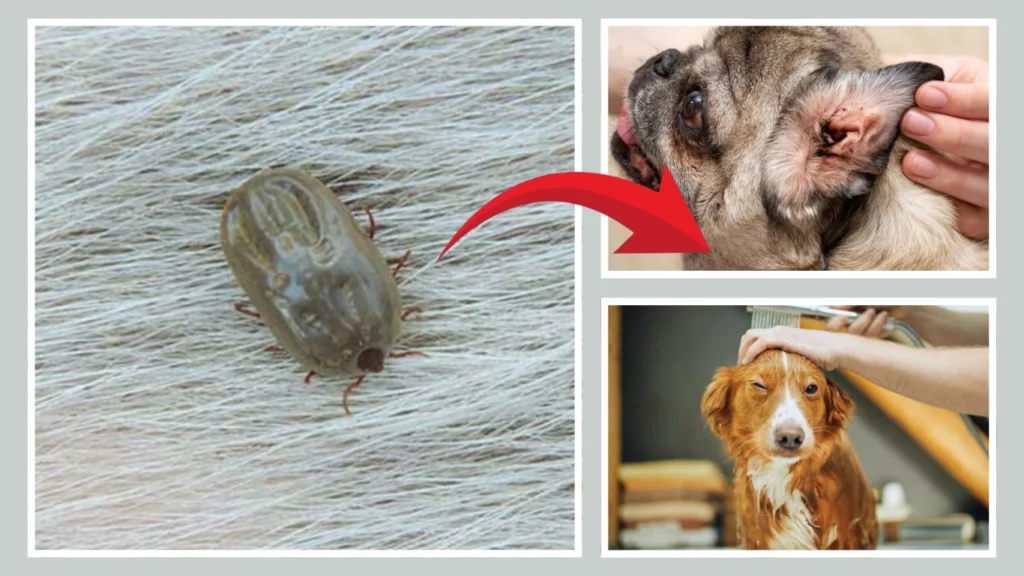
Yes, dogs can host several types of mites such as ear mites (Otodectes), mange mites (Sarcoptes, Demodex), and walking dandruff mites (Cheyletiella). These can cause itching, hair loss, and skin infections in pets.
26. Do mites drink blood?
Some parasitic mites, such as bird mites and rodent mites, feed on blood. These can bite humans when their natural hosts are absent. However, common mites like dust or spider mites do not drink blood.
27. Are mites insects?

No, mites are not insects. They belong to the arachnid class, which also includes spiders, ticks, and scorpions. Unlike insects with six legs, adult mites have eight legs and lack segmented bodies and wings.
28. Do mites live on humans?
Yes, some mites naturally live on human skin. Demodex mites are common residents of hair follicles and sebaceous glands. While usually harmless, they can become problematic if populations increase or if skin becomes inflamed.
29. What do mite bites look like?
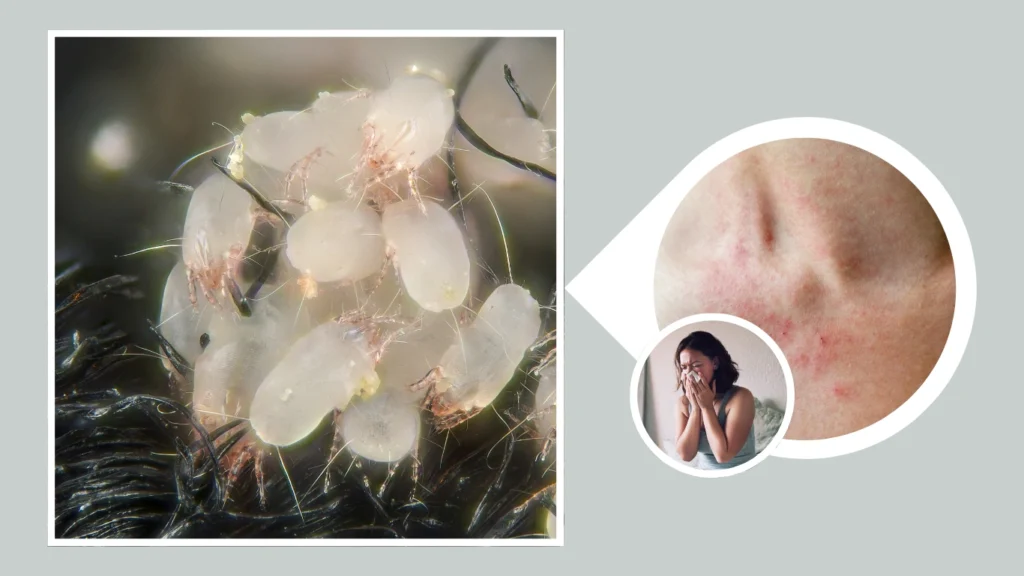
Mite bites often appear as small red bumps or rashes that are intensely itchy. They may be mistaken for bed bug or flea bites but often lack a visible puncture mark. Scratching can lead to secondary infections.
30. Can you see a dust mite with the human eye?
No, dust mites are too small to see without a microscope. They measure about 0.2 to 0.3 millimeters long and are translucent, making them invisible to the naked eye even when in large numbers.
31. What mites live on humans?
Primarily, Demodex folliculorum and Demodex brevis live on humans. These microscopic mites reside in hair follicles and sebaceous glands, especially on the face. Though generally harmless, their overpopulation is linked to conditions like rosacea and blepharitis.
32. Are mites harmful to humans?
Yes, some mites are harmful. Scabies mites cause severe itching and skin damage, while dust mites trigger allergic reactions like asthma, rhinitis, or eczema. Bird and rodent mites can also bite humans, causing irritation and discomfort.
33. Do mites jump?
Most mites do not jump. They crawl slowly and rely on close contact to spread. However, some species like chiggers may move quickly through grass or soil but still lack the anatomical structure to jump.
34. Can mites cause hair loss?
Yes, certain mites such as Demodex can cause hair loss when they clog hair follicles or trigger inflammation. In pets, mange mites like Sarcoptes and Demodex canis often lead to patchy hair loss and skin infections.
35. Can mites live inside the human body?
Generally, mites do not live deep inside the body. Scabies mites burrow into the upper layer of skin, while Demodex live in hair follicles. They do not invade internal organs or tissues beyond the skin’s surface.
36. What are the symptoms of dust mite allergy?

Dust mite allergies cause sneezing, runny nose, nasal congestion, coughing, postnasal drip, itchy eyes, and eczema flare-ups. In asthma sufferers, it can also trigger wheezing, shortness of breath, and increased asthma attacks, especially in enclosed spaces.
37. Can mites spread to humans?
Yes, mites such as scabies, bird mites, and rodent mites can spread to humans through direct contact or contaminated materials. While dust mites don’t live on people, their allergens can affect human health significantly.
38. Are mites visible to the eye?

Most mites are microscopic and invisible to the naked eye. For instance, dust mites and Demodex mites are under 0.4 mm long. However, larger species like some spider mites or poultry mites can occasionally be seen with close inspection.
39. Can mites survive freezing temps?
Many mites cannot survive prolonged exposure to freezing temperatures. Cold storage below 0°C (32°F) for several hours to days can kill mites on bedding or clothing. However, some soil-dwelling mites may tolerate short-term cold exposure.
40. How do you know if you have dust mite bites?

Technically, dust mites don’t bite. If you’re experiencing red, itchy bumps, it’s likely an allergic skin reaction rather than a bite. Dust mite exposure can also cause nasal symptoms, sneezing, and skin rashes, especially after sleeping.
41. Can mites live on dogs?
Yes, dogs can host several mite species, including Demodex canis, Sarcoptes scabiei (causes mange), and ear mites. These mites live in hair follicles, skin, or ears and may cause intense itching, inflammation, hair loss, or skin infections.
42. Do mites itch?

Yes, many mite infestations result in intense itching due to allergic reactions or skin irritation. Scabies mites burrow into the skin, causing severe itching, especially at night. Bird or rodent mites can also cause itchy bites on humans.
43. Are mites bugs?
Mites are not true bugs. They are arachnids—relatives of spiders and ticks. Unlike insects, mites have eight legs (as adults) and lack wings or antennae. Despite their small size, some can cause health issues in both humans and animals.
44. Can mites live in your hair?
Yes, Demodex mites live in human hair follicles and sebaceous glands, mostly on the scalp, eyebrows, and eyelashes. While usually harmless, overpopulation can lead to folliculitis, itching, and hair thinning in sensitive individuals.
45. Can mites jump?
No, most mites cannot jump. They crawl slowly and rely on direct contact or environmental exposure to spread. Some species may move rapidly on surfaces but do not possess the legs or muscle structure for jumping like fleas.
46. Do mites drink blood?

Some mites, like bird mites and rodent mites, feed on the blood of their hosts. These can bite humans if their primary host is unavailable. However, dust mites and Demodex do not drink blood; they feed on dead skin or sebum.
47. Do mites cause rosacea?
There is a strong link between Demodex mites and rosacea. Their overgrowth in facial follicles can trigger inflammation and skin flare-ups in susceptible people. However, they are not the only cause—genetics, environment, and immune responses also play a role.
48. Can you see a dust mite with the human eye?

No, dust mites are microscopic, measuring about 0.2 to 0.3 millimeters. You cannot see them without magnification. Even though they’re invisible, their waste and body fragments are major indoor allergens that affect people with allergies or asthma.
49. Are mites bed bugs?
No, mites and bed bugs are different. Mites are microscopic arachnids, while bed bugs are visible insects. Bed bugs feed on blood, leaving bite marks, whereas most mites don’t bite or are only problematic through allergies or skin infestations.
50. Will mites die without a host?
It depends on the species. Scabies mites can survive for up to 3 days off-host, while bird or rodent mites may live a week or more. Dust mites don’t rely on a host—they survive in fabric-rich environments by feeding on dead skin.
51. Can mites cause hair loss?
Yes, certain mites like Demodex can cause hair thinning or localized hair loss when they overpopulate and inflame the hair follicles. This is more common in individuals with compromised immune systems or underlying skin conditions.
52. Are mites visible to the eye?
Most mites are not visible to the naked eye due to their tiny size. Dust mites, for example, are about 0.2 mm long. Some larger species, like scabies or bird mites, might be faintly visible under bright light but are still hard to spot.
53. Are mites and lice the same?
No, mites and lice are entirely different. Mites are arachnids with eight legs, while lice are insects with six legs. Both can infest skin or hair, but they belong to separate biological classes and have different life cycles and behaviors.
54. Do mites live in your eyelashes?
Yes, Demodex folliculorum and Demodex brevis mites commonly live in the hair follicles and oil glands of your eyelashes. In small numbers, they are harmless, but an overgrowth can lead to irritation, itching, and conditions like blepharitis.
55. Are mites contagious?
Some mites are contagious. Scabies mites can spread through prolonged skin contact or shared bedding. Bird and rodent mites may transfer from animals to humans. However, dust mites and Demodex are not typically considered contagious between people.
