

Dealing with bed bug bites can be frustrating and uncomfortable, often causing redness, swelling, and relentless itching. While the bites themselves are not dangerous, improper care can lead to infection, scarring, or allergic reactions. The good news is that several effective treatments—from over-the-counter creams and natural remedies to medical care—can bring quick relief. This guide explores the best ways to treat bed bug bites, reduce discomfort, and protect your skin.
Identifying Bed Bug Bites
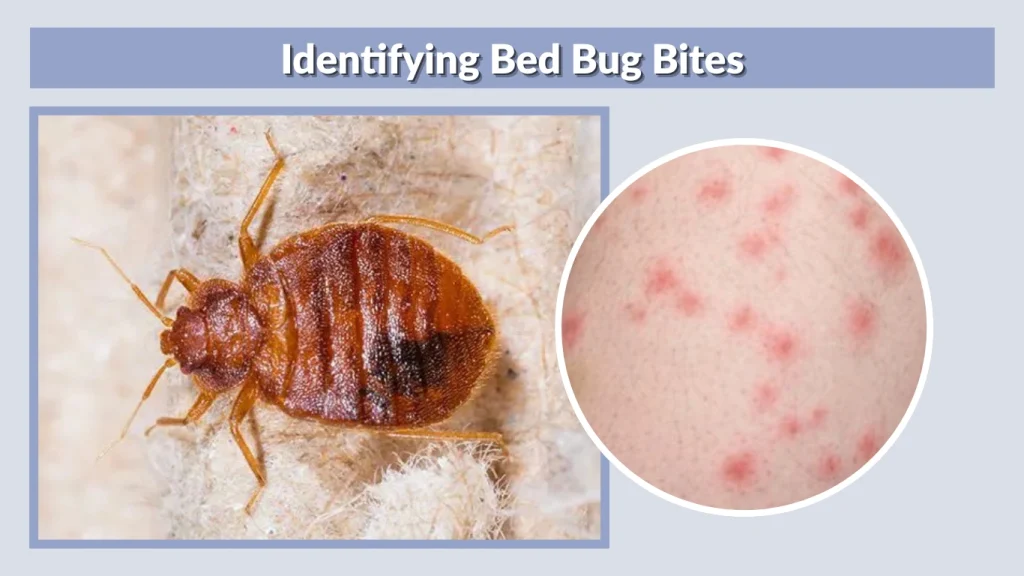
Recognizing bed bug bites is the first step toward proper treatment. These bites often look similar to other insect bites, but there are some distinct signs:
- Clustered or Lined Marks – Bites usually appear in small groups or in a straight line pattern.
- Red, Itchy Welts – They are raised, inflamed, and cause persistent itching.
- Common Locations – Arms, legs, neck, and exposed areas are most affected.
- Delayed Reaction – Some people notice symptoms hours or even days after being bitten.
- Different from Other Bites – Unlike mosquito bites, they are more clustered, and unlike flea bites, they don’t appear around the ankles only.
Step-by-Step Treatment Guide
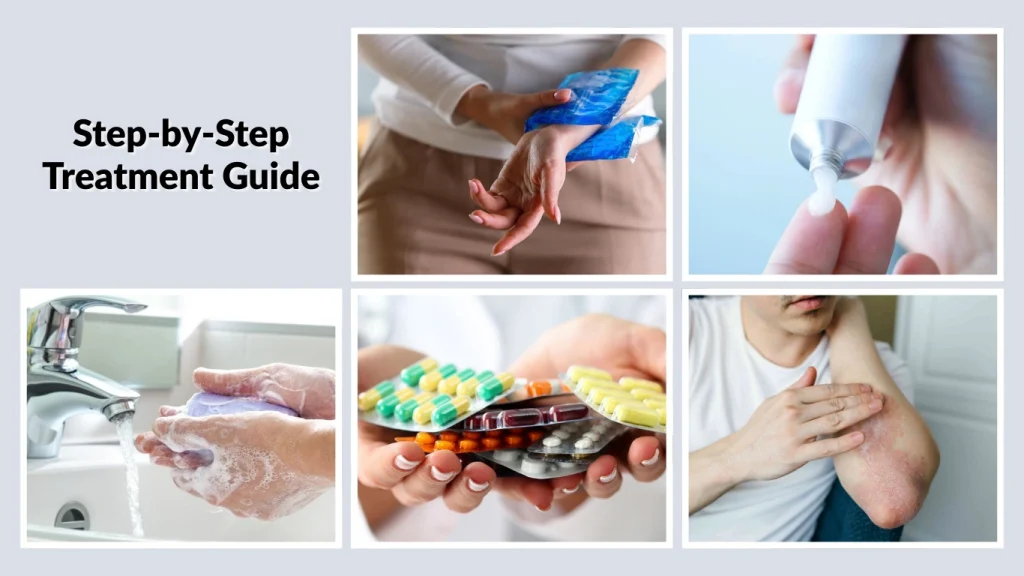
A fast, calm routine brings the quickest relief. Start by cleaning bites, cooling the itch, and using proven over-the-counter treatments. Add an oral antihistamine if itching persists, protect the skin to prevent infection, and watch for warning signs. Natural soothers can complement medical care but shouldn’t replace it. Finally, stop new bites by addressing your sleeping area. If symptoms escalate or last beyond two weeks, consult a clinician for prescription support.
Step 1: Clean the area
Wash bites with mild soap and cool water for 30–60 seconds; pat dry.
Step 2: Cool the itch
Apply a cold compress for 10–15 minutes; repeat 2–3 times daily.
Step 3: Use a topical anti-itch
Thin layer of 1% hydrocortisone or calamine/pramoxine up to 2–3×/day for 3 days. Avoid broken skin and eyelids.
Step 4: Add an oral antihistamine (if needed)
Daytime: cetirizine or loratadine. Night: diphenhydramine (causes drowsiness). Check pediatric/pregnancy guidance.
Step 5: Reduce pain/swelling
Consider acetaminophen or ibuprofen (with food, if tolerated). Skip NSAIDs if you have contraindications.
Step 6: Protect the skin
Don’t scratch. Trim nails. Cover with a breathable or hydrocolloid bandage to reduce friction.
Step 7: Handle blisters & sensitive areas
Do not pop blisters; cleanse and cover. For face/eyelids, stick to cool compresses and very mild products.
Step 8: Optional natural soothers
Aloe vera gel, colloidal oatmeal paste/bath, or a baking-soda paste (10–15 minutes, then rinse).
Step 9: Watch for red flags
Spreading redness, warmth, pus, fever, red streaks, or hives/face swelling/wheezing → seek urgent medical care.
Step 10: Prevent new bites during healing
Launder bedding/clothes hot (60 °C/140 °F) and dry on high heat, vacuum seams, use mattress/box-spring encasements, and consider professional pest control.
Step 11: When to see a clinician
Severe itch despite OTC care, extensive swelling, signs of infection, or symptoms lasting >2 weeks. Prescription steroids/antibiotics may be indicated.
Over-the-Counter (OTC) and Medical Options
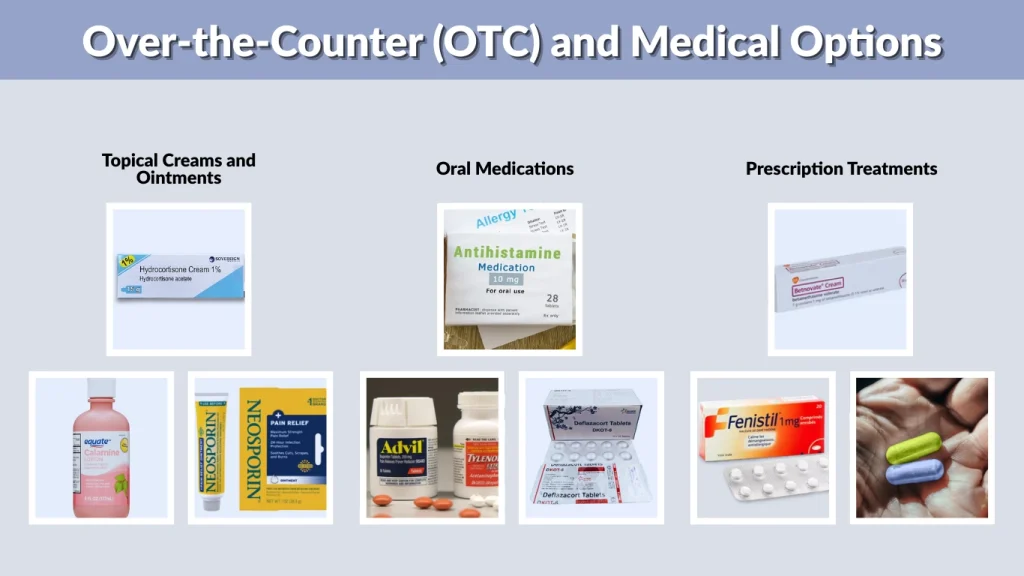
Managing bed bug bites often requires more than basic cleansing. Over-the-counter (OTC) medicines provide fast relief, while medical options ensure support for severe or persistent cases. Choosing the right treatment depends on the intensity of your symptoms, skin sensitivity, and whether complications arise.
Topical Creams and Ointments
- Hydrocortisone Cream (1%) – Reduces redness, itching, and inflammation.
- Calamine Lotion or Pramoxine Gel – Soothes irritation and creates a cooling effect.
- Antibiotic Ointments (Neosporin, Polysporin) – Useful if scratching leads to open sores.
Oral Medications
- Antihistamines – Benadryl for quick relief, or non-drowsy options like cetirizine and loratadine.
- Pain Relievers – Acetaminophen or ibuprofen ease pain and swelling.
- Anti-inflammatory Tablets – Helpful when multiple bites cause widespread discomfort.
Prescription Treatments
- Stronger Corticosteroid Creams – Prescribed for severe swelling or allergic reactions.
- Prescription Antihistamines – Used if OTC options fail to control itching.
- Antibiotics – Necessary if bites become infected due to scratching.
Home and Natural Remedies

For those who prefer gentle alternatives, home and natural remedies can ease discomfort without relying solely on medications. These solutions are best for mild cases, helping reduce itching, swelling, and redness while supporting faster recovery. Although not as strong as prescription options, they are safe complements to OTC care when used consistently.
Common Household Solutions
- Baking Soda Paste – Mix with water and apply for 10–15 minutes to reduce itching.
- Vinegar Rinse – Dab diluted vinegar onto bites for its mild antiseptic effect.
- Aloe Vera Gel – Naturally soothes irritation and hydrates skin.
Herbal and DIY Remedies
- Essential Oils (Tea Tree, Lavender, Chamomile) – May calm inflammation when diluted with carrier oil.
- Cold Compresses – Provide instant relief from swelling and itching.
- Oatmeal Baths or Pastes – Ideal for multiple bites, offering long-lasting soothing effects.
Skin-Focused Care
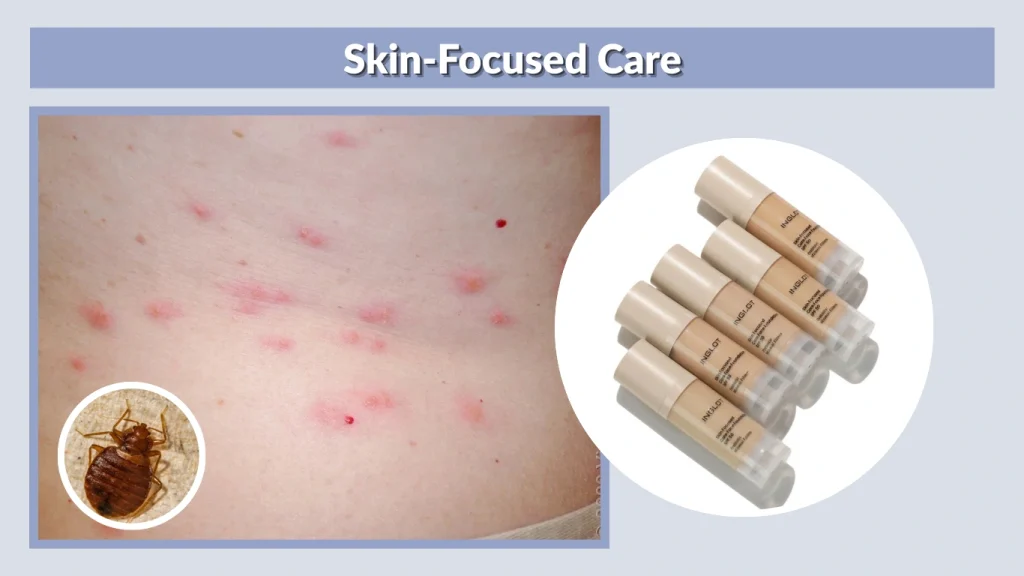
Bed bug bites can be especially troublesome on sensitive skin, often leaving behind dryness, redness, or irritation. To manage this, start with a gentle skincare routine that avoids harsh soaps or strong cleansers, as these can strip away natural oils and worsen discomfort. Hydration is essential—using a light, fragrance-free moisturizer helps restore the skin barrier and reduces the urge to scratch. For areas where bites are most visible, like the face, arms, or legs, creams enriched with vitamin E or aloe-based formulations support healing and minimize scarring. Over time, consistent care not only speeds recovery but also helps prevent long-term marks, keeping the skin smooth and healthier in appearance.
Itch and Allergy Relief
Persistent itching and allergic reactions are among the most frustrating effects of bed bug bites. Managing these symptoms quickly not only brings comfort but also prevents scratching that can lead to infection. Here are the most effective options:
- Anti-Itch Creams – Hydrocortisone, calamine lotion, or pramoxine-based gels provide fast relief.
- Cool Compresses – Applying a cold pack several times daily reduces itch intensity.
- Oral Antihistamines – Benadryl for nighttime relief, or non-drowsy alternatives like cetirizine and loratadine during the day.
- Allergy Response Care – For swelling or hives, a stronger antihistamine may be required under medical guidance.
- Emergency Situations – Difficulty breathing, facial swelling, or severe hives demand immediate medical attention.
Severe and Infected Cases
While most bed bug bites heal with simple care, some can develop complications that require medical attention. Infected bites usually present with increased redness, warmth, swelling, and sometimes pus. These symptoms signal that bacteria have entered the skin, often through scratching. In such cases, a doctor may prescribe topical or oral antibiotics to stop the infection from spreading. Severe allergic reactions are less common but more dangerous, with symptoms like hives, dizziness, or swelling around the face and throat. These situations demand urgent care and may be treated with stronger antihistamines, corticosteroid injections, or even emergency intervention. Acting quickly not only ensures faster recovery but also prevents long-term skin damage or systemic health risks.
Bite Symptoms and Skin Appearance

Understanding how bed bug bites look and feel helps in both treatment and prevention. While symptoms vary from person to person, there are consistent patterns that make them easier to recognize.
Typical Bed Bug Bite Symptoms
- Red, itchy welts that often appear in clusters or lines.
- Localized swelling that increases with scratching.
- Mild burning or irritation at the site of the bite.
- Delayed reaction, where marks show up hours or even days later.
Complications and Skin Issues
- Blisters – Fluid-filled bumps may form if the skin is sensitive or heavily scratched.
- Rashes – Some people develop widespread redness around the affected area.
- Severe Swelling – Larger welts can occur, especially in allergic individuals.
- Worsening Over Time – Untreated bites can become more inflamed, leading to secondary infections.
Scar and Long-Term Treatment
Bed bug bites often fade on their own, but scratching can leave behind dark spots or scars. To protect your skin and encourage healing, follow this simple guide:
Step 1: Prevent scratching early
Keep nails short and use an anti-itch cream to lower the urge to scratch.
Step 2: Keep the skin moisturized
Apply fragrance-free moisturizers or aloe vera gel daily to speed recovery and reduce dryness.
Step 3: Use scar-healing products
Silicone gels, vitamin E creams, or over-the-counter scar ointments can help lighten marks over time.
Step 4: Consider natural options
Lemon juice, honey, and rosehip oil are gentle remedies that may improve skin tone.
Step 5: Seek professional help if scars persist
A dermatologist can suggest chemical peels, laser therapy, or prescription creams for stubborn scars. Here is the Best Crossfire Bed Bug Sprays.
Treating Bites on Different Body Areas
Bed bug bites can appear anywhere on the body, but treatment methods may vary depending on skin sensitivity and exposure. Addressing each area with care helps prevent complications and ensures faster healing.
Face and Eyelids
The skin on the face and around the eyes is delicate. Use only mild remedies such as cool compresses or aloe vera gel. Avoid strong steroid creams unless prescribed, as they can damage thin skin.
Legs and Feet
These areas often get multiple bites due to nighttime exposure. Apply hydrocortisone cream or calamine lotion to reduce itching and swelling. Wearing loose, breathable clothing can minimize friction and irritation.
Pets (Dogs)
Dogs may also suffer from bed bug bites, although fleas are more common culprits. Veterinary-approved creams or shampoos should be used—never human medications. If persistent itching occurs, consult a vet for proper diagnosis and treatment.
FAQs
What is the most effective treatment for bed bug bites?
The most effective treatment combines cleaning the area, applying a topical anti-itch cream like hydrocortisone, and taking an oral antihistamine for itch relief. If swelling or pain is severe, medical care may include stronger corticosteroids or antibiotics.
How long do bed bug bites last with treatment?
Most bites heal within one to two weeks with proper care. Using creams, cold compresses, and antihistamines speeds recovery. Persistent marks or scars may take several weeks to fade, especially if scratching occurred.
Can bed bug bites cause infections or serious illness?
Bed bug bites themselves do not transmit disease, but scratching can lead to bacterial skin infections. In rare cases, allergic reactions may trigger hives, swelling, or breathing difficulty, which requires urgent medical attention.
What natural remedies work best for bed bug bites?
Aloe vera, baking soda paste, and oatmeal baths are popular natural remedies. They soothe irritation, hydrate the skin, and reduce redness. Essential oils like tea tree or lavender can also help when diluted properly.
Why am I still getting bitten after extermination?
Bites after treatment often mean some eggs or bed bugs survived the first round. It may take several weeks and multiple treatments to fully eliminate an infestation. Continuous cleaning, mattress covers, and follow-up pest control are essential.
