
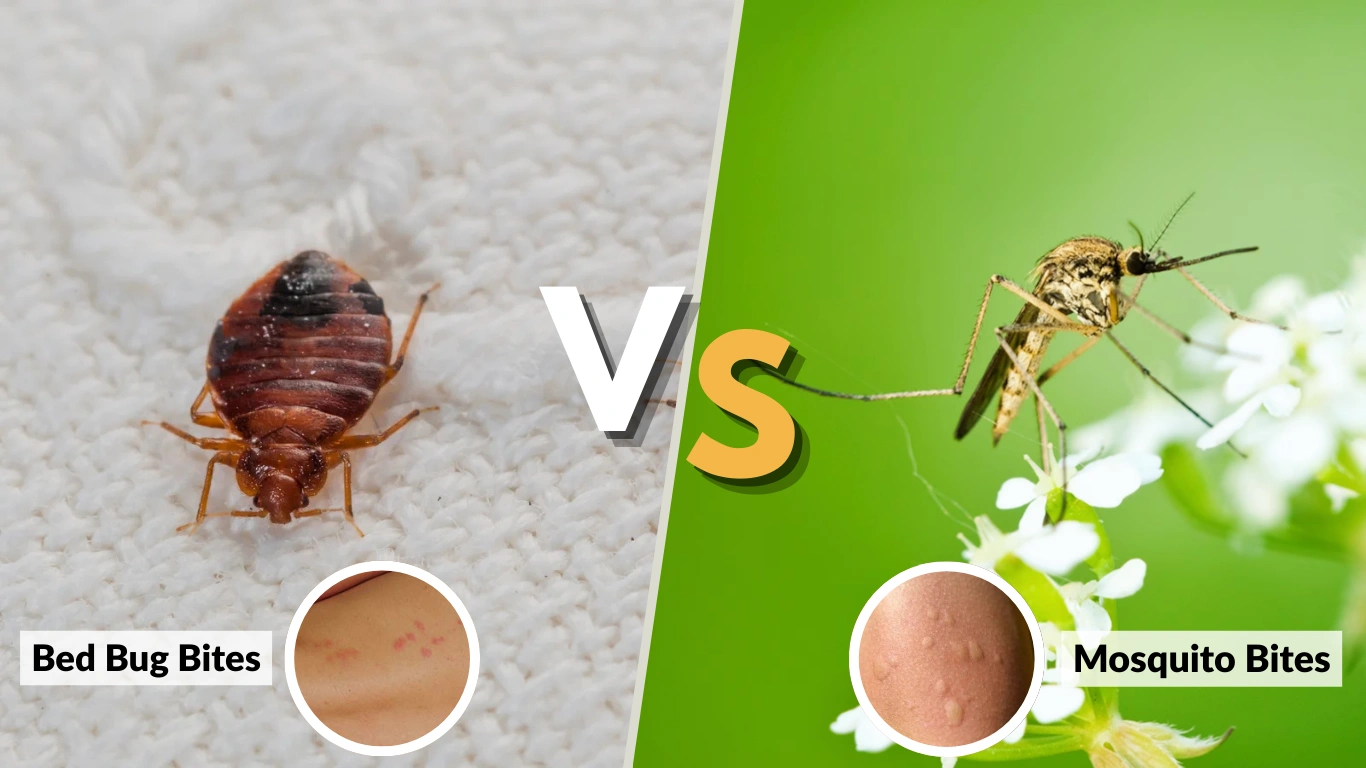
Bed bug bites and mosquito bites are some of the most common skin irritations people face. Both pests feed on human blood and leave behind red, itchy bumps. At a glance, their bites can look nearly identical, making it difficult to determine which insect is the culprit. However, there are distinct differences in appearance, bite patterns, and healing time that can help you tell them apart. Correctly identifying the source of your bites is the first step toward effective treatment and prevention.
Understanding Bed Bug and Mosquito Bites
Bed bugs are small, reddish-brown insects that hide in mattresses, furniture, and cracks around the bed. They are nocturnal feeders and typically bite people while they sleep. Mosquitoes, on the other hand, are flying insects that thrive outdoors near stagnant water. They usually bite in the evening or at night, but indoor infestations can also occur.
Although both pests rely on blood meals, their feeding behaviors are different. Bed bugs pierce the skin several times while feeding, often leaving a distinct pattern of welts. Mosquitoes insert their long proboscis in a single spot, creating isolated bumps. Recognizing these differences is essential to controlling infestations.
Symptoms of Bed Bug Bites vs Mosquito Bites
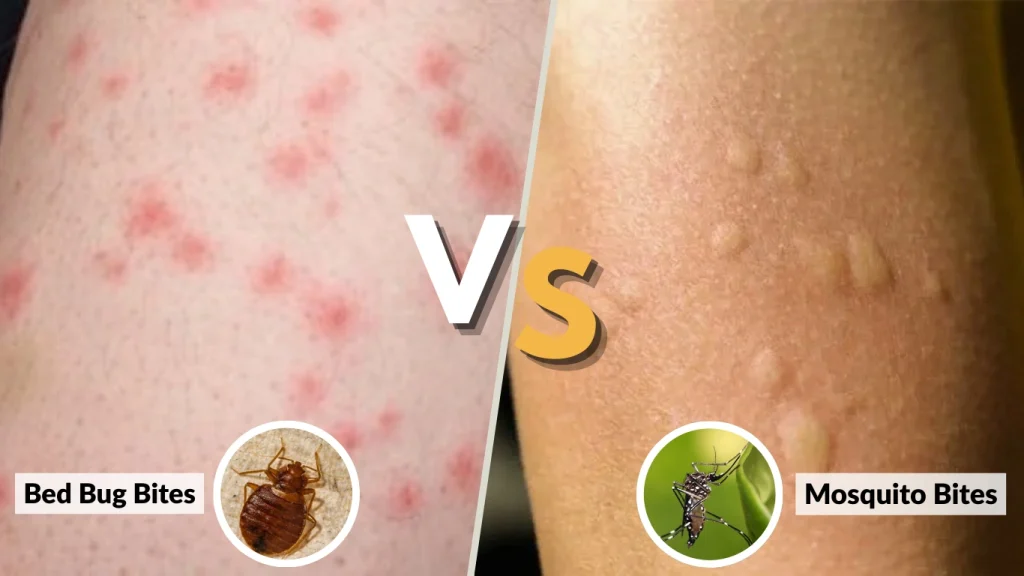
The symptoms of each bite can help narrow down which insect is responsible. Bed bug bites usually appear as clusters or lines of red welts, while mosquito bites are more commonly single, puffy bumps. Bed bug bites may take hours to show up, whereas mosquito bites often become itchy immediately.
TaSymptom Comparison
| Feature | Bed Bug Bites | Mosquito Bites |
| Appearance | Red welts, often in clusters/lines | Puffy raised bumps, round and smooth |
| Itching | Moderate, delayed onset | Immediate, intense itching |
| Location | Exposed skin: arms, face, neck, back | Any exposed skin, especially outdoors |
| Duration | 1–2 weeks if untreated | 1–3 days, shorter with treatment |
| Reaction | May swell significantly on sensitive skin | Usually fades quickly unless scratched |
Visual Bite Pattern Differences

Another key way to distinguish these bites is by looking at the pattern they form on the skin. Bed bug bites are notorious for their “breakfast, lunch, and dinner” pattern—three or more bites arranged in a straight line or zig-zag. This occurs because bed bugs often probe the skin several times while feeding.
Mosquito bites, on the other hand, rarely follow a pattern. They appear as isolated bumps, usually scattered in random spots across the skin. Unlike bed bugs, mosquitoes do not bite in clusters or lines, and their bumps are more likely to swell quickly.
Visual Pattern Comparison
| Insect | Bite Pattern | Typical Signs in Pictures |
| Bed Bug | Linear or zig-zag clusters | Several welts close together |
| Mosquito | Random, isolated single bumps | Larger, swollen bumps, reddish halo |
Identifying the Source of Bites
To confirm whether your bites are from bed bugs or mosquitoes, it’s important to look for signs in your environment. Bed bugs leave behind evidence such as dark stains on mattresses, tiny white eggs, and shed skins in furniture crevices. Mosquito presence is often indicated by buzzing sounds, visible insects, and stagnant water sources nearby.
Timing also plays a role. Bed bug bites often appear overnight after sleeping, while mosquito bites can occur any time but are most common during dawn and dusk.
Treatment and Relief

Both bed bug and mosquito bites can cause discomfort, itching, and sometimes allergic reactions. While neither typically requires medical treatment, symptom relief is important to prevent infection from scratching.
- Bed Bug Bite Treatment
Wash the affected area with mild soap and water, then apply an antiseptic cream. Over-the-counter corticosteroid creams or oral antihistamines help reduce itching. If bites become swollen, blistered, or infected, medical attention may be necessary. - Mosquito Bite Treatment
Mosquito bites respond well to immediate care. Applying a cold compress, aloe vera gel, or calamine lotion reduces itching and swelling. Antihistamines can also help with severe reactions. Since mosquito bites fade more quickly than bed bug bites, treatment usually focuses on comfort rather than long-term care.
Prevention Methods
Because the two insects live and behave differently, prevention strategies are also distinct.
- Preventing Bed Bug Bites
- Regularly inspect mattresses, box springs, and bed frames for dark stains or shed skins.
- Use mattress encasements to trap and starve hidden bed bugs.
- Wash bedding in hot water and vacuum crevices.
- Severe infestations often require professional extermination.
- Regularly inspect mattresses, box springs, and bed frames for dark stains or shed skins.
- Preventing Mosquito Bites
- Use insect repellents containing DEET, picaridin, or natural oils like lemon eucalyptus.
- Install window and door screens to block mosquitoes indoors.
- Remove standing water near your home to eliminate breeding grounds.
- Sleep under mosquito nets in high-risk areas.
- Use insect repellents containing DEET, picaridin, or natural oils like lemon eucalyptus.
Special Considerations
- Babies and Children
Bites on babies may cause stronger allergic reactions. Mosquito bites can swell dramatically, while bed bug bites may cluster in sensitive areas. Extra care is required to prevent infection. - Skin Tone Differences
On darker skin, bed bug bites may appear as raised bumps without much redness, while mosquito bites tend to swell visibly. This can make identification more challenging. - Misdiagnosis with Other Bites
Spider bites, flea bites, and scabies are sometimes mistaken for bed bug or mosquito bites. Paying attention to patterns, timing, and environment is key to correct identification.
FAQs
How do I tell if my bites are from bed bugs or mosquitoes?
Bed bug bites usually appear in clusters or lines on exposed skin after sleeping. Mosquito bites are isolated, puffy bumps that appear randomly and often itch immediately.
Which bites itch more—bed bugs or mosquitoes?
Mosquito bites typically cause more intense, immediate itching. Bed bug bites may cause delayed but persistent irritation.
Do bed bug or mosquito bites spread disease?
Mosquitoes are known carriers of diseases like malaria, dengue, and West Nile virus. Bed bugs do not transmit diseases but can cause allergic reactions and infections from scratching.
How long do bites from bed bugs vs mosquitoes last?
Mosquito bites generally fade within 1–3 days, while bed bug bites may linger for 1–2 weeks, depending on individual sensitivity.
Can bed bug bites and mosquito bites look the same?
Yes, both can appear as red, itchy welts, but bed bug bites often form in straight lines or clusters, while mosquito bites are scattered and singular.
Final Thoughts
While bed bug and mosquito bites look similar, their differences are clear when you know what to look for. Bed bug bites typically form in clusters or lines and take longer to heal, while mosquito bites are isolated, swollen bumps that fade quickly. Identifying which insect caused the bites helps you choose the right treatment and prevention strategy, ensuring both comfort and long-term protection from future infestations.
