
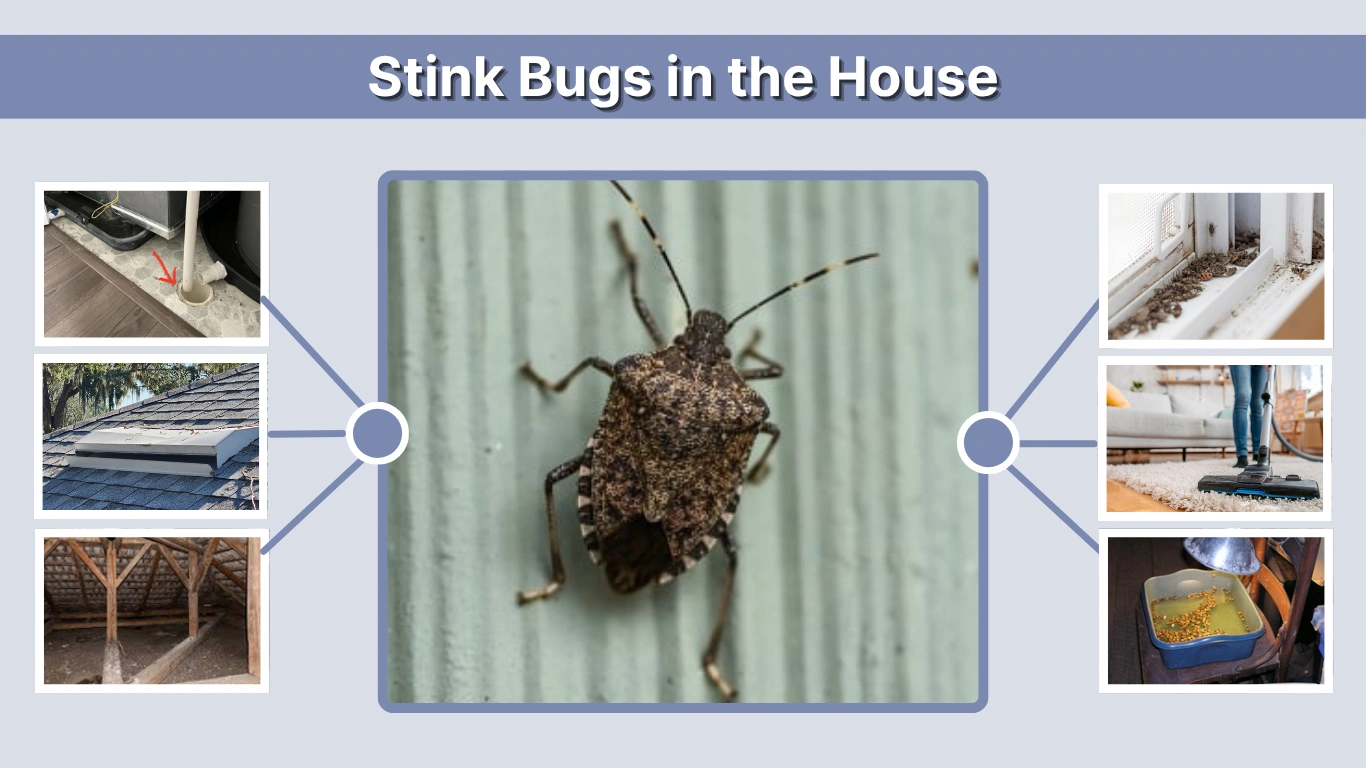
Finding stink bugs in your house can be both surprising and unpleasant. These shield-shaped insects often appear in large numbers, crawling on walls or windows, especially during the cooler months. While they are harmless to humans and pets, their strong odor and persistent presence make them a major nuisance for homeowners. Understanding why they invade, where they hide, and how to remove them is key to keeping your home stink bug-free.
Why Are Stink Bugs in Your House?
Stink bugs, especially the brown marmorated stink bug (Halyomorpha halys), enter homes to survive the cold months. In late summer and fall, when temperatures start to drop, they look for warm, sheltered places to spend the winter. Your home offers the perfect refuge — stable temperatures, hidden spaces, and protection from predators.
These bugs don’t invade to feed or breed inside. Instead, they enter a hibernation-like state called diapause, remaining inactive until spring. Unfortunately, once a few find their way in, they release pheromones that attract others, leading to dozens — or even hundreds — gathering indoors.
What Are Stink Bugs?
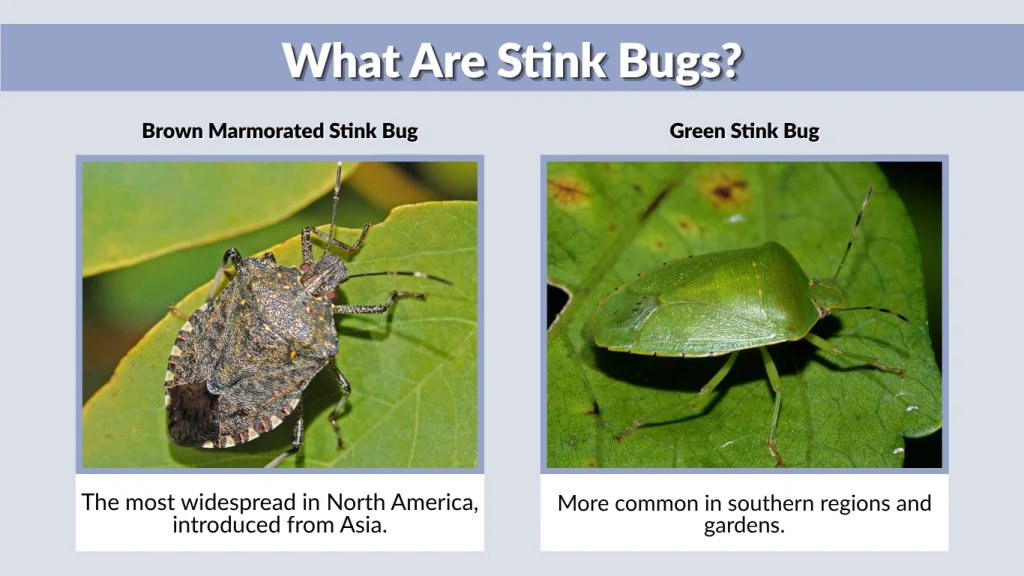
Stink bugs belong to the family Pentatomidae, a group of insects known for their distinct shield-shaped bodies and defensive odor. The smell comes from glands on their thorax, which release a strong scent when they feel threatened or are crushed.
Two common species found indoors include:
- Brown Marmorated Stink Bug (Halyomorpha halys): The most widespread in North America, introduced from Asia.
- Green Stink Bug (Chinavia hilaris): More common in southern regions and gardens.
These insects are agricultural pests outdoors but turn into household invaders during colder seasons.
Appearance and Identification
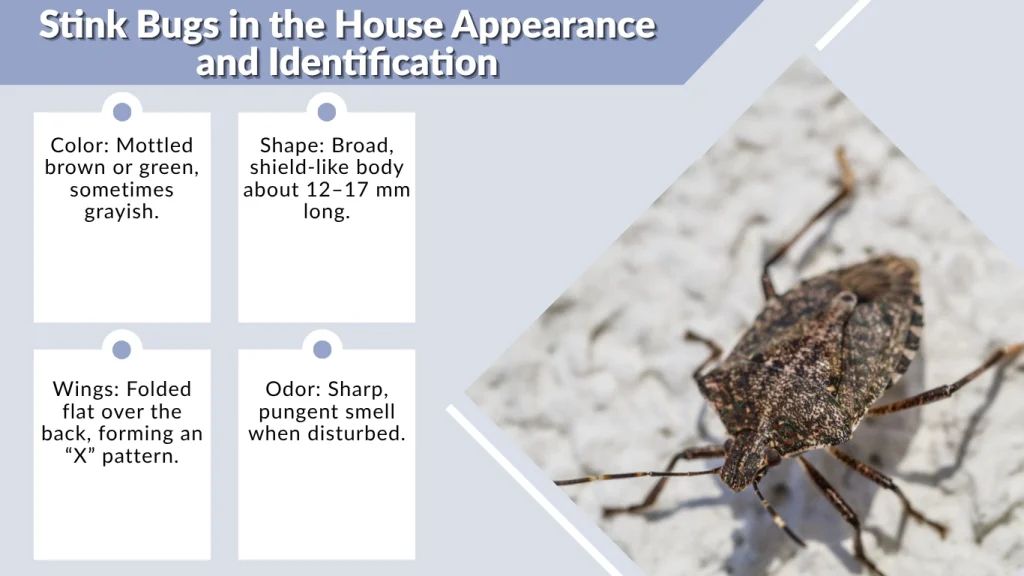
Stink bugs are easy to identify once you know what to look for. Their color and pattern vary slightly by species, but the general shape and odor are unmistakable.
Identification traits include:
- Color: Mottled brown or green, sometimes grayish.
- Shape: Broad, shield-like body about 12–17 mm long.
- Antennae: Five segments with alternating light and dark bands.
- Wings: Folded flat over the back, forming an “X” pattern.
- Odor: Sharp, pungent smell when disturbed.
They are often mistaken for beetles, but unlike beetles, stink bugs have piercing-sucking mouthparts designed for feeding on plants, not chewing.
How Do Stink Bugs Get in the House?
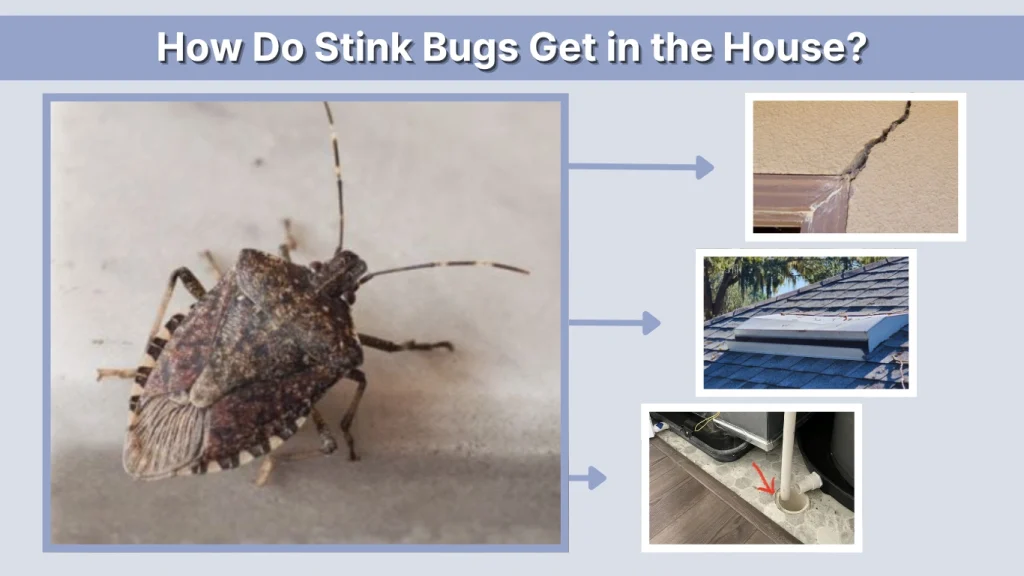
Stink bugs are expert invaders. They typically enter homes during late September through early November, seeking warmth as outdoor temperatures fall.
Common entry points include:
- Small cracks around doors, windows, and siding.
- Gaps near attic vents, chimneys, or rooflines.
- Openings around pipes, cables, and air conditioners.
- Damaged window screens or door seals.
Once one stink bug finds a suitable entry point, it releases a chemical signal called an aggregation pheromone to invite others. This is why infestations often seem to appear overnight.
Why Are There So Many Stink Bugs in My House?
If you’re suddenly noticing dozens of stink bugs, you’re not alone. They tend to gather in groups because of their natural behavior and scent communication.
Main Reasons Include:
- Seasonal migration: They seek indoor shelter for the winter.
- Pheromones: Chemical signals attract others to the same spot.
- Warmth and light: Homes with heating systems or sunlit walls appeal to them.
- Unsealed openings: Even tiny cracks are enough for them to crawl through.
While they remain dormant during winter, indoor heating or sunlight can sometimes wake them prematurely, causing them to wander visibly around the house.
Stink Bugs in Winter: Why They Appear Indoors
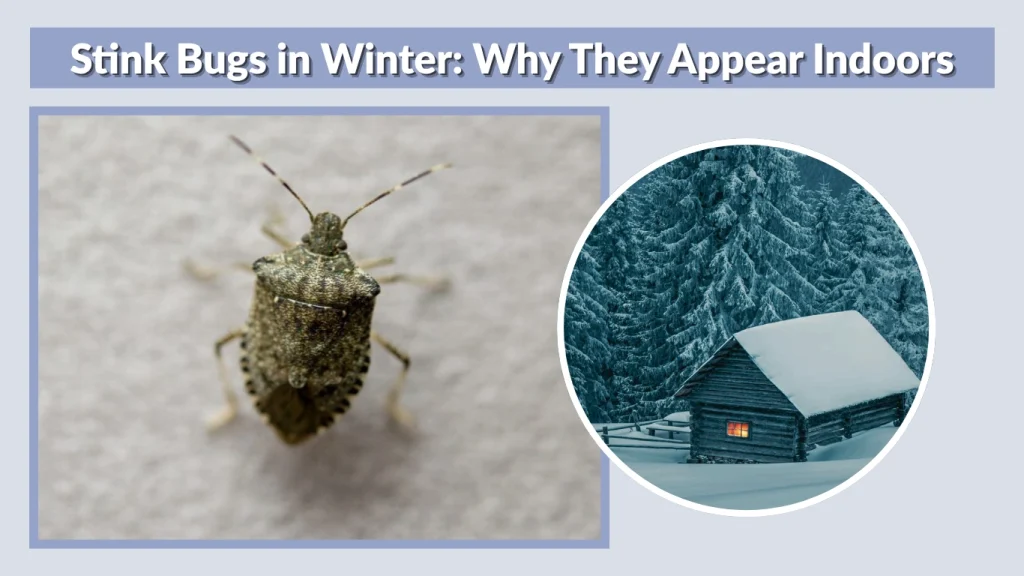
During winter, stink bugs hide inside walls, attics, basements, or window frames. They prefer dark, undisturbed areas where they can stay inactive for months.
When homes are heated or temperatures fluctuate, they may become active again, crawling into living spaces. Although their sudden appearance in winter can be unsettling, these insects are not reproducing or feeding — they’re simply lost or waking early from dormancy.
Where Do Stink Bugs Hide in the House?

Stink bugs are skilled at finding hidden spots indoors. Once inside, they gather in areas that provide warmth and darkness.
Common hiding places include:
- Behind curtains or blinds
- Inside attics and crawl spaces
- Beneath baseboards and window sills
- Inside light fixtures or outlets
- Behind wall hangings, clocks, or picture frames
They tend to cluster together, so discovering a few often means more are hidden nearby. Their odor can also attract others to the same area over time.
Do Stink Bugs Lay Eggs in the House?
One of the biggest misconceptions about stink bugs is that they reproduce indoors. In reality, they do not lay eggs inside homes.
Female stink bugs only lay eggs outdoors during spring and summer on the undersides of leaves, where food sources are available. Indoors, they are in survival mode — not reproduction mode.
So, if you’re seeing stink bugs in winter, rest assured they are not breeding in your house. The ones inside simply entered during fall and are waiting for spring to return outside.
Stink Bug Life Cycle
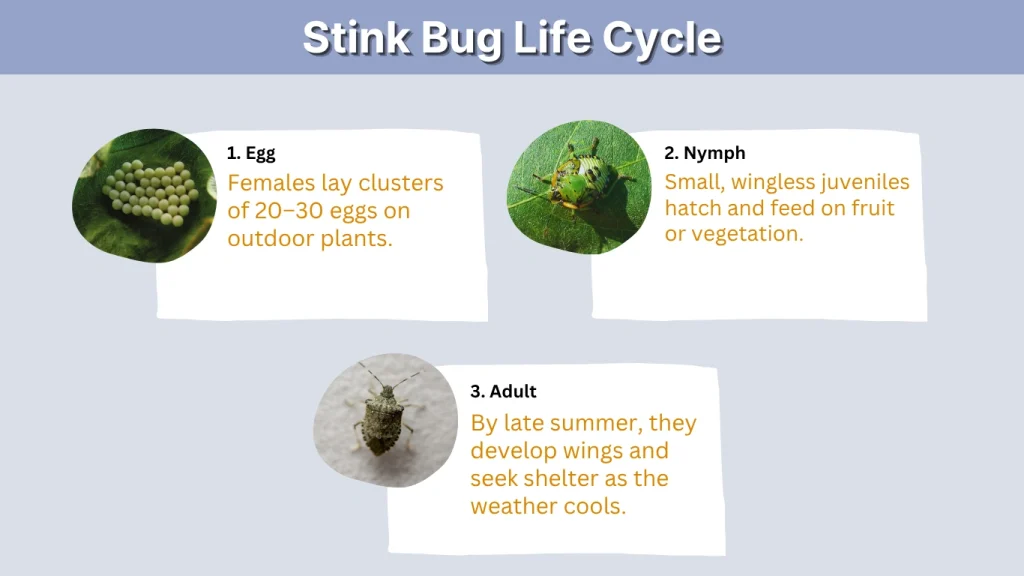
Understanding the life cycle helps explain why infestations peak during certain seasons.
- Eggs: Females lay clusters of 20–30 eggs on outdoor plants.
- Nymphs: Small, wingless juveniles hatch and feed on fruit or vegetation.
- Adults: By late summer, they develop wings and seek shelter as the weather cools.
Each year, new generations emerge outdoors. What you see inside are adult stink bugs seeking refuge, not newly born insects.
What Do Stink Bugs Eat in the House?
Stink bugs don’t feed on indoor food or materials. Their diet consists entirely of plant sap, fruits, and seeds, which aren’t available inside homes.
They survive indoors by conserving energy from the food eaten outdoors before entering. This explains why you might see them near windows or plants but not near kitchens or pantries.
If you find a stink bug flying around your house, it’s likely exploring or confused — not searching for food.
Stink Bug Smell in the House
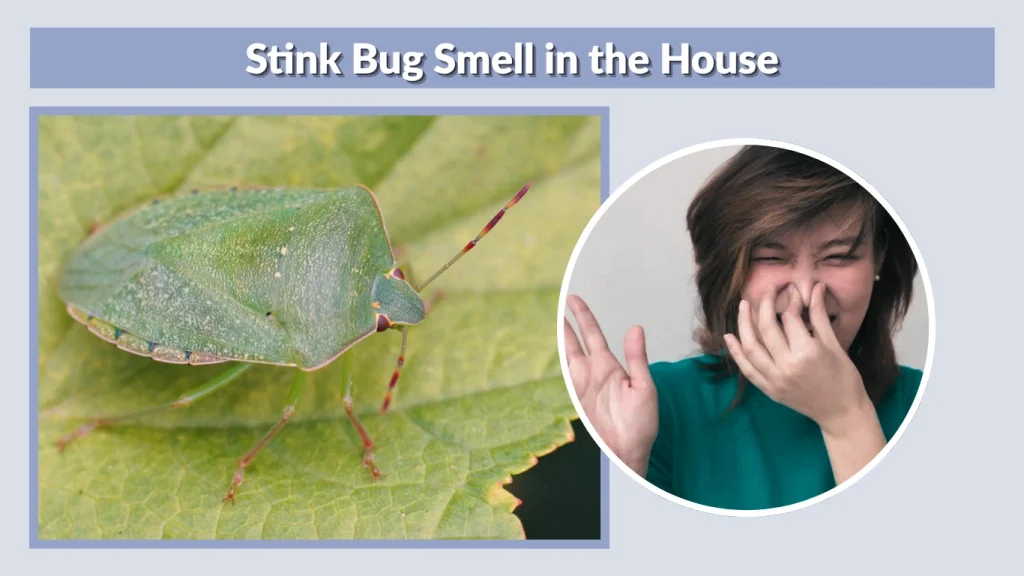
Their unpleasant odor is the most recognizable feature. When frightened or crushed, stink bugs release chemicals from scent glands near their hind legs.
Smell characteristics:
- Sharp, musky, and slightly sweet (similar to cilantro or burnt almonds).
- Can linger for several hours on surfaces or fabrics.
- Triggered by handling, vacuuming, or squashing them.
The best way to avoid the smell is to remove stink bugs gently without crushing them. Using tissue, containers, or soapy water prevents odor release while keeping your home clean.
Are Stink Bugs Harmful to Humans or Pets?

Stink bugs are not dangerous — they don’t bite, sting, or spread diseases. Their only defense is odor. However, their presence can cause minor discomfort:
- Allergic reactions: Rarely, some people may experience mild sneezing or skin irritation from contact.
- Pet reactions: Cats or dogs that eat them may salivate or vomit due to the foul taste, but symptoms are short-lived.
Overall, they’re a nuisance pest, not a health threat. The main problem is the annoyance and odor they cause when they appear indoors in large numbers.
Signs of a Stink Bug Infestation
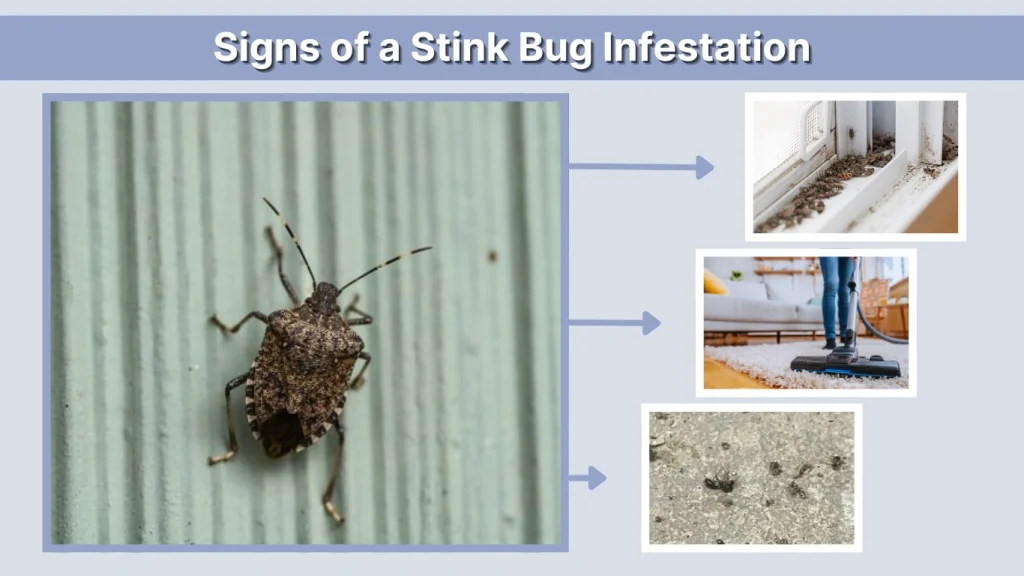
While a few stink bugs aren’t an infestation, seeing them frequently during fall and winter suggests a larger hidden population inside your home.
Common signs include:
- Multiple bugs gathered on window sills or light fixtures.
- A distinct musty odor when disturbed or vacuumed.
- Dead bugs accumulating in attics, basements, or near vents.
- Constant reappearance even after removal efforts.
If you notice these signs, it means stink bugs are using your home as an overwintering site and will likely return the following year unless preventive steps are taken.
How to Get Rid of Stink Bugs in the House
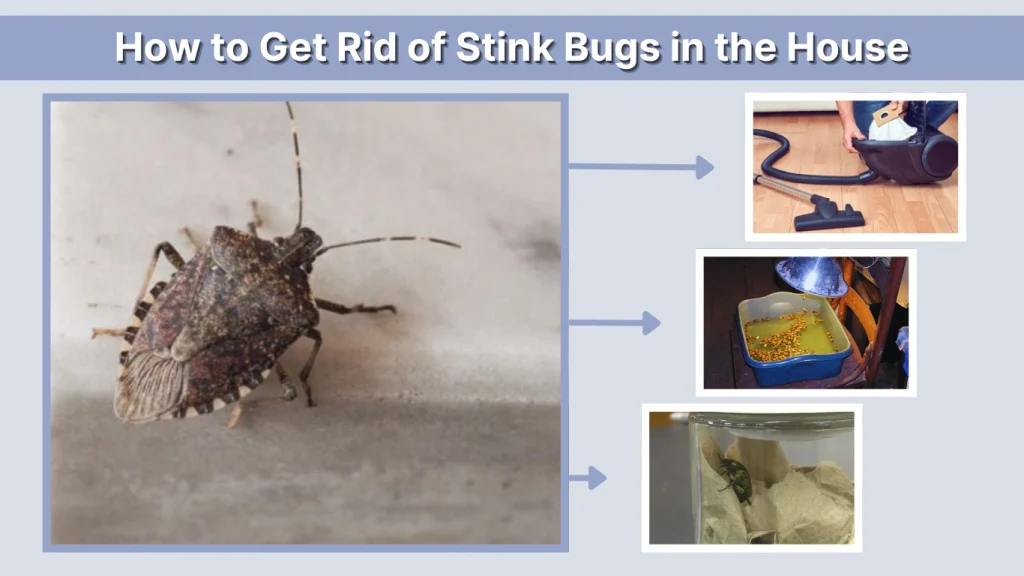
Getting rid of stink bugs doesn’t require harsh chemicals — consistency and preventive care are far more effective. Below are proven methods divided into three key categories.
A. Manual Removal
Manual removal is the safest and simplest way to handle stink bugs indoors.
- Vacuuming: Use a vacuum with a disposable bag to collect bugs without squashing them. Empty or discard the bag immediately to prevent lingering odor.
- Trapping: Create a DIY trap using a bowl of soapy water placed under a light source at night. Stink bugs are drawn to the light and drown in the solution.
- Container removal: Gently capture individual bugs using tissue or a jar and release them outdoors far from your home.
Avoid crushing stink bugs by hand — this releases their strong scent and can attract more.
B. Natural Remedies
Natural repellents are effective and safe for families and pets.
Recommended methods:
- Soapy water spray: Mix a few drops of dish soap with warm water and spray directly on bugs or around windows and doors.
- Essential oils: Mint, clove, and citrus oils naturally repel stink bugs. Spray diluted mixtures around entry points or wipe surfaces with scented cloths.
- Diatomaceous earth: Sprinkle food-grade powder around window sills, vents, and baseboards to deter crawling insects.
- Vinegar cleaner: White vinegar removes pheromone trails that attract other stink bugs.
These eco-friendly options help control minor infestations without harmful chemicals.
C. Chemical and Professional Treatments
If infestations are large or recurring every year, chemical treatments or pest professionals may be needed.
- Use insecticides labeled for stink bug control around exterior walls, cracks, and foundations in early fall.
- Avoid spraying inside living areas unless directed by experts.
- Professional exterminators can seal hidden entry points and treat attics or crawl spaces safely.
Combining chemical barriers with physical sealing offers long-term protection.
How to Prevent Stink Bugs from Entering the House

Prevention is the most important part of managing stink bugs. Once they find shelter indoors, removing them completely can be difficult.
Effective prevention tips:
- Seal entry points: Caulk gaps around windows, doors, and siding.
- Inspect vents and chimneys: Install mesh screens or covers.
- Repair window screens: Replace damaged or torn mesh.
- Turn off outdoor lights: Stink bugs are attracted to night lighting.
- Keep vegetation trimmed: Move shrubs and garden plants away from walls.
- Use door sweeps and weather stripping: Close gaps along the floor.
Taking these measures in late summer or early fall prevents stink bugs from settling in before winter.
What Attracts Stink Bugs to Your House?

Understanding what draws stink bugs inside helps you stop infestations early.
Top attractants include:
- Warmth: Heated homes mimic their natural overwintering shelters.
- Light: Porch and indoor lights lure them toward entry points.
- Odor trails: Pheromones left by other stink bugs attract more.
- Plants and fruit: Homes near gardens or orchards have higher risk.
By reducing these attractants — especially light and unsealed gaps — you make your home less inviting to stink bugs.
What Kills Stink Bugs Instantly?
When quick action is needed, use methods that kill stink bugs effectively without spreading odor.
- Soapy water spray: Kills on contact and neutralizes odor glands.
- Rubbing alcohol: A 50/50 mix with water works as an instant insecticide.
- Vacuuming: Sucks bugs up quickly without contact (dispose of the bag immediately).
- Freezing: Placing trapped stink bugs in a sealed container and freezing overnight kills them safely.
Avoid crushing them indoors, as it releases odor and pheromones that may attract more.
Do Stink Bugs Have Nests Indoors?
Despite common belief, stink bugs do not make nests. They don’t build colonies or reproduce inside homes. Instead, they cluster in protected areas during cold months, sometimes forming large groups.
These clusters may appear like nests in attics or walls, but they’re temporary gatherings for warmth. Once temperatures rise, the bugs leave in search of outdoor food sources.
Winter Behavior: Stink Bugs in Cold Months
During winter, stink bugs enter a dormant state called diapause. They stay hidden in small cracks and voids within walls, attics, and basements.
- They do not feed during this period.
- They don’t reproduce or lay eggs indoors.
- Warm temperatures or sunlight can wake them early, leading to mid-winter sightings.
When spring arrives, they try to exit homes, often gathering near windows and doors. This natural cycle explains why stink bugs seem to “appear” suddenly after cold weather.
Stink Bugs vs. Other House Bugs

Homeowners sometimes confuse stink bugs with beetles or shield bugs.
| Feature | Stink Bug | Beetle | Shield Bug |
| Shape | Shield-shaped | Rounded or oval | More angular |
| Odor | Strong smell when crushed | Mild or none | Slight odor |
| Diet | Plant sap | Wood, fabric, or food | Plant sap |
| Behavior | Seeks warmth in homes | May infest wood or food | Stays outdoors |
Identifying the pest correctly ensures proper treatment and prevention steps.
Meaning and Symbolism of Stink Bugs in the House
In some cultures, stink bugs symbolize protection and persistence due to their hard shell and ability to survive cold seasons. Spiritually, their presence indoors may represent the need for cleansing, renewal, or preparation for change — reflecting their seasonal migration into warmth and light.
While most people view them as unwanted pests, others see their appearance as a reminder of nature’s balance between annoyance and purpose.
FAQs
Why do I keep finding stink bugs in my house?
They’re entering through small openings in search of warmth. Once inside, they hide until spring, appearing periodically during winter.
Do stink bugs lay eggs in the house?
No. They reproduce outdoors during warmer months. Indoor sightings are from adult bugs seeking shelter.
What kills stink bugs instantly?
Soapy water, rubbing alcohol, or vacuuming are quick, safe methods. Avoid squashing them, as it spreads odor.
What attracts stink bugs to my house?
Warm temperatures, bright lights, and unsealed cracks or vents attract them most.
How can I prevent stink bugs next year?
Seal gaps, repair screens, and spray natural repellents like mint or vinegar around entry points before fall.
