

Stink bugs are common household invaders known for their unpleasant odor rather than any serious threat. These insects often enter homes during cooler months, searching for warmth. While their appearance and smell can alarm people, the good news is that stink bugs are generally harmless. However, their odor and feeding habits can cause discomfort, mild irritation, or crop damage. Let’s explore how dangerous they actually are to humans, pets, and the environment.
What Are Stink Bugs?
Stink bugs belong to the Pentatomidae family and are named for the foul odor they release when threatened or crushed. The most widespread species is the brown marmorated stink bug, originally from Asia, now found across North America and Europe. They have shield-shaped bodies, measuring around 1.5 to 2 cm long, and vary in color — brown, green, or even black depending on the species.
These bugs are plant feeders, often targeting fruits, vegetables, and ornamental plants. While they are more of an agricultural pest than a physical threat, their growing presence inside homes has made many people question their safety.
Why Do Stink Bugs Smell So Bad?

The infamous stink bug odor comes from gland secretions located on their abdomen. When the bug feels threatened, it releases chemicals — mainly aldehydes — that create a strong, unpleasant smell resembling cilantro, rotten fruit, or burnt rubber. This odor is a natural defense mechanism designed to repel predators like birds or lizards.
Though the smell is not toxic, it can linger for hours and cause mild irritation in sensitive individuals. The best way to avoid it is never to crush stink bugs but instead remove them gently using a paper towel or vacuum.
Are Stink Bugs Dangerous to Humans?
Stink bugs do not bite, sting, or transmit diseases. They are nuisance pests rather than harmful ones. However, direct contact or crushing them on skin can occasionally cause minor irritation or rashes, especially for people with sensitive skin or allergies.
When disturbed, their odor may cause mild respiratory irritation in rare cases, but this is uncommon. They are also not known to infest food or spread bacteria, making them far less dangerous than cockroaches or mosquitoes. In short, they’re unpleasant — but not dangerous to your health.
Are Stink Bugs Dangerous to Pets?

While stink bugs pose little threat to humans, pet owners often wonder about their safety around cats and dogs. Pets may try to eat or play with these slow-moving insects out of curiosity. Fortunately, stink bugs are not toxic, though ingestion can cause temporary stomach upset.
Are Stink Bugs Dangerous to Cats?
If a cat eats a stink bug, it might experience drooling, vomiting, or mild nausea due to the bug’s odor chemicals. The taste alone usually discourages cats from eating them again. Most symptoms pass within a few hours without medical care, but if vomiting persists, consulting a vet is recommended.
Are Stink Bugs Dangerous to Dogs?
Dogs may react similarly — drooling, gagging, or temporary loss of appetite. The secretion that gives stink bugs their smell can irritate a dog’s mouth and stomach lining, but it is not poisonous. Provide fresh water and monitor your dog for a few hours. If discomfort continues, a vet check is wise.
Can Stink Bugs Bite or Be Poisonous?

Unlike biting insects such as mosquitoes or bed bugs, stink bugs lack the mouthparts to pierce human skin. They use their straw-like mouths to suck sap from plants, not blood. Additionally, their secretions are defensive rather than venomous, meaning they cannot poison humans or animals.
Some people report skin irritation after touching or crushing stink bugs, but this is due to their natural chemical compounds, not toxins. Washing hands immediately after contact prevents any reaction.
Are Brown Marmorated Stink Bugs Dangerous?
The brown marmorated stink bug (Halyomorpha halys) is one of the most widespread and concerning types. While not dangerous to humans, it’s notorious for damaging crops such as apples, corn, tomatoes, and soybeans. In homes, they’re merely annoying invaders that emit strong odors when disturbed.
These stink bugs can release a chemical trail that attracts others, leading to infestations. However, they pose no physical harm to people or pets — their threat lies primarily in agricultural and economic damage.
Are Green and Black Stink Bugs Dangerous?
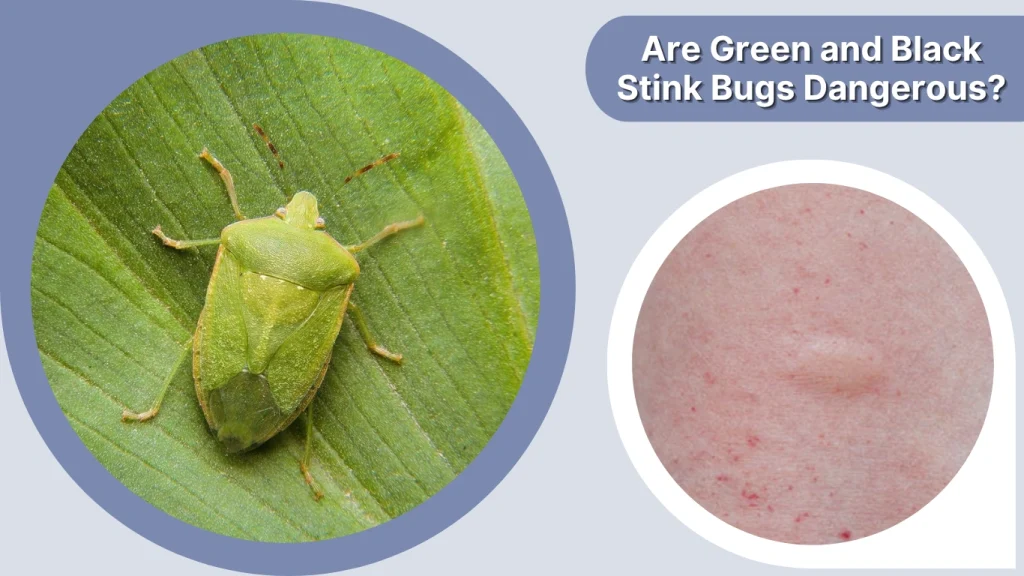
Green and black stink bugs share the same habits as their brown counterparts. The green stink bug (Chinavia hilaris) is commonly found in gardens and fields, feeding on beans, corn, and tomatoes. While they can destroy crops, they are harmless to humans and animals. The only risk comes from the odor they emit when crushed, which can irritate the nose or skin.
The black stink bug is rarer but behaves similarly. It doesn’t bite, sting, or release any toxic substance harmful to people. Both types are nuisance pests that cause damage to plants rather than posing health dangers.
Are Florida Predatory or Two-Spotted Stink Bugs Dangerous?
Not all stink bugs are harmful to plants. The Florida predatory stink bug and two-spotted stink bug are actually beneficial species. Instead of feeding on plants, they prey on caterpillars, beetles, and other harmful insects. These species are an essential part of natural pest control in gardens and farms.
They do not pose any threat to humans or pets and should be left alone when found outdoors. Their presence usually indicates a healthy, balanced ecosystem.
Can Eating a Stink Bug Be Dangerous?
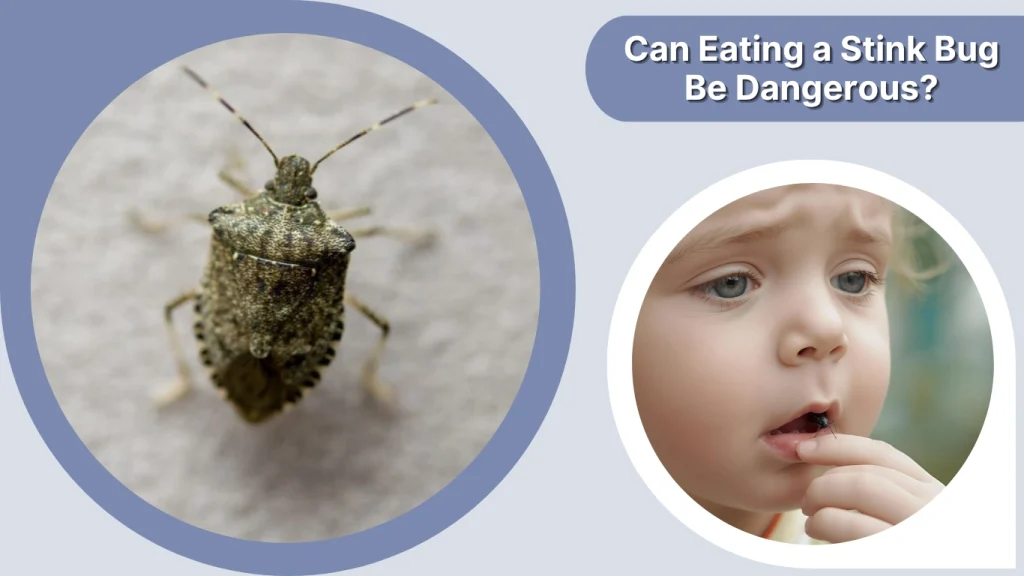
Accidentally eating a stink bug is rare but possible — for example, if it hides in fresh produce or a curious pet swallows one. While stink bugs are not poisonous, their defense chemicals can cause nausea, vomiting, or mouth irritation. The taste is extremely unpleasant, which helps prevent pets or humans from consuming large amounts.
If symptoms persist beyond a few hours, medical or veterinary attention may be needed, especially in young children or small pets with sensitive stomachs.
Why People Think Stink Bugs Are Dangerous
There are several misconceptions about stink bugs being dangerous. Their unpleasant odor, large size, and sudden indoor appearances often make people nervous. Additionally, the brown marmorated species’ impact on crops gives them a bad reputation.
In reality, stink bugs are non-aggressive, non-toxic, and disease-free. Their only danger lies in agricultural losses and the discomfort caused by their odor when squashed or disturbed indoors.
How to Safely Handle and Remove Stink Bugs
If you find stink bugs in your home, avoid crushing them. Instead, follow these safe removal methods:
- Use a paper towel or tissue to gently pick them up and flush them down the toilet.
- Vacuum them with a hose attachment (use a disposable bag, as the odor can linger).
- Seal entry points like windows, vents, and door gaps to prevent re-entry.
- Use natural repellents such as garlic spray or peppermint oil near entryways.
Avoid chemical pesticides indoors, as stink bugs don’t reproduce inside homes. Prevention and gentle removal are the most effective methods.
FAQs
1. Are stink bug bites dangerous?
Stink bugs don’t bite humans because they lack the ability to pierce skin. Any irritation is likely from crushed bug residue rather than a bite. Their smell can be strong but poses no health risk, making them harmless to humans even with close contact.
2. Can stink bugs make my dog or cat sick?
If eaten, stink bugs can cause mild stomach upset in pets, such as drooling, vomiting, or temporary nausea. The chemical compounds they release taste bad but aren’t toxic. Most pets recover within hours, though a vet visit is wise if symptoms persist.
3. Are brown marmorated stink bugs harmful to people?
No, brown marmorated stink bugs are not harmful to humans. They do not bite, sting, or spread disease. Their primary impact is agricultural — they damage crops like apples, soybeans, and corn — but inside homes, they’re only an odor-causing nuisance.
4. What should I do if I accidentally touch or crush a stink bug?
Wash your hands immediately with soap and water to remove any odor or potential irritants. The secretion can cause mild itching or redness in sensitive individuals, but it’s not harmful. Avoid touching your eyes or mouth until your hands are clean.
5. Do stink bugs carry diseases or parasites?
Stink bugs don’t carry diseases or parasites that affect humans or pets. They feed only on plant sap and do not transmit bacteria or viruses. Although their presence can be annoying, they’re considered safe in terms of health and hygiene.
