
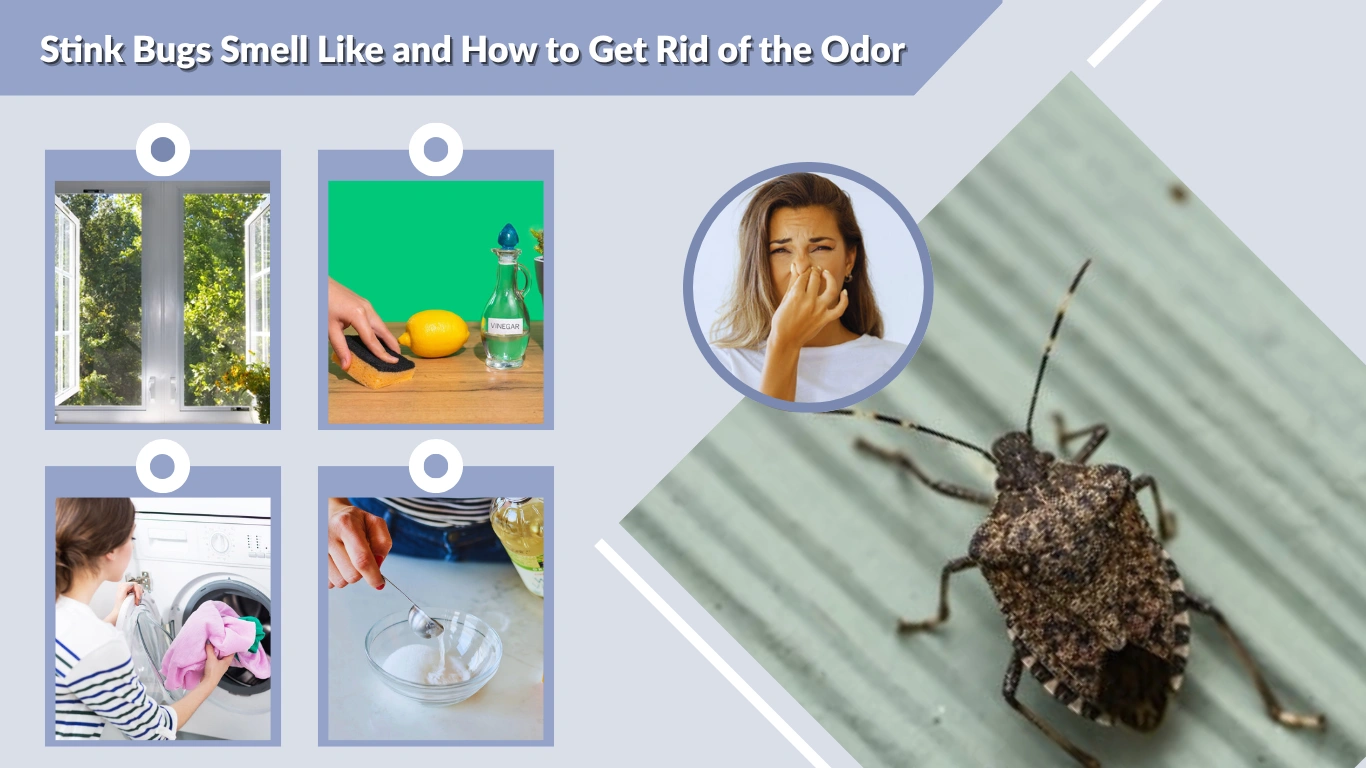
Stink bugs are small shield-shaped insects infamous for their unpleasant odor. These insects release a strong, lingering smell as a defense mechanism when threatened or crushed. Their odor can cling to fabrics, skin, and surfaces, making it difficult to remove once released. Many homeowners encounter stink bugs during late summer or early fall, when these pests seek warmth indoors. Understanding their smell, why it occurs, and how to eliminate it helps you keep your home fresh and pest-free.
Stink Bugs and Their Strange Scent
Stink bugs belong to the Pentatomidae family, known for their shield-like body and foul odor. The most common species in homes is the brown marmorated stink bug, originally from Asia but now widespread across North America and Europe.
These insects release a strong-smelling liquid from glands located on their thorax when they feel threatened or crushed. This defensive secretion helps them deter predators such as birds, reptiles, and small mammals. Although harmless to humans, the smell can be extremely unpleasant and linger in enclosed spaces for hours.
The odor is often described as a combination of rotten herbs and burnt rubber. Even though they don’t bite or sting, their smell alone makes them one of the most disliked household pests.
Identifying the Stink Bug Smell
What Does It Smell Like?
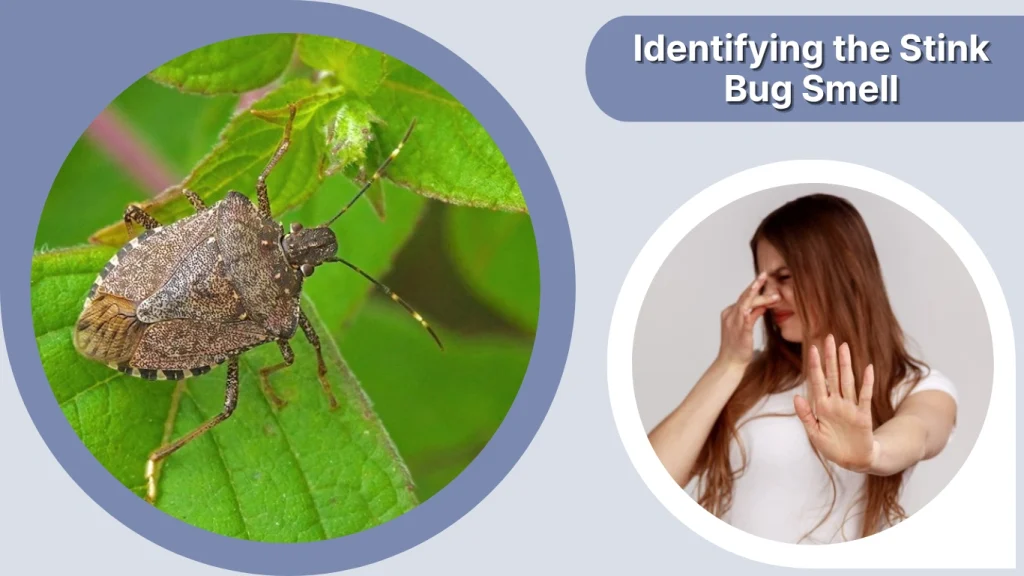
People describe the smell of stink bugs differently because the human nose detects their chemicals in varied ways. Some individuals find it smells herbal and citrusy, while others sense a pungent, skunky note.
The main compounds responsible for this odor are trans-2-decenal and trans-2-octenal, which have a sharp, penetrating scent similar to cilantro or coriander. These chemicals are the same ones used in perfumes and flavoring—but in concentrated form, they smell foul.
Comparatively, some people report that the scent resembles cilantro, cat urine, or spoiled vegetables. The odor becomes stronger when the bug is crushed or squashed, as more fluid is released. Because of this, it’s best to remove them gently instead of killing them by hand.
Why Do Stink Bugs Smell So Bad?

Chemical Reason Behind the Odor
The main reason stink bugs smell so bad is that they use the odor as a biological defense weapon. Their glands secrete a volatile chemical mixture that creates a warning signal for predators.
The smell doesn’t just repel—it also acts as a communication tool among stink bugs. When one releases the odor, others nearby sense danger and may scatter or hide. This survival tactic has made them successful at thriving indoors and outdoors.
In addition to defense, this secretion is waterproof and helps protect their outer shell from mold or bacterial infection. However, in homes, it becomes an unwanted nuisance because the odor clings to walls, curtains, and other porous materials.
When and Why They Release the Smell
Stink bugs usually release their odor when they feel threatened, handled, or squashed. Even mild contact, such as trapping them in paper towels or vacuuming them, can trigger the glands to release their scent.
They are most active and odorous in late summer and early autumn, when they start moving indoors to escape the cold. During this time, you might notice a lingering earthy smell in certain corners or window sills—often caused by a few crushed stink bugs.
The odor spreads quickly in enclosed spaces, and once airborne, it can cling to furniture, fabrics, or even pet fur. That’s why it’s best to use non-contact removal methods like trapping or sliding them onto paper rather than crushing them.
Do All Stink Bugs Smell the Same?
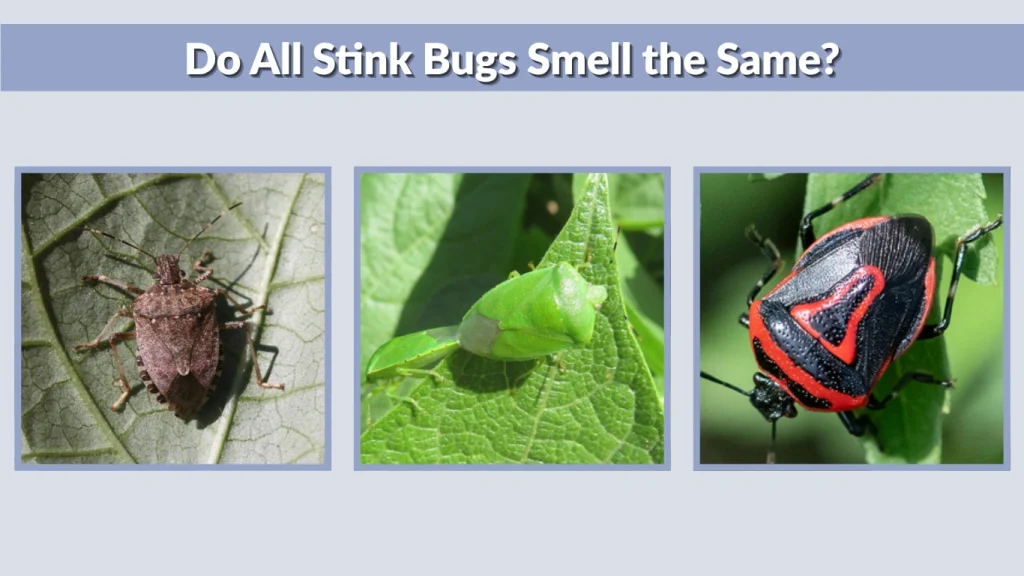
Not all stink bugs produce identical odors. The brown marmorated stink bug is notorious for its strongest and longest-lasting smell, while other species such as green or black stink bugs emit lighter, herbal tones.
Different environmental factors, like temperature and humidity, can affect how the odor disperses. In humid rooms, the smell lingers longer and feels more intense. Also, individuals vary in sensitivity—some can’t smell stink bugs at all, due to genetic differences that affect how their olfactory receptors detect aldehyde compounds.
Interestingly, not every stink bug smells bad to everyone. A small percentage of people describe it as mildly herbal or even “like cilantro.” But for most, it’s a pungent mix of skunk and sour vegetables that’s hard to ignore.
Common Descriptions of the Smell
The stink bug smell doesn’t have a single definition because it affects people differently. However, it is often compared to a few familiar odors:
- Cilantro-like: The smell comes from the same chemical compound found in coriander leaves.
- Skunk-like: Some describe it as a sharp, musky odor similar to a faint skunk spray.
- Rotten vegetable: Indoors, the smell may resemble spoiled greens or moldy produce.
- Burnt tire or rubber: A harsher, chemical scent noticeable when the bug is crushed.
These differences depend on the bug’s diet and age. The more mature brown marmorated stink bugs tend to release a stronger, oilier scent that lasts longer on surfaces and skin.
How Long the Stink Bug Smell Lasts
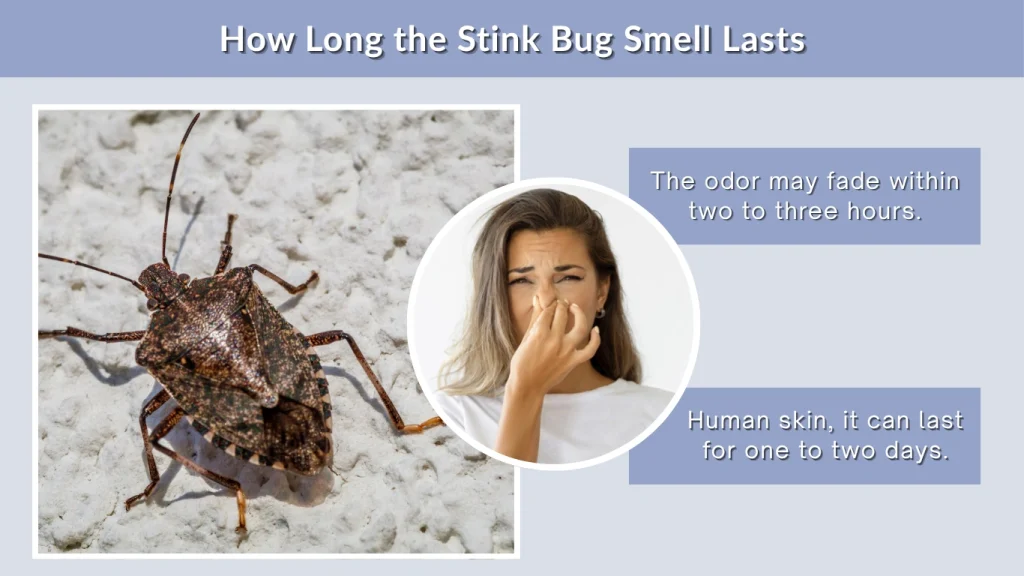
The persistence of the smell depends on where it lands. In open spaces, the odor may fade within two to three hours, but on fabrics or human skin, it can last for one to two days.
If the bug releases the scent on curtains, clothes, or furniture, it can linger even longer because the oily compounds absorb into the fibers. Warm temperatures and humidity can amplify the smell, making it more noticeable indoors.
The scent naturally dissipates over time, but regular cleaning, airing out rooms, and using mild deodorizers can help speed up the process. Removing all potential hiding places also prevents future infestations—and, by extension, more odors.
How to Get Rid of Stink Bug Smell (List Section)
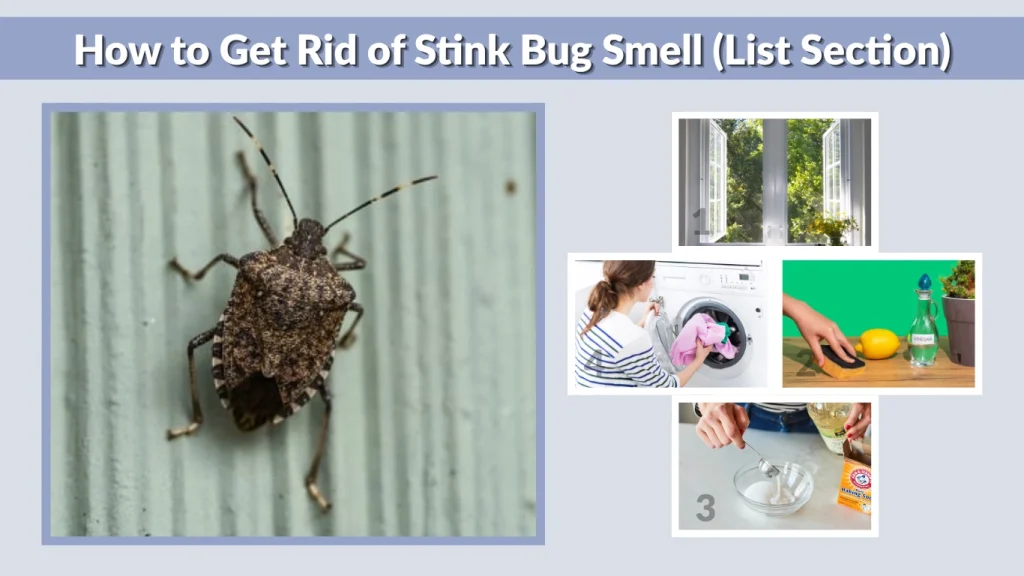
Eliminating the stubborn stink bug odor requires patience and the right cleaning approach. Since their scent is oily, it can cling to surfaces longer than most insect odors. Follow these steps to remove it effectively:
- Ventilate the area: Open all windows and doors to circulate fresh air. This helps the volatile odor molecules disperse faster.
- Clean with vinegar solution: Mix equal parts of white vinegar and water. Spray the affected area and wipe it down with a cloth. Vinegar neutralizes the organic compounds in the odor.
- Use baking soda paste: Apply a paste of baking soda and water on hard surfaces or washable fabrics. It absorbs and breaks down lingering smells.
- Wash fabrics immediately: Clothes, curtains, or bedding that smell of stink bugs should be washed with lemon-scented detergent or a cup of white vinegar added to the wash cycle.
- Neutralize the air: Place bowls of activated charcoal, ground coffee, or citrus peels in the room for a few hours. These natural deodorizers help absorb stubborn odors.
Avoid using heavy chemical air fresheners, as they can mix with the odor and create an even more unpleasant scent. Natural cleaning ingredients are far more effective for stink bug odor removal.
Removing the Smell from Skin (List Section)
The smell of a stink bug can easily stick to your hands after you accidentally crush one or pick it up. Since the odor is oil-based, soap and water alone may not remove it completely. Try the following methods to eliminate the smell safely:
- Dish soap and warm water: Dish soap cuts through oils better than hand soap. Wash your hands for at least 20 seconds, focusing on nails and creases.
- Lemon juice or vinegar rub: Rub lemon juice or white vinegar over your hands, then rinse. The acid neutralizes the smell instantly.
- Baking soda scrub: Make a paste of baking soda and water, gently scrub your hands, and rinse thoroughly. It absorbs the oils that hold the odor.
- Stainless steel trick: Rubbing your hands on stainless steel (like a spoon or sink) under running water helps break down odor-causing molecules.
- Avoid harsh chemicals: Never use bleach or industrial cleaners on your skin, as they can cause burns or irritation.
To prevent the problem altogether, use tissue or gloves when removing stink bugs to avoid direct contact with their odor glands.
Smells That Repel Stink Bugs (List Section)
Certain natural scents can keep stink bugs from entering your home. These odors interfere with their chemical communication and discourage them from settling indoors. Some of the best options include:
- Peppermint oil: Mix a few drops with water in a spray bottle and mist around windows, doors, and vents.
- Garlic spray: Combine crushed garlic and water; spray near entry points. The strong aroma deters stink bugs instantly.
- Citrus and eucalyptus oils: These oils mask the pheromones that attract stink bugs. A few drops in a diffuser or cleaner can keep them away.
- Lavender and tea tree oil: Their strong floral notes are disliked by most insects, including stink bugs.
- Cinnamon and clove: Place sachets in closets or along windowsills for a long-lasting deterrent.
Using these scents consistently not only drives stink bugs away but also keeps your home smelling naturally fresh.
FAQs
1. Why do stink bugs smell so bad?
Stink bugs produce an oily secretion containing chemicals like trans-2-decenal and trans-2-octenal. These compounds create a sharp, herbal, or skunky odor used for self-defense. When the bug feels threatened or crushed, these chemicals are released to warn others and deter predators, resulting in their signature bad smell.
2. How long does the stink bug smell last?
In open air, the odor fades within a few hours, but on clothes, walls, or skin, it can last up to two days. Humid environments make the smell linger longer. Cleaning with vinegar, baking soda, or citrus-based products speeds up odor removal significantly and prevents it from spreading further.
3. Does the stink bug smell attract more stink bugs?
Yes, in some cases. The odor acts as a warning pheromone, but in small amounts, it can also attract nearby stink bugs that sense activity or shelter. Crushing them near other bugs can worsen an infestation. It’s best to remove them gently using paper, vacuum traps, or sticky traps instead.
4. How can I get rid of stink bug smell on my skin fast?
The quickest way is to wash with dish soap and warm water, then rub your hands with lemon juice or white vinegar. These natural acids dissolve the oily compounds that cause the odor. Baking soda paste also helps neutralize it without harming your skin or leaving residue.
5. What smells keep stink bugs away from my home?
Strong natural scents like peppermint, garlic, citrus, and eucalyptus effectively repel stink bugs. Spraying essential oil mixtures around entry points or adding these scents to cleaning products helps prevent infestations. Using these regularly creates a natural barrier that keeps stink bugs away from indoor spaces.
