

Black carpet beetles are small but incredibly destructive pests that can silently damage your home. From feeding on wool and leather to hiding in dark corners, they often go unnoticed until serious harm is done. Whether you’re spotting strange holes in your clothes or finding tiny dark beetles near windows, understanding these insects is the first step to controlling them.
In this article, I’ll share 12 important facts about black carpet beetles, based on real behaviours, appearance, and proven prevention methods.
1. A Common Household Pest
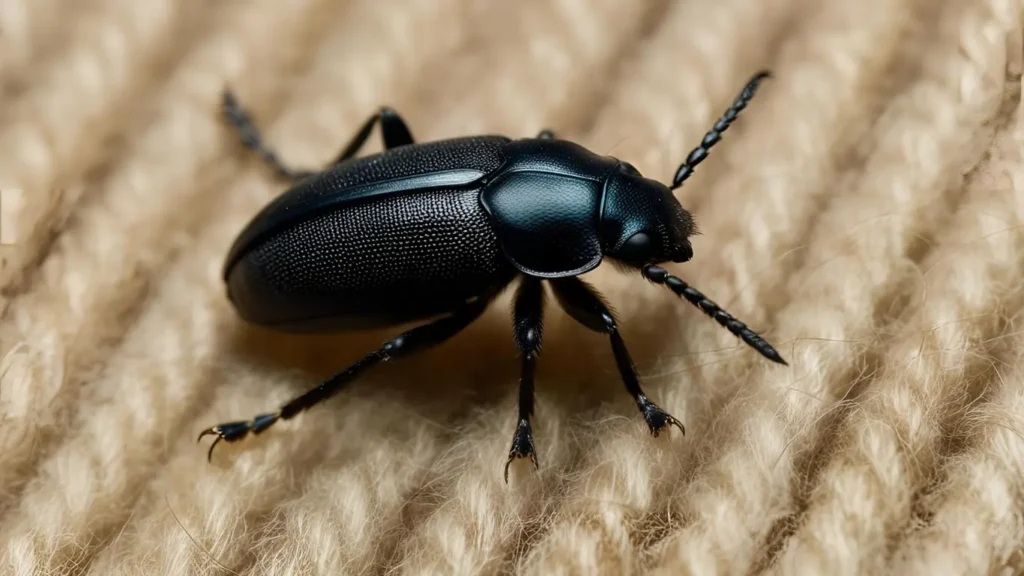
The black carpet beetle is one of the most widespread fabric pests found in homes across the world. Though small in size, it can cause significant damage to household items, especially those made from natural fibers. These beetles are often mistaken for other types of insects due to their small and unassuming appearance.
What makes them especially troublesome is their ability to hide in hard-to-see places like the edges of carpets, closets, and under furniture. They thrive in dark, undisturbed areas where people rarely clean, which gives them the perfect place to lay eggs and for larvae to feed and grow.
Many homeowners are unaware of a black carpet beetle problem until visible damage appears on clothing, upholstery, or stored items. By that time, the infestation may already be well-established, making it more difficult to manage. Early identification and regular home maintenance can help reduce the chances of these pests taking over.
2. Small But Noticeable Appearance

Adult black carpet beetles are small insects, usually measuring around 3 to 5 millimeters in length. They have a smooth, oval-shaped body and are shiny black or very dark brown in color. Their legs and antennae are often lighter, sometimes reddish-brown.
Unlike the more colorful carpet beetle types, the black carpet beetle is easy to recognize due to its solid dark color and hard shell. When seen crawling slowly on floors or near windows, homeowners may mistake them for other small beetles. But their smooth body and rounded back help identify them clearly.
Though the adult beetles aren’t the ones that cause damage, spotting them indoors can be a warning sign that larvae may be hiding somewhere in the home. Paying attention to their appearance and behavior is helpful for early detection.
3. Larvae Are the Real Problem
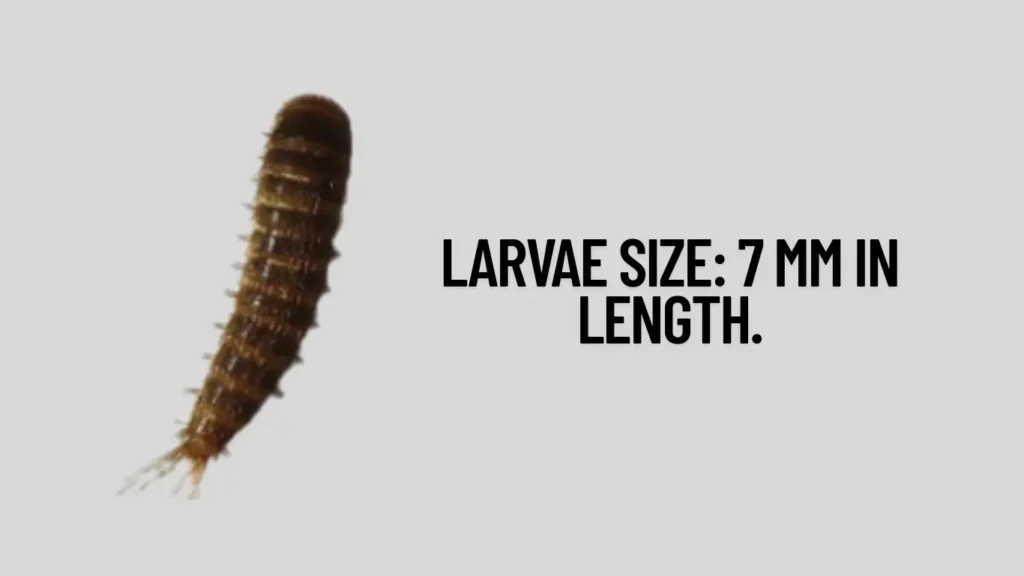
While adult beetles are harmless to fabrics and stored items, the larvae are the true culprits behind the damage. Black carpet beetle larvae are brownish, carrot-shaped, and covered in stiff bristles. They grow larger than the adults, sometimes reaching up to 7 mm in length.
The larvae are especially destructive because they feed on a wide range of organic materials, such as wool, feathers, hair, and even leather. They chew through these materials to survive and grow, leaving behind holes, loose fibers, and other visible signs of damage.
Unlike adult beetles that live for only a few weeks, the larval stage can last for months. This extended time gives them plenty of opportunity to feed and multiply. That’s why controlling the larvae early is more important than just removing adult beetles.
4. Long Larval Stage

One of the reasons black carpet beetles are so destructive is because their larvae have a very long life cycle. While adults live only a few weeks, the larval stage can last from 2 months up to 9 months, depending on environmental conditions like temperature and food supply.
During this extended period, larvae continue feeding on materials rich in protein and keratin—such as wool, silk, feathers, or animal hair. The longer they stay in the larval stage, the more damage they can cause to your clothing, carpets, or stored goods.
Because they grow slowly and shed their skin multiple times, it’s common to find discarded larval skins where they’ve been feeding. These cast-off skins are often the first visible clue of an infestation, even before live larvae are seen.
5. Favorite Things to Eat
Black carpet beetle larvae prefer to feed on materials made from animal origin. These include woolen fabrics, leather, fur, feathers, silk, and even pet hair. If left undisturbed, they can chew through stored clothing, furniture, and carpets, leaving behind irregular holes.
They are especially drawn to dark storage areas like old boxes of clothes, upholstered furniture, air ducts, or attics. Even items that haven’t been touched in years can suddenly show signs of damage due to hidden larvae feeding away inside.
They can also be found in dried food items like grains, cereals, and pet food—though fabric is their main target. Their ability to eat such a wide variety of organic materials makes them particularly hard to control once they settle in.
6. Harmless Adults
Adult black carpet beetles may be the most visible stage, but they don’t cause damage to fabrics or stored items. Once they emerge from the pupal stage, they stop feeding on materials and instead survive on pollen and nectar from flowers.
Because of this behavior, adults are often found near windows, trying to get outside in search of light or flowers. Unlike the larvae, they have wings and can fly, which sometimes helps them enter homes from nearby gardens or infested areas.
Even though they don’t feed on your belongings, seeing adult beetles indoors is a warning sign. It usually means there are larvae somewhere in the home, already feeding or preparing to emerge. So while the adults are harmless, their presence should not be ignored.
7. Infestation Sources
Black carpet beetle infestations often start from sources you may not expect. Bird nests, rodent nests, and even wasp nests near the home can host these beetles. When animals abandon the nests, beetles may migrate indoors searching for new food sources.
They can also enter homes through infested items such as old furniture, secondhand clothing, wool rugs, or storage boxes. Items kept in garages, basements, or attics are especially at risk because they’re rarely checked or cleaned.
Once inside, the beetles can spread quickly, laying eggs in hidden corners or soft fabrics. This is why it’s important to inspect any old or used items before bringing them into your home—especially if they’ve been stored in dusty or animal-prone environments.
8. Sneaky Entry Points
Black carpet beetles are small enough to enter homes through tiny cracks and gaps around windows, doors, or vents. They are also attracted to lights, which means they may fly in through open windows or gaps in screens at night.
Once inside, they look for quiet, undisturbed places to lay their eggs. Wall voids, attics, behind baseboards, and storage boxes are ideal spots. These areas give larvae the perfect environment to grow without being noticed for a long time.
Infestations can also begin when people unknowingly bring beetles indoors via contaminated fabrics, food products, or pet bedding. Because their eggs are small and hard to see, it’s easy to introduce black carpet beetles without realizing it.
9. Light-Avoiding Behavior
Black carpet beetle larvae prefer darkness and tend to avoid light whenever possible. This is why they’re usually found deep within carpets, under furniture, in the folds of stored clothing, or inside wall voids and floor cracks.
Their tendency to stay hidden makes them especially difficult to detect in the early stages of an infestation. Homeowners might not notice any visible bugs, but damage continues to occur behind the scenes as the larvae feed quietly over time.
Because they hide so well, it’s important to regularly inspect areas you don’t usually clean—such as under rugs, inside closets, or behind furniture. These hidden zones are often hotspots for larval activity and egg laying.
10. Survivors Without Food
One of the most surprising traits of black carpet beetle larvae is their ability to survive without food for several weeks—or even months. This survival skill makes them especially hard to eliminate, as they can hide and wait out cleaning efforts before becoming active again.
Even after deep cleaning or removing visible food sources, larvae can remain tucked away in cracks, baseboards, or inside walls. When conditions become favorable again—such as a stored blanket being placed in a closet—they resume feeding and continue their life cycle.
This resilience means that one-time cleaning isn’t always enough to get rid of an infestation. Ongoing monitoring and repeated cleaning are often necessary to fully remove hidden larvae and prevent their return.
11. Signs of Infestation
Detecting a black carpet beetle infestation early is key to preventing major damage. One of the first signs is the presence of shed larval skins. As the larvae grow, they molt several times, leaving behind brown, dry, tube-like casings in hidden areas.
Another common sign is small, irregular holes in fabrics like wool blankets, clothing, or upholstered furniture. You might also notice thinning spots or damaged areas where larvae have fed. These holes are often mistaken for moth damage, but beetle larvae are usually the real cause.
Additionally, adult beetles may be seen crawling on walls or window sills, especially in spring or summer. While adults don’t do damage themselves, spotting them indoors means there could be a hidden infestation somewhere in the home.
12. Prevention and Cleaning Tips
Preventing black carpet beetle infestations starts with regular cleaning. Vacuuming carpets, baseboards, furniture, and closets helps remove eggs, larvae, and shed skins. Pay close attention to dark and undisturbed corners where larvae tend to hide.
Stored items made of wool, fur, or feathers should be kept in sealed plastic containers or garment bags. Before bringing secondhand clothes, rugs, or furniture into your home, inspect them thoroughly for signs of beetles or larvae.
Sealing cracks around windows, doors, and vents can also reduce the chance of beetles entering from outside. For persistent problems, consider using insecticides or contacting a pest control professional to treat hidden infestations safely and effectively.
Summary:
Black carpet beetles are fabric-damaging pests. Their larvae feed on wool, leather, and other natural materials while hiding in dark areas. Though adults are harmless, infestations can spread quickly. Regular cleaning and early detection help keep them under control.
