
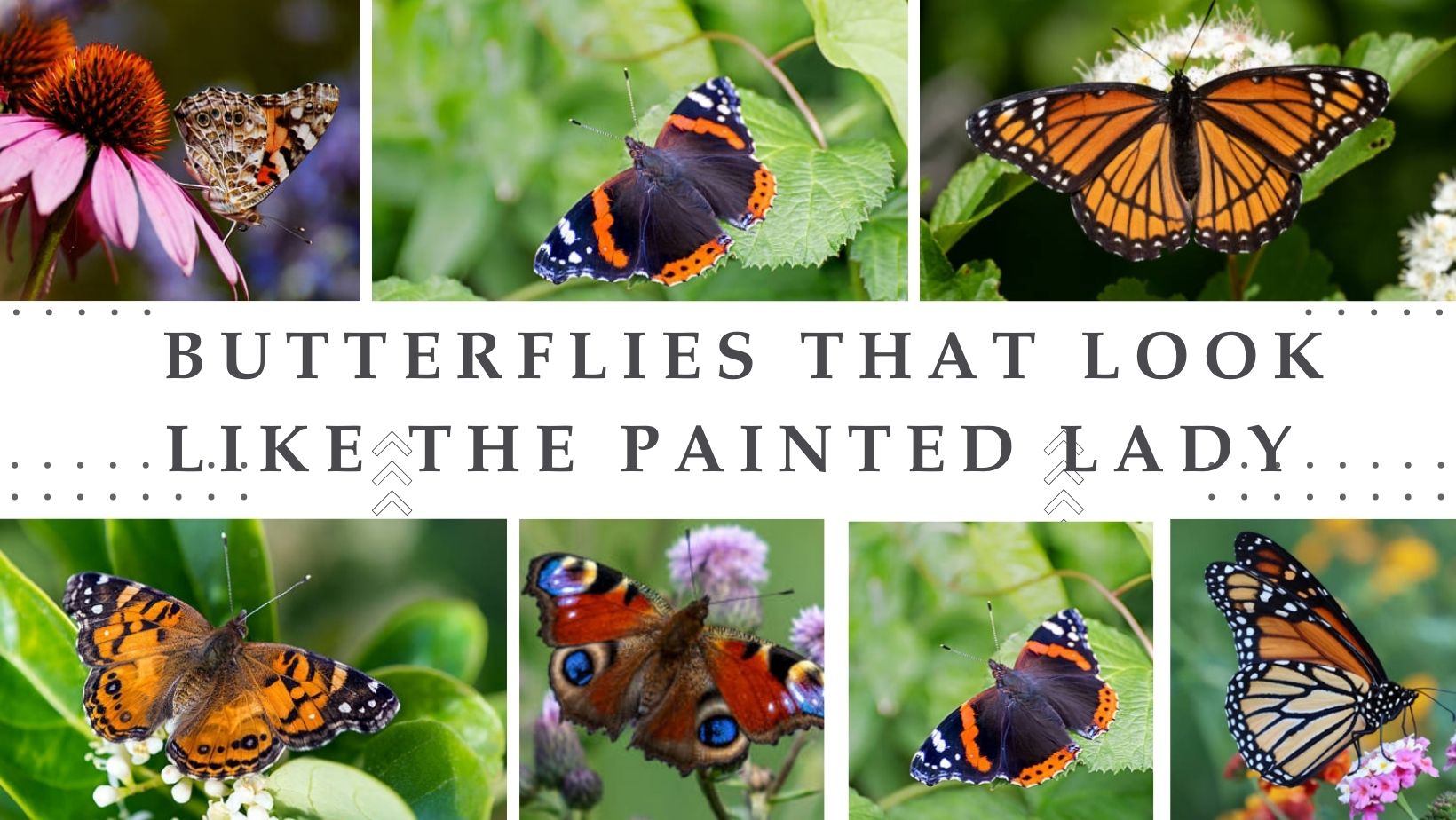
The Painted Lady butterfly is one of the most widespread and recognizable butterflies in the world—but did you know many other butterflies look strikingly similar? From closely related species like the American and Australian Painted Ladies to lookalikes like the Monarch and Buckeye, these butterflies share similar colors, wing patterns, and behaviors.
In this guide, you’ll discover 13 butterflies that resemble the Painted Lady, how to identify them, and what makes each one unique in its own beautiful way.
Painted Lady Butterfly Overview
The Painted Lady (Vanessa cardui) is one of the most widespread butterflies in the world. It’s found on every continent except Antarctica and South America. Known for its orange, black, and white patterned wings, it often migrates across long distances.
- Wingspan: About 2 to 2.5 inches
- Underside: Camouflaged with brown and small eyespots
- Host plants: Thistle, mallow, hollyhock
- Behavior: Fast, fluttery flight; visits gardens and wildflowers
Painted Ladies are especially famous for their mass migrations, sometimes traveling thousands of miles across continents.
1. American Painted Lady
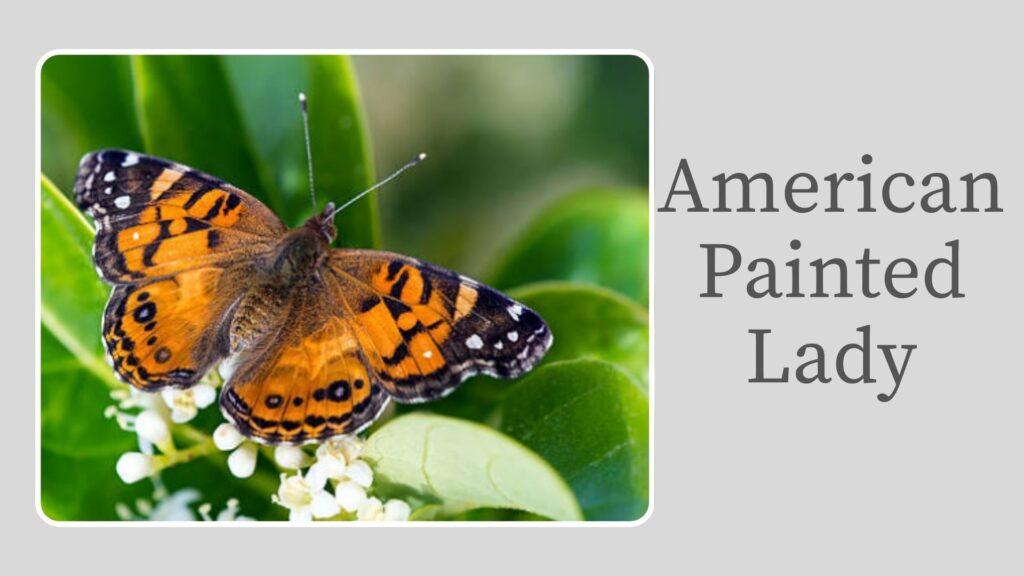
The American Painted Lady (Vanessa virginiensis) is a close relative of the Painted Lady butterfly. It shares many physical traits but can be distinguished by its unique hindwing eyespots and slightly different color tone. It’s native to North America and thrives in open, sunny habitats.
Similar to the Painted Lady Butterfly
- Belongs to the Vanessa genus
- Both have orange and black patterned wings
- Migrate seasonally
- Frequently mistaken for each other in gardens and fields
Identification
- Two large eyespots on the underside of the hindwings
- Slightly smaller white spots on the forewings
- Brighter and deeper orange hue overall
- Wingspan around 2 inches
Habitat and Range
Found throughout North America, especially in open fields, gardens, and roadside areas. Prefers places with abundant nectar sources.
Behavior and Host Plants
Feeds on nectar from asters, goldenrod, and thistles. Caterpillars feed on host plants like cudweed and pussytoes. Active during the day and exhibits strong, erratic flight patterns.
2. West Coast Lady
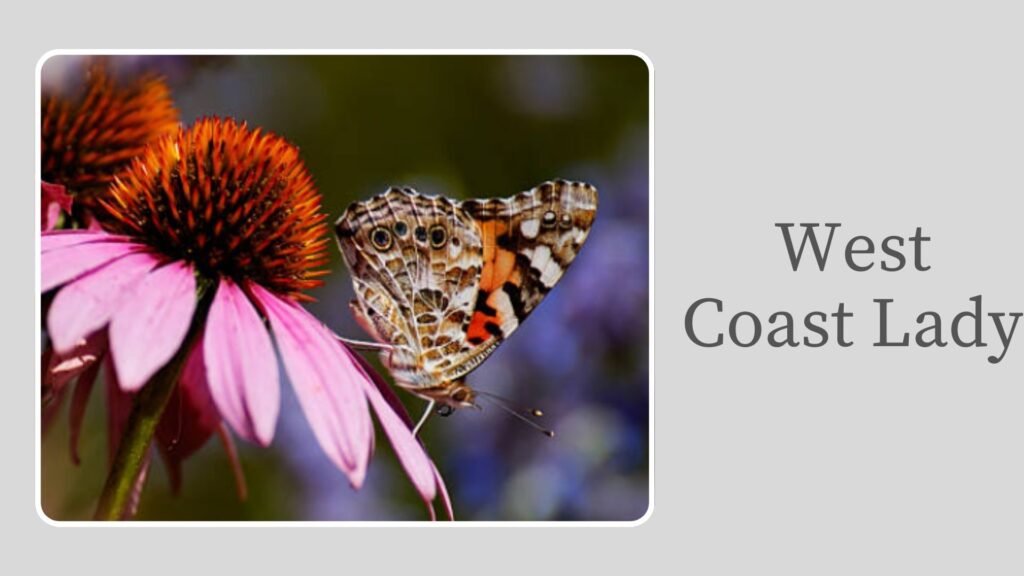
The West Coast Lady (Vanessa annabella) is another close relative of the Painted Lady butterfly, found primarily in western North America. Though it shares similar colors and patterns, it has key differences in wing markings that help set it apart.
Similarity to Painted Lady Butterfly
- Member of the Vanessa genus
- Orange and black wing patterns are similar
- Frequently seen in gardens and open fields
- Similar in size and flight behavior
Identification
- Lacks the white spot in the pink-orange area of the forewing
- More intense orange coloring
- No eyespots on the underside of hindwings
- Wingspan about 2 inches
Habitat and Range
Commonly found along the U.S. West Coast, including California, Oregon, and Washington. Prefers dry, sunny areas with wildflowers.
Behavior and Host Plants
Feeds on nectar from native flowers. The caterpillars feed on mallows and nettles. Known for quick, darting flight and territorial behavior.
3. Red Admiral
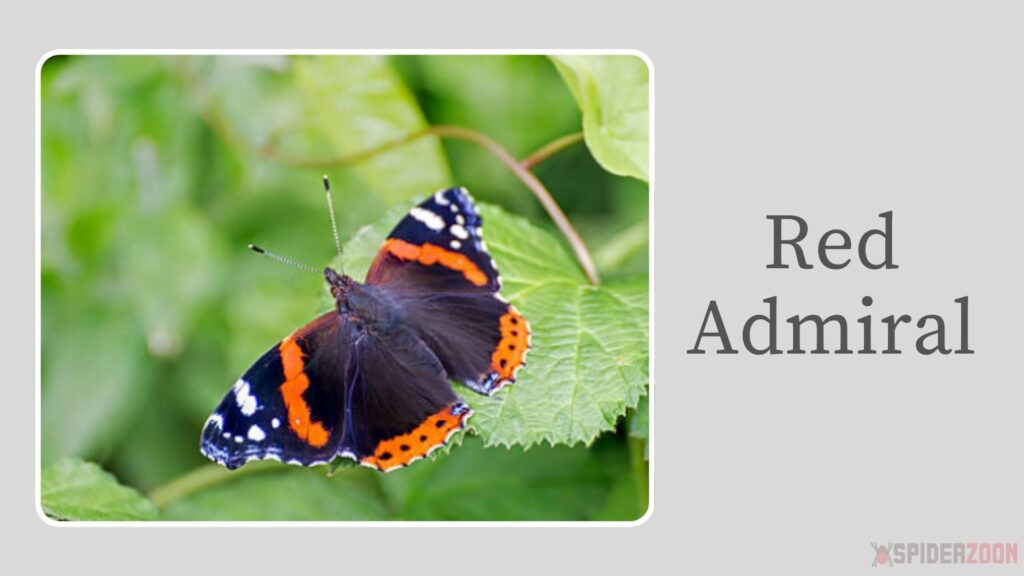
The Red Admiral (Vanessa atalanta) is a striking butterfly that shares a similar appearance and behavior with the Painted Lady. Though darker in color, it features vivid orange-red bands and is known for its widespread presence and strong migration patterns.
Similarity to Painted Lady Butterfly
- Also part of the Vanessa genus
- Similar size and wing shape
- Strong migratory tendencies
- Active in gardens and open sunny places
Identification
- Deep black wings with red-orange bands
- White spots near forewing tips
- Underside of hindwings is mottled for camouflage
- Wingspan ranges from 2 to 2.5 inches
Habitat and Range
Found throughout North America, Europe, and Asia. Inhabits woodlands, parks, gardens, and coastlines.
Behavior and Host Plants
Feeds on tree sap, rotting fruit, and nectar from flowers. Caterpillars feed on nettles. Often seen basking in the sun or chasing other butterflies.
4. Australian Painted Lady
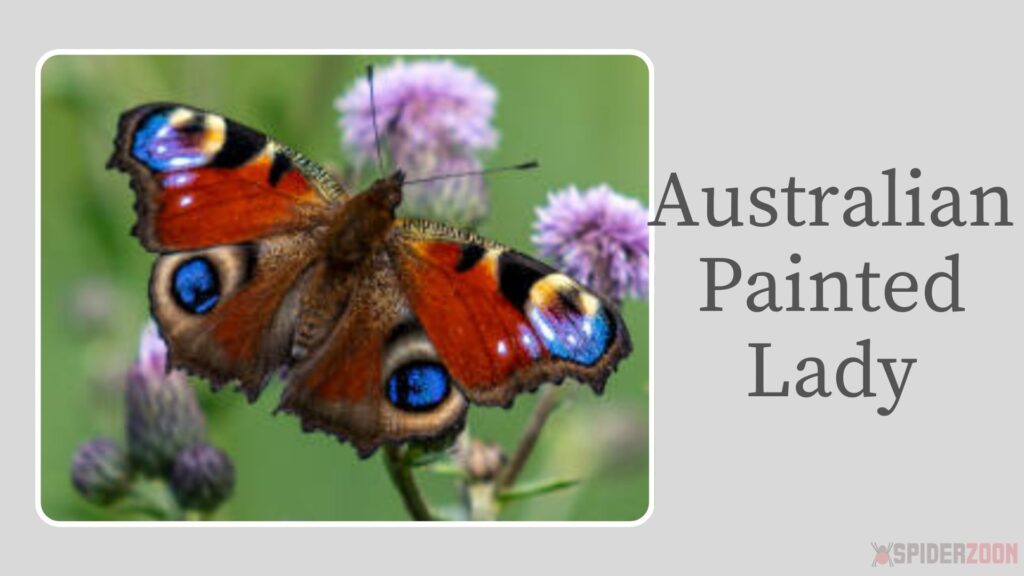
The Australian Painted Lady (Vanessa kershawi) is native to Australia and closely resembles the Painted Lady butterfly. It’s best known for its seasonal mass migrations and colorful wings that help it blend into dry landscapes.
Similarity to Painted Lady Butterfly
- Member of the Vanessa genus
- Similar wing shape and orange-black coloring
- Migratory and fast-flying
- Often confused with Vanessa cardui in overlapping regions
Identification
- Slightly more vibrant orange than the Painted Lady
- Smaller black spots and more defined white areas on wings
- Four small eyespots on hindwings (like Painted Lady)
- Wingspan about 2 inches
Habitat and Range
Common across most of Australia, especially in open, arid zones. Also found in Tasmania and parts of New Zealand.
Behavior and Host Plants
Feeds on nectar from daisies, everlasting flowers, and thistles. Caterpillars feed on everlastings (Helichrysum species). Known for mass migrations during dry spells.
5. Peacock Butterfly
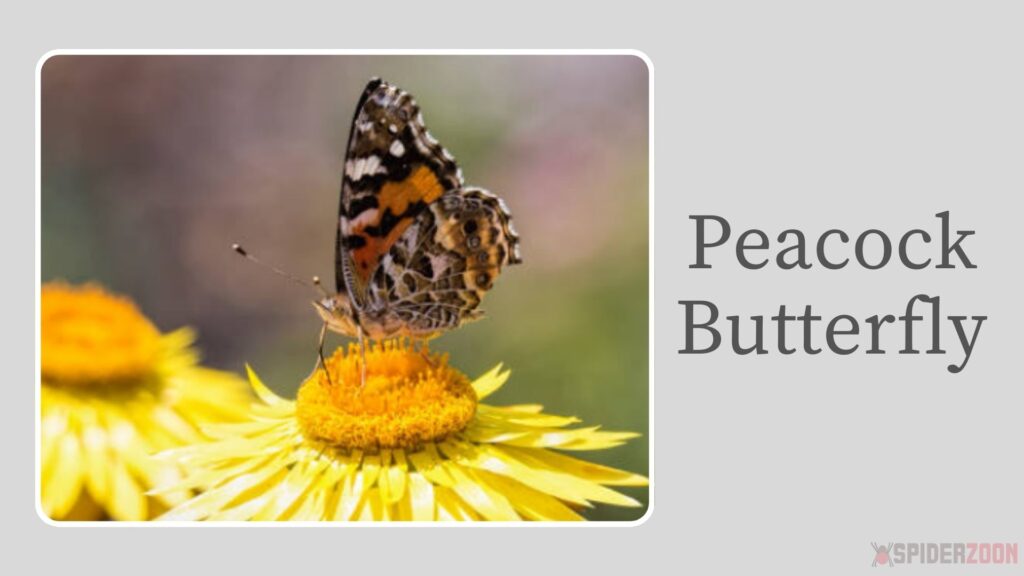
The Peacock Butterfly (Aglais io) is a European species admired for its eye-like spots and rich coloring. While visually different, it shares some behavioral traits and is equally well-known across its native range.
Similarity to Painted Lady Butterfly
- Similar size and structure
- Both are brightly colored and easily recognized
- Active in sunny gardens and meadows
- Undergo seasonal migrations or movements
Identification
- Deep red wings with large eye spots on all wings
- Underside is dark, almost black, aiding camouflage
- Wingspan ranges from 2 to 2.5 inches
- Notable for its peacock feather-like pattern
Habitat and Range
Widespread across Europe and temperate Asia. Found in woodlands, gardens, hedgerows, and fields.
Behavior and Host Plants
Feeds on nectar from flowers like buddleia, dandelions, and thistles. Caterpillars feed on nettles. Often hibernates in buildings or tree hollows over winter.
6. Small Tortoiseshell
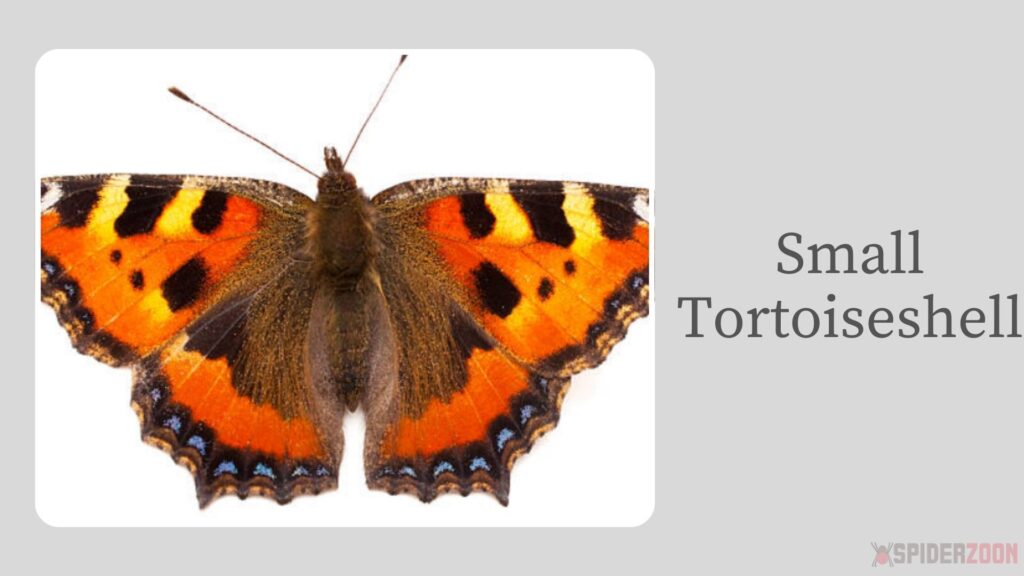
The Small Tortoiseshell (Aglais urticae) is a colorful and familiar butterfly across Europe and Asia. Though it has a more scalloped wing shape, its vibrant orange and black pattern draws comparison to the Painted Lady.
Similarity to Painted Lady Butterfly
- Similar orange and black upperwing colors
- Both are medium-sized butterflies
- Active in gardens and open habitats
- Undergo hibernation or seasonal dormancy
Identification
- Orange wings with black and yellow blotches
- Bright blue spots along the wing edges
- Dark underwings for camouflage
- Wingspan around 2 inches
Habitat and Range
Common across Europe and parts of Asia. Found in gardens, parks, meadows, and near nettle patches.
Behavior and Host Plants
Feeds on flower nectar such as thistles, clover, and buddleia. Caterpillars feed on nettles. One of the first butterflies seen in spring after hibernation.
7. Monarch Butterfly
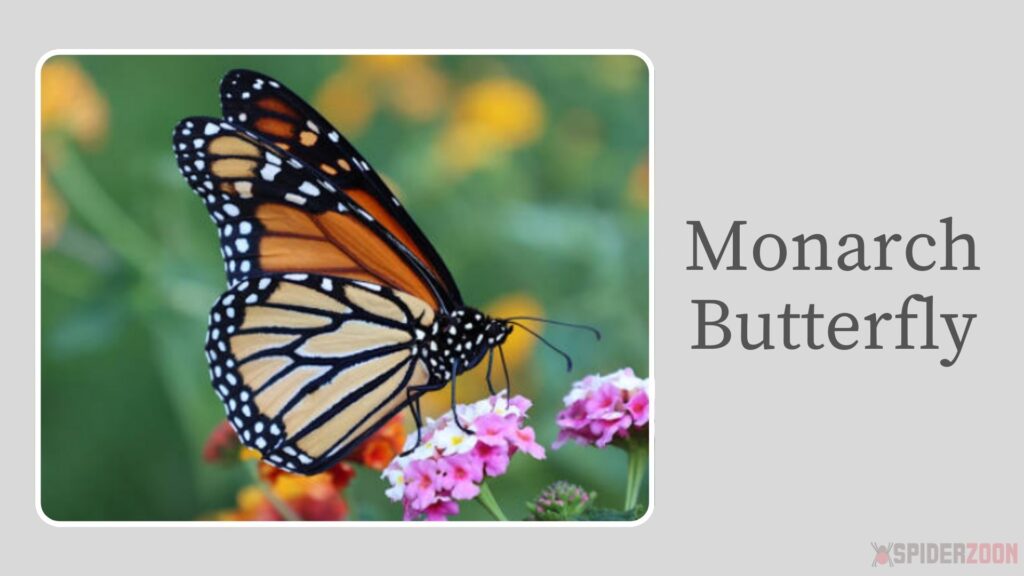
The Monarch Butterfly (Danaus plexippus) is world-famous for its striking color and long-distance migration. Although not closely related, its orange-and-black coloration and size lead to frequent comparisons with the Painted Lady.
Similarity to Painted Lady Butterfly
- Both have orange and black wings
- Similar size and body shape
- Strong migrators
- Often seen in the same gardens or wildflower areas
Identification
- Bright orange wings with thick black veins and white spots
- Hindwings lack the spot patterns found in Painted Ladies
- Wingspan ranges from 3.5 to 4 inches (larger than Painted Lady)
- Caterpillars are striped black, white, and yellow
Habitat and Range
Native to North America, but also found in Australia and parts of Europe. Common in meadows, milkweed patches, and butterfly gardens.
Behavior and Host Plants
Feeds on milkweed plants during the larval stage. Adults feed on nectar from a wide variety of flowers. Known for its multi-generational migration to and from Mexico.
8. Queen Butterfly
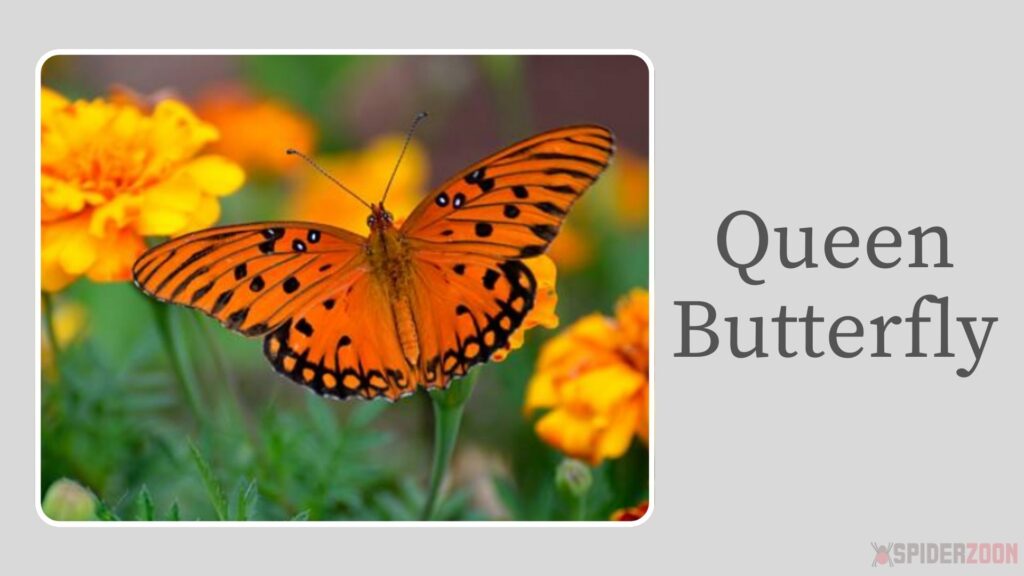
The Queen Butterfly (Danaus gilippus) is a close cousin of the Monarch, sharing a similar color palette and graceful flight. While not a Painted Lady relative, its orange-and-black wings often cause visual confusion.
Similarity to Painted Lady Butterfly
- Orange and black coloration
- Similar wing size and flight pattern
- Found in sunny habitats with wildflowers
- Often feeds alongside Painted Ladies
Identification
- Rich reddish-orange wings with black borders
- White spots on the forewings and along the edges
- No black veins across wings like Monarch
- Wingspan around 3 inches
Habitat and Range
Found in the southern U.S., Mexico, Central America, and the Caribbean. Prefers open fields, desert areas, and gardens.
Behavior and Host Plants
Caterpillars feed on milkweed and related plants. Adults sip nectar from mistflower, milkweed, and lantana. Often seen in groups, especially near water.
9. Gulf Fritillary
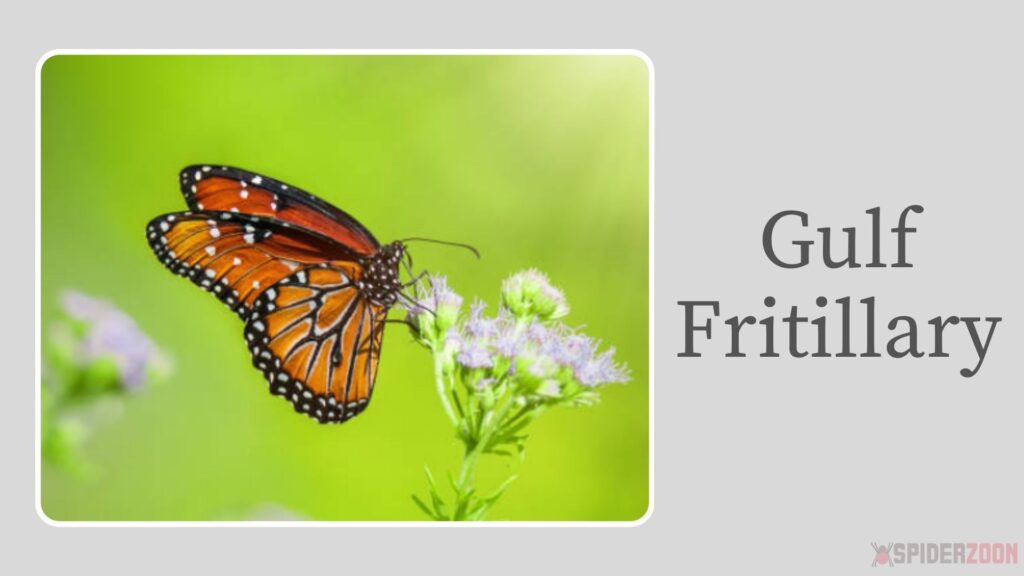
The Gulf Fritillary (Dione vanillae) is a tropical butterfly with vibrant orange coloring and long, narrow wings. Though not from the Vanessa genus, its appearance and behavior often draw comparisons to the Painted Lady.
Similarity to Painted Lady Butterfly
- Bright orange wings with black markings
- Similar size and fast, fluttering flight
- Common in gardens and open spaces
- Both are nectar lovers and frequent migrators
Identification
- Long, narrow forewings with bold black spots
- Silver-white spots on the underside of the hindwings
- Wingspan around 2.5 to 3.5 inches
- Slender body compared to Painted Lady
Habitat and Range
Found in the southern U.S., Central and South America. Prefers warm climates, gardens, and butterfly-rich habitats.
Behavior and Host Plants
Feeds on passionflower vines during the larval stage. Adults visit lantana, zinnias, and other nectar-rich flowers. Active year-round in warm areas.
10. Viceroy Butterfly
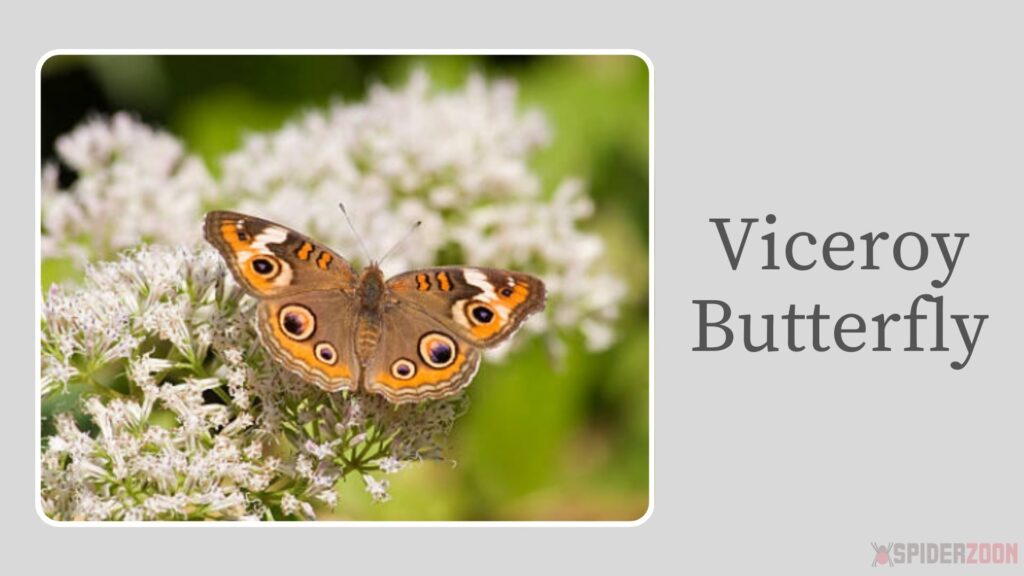
The Viceroy Butterfly (Limenitis archippus) is best known for mimicking the Monarch, but it also shares similarities with the Painted Lady in size, shape, and habitat. Its mimicry helps protect it from predators.
Similarity to Painted Lady Butterfly
- Similar in size and wing shape
- Orange and black coloration causes confusion
- Found in open fields, gardens, and wetlands
- Both engage in sunbathing and fast flight
Identification
- Orange wings with black veins and borders
- Distinct black line across hindwings (key difference from Monarch)
- White spots on the forewings
- Wingspan about 2.5 to 3 inches
Habitat and Range
Widespread in North America, especially near wetland areas, meadows, and forest edges.
Behavior and Host Plants
Caterpillars feed on willow, poplar, and cottonwood. Adults drink nectar and also feed on decaying fruit. Strong fliers and commonly mistaken for Monarchs.
11. Common Buckeye
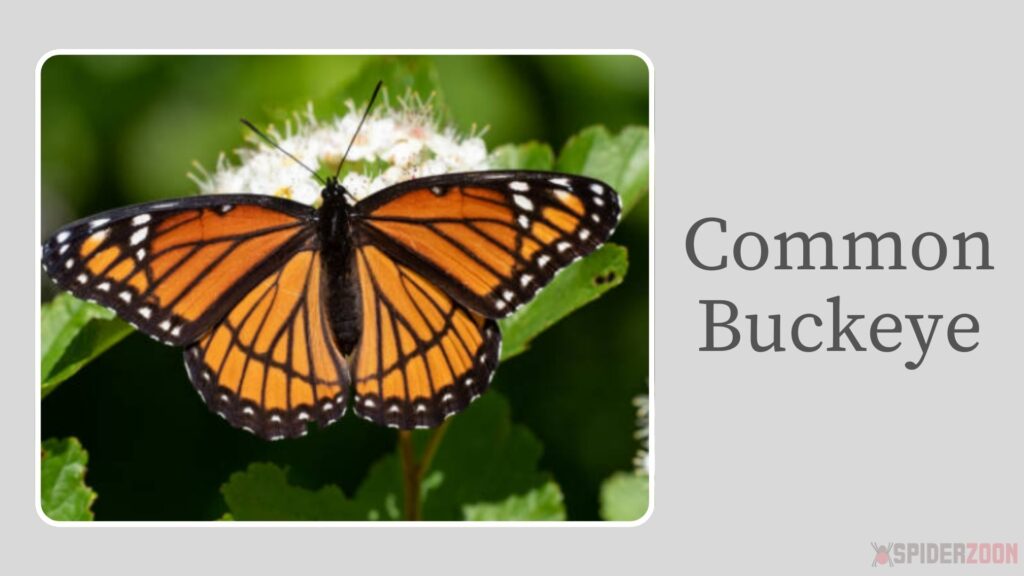
The Common Buckeye (Junonia coenia) stands out with its unique eye spots and earthy tones. While not as brightly colored, its size and wing layout are comparable to the Painted Lady.
Similarity to Painted Lady Butterfly
- Similar size and body shape
- Both species have eye spots and patterns
- Common in sunny gardens, roadsides, and meadows
- Active during the day with erratic flight
Identification
- Brown wings with large, bold eyespots on forewings and hindwings
- Orange bars on the forewings
- Wingspan around 2 to 2.5 inches
- Underside more muted in color
Habitat and Range
Found throughout the U.S., especially in the south and eastern regions. Prefers sunny, open areas with low vegetation.
Behavior and Host Plants
Feeds on plantains, snapdragons, and toadflax. Often basks on bare ground or rocks. Known for territorial behavior.
12. Tortoiseshell Butterfly
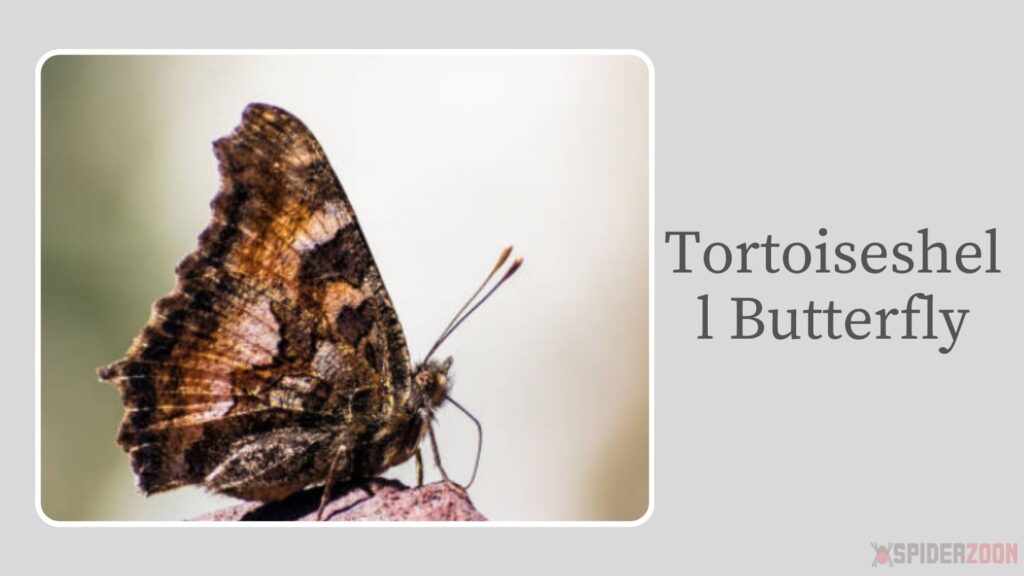
The Tortoiseshell Butterfly is a name commonly used for several species in the Aglais genus, such as the Large Tortoiseshell (Nymphalis polychloros). These butterflies are vibrant and eye-catching, with markings that resemble those of the Painted Lady.
Similarity to Painted Lady Butterfly
- Similar orange, black, and brown wing colors
- Both medium-sized with scalloped wing edges
- Found in similar temperate habitats
- Seen basking and feeding in sunny gardens and woodlands
Identification
- Bright orange wings with black and yellow patches
- Dark brown to black edges with small blue spots
- Slightly more angular wing shape
- Wingspan ranges from 2.2 to 2.8 inches
Habitat and Range
Native to Europe and parts of Asia. Found in woodlands, hedgerows, and gardens—especially near nettle patches.
Behavior and Host Plants
Feeds on nectar from wildflowers. Caterpillars typically feed on nettles. Adults may hibernate in buildings, tree hollows, or sheds.
13. California Tortoiseshell
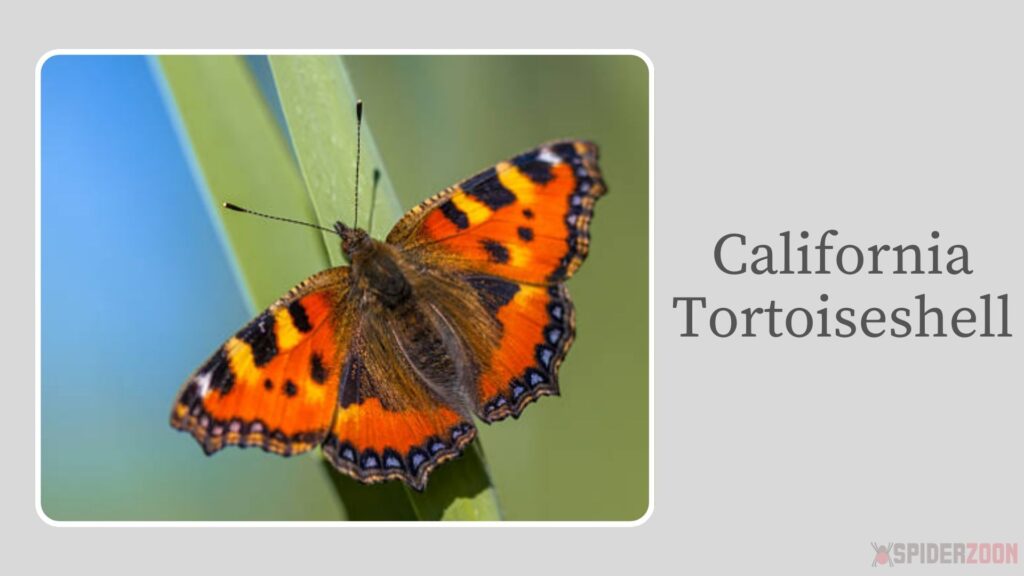
The California Tortoiseshell (Nymphalis californica) is a western North American butterfly with a warm orange tone and black markings. Its rapid movements and erratic flight are reminiscent of the Painted Lady’s behavior.
Similarity to Painted Lady Butterfly
- Similar wing coloration with orange and black tones
- Comparable in size and flight style
- Both undergo population booms and long migrations
- Frequently seen in mountain regions and open woodlands
Identification
- Orange wings with irregular black patches
- Underside is mottled gray-brown, aiding camouflage
- Wing edges are more jagged than Painted Lady
- Wingspan ranges from 2 to 2.5 inches
Habitat and Range
Found mainly in western North America—from California to British Columbia. Prefers mountainous terrain, chaparral, and forest clearings.
Behavior and Host Plants
Feeds on nectar and tree sap. Caterpillars feed primarily on Ceanothus (wild lilac). Known for sudden mass appearances followed by sharp declines.
