
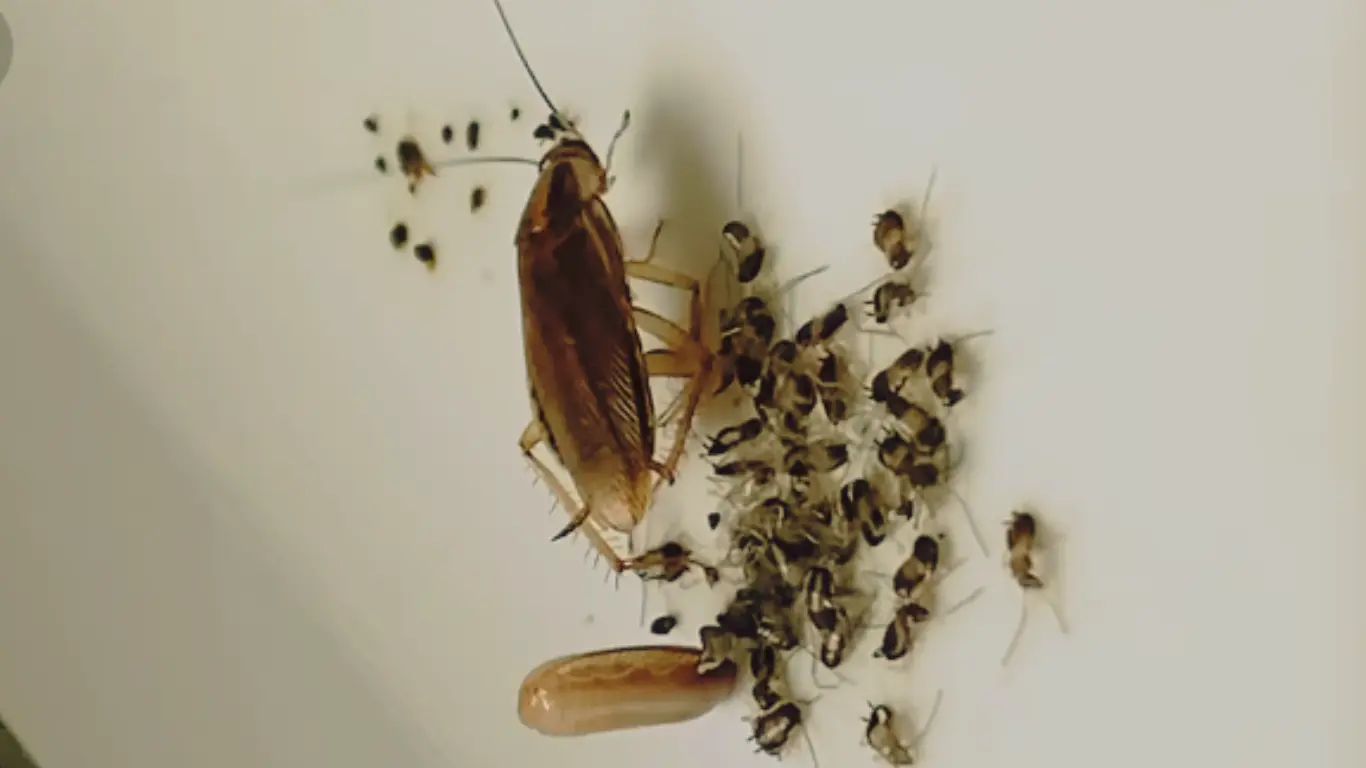
Cockroaches are some of the most misunderstood insects on the planet. Often associated with filth and fear, these ancient creatures are actually full of surprises. From their incredible survival skills to their unique biology, cockroaches have evolved in extraordinary ways over millions of years. In this article, I’ll share 30 fascinating facts about cockroaches—some shocking, some weird, and all interesting. Whether you’re curious, cautious, or simply intrigued, these facts might just change how you see these creepy crawlers.
Basic Cockroach Facts
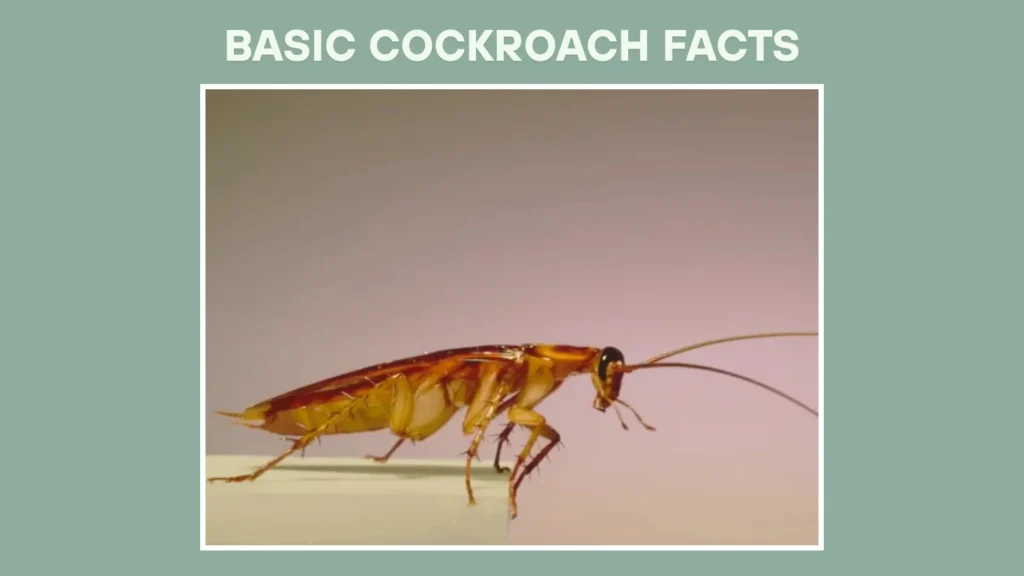
Cockroaches are more than just household pests—they’re ancient, adaptable, and biologically unique. Understanding the basics about them gives us insight into how they’ve survived for millions of years and spread across almost every environment on Earth. Here are five essential facts that highlight what makes cockroaches so remarkable.
Fact 1: There Are Over 4,500 Species of Cockroaches Worldwide
While most people are only familiar with the few cockroaches that invade homes, there are actually over 4,500 known species around the globe. These species range in size, color, and habitat—from tropical rainforests to deserts. Despite their diversity, only a small fraction are considered pests to humans.
Fact 2: Only 30 Species Are Known to Infest Human Homes
Out of the thousands of cockroach species, only about 30 are known to live in close association with humans. Common pest species include the German cockroach, American cockroach, and Oriental cockroach. These species thrive in indoor environments because of the steady supply of food, water, and warmth.
Fact 3: Cockroaches Have Existed for Over 300 Million Years
Cockroaches are one of the oldest living insects, having been around since the time of the dinosaurs. Fossil records show that cockroach ancestors existed more than 300 million years ago, making them older than most modern species, including mammals and birds. Their long evolutionary history is a testament to their resilience.
Fact 4: They Belong to the Order Blattodea
Cockroaches are classified under the order Blattodea, which they share with termites. This scientific classification is based on their body structure, reproductive system, and developmental stages. Interestingly, genetic studies have revealed that termites evolved from ancient cockroach-like ancestors, linking the two in evolutionary history.
Fact 5: Cockroaches Are Found on Every Continent Except Antarctica
Cockroaches are incredibly adaptable and can be found on every continent except Antarctica. Their ability to thrive in both natural and man-made environments has made them one of the most widespread insects in the world. From city apartments to tropical jungles, cockroaches can survive almost anywhere.
Survival and Adaptation Facts

Cockroaches are best known for their unbelievable survival skills. Their biology is built for endurance, allowing them to live through extreme conditions that would kill most other creatures. These five facts explore just how tough and adaptable cockroaches really are.
Fact 6: Cockroaches Can Live Without Their Heads for a Week
This might sound like a myth, but it’s true—cockroaches can survive for days without their heads. They don’t rely on their mouth or brain to breathe because they take in air through spiracles along their bodies. They only die after about a week due to dehydration, as they can’t drink water without a mouth.
Fact 7: They Can Hold Their Breath for 40 Minutes
Cockroaches can shut down their breathing system for long periods to conserve water or survive in low-oxygen environments. By closing their spiracles, they reduce moisture loss and can endure harsh conditions, including being submerged in water for up to 30–40 minutes without drowning.
Fact 8: Cockroaches Can Survive Without Food for a Month
Cockroaches can live for about 30 days without eating, thanks to their cold-blooded nature and slow metabolism. However, they can’t go more than a week without water. This ability to go without food helps them survive when resources are scarce, especially in unpredictable environments.
Fact 9: They Are Highly Resistant to Radiation
Cockroaches have shown an incredible resistance to radiation levels that would be fatal to humans. Their cells divide more slowly, which reduces the risk of radiation damage. This trait has sparked urban legends about cockroaches surviving nuclear blasts, and while they wouldn’t walk away unharmed, they’d likely fare better than we would.
Fact 10: Cockroaches Can Squeeze Through Gaps as Small as a Coin’s Edge
Thanks to their flat, flexible exoskeletons, cockroaches can compress their bodies to fit into spaces as narrow as 3 millimeters. This helps them hide in tight cracks and crevices, making them difficult to spot or eliminate. Their ability to escape through tiny gaps is one reason they’re such successful pests.
Anatomy and Physical Abilities
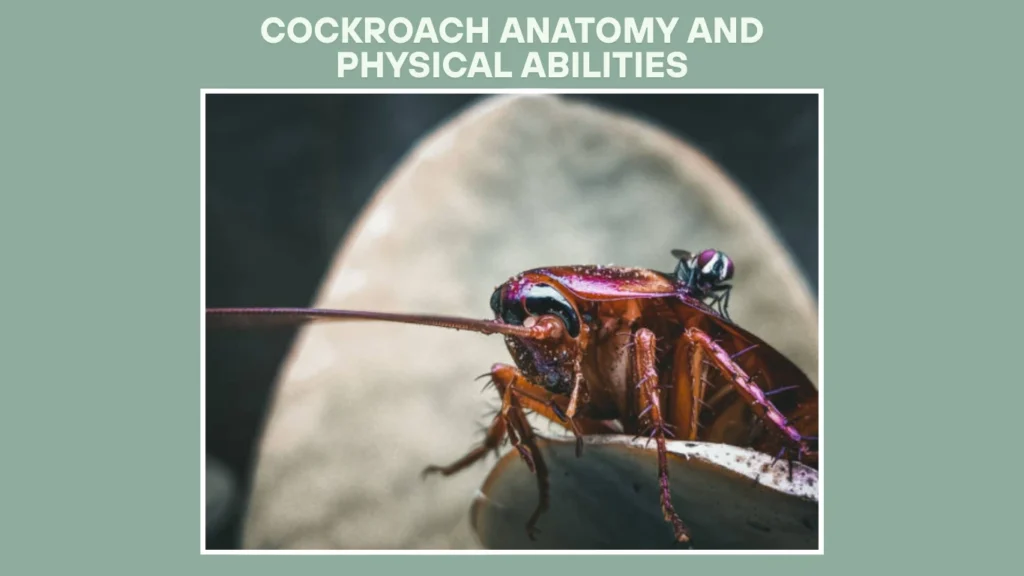
Cockroaches are built for speed, stealth, and survival. Their body structure and senses help them detect danger, escape quickly, and adapt to a variety of environments. In this section, you’ll learn about their incredible physical traits and how those traits give them an edge over other insects.
Fact 11: Cockroaches Have Three Pairs of Legs and Two Pairs of Wings
Every cockroach has six legs—each equipped with tiny spines that help them grip and run on nearly any surface, including ceilings. Some species also have two pairs of wings: a tougher outer set and a softer inner pair used for short gliding or flying. However, not all cockroaches use their wings regularly.
Fact 12: They Have 360-Degree Vision with Compound Eyes
Cockroach eyes are made up of thousands of tiny lenses, called ommatidia, giving them a wide field of view. This makes it hard to sneak up on them. Their vision helps them quickly detect movement and escape predators, even in low-light conditions, which is why they often scatter the moment a light turns on.
Fact 13: Antennae Help Them Sense Changes in the Environment
A cockroach’s long antennae are highly sensitive and act like motion detectors. They can pick up on air movement, vibrations, food scents, and even chemical signals. These antennae help cockroaches avoid danger and find food in dark or cluttered areas, making them excellent navigators.
Fact 14: Some Species Can Fly, While Others Glide or Don’t Use Wings at All
Although many cockroaches have wings, not all of them fly. The American cockroach can glide short distances, while the smoky brown cockroach is known for active flying. Others, like the German cockroach, rarely fly and rely more on running. Wing use varies widely depending on the species and situation.
Fact 15: They Can Run Up to 3 Miles Per Hour
Cockroaches are among the fastest insects on six legs. Some species can sprint up to 3 miles per hour, which is impressive for their size. Their quick reflexes and high-speed scurrying help them escape threats in the blink of an eye, often before you can react.
Reproduction and Lifecycle

Cockroaches reproduce quickly and efficiently, which is one reason why infestations can grow out of control in a short time. Their reproductive system and development cycle are perfectly designed for survival. Let’s explore some fascinating facts about how cockroaches multiply and grow.
Fact 16: Female Cockroaches Can Reproduce Without Males (Parthenogenesis)
In some cockroach species, females can produce offspring without mating through a process called parthenogenesis. This ability allows them to start new colonies even when no males are present. It’s one of the many reasons cockroaches are so difficult to eliminate once they infest an area.
Fact 17: A Single Female Can Produce Hundreds of Offspring
One female cockroach can lay multiple egg cases in her lifetime, and each egg case (called an ootheca) may contain 16 to 50 eggs. Over a year, she can give rise to hundreds of new cockroaches, leading to rapid population growth in homes, restaurants, or other indoor environments.
Fact 18: Some Species Carry Their Eggs in an Ootheca
The ootheca is a hard, protective capsule that holds cockroach eggs. Some species, like the German cockroach, carry the ootheca until just before the eggs hatch, while others, like the American cockroach, deposit it in a hidden area. This protective strategy helps ensure the eggs survive to hatch.
Fact 19: Baby Cockroaches Are Called Nymphs
When cockroach eggs hatch, the young insects are called nymphs. They look like smaller versions of adults but without wings. Nymphs go through several molts—shedding their outer skin—to grow larger. With each molt, they look more like mature cockroaches, eventually developing wings in many species.
Fact 20: Nymphs Molt Multiple Times Before Reaching Adulthood
Cockroach nymphs typically molt 5 to 13 times, depending on the species. During each molt, they shed their exoskeleton to grow. This molting process can take a few weeks to several months, influenced by temperature, food availability, and species type. Once fully grown, they become sexually mature adults.
Cockroaches in Human Environments
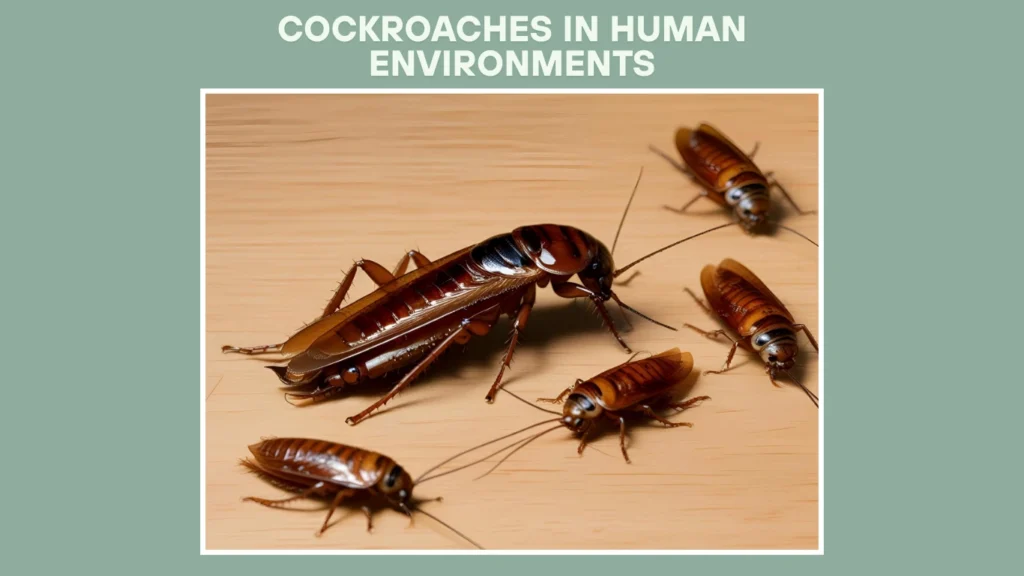
Although cockroaches thrive in nature, some species have adapted to living near humans—especially in warm, moist, and food-rich environments. Their presence indoors can be more than just unpleasant; it can also pose serious health risks. Here are five facts that explain their behavior in human spaces.
Fact 21: Cockroaches Are Nocturnal and Avoid Light
Cockroaches are primarily nocturnal, meaning they are most active at night. They prefer to hide in dark, warm places during the day and come out when it’s quiet and dark. If you see cockroaches during the day, it may be a sign of a large infestation, as competition for food and shelter forces them out early.
Fact 22: They Can Spread Diseases Like Salmonella and E. coli
Cockroaches crawl through garbage, drains, and sewers, picking up harmful bacteria along the way. When they walk across kitchen counters or food, they can transfer these germs. This is how they may spread diseases such as Salmonella, E. coli, and even parasitic worms, making them a serious health concern.
Fact 23: Cockroach Allergens Can Trigger Asthma and Allergies
Cockroach droppings, saliva, and shed skin contain allergens that can trigger asthma and allergic reactions, especially in children. In fact, cockroach allergy is a common indoor allergen and has been linked to increased asthma attacks in urban areas where infestations are more common.
Fact 24: They Are Attracted to Food, Warmth, and Moisture
Cockroaches seek out environments with easy access to food and water. Kitchens, bathrooms, and basements provide the ideal conditions for them to live and breed. Grease, crumbs, leaky pipes, and even pet food can attract them quickly, so good hygiene is key to prevention.
Fact 25: German Cockroaches Are the Most Common Indoor Species
Among the many types of cockroaches, the German cockroach is the most widespread in homes and buildings. They’re small, light brown, and reproduce rapidly. Just a few German cockroaches can become a large infestation in a matter of weeks, making them one of the hardest species to control.
Fun and Lesser-Known Facts

Beyond their survival skills and pest status, cockroaches have some truly bizarre and fascinating traits that most people don’t know. From making sounds to glowing in the dark, these lesser-known facts reveal a strange and unexpected side of cockroach biology and behavior.
Fact 26: Cockroaches Can “Play Dead” to Avoid Threats
When they sense danger, some cockroach species go completely still and lie flat to mimic death. This behavior helps them avoid predators, including humans and other animals. It’s a simple but effective trick that can buy them enough time to escape when the threat passes.
Fact 27: Some Species Glow in the Dark
Yes, it’s true—some rare cockroach species, like the Lucihormetica luckae found in South America, are bioluminescent. These cockroaches have glowing spots on their bodies that may help them mimic toxic beetles and avoid predators. Although not all cockroaches glow, it’s a strange example of their evolutionary tricks.
Fact 28: Madagascar Hissing Cockroaches Make a Hissing Noise
Unlike most cockroaches, the Madagascar hissing cockroach can produce a loud hissing sound by forcing air through small holes in its abdomen. These hisses are used to scare off threats, attract mates, or even compete with rivals. They’re also popular in classrooms and pet collections due to their unique behavior.
Fact 29: Cockroaches Are Considered a Delicacy in Some Cultures
In several countries, including Thailand, China, and parts of Africa, cockroaches are fried and eaten as a crunchy snack. They’re high in protein and considered a sustainable food source. While it might seem shocking to some, cockroaches are just another edible insect in cultures with traditional entomophagy.
Fact 30: Scientists Study Cockroaches to Develop Better Robots
Cockroach movement and sensory systems are being studied by engineers and scientists to design robots that can navigate disaster zones or tight spaces. Their speed, flexibility, and ability to survive damage make them an ideal model for search-and-rescue robots or advanced bio-mechanical systems.
Conclusion
Cockroaches may have a bad reputation, but they are truly fascinating creatures. From surviving without their heads to helping inspire robotic technology, their biology and behavior are full of surprises. Understanding cockroaches not only helps us manage them as pests—it also reveals just how complex and incredible the natural world really is.
