

The Arizona Bark Scorpion is one of the most venomous and fascinating creatures in the American Southwest. Despite its small size, its sting packs a serious punch. Found in deserts and even inside homes, this resilient scorpion has adapted well to both nature and neighborhoods. This guide covers everything you need to know to stay informed—and safe.
What is an Arizona Bark Scorpion?

Scientific Classification and Taxonomy
The Arizona Bark Scorpion, scientifically named Centruroides sculpturatus, belongs to the family Buthidae, home to many of the world’s most venomous scorpions. It falls under the order Scorpiones, class Arachnida. For years, it was often confused with the Centruroides exilicauda, a closely related species, but researchers now classify it separately due to distinctions in venom and range.
Appearance and Identification
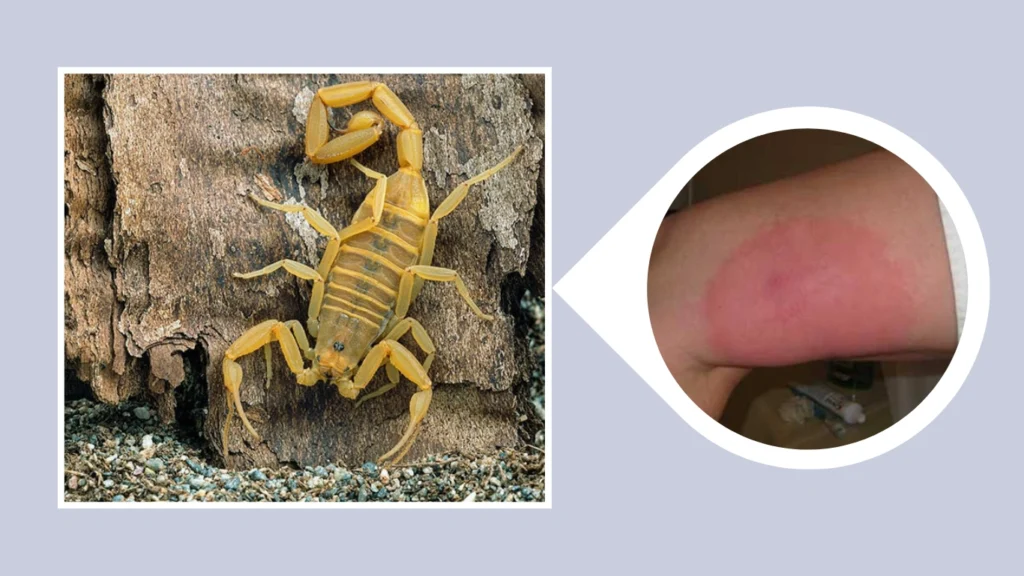
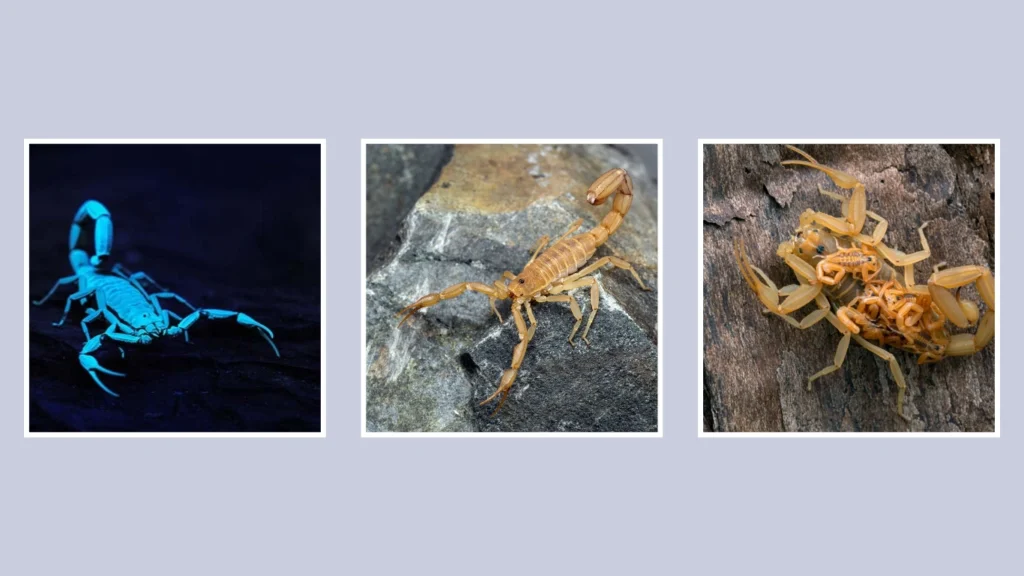
Arizona Bark Scorpions are relatively small, measuring around 2.5 to 3 inches in length. Their bodies are tan to light brown with slightly darker back markings and long, thin pincers that distinguish them from less venomous species. One of their most notable features is their ability to glow a greenish-blue under ultraviolet (UV) black light, which makes them easier to spot at night. Their tail is thin with a curved stinger, often raised when threatened.
Black Light Detection (List Item)
- Glows under UV light (bright blue-green)
- Ideal detection tool at night
- Used by pest control and researchers
- Helps identify infestations in yards or homes
Distribution and Habitat

Natural Range and Map
The Arizona Bark Scorpion is native to the southwestern United States and parts of northern Mexico. It’s most commonly found in:
- Arizona (especially Phoenix, Tucson, and surrounding desert areas)
- Nevada
- New Mexico
- Utah
- Western Texas
- Baja California and Sonora in Mexico
In Arizona, this scorpion is the most widespread and medically significant. While occasionally spotted in nearby states, its highest concentration is in Arizona’s low-elevation desert regions. Range maps often show dense populations across central and southern Arizona.
Preferred Habitat
Arizona Bark Scorpions are incredibly adaptable. In the wild, they prefer:
- Bark of dead trees
- Rocky crevices and canyon walls
- Beneath logs, woodpiles, or loose rocks
In urban environments, they’re frequently found in:
- Cracks in walls and foundations
- Inside shoes, clothes, or bedding
- Under sinks, baseboards, or ceiling corners
- Block walls and irrigated yards
They are nocturnal and sensitive to moisture, which means they often seek cool, dark, and humid places to hide during the day.
Life Cycle and Reproduction

Mating and Birth
Arizona Bark Scorpions have a fascinating mating process that begins with a “dance.” The male and female grasp each other’s pincers and perform a coordinated movement until the male deposits a spermatophore (sperm packet) on the ground, which the female picks up. This process can last from several minutes to hours. After fertilization, the female carries the developing embryos inside her for several months before giving birth to live young—usually between 20 to 30 babies at once.
Growth Stages
Unlike many insects, Arizona Bark Scorpions are viviparous—they give live birth rather than laying eggs. Newborns are pale and soft-bodied and immediately climb onto their mother’s back for protection. They stay there for about one to three weeks, molting for the first time before dispersing to live independently.
Over the next few years, they go through multiple molting stages (typically 5 to 6 molts) before reaching full maturity. Molting is a vulnerable time when the scorpion’s exoskeleton is soft and its movements are slower, making it easier prey.
Lifespan
In the wild, the Arizona Bark Scorpion can live 5 to 7 years, depending on environmental conditions and predation. In captivity, where threats are minimal, their lifespan can extend slightly longer. Their ability to survive both extreme heat and brief freezing conditions helps them thrive in the harsh desert climate.
Behavior and Adaptations

Nocturnal Habits
Arizona Bark Scorpions are strictly nocturnal, hiding during the day and becoming active at night to hunt and explore. Their eyes are highly sensitive to low light, allowing them to navigate in complete darkness. They’re most active during warmer months, especially in the spring and summer, and they seek shelter during the day in cool, shaded areas like under rocks, wood piles, or inside walls and ceilings.
Diet and Predation
These scorpions are carnivorous hunters that feed on a variety of small invertebrates:
- Crickets
- Roaches
- Spiders
- Other scorpions
They ambush prey using their pincers and inject venom through their stinger to immobilize it. Interestingly, bark scorpions are opportunistic cannibals, sometimes preying on smaller or weaker individuals of their own species.
Despite their venomous reputation, bark scorpions also have natural predators:
- Centipedes
- Bats
- Owls
- Shrews
- Roadrunners
Defense Mechanisms
Arizona Bark Scorpions rely on a mix of stealth and speed to defend themselves. Their pale coloring helps camouflage them against rocks, sand, and tree bark. When threatened:
- They arch their tail in a defensive posture
- They can deliver rapid, repeated stings
- They flatten their bodies to squeeze into tight crevices
One of their most unique adaptations is the ability to glow under ultraviolet (UV) light, which is likely linked to chemicals in their exoskeleton.
The Sting: Symptoms, Venom & Treatment
Sting Effects and Symptoms
The sting of the Arizona Bark Scorpion is infamous for being the most painful of any North American scorpion. While typically not fatal, the symptoms can be severe, especially for children, the elderly, or those with allergies. Common symptoms include:
- Intense burning or tingling at the sting site
- Numbness or swelling in the affected area
- Muscle twitching or convulsions
- Difficulty breathing (in extreme cases)
- Temporary paralysis or slurred speech (rare but possible)
Symptoms usually begin within minutes of the sting and can last several hours. In some cases, pain may persist for a couple of days.
Venom Potency
The Arizona Bark Scorpion’s venom is neurotoxic, meaning it affects the nervous system. It disrupts nerve signals, leading to the intense pain and other neurological symptoms. While deaths are extremely rare today—thanks to improved medical care—the venom is strong enough to require hospitalization for vulnerable individuals.
Interestingly, the venom’s potency varies slightly depending on the scorpion’s age and location. Younger scorpions may deliver “dry stings” with less venom, while adults are capable of injecting more.
First Aid and Bite Treatment

Here’s what to do immediately after a sting:
- Wash the area with soap and water to prevent infection.
- Apply a cool compress to reduce pain and swelling.
- Keep the limb elevated if the sting is on an arm or leg.
- Avoid aspirin or ibuprofen, which may worsen symptoms. Use acetaminophen (Tylenol) if needed.
- Seek emergency care if the person stung is a child, elderly, or shows severe symptoms like muscle spasms or trouble breathing.
Antivenom is available and may be administered in hospitals for serious cases, especially in Arizona.
Interactions with Humans
Are Arizona Bark Scorpions Deadly?
While the Arizona Bark Scorpion is the most venomous scorpion in the U.S., fatalities are extremely rare. Thanks to access to antivenom and medical support, most stings are treatable. That said, its sting can be medically significant and even dangerous for infants, elderly people, or those with compromised immune systems. For most healthy adults, the sting is very painful but not life-threatening.
Scorpions in Homes: What to Do
These scorpions are known for slipping into homes, especially during hot, dry months or after monsoon storms. They’re excellent climbers and can enter through:
- Small wall cracks
- Open windows or vents
- Gaps in doors or plumbing access points
To reduce the risk of indoor encounters:
- Seal gaps in foundations and baseboards
- Use door sweeps and window screens
- Clear clutter from yards and storage areas
- Reduce moisture around the home
- Use a UV flashlight at night to inspect walls and floors
Professional pest control is recommended if multiple scorpions are found indoors, as they tend to group in colonies.
Keeping Bark Scorpions as Pets
Though not recommended for beginners, some exotic pet enthusiasts keep Arizona Bark Scorpions in captivity. If kept legally, a few requirements must be met:
- Secure enclosure with tight-fitting lid
- Desert substrate (sand/soil), hiding spaces, and proper ventilation
- Temperature maintained between 75°F and 90°F
- Feeding live insects like crickets
- Water provided via a shallow dish or misting
While they don’t require much handling, their venomous nature makes them more of a “display-only” pet.
7 Interesting Facts
- They Glow Under UV Light
Arizona Bark Scorpions emit a bright blue-green glow under ultraviolet (black) light due to a substance in their exoskeleton. This trait helps researchers—and homeowners—spot them at night. - They Can Climb Walls and Ceilings
Unlike many other scorpions, this species can climb vertical surfaces and even hang upside down, thanks to tiny claw-like structures on their feet. - They’re the Most Venomous Scorpion in North America
Despite their small size, Arizona Bark Scorpions carry venom that is more potent than any other U.S. scorpion, affecting the human nervous system. - Mothers Carry Their Babies on Their Backs
After giving birth, the female carries 20–30 babies on her back for up to three weeks until they molt and can survive on their own. - They Can Live in Freezing Temperatures
Though desert dwellers, they survive brief periods of freezing weather by hiding in insulated crevices or burrowing into the ground. - They’re Nocturnal Hunters
These scorpions avoid the heat by hunting at night and are most active in spring and summer, often feeding on crickets, roaches, and even other scorpions. - They Flatten Their Bodies to Hide
Arizona Bark Scorpions can flatten themselves to fit into cracks as thin as a credit card, making it easy for them to slip into homes or tight rock crevices.
FAQs
What does an Arizona Bark Scorpion look like?
It has a slender, elongated body about 2.5 to 3 inches long, with a yellow-tan coloration and slightly darker back stripes. Its pincers are long and thin, and its tail is narrow with a curved stinger. Under UV light, it glows a bright blue-green, making it easy to spot at night.
Is the Arizona Bark Scorpion deadly?
The Arizona Bark Scorpion is highly venomous, but it is rarely deadly with modern medical care. Its sting can cause intense pain and neurological symptoms, particularly in children, elderly individuals, or those with allergies. Deaths are extremely rare and usually occur only in cases where no treatment is available.
How do you find Arizona Bark Scorpions at night?
You can use a UV black light to find them after dark. Their exoskeleton fluoresces under ultraviolet light, making them glow neon blue or green. This is a common method for pest control or personal safety checks around homes and yards.
How big do Arizona Bark Scorpions get?
Adults usually grow to be about 2.5 to 3 inches in length, including their tail. Despite their small size, they pack a powerful sting, which often surprises people expecting a more intimidating creature.
Where do Arizona Bark Scorpions live?
They are commonly found in Arizona, as well as parts of Nevada, Utah, New Mexico, and northern Mexico. They live in deserts, woodlands, rocky crevices, and frequently seek shelter inside homes, especially during extreme heat or drought.
