

Dealing with bed bugs can feel like a never-ending nightmare. These tiny pests hide in the seams of your mattress, cracks in your furniture, and even behind wall outlets—emerging at night to feed on your blood. If you’ve tried sprays, cleaning, or even tossing out furniture with no lasting results, don’t worry.
In this guide, you’ll discover 5 proven ways to get rid of bed bugs permanently. Each method targets not just the bugs you see—but also the eggs and hidden infestations to stop them for good.
1. Deep Clean and Declutter Your Living Spaces
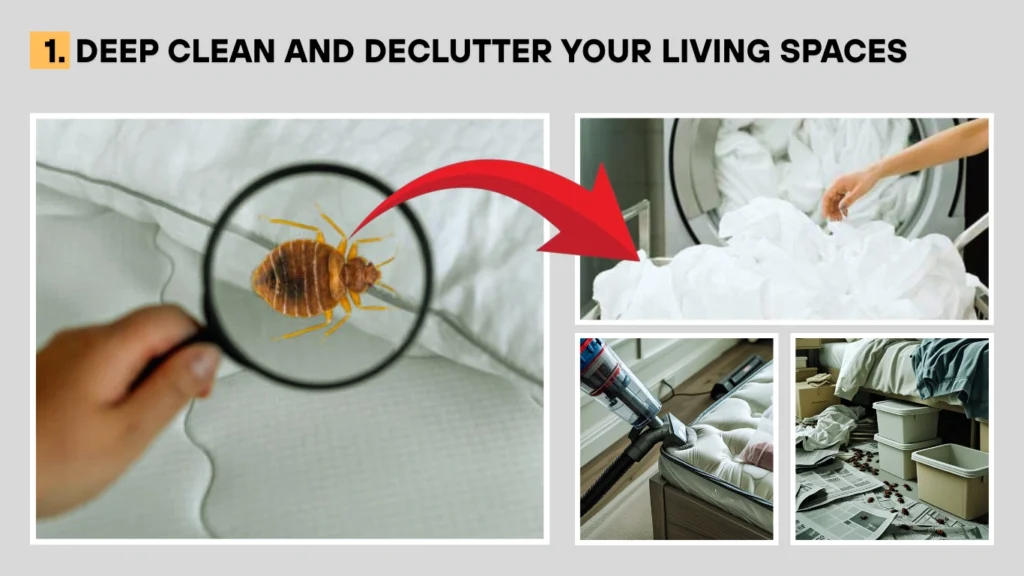
Before using any treatment, your first and most crucial step is a thorough cleaning. Bed bugs thrive in cluttered, undisturbed areas, and they’re experts at hiding in cracks, seams, and folds. Deep cleaning your bedroom and nearby areas helps expose them and makes other treatments more effective.
Focus on Bed and Surroundings
Start by stripping your bed of all linens, blankets, pillowcases, and mattress covers. Wash everything in hot water (at least 120°F) and dry on the highest heat setting for at least 30 minutes. This kills both bed bugs and their eggs.
Vacuum Every Crack and Crevice
Use a high-powered vacuum on your mattress, box spring, bed frame, and along baseboards. Pay special attention to seams, folds, corners, and carpet edges. Immediately seal the vacuum bag or canister contents in a plastic bag and throw it away outdoors.
Remove Clutter
Old newspapers, clothes on the floor, boxes under the bed—these are perfect hiding spots for bed bugs. Declutter your space and store items in sealed plastic bins rather than cardboard, which they can hide inside or crawl through.
2. Use Heat Treatment for Complete Eradication
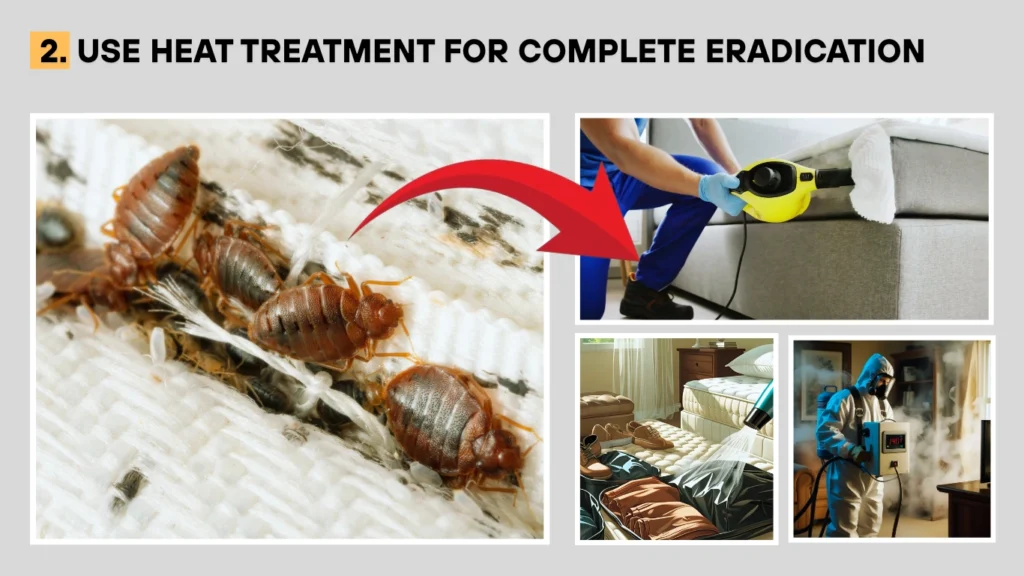
Bed bugs cannot survive high temperatures, making heat one of the most effective tools for eliminating them permanently. Unlike sprays that may miss hidden eggs, heat treatment penetrates every corner—killing bed bugs at all life stages in one go.
DIY Heat Methods
You can use a handheld steamer on your mattress, bed frame, and upholstered furniture. Steam should reach at least 160°F to kill bed bugs on contact. Place infested items like shoes, backpacks, or clothes in a black plastic bag and leave them in direct sunlight for several hours if outdoor temperatures are high enough.
Professional Heat Treatment
For serious infestations, hiring a pest control company that offers whole-room heat treatment is your best bet. They’ll raise the temperature of the entire room to around 130–145°F and maintain it long enough to kill all bugs and eggs. It’s expensive but highly effective—and often completed in a single day with minimal disruption.
3. Apply Insecticides (With Caution)
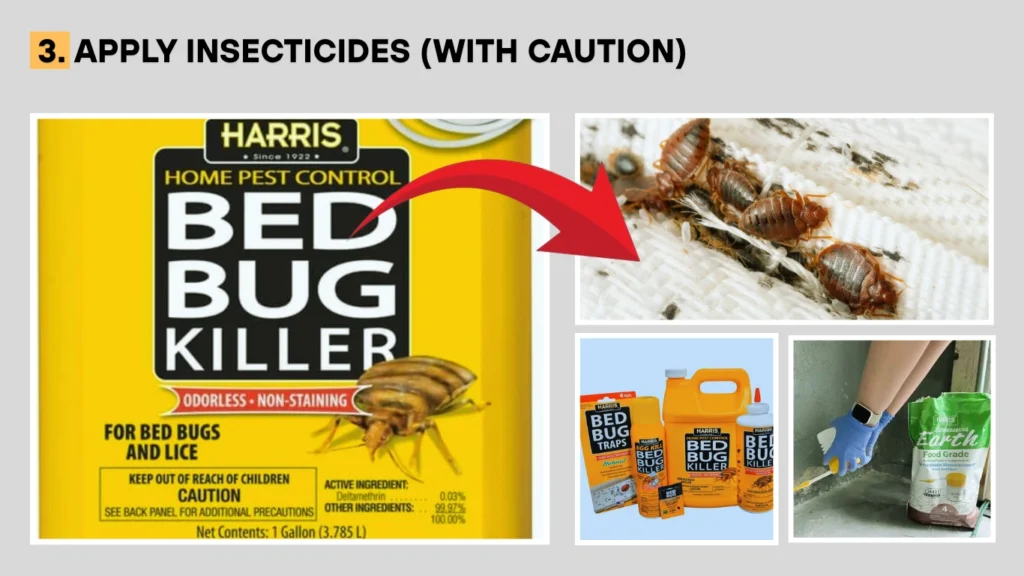
Chemical treatment can be a useful part of your bed bug removal plan—especially for killing those that survive heat or cleaning. However, it’s important to use insecticides safely and correctly to avoid health risks and ensure lasting results.
Residual Insecticide Sprays
Use EPA-approved bed bug sprays containing pyrethroids or neonicotinoids. Apply them along baseboards, mattress seams, cracks in walls, and furniture joints. These sprays leave behind a residue that continues to kill bed bugs for weeks.
Use Desiccant Dusts (Diatomaceous Earth or Silica Gel)
These natural powders work by drying out the bugs’ exoskeleton. Lightly dust hard-to-reach areas like behind switch plates, inside wall cracks, and under heavy furniture. Diatomaceous earth is non-toxic to humans and pets, but deadly to insects—making it a long-lasting, low-risk option.
4. Use Encasements and Traps

Sometimes, preventing movement is just as important as killing the bugs. Mattress encasements and interceptor traps help contain any survivors and stop new infestations from spreading.
Mattress and Box Spring Encasements
Invest in high-quality bed bug-proof encasements for your mattress and box spring. These zippered covers trap bugs inside and stop new ones from entering. Leave them sealed for at least a year to ensure all trapped bugs die off.
Bed Bug Interceptor Traps
Place these under each leg of your bed or furniture. They catch bed bugs trying to climb up or down, letting you monitor infestation levels and prevent spreading. Some also include lures to attract bugs hiding nearby.
5. Hire a Professional Exterminator (For Severe Infestations)

If you’ve tried everything and the bed bugs keep coming back, it’s time to call in the experts. Professional pest control companies have advanced tools, stronger chemicals, and deep experience in handling tough infestations—especially those hidden inside walls, behind outlets, or in multi-room setups.
Why It’s Worth the Investment
Professionals often combine heat treatment, chemical applications, and follow-up inspections to ensure complete extermination. Unlike DIY methods, they can reach deep into infested structures and provide a long-term guarantee.
What to Expect
The exterminator will inspect your entire home, identify key infestation zones, and recommend a tailored treatment plan. Most services require 1–3 visits. While the cost can range from $300 to over $1000 depending on the size of your home, the peace of mind is often worth it—especially when you’re losing sleep over it.
Preventing Bed Bug Reinfestation
Getting rid of bed bugs is only half the battle—keeping them away for good is the key to peace of mind. Without the right prevention steps, even one hitchhiking bug can restart the cycle. Here’s how to make sure they never return.
Be Cautious When Traveling
Bed bugs often spread through luggage and hotels. Always inspect hotel mattresses and headboards. Avoid placing your bags on beds or carpets—instead, use luggage racks. When you return home, wash and dry all clothes immediately on high heat.
Inspect Secondhand Furniture Thoroughly
Used couches, mattresses, or even electronics can hide bed bugs. Avoid curbside finds, and inspect all seams, joints, and crevices before bringing anything into your home.
Use Protective Barriers Long-Term
Keep your mattress and box spring in sealed encasements permanently. Continue using interceptor traps under furniture legs to detect early signs of reinfestation.
Regularly Vacuum and Declutter
Make vacuuming part of your routine, especially in bedrooms and living areas. A clean, uncluttered environment reduces hiding spots and helps you spot problems early.
By staying vigilant and proactive, you can enjoy a bed-bug-free home for the long run.
FAQs
1. Can I get rid of bed bugs permanently on my own?
Yes, it’s possible—but it requires dedication, time, and a multi-step approach. Deep cleaning, using heat and chemical treatments, applying protective barriers, and regular monitoring can eliminate bed bugs without professional help. However, for large infestations, hiring a professional is often more effective and faster.
2. Are bed bug bites dangerous?
Bed bug bites aren’t known to transmit diseases, but they can cause itchy, red welts and allergic reactions in some people. Constant scratching may also lead to secondary skin infections. The psychological stress—like anxiety and sleep loss—can be just as troubling.
3. How long does it take to eliminate bed bugs completely?
It depends on the severity of the infestation and the methods used. With proper treatment, light infestations can be resolved in a few weeks. Severe infestations may take up to 2–3 months and multiple treatment rounds to fully eliminate all bugs and eggs.
4. Does vinegar or alcohol kill bed bugs?
Rubbing alcohol can kill bed bugs on direct contact, but it’s not reliable for full treatment—plus, it’s flammable and potentially unsafe in large quantities. Vinegar may disrupt bed bug scent trails but does not kill them or their eggs. These are not permanent solutions.
5. What’s the fastest way to kill bed bugs?
Heat treatment is the quickest and most effective method. Whether DIY steaming or professional whole-room heating, it kills all stages of bed bugs instantly. Combining heat with vacuuming and dusting improves results and helps ensure they don’t come back.
